



A bob can sharpen a face in ten minutes, or flatten it for months. The difference is rarely length alone; it’s where the line lands, how much weight sits at the ends, and whether the cut works with your hair’s natural fall instead of fighting it.
That’s why bob haircuts keep coming back in so many forms. A chin-length blunt cut on pin-straight hair behaves nothing like a shaggy version on loose waves, and both can look completely right when the shape matches the hair underneath it. Tiny details matter. A quarter inch can change the whole mood.
I’ve always liked bob cuts for one simple reason: they do not pretend to be low-maintenance when they’re not. The good ones are honest. They tell you, up front, whether you want polish, movement, softness, or edge — and once you know that, picking a style gets a lot easier.
1. The Blunt Chin-Length Bob
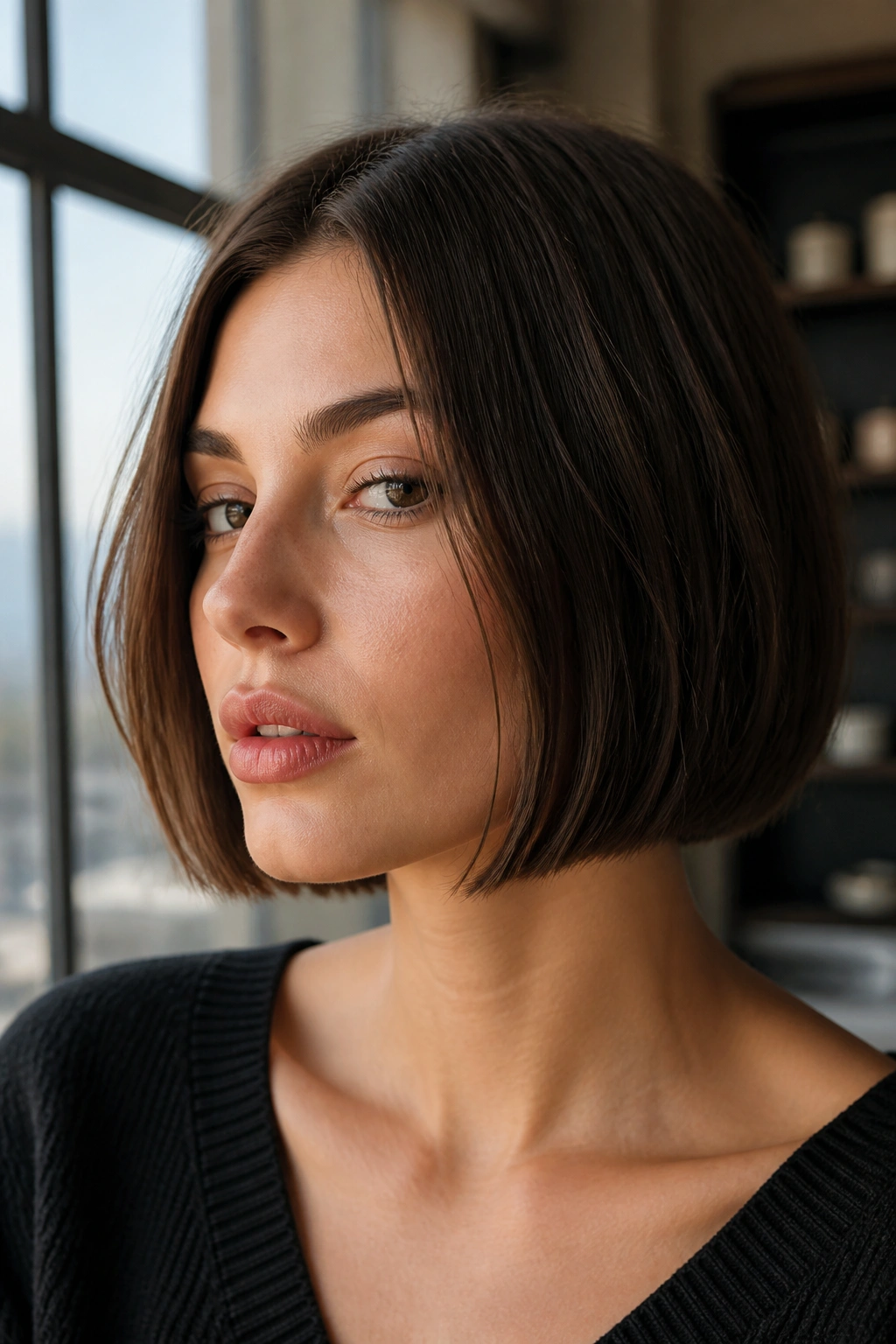
A blunt chin-length bob is the cut that makes a strong first impression without trying too hard. The line sits clean and even, so the eye goes straight to the jaw. That’s useful if you want your hair to look fuller, neater, and a little sharper in photos and in daylight.
Ask for a perimeter that stays heavy at the ends. No excessive thinning, no soft feathering through the bottom inch unless your hair is so dense it puffs outward on its own. If your hair bends under naturally, this cut is a gift. If it flips wildly at the ends, you’ll want a smooth blow-dry with a paddle brush and a nozzle aimed downward.
A good blunt bob should feel almost architectural. One clean line. That’s the charm.
- Best for straight to slightly wavy hair
- Works especially well on fine hair that needs the ends to look thicker
- Keep the length at the chin or just below it, depending on how much jaw definition you want
- Style with a smoothing cream and a round brush if you want a soft bend
Pro tip: If your hair has a stubborn cowlick at the nape, ask for the back to sit a touch longer than the sides. That tiny adjustment saves you from a strange little kick-out at the ends.
2. The French Bob With Soft Micro Bangs

Why does the French bob keep showing up in salon chairs? Because it does a lot with very little. The cut usually lands around the lip or jaw, and the fringe is short enough to show the brows but soft enough to feel lived-in, not costume-y.
The key is restraint. A French bob should look airy, not helmet-like. The bangs need movement, and the perimeter should have enough softness to sit close to the head without puffing out at the sides. This is not the place for heavy, blunt bangs unless you want a much harder look.
Why It Feels So Fresh
The shape opens up the face fast. It works especially well if you wear glasses, because the fringe and frames can play off each other instead of fighting for attention. I also like it on fine hair, since the shorter length makes the ends look fuller than they would at the shoulders.
How to Wear It
Dry it with your fingers first, then finish the fringe with a small round brush or just a quick pass of a flat brush. A dry texture spray at the roots keeps it from lying flat against the forehead. And if the bangs are too short for your comfort, keep them grazing the lashes instead of chopped high above them.
3. The Textured Bob With Piecey Ends
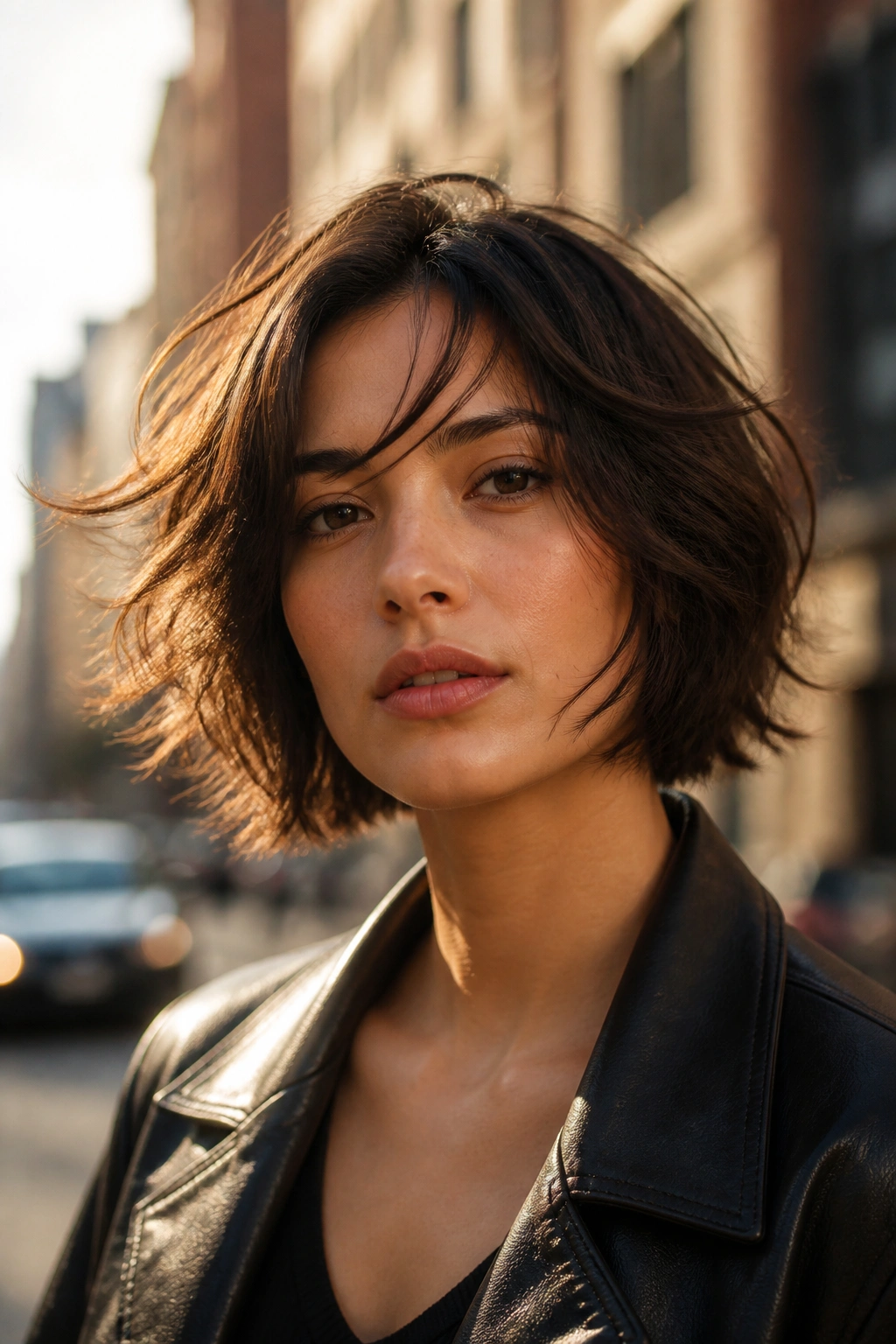
Some people want a bob that moves when they move. This is that haircut. The textured bob trades a perfect line for separation and lift, which makes it a smart choice if your hair tends to feel heavy, bulky, or a little too neat for its own good.
The trick is texture in the right place. You want some internal softness and a bit of break in the ends, but not so much that the cut turns fuzzy. The bottom edge should still read as a bob, not as grown-out layers with an identity crisis.
What Makes It Work
The texture keeps the shape from looking stiff. It also helps if your hair falls naturally in different directions, because the cut can absorb that without looking messy. A little grit cream or salt spray goes a long way here. Too much, and you get crunchy ends. Nobody wants that.
How to Style It
Rough-dry the roots first. Then twist 1-inch sections around your fingers while the hair is still warm. You do not need every strand to cooperate. A few bent pieces around the face are enough to give the whole cut some life.
4. The Angled Bob With a Longer Front
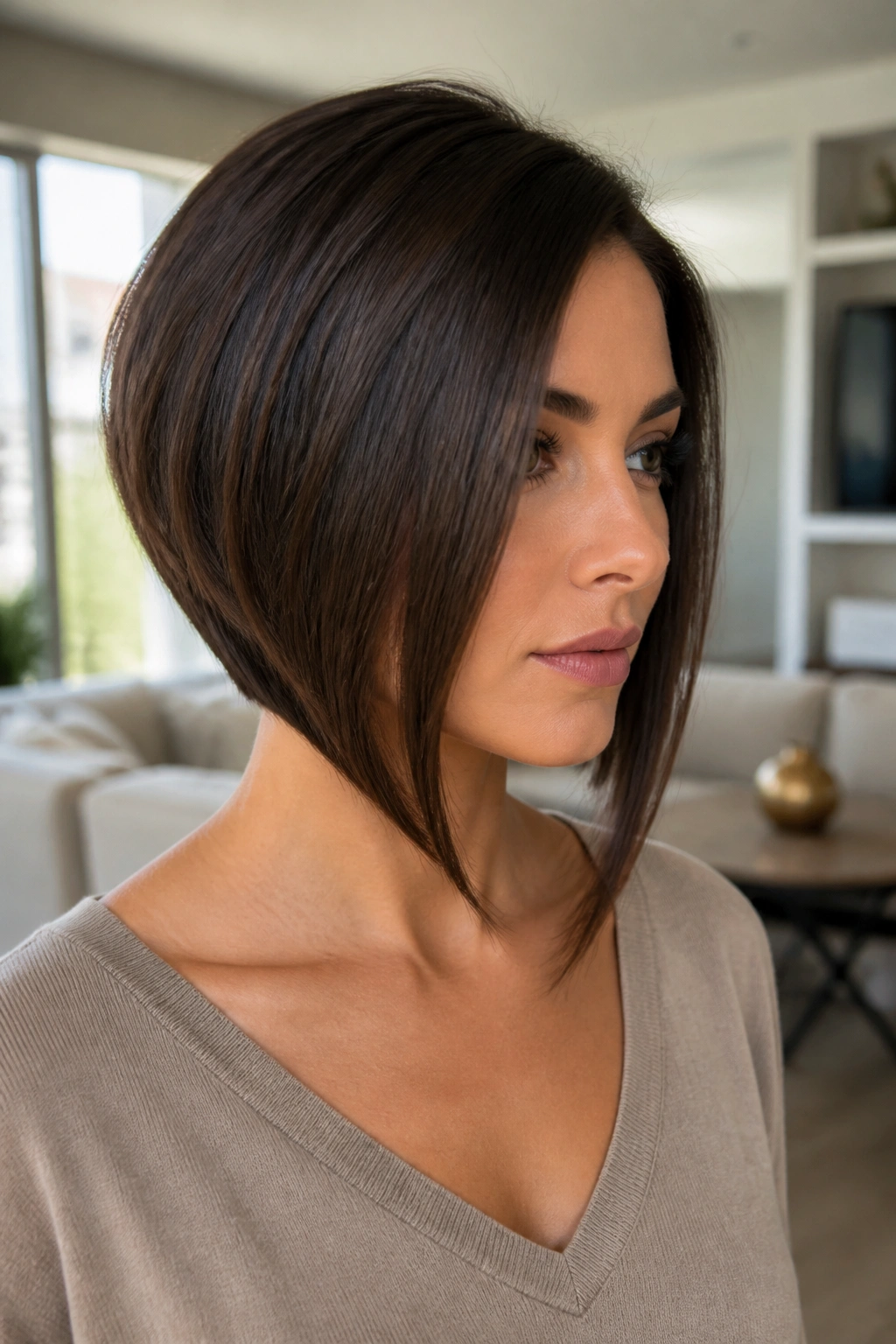
An angled bob is the haircut equivalent of a strong profile. Shorter in the back, longer in the front, it builds a visible diagonal line that can make the face look slimmer and the neck look longer. The shape is clear from every side, which is part of the appeal.
I like this cut when the angle is subtle. Too steep, and it starts to feel like a statement you did not ask to make every morning. A mild angle — maybe an inch or two from back to front — looks cleaner and wears better as it grows out.
For rounder faces, this shape can be a very good move because the forward length draws the eye downward. For square faces, a softer finish at the ends helps avoid too much sharpness at the jaw. The goal is structure, not severity.
If you style it with a round brush, aim the front sections slightly forward instead of curling them under hard. That keeps the line sleek without turning it into a mushroom.
5. The Layered Bob for Thick Hair
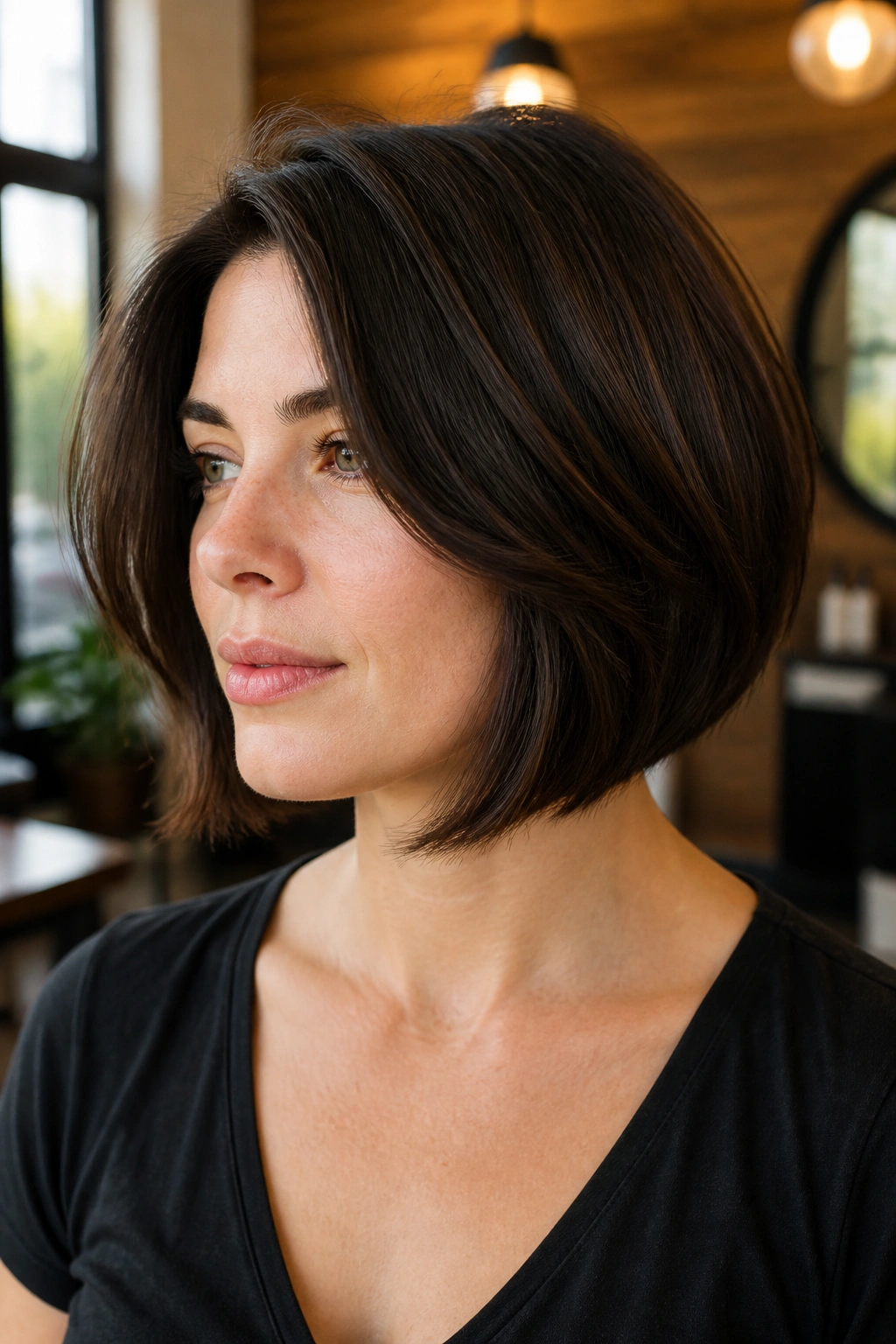
Thick hair and a layered bob are a match made by math, not magic. When a dense head of hair gets cut into one heavy block, it can balloon outward, especially if the ends are blunt and the crown is wide. Layers fix that — if they’re placed well.
Where the Layers Belong
Ask for internal layers that remove bulk through the middle, not a bunch of short pieces sitting on top. That distinction matters. You want the shape to collapse inward a little, not puff up around your head like a triangle. A stylist who understands weight removal will usually keep the perimeter strong and only lighten what needs to move.
What to Avoid
- Over-thinning the ends, which makes thick hair frizzier
- Razor cutting if your hair already has a rough surface
- Too many short layers at the crown, which can create a bubble
A layered bob also behaves better when it’s rough-dried halfway, then smoothed with a medium brush. If you blow-dry from soaking wet every time, you’ll spend more time than you need to. Thick hair likes a little shortcuts. So do people with lives.
6. The Italian Bob With Full Body
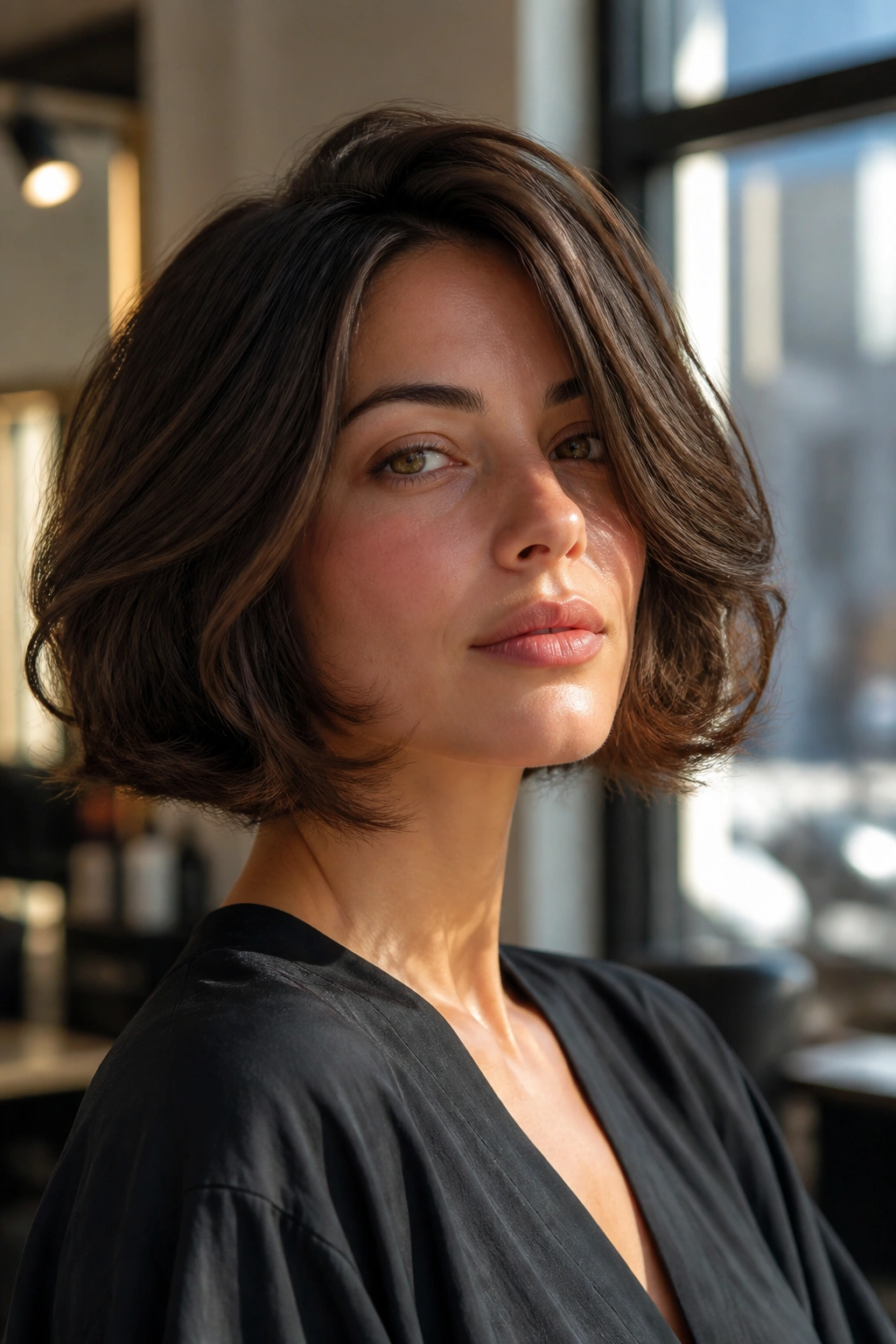
What gives an Italian bob that plush, swingy shape? It’s the combination of jaw-to-cheekbone length, soft body at the roots, and ends that curve in a little instead of sticking out. The haircut looks richer when the hair has movement, not when it sits flat and obedient.
The Brush Work That Matters
A round brush with a medium barrel is your friend here. Lift the roots, then turn the ends under just enough to give the line some shape. A light mousse at the roots helps hold the body without making the hair feel stiff. If you already have natural wave, even better. The style likes a little bend.
This is one of those cuts that looks more expensive when it isn’t overworked. Keep the part slightly off-center, and don’t flatten it to death with heavy serum. A little air around the roots keeps the whole thing alive.
I like this bob on medium-density hair because it holds shape without looking boxy. It can feel very polished, but never like you tried too hard, which is the point.
7. The Chin-Grazing Bob for Fine Hair
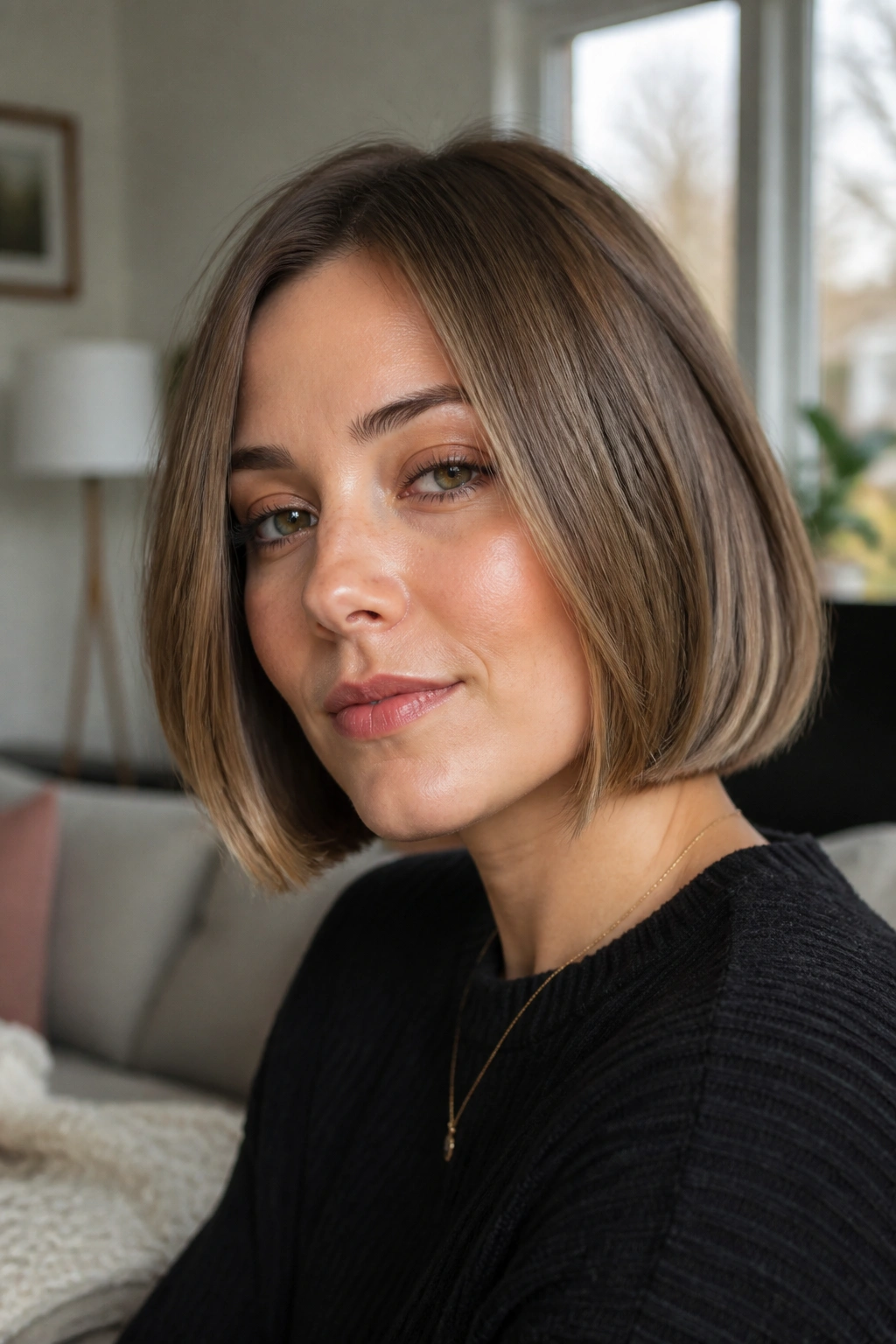
Picture fine hair that goes flat by lunch and starts showing every missed strand by dinner. A chin-grazing bob can fix a lot of that by making the ends look denser and keeping the overall shape compact. The haircut sits in a sweet spot: short enough to lift, long enough not to feel severe.
The best version is usually one-length or nearly one-length. Heavy layers on fine hair often backfire because they remove the weight that keeps the cut looking full. Keep the perimeter blunt and let the density do the work.
What to Ask For
- A clean line around the chin
- Minimal texturizing at the ends
- A slight off-center part for root lift
- Soft face-framing only if your hair needs it
The styling part is easy if you keep it light. Root spray at the crown, blow-dry with a paddle brush, and finish with a dab of cream at the tips. If your hair is the kind that collapses in humidity, this bob still needs a touch-up, but it’s more forgiving than longer cuts that drag the roots down.
8. The Collarbone Bob for Easy Grow-Out

A collarbone bob is the haircut I send people toward when they want the bob shape without committing to a daily styling battle. It sits long enough to tuck behind the ears, clip back, or throw into a tiny knot on bad-weather days. That matters more than people admit.
The shape is still a bob, just a longer one. The line grazes the collarbone or sits a touch above it, which gives you room to breathe if you’re nervous about going short. It also grows out in a civilized way. No awkward shelf. No sudden panic.
You can wear it straight, wavy, or with a soft bend through the mid-lengths. I like it when the ends are kept a little blunt so the hair still looks intentional as it gets longer. If you want a bob that forgives missed trims, this is a safe bet.
It’s especially good for people who live in clips, headbands, and low ponytails. Which is most of us, honestly.
9. The Asymmetrical Bob
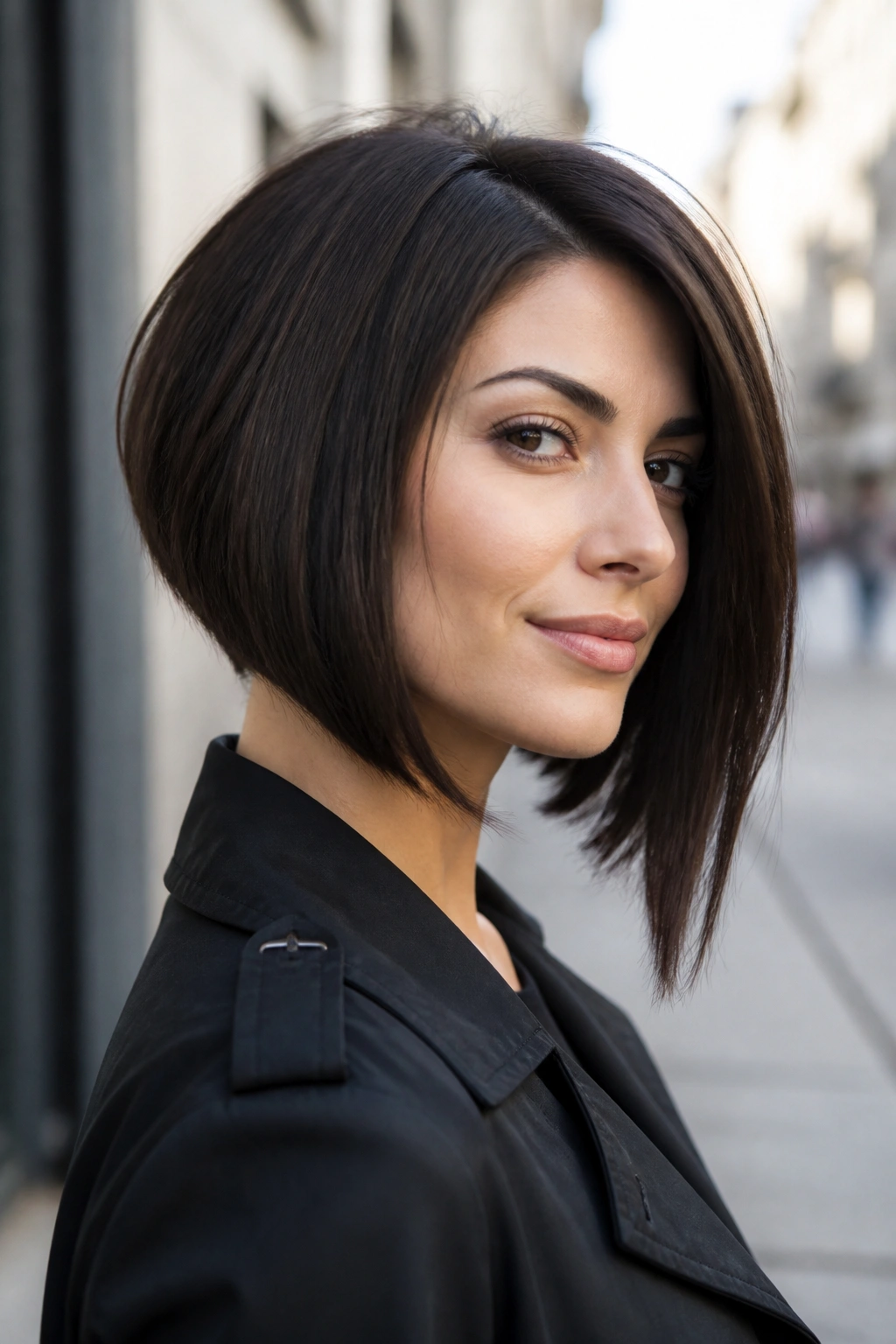
Unlike a blunt cut, an asymmetrical bob gives one side permission to speak louder. That tiny shift changes the whole cut. One side is longer than the other by a subtle margin — sometimes half an inch, sometimes more — and the difference creates movement even before you style it.
I prefer asymmetry when it’s controlled. If the gap between the two sides is too dramatic, the haircut can start wearing you instead of the other way around. A slight tilt is enough. Think intentional imbalance, not a stunt.
This bob works best on straight or lightly wavy hair, because the line stays visible. If your hair has a strong cowlick or one side always flips out, keep the difference modest so the shape doesn’t get lost. A deep side part can make the longer side feel softer, while an ear tuck on the shorter side shows off the angle.
The nice thing about this cut is that it looks styled even on a lazy day. The silhouette does the heavy lifting.
10. The Bob With Curtain Bangs
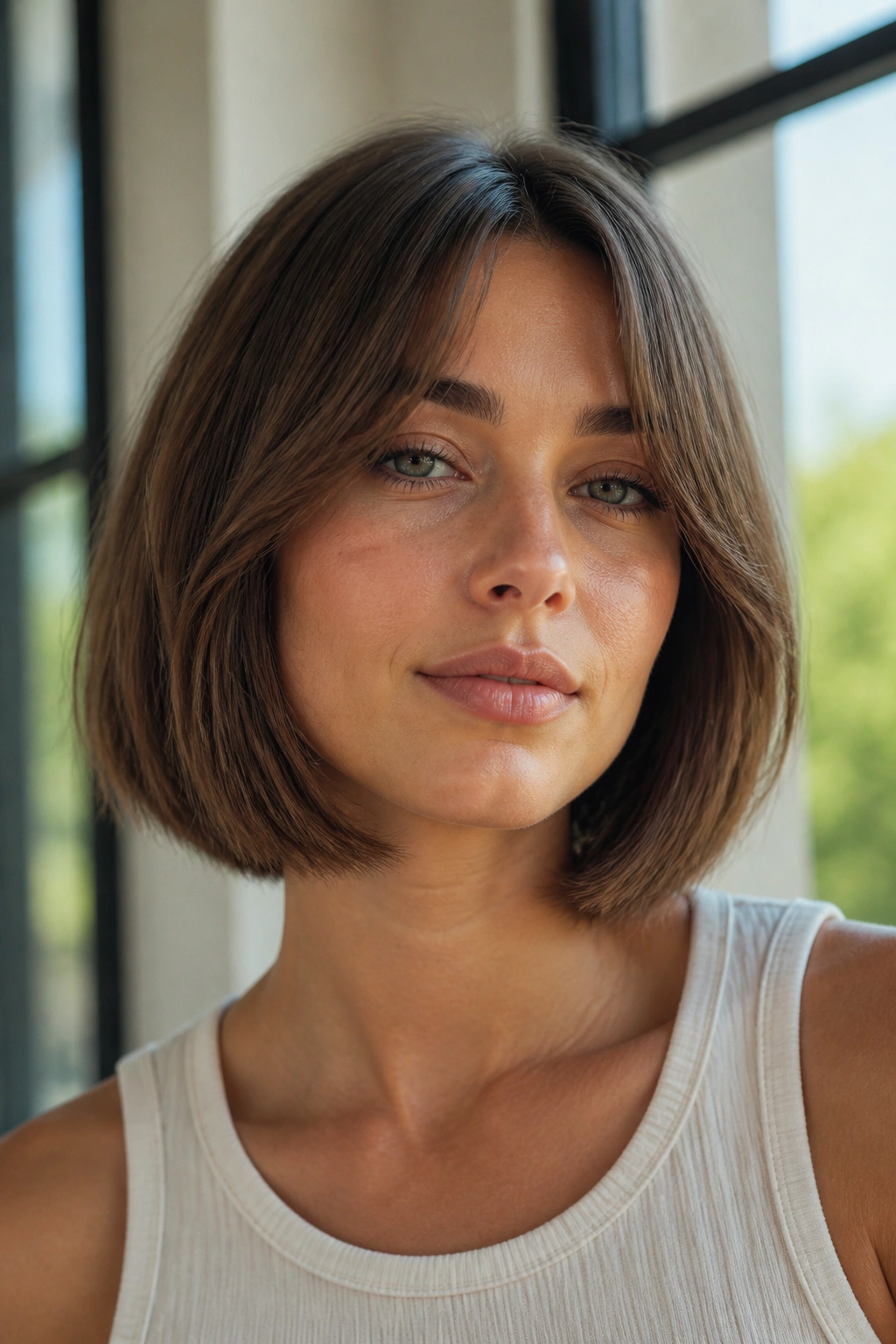
Curtain bangs change the whole mood of a bob. Suddenly the cut feels softer around the eyes and more open through the forehead, even when the perimeter stays blunt. That mix is why the style has stuck around for so long.
How the Fringe Changes the Cut
Curtain bangs are usually longer through the sides and shorter in the middle, so they split away from the face instead of sitting like a solid block. If you want to soften a strong jaw, balance a longer face, or just move attention up toward the eyes, they do the job well. The key is blending. Harsh bangs with a soft bob can look disconnected.
Ask for the shortest point to sit around the bridge of the nose or just below it, depending on how much opening you want. Too short, and they lose the sweep. Too long, and they start behaving like grown-out fringe.
How to Style Them
- Blow-dry the bangs away from the face first
- Wrap each side around a small round brush for 5 to 10 seconds
- Finish with a light mist of flexible spray
- Tuck the ends behind the ears while they cool if you want a gentler bend
I like this cut on people who want a bob but do not want the face to feel boxed in.
11. The Box Bob

A box bob looks simple until you live with it. The square shape, the straight sides, the blunt bottom — all of it works together to create a crisp outline that feels a little graphic and a little stubborn. That is the appeal.
This cut is best when the hair is naturally straight or only slightly wavy. If the hair bends wildly, the square finish gets harder to hold. A side part can soften the effect if the center part feels too severe, and a bit of inward bevel at the ends keeps the line from feeling pasted on.
I’m a fan of box bobs on fine to medium hair because they make the density look fuller right away. The cut is less forgiving on very round faces if it stops too high at the jaw, but a slightly longer version usually fixes that. The shape should look deliberate, not stiff.
One small thing people miss: the box bob needs regular dusting at the ends to stay sharp. Let it grow too long, and the square corners go mushy fast.
12. The Shaggy Bob With a Tousled Finish

Why do shaggy bobs look better a little imperfect? Because the cut is built to move. A shaggy bob uses layers to break up the silhouette, so the hair can fall in soft pieces instead of one solid block. It looks less polished, but that’s the point.
What Makes It Different
The layers are usually a little choppy and placed through the mid-lengths, not just at the ends. That gives the bob lift around the crown and a loose finish near the face. If your hair already has wave, this cut can be a very easy win. If it is pin-straight, you’ll need a little help from a curling wand or a diffuser.
How to Get the Look
- Dry the roots first for lift
- Twist random 1-inch sections around your fingers
- Use a light cream, not a heavy oil
- Shake it out and stop before it gets too polished
The best shaggy bob doesn’t look like you forgot to comb your hair. It looks like you chose not to force it. There’s a difference, and it matters.
13. The Stacked Bob
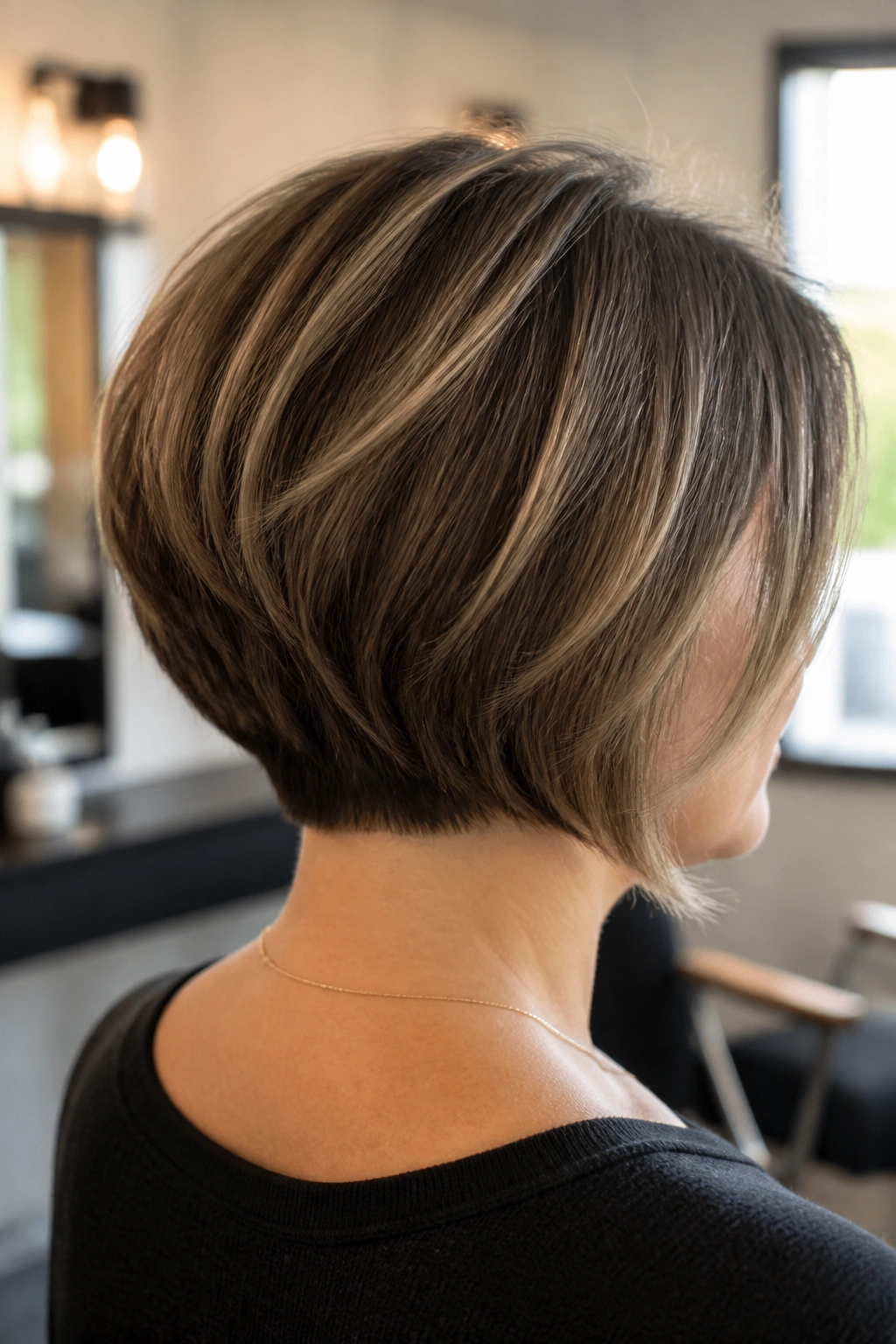
The stacked bob is built from the back forward. Shorter layers at the nape create lift, and that lift travels upward through the crown. From behind, the shape can look almost tucked and sculpted, which is why people with flat roots keep coming back to it.
The Back View Matters Most
If you’ve never had one, the biggest surprise is how much volume lives in the rear section. The cut can make the head look more rounded in a good way, especially when the top layers are kept controlled. That said, too much stacking can puff the back out and make the silhouette feel dated fast. The sweet spot is a clean graduation that stops before it becomes a helmet.
What Helps It Work
- Keep the nape neat with regular trims
- Use a root-lifting mousse before blow-drying
- Dry the back first, lifting the hair away from the scalp
- Avoid over-layering the crown if your hair is already coarse
I like this cut on people with flat hair and a narrow neck, because it gives shape without needing daily teasing or a pile of hot tools.
14. The A-Line Bob

If you like a sharper line than a lob but less drama than a pixie, the A-line bob sits in a useful middle zone. It slopes gently from shorter hair in the back to longer pieces in the front, but the angle is usually softer and more wearable than a severe asymmetrical cut.
The shape is easy to read from the side, which is part of why it flatters so many faces. The front length can skim the jaw or land a little below it, depending on how much softness you want. The line should look clean, not triangular.
This cut behaves well on straight hair, but it can also look good with loose wave if the stylist keeps the ends from getting too thin. The front pieces should frame the face, not hang there like separate curtains. That distinction is small in words and huge in real life.
A-line bobs are a solid choice if you want movement and structure in the same haircut. Rare combination. Worth it.
15. The Curly Bob
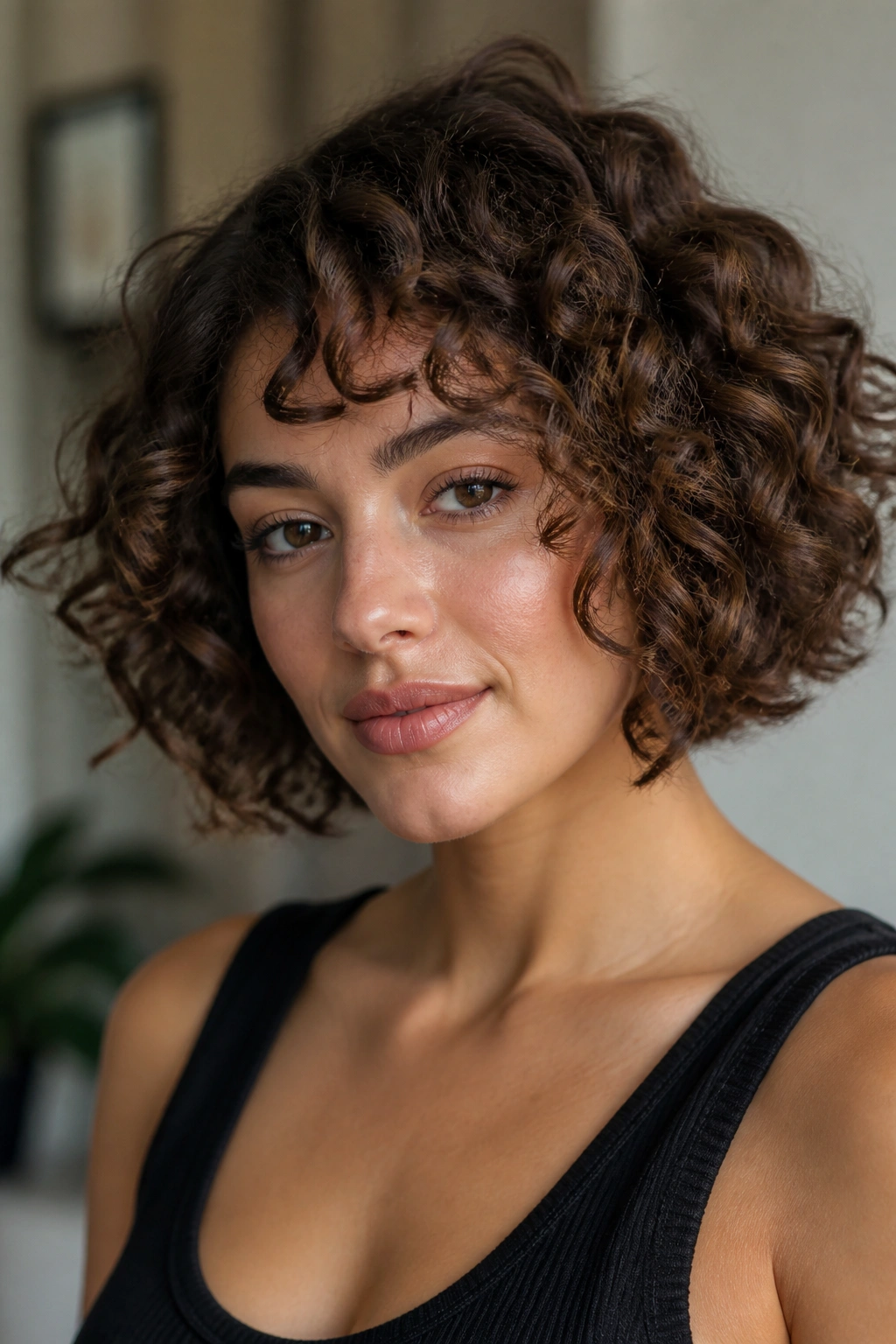
Curly hair and a bob can get along beautifully when the shape respects the curl pattern. The biggest mistake is cutting curls as if they were straight and expecting them to settle into place later. They won’t. They spring, shrink, and do their own thing.
How the Shape Should Be Cut
A curly bob usually needs to be cut with the curl pattern in mind, often dry or partially dry, so the stylist can see where each curl lands. The length should account for shrinkage — sometimes by more than you expect. If you want it to sit at the chin when dry, it may need to be cut lower when wet.
The outline can be rounded, a little tapered, or softly square depending on the curl type. What matters most is balance. No heavy, blunt shelf at the bottom, and no random layers that leave the sides empty while the top balloons.
Use a diffuser on low heat, scrunch in a curl cream, and stop touching it once it starts drying. Curly bobs look best when they keep their shape, not when they’re combed into submission.
16. The Wavy Bob

Wavy hair doesn’t need much help to sell a bob. That’s the nice part. The texture already gives the cut motion, so the shape can stay a little simpler and still look done.
What matters most is where the wave falls. If your hair bends naturally into an S-shape, a bob that lands just above the shoulders will show it off without fighting the wave. A center part creates a clean look. A side part gives a little lift and can stop the cut from looking too symmetrical.
How to Get the Bend
If your hair is only halfway wavy, wrap a few front sections around a 1-inch iron and leave the ends loose. You want soft bends, not curls that look separately styled. A light mist of sea salt spray can help, but too much will make the ends feel rough.
This cut is also forgiving on days when you air-dry and walk away. That alone earns it points in my book.
17. The Micro Bob
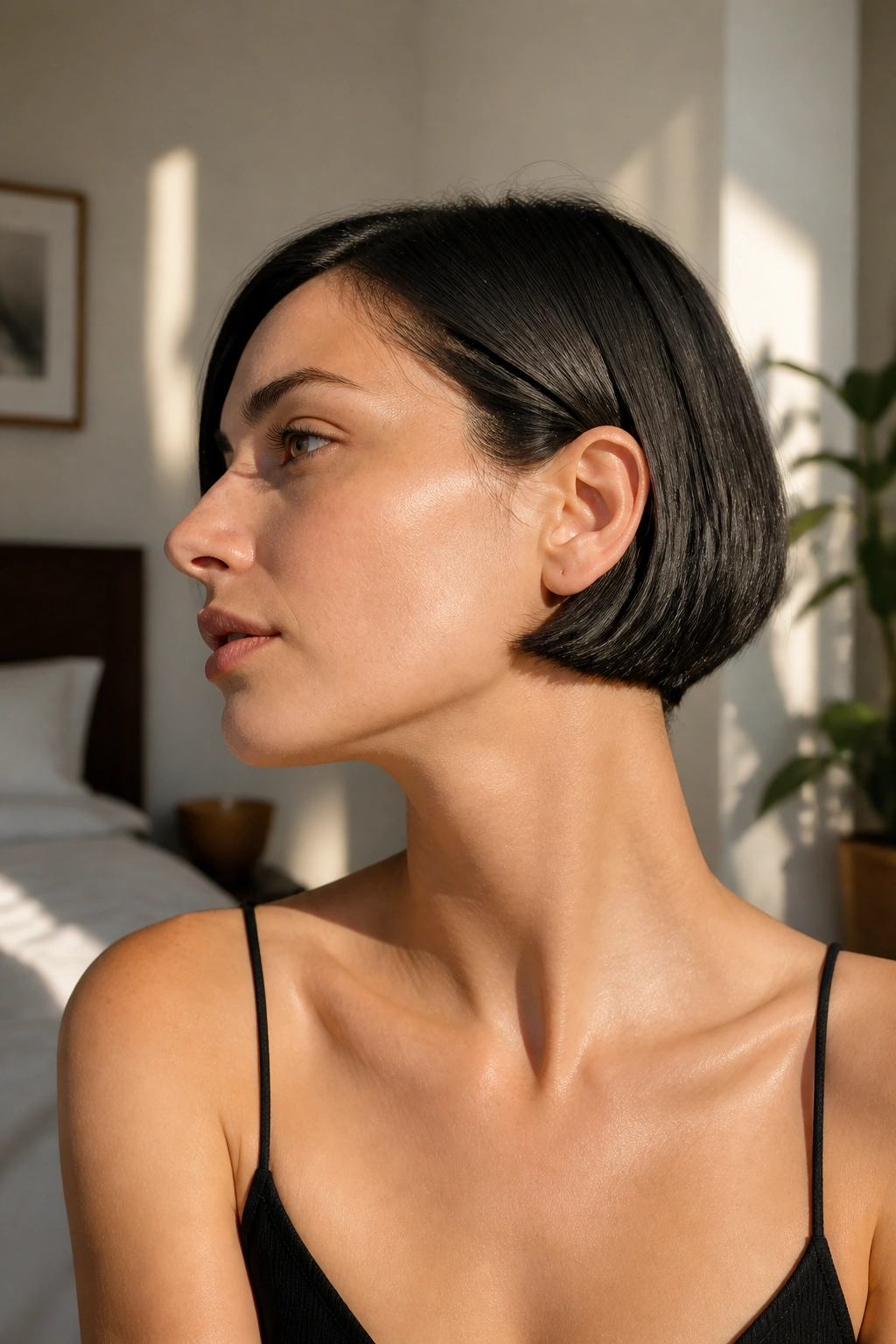
A micro bob is a small cut with a big opinion. It usually sits somewhere between the cheekbone and the jaw, and it makes the neck, ears, and jawline part of the whole look. There’s no hiding with this one. Which is exactly why some people love it.
It works best when the line is very clean. The ends should be blunt or nearly blunt, and the shape should be trimmed often so it doesn’t slip into awkward grow-out territory. If you like a haircut that looks sharp even in a plain T-shirt, this is the move.
Quick Reality Check
- It shows every cowlick
- It needs regular trims
- It looks best with a precise neckline
- It can make earrings and glasses stand out more
I wouldn’t call it low-maintenance. I would call it decisive. If you want to keep your morning routine short and your style strong, the micro bob can do that — provided you’re okay with seeing every inch of the cut.
18. The Long Bob, or Lob

The lob is the haircut for people who want to keep one foot in bob territory. It skims the shoulders or sits just above them, which gives you enough length to tuck, wave, clip, or bun without losing the shape of a shorter cut.
I think the lob earns its reputation because it behaves well as it grows. A chin-length bob can go odd fast when it passes the jaw. A lob usually softens into something still useful. That makes it a smart choice if you’re nervous about maintenance or if you’re growing out a shorter bob and do not want the in-between stage to look sloppy.
It also takes well to texture. Straight, wavy, blown out, air-dried — the cut can handle all of it. If your hair flips at the ends, ask for a slight bevel so the bottom doesn’t kick outward in a weird shelf. That tiny detail matters more than people think.
The lob is not flashy. It is reliable. Sometimes that’s exactly the right answer.
19. The Inverted Bob

An inverted bob is all about graduation, and you can see it from the side before anyone says a word. The back is shorter and fuller, while the front falls longer and sleeker. It shares a little DNA with the stacked bob, but the profile is usually cleaner and the slope more visible.
Why the Side Profile Matters
This cut gives the head a lifted shape through the back while keeping movement in the front. If your hair is flat at the crown and thick at the nape, the inversion can balance that out nicely. If your hair is already coarse and wide through the sides, ask for a softer graduation so the shape does not spread out too much.
I like it best when the line is crisp but not harsh. The front should graze the jaw or neck, depending on how dramatic you want it. If the angle gets too steep, the cut can feel dated fast. A gentler version stays wearable longer.
A little smoothing cream and a round brush are enough for most days. The shape is doing the work, not the styling product.
20. The Side-Part Bob

Can one bob feel polished and easy at the same time? A deep side-part bob gets pretty close. The part creates instant lift at the roots, and the off-center line softens the face without needing bangs or a major shape change.
I like this cut because it works with nearly every texture. Straight hair gets a bit more movement. Wavy hair gets a little more bounce. Curly hair gets a nicer frame around the forehead and cheekbone. If your hair tends to lie flat near the part, blow-dry that section in the opposite direction first, then flip it back once it cools. Old trick. Still works.
Small Details That Make It Better
- Keep the part about 2 to 3 inches off center
- Tuck one side behind the ear for a cleaner line
- Use a root-lift spray only at the part, not all over
- Finish with a light bend through the front pieces if you want softness
This is the kind of bob that looks like you made an edit without making a scene. Sometimes that is the nicest kind of change.
Final Thoughts
The best bob haircuts are the ones that suit your daily routine, not the ones that only look good in a saved photo. If you need clean lines, pick blunt. If you want movement, ask for texture. If your hair is thick, fine, curly, or stubborn at the nape, the shape should answer that first.
Bring photos, yes, but bring photos of people with your texture and density. That matters more than face shape alone. A bob on straight, fine hair can sit a full inch different from the same bob on coarse waves, and that one inch changes everything.
A good cut should make styling easier, not louder. That’s the test I keep coming back to.
