



The best haircuts for women are rarely the ones that look dramatic for one photo and then fall apart by lunch. The good ones do something quieter and harder: they work with your hair when it’s clean, when it’s slept on, when you’ve air-dried it in a rush, and when you can’t be bothered with a brush.
That’s why the cuts women keep asking for tend to have a real job to do. They soften heavy hair. They give fine hair a little lift. They let waves look intentional instead of wild. And they grow out without turning into a mess you want to hide under a baseball cap.
There’s also a practical side people skip over. A blunt line can make fine hair look fuller. Long layers can swallow thickness if they start too high. Fringe can change your whole face in five minutes, but only if it sits in the right place and doesn’t split like a cheap curtain by the end of the day. Little details matter. A lot.
The 20 cuts below are the ones that keep showing up for a reason: they’re wearable, they’re flattering in different ways, and they make sense in real life. Some are sharp. Some are soft. Some are low-maintenance, and some ask for a little more hand-combing and a better blow-dry. All of them have a point.
1. French Bob
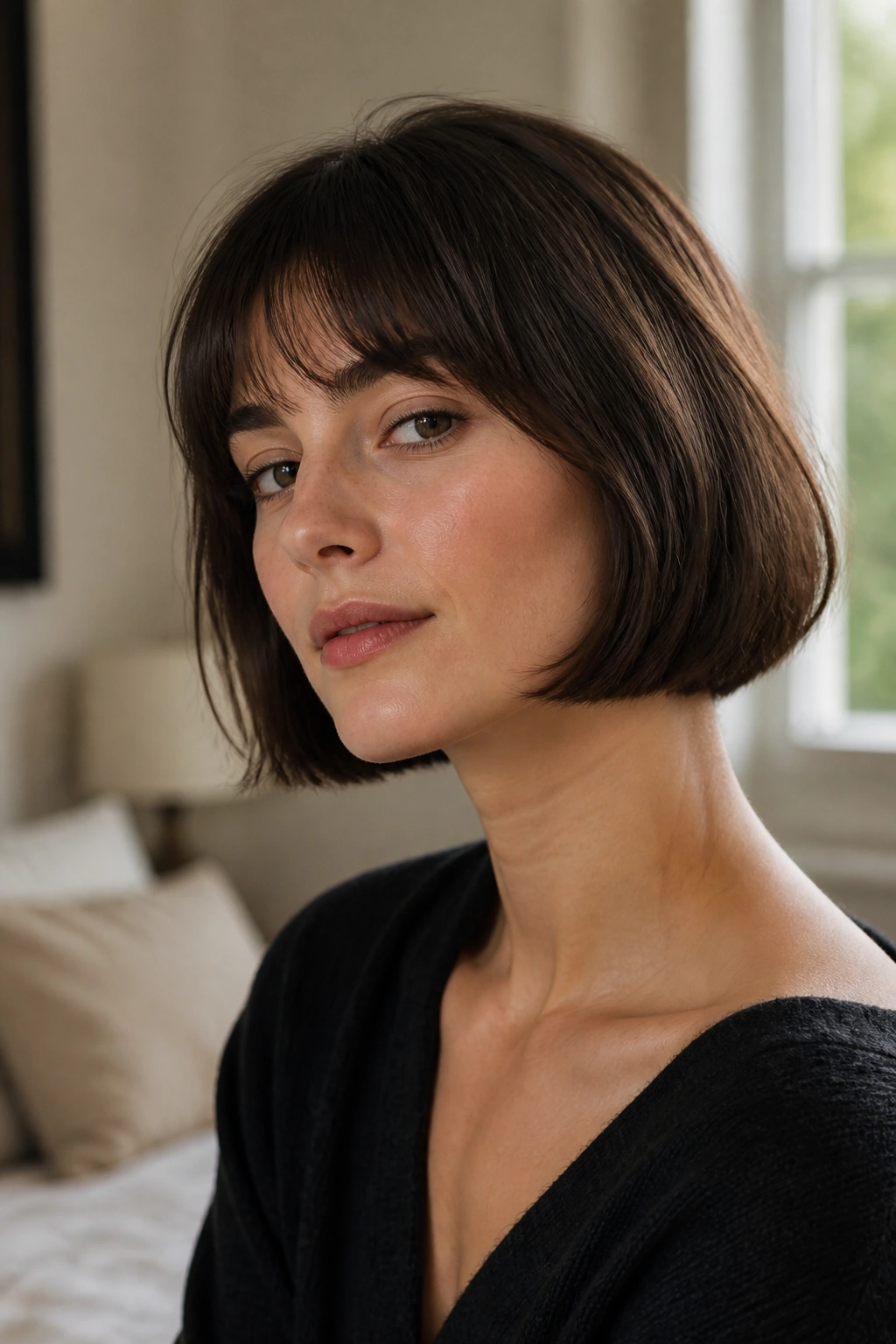
A French bob is blunt, chin-grazing, and a little bit ruthless in the best way. It sits short enough to feel intentional, but not so short that it starts to read as severe. When it’s cut well, it makes the jawline look cleaner and the neck look longer. That’s a neat trick for one haircut.
Why It Keeps Working
The shape is the whole story. A French bob leans on a clean perimeter, so even if your hair is fine, it can still look thick at the ends. If your hair is wavy, the movement gives it that loose, slightly undone feel people keep asking for. Straight hair makes the line look crisp. Either way, it has attitude.
Ask your stylist for a chin-length blunt bob with just enough softness through the interior so it doesn’t feel boxy. If your hair is very thick, a touch of internal debulking helps the ends sit flat. Too much layering ruins the point.
- Best for: straight, wavy, and medium-density hair
- Styling time: about 5 to 10 minutes
- Maintenance: trim every 5 to 7 weeks
- Skip if: you hate seeing your hair line up clean at the jaw
Pro tip: tuck one side behind the ear and leave the other loose. It sounds small, but it changes the whole mood.
2. The Collarbone Lob
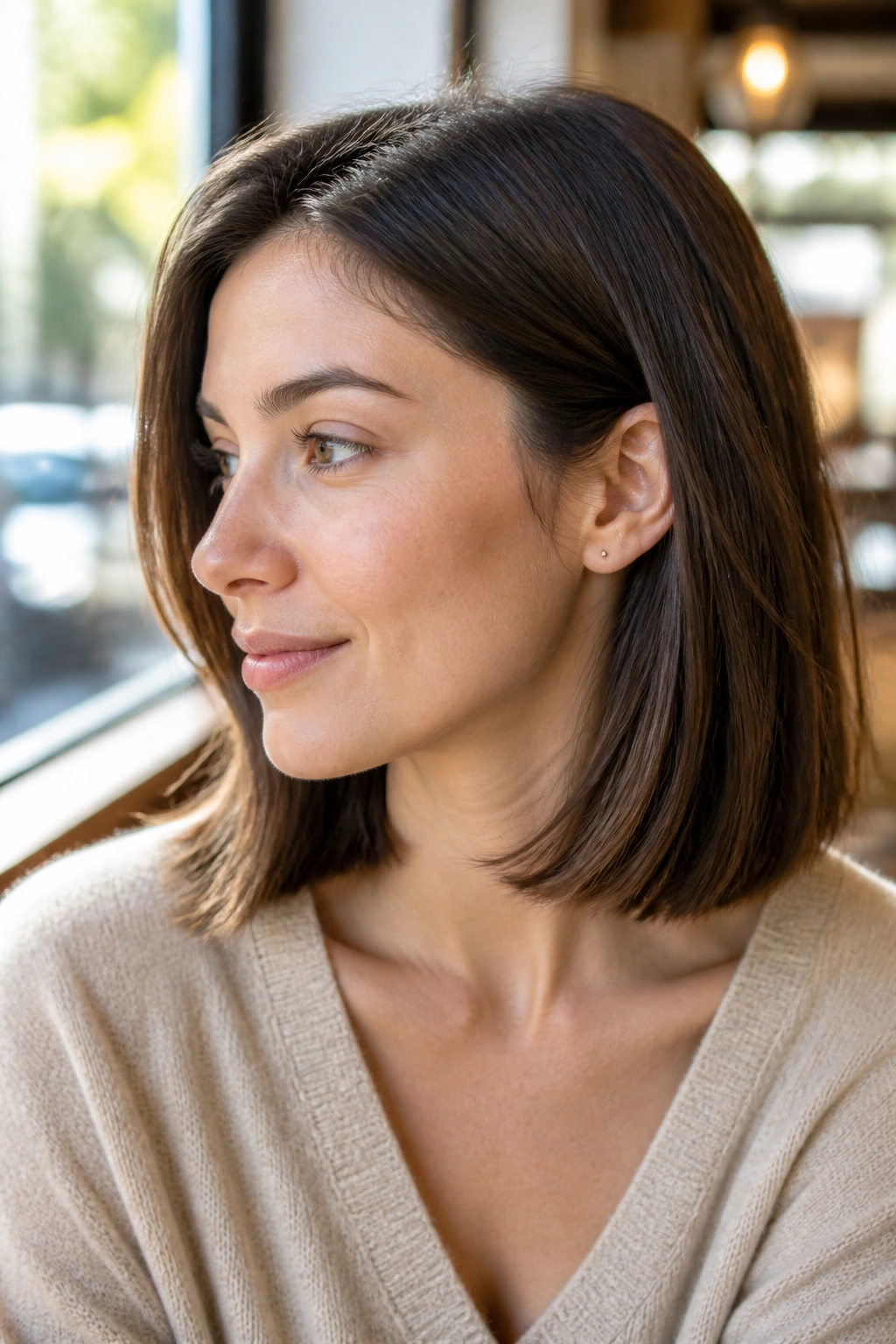
Why does the collarbone lob keep showing up in salon chairs? Because it lives in that useful middle ground where your hair still feels long, but your ends stop dragging you down. It’s one of those haircuts that makes sense for people who want change without a full identity crisis.
The length usually lands right at or just below the collarbone, which means it catches on sweaters in the nicest way and still pulls back into a clip. That matters more than people admit. Hair that can still go up for errands, workouts, or a windy day gets worn more often.
How to Wear It
If your hair is fine, keep the layers light and low. If it’s thick, a few face-framing pieces can stop the whole shape from puffing out at the bottom. The trick is not to overthink it.
- Ask for the front to graze the collarbone, not sit a full inch above it
- Keep the ends clean if you want the cut to look polished
- Add soft bends with a 1-inch curling iron if you want movement
- Let it air-dry if your natural texture already has a bend
It’s a low-drama cut. That’s the appeal.
3. The Butterfly Cut
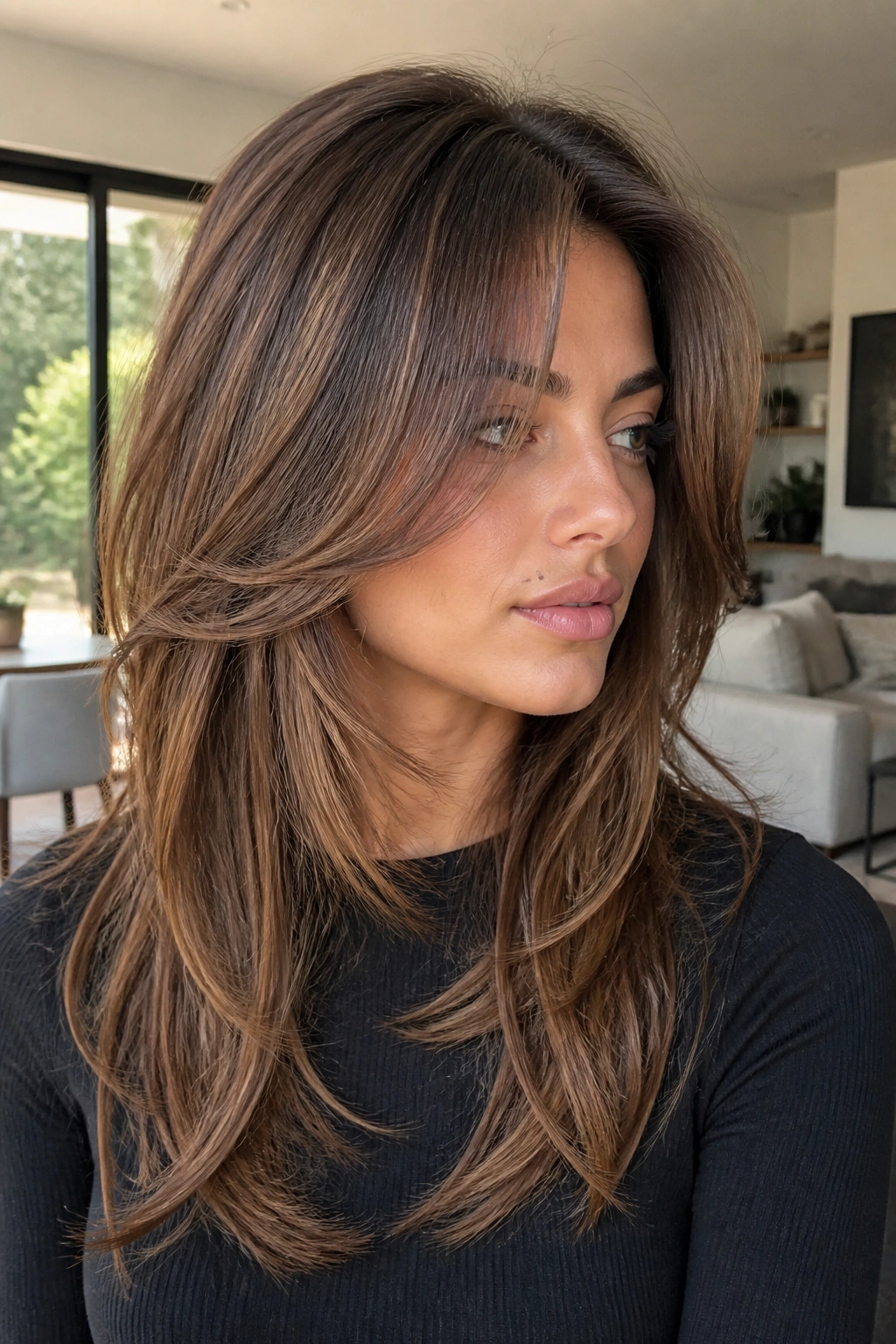
The first time someone sees a butterfly cut on thick hair, they usually say some version of, “Oh, that moves.” And that’s the point. This cut uses short face layers and longer back layers to create lift without chopping off the length people are attached to.
It works because it gives the illusion of shorter hair around the face while keeping the rest long and swingy. You get shape near the cheekbones, but the ends still fall past the shoulders. That mix is why it’s so easy to wear with a blowout or a loose wave.
Where the Layers Matter
A butterfly cut should not feel like a shag with a fancier name. The shortest pieces usually start around the chin or cheekbone, while the longer sections stay well below the shoulders. If the short pieces are too high, the cut can get floppy around the crown.
Styling this one is easier if you think in layers, not in one big shape. Blow-dry the shorter pieces away from the face, then smooth the longer lengths with a large round brush or a wide curling iron.
Good fit for: dense hair, longer faces, and anyone who wants volume without losing length.
4. The Italian Bob
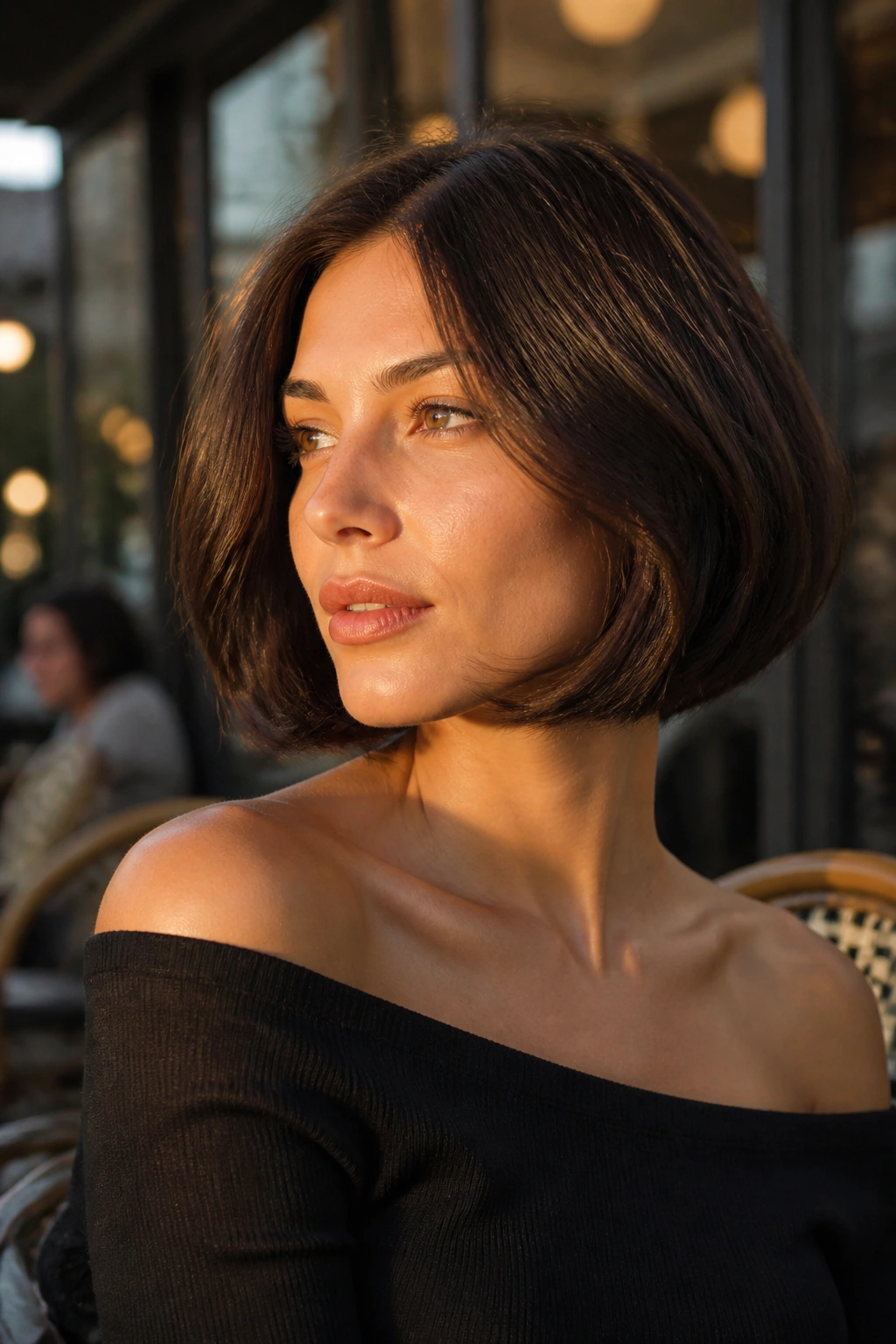
Compared with the French bob, the Italian bob feels richer and a little rounder. It sits around the jawline or just below, but it has more body through the ends and a softer swing when you walk. If the French bob is sharp lipstick, the Italian bob is a silk blouse.
This cut does especially well on hair that already has some natural fullness. The shape is usually fuller through the sides, with a gentle curve under instead of a strict blunt line. That makes it a smart choice if you want your hair to look expensive without pretending you spent an hour styling it.
The best version has weight. Not heaviness. Weight.
If your stylist takes out too much bulk, the whole point disappears. Ask for a bob that keeps density at the outline and uses just enough movement inside to keep it from feeling helmet-like. On wavy hair, a quick blow-dry with a round brush can make it fall in that loose, old-money way people keep pinning to mood boards.
5. The Soft Shag
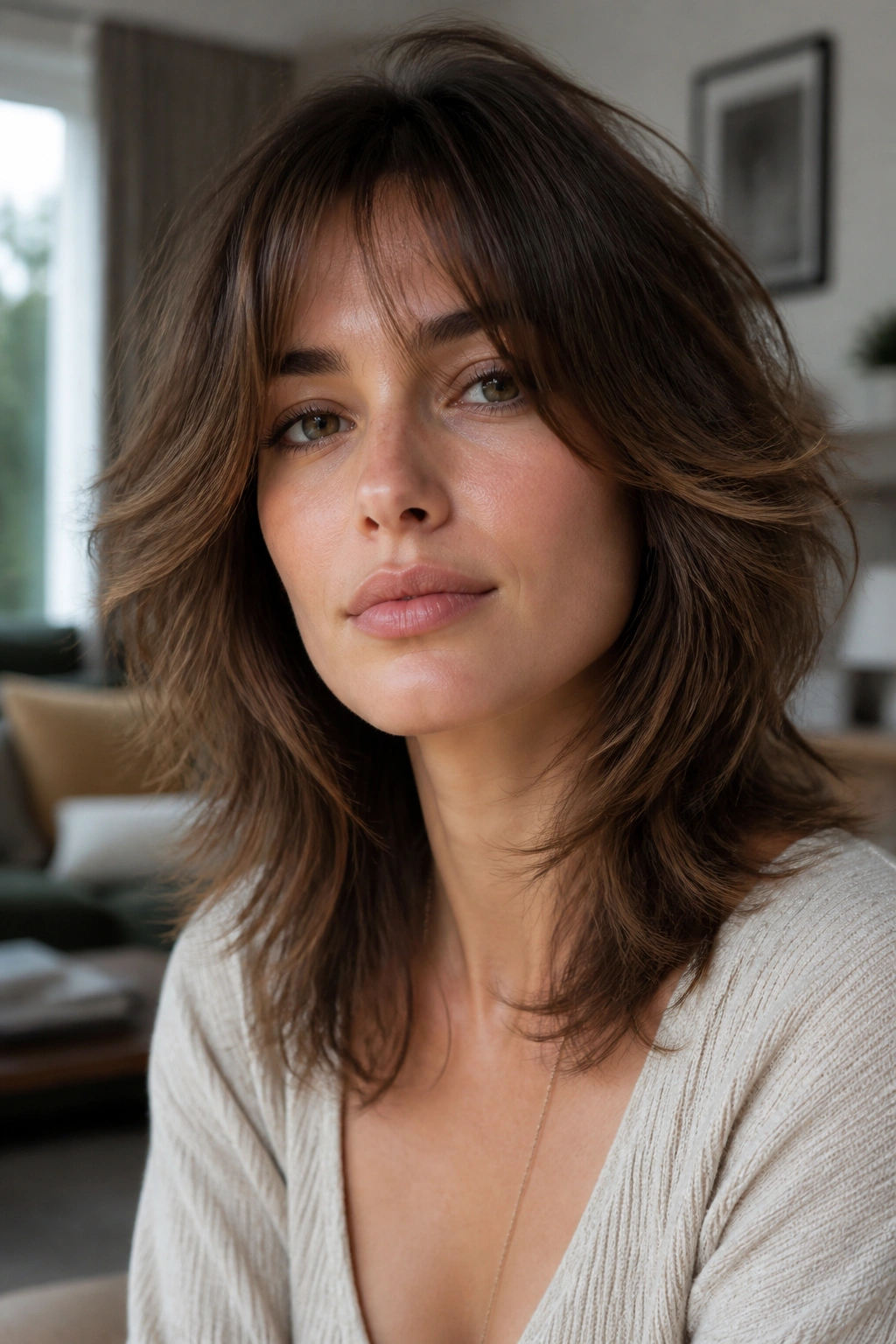
The soft shag smells like a salon full of texturizing spray and feels like hair that can’t wait to move. It’s layered, yes, but not in a choppy, punk way unless you ask for that. The better version has feathered ends, a little lift at the crown, and pieces around the face that fall easily.
What Makes It Work
A soft shag is a good answer for wavy and curly hair that goes flat when it gets one-length cuts. The layers free up the curl pattern, so the hair starts to spring instead of hanging. On straight hair, it creates a piecey texture that looks a bit lived-in, which some people love and others should avoid.
This is where the cut can go wrong: too many short layers, and the hair gets wispy. Too little, and it loses the shag shape. Ask for movement through the mid-lengths and ends, with enough weight left at the bottom so the shape still reads as hair, not fluff.
- Best on: waves, curls, and medium-density hair
- Good styling aids: curl cream, diffuser, light texturizing spray
- Needs: a little scrunching or air-drying
- Not ideal for: hair that’s already fragile at the ends
No stiffness. That’s the whole charm.
6. The Longer Pixie

A longer pixie is for someone who wants short hair without jumping straight into a super-close crop. The top stays long enough to sweep, spike, or tuck forward, while the sides and nape are trimmed down so the shape feels clean. It shows the face in a way that a bob never quite does.
Who It Flatters
This cut can be sharp on strong bone structure, but it also works on softer features because the extra length on top lets you change the silhouette. Push it forward and it feels edgy. Brush it up and it looks airy. Part it to the side and it softens fast.
The useful part is the styling freedom. On busy days, you can run a little paste through the top and go. On better days, a blow-dryer and a round brush give it lift at the crown. It does ask for regular trimming, though, because a pixie that grows out unevenly starts to look tired fast.
- Top length: usually 2 to 4 inches
- Side length: short, but not shaved unless you want that
- Best for: people who like showing their ears and neckline
- Watch for: cowlicks at the front, which can be tricky
Short hair, but not strict. That’s the sweet spot.
7. The Blunt Shoulder-Length Cut
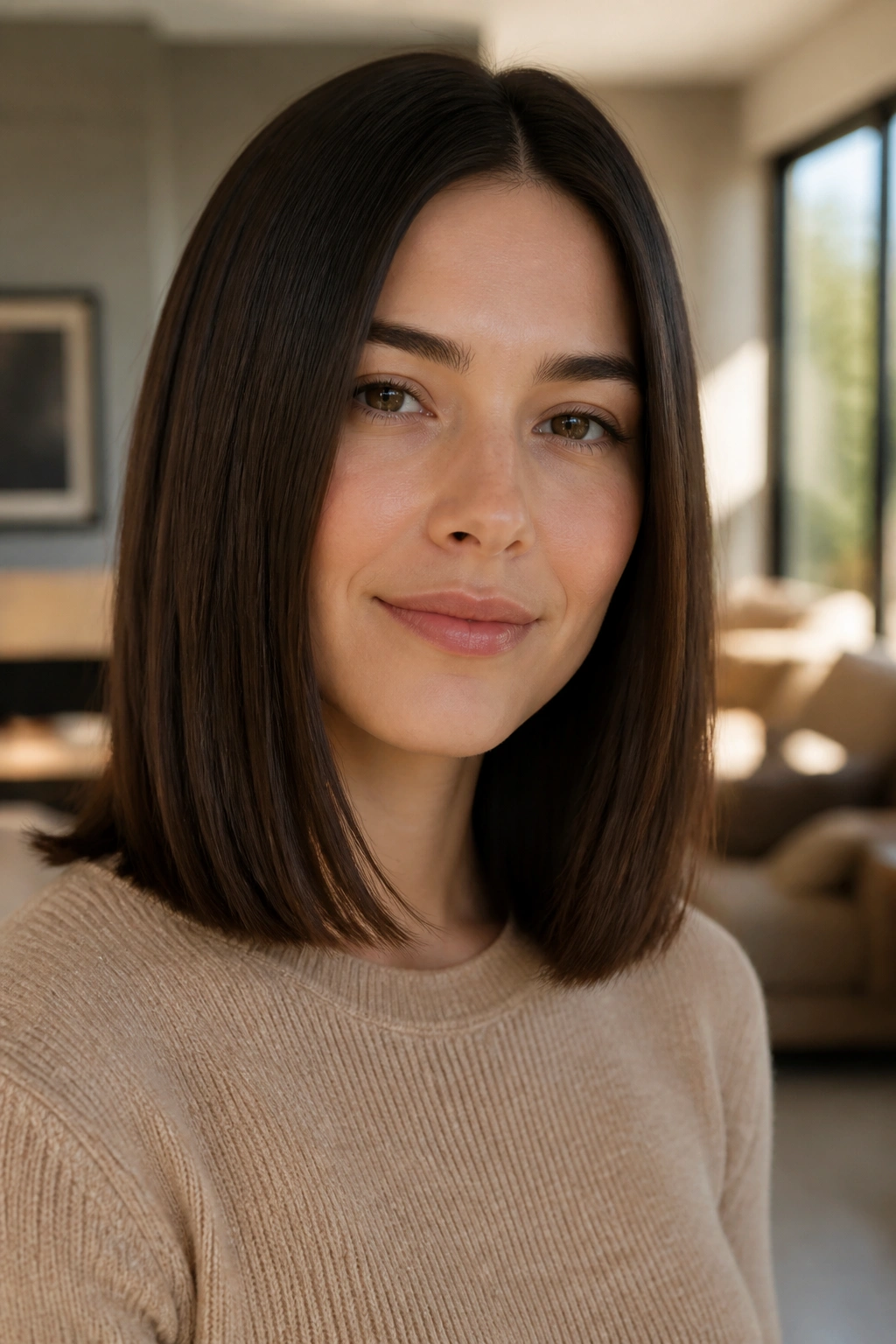
Shoulder-length cuts can look boring on paper. On a head, they can be excellent. A blunt shoulder-length cut gives you a strong line, fuller ends, and a shape that doesn’t need layers to do the heavy lifting.
The reason it works is simple. When the perimeter is left clean, fine hair looks denser and thick hair looks controlled. The cut sits right at the shoulders, which means it still brushes against sweaters and jackets, but it doesn’t sink into that awkward in-between zone where hair looks too long to be short and too short to feel styled.
A Small Warning
If your hair is thick and you ask for a blunt cut without any internal shaping, the ends can kick out at the sides. That is fixable, but it needs a stylist who knows where to remove weight without ruining the line. For straight hair, this cut is clean and easy. For wavy hair, it can look lovely with a center part and a slight bend.
One thing I like here: you can wear it sleek one day and tucked into a clip the next. No drama.
8. Curtain Bangs With Long Layers
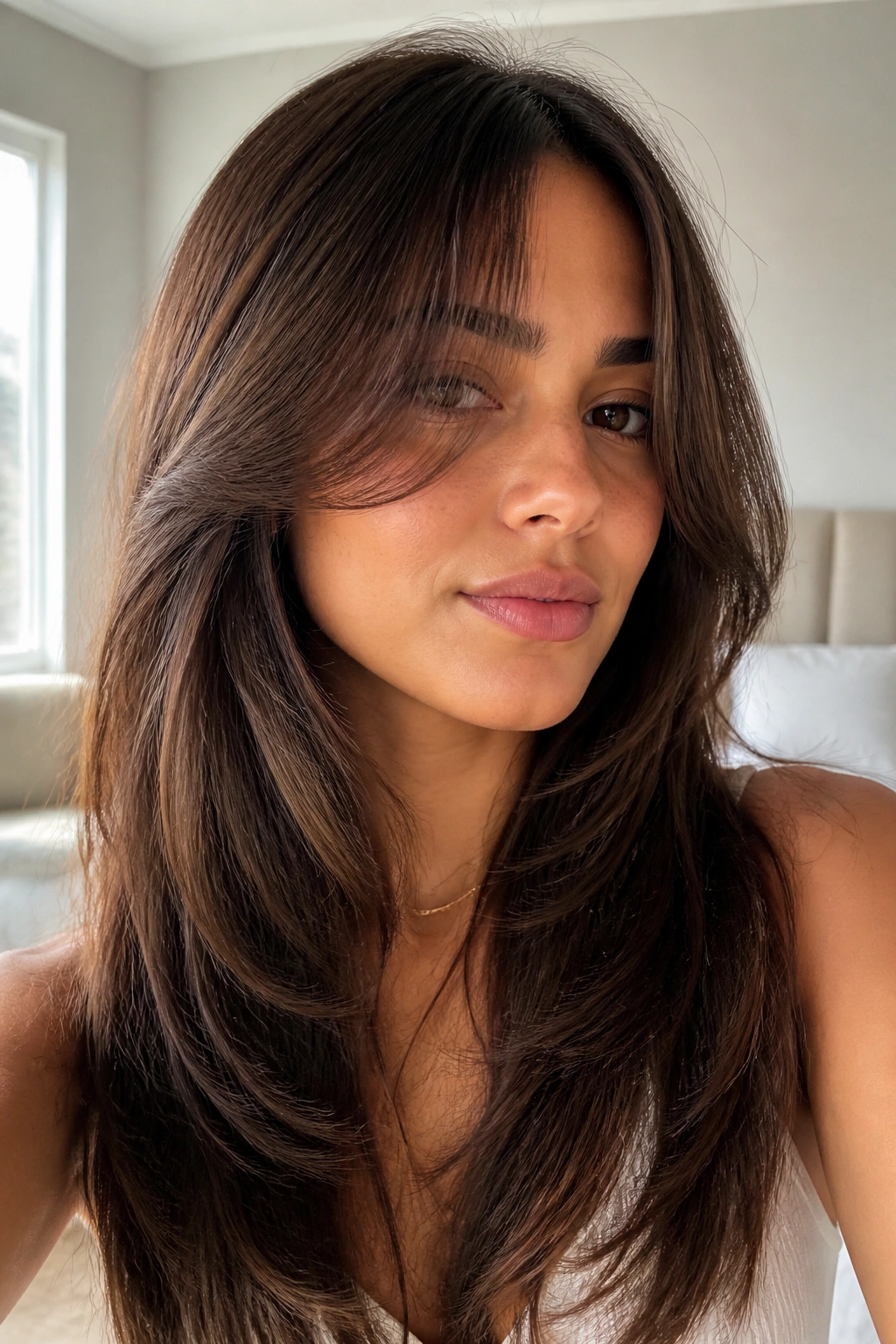
Do curtain bangs deserve the attention they get? Yes, but only when they’re cut well. These bangs open at the center and sweep toward the cheekbones, which means they soften the face without boxing it in. Paired with long layers, they give long hair a shape it sometimes lacks.
The key is balance. Curtain bangs should start long enough to blend, usually somewhere between the bridge of the nose and the cheekbone depending on your face and cowlicks. If they’re cut too short, they stop looking airy and start fighting your forehead. Nobody wants that.
How to Keep Them from Splitting
Ask for the bangs to connect into the first layer, not sit on top of the rest of the haircut like a separate piece. That connection is what makes the grow-out easier. It also keeps the front from getting too heavy.
- Best for: medium to long hair
- Works well with: waves, loose blowouts, and round brushes
- Needs: a little morning shaping
- Avoid if: your fringe gets oily fast and you hate touch-ups
Curtain bangs are not hard, but they are needy. A little.
9. The Hush Cut

The hush cut is for people who want movement without visible choppiness. It uses soft, quiet layers that sit close to the head and blend into the ends, so the hair looks light rather than heavily textured. The name fits. It doesn’t shout.
This cut has a nice effect on fine to medium hair because it removes just enough weight to keep the shape from falling flat. On denser hair, it can keep the outline from turning into a block. The trick is restraint. If the layers are too aggressive, the hush cut loses its whole point and starts acting like a shag in a bad mood.
What to Ask For
Tell your stylist you want soft internal layering and light movement around the face. The best versions keep the ends looking healthy and full. The cut should still fall in one calm line when the hair is down.
- Good for air-drying
- Works with a soft bend, not just a blowout
- Better on hair that has some natural movement
- Not ideal if you want super sharp edges
It’s the haircut version of lowering your voice and somehow making the room listen harder.
10. The Midi Wolf Cut
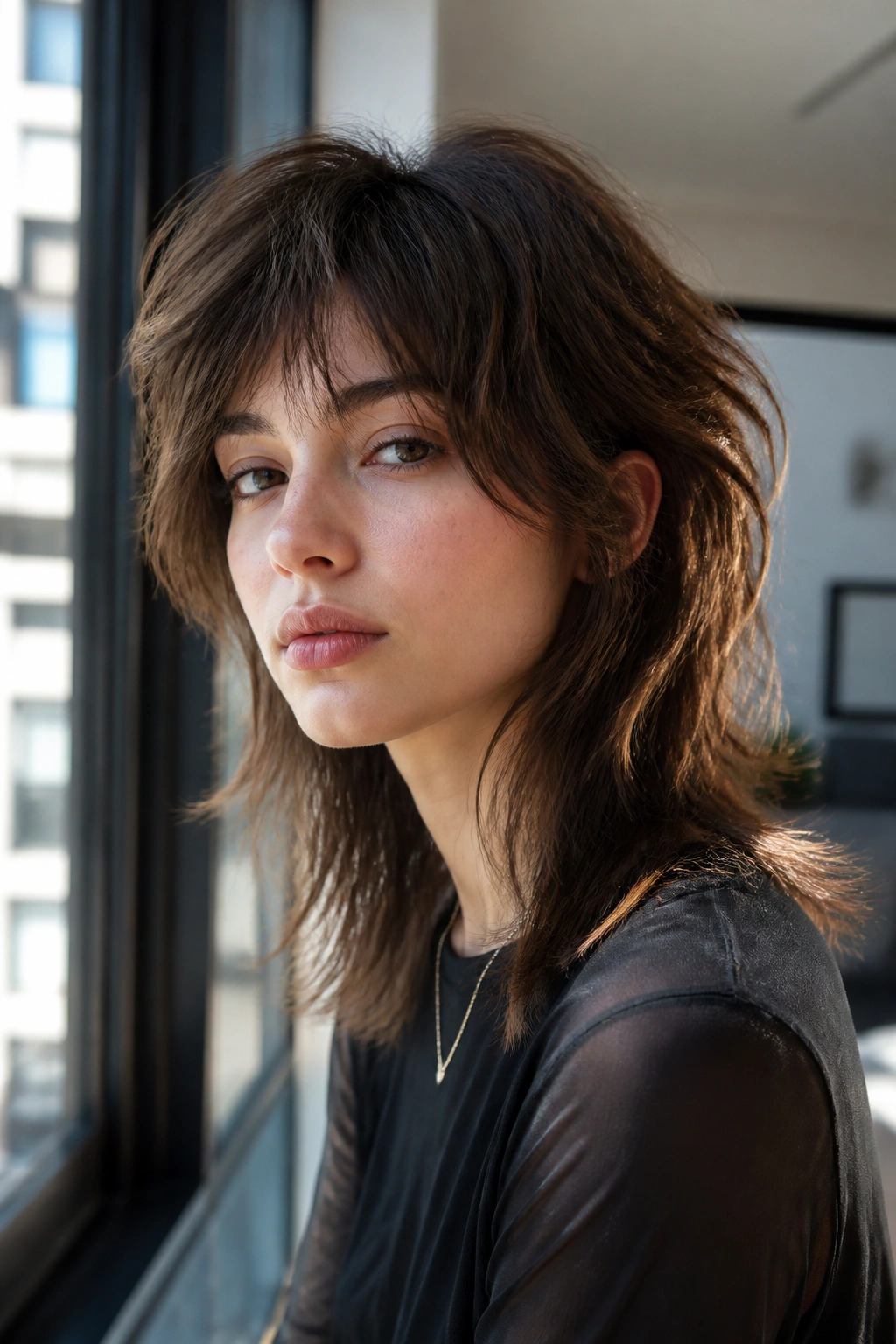
A midi wolf cut sits between a shag and a mullet, and that middle ground is exactly why it has such a devoted following. The crown gets volume, the layers get more obvious, and the length stays longer in the back. It’s messier than a butterfly cut and less polished than a lob.
Compared with the soft shag, the wolf cut has more attitude. The shape is usually more disconnected, which means the top can feel loftier and the ends a bit thinner. Some people love that. Others should stay away. There’s no polite way to say it: if you hate piecey texture, this is not your cut.
A good midi wolf cut should still feel wearable. Ask for a version that keeps enough weight at the bottom so it doesn’t look ragged. If your hair is wavy or curly, the layers can look fantastic with a diffuser and a little curl cream. Straight hair may need more styling to keep it from falling flat.
Best for: people who want volume at the crown and don’t mind a lived-in finish.
11. The Micro Bob

A micro bob is blunt, short, and unapologetic. It usually sits at the jawline or above, which means it brings a lot of focus to the face, the neck, and the whole outline of the haircut. There’s nowhere for it to hide.
That’s why it looks so good when it’s clean. The shorter length makes the ends appear thick, and the jawline gets a crisp frame. Fine hair benefits because the cut removes dead length and puts all the attention on shape. Thick hair can wear it too, but it needs thoughtful debulking or it starts to balloon.
Quick Facts
- Trim schedule: every 4 to 6 weeks
- Styling time: 5 to 15 minutes
- Best on: straight to slightly wavy hair
- Ask for: a blunt perimeter with softened corners if you want it less severe
A micro bob is not a lazy cut. It asks for a bit of upkeep. But if you like sharp lines and quick drying, it pays you back every morning.
12. Long Layers With Face Framing
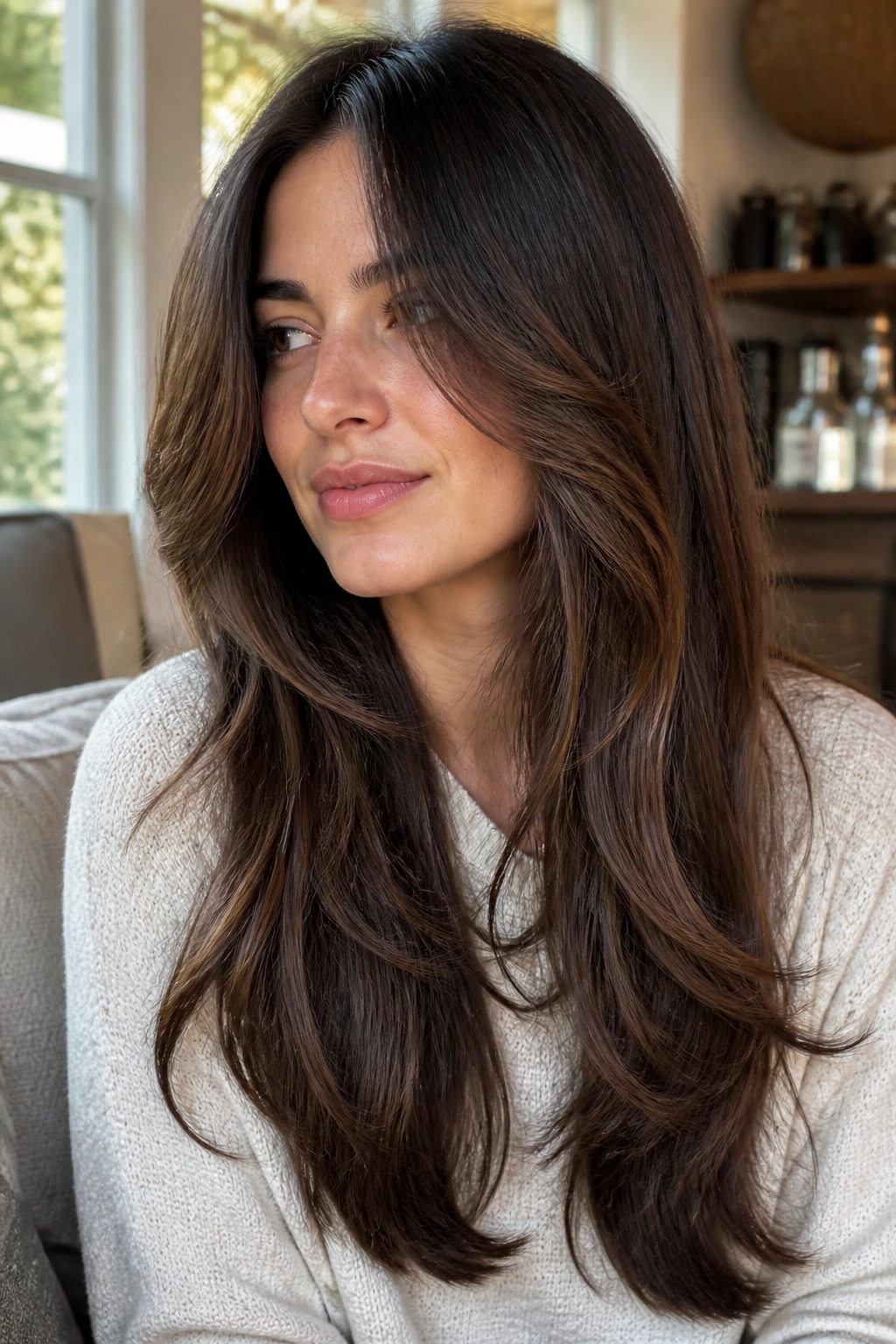
Long layers with face framing are the haircut equivalent of a well-cut jacket: not flashy, but they change how everything sits. The length stays long, while the front pieces are cut to draw the eye toward the cheekbones and jaw.
The mistake people make is asking for layers that start too high. Once that happens, the hair can feel thin from the side and stringy on the ends. Better to keep the layer start lower unless the hair is very thick and needs removal through the mid-lengths. The face frame should do real work, not just dangle there.
Where the Layers Should Start
A good face frame usually begins around the chin, cheekbone, or just below the jaw depending on the shape of the face. That gives movement without eating up the fullness of the length. If your hair is fine, keep the layers long and subtle. If it’s dense, a few more internal sections can keep it from feeling heavy.
This cut is popular for a reason. It lets you keep the drama of long hair and still get some shape around the face. No one wants hair that looks like a curtain hung from the ceiling.
13. The Bixie

A bixie is a bob-pixie hybrid, and I like it because it solves a common problem: people want short hair, but not that short yet. The result lands somewhere between the ears and the nape, with enough length on top to style and enough crop at the sides to feel fresh.
Unlike a full pixie, the bixie still has some swing. Unlike a bob, it exposes more of the neck and cheek line. That in-between quality is the whole appeal. It feels modern without being fussy, and it grows out better than most very short cuts because the extra length gives you more room before it turns awkward.
You can wear a bixie smooth, messy, or tucked back with a little root lift. It works especially well if you like changing your part or want hair that dries fast. If you’re nervous about going short, this is the cut I’d steer you toward first.
It’s a stepping-stone cut, sure. But it does not look like one.
14. The Rounded Bob
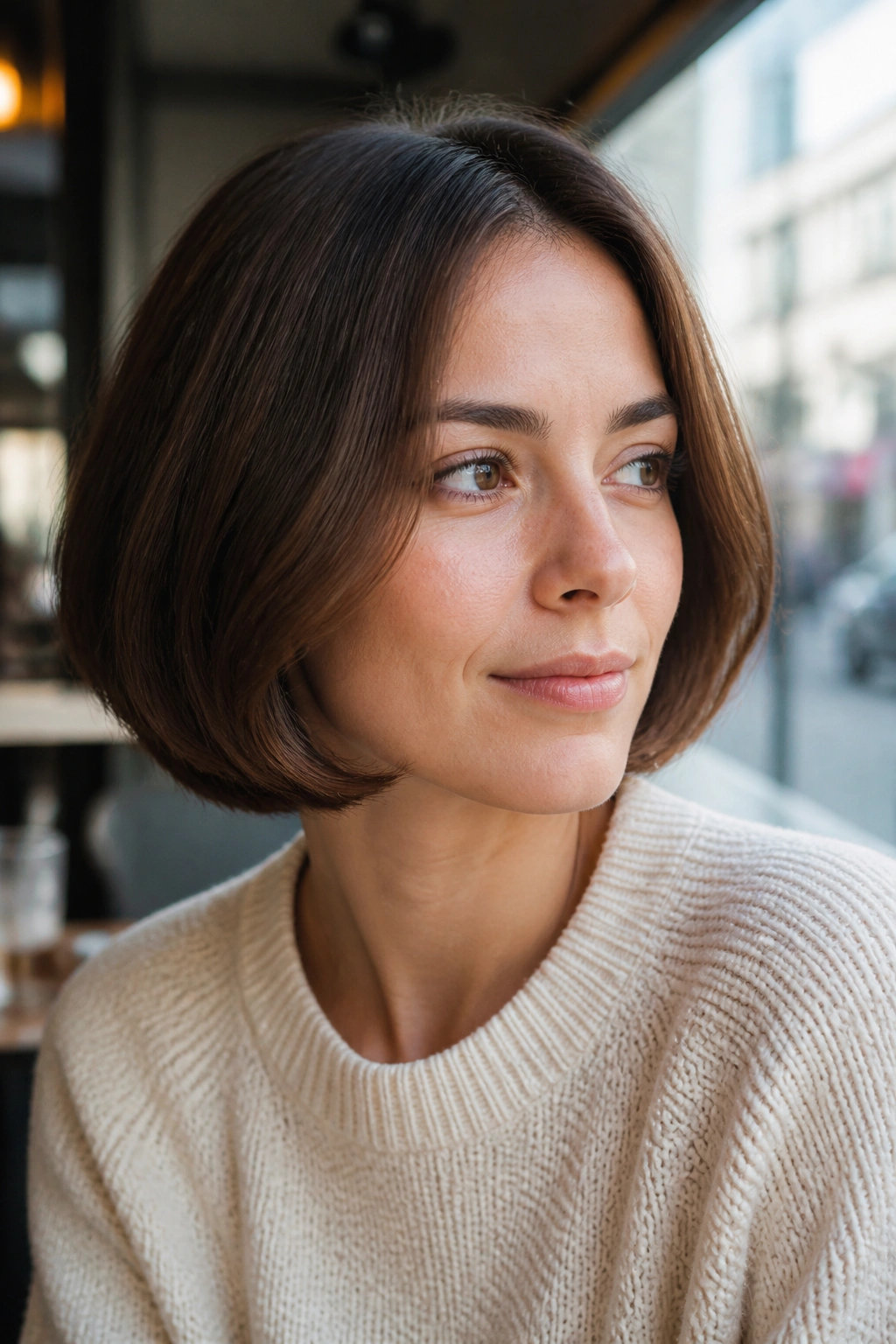
Rounded bobs are for people who hate a hard edge. Instead of hanging straight down, the shape curves softly under, creating a fuller, more sculpted line around the head. On thick hair, that curve can stop the cut from turning into a triangle. On fine hair, it can make the ends look more plush.
How the Shape Changes the Look
The rounding usually happens through the back and sides, with the ends bent inward rather than left flat. That means the bob hugs the neck a little more and feels gentler around the jaw. It’s especially useful if your face feels sharp and you want the haircut to soften that.
Ask your stylist to keep the outline curved, not stacked. Stacking can make the back too bulky. A rounded bob should feel controlled, not puffy. If you have a natural wave, a round brush or a large blow-dry brush can help the shape settle in the right direction.
No harsh corners. That’s the charm here.
15. The Textured Crop
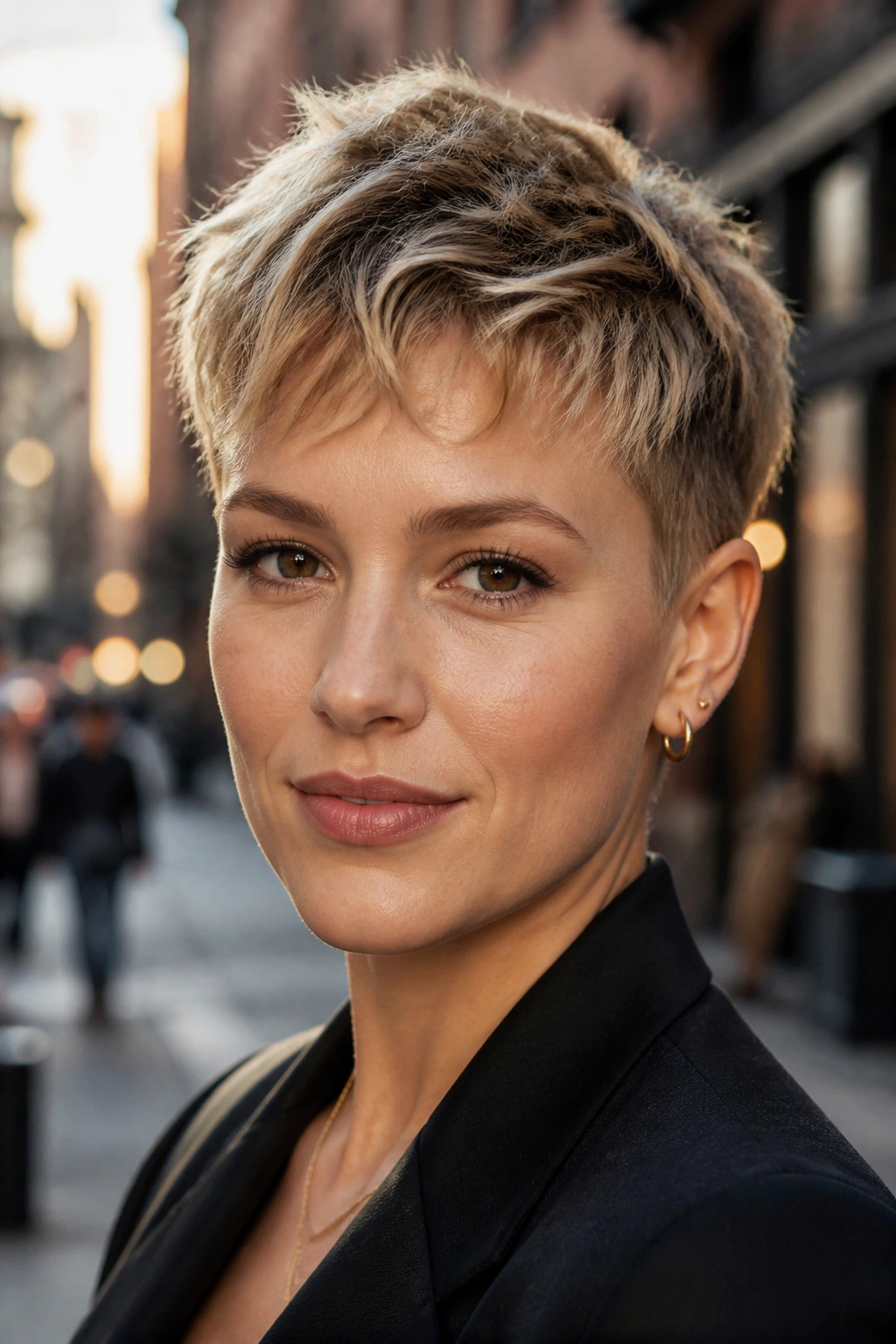
A textured crop is short, piecey, and practical in a way that sounds boring until you actually live with it. It usually has a little length on top, a softer finish around the edges, and enough movement to keep it from feeling flat against the head.
This cut suits women who want a short style that can be finger-styled in minutes. It’s also a good answer for hair that loses shape easily. Texture gives the top some lift, and shorter sides keep the outline neat. If your hair is very curly, though, ask for a version that respects the curl pattern instead of chopping into it blindly.
What to Watch For
- Too much product can make it greasy fast
- Too many short pieces can make it look choppy in a bad way
- A good crop still needs a visible shape at the hairline
- Regular trims matter because short cuts show grow-out fast
This is the kind of haircut that looks easy when someone else wears it. Then you get one, and you realize the ease is the point.
16. The U-Shaped Long Cut

Why does a U shape look better than a straight line on a lot of long hair? Because it gives the ends a little softness and stops the whole length from hanging like a sheet. The center stays longest, the sides lift slightly, and the hair falls in a gentler curve.
That shape is helpful if your hair is long, heavy, or prone to looking flat at the sides. It adds movement without chopping off inches you want to keep. A straight-across long cut can look severe on some textures; the U shape takes the edge off that.
The Right Way to Ask
Tell your stylist you want the back to stay longer in the center and the sides to sweep forward a bit. If you also want layers, keep them long enough to blend. Short layers inside long hair can be useful, but they need restraint. Too many and you lose the weight that makes long hair look healthy.
This cut is for people who want length with shape. Not fuss. Shape.
17. The Choppy Layered Lob

A choppy layered lob is the cousin of the collarbone lob that went out for a sharper haircut and came back with texture. It keeps the mid-length base, then adds visible layers that break up the outline. The result is more movement, more grip, and a little less polish.
That makes it a good fit for hair that falls flat by noon. The choppy layers hold a bend well, especially if you rough-dry the roots and finish the ends with a flat iron or curling wand. Straight, slippery hair often needs this extra texture to stop looking limp.
Why It’s Different From a Plain Lob
A plain lob is neat. A choppy lob has edges and personality. That doesn’t mean it has to look messy. It just means the pieces are cut with more separation so they catch light and move on their own.
- Best for: medium-density hair
- Works with: second-day texture and soft waves
- Maintenance: medium, with trims every 7 to 9 weeks
- Product note: a light mousse beats heavy cream here
It’s a good cut when you want the length of a bob without the neatness of one.
18. The Side-Parted Sleek Cut

A side part changes the whole mood of a cut. Move the part over by even an inch or two and the face takes on a different shape, the roots get instant lift, and straight hair looks more deliberate. That’s why the side-parted sleek cut keeps coming back.
Unlike a center part, which can read as symmetrical and calm, a side part brings some asymmetry and a little tension. The result feels cleaner around the forehead and softer around the cheek on many face shapes. It also gives fine hair a useful boost at the crown, which is a nice bonus.
You’ll want this cut to stay smooth, so a light serum or cream on the ends helps keep flyaways down. A round brush at the roots can make the part sit with more body. If your hair is thick, this shape can look expensive with very little effort. If it’s fine, the part does some of the visual work for you.
No frills. Just clean lines and a better balance.
19. The Airy Mid-Length Cut
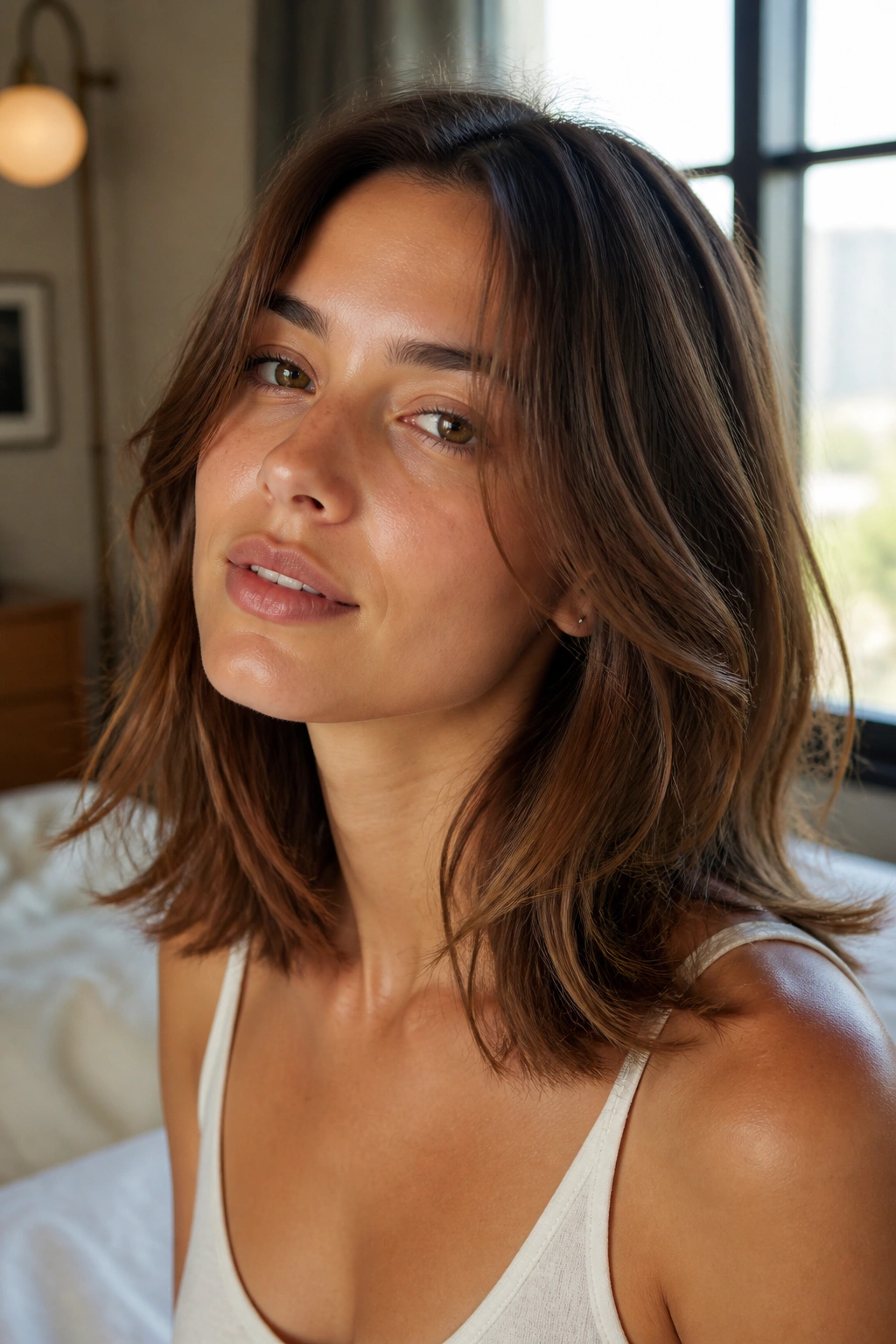
It feels lighter the second it dries. That’s the appeal of an airy mid-length cut: it sits between the bob and the long cut, but the ends are softened enough that the whole style moves instead of hanging. The hair still has length, yet it doesn’t carry that heavy, tired feeling some mid-length cuts get.
How to Style It
A large round brush gives this cut a little bounce at the ends, while air-drying with a light cream keeps it relaxed. If your hair is naturally wavy, a scrunch-and-go routine can work nicely. The shape should not be stiff. If it is, the cut has gone too far toward polish and lost the point.
This is one of those haircuts that looks good on people who are done fighting their texture. It doesn’t demand a perfect blowout. It wants movement, a little bend, and a shape that falls in a soft line around the shoulders.
- Good for: medium hair that feels heavy at one length
- Nice for: people who want softness without a lot of layers
- Watch for: over-thinning, which can make the ends wispy
- Works well with: a side or center part, depending on face shape
Airy is the right word here. Not fluffy. Not flat. Airy.
20. The Clavicle Cut With Invisible Layers
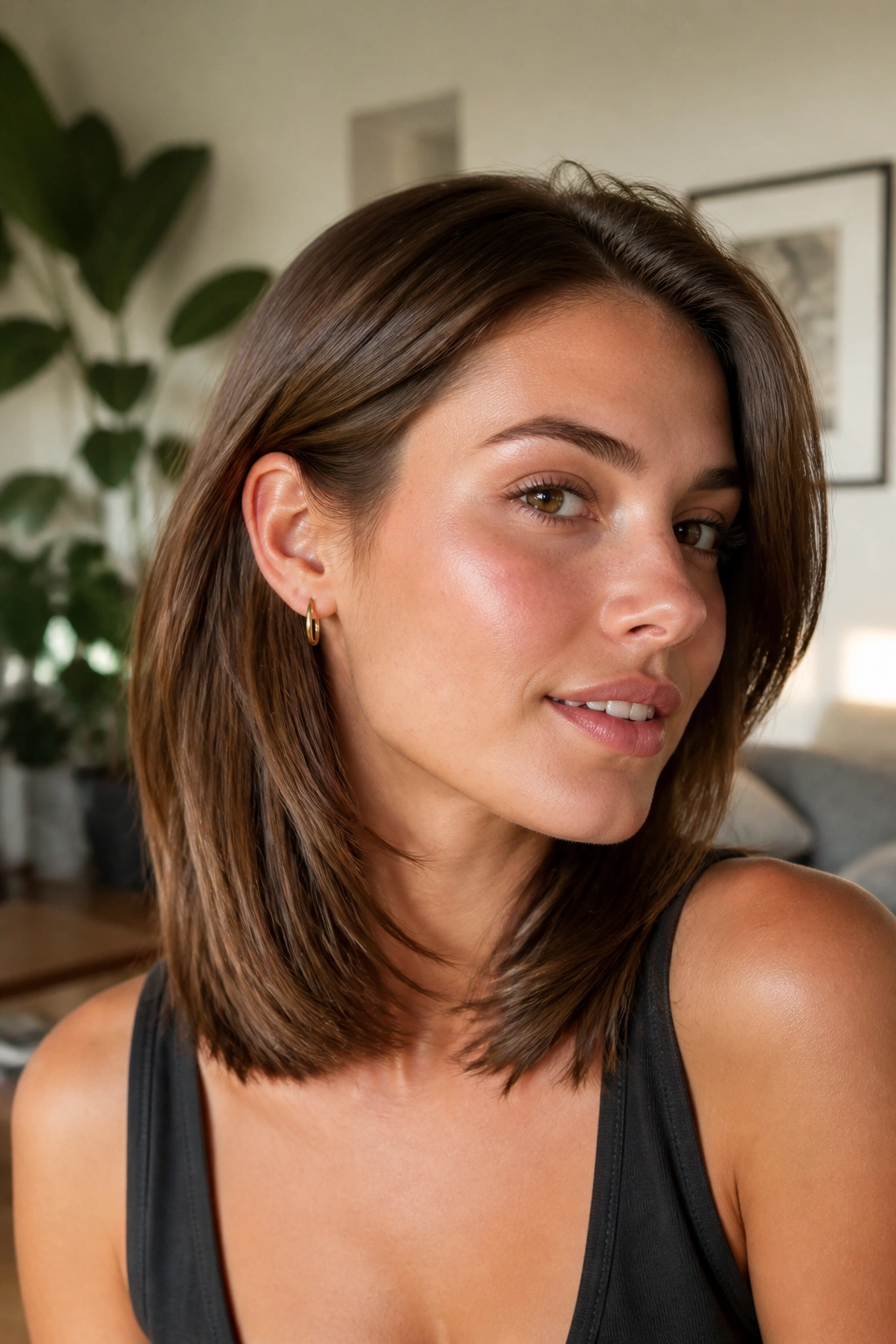
Invisible layers are the trick hairdressers reach for when a client wants movement but refuses to lose length. In a clavicle cut, the base sits right around the collarbone, and the layering is hidden inside the shape so the perimeter still looks clean. The result is a cut that feels lighter without screaming “layers.”
That’s a smart choice for women who want a haircut that behaves in everyday life. It tucks behind the ear, pulls back into a low ponytail, and still looks intentional when it air-dries. On straight hair, the hidden layers stop the length from going flat. On wavy hair, they keep the shape from turning into one heavy slab.
Ask for the ends to stay full and the internal pieces to be soft, not chopped. If your stylist knows how to remove weight without making the outline jagged, this cut can be one of the easiest to live with. It grows out gracefully, which matters more than people think. A haircut you can ignore for a few weeks is often the one you end up loving most.
A clean line. A little movement. That’s the whole deal.
Some cuts want attention every morning. Others just need to be left alone and they do the right thing on their own. The smartest haircut choice is usually the one that fits your texture, your schedule, and your patience for styling. Anything else turns into homework.
