



For a long time, the beauty industry pushed a narrative that blonde hair had to be ash, ice, or platinum to be considered “expensive” or sophisticated. We were all chasing that silver-white finish, neutralizing every hint of natural gold with aggressive purple shampoos and high-lift toners. But something shifted. People grew tired of hair that looked flat, washed out, or frankly, a bit corpse-like. The pendulum has swung back toward the light—the literal, sunny kind.
Warm blonde is not the same thing as brassy, neglected hair. There is a massive, technical difference between the two. One is intentional, curated, and vibrant, while the other is an accident caused by lack of toning. Choosing warmth adds a luminous, reflective quality to the hair that cooler tones simply cannot replicate. It makes your skin look healthier, your eyes pop, and the hair itself look thicker because light bounces off warm pigments better than it does off cool ones. If you are ready to move away from the high-maintenance, dulling cycle of icy highlights, you are in the right place.
1. Honey Blonde Money Pieces
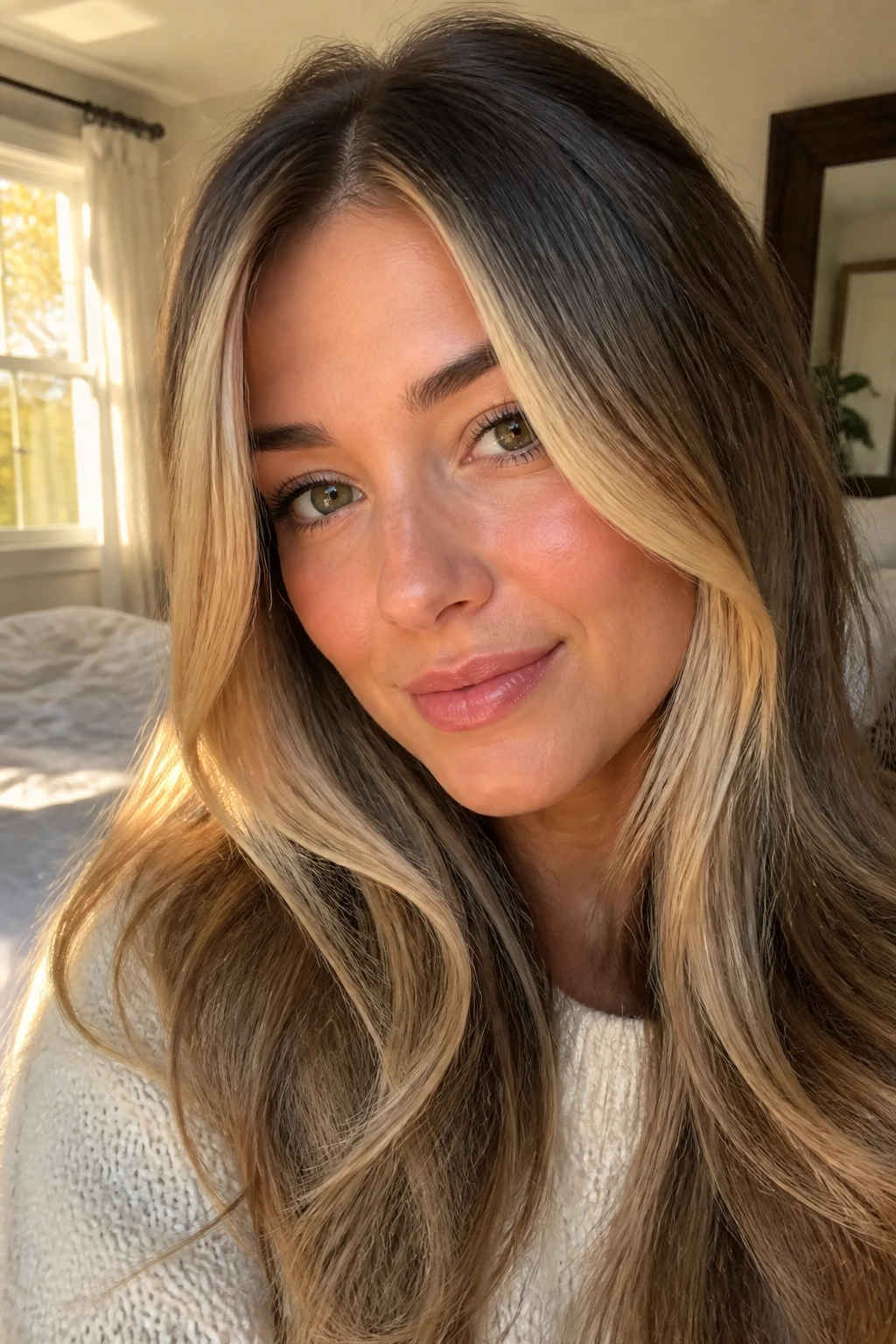
This is the most effective entry point for anyone nervous about committing to a full head of color. We are focusing purely on the two front strands of hair—the pieces that frame your face. By painting these with a warm, viscous honey tone, you immediately change the way your complexion looks.
Why It Works
When you bring a warm, golden hue right next to your skin, it creates a glow effect. It mimics the way sunlight hits your hair when you walk outside. Because this technique only targets a tiny percentage of your overall hair, the maintenance is incredibly low. You are not dealing with roots or extensive grow-out lines here.
Technical Detail
Ask your colorist for a “teased foil” on those front sections. The teasing breaks up the line of demarcation, ensuring the honey color blends seamlessly into your natural base without a harsh, chunky look.
Pro tip: Keep the honey tone slightly lighter than your natural base but keep the depth consistent. If it goes too pale, you lose the “honey” richness.
2. Soft Butterscotch Ribbons
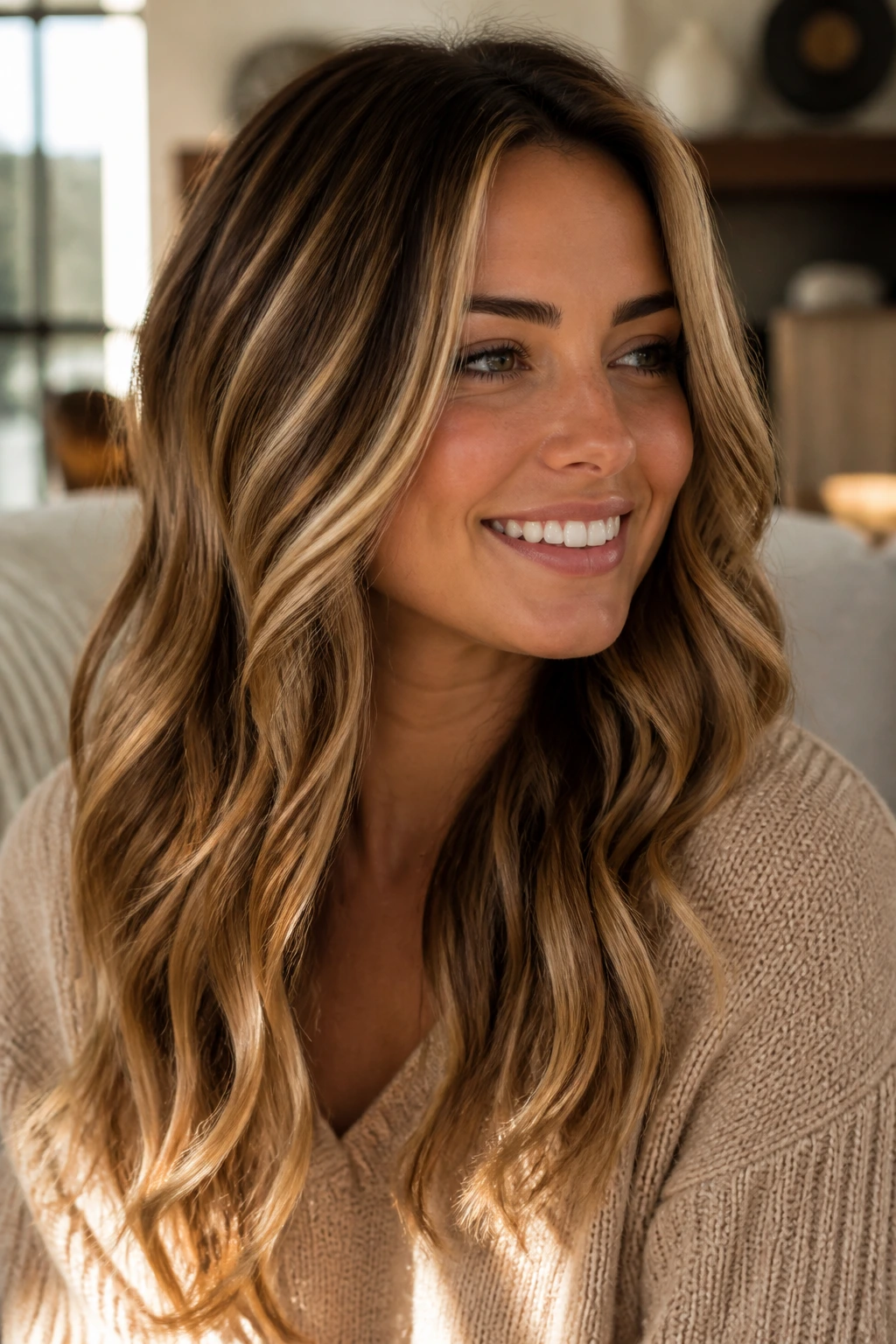
Butterscotch sits in that perfect middle ground—it’s not quite a bright gold, and it isn’t a deep caramel brown. It has a creaminess to it that feels incredibly expensive. The “ribbon” technique involves taking slightly wider sections of hair than you would for traditional baby lights.
The Visual Effect
Think of these as thicker, defined streaks that weave in and out of your hair, visible from a distance. They create a multidimensional look, especially when the hair is styled in loose waves. This style is fantastic for people with darker base colors who want to look like a natural blonde without needing to bleach their entire head.
How to Style It
Because the ribbons are wider, this look thrives on texture. Use a 1.25-inch curling iron to create loose, beachy waves. When the hair moves, the butterscotch ribbons catch the light, creating a high-contrast, high-shine finish.
3. Golden Toffee Balayage
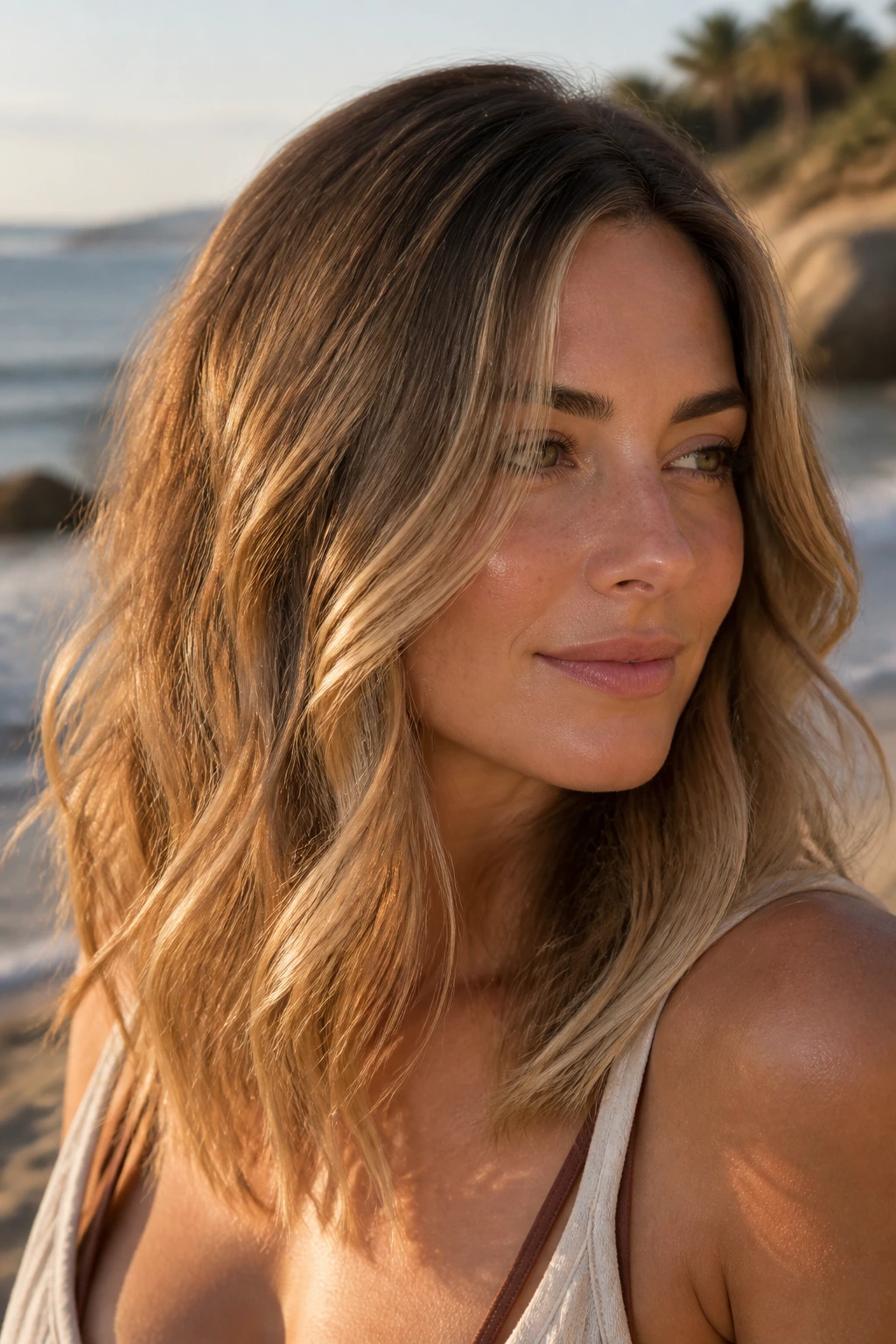
If you want a look that says “I just spent three weeks on the Amalfi Coast,” this is it. Toffee is a deeper shade of warm blonde, leaning slightly into light brown territory, which makes it incredibly forgiving for brunettes.
Why This Style Lasts
Balayage is a freehand technique. Your colorist paints the lightener onto the hair, usually concentrating on the mid-lengths and ends. Because the roots are left untouched or only slightly smudged, you do not need to head back to the salon every six weeks. The grow-out is soft, blended, and looks intentional for months.
Maintenance Note
Even though it is low maintenance, you still need to protect the warm tone. Invest in a color-depositing conditioner with warm undertones. It will keep that toffee color from fading into a dull, flat brown over time.
4. Caramel Ribbon Highlights
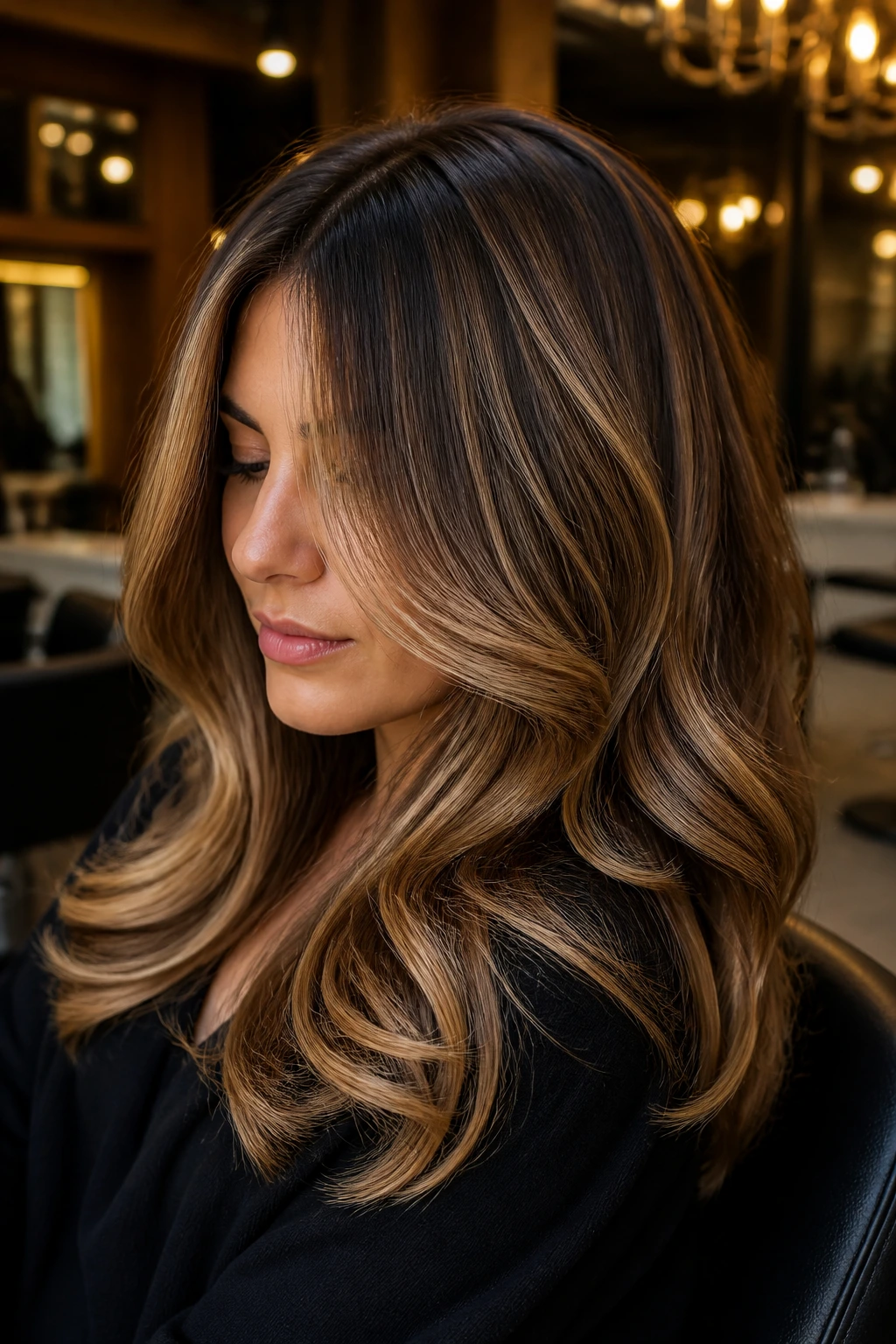
Caramel is the quintessential warm blonde highlight. It’s rich, inviting, and feels dense. Unlike fine, whispery highlights, caramel ribbons add visual weight to the hair. This is a brilliant choice for people with fine hair who want the illusion of more density.
The Contrast Factor
To make caramel ribbons really shine, you need a darker base. If your hair is currently a uniform light blonde, these highlights might disappear. They need the contrast of a medium-to-dark base to actually look like “caramel.”
- Placement: Focus on the canopy (the top layer of hair) and the ends.
- Texture: Works best with a blowout that gives the hair bounce.
- Vibe: Sophisticated, classic, and warm.
5. Sun-Kissed Strawberry Blonde
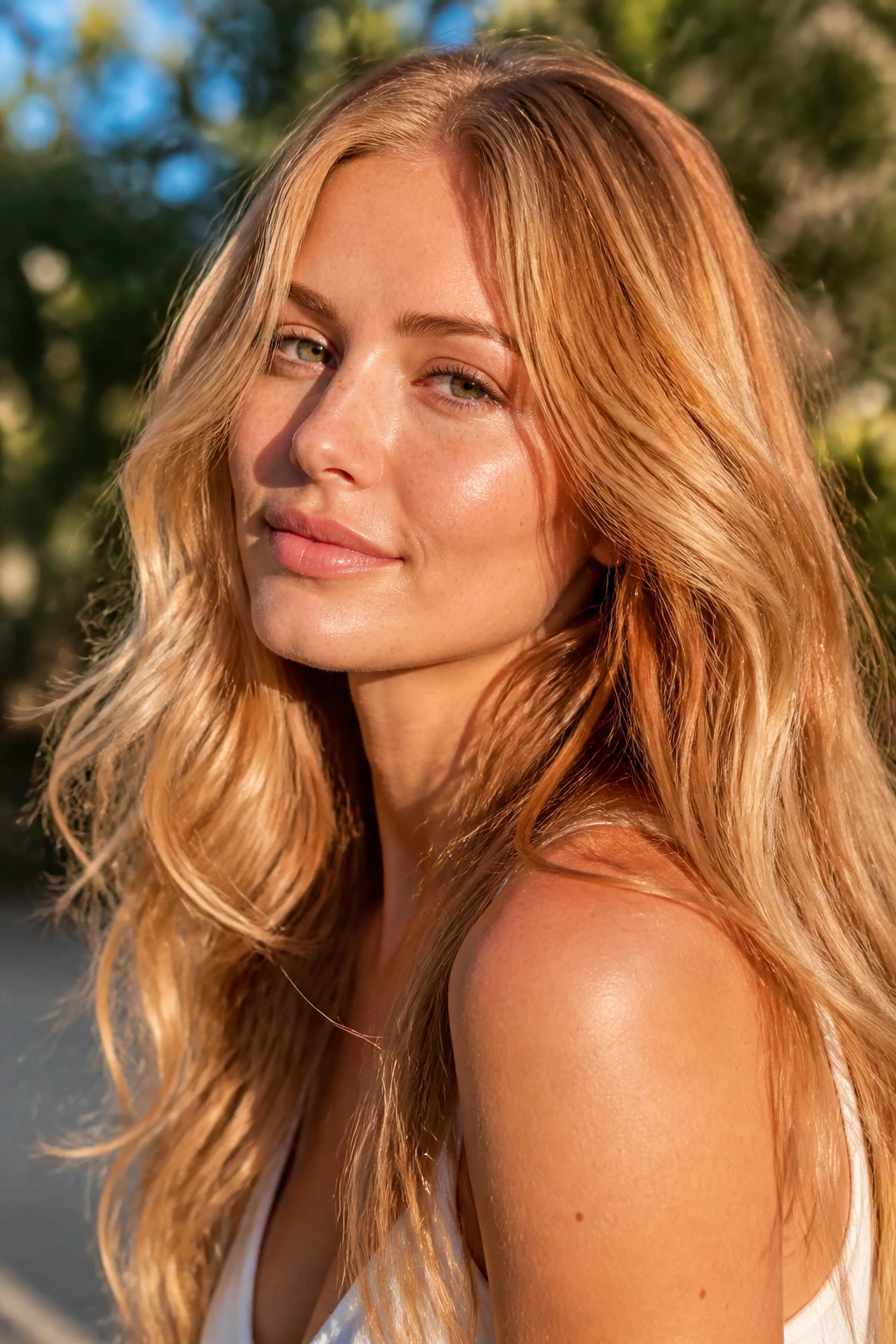
Let’s be clear: strawberry blonde is not orange. It is a soft, delicate blend of blonde and warm copper. It is arguably the most natural-looking warm highlight because it mimics the natural way human hair lightens when exposed to a lot of sun.
Who Should Try This
If you have fair to medium skin with warm, peach, or golden undertones, strawberry blonde is your best friend. It bridges the gap between blonde and redhead. It is bold, but not aggressive.
The Secret to Success
The key to strawberry blonde is the toner. You want a “gloss” or “glaze” applied after the highlights. Ask for a sheer, warm copper gloss. It should look like light is shining through the hair, not sitting on top of it.
6. Rich Amber Babylights
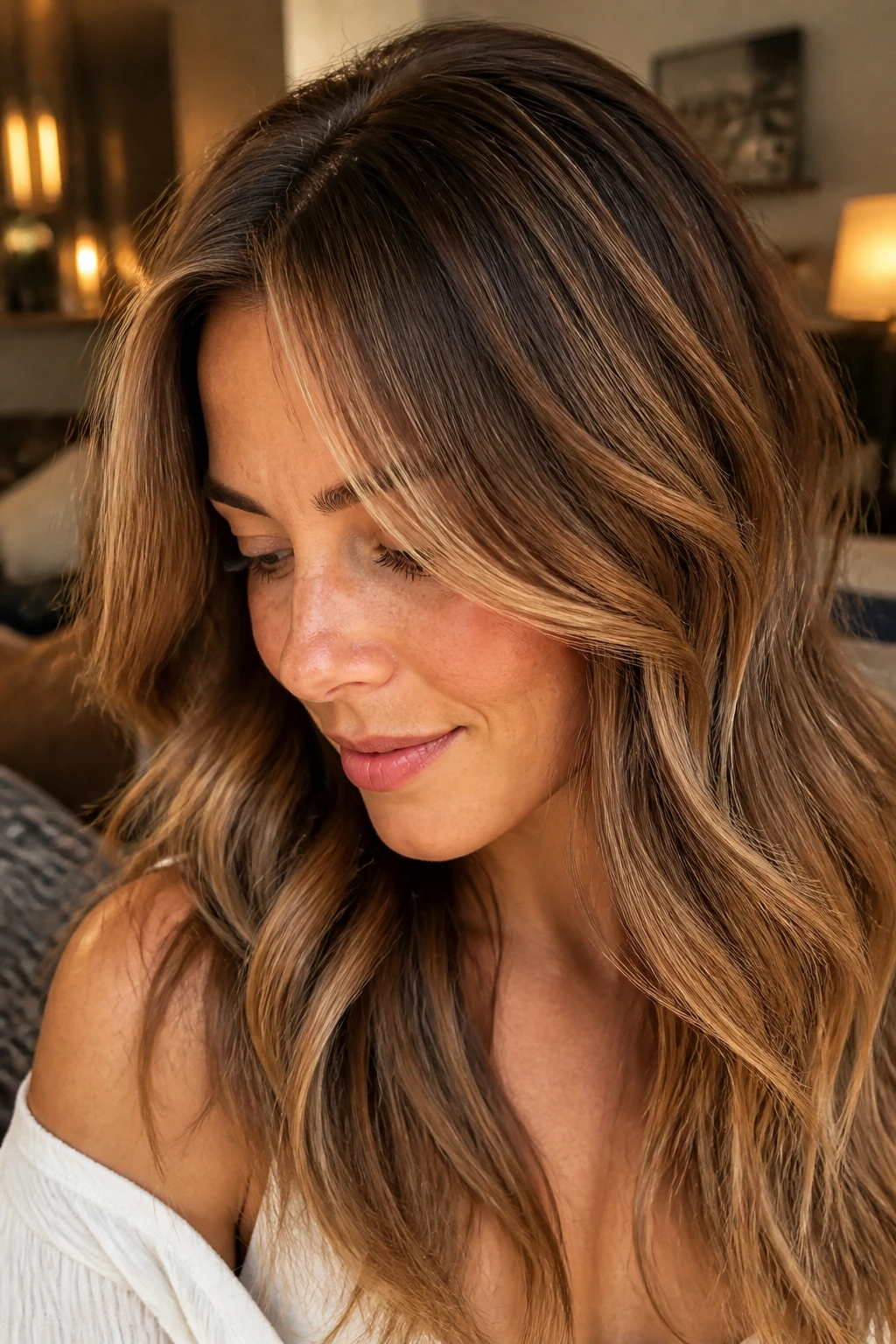
Babylights are fine, delicate strands of hair lightened with a very gentle hand. They are designed to mimic the natural highlights we had as children. Adding an amber tint to these babylights elevates them from “cute” to “luminous.”
Why Amber Matters
Amber has a subtle reddish-gold quality. It is warmer than standard gold but less intense than copper. It creates a “lit-from-within” look. If your natural hair color is a mousy or ash brown, amber babylights will wake up your complexion instantly.
Salon Instructions
Be specific with your colorist. Tell them you want “warm, amber-toned babylights” and emphasize that you want to avoid cool, ash-based toners. If they start reaching for blue or purple-based toners, stop them—those are designed to kill warmth, which is the exact opposite of your goal.
7. Warm Apricot Tones
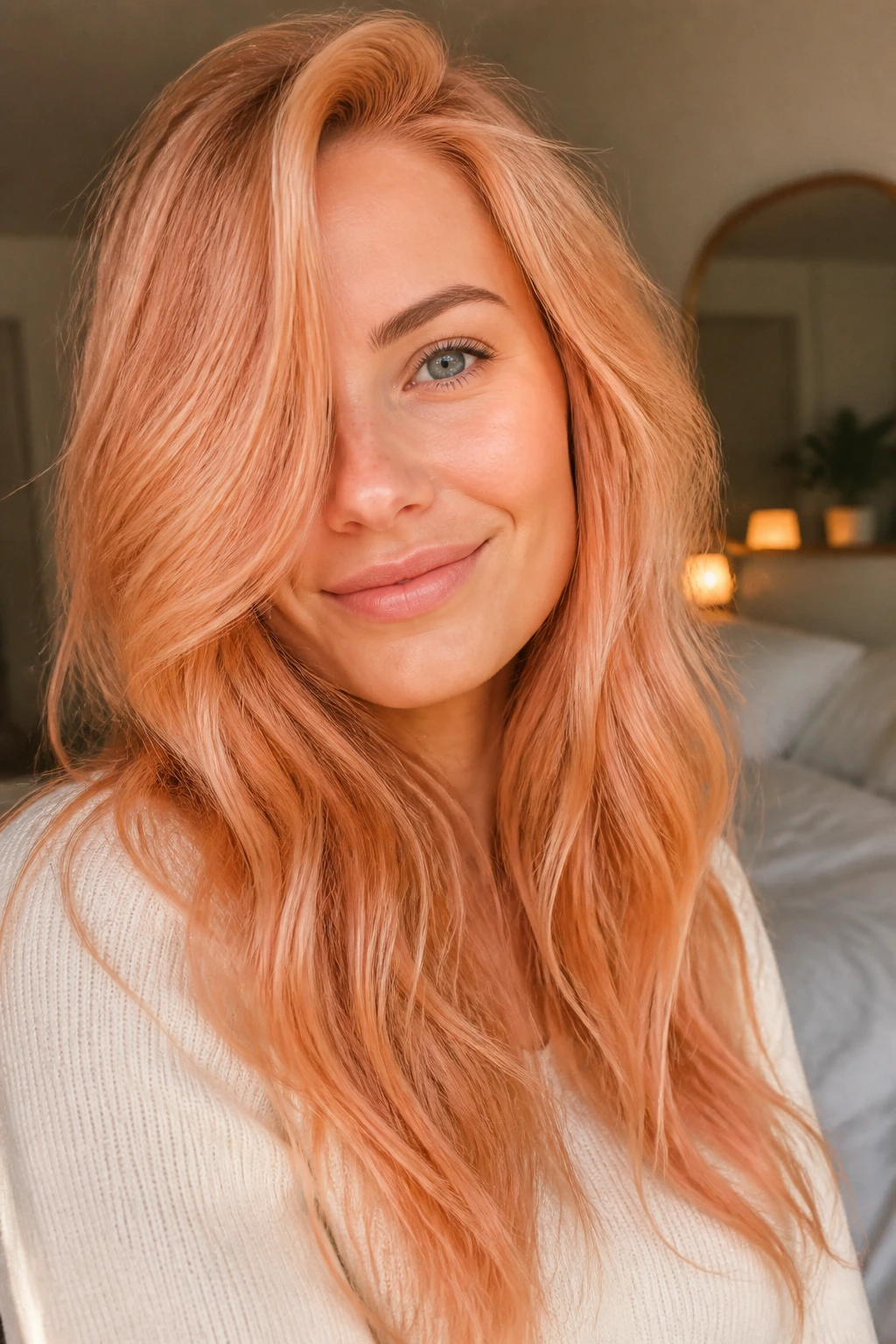
Apricot is a playful, energetic shade. It’s slightly brighter and more vibrant than strawberry blonde, with a heavy emphasis on the “peachy” spectrum of warmth. This is for someone who isn’t afraid to make a statement with their hair.
The Technical Approach
This look is usually achieved by taking a clean, bleached base and glazing it with a peach-apricot semi-permanent dye. Because these colors are vivid, they are high maintenance. They fade faster than standard blonde tones.
Practical Advice
If you want to maintain this look at home, buy a color-depositing conditioner or shampoo in a copper or peach shade. Wash your hair with it once a week. This replaces the pigment that washes down the drain every time you shower.
8. Vanilla Bean Lowlights
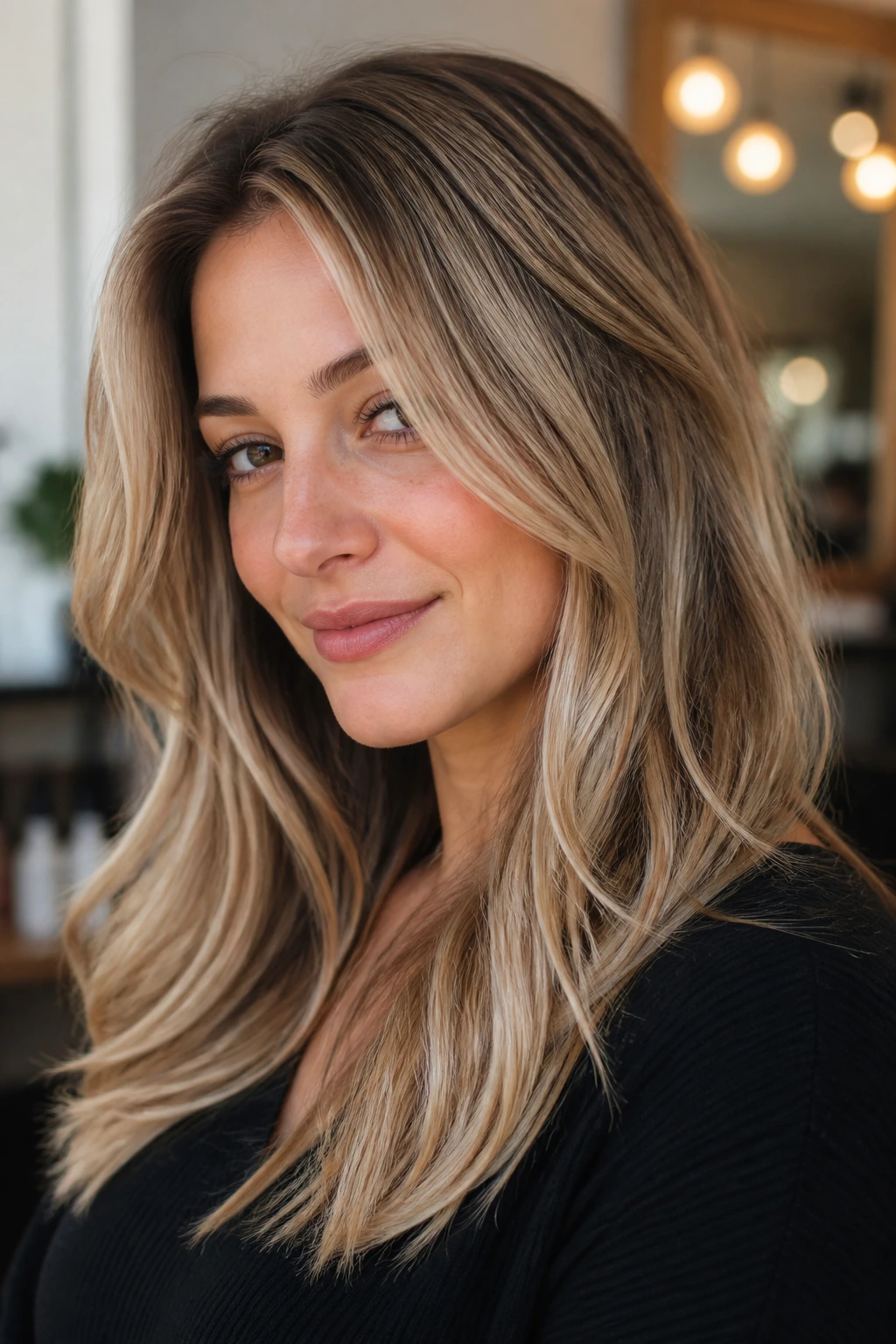
Wait, why are we talking about lowlights in an article about highlights? Because you cannot have vibrant, warm blonde highlights without depth. If you highlight the entire head with one shade of warm blonde, you get a solid, flat color. You need “negative space” to make the blonde pop.
The Logic of Depth
Vanilla bean lowlights are essentially dark, warm-blonde or light-brown strands woven back into the hair. They provide the contrast that allows the warm blonde highlights to stand out. Without these lowlights, the hair looks washed out.
The Result
The contrast between the bright, warm highlights and the deep, vanilla bean lowlights creates the appearance of texture. It makes the hair look healthy and multidimensional.
9. Bronde with Champagne Ribbons
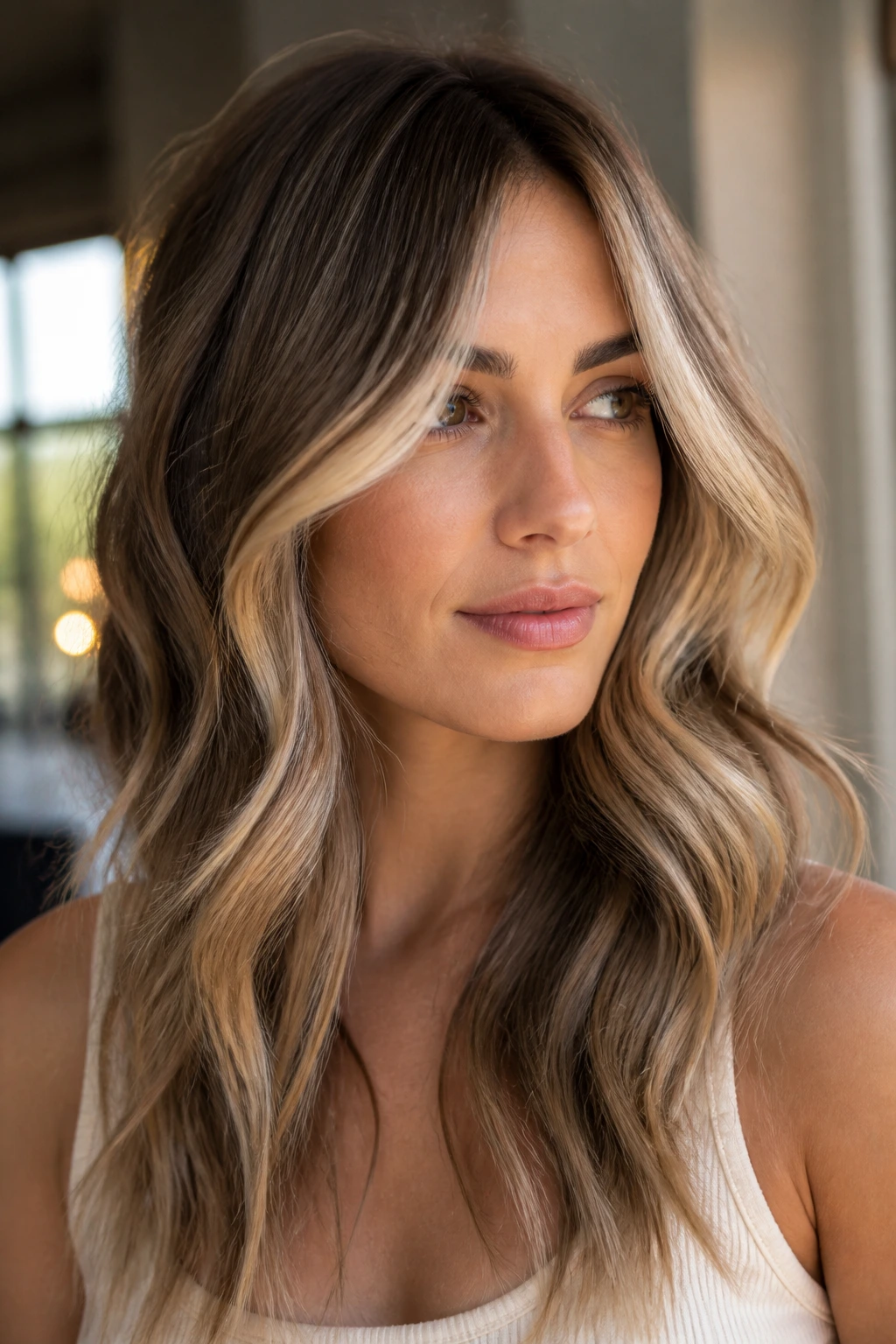
Bronde—the marriage of brown and blonde—is the ultimate “no-makeup makeup” version of hair color. Adding champagne ribbons of warmth to a bronde base adds a touch of glamour without losing that effortless, lived-in feel.
The Champagne Tone
Champagne is a very specific type of warm blonde. It’s not quite yellow, not quite gold, but it has a sparkling, effervescent quality. It reflects light beautifully. In a bronde look, these ribbons look like they are emerging from the deeper base color, which gives a very natural, blended finish.
Styling Tip
This style looks best when the hair is slightly tousled. Avoid perfectly structured curls; you want the champagne ribbons to catch the light at different angles.
10. Copper-Infused Blonde
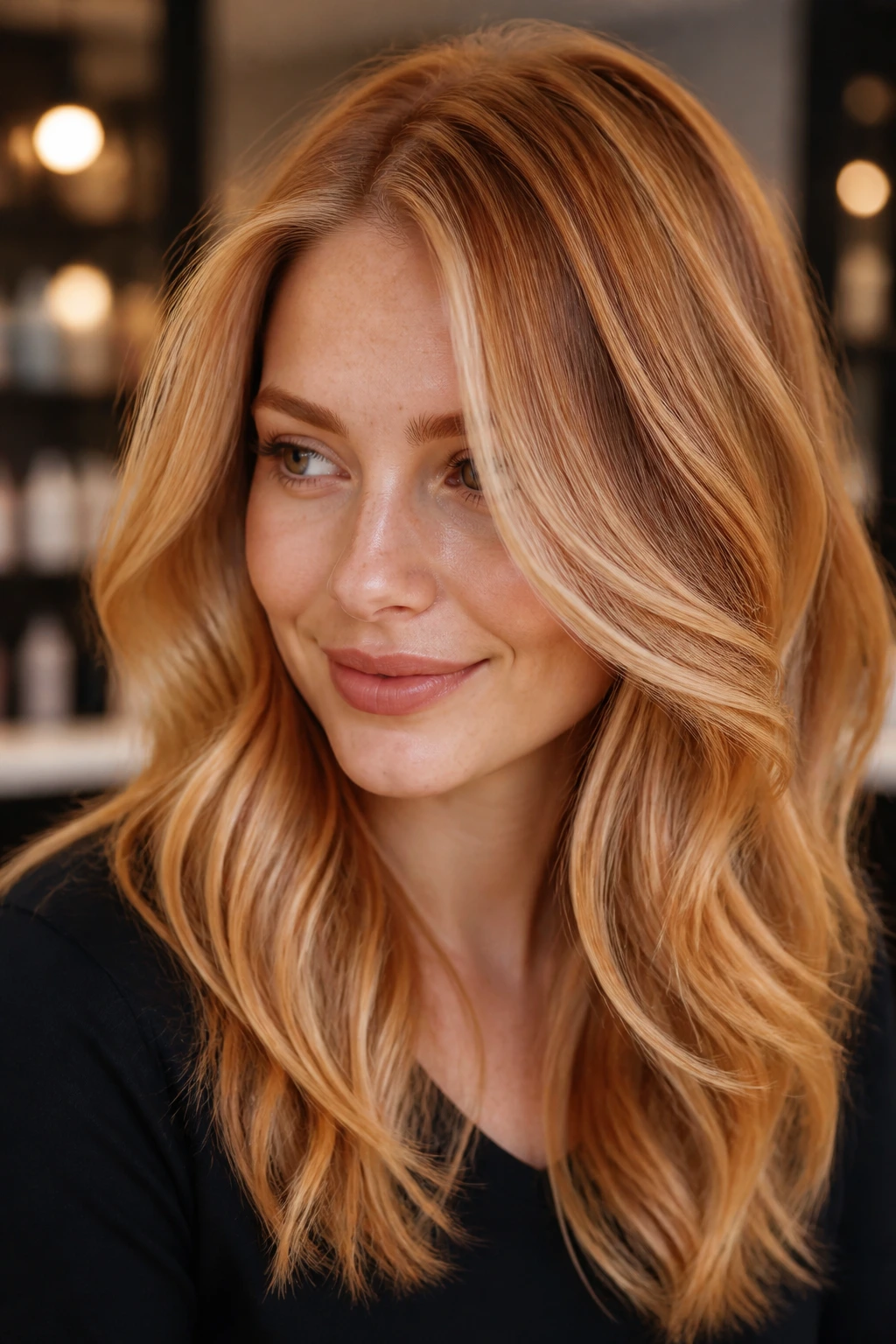
This is the deeper, more sophisticated cousin of strawberry blonde. Where strawberry blonde is delicate, copper-infused blonde is saturated. It is bold, rich, and undeniably warm.
The Color Theory
Copper is a strong pigment. When you infuse it into blonde, it doesn’t just brighten the hair; it changes the hue entirely. This is fantastic if your natural skin tone is olive or deep tan, as the copper tones harmonize with the warmth in your skin better than platinum or ash blonde ever could.
Warning
Copper is notorious for fading quickly. Use cooler water when washing your hair. Hot water opens the hair cuticle, causing the pigment to bleed out rapidly. Cold water keeps the cuticle sealed and the color locked in.
11. Sandy Beige Highlights
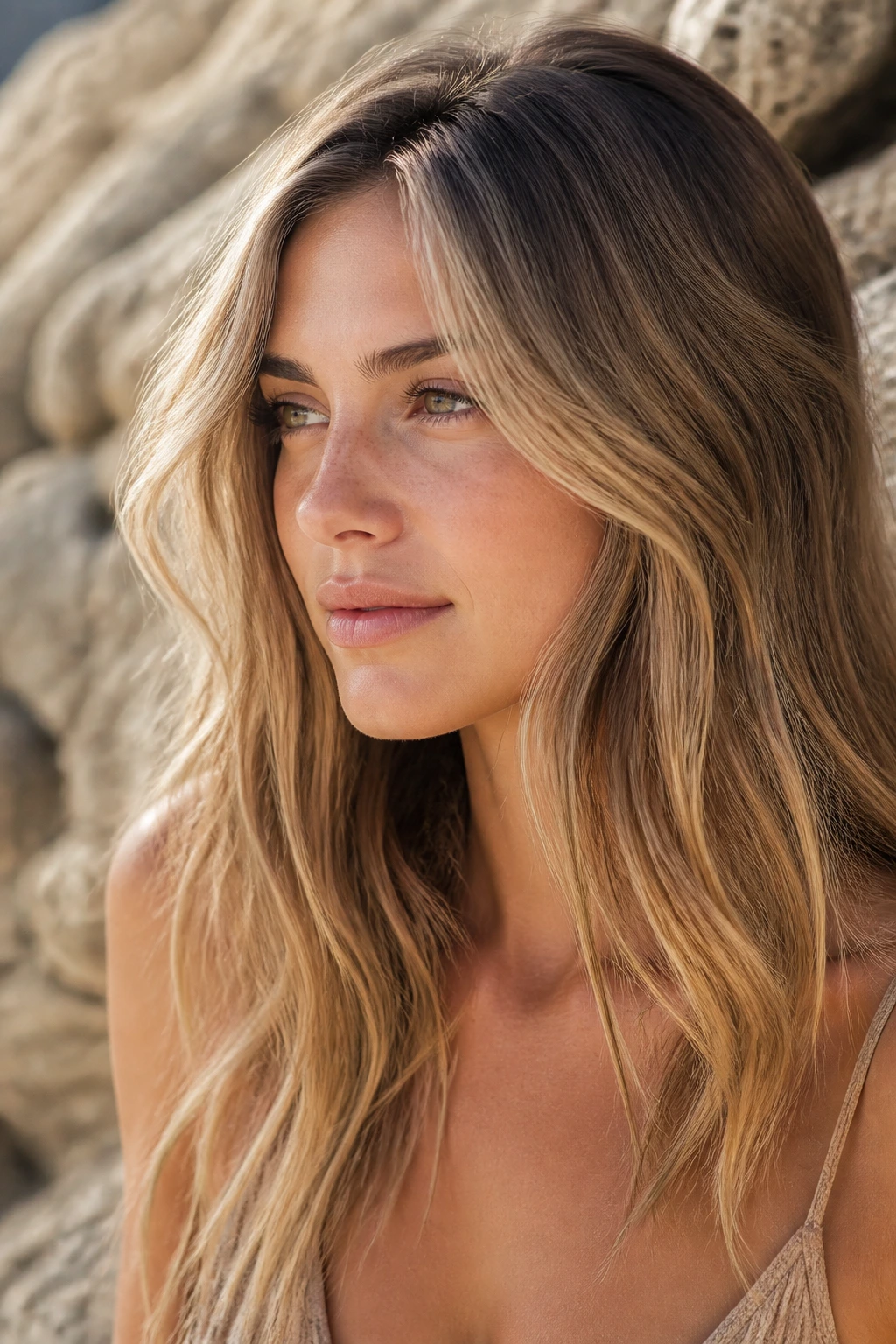
“Sandy” suggests warmth, but a more muted, natural variety. This is for the person who wants warmth but is afraid of looking “too yellow.” Sandy beige highlights are neutral-warm. They are not as bright as honey or gold, but they are infinitely warmer than ash.
Best For Beginners
If you are coming from a place of hating your natural warmth, sandy beige is a great transitional shade. It introduces warmth gradually. It feels sophisticated, understated, and very polished.
The “Beach” Factor
This look naturally leans into a textured, salt-sprayed aesthetic. It pairs perfectly with lived-in cuts like long layers or a soft lob.
12. Caramel Macchiato Dimension
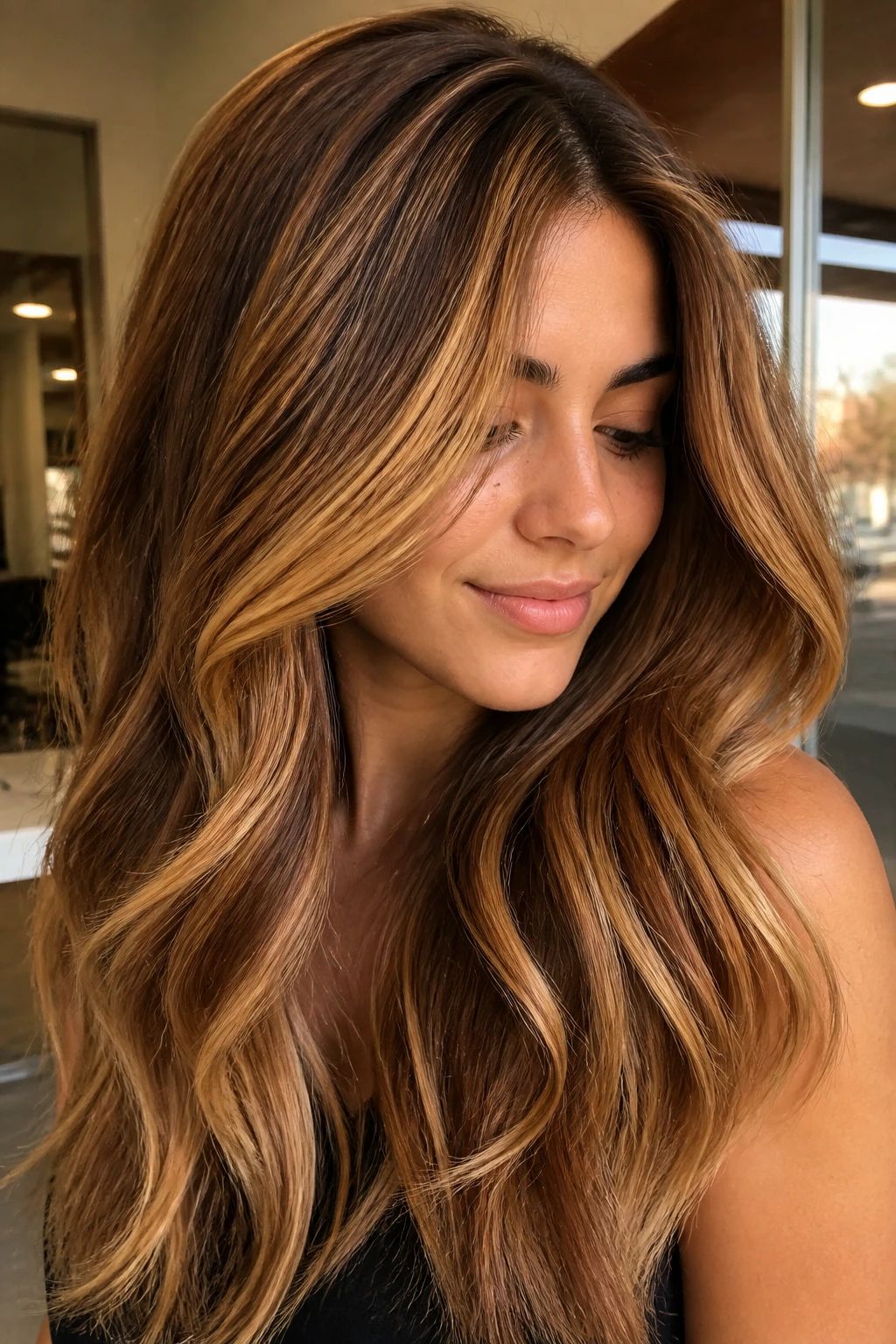
This is a multi-tonal approach. You aren’t just using one shade of warm blonde; you are using three. You have a deep caramel, a lighter butterscotch, and a bright gold. Together, they mimic the layers of a caramel macchiato.
Technique: The Tease and Paint
To achieve this, your colorist should use a “tease and paint” balayage technique. By teasing the hair before applying the lightener, they create a soft blend. By painting different shades of caramel and gold onto different sections, they create natural dimension that mimics how the sun would naturally highlight your hair.
Who Should Avoid This
If your hair is already damaged or porous, all this lightening and lowlighting might be too much. Stick to a single-tone warm gloss until the health of your hair improves.
13. Pale Honey Foilayage
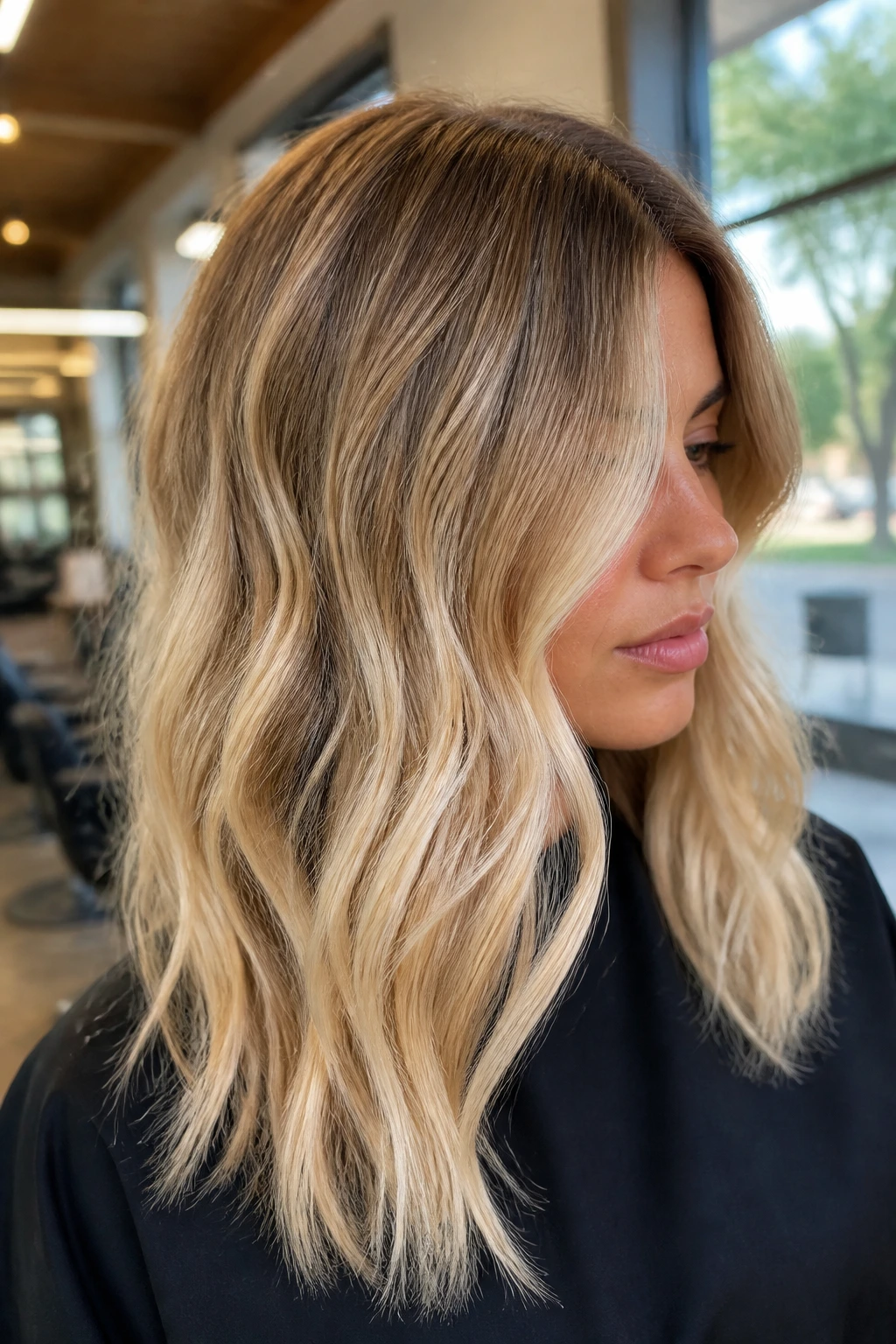
“Foilayage” is the best of both worlds: the brightness of foil highlights with the soft, blended roots of balayage. Pale honey is a high-impact, very light warm tone. It is bright, reflective, and very summery.
Why It’s Different
Traditional balayage is open-air, which means it doesn’t lift as high as foil highlights. If you want to be truly blonde, balayage might not get you light enough. Foilayage solves this. You use foils to get the lift, but paint the edges to keep the blend soft.
The Maintenance
Because this is a lighter warm shade, you need to watch out for mineral buildup. If you live in an area with hard water, the minerals can turn that beautiful honey into a dull orange. Use a clarifying shampoo once a month to keep it fresh.
14. Apricot-Glazed Face Framing
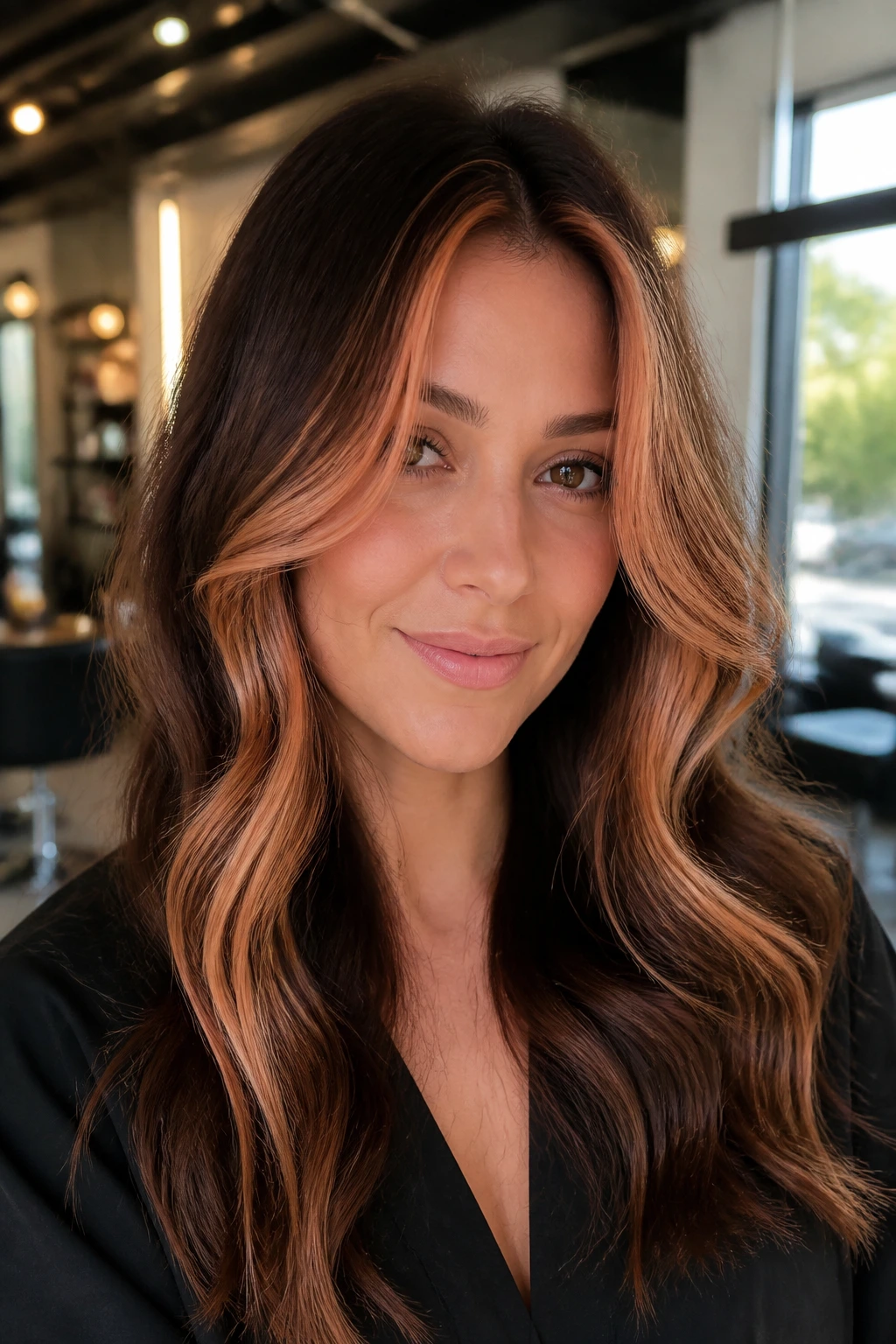
We touched on the “money piece” earlier, but let’s talk about the specific “apricot glaze.” This is not just a light piece; it is a warm, tinted piece. Think of it like a highlight that has been dipped in a warm, fruity syrup.
The Visual Pop
This is a trend-forward look. It’s not meant to be natural; it’s meant to be beautiful and intentional. The apricot glaze contrasts sharply with darker hair, creating a modern, graphic style.
Styling
This look is very popular on social media, but in real life, it requires good condition. If the bleached part of that face frame is frizzy, the glaze won’t look “glossy”—it will look fuzzy. Use a bonding oil to keep it sleek.
15. Warm Cinnamon Blonde
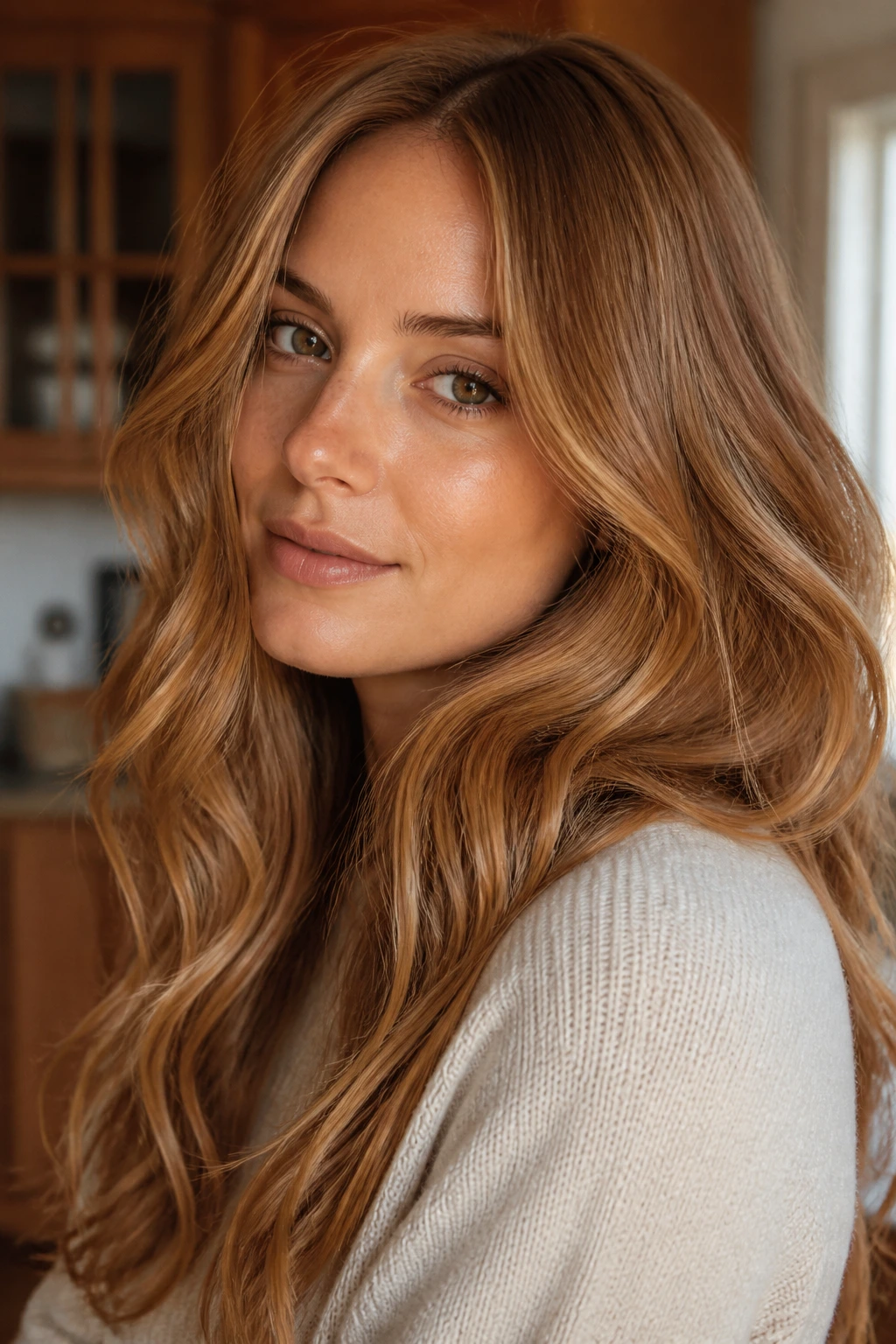
Cinnamon is a spicy, rich, reddish-brown-blonde. It is incredibly warm and perfect for the transition from summer to fall, though it honestly looks great year-round. It’s a very grounding color.
The Depth
This is a darker warm blonde. If you are naturally a brunette, this is the easiest warm blonde to maintain because you don’t have to lift your natural hair color that high. You are just adding warm pigment to your existing hair.
Pairing
This color looks incredible with gold jewelry. Because the tone has that reddish, spicy warmth, it makes yellow gold look stunningly bright.
16. Sunlight-Inspired Ombré
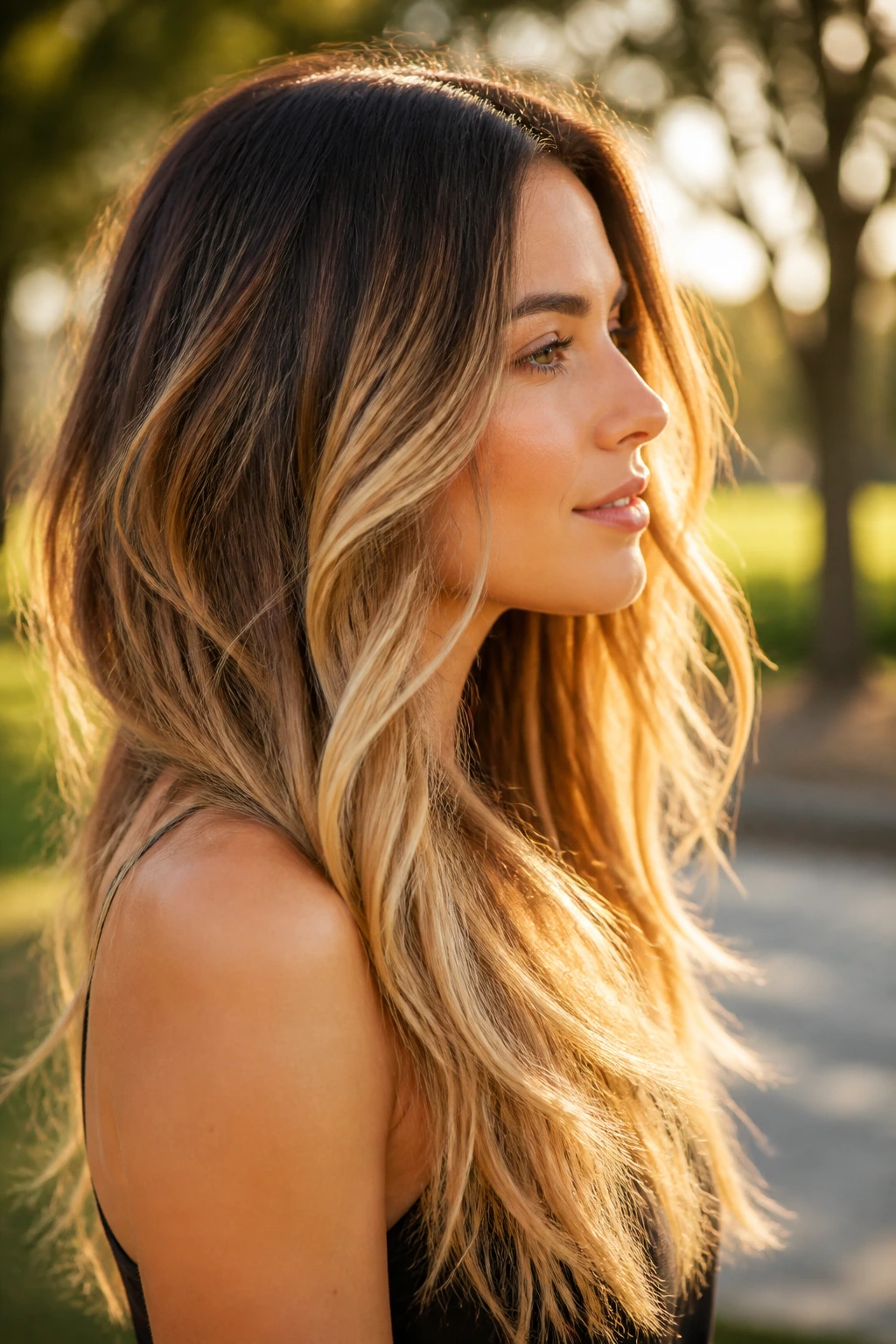
Ombré (where the hair is dark at the roots and gradually transitions to a lighter color at the ends) often gets a bad rap for being “dated.” But when done with warm, golden tones, it is timeless.
How to Keep It Modern
The secret to a modern ombré is the transition. It should not be a horizontal line where the color changes suddenly. It should be a vertical blend. Think of it as a “melt.” The roots are a dark, warm brown, the mid-lengths are a copper-honey, and the ends are a bright, pale gold.
The “Sunlight” Effect
The ends should be the lightest part. It should look like your hair has been bleached by the sun while the roots remained protected.
17. Dark Base with Golden Streams
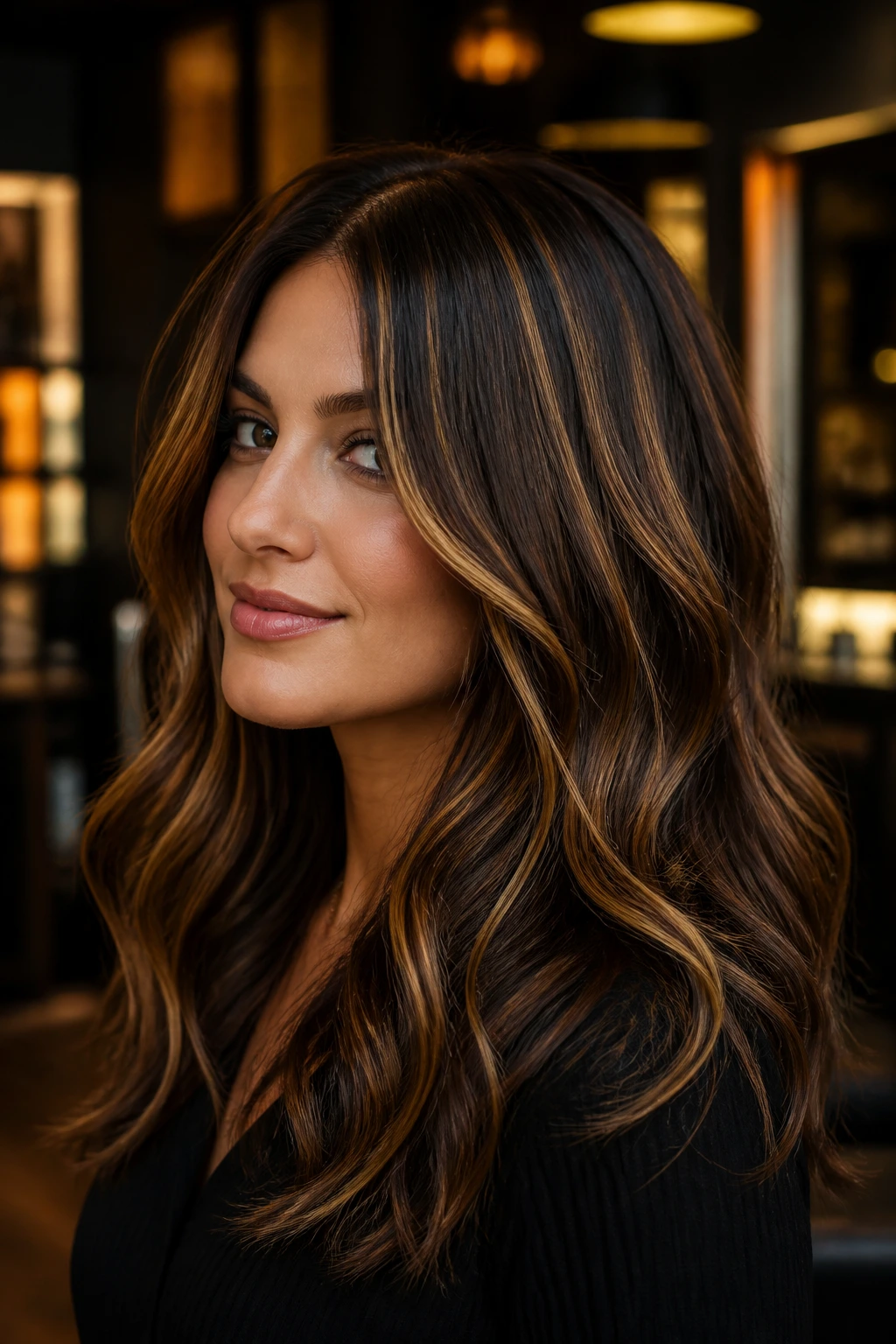
This is the “expensive brunette” look, just turned up a notch with high-contrast golden highlights. The base is your natural, deep color, and the highlights are fine, scattered streams of pure gold.
The Impact
This look is all about contrast. You have the depth of your natural hair, which provides structure and health, and then you have the sparkle of the gold streams, which provide light and life.
Salon Tip
Ask your stylist for “fine, scattered foils.” You do not want thick chunks here. You want the gold to look like it is woven into the base, not sitting on top of it.
18. Peachy Blonde Babylights
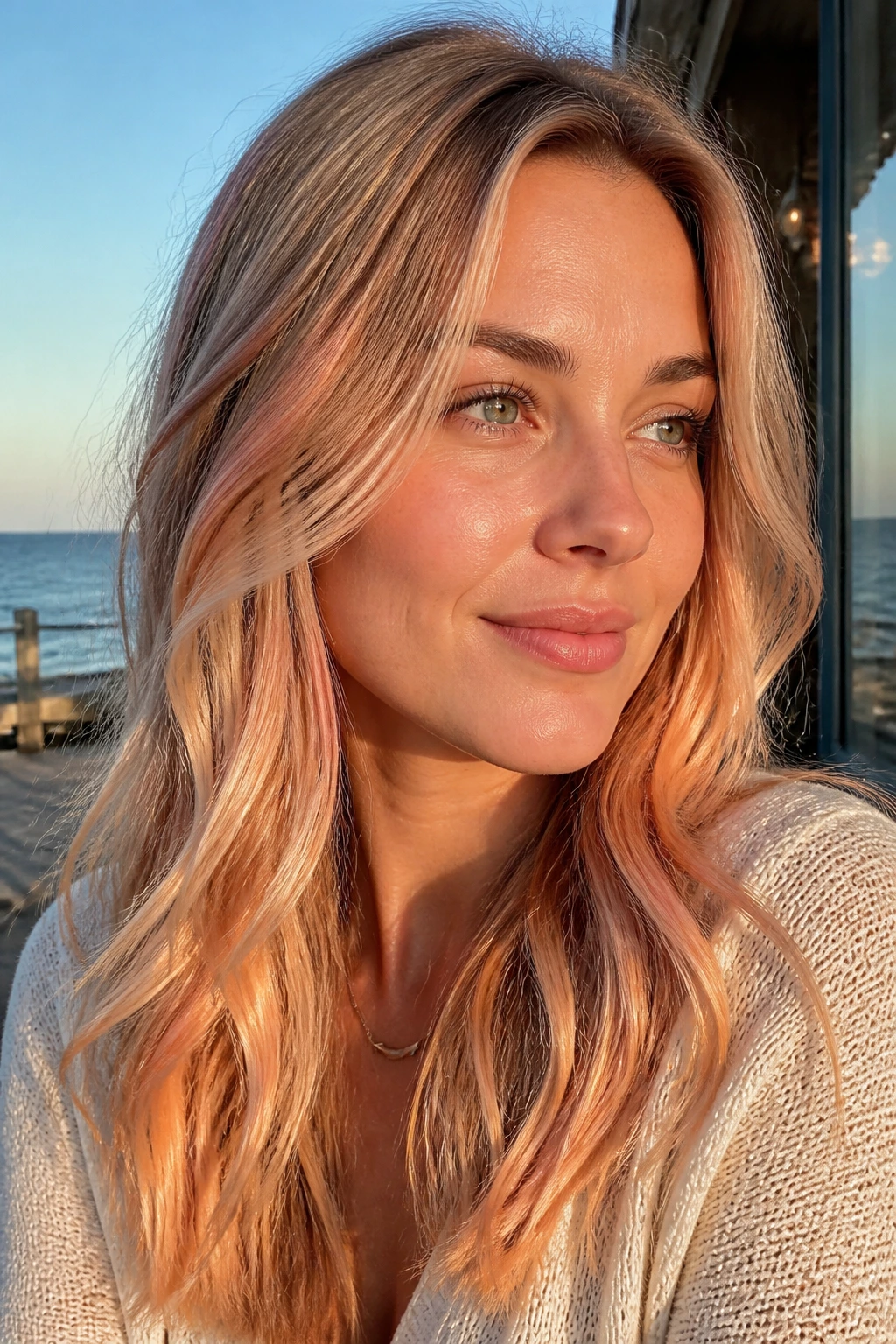
Peachy blonde is whimsical. It feels like a sunset. By incorporating these into your hair via babylights, you get a subtle, overall warmth that feels entirely unique.
The Appeal
It’s not as “in your face” as a full bleach-and-tone color job, but it’s far more interesting than a standard blonde. It gives your hair a vibrant, healthy, and happy energy.
Tone Maintenance
Like any fashion color (which peachy tones tend to be), these are not permanent. You will need to commit to color-refreshing glosses every 4-6 weeks to keep that peach tint from fading into a standard pale blonde.
Choosing the Right Warm Tone for Your Skin
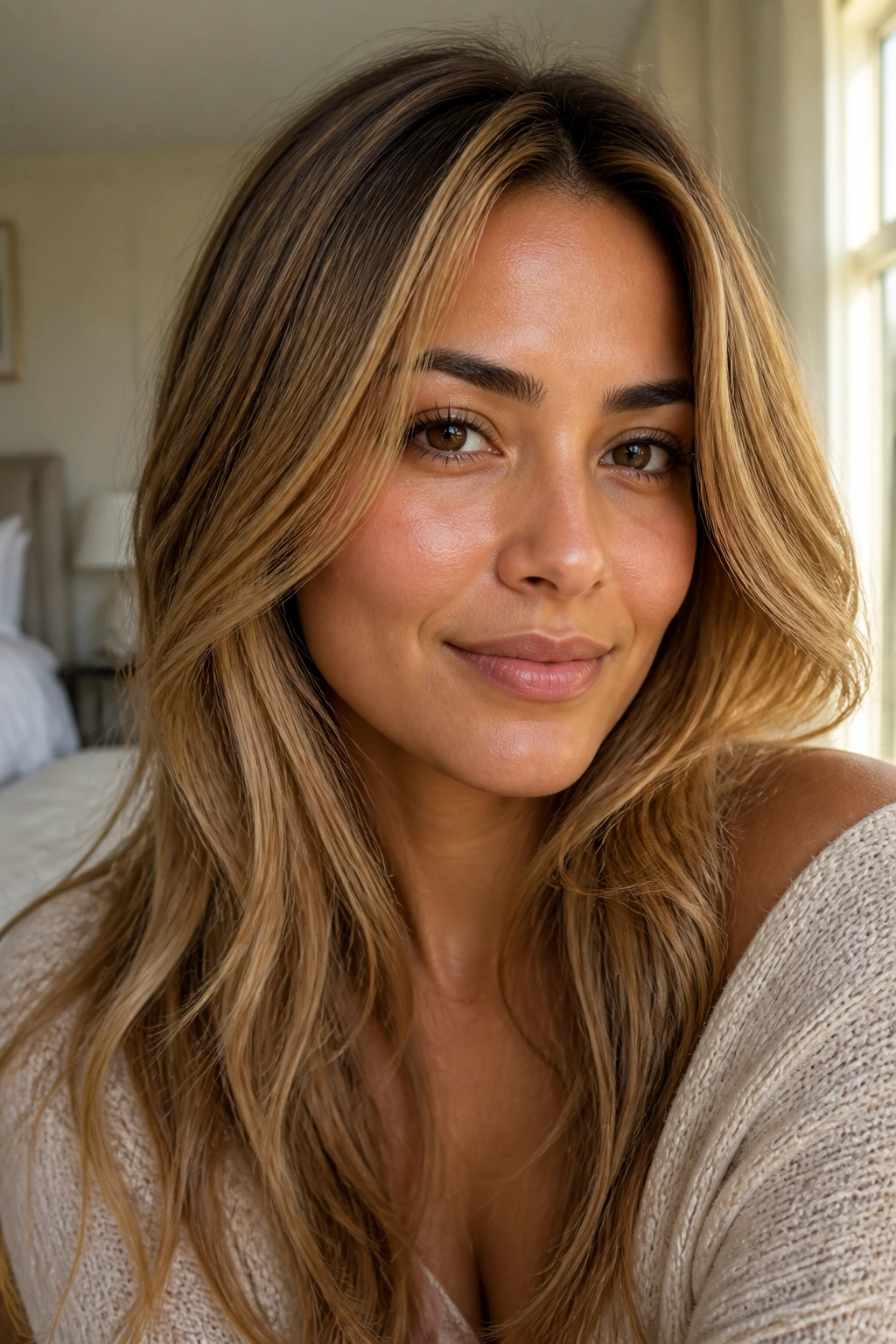
Selecting the right highlight color isn’t just about what looks good on a model; it is about how the color interacts with your specific complexion. A color that looks amazing on someone else might wash you out if your skin undertones are different.
Determining Your Undertones
Look at the veins on the inside of your wrist. If they look blue or purple, you have cool undertones. If they look green or olive, you have warm undertones. If you can’t tell, or if they seem like a mix, you are neutral.
Matching to Your Skin
- Warm Skin (Gold/Olive/Peach): You can handle the most vibrant warm tones. Think copper, gold, honey, and amber. These will accentuate the warmth in your skin and give you a radiant, healthy look.
- Cool Skin (Pink/Blue/Silver): You need to be slightly more careful. A pure, intense copper might be too much, but you can absolutely rock sandy beige, champagne, or buttery blonde. Avoid anything that leans too heavily into orange, as it might make your skin look pale or sallow.
- Neutral Skin: You are the lucky ones. Almost any warm blonde will work for you. You can experiment with everything from butterscotch to strawberry blonde.
The most important thing? Confidence. If you love a color, wear it. The rules of color theory are helpful guidelines, not laws. If you have cool skin but you are dying to try a copper-infused blonde, go for it. You might just need to adjust your makeup palette—maybe a warmer blush or a bronze-tinted highlighter—to balance the new hair color.
The Difference Between Cool and Warm Blondes
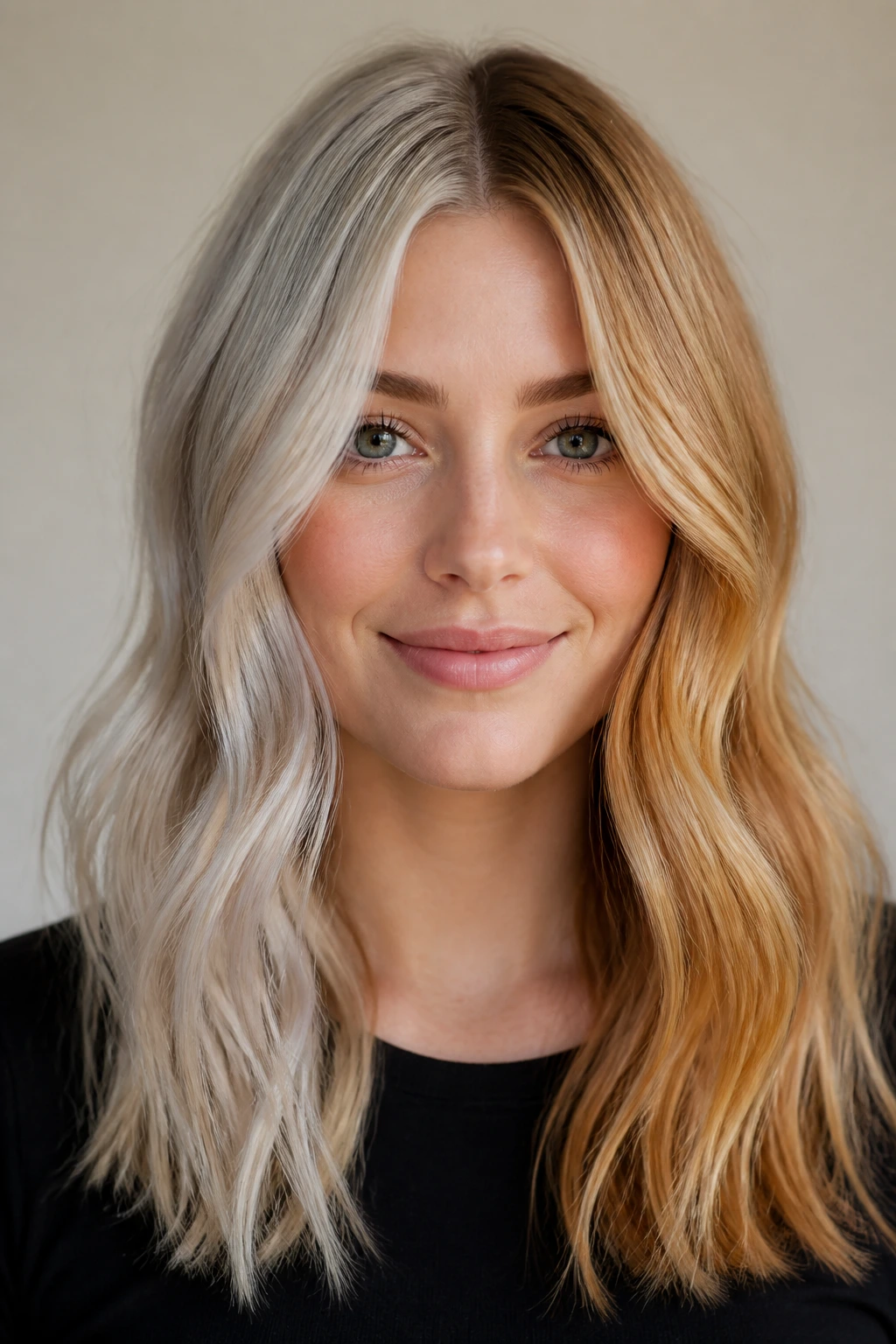
The divide between cool and warm blonde is usually misunderstood. Many people think “cool” equals “platinum” and “warm” equals “yellow.” While that is often the case, the nuance lies in the reflective quality of the color, not just the lightness.
Cool Blondes: The Absorbers
Cool tones—think ash, silver, platinum, pearl—are designed to absorb light. They lack the warm, reflective pigment. This is why cool blonde hair can sometimes look flat or dull in certain lighting. It is also why it requires so much upkeep; once the toner fades, the hair reveals its natural warm undertone (which is usually yellow or orange), and the hair looks “brassy” because it is a clash between the artificial cool tone and the natural warm base.
Warm Blondes: The Reflectors
Warm tones—honey, gold, caramel, copper—are designed to reflect light. They mimic the natural pigments found in hair. Because they are working with the hair’s natural reflectivity, they tend to look healthier and shinier. Warm hair looks “alive.” It moves with the light, catches the sun, and creates dimension.
Why the Shift is Happening
The modern preference is moving toward hair that looks healthy. Years of bleaching to achieve “cool” tones caused widespread damage, leading to dry, brittle hair. Warm tones allow you to lift the hair less (as you don’t need to reach that stark white platinum stage), which preserves the integrity of the hair strand. Healthier hair always looks better, regardless of the shade.
How to Talk to Your Colorist
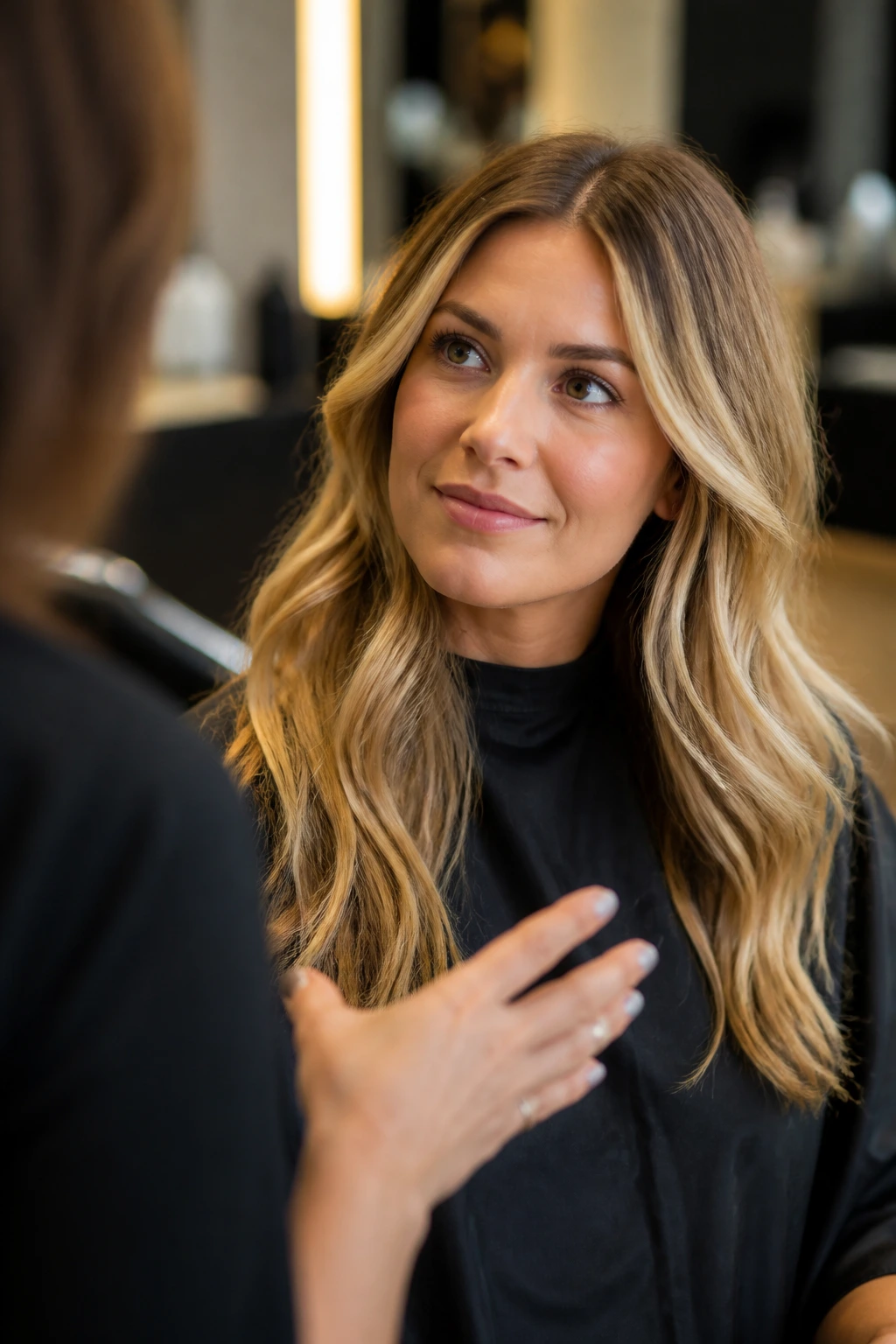
Walking into a salon with a picture on your phone is the standard way to communicate, but sometimes that isn’t enough. You need to speak the language so your stylist knows exactly what you mean by “warm.”
Use Descriptive Language
Do not just say “I want warm highlights.” That is too vague. Say, “I want a golden, honey-toned highlight that blends into my natural base.” Use words like golden, honey, caramel, butter, amber, peach, or copper. These are descriptive, tangible terms.
Avoid the “B-Word”
Do not be afraid to say the word “warmth.” Too many clients go into the salon terrified of brass, and they drill into the stylist’s head, “No warm, no yellow, no brass.” Then, when the stylist gives them a cool-toned highlight, they complain that it looks dull. Be clear: “I want to see warmth. I don’t want it to look yellow, but I want it to be reflective and golden.”
Ask About the Process
Ask, “What toner will you be using?” If they say a “violet” or “blue-based” toner, you know they are going for a cool, ash finish. If they mention “gold,” “beige,” or “natural” bases, you are on the right track. This shows you are engaged in the process and helps set expectations before they start applying the lightener.
Essential Maintenance for Warm Blondes
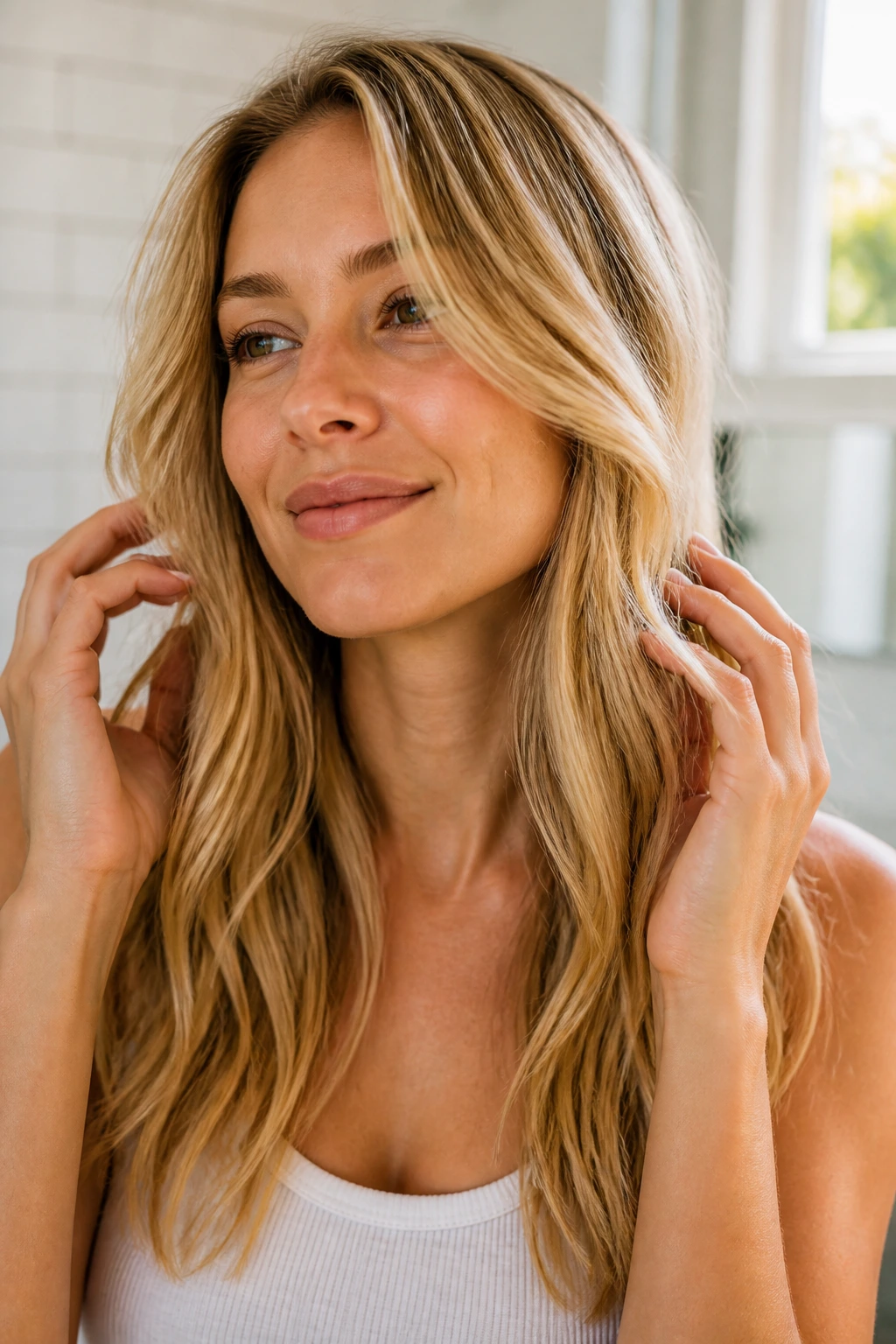
Maintaining warm blonde highlights is a different game than maintaining cool blonde. You aren’t fighting to remove the yellow; you are fighting to keep the right kind of yellow.
Ditch the Purple Shampoo
Purple shampoo is the enemy of warm blonde. Purple is the opposite of yellow on the color wheel, so it cancels out yellow tones. If you have beautiful honey-gold highlights, using purple shampoo will strip that gold away, turning your hair a muddy, cool beige.
Embrace the Right Products
Instead of purple shampoo, look for color-enhancing shampoos and conditioners. There are products specifically designed for “golden” or “warm” blonde hair. They contain subtle golden pigments that deposit a tiny bit of color with every wash, keeping your highlights vibrant and fresh between salon visits.
Heat Protection is Non-Negotiable
Heat styling—blow dryers, flat irons, curling wands—is the fastest way to strip your color. The heat can oxidize the hair, turning that beautiful buttery tone into a dull, flat orange. Always, always use a heat protectant spray. It creates a barrier that shields the hair cuticle from thermal damage.
The Water Factor
If your shower water is hard (meaning it has high mineral content), your hair is going to suffer. Minerals like iron and calcium build up in the hair, causing your warm, golden highlights to turn orange or rust-colored. A showerhead filter is an inexpensive investment that will pay for itself in saved salon visits. It stops the minerals before they hit your hair.
Final Thoughts
Warm blonde highlights are having a moment, but honestly, they should never go out of style. They are the most natural, healthy-looking way to be blonde. They mimic the light of the sun and the natural pigments we all have to some degree.
Moving away from the pressure to be “icy” or “ashy” is liberating. It allows you to embrace the dimension and texture your hair naturally wants to have. Whether you choose a soft butterscotch ribbon or a bold, sun-drenched copper, the goal is the same: to create a look that feels reflective, luminous, and authentically yours. You aren’t just changing your hair color; you are changing the way your hair interacts with the world around you. And that, more than any trend, is what makes a great color choice.
