



A cute Asian haircut can change the whole mood of your face in one appointment. A chin-length bob with soft bangs reads sweet and neat; the same bob with a heavier fringe can suddenly feel strict and boxy. That tiny shift is why these cuts are so worth paying attention to.
Straight, thick, fine, or softly wavy hair can all wear these looks well. The real trick is where the weight sits, how sharp the perimeter line is, and whether the front pieces soften the face or fight it. A lot of the prettiest Korean and Japanese-inspired styles rely on small, precise details that don’t look dramatic on a hanger but make a huge difference once the hair moves.
I keep coming back to the same practical truth: the haircut itself is only half the story. The other half is how it falls when you air-dry it, where it bends at the cheekbone, and whether the ends tuck under cleanly or start flipping every which way by lunchtime.
That’s why the best versions of these cuts are specific, not vague. A few millimeters on the bangs, an inch on the face frame, a slightly different angle at the jaw — those tiny choices decide whether the style looks deliberate or like a grow-out you meant to fix later.
1. Hime Cut With Soft Blended Ends
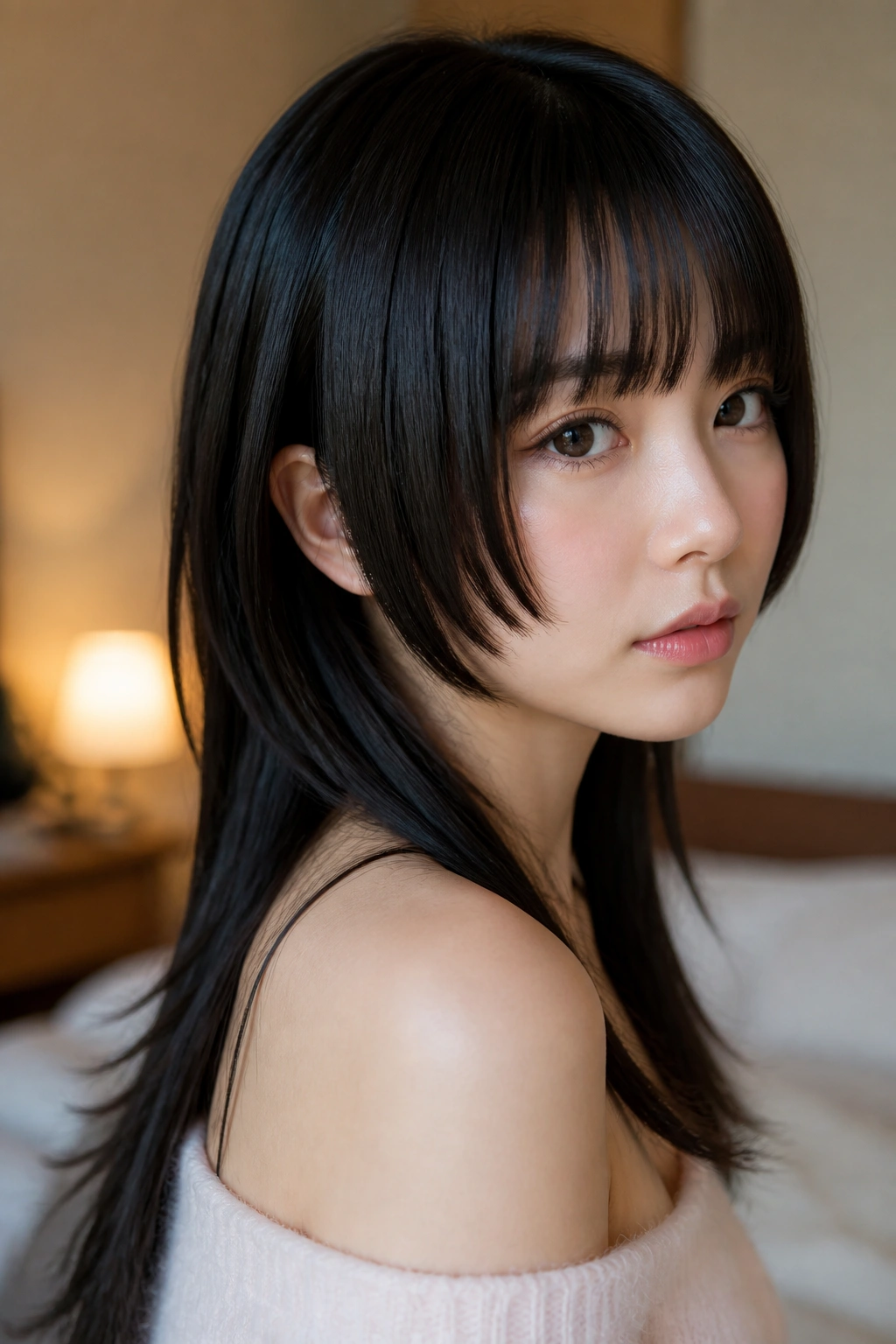
A hime cut has a sharp little attitude that still feels feminine, and that’s exactly why it works so well in a list of cute Asian haircuts for women. The classic shape keeps short side pieces around the cheekbone or jaw while leaving the back long, which gives you that clean contrast without losing softness.
Why It Works
The charm is in the geometry. The front pieces act like built-in face framing, while the long back keeps the look balanced instead of costume-y. If the ends are blunt and shiny, the cut looks crisp; if they’re heavily thinned out, it can turn ragged fast.
Ask for the side pieces to be cut with a clear line, then softened just enough so they don’t look severed from the rest of the hair. That little bit of blending matters more than people think.
- Keep the shortest pieces around cheekbone level for a sweet, lifted effect.
- Leave the back long if you want the contrast to read clearly.
- Use a flat iron only on the side pieces if they start kicking outward.
- Best on straight or lightly wavy hair, where the line stays visible.
My take: this cut looks best when the fringe and side pieces feel intentional, not over-layered.
2. See-Through Bangs With a Chin-Length Bob
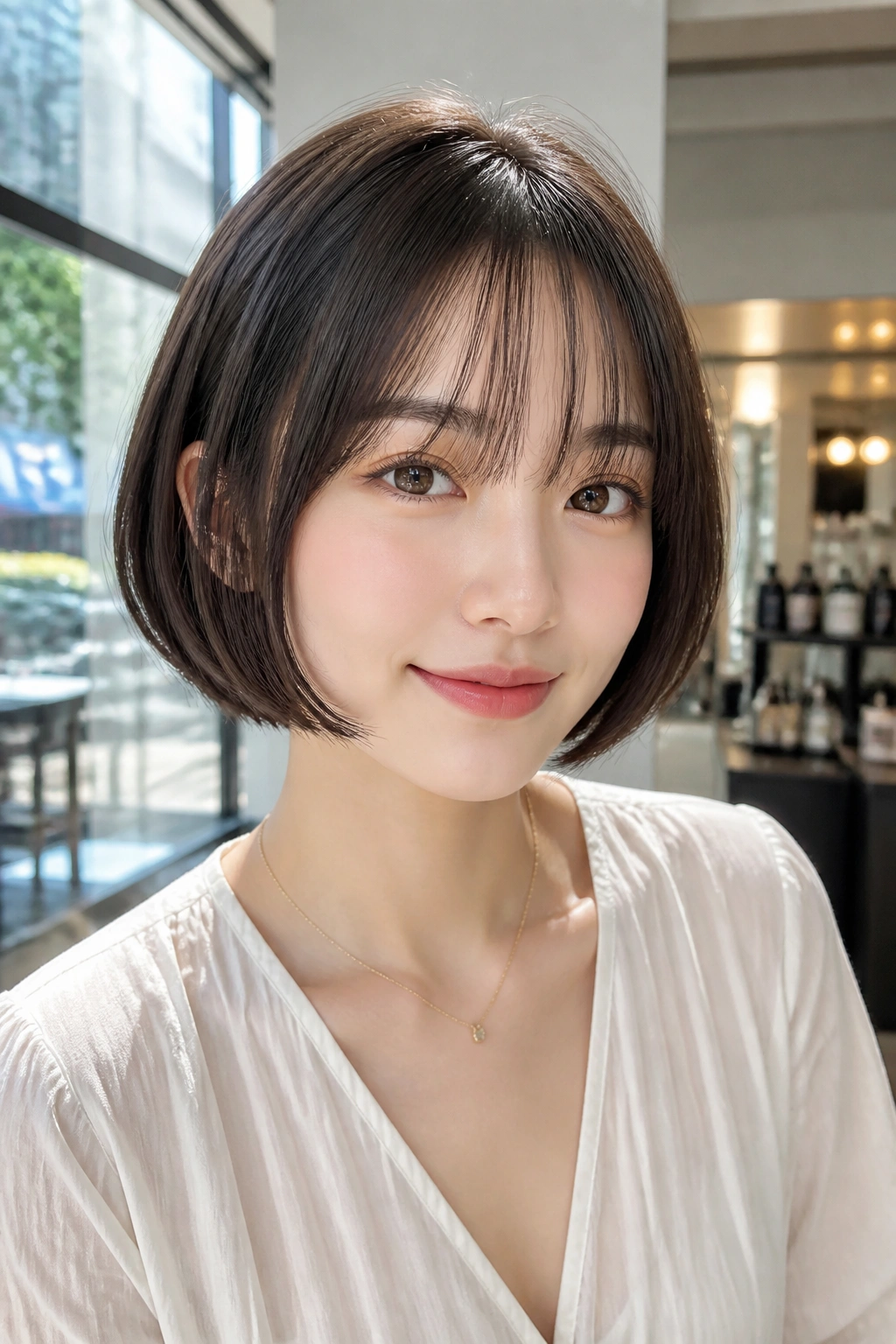
Why do these tiny bangs make such a big difference? Because they take a blunt bob and turn it from heavy to airy in one move. A see-through fringe leaves a little forehead visible, which keeps the face open and stops the cut from feeling too dense.
The bob itself should sit close to the jaw, usually around chin length or just below. That length is a sweet spot: short enough to look fresh, long enough to tuck behind the ears on busy days. If the ends are cut too thick, the style can puff out; if they’re too wispy, the shape loses its clean edge.
This is one of those haircuts that looks polished with almost no effort, which is why it shows up so often in Korean-style salon inspiration. A round brush and a quick pass with a blow-dryer are usually enough.
When you wear glasses, this cut gets even cuter. The bangs skim the frames, the bob sits neatly under the lenses, and the whole look feels tidy without trying too hard.
3. Hush Cut With Wispy Face-Framing Layers
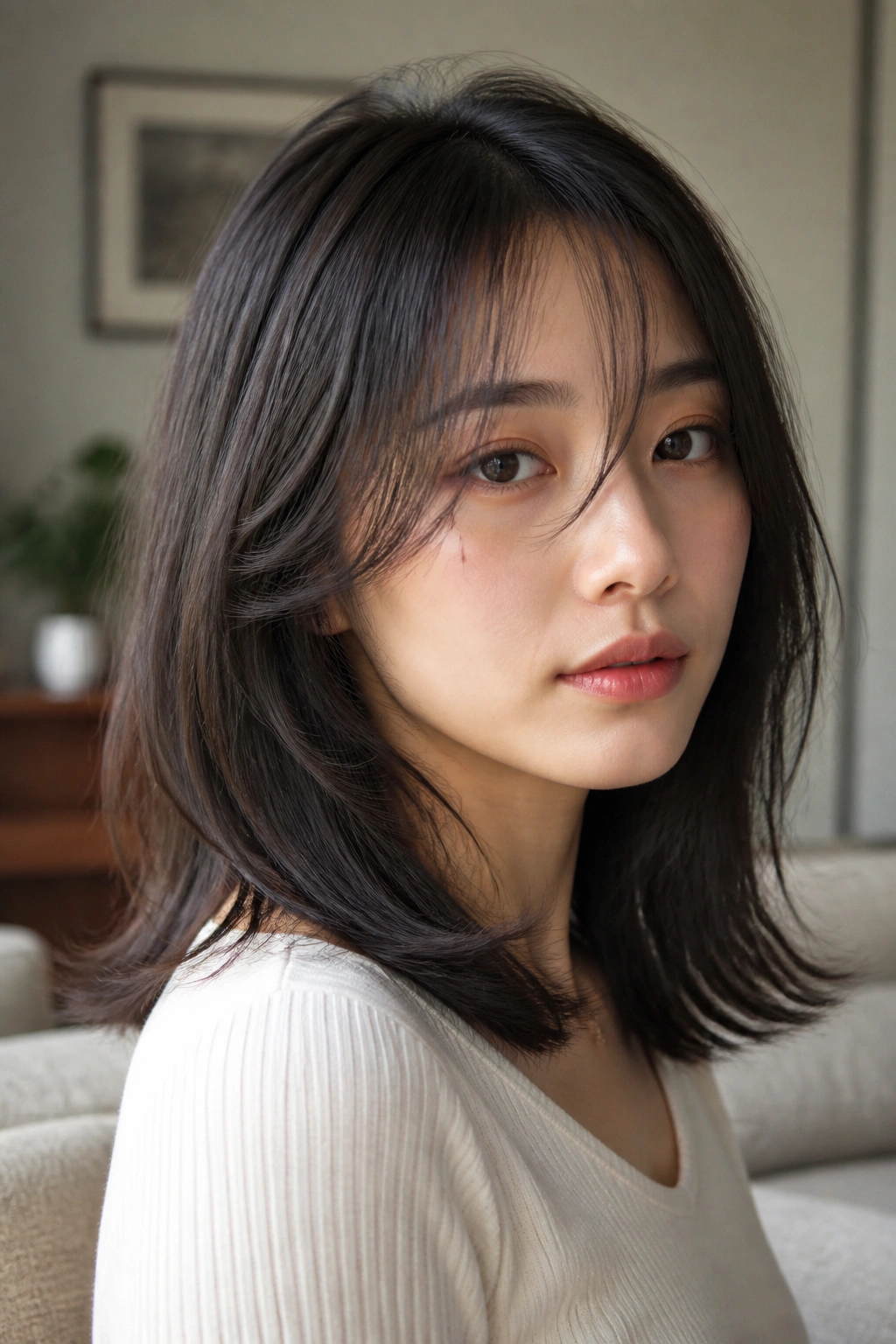
The hush cut is the quiet one in the room. It does not shout, and that’s the appeal. Instead of dramatic choppy layers, it uses soft internal movement and airy front pieces that make the hair look feathered, light, and touchable.
What to Ask For
Tell your stylist you want soft layers that start around the cheekbone or mouth, not a lot of bulk removal at the ends. That keeps the shape from going too thin. A good hush cut still has enough weight to swing nicely when you turn your head.
Why It Flatters So Many Faces
The face frame is the real star. It can narrow a round face, soften a square jaw, or keep long hair from hanging like a curtain. The trick is restraint. Too many layers and you lose the hush.
- Ask for long, tapering pieces around the front.
- Keep the bottom line fairly even.
- Style with a large round brush or a 1.25-inch curling iron.
- Works especially well when hair is medium-thick and slightly wavy.
It’s a very wearable cut. Not boring. Just controlled in a smart way.
4. Kitty Cut With Rounded Layers
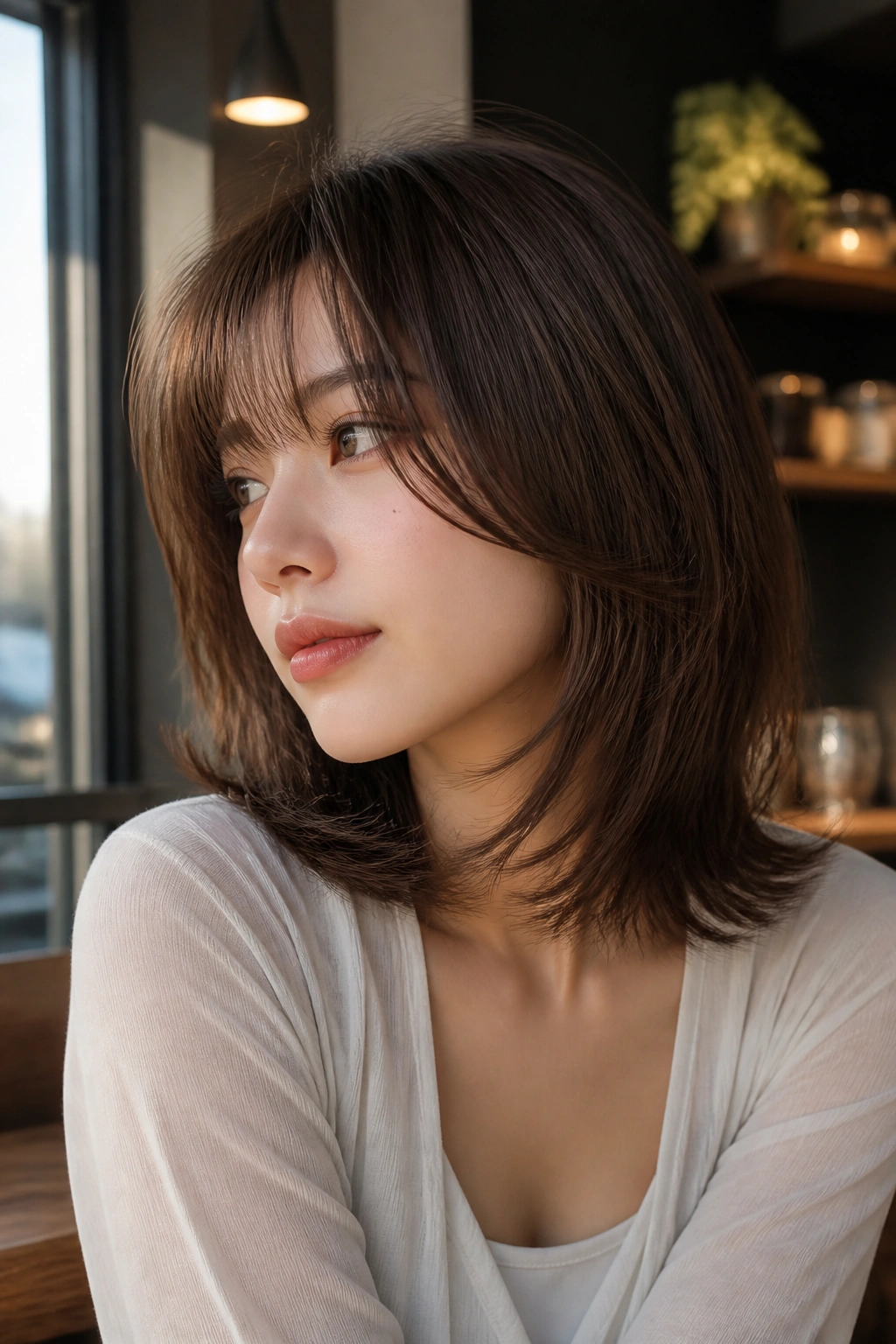
This is the haircut I’d hand to someone who wants cute, not severe. The kitty cut usually sits around shoulder length or a little longer, with rounded layers that curve in and soften the shape. It gives the hair a lifted, fluffy feel without making the ends look chopped up.
What makes it different from a standard layered cut is the roundness. The silhouette is slightly curved at the sides, so the hair hugs the face instead of hanging straight down. That makes the whole style feel warmer and a little more playful.
It’s also forgiving on grow-out. If you miss a salon visit, the shape still looks decent for a while because the layers are not extreme. That matters more than people admit. A haircut that only looks good for three weeks is a pain.
I like this one on women who want movement but hate high-maintenance styling. A simple bend at the ends with a blow-dryer brush is enough. Keep the layers soft, keep the shape rounded, and avoid over-thinning the tips.
5. C-Cut Layers That Tuck Under the Chin
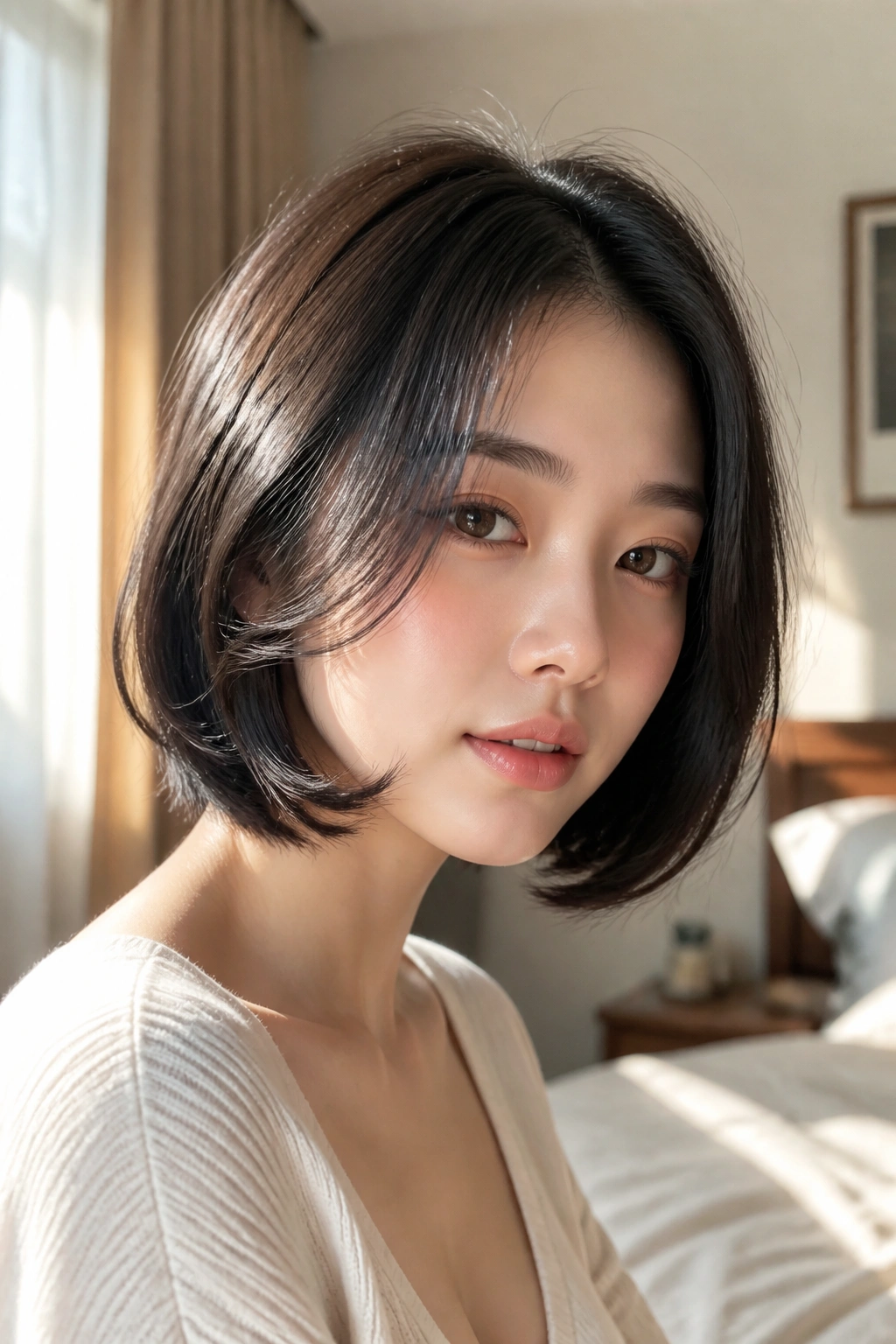
Picture hair that curves under the chin like it was brushed into place on purpose. That’s the C-cut. The front pieces are shaped to follow the jawline, then swing inward, which gives the haircut a clean frame and a little bounce.
This style is especially nice if your hair tends to fall flat around the face. The inward curve adds shape without forcing a big curl. It also works at several lengths, from a short lob to collarbone hair, as long as the front pieces are cut with enough angle.
The C-cut is one of those styles that looks expensive even when the rest of your outfit is a T-shirt and jeans. That has a lot to do with the way the ends finish. They’re tidy. They sit where they should.
A few things matter here:
- The face frame should start near the jaw or cheekbone.
- The perimeter should stay clean, not shredded.
- A round brush gives the best tuck-under shape.
- Fine hair benefits from a little root lift; thick hair needs weight removed with care.
6. Butterfly Cut With Curtain Bangs
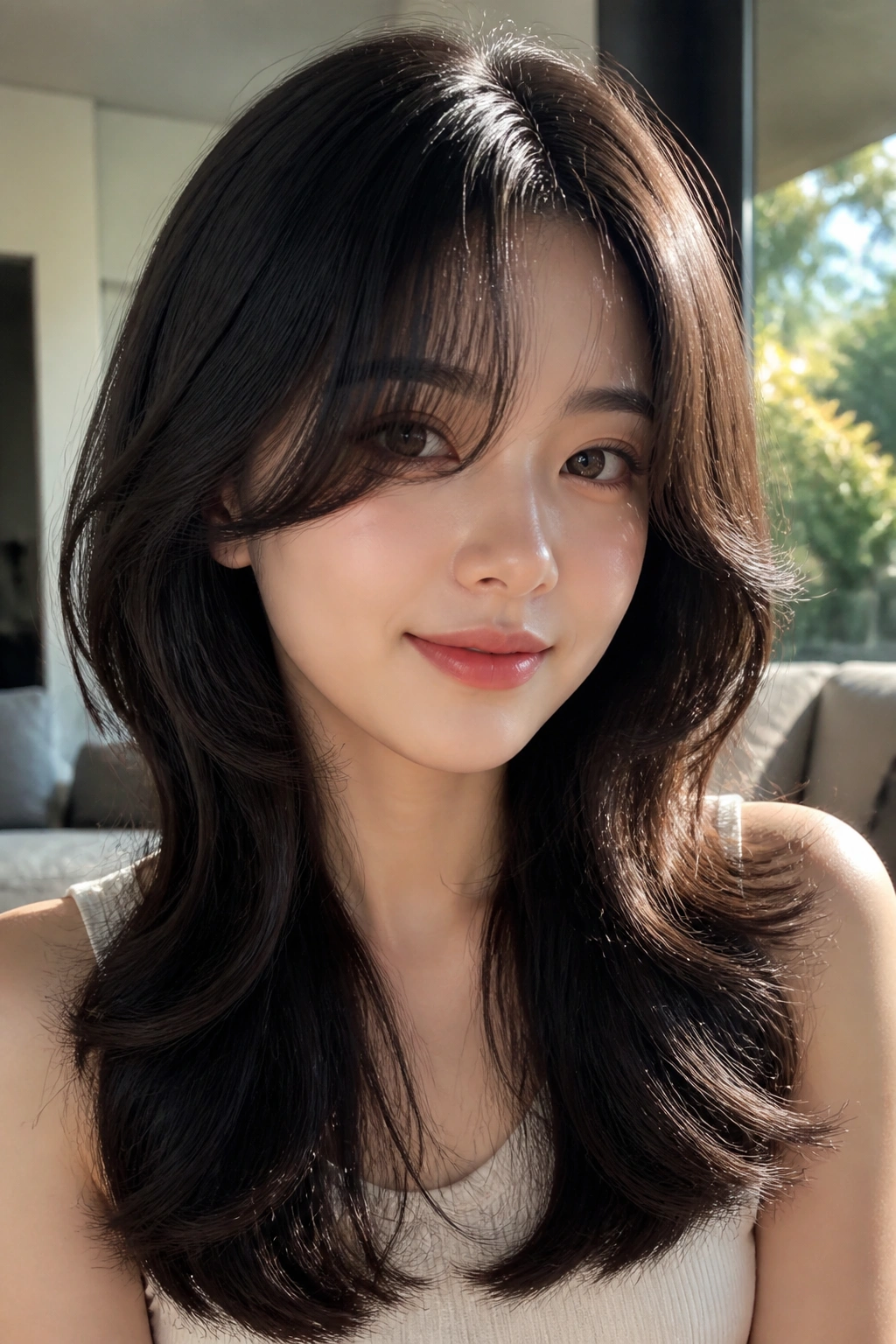
If you want long hair but hate the heavy triangle shape it can turn into, the butterfly cut is the practical fix. The shorter top layers create lift around the crown and face, while the longer bottom layer keeps the length you actually want to keep.
Curtain bangs seal the deal. They make the cut feel softer and more open, and they also help the layers blend instead of looking separate. On straight hair, the style reads sleek; on wavy hair, it gets that loose, bouncy feel people save to their camera roll.
This cut can be a little much if you want your hair to air-dry and behave with zero help. It needs a quick bend from a blow-dryer or large curling iron to show off the shape. Nothing fussy. Just enough movement so the layers do their job.
The nicest part is the grow-out. The long layers don’t suddenly look wrong when they get a bit longer, which means fewer awkward months between trims.
7. Soft Wolf Cut for Medium-Length Hair
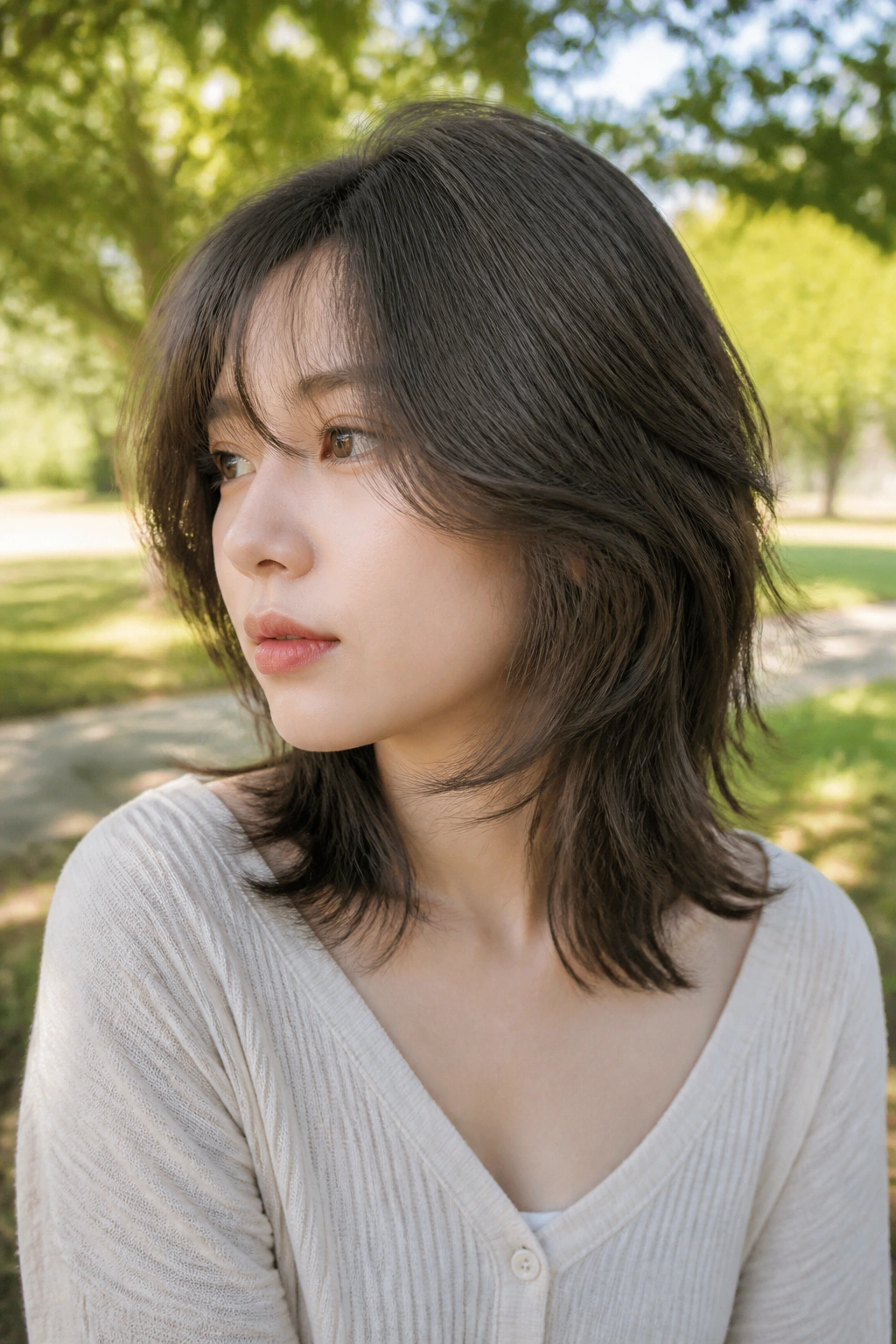
A wolf cut can look edgy, sure, but the softer version reads playful instead of punk. The secret is keeping the top layers textured without making the ends too jagged. You want movement, not a hacked-up outline.
This is a good cut when your hair feels too heavy in one block. It breaks up the bulk, especially around the crown and sides, and gives the whole shape more air. On medium-length hair, it can look shaggy in a nice way — the kind that feels easy, not messy.
Who Should Skip It
Not everyone wants the same degree of texture. If you love sleek, glassy hair, a soft wolf cut may ask for more styling than you enjoy. Very fine hair can also get stringy if the layers are cut too high.
For everyone else, though, it’s a strong option.
- Ask for blended layers, not razor-thin ends.
- Keep some length around the perimeter so the cut doesn’t turn too wild.
- Use a texturizing spray or light mousse.
- Best if you like a little lift around the crown.
8. Jellyfish Cut With a Delicate Top Layer
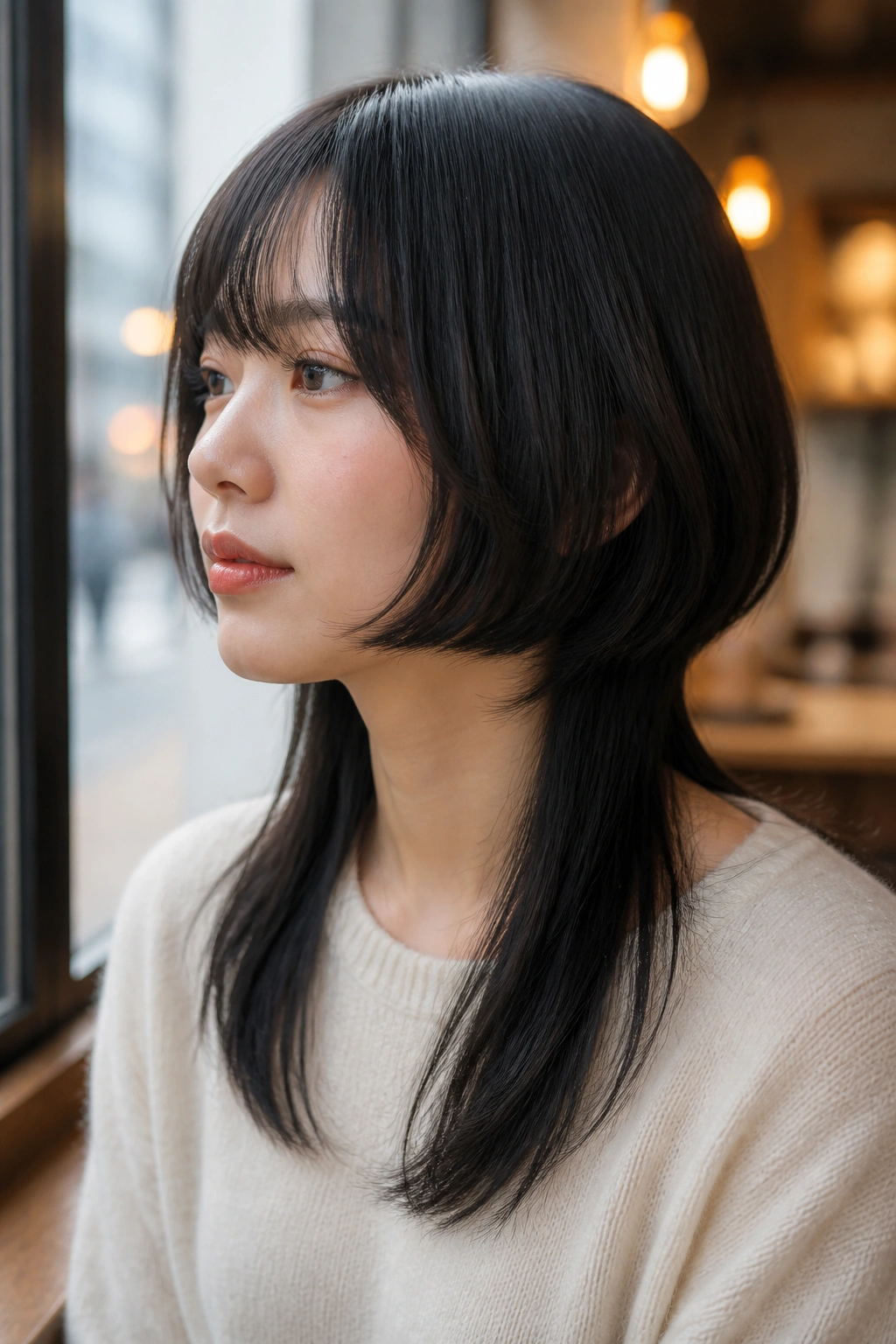
Can a jellyfish cut still look cute? Absolutely — if the contrast is softened. The classic idea is a short top section with longer lengths underneath, but the polished version uses a gentler transition so it feels fashion-forward rather than harsh.
The top layer should skim around the chin or jaw, while the lower length can stay long and straight. The key is separation with grace. If the top is too blunt and the bottom too heavy, the whole thing can start looking disconnected. When the line is cleaner, it looks intentional.
This cut works best on sleek hair because the shape needs visibility. Wavy hair can still wear it, but the layers need more styling to keep the split between sections clear. A straightening pass on the upper layer and a touch of bend on the ends can make a huge difference.
It is not a haircut for someone who wants invisible maintenance. It’s for the person who likes a little edge and does not mind a few extra minutes with a styling tool.
9. Rounded Korean Bob With Airy Texture
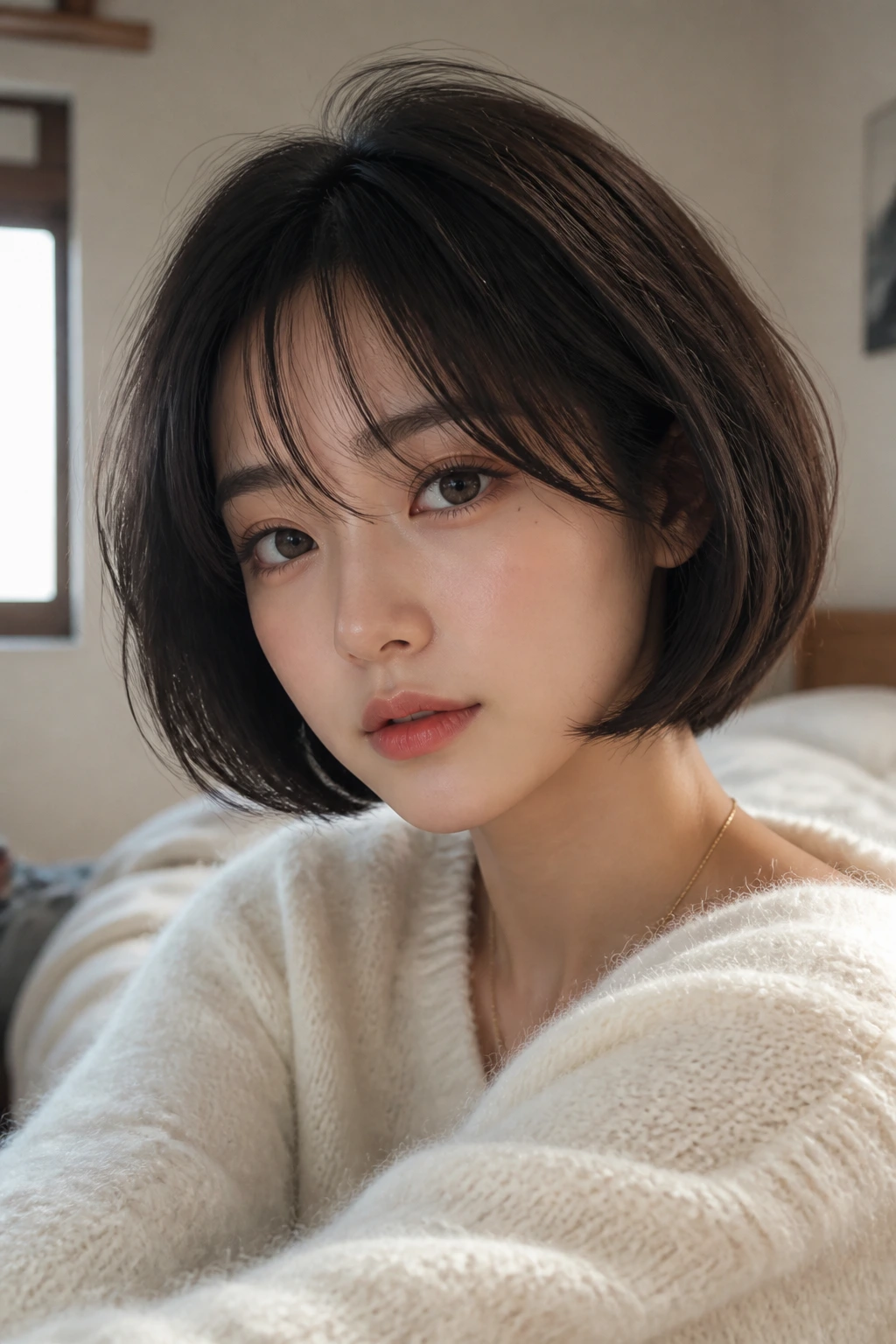
The rounded Korean bob is one of those haircuts that makes the whole head shape look neater. The outline curves inward at the sides and back, which gives the bob a soft, tucked shape instead of a flat shelf.
I see this cut working especially well on hair that wants to puff out at the ends. The rounded finish controls that puff and makes the style look cleaner. A little airiness in the crown keeps it from feeling helmet-like, which is the mistake a lot of blunt bobs make.
The length usually sits somewhere between the jaw and upper neck. Short enough to feel fresh. Long enough to hide a bad hair day under a clip. That balance is a big part of the appeal.
Use a round brush and direct the ends slightly under. If you have naturally straight hair, the cut will hold shape with very little fuss. If your hair is thick, ask for subtle internal thinning so the bob stays smooth instead of ballooning out.
10. Collarbone Lob With Long Curtain Bangs
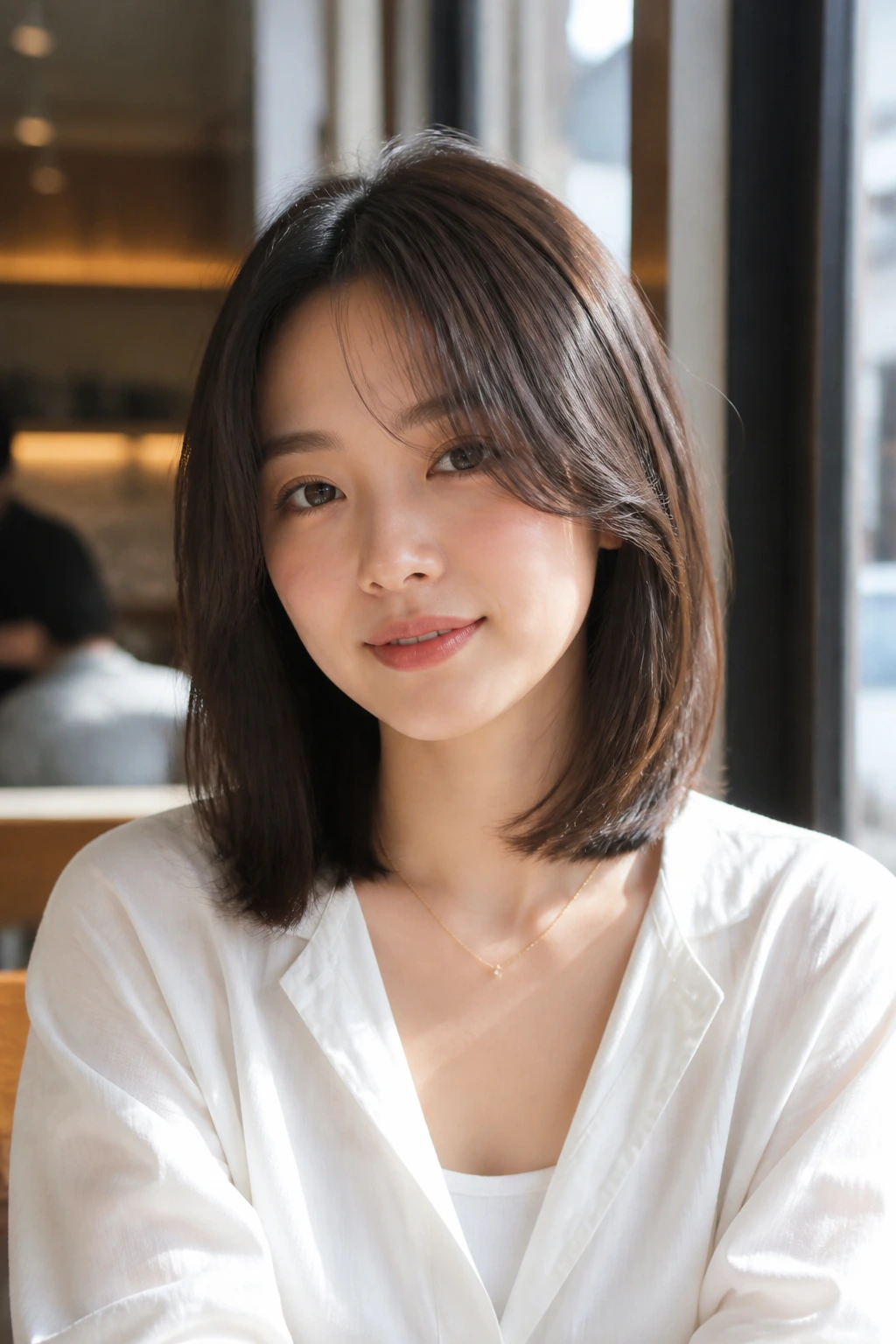
Unlike a chin-length bob, a collarbone lob gives you a little breathing room. It’s long enough to pull back, short enough to feel light, and that middle ground makes it one of the most wearable Asian-inspired haircuts for women with busy mornings.
The long curtain bangs do a lot of work here. They break up the front, soften the cheek area, and give the haircut a relaxed feel even when the rest of the hair is straight. I like this cut when someone wants movement but isn’t ready for a full short style.
It’s also easy to dress up. A half-inch bend through the ends and a little polish around the face can make it look done without looking stiff. That matters. Nobody wants a lob that only looks nice after a full salon blowout.
If your hair is fine, keep the layers modest so the ends stay full. If your hair is thick, ask for weight removal beneath the top layer. Small detail, big payoff.
11. U-Cut Long Hair With Invisible Layers
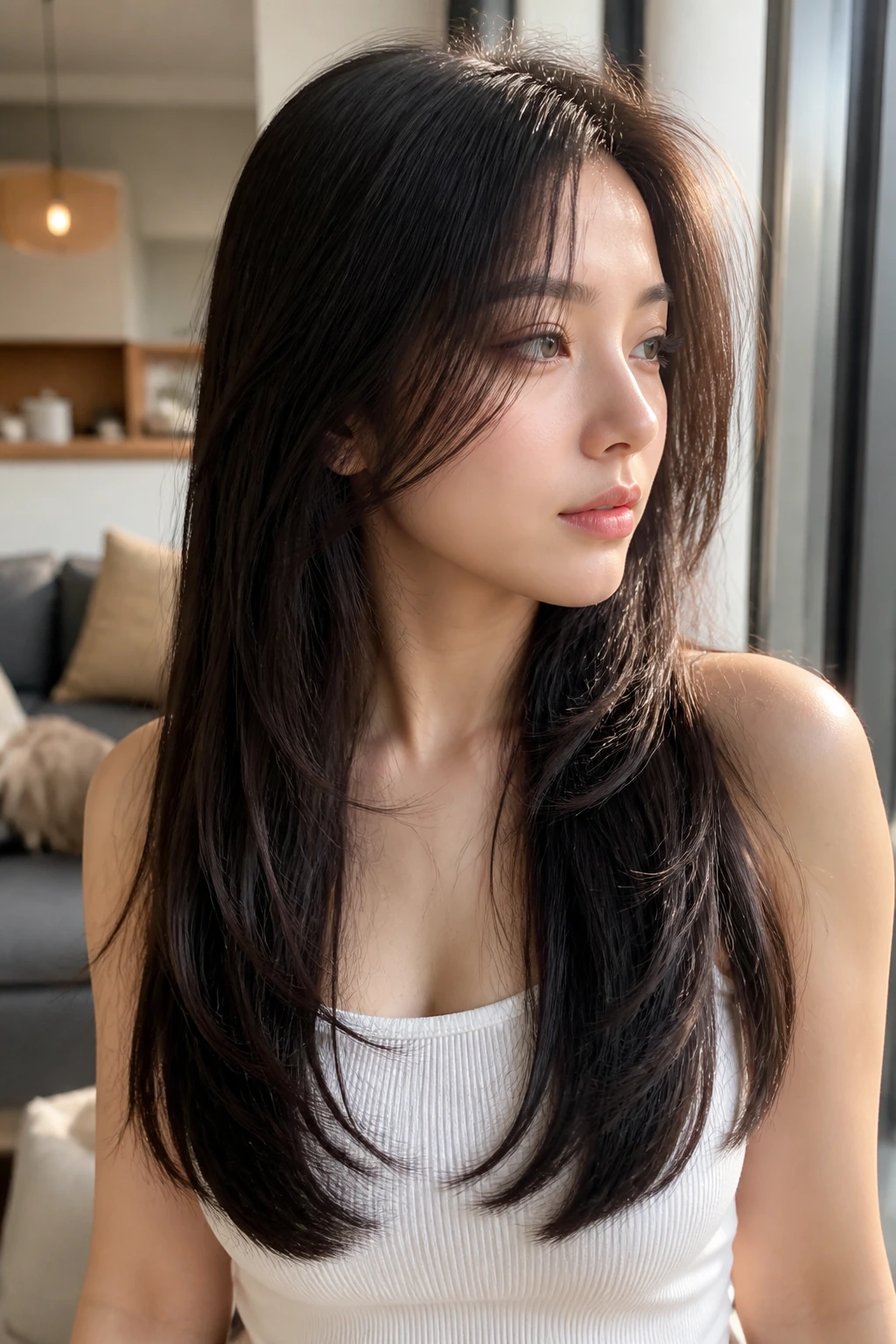
Long hair does not have to hang flat. A U-cut keeps the outline soft and curved, so the back falls in a gentle arc instead of ending in a harsh straight line. It’s one of the easiest ways to make long hair feel lighter without sacrificing length.
Invisible layers are the part people often miss. They sit inside the hair rather than on top of it, so you get movement without obvious steps. That’s useful if you like sleek hair and hate the choppy look that some layered cuts create.
Best For
- Hair that feels heavy at the ends.
- Women who want long length but more swing.
- Straight or softly wavy textures.
- Anyone who styles with a paddle brush or smooth blowout.
This cut also grows out kindly. The curve stays flattering even when the trim is overdue by a few weeks, which is more useful than it sounds. A haircut that behaves under real life is worth keeping around.
12. Bixie Cut With Soft Sideburn Fringe
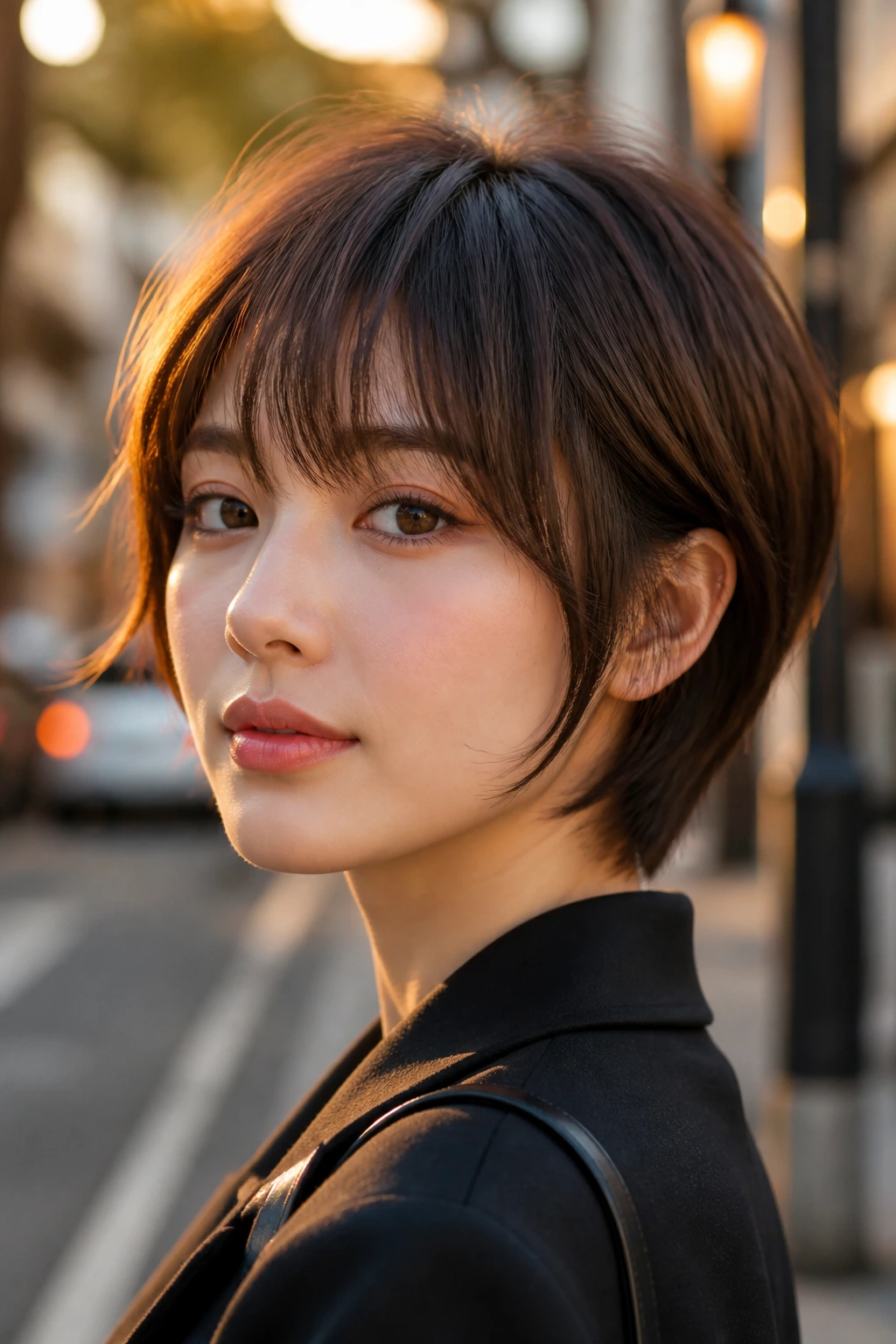
Is a bixie too short to still feel feminine? Not at all. The bixie sits between a bob and a pixie, which gives you short-hair ease with a little more softness around the ears and nape. It’s cute in that slightly cheeky way that makes strong jawlines look even sharper.
The sideburn fringe is what keeps it from feeling too severe. Those small front pieces soften the profile and make the cut feel less like a cropped helmet. If the top is left a little longer, you can tuck it, sweep it, or let it fall piecey and loose.
This haircut is smart for women who want less hair to deal with but don’t want a super-short pixie. It dries fast. It styles fast. And on busy days, that is not a minor benefit.
A tiny bit of paste or cream is enough. Work it through the top with your fingers, then leave the edges a little imperfect. That roughness is part of the charm.
13. Japanese Soft Mullet With Feathered Ends
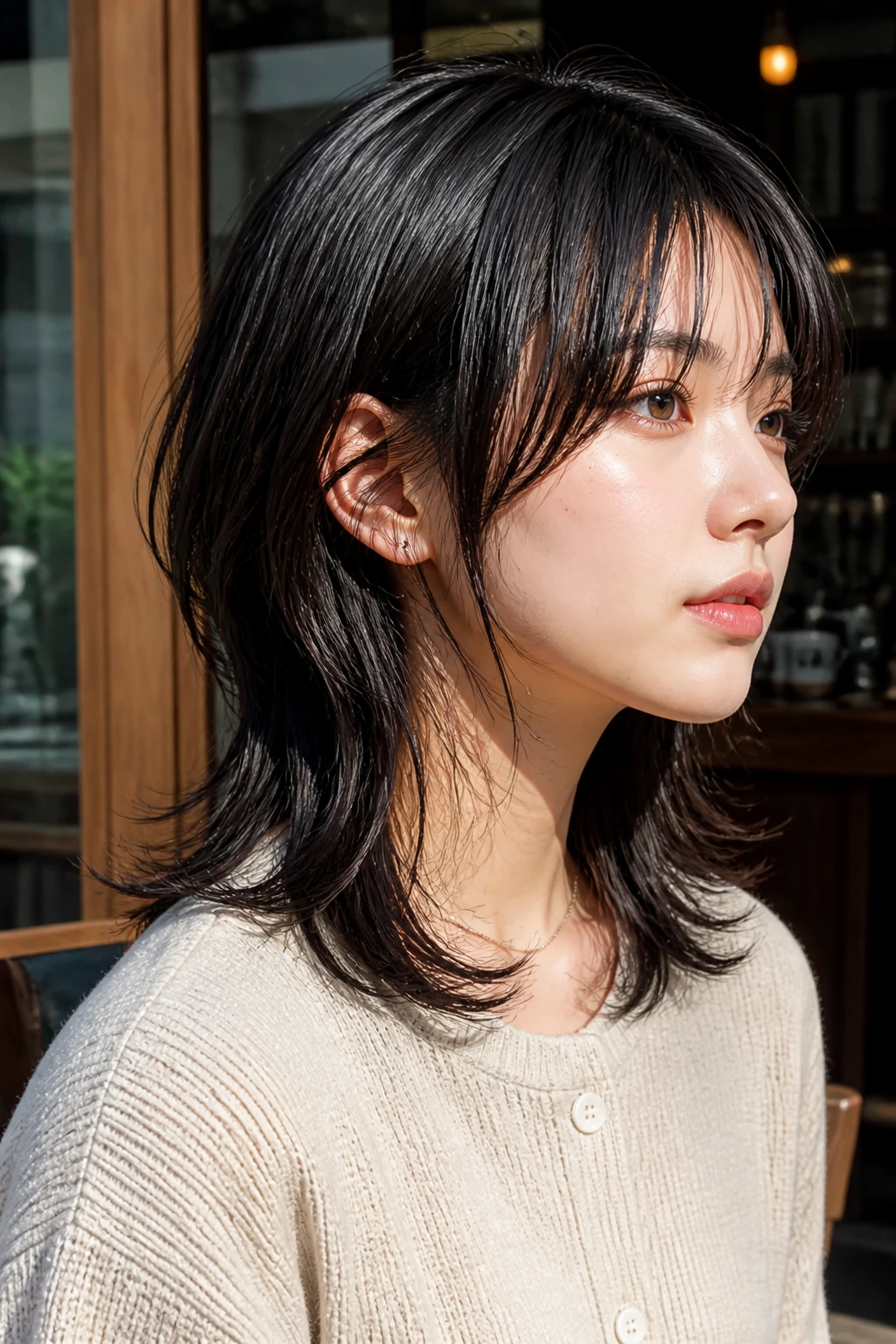
The best version of a soft mullet feels feather-light around the neck. That is the difference between a cool haircut and a weird one. The top stays shorter and airy, while the back carries more length, but the transition between them should be gentle enough that the whole style moves together.
This cut has a lot of personality without needing loud styling. The feathered ends keep it from looking blunt, and the shorter top adds lift at the crown. It’s a good shape if your hair naturally falls flat at the roots and needs a little life near the top.
A lot of people worry a mullet will look too sharp. Fair concern. The fix is simple: keep the layers soft, not razor-cut, and leave enough length around the sides to frame the face. That stops the haircut from turning harsh.
It suits women who like a bit of edge but still want something wearable to work, dinner, or a weekend coffee run. Not every short cut needs to behave itself.
14. Wispy Shag With Piecey Bangs
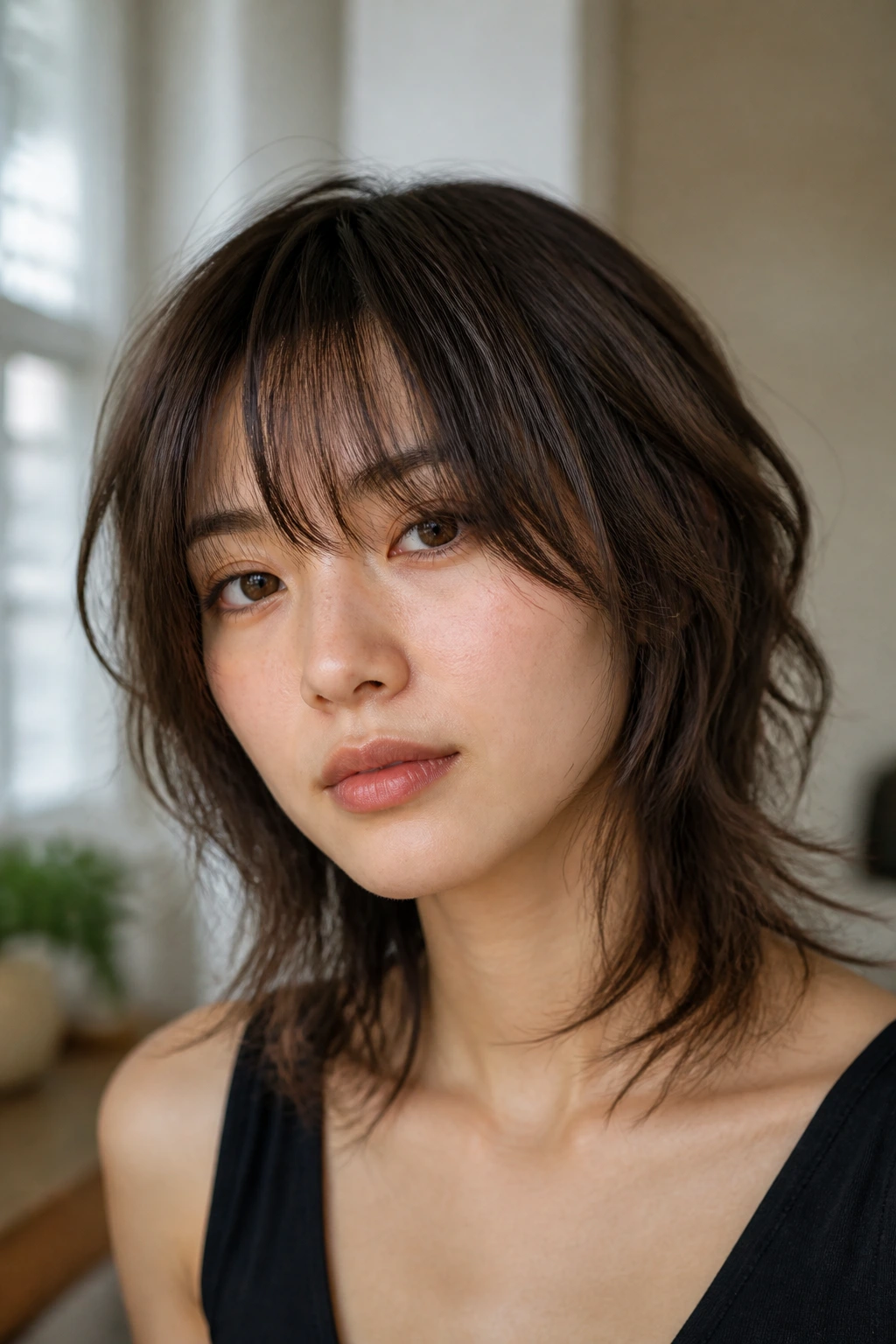
A shag can be sweet. That surprises people who only picture the heavy, rock-band version. A wispy shag keeps the texture but softens the edges, so the haircut looks airy and light around the face.
Piecey bangs matter here. They break up the forehead in a way that feels relaxed, not blunt. The layers should start high enough to give movement, but not so high that the hair loses body at the ends. That balance is the whole game.
This cut shines on hair that gets a little bend when it dries naturally. It shows texture without needing perfection. A touch of mousse, a rough dry, and a quick finger-comb is often enough.
If you want a haircut that feels alive in motion, this one delivers. It’s also forgiving when you skip a styling day. That’s not glamorous, but it’s real.
15. Straight Long Hair With Hidden Movement
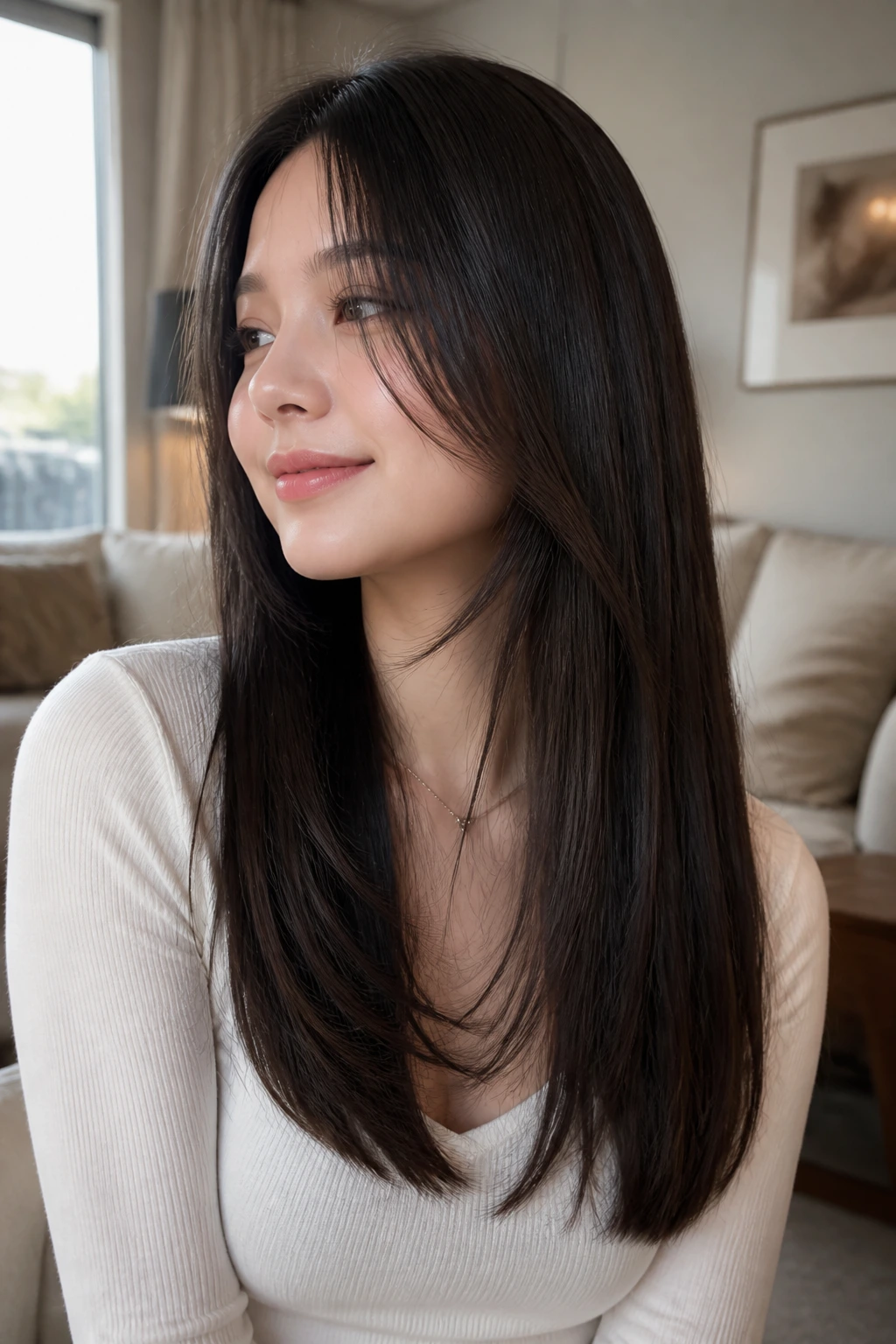
Sometimes the cutest haircut is the one that looks simple at first glance. Long straight hair with hidden movement keeps the outer line sleek, but adds subtle internal layers so the hair doesn’t hang in a dead sheet.
The point is restraint. You want the length to stay glossy and clean while the inside of the cut has enough shift to prevent heaviness. A stylist can place the layers low enough that they show mostly when you move, which is why the haircut looks calm in photos and lively in real life.
Where the Movement Lives
The movement usually starts below the collarbone and lives in the mid-lengths, not the ends. That means the bottom line still looks full. Very practical. Very smart.
- Ask for soft internal layers, not obvious steps.
- Keep the perimeter blunt or only slightly rounded.
- Use a lightweight serum on the last 2 inches.
- Best if you like sleek hair with a little swing.
This is a strong choice for women who love long hair but want it to look expensive rather than flat.
16. Shoulder-Length C-Curve Cut
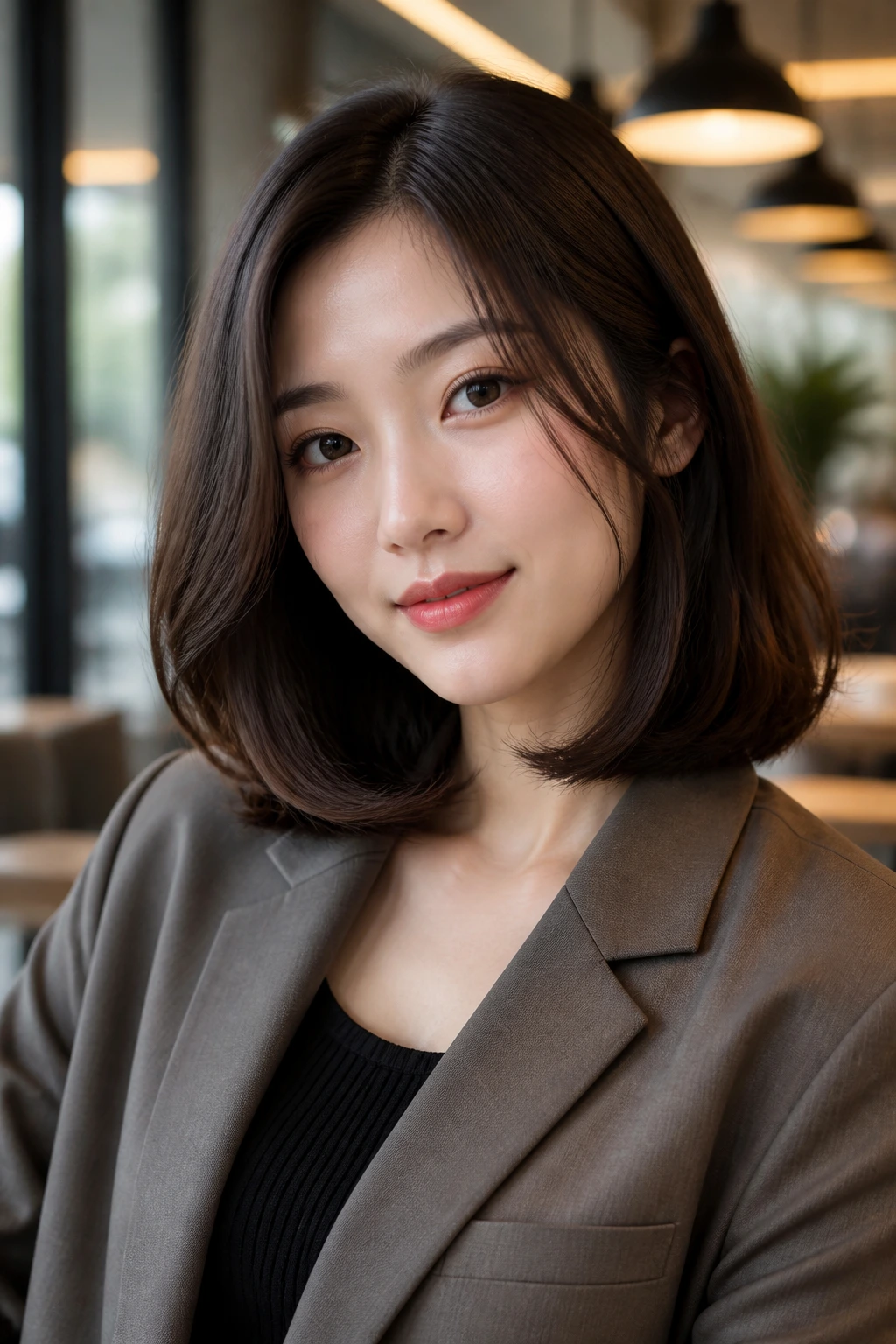
A shoulder-length C-curve cut is one of the easiest ways to make the neck and jawline look tidier. The hair curves inward at the ends, usually just below the shoulders, which gives a neat silhouette that works with blazers, T-shirts, and everything between.
The magic is in the bend. The curve softens the shoulders and keeps the haircut from spreading outward like a triangle. If your hair is thick, this matters even more. A strong outline can look bulky fast; a C-curve keeps the shape controlled.
This cut does not need much drama to work. A brush, a blow-dryer, and a little heat at the ends are usually enough. If you like clips and half-up styles, the length gives you options without feeling long and fussy.
It’s a sensible haircut, but not dull. The curve gives it just enough personality.
17. Side-Parted Layered Lob
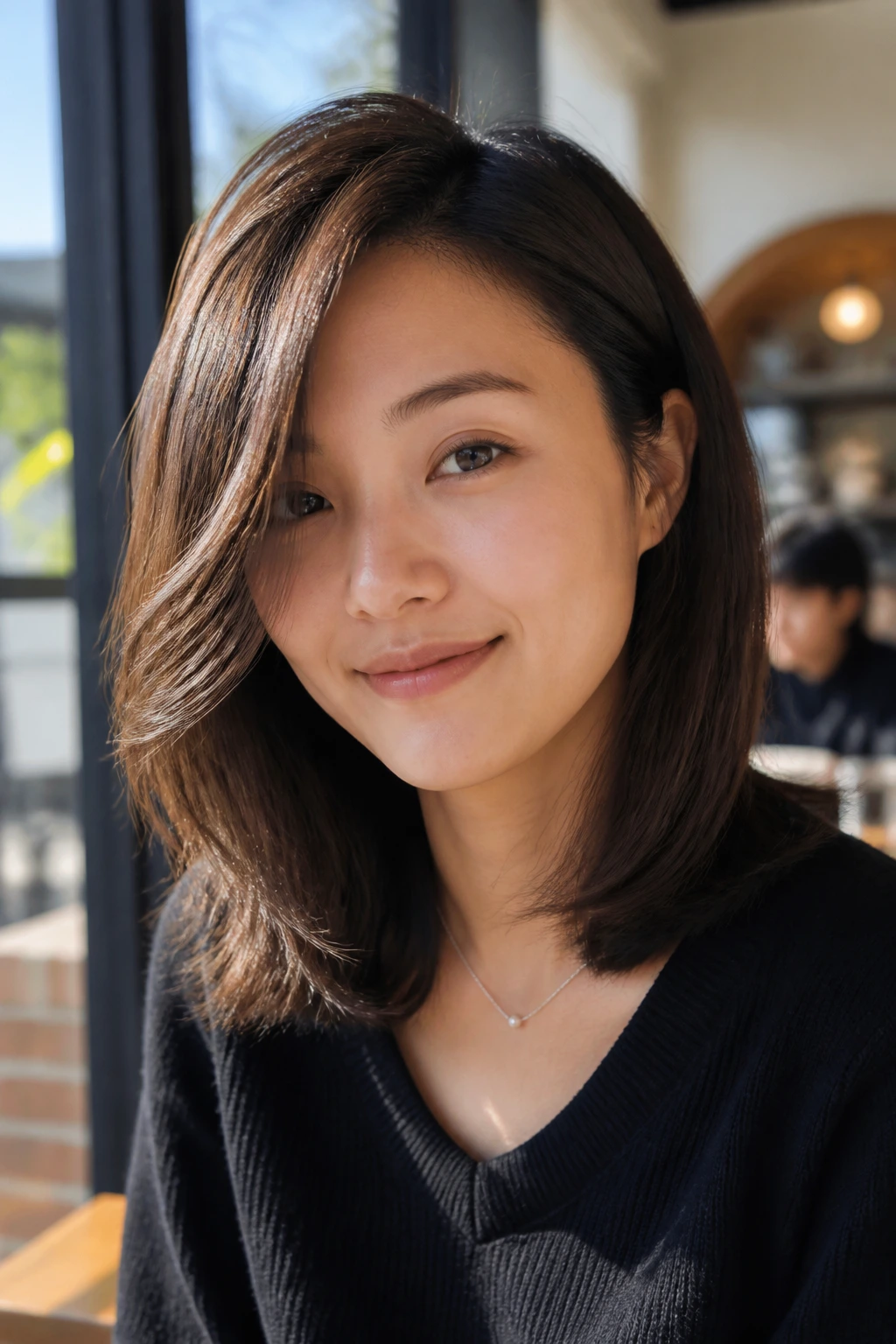
If curtain bangs feel like too much maintenance, a side part can do a lot of the same flattering work with less commitment. A side-parted layered lob shifts the volume to one side, softens the face, and gives the haircut a relaxed, slightly romantic shape.
This style is good for women who want movement but don’t want a fringe sitting on the forehead every day. The layers around the face can start near the cheekbone and taper down toward the collarbone, which keeps the shape open. A deeper side part can also help hair that naturally falls flat at the crown.
I like this cut because it behaves well in real life. You can wear it smooth, tuck one side behind the ear, or add a loose wave through the ends. It never feels fussy.
If you have a square jaw or broad cheekbones, the side part can soften the whole look without hiding your face. That is a nice balance.
18. Textured Pixie With a Longer Top
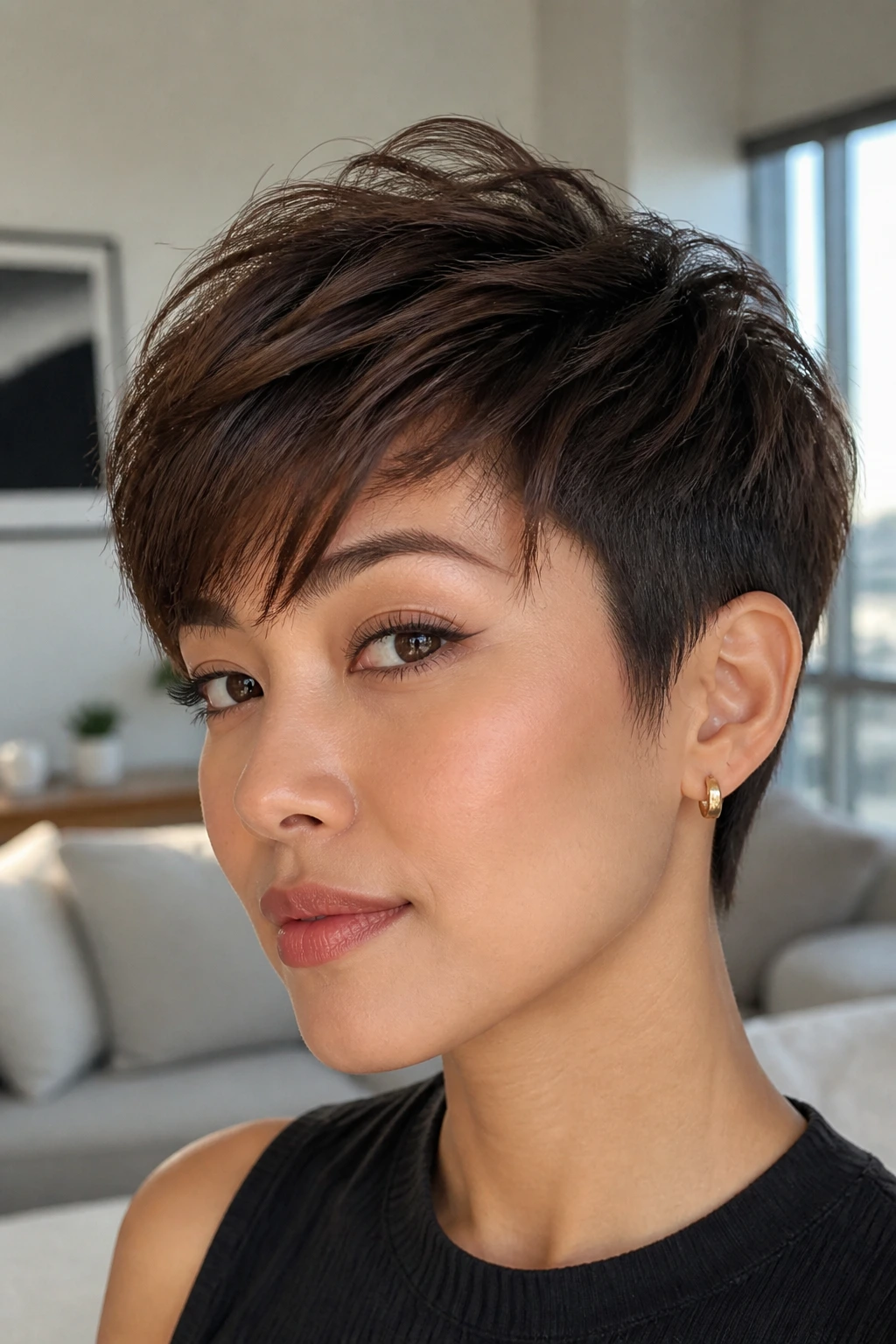
Short hair. Big payoff.
A textured pixie with a longer top gives you a clean nape, open ears, and enough length on top to play with shape. The cut feels youthful, but not childish, especially when the top is left soft and a little piecey instead of spiked or overly neat.
The longer top is what keeps this from feeling severe. You can sweep it forward, flick it to one side, or leave it slightly messy for a casual finish. That flexibility is useful when you want short hair but still want options.
This cut suits women who are ready to show their face more and spend less time drying hair. It also grows out better than people expect, because the extra length on top gives you a softer transition as the sides fill in.
A pea-sized amount of styling cream is enough. More than that and the texture can go greasy in a hurry.
19. Face-Framing Long Layers for Thick Hair
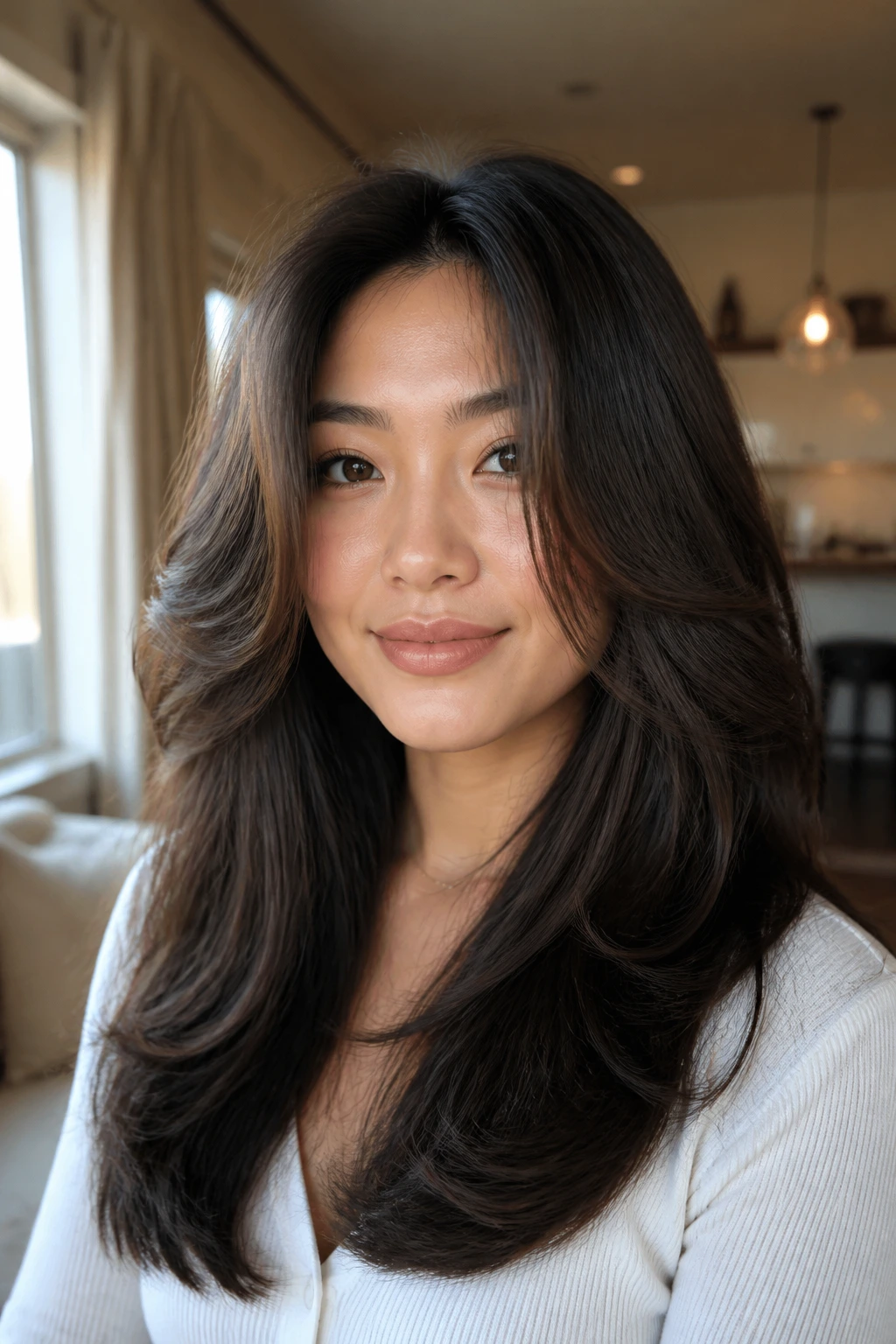
Thick hair needs a shape, not just a trim. Face-framing long layers give you that shape by removing bulk near the front while keeping the length full and strong in the back. The result feels lighter around the face and easier to move.
The important part is where the first layer begins. If it starts too high, thick hair can puff up. If it starts too low, the hair still feels heavy. Around the cheekbone or mouth tends to work well because it softens without stealing too much weight.
- Ask for long layers that stay connected to the back.
- Keep the ends full so the length still looks rich.
- Blow-dry the front away from the face first, then curve it inward.
- A large round brush helps, but a flat iron bend works too.
This is a solid everyday haircut for women who want their thick hair to look controlled without losing that fullness people envy.
20. Feathered Mid-Length Cut With Soft Bangs
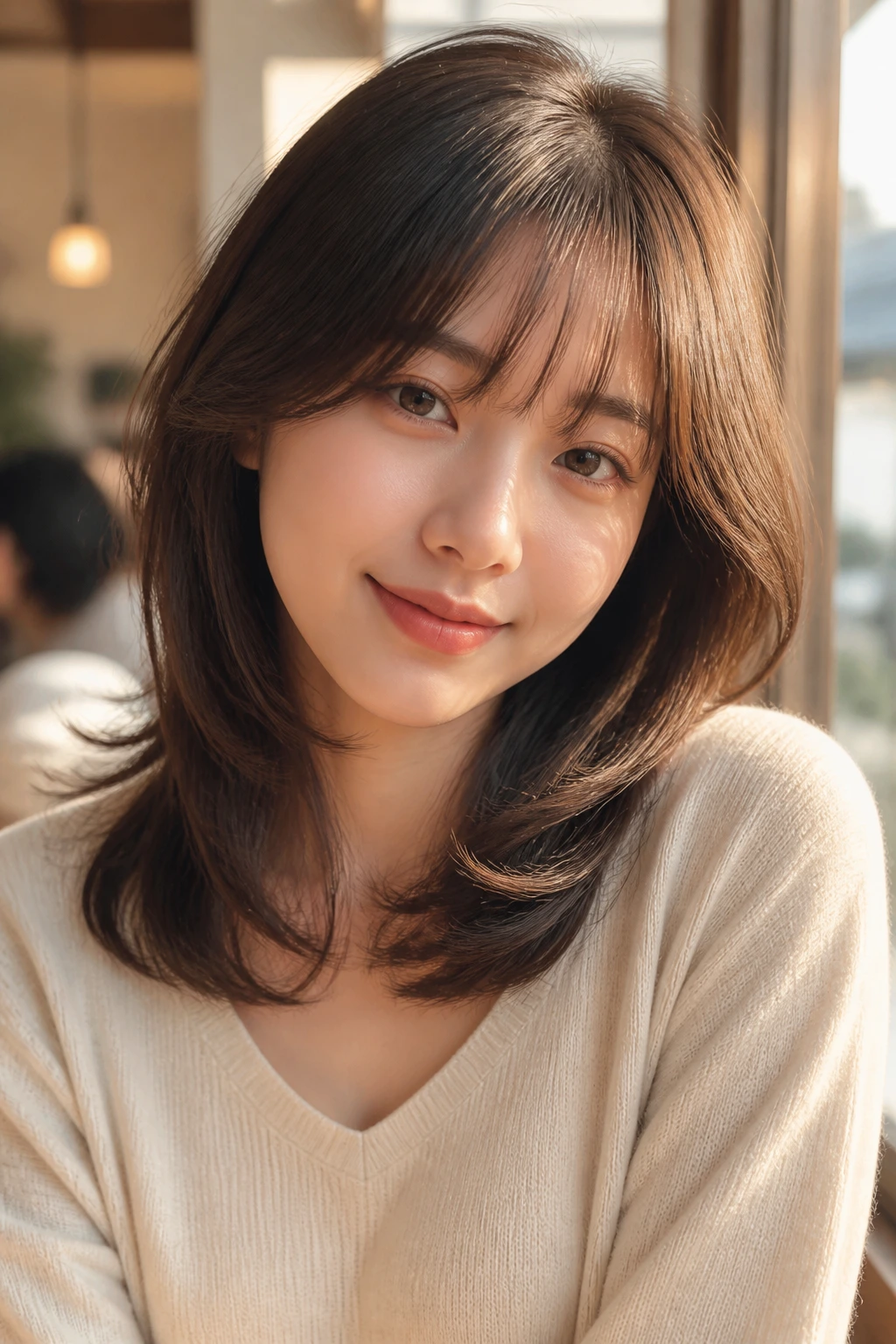
A feathered mid-length cut is the kind of haircut that quietly does its job and keeps doing it as it grows. The feathers soften the outline, the bangs lighten the forehead area, and the shoulder-length finish makes the whole thing feel approachable.
It works because it never asks the hair to do only one job. The front frames the face, the middle sections move, and the ends stay light enough to avoid that dense, heavy block shape. That balance is a big reason mid-length cuts stay popular across Korean, Japanese, and wider Asian salon trends.
I like this one on women who want something cute, easy, and not too precious. It can be air-dried with a little cream, or styled with a quick bend for a cleaner finish. Either way, it keeps some softness around the face, which is usually the part that matters most.
If you want a final thought to carry into the salon chair, make it this: keep the front soft and the outline clean. That simple combination is what turns a basic cut into something you actually want to wear every day.
