



Bob haircuts have a sneaky talent: they make a person look put together fast, even when the rest of the routine is rushed. A polished bob does not rely on a ton of styling; it depends on a clean line, a length that lands in the right place, and ends that know how to behave.
That is why some bob haircuts look sharp in a salon mirror and then fall apart at home, while others keep their shape with almost no effort. The difference usually lives in small things people overlook — the part, the weight at the nape, whether the interior is stacked or left full, and how close the cut sits to the jaw.
A bob can look crisp, soft, expensive, edgy, or quietly elegant, and the haircut itself does most of the work. The trick is choosing the version that flatters your face and your hair texture instead of fighting them. Heavy hair needs one kind of bob. Fine hair needs another. Straight hair, wavy hair, dense hair, and hair with a bit of frizz each ask for a different strategy.
Some of the chic bob haircuts below are short and sculpted. Others are longer and easier to live with. Start with the blunt styles first; they make every other version easier to judge.
1. The Classic Blunt Bob
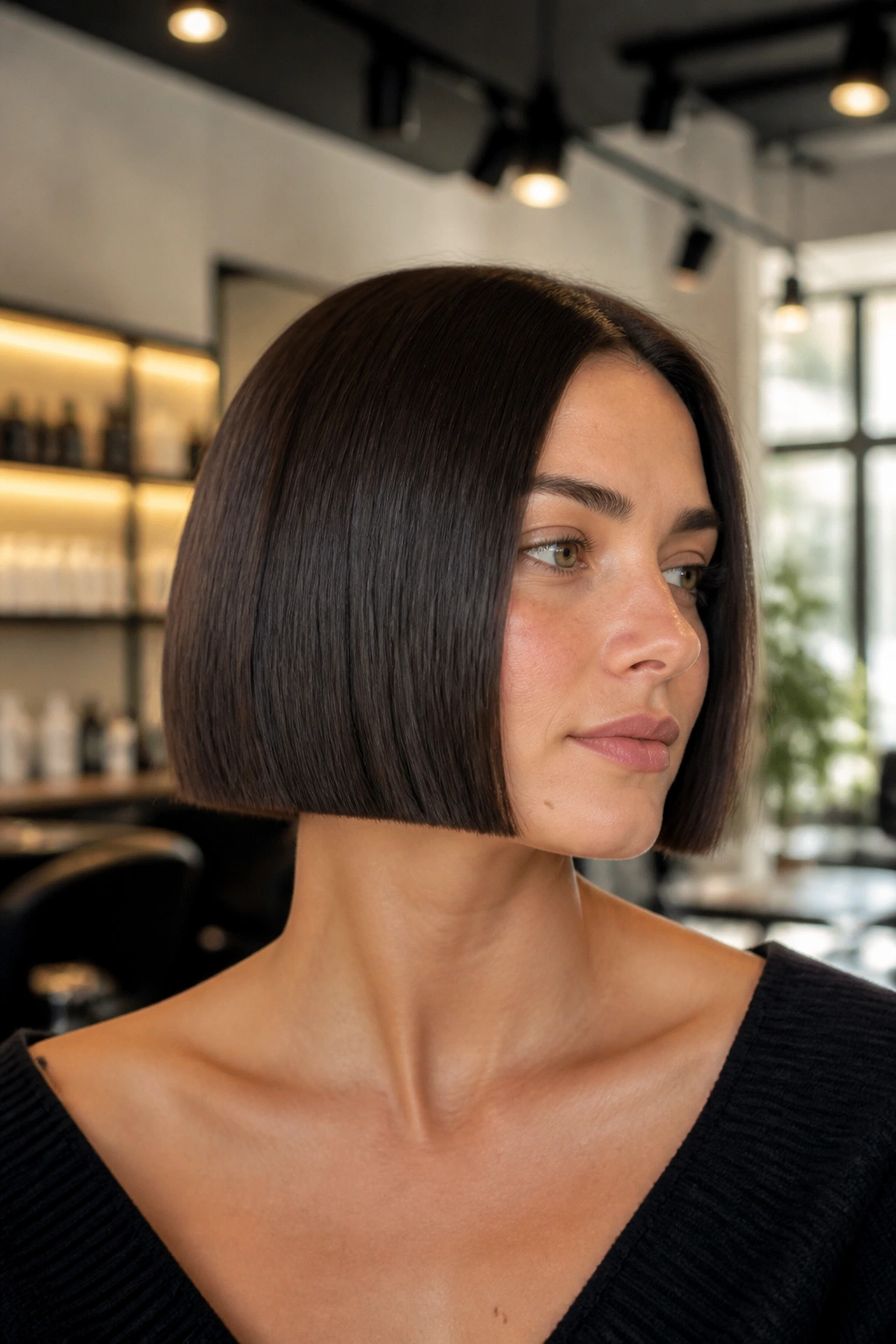
A blunt bob is the haircut that makes a strong first impression without trying too hard. The perimeter is cut in one clean line, so the ends look dense and deliberate instead of wispy or broken up. That straight edge is exactly why this version reads as polished.
Why it looks so clean
A blunt bob works best when the line sits somewhere between the jaw and the top of the neck. Too short, and it can feel severe. Too long, and you lose the compact shape that gives it that tailored finish.
- Best for straight to slightly wavy hair
- Strong choice for fine hair that needs the ends to look fuller
- Ask for zero heavy layering at the hemline
- Dry it with a paddle brush for the smoothest result
Pro tip: keep the ends trimmed every 6 to 8 weeks if you want that sharp, expensive-looking edge to stay crisp.
2. The French Bob With a Brow-Grazing Fringe
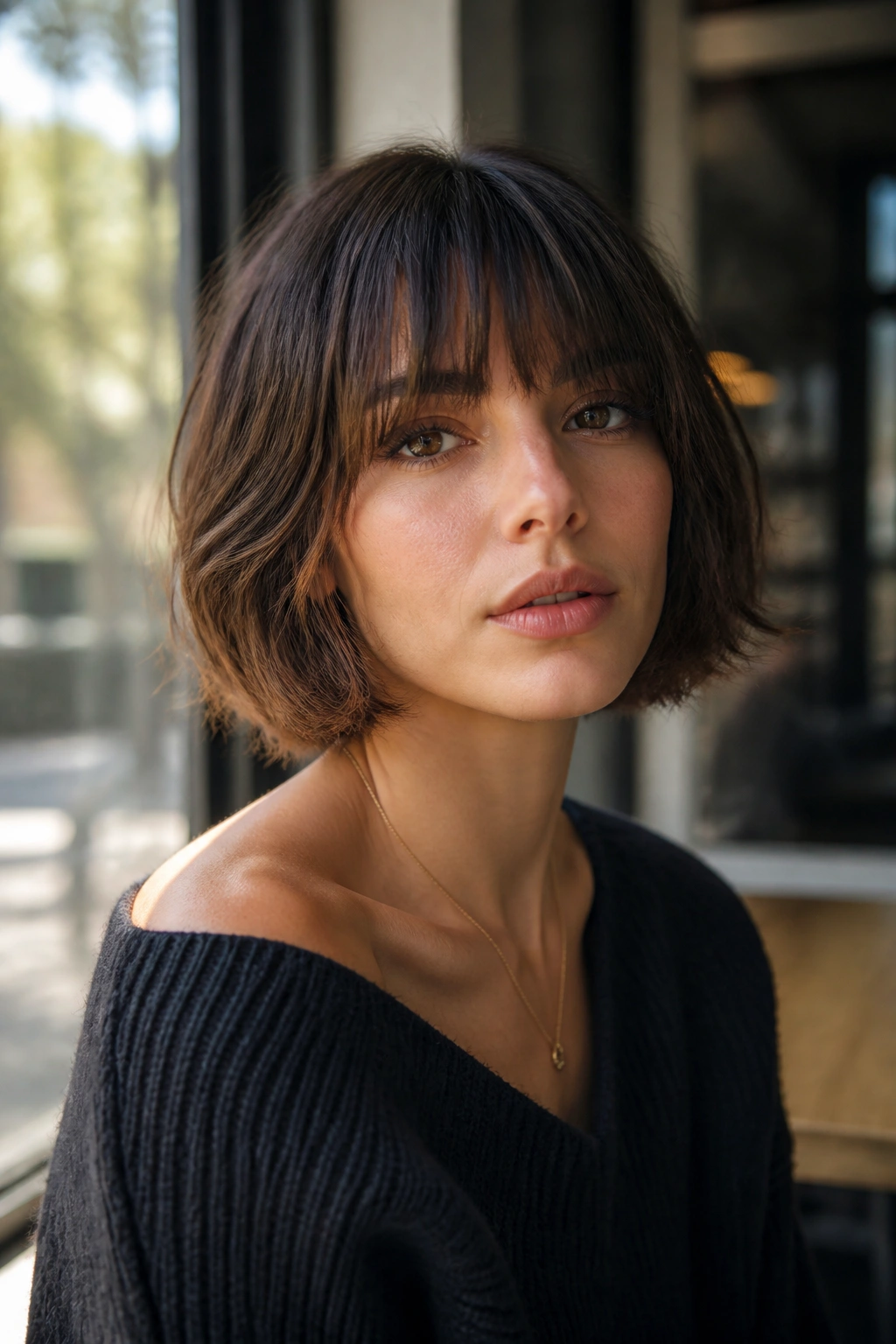
This is the bob that makes people look like they slept eight hours. The French bob sits shorter, usually around lip to cheekbone level, and the fringe lands close to the brows. That little bit of softness at the front keeps it from feeling severe, which is why it has such an easy polish.
The charm is in the looseness. A French bob does not need perfect symmetry or a pin-straight finish; it looks better with a bit of bend and movement. If your hair has natural texture, this cut can do a lot of the styling work for you.
I like this shape on faces that can handle a little frame around the eyes. Strong cheekbones, smaller foreheads, and expressive brows all come through nicely here. Ask for a fringe that skims rather than smothers. Heavy bangs can drag the whole cut down.
One more thing. This bob is chic because it feels lived-in, not stiff. That matters.
3. The Jaw-Length Bob With a Deep Side Part

Why does a side part change so much? Because it shifts the whole balance of the haircut. A jaw-length bob with a deep side part adds lift at the crown, softens one side of the face, and keeps the style from looking flat across the top.
How to wear it
The cut itself can be blunt or lightly textured, but the part does the real heavy lifting. If your hair tends to fall flat at the roots, this is a smart choice because the deeper part creates instant height without teasing or heavy product.
Use a round brush at the front and direct the hair away from the part while blow-drying. Then tuck one side behind the ear and let the other fall forward. That slight asymmetry looks polished in a way that feels natural, not forced.
This one is especially good if your jawline is something you want to soften a touch. A deep side part pulls the eye diagonally instead of stopping it dead on the chin. Clean. Simple. Effective.
4. The Angled A-Line Bob
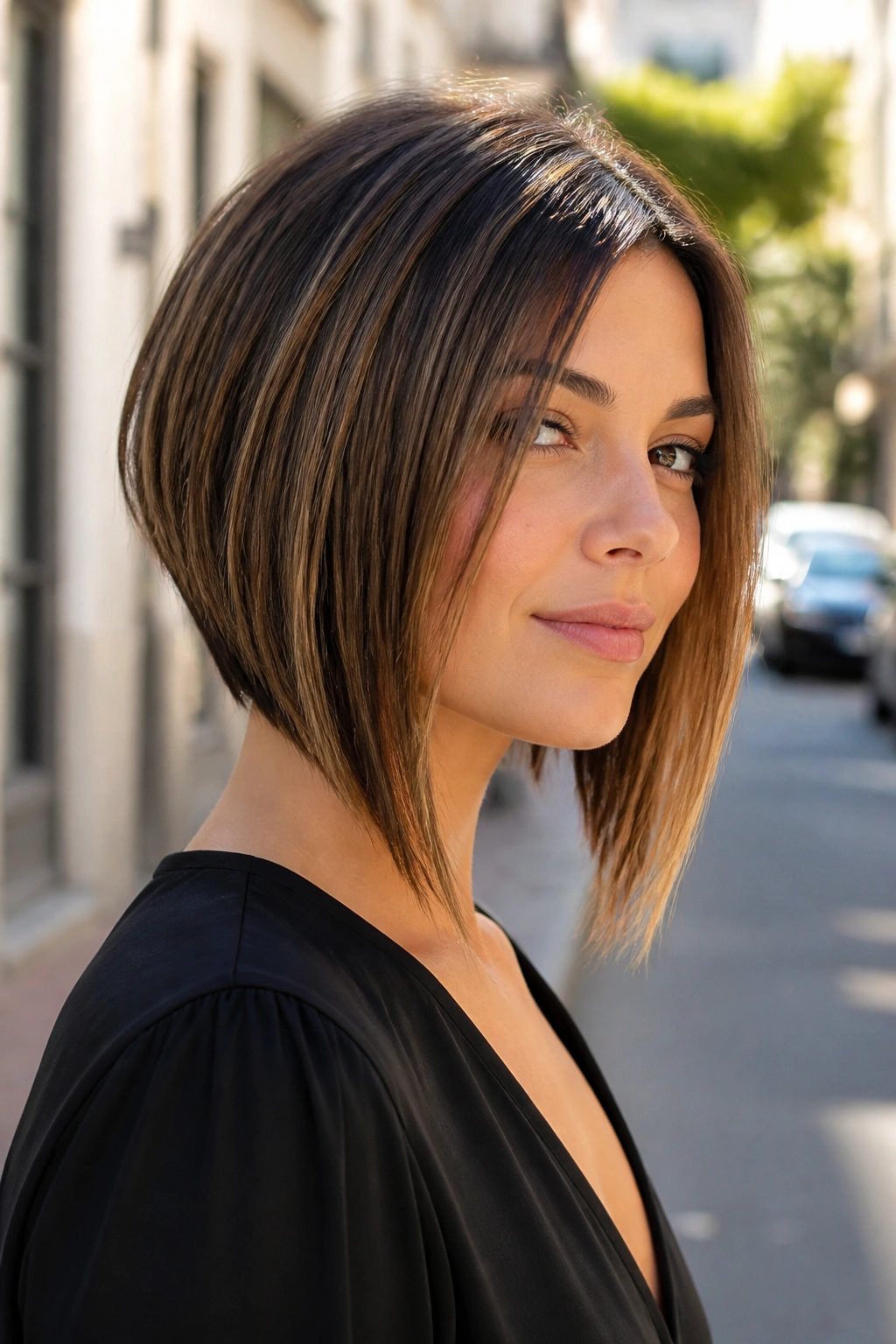
A slightly longer front and a shorter back can do a lot of work for the face. An angled A-line bob gives you that clean bob shape with extra forward movement, which keeps the haircut from sitting too blunt or boxy.
What to ask for at the salon
- Back that sits close to the nape
- Front pieces that drop 1 to 2 inches longer
- A smooth transition, not a dramatic wedge
- Ends that stay full rather than thinned out
This cut is especially useful if your hair is thick and tends to puff out around the sides. The angle creates a sleeker shape, and the longer front pieces help lengthen the face a bit. It can also make a round face look more elongated without shouting about it.
I prefer this version when someone wants structure but not hardness. It has line, but it still moves when you turn your head. That’s the sweet spot.
5. The Collarbone Lob
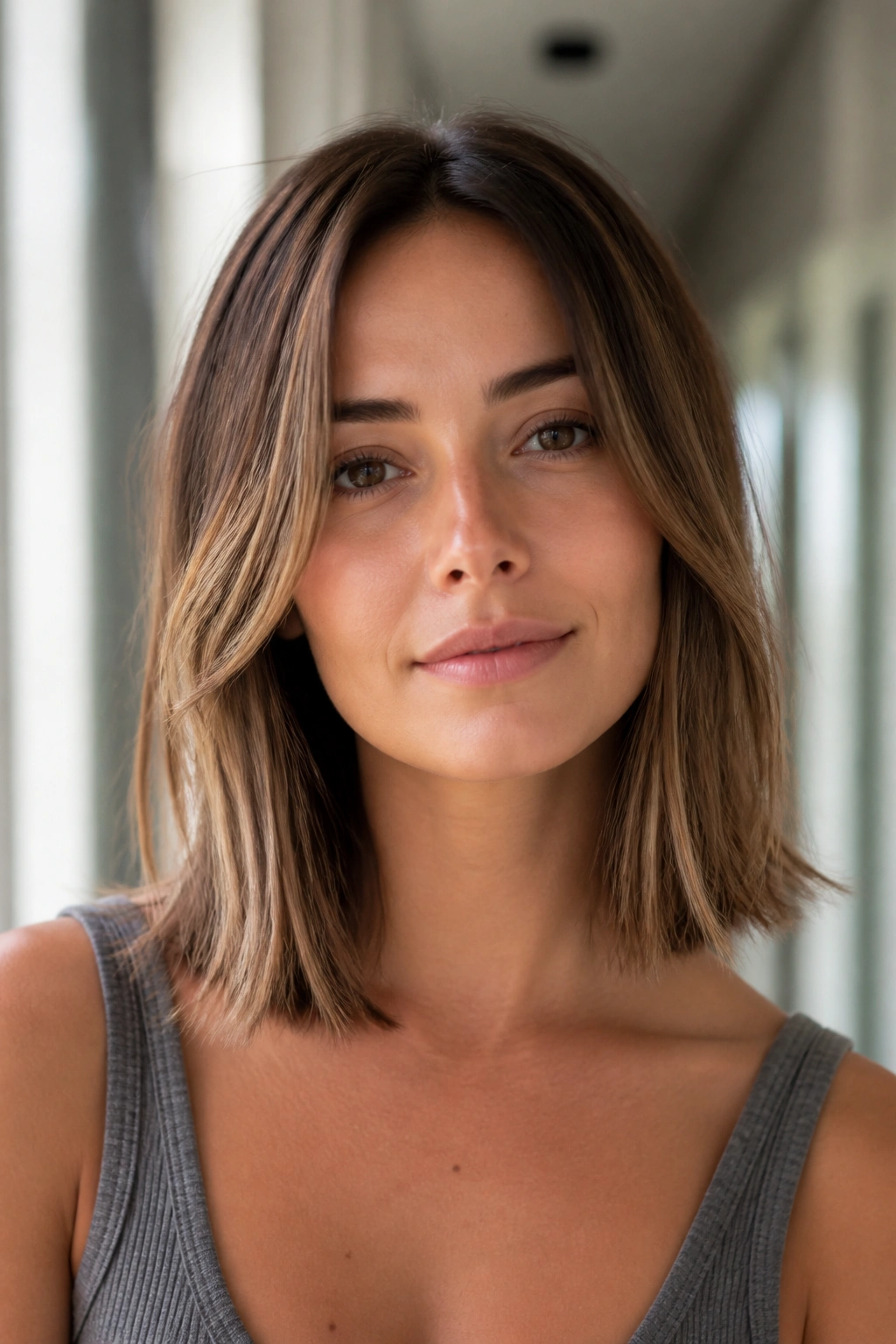
Compared with a chin-length bob, the lob gives you more room to breathe. It still reads as a bob family haircut, but the length brushing the collarbone makes it easier to grow out and easier to tuck into a coat or scarf without constant fuss.
This is the cut for people who like the idea of a polished bob haircut but are nervous about going too short. The collarbone length keeps the style relaxed, and it gives you enough hair to bend with a flat iron or round brush without much effort. You can wear it sleek, curved under, or with a soft wave that looks neat rather than beachy.
It also plays well with busy mornings. A fast blow-dry and a drop of smoothing cream usually get you close enough to finished. Not every haircut needs to be high drama. This one gets points because it behaves.
6. The Layered Bob With Airy Movement

Layers can make a bob feel expensive when they are placed carefully. The trick is to keep the perimeter clean and let the layers live inside the haircut, where they remove bulk without chopping up the outline.
That matters a lot. If the layers start too high, the bob loses its shape and begins to look fluffy instead of polished. But when the layers sit lower and support the ends, the haircut gets movement without losing weight. It’s a useful move for hair that feels thick around the sides or heavy at the back.
The best styling approach
Use a mousse at the roots and a light cream through the mid-lengths, then blow-dry with a round brush. The goal is lift and swing, not big volume. When the hair moves and still keeps a clear edge, the cut looks intentional.
This version is one of my favorites for people who hate the feeling of helmet hair. It gives shape, but it does not lock the head into one exact position.
7. The Italian Bob With Rounded Ends

The Italian bob has presence. It usually lands around the chin and keeps more fullness through the ends, so the shape feels plush rather than airy. That rounded edge is the whole point, and it is why this cut feels so luxe without needing a lot of styling tricks.
You’ll see this bob look best when it has body and a little bend at the ends. Pin-straight hair can make it feel flat, so a round brush or a large curling iron usually helps. The line should feel soft but still distinct, almost like the hair has been folded under slightly.
This cut suits people who want a fuller silhouette around the lower face. It can be a smart choice for finer hair too, because the fuller outline gives the impression of density. There’s a reason it keeps coming back in polished-hair conversations. It does a lot with a fairly simple shape.
8. The Tucked-Under Bob With a Sleek Finish
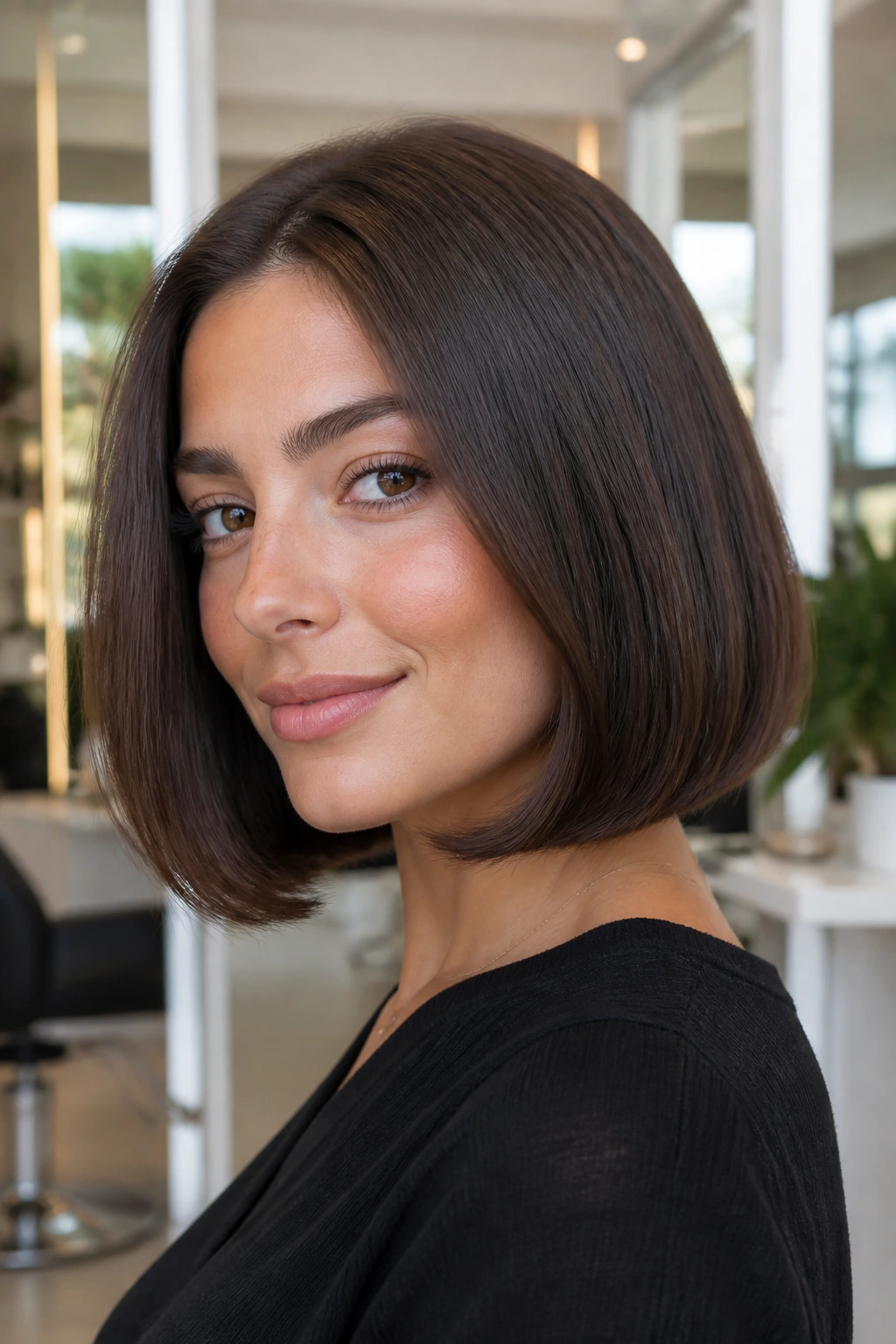
A tucked-under bob is the haircut equivalent of a good pressed shirt. It looks neat, controlled, and a little bit old-school in the best way. The ends curve inward toward the neck, which keeps the shape tidy and smooth.
The finish matters here more than the cut itself. You want the hair to glide into a soft underbend, not flip out at the bottom. A medium round brush and a little tension while blow-drying usually give you that. A flat iron can help, but overdoing it makes the ends too sharp and kills the softness.
Styling notes
- Dry the roots first for control
- Bend the ends under in the last 2 inches
- Use a light serum, not a heavy oil
- Keep the crown smooth so the shape stays clean
This one looks especially good with a tucked-behind-the-ear moment on one side. Small detail. Big payoff.
9. The Center-Part Bob With Clean Lines
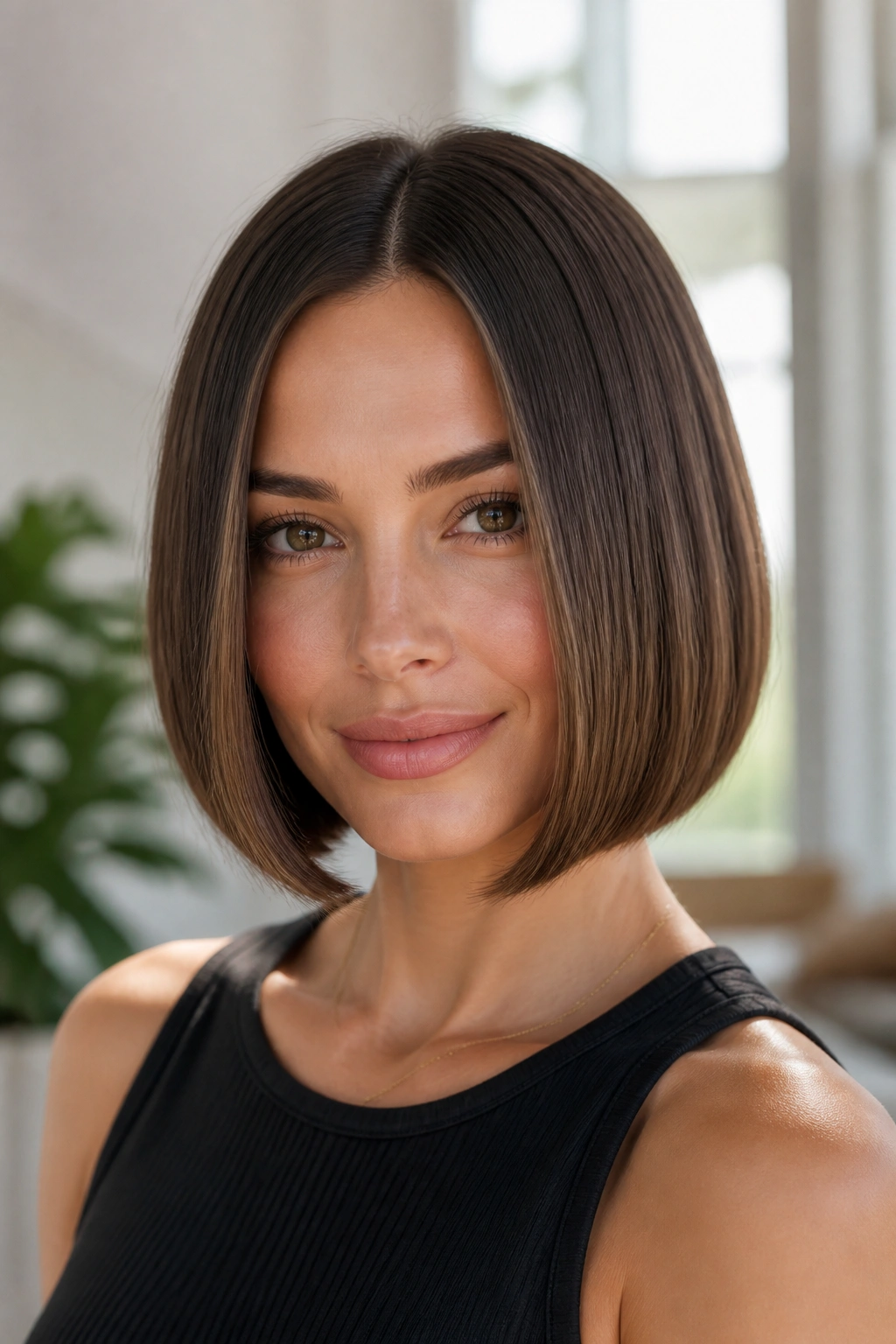
A center part has a way of making everything feel more deliberate. On a bob, it creates symmetry, which can make the haircut look calmer and more refined. The style works best when the line is precise and the hair on both sides falls with the same weight.
That does not mean it has to be stiff. In fact, a center-part bob can be very soft if the ends are beveled a little and the hair has a smooth bend. The point is balance. If one side is puffier than the other, the whole look starts to feel off, so a good blow-dry matters.
This shape is a strong pick if you like minimal fuss and clean geometry. It flatters oval faces especially well, and it can make the cheekbones look more pronounced. If you want a bob that reads sleek without extra styling drama, this is one of the cleanest routes.
10. The Stacked Bob With Lift at the Back

A stacked bob brings height where a lot of short cuts can go flat: the back of the head. The layers are cut shorter and layered tighter near the nape, then gradually get longer toward the front. That stacked shape creates lift and a rounded silhouette that feels polished rather than puffy.
It’s a smart haircut for hair that needs structure. Fine hair gets a fuller-looking back. Medium hair gets a more sculpted profile. Thick hair gets shape without the ends ballooning outward. The key is moderation; too much stacking can look dated fast, while a softer stack looks clean and current for a long time.
I would not call this a low-maintenance cut, though. It does best with regular shaping and a proper blow-dry. Still, if you like a bob that feels finished from every angle, the back view is where this one earns its keep.
11. The Inverted Bob With a Sharp Profile
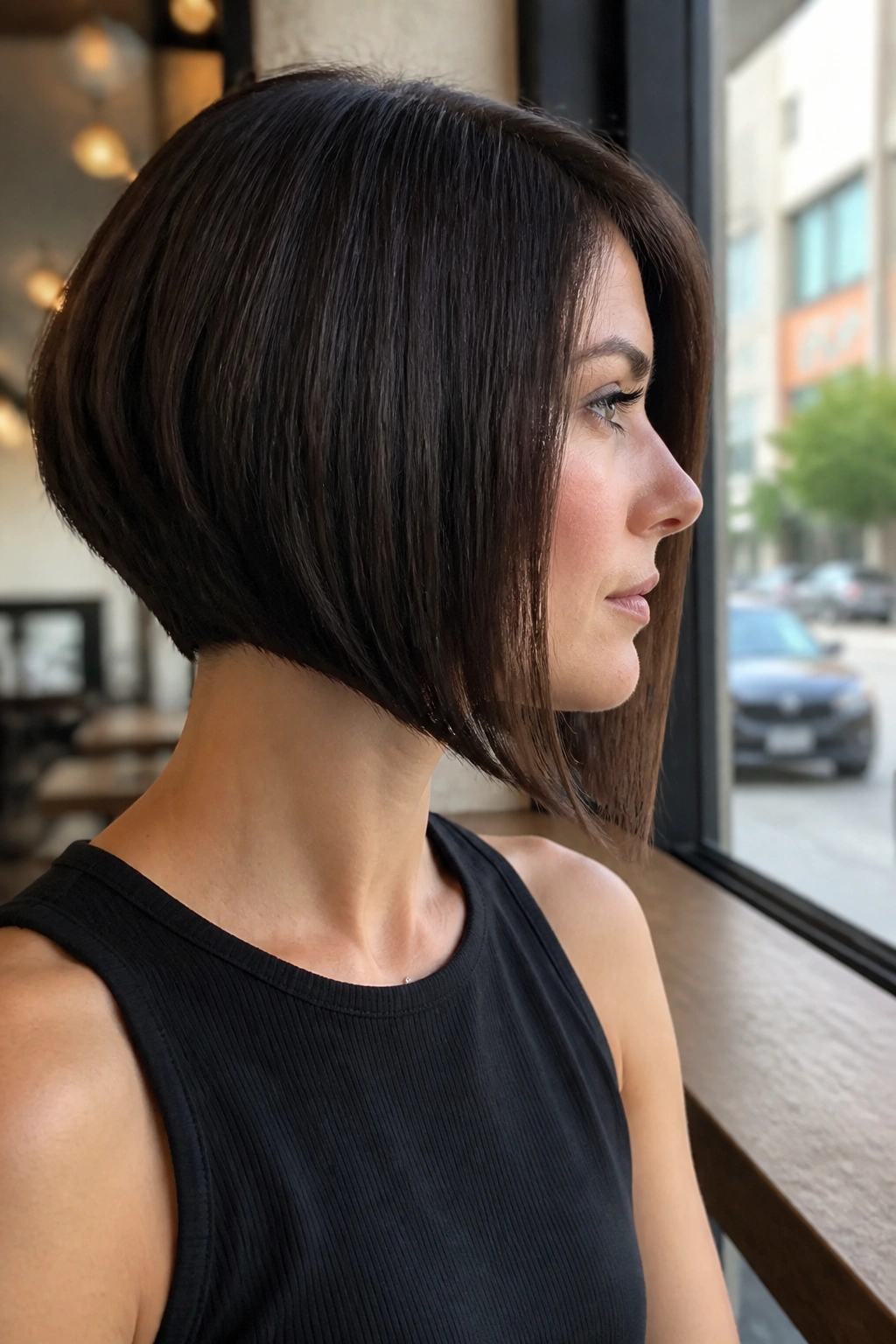
If you like a bob with a little more drama, the inverted version is worth a look. It’s shorter in the back and noticeably longer in the front, which gives the haircut a strong diagonal line and a sharper profile from the side.
How to keep it sleek
The danger here is letting the front pieces get too thin. When that happens, the cut loses presence and starts to feel stringy. Ask for fullness through the front ends, even if the angle is fairly steep.
- Keep the back close and tidy
- Let the front fall past the jaw
- Blow-dry with a brush that smooths, not fluffs
- Use a light heat protectant before flat ironing
This cut works especially well on people who want their bob to look a little more editorial. It’s not subtle, and that’s the point. The line does the talking.
12. The Wavy Bob With Soft Bend
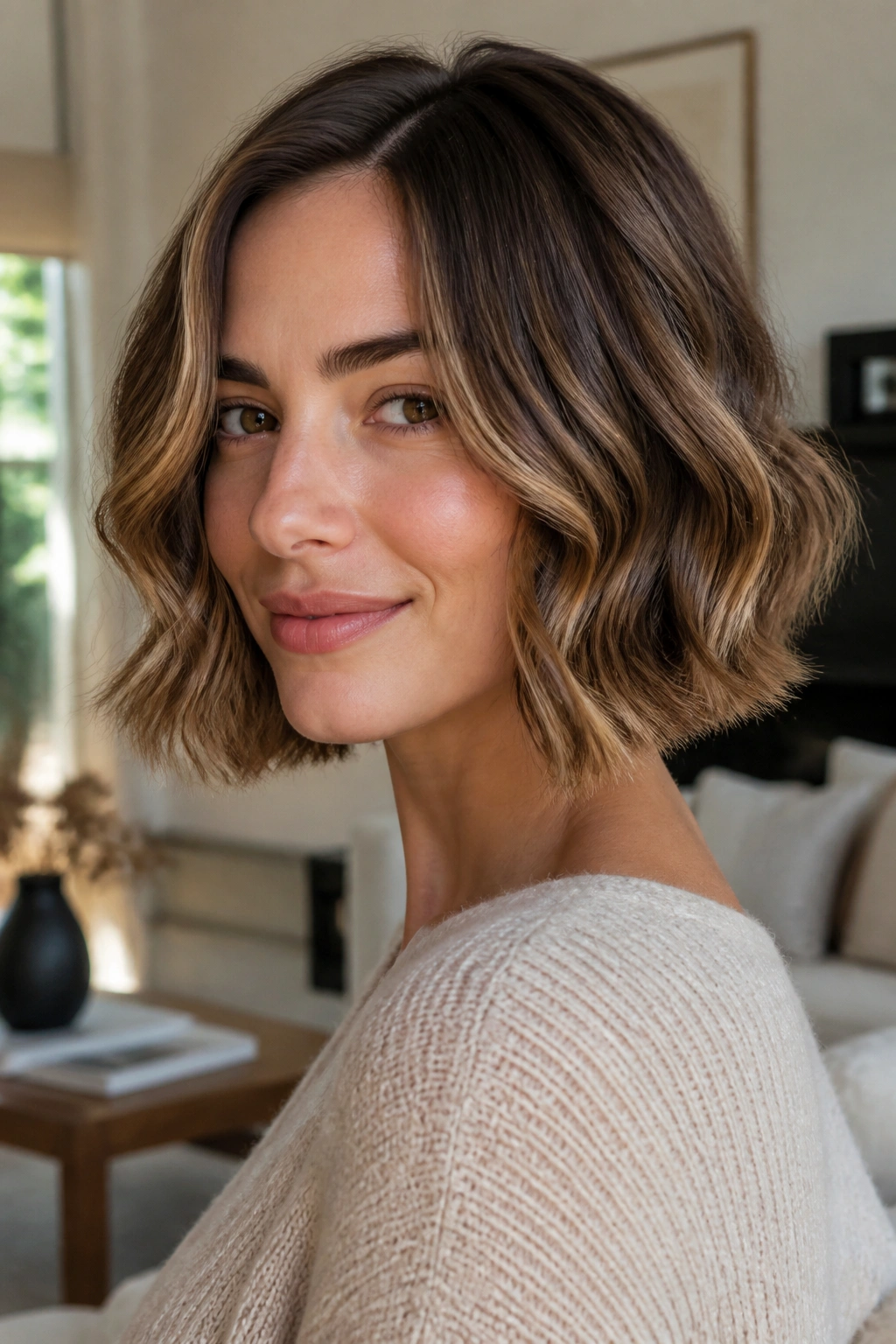
A polished bob does not have to be poker straight. A wavy bob with a soft bend can look more refined than a stiff finish, especially when the waves are loose and controlled instead of beachy or messy.
The difference is in the pattern. You want a gentle S-shape, not a curl that springs too hard or a wave that looks half-done. A 1-inch curling iron or flat iron can create that bend if you leave the ends out a bit and brush the wave open once it cools. That keeps the movement soft and tidy.
This is a good choice if your hair naturally wants to move. Fighting that texture usually leads to a bigger styling battle than the haircut deserves. Let the hair bend, but guide it. That’s the whole game.
13. The Feathered Bob for Fine Hair
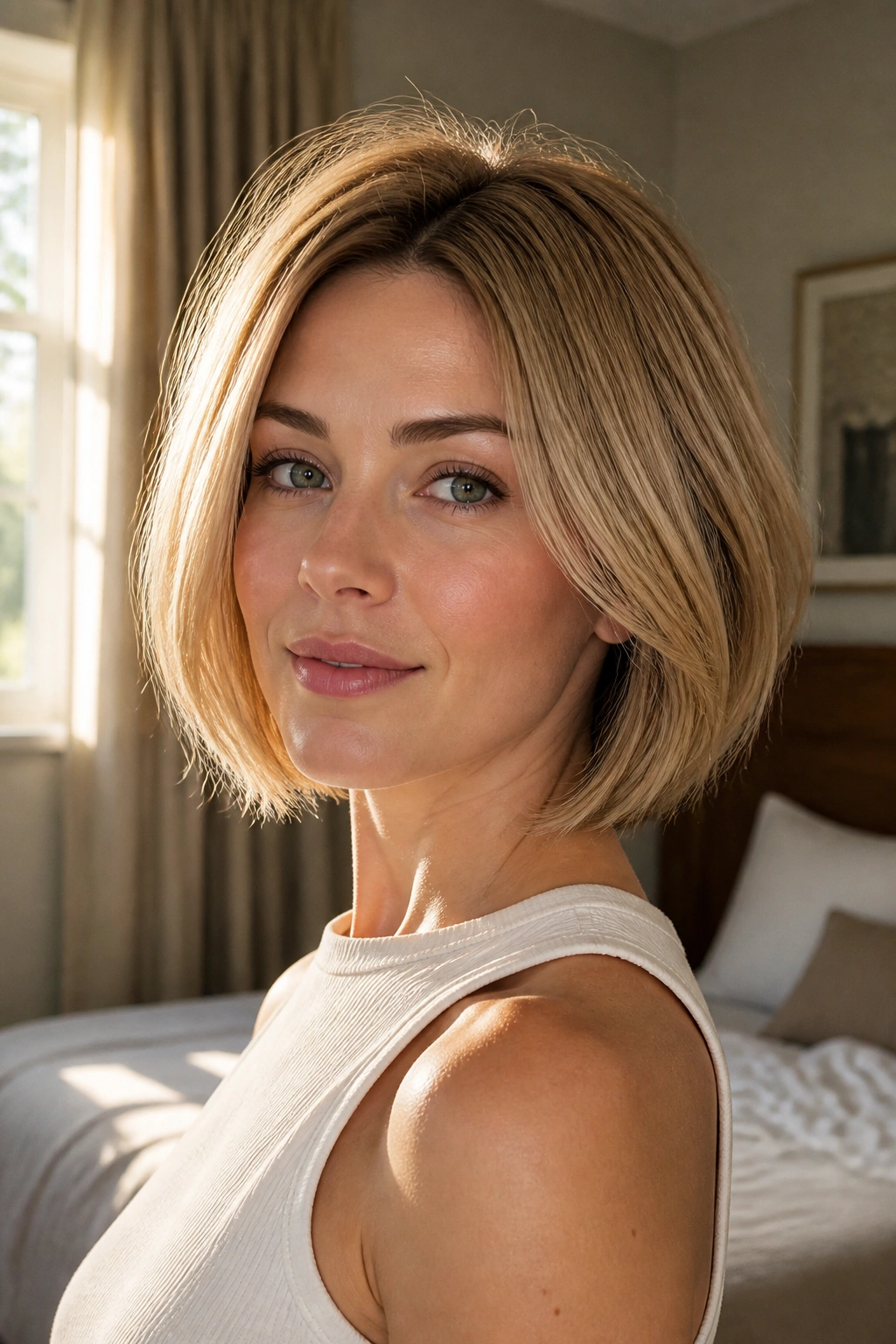
Can a bob look polished and still feel light? Absolutely. A feathered bob is built for that exact problem, especially if your hair is fine and tends to collapse when it gets too much weight at the bottom.
What makes it work
Feathering removes bulk in a way that keeps the outline soft. You still want the overall shape to stay clear, but the interior should have enough air that the hair does not hang like a curtain. The best feathered bobs usually keep the perimeter neat and put the texture inside, near the mid-lengths.
A bit of root lift helps here too. A mousse or volumizing spray at the crown gives the haircut some bounce without making it stiff. If you have very fine hair, avoid over-thinning the ends. That’s a common mistake, and it can make the cut look see-through instead of full.
The finished effect is light, neat, and easy to wear. Not fussy. Not flat. That balance is hard to fake.
14. The Razor-Cut Bob With Light Texture

A razor-cut bob has a looser edge than a blunt one, which gives it a softer, more lived-in finish. The razor gently slices through the hair instead of chopping across it, so the ends feel lighter and the whole haircut picks up movement fast.
This shape can look beautiful on straight to wavy hair that needs a little air around the edges. It can also backfire on very coarse or frizz-prone hair if the razor work is too aggressive. That’s the part people miss. A razor is a tool, not a shortcut.
The best version keeps enough shape to stay polished. You still want the bob to read as a bob, not as a random layer of hair that lost its nerve. If your hair likes texture and you want a cut that won’t feel too formal, this is a strong option.
15. The Micro Bob at the Cheekbone

A micro bob makes a statement without relying on loud styling. It usually sits between the cheekbone and the jaw, so it frames the face tightly and puts the focus on the eyes, brows, and bone structure.
This cut is not the easiest one in the lineup, and that’s part of its appeal. It looks sharp because it leaves very little room for sloppiness. The line has to be clean. The ends need to be tidy. If the shape gets fuzzy, the whole thing loses its charm fast.
I like this cut on faces that can carry a short outline without feeling crowded. It works especially well with simple earrings, a strong brow, or a collar that leaves the neck open. The haircut becomes the detail. No extra help required.
16. The Box Bob With a Strong Outline
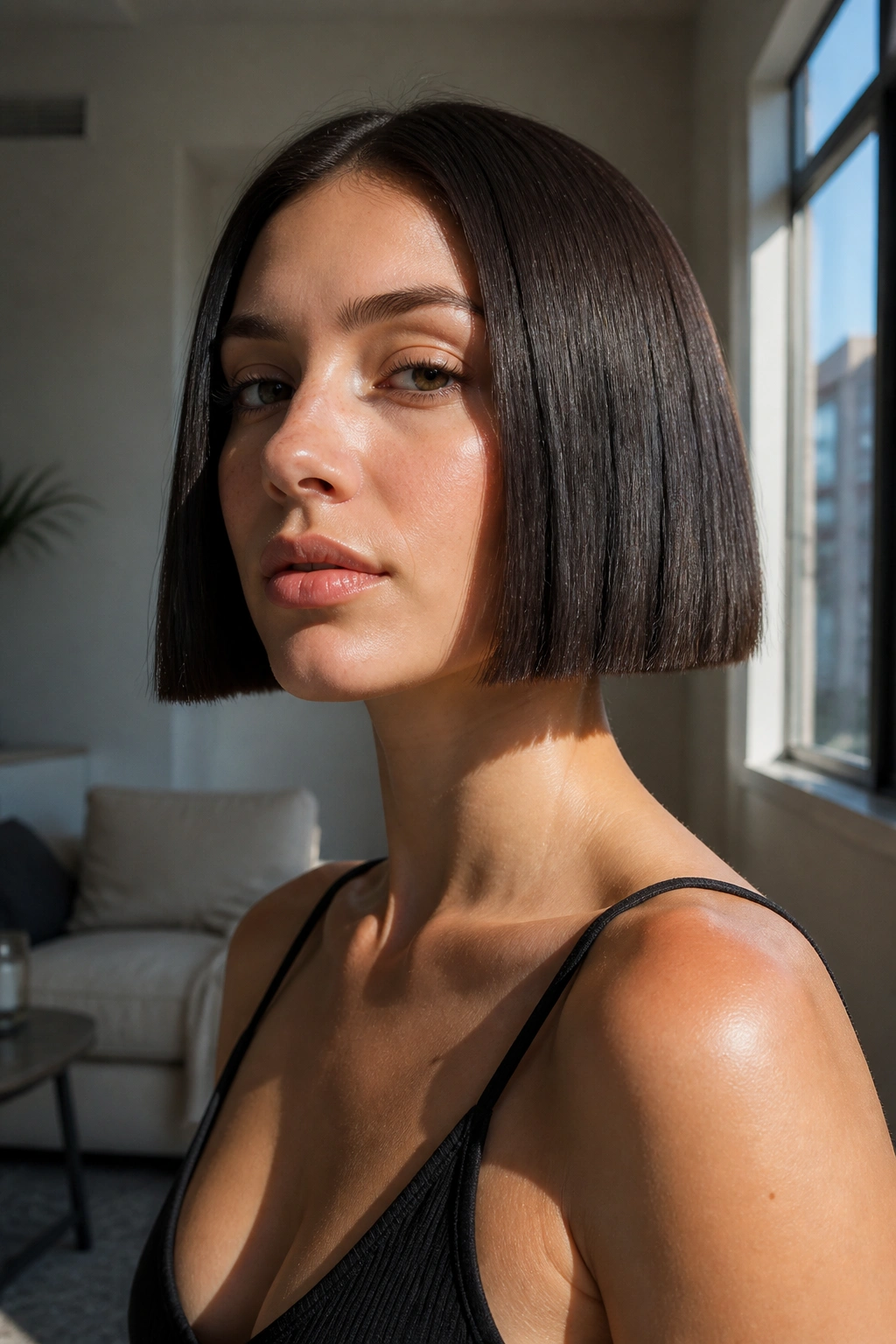
A box bob is blunt, compact, and a little architectural. The sides and bottom sit in a straighter frame than many other bobs, which gives the cut that squared-off outline. It can feel bold, but it also looks incredibly neat when the ends are healthy.
What to ask your stylist
- Keep the perimeter full
- Avoid aggressive thinning near the bottom
- Leave enough width through the sides
- Check the shape from the front and the side, not just head-on
The box bob is a good match for someone who likes order in a haircut. It can make thick hair feel more controlled, and it gives fine hair a denser-looking shape if the cut is done with care. The style is strongest when it’s smooth and even, almost like the hair has been framed rather than chopped.
17. The Curved Bob That Follows the Jaw

A curved bob is all about flow. Instead of cutting a straight line across the bottom, the shape follows the jaw and bends softly toward the neck, which gives the haircut a smooth, almost custom fit.
That curve can be subtle or more visible, depending on the face and the hair. On a square jaw, a gentler curve can soften the angles. On a round face, a slightly longer front can help stretch the line a bit. The haircut stays polished because the outline feels intentional from every angle.
This one is lovely when you want a bob that feels refined without looking rigid. It’s especially good with a smooth blowout and a little tuck behind one ear. The line moves, but it does not wander.
18. The Asymmetrical Bob With a Longer Side
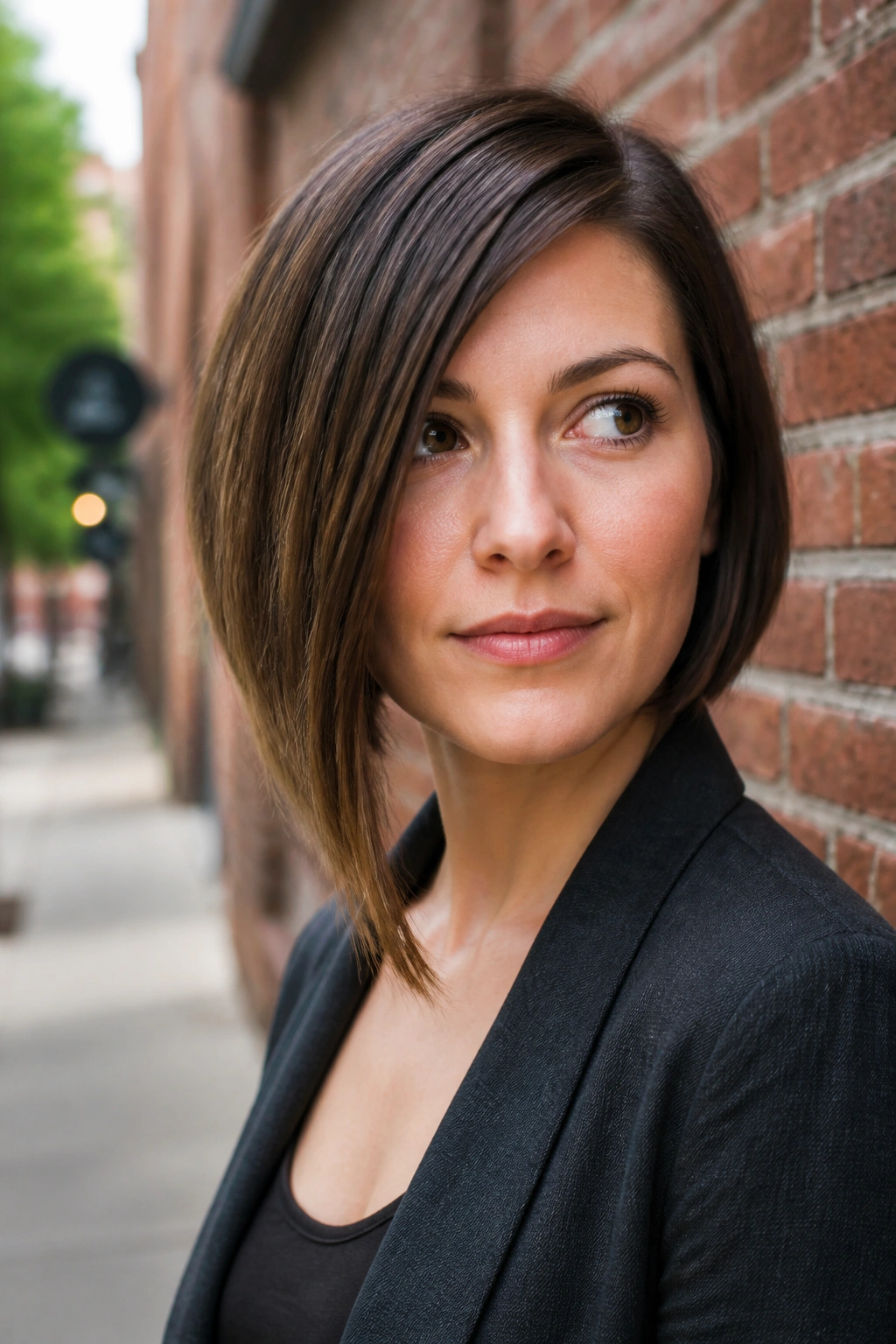
An asymmetrical bob takes the usual balance and shifts it on purpose. One side sits a little longer than the other, which makes the cut feel modern without needing wild texture or heavy styling. The shape is subtle when done well, and that subtlety is what keeps it looking polished.
The best version is only slightly uneven. If the difference is too extreme, the haircut starts to feel costume-like. Keep the longer side just enough off balance to create interest, then let the rest of the line stay clean. That gives you a smart, controlled look instead of a gimmick.
Who it suits best
- People who want a bob with personality
- Straight or softly wavy hair
- Faces that benefit from a diagonal line
- Anyone bored by symmetrical cuts
A flat iron and a simple side tuck can make the angle stand out even more. Clean shape, tiny twist. That’s the formula.
19. The Shoulder-Grazing Lob With Face-Framing Pieces
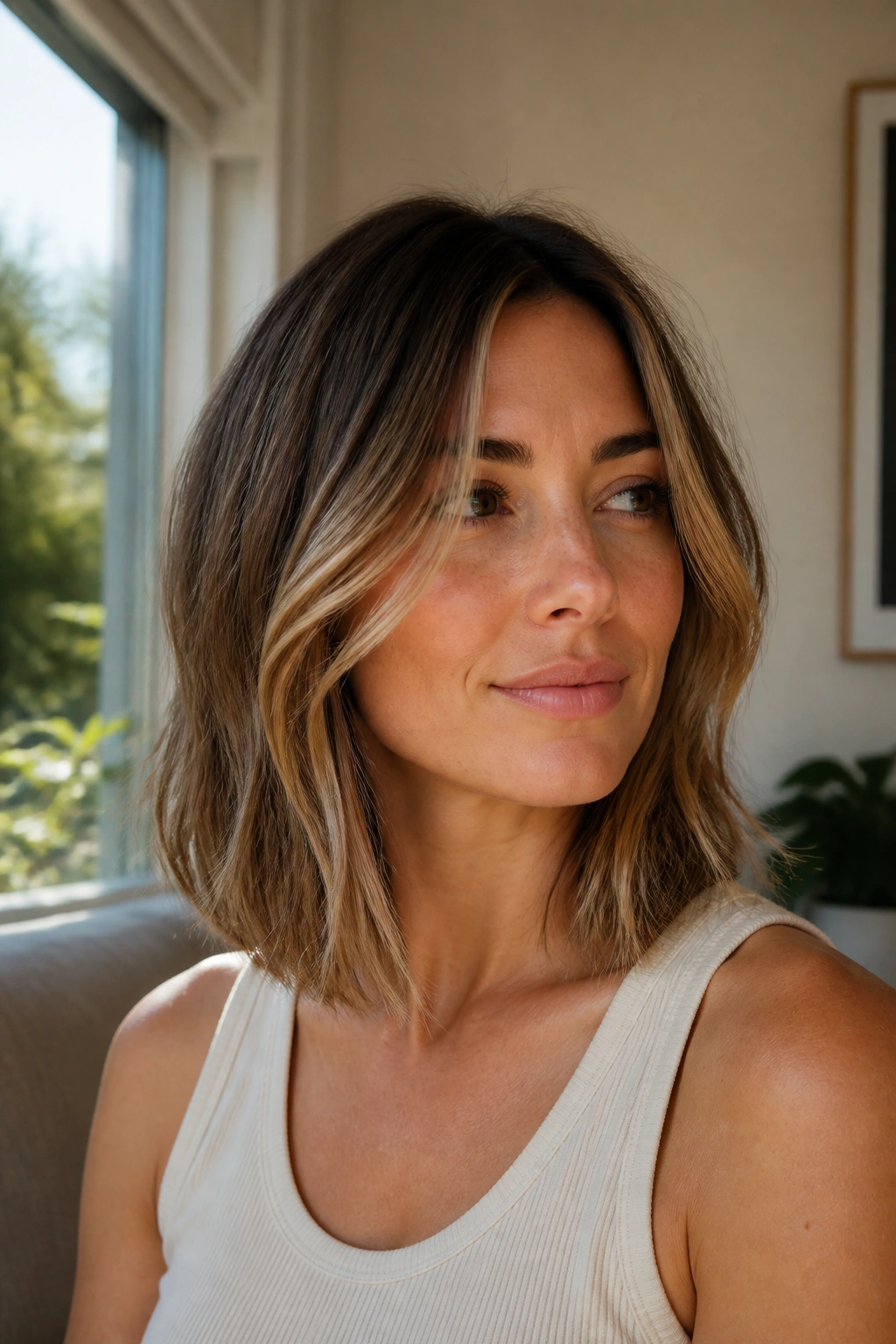
A shoulder-grazing lob is the practical cousin in the bob family. It gives you enough length to tie back in a pinch, but it still looks crisp enough to count as a polished cut. The face-framing pieces soften the front and stop the length from feeling heavy or blunt all the way through.
This is a smart choice if you like your hair to feel neat but not short. The length has a lot of flexibility. You can wear it straight for a clean line, curl it under for softness, or leave a slight wave in the front for movement. Because the cut lands near the shoulders, the face-framing pieces matter more than people think. They keep the shape from looking blocky.
It also grows out gracefully, which is a quiet advantage. Some bobs need constant babysitting. This one holds its dignity a little longer.
20. The Soft Blunt Bob With Polished Ends
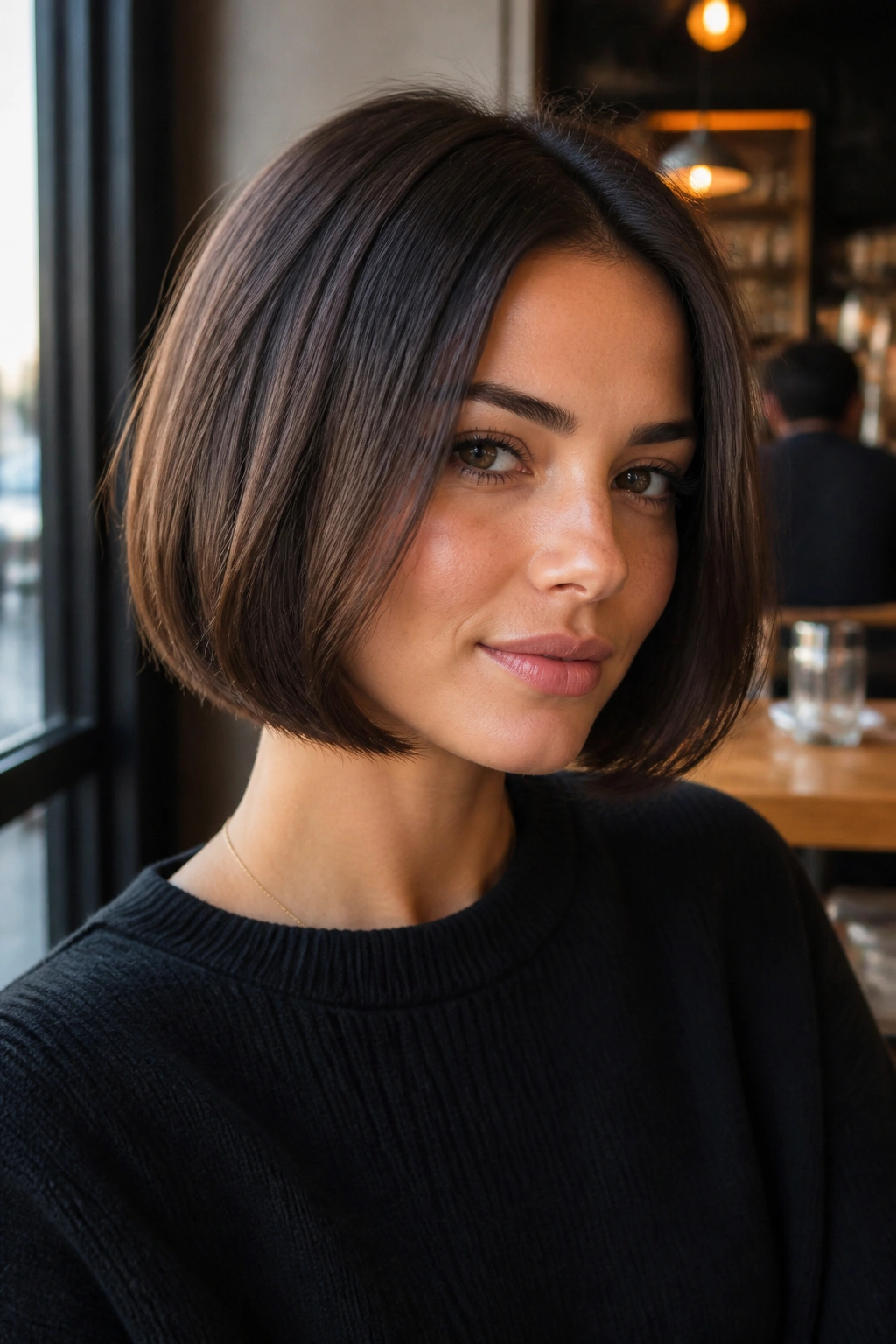
A soft blunt bob keeps the clean perimeter of a classic bob but eases off the edge just enough to feel gentler. The ends still look full, but they’re slightly beveled or point-cut so the line doesn’t feel hard against the face. That small adjustment makes a huge difference.
This is the haircut I’d steer someone toward if they want a polished look without a severe finish. It works with office clothes, denim, evening wear, and all the ordinary stuff in between. The shape is tidy enough to look intentional and relaxed enough to avoid that helmet feeling.
Ask for a blunt baseline with just a touch of softness at the very ends. Then style it with a blow-dry that bends the hair under lightly, not aggressively. If the roots are smooth and the hemline is neat, the whole cut reads expensive in that quiet, unfussy way that never gets old.
