



Getting bangs is the closest thing to a wardrobe change for your face. It is an instant shift in silhouette, a way to frame your features, and a daring—yet completely reversible—way to reinvent your vibe. I have sat in enough salon chairs and watched enough trims to know that the right fringe does more than just hide a high forehead; it creates a focal point, drawing attention to your eyes and cheekbones in a way that layers alone simply cannot achieve.
Most people hesitate because they fear the maintenance or the dreaded “bad haircut” phase. The truth is, the right bangs are about understanding your hair’s texture, your face shape, and, perhaps most importantly, your tolerance for morning styling. A heavy, blunt fringe demands a commitment to your blow-dryer, while a wispy, grown-out style might just need a spritz of texturizing spray and a prayer.
You do not need to choose a style that traps you in a cycle of bi-weekly trims. By looking at the spectrum of options, from the effortlessly messy to the sharply architectural, you can find a length and density that actually complements your lifestyle. Whether you want to soften a square jawline or add definition to a round face, there is a version of bangs that will work for you. Let’s break down the styles that consistently prove their worth, regardless of what the fashion magazines are currently shouting about.
1. Birkin Bangs
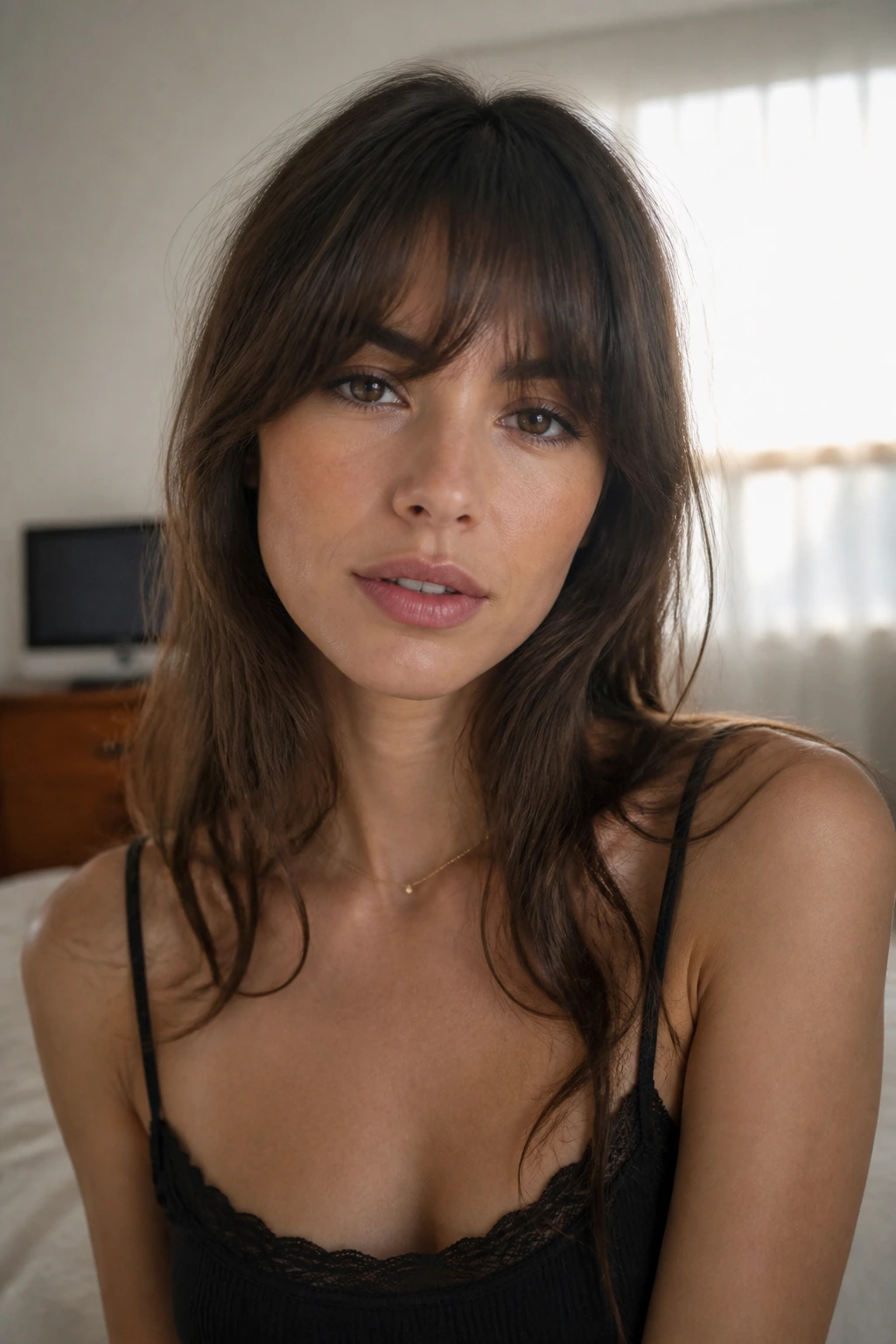
Named after the style icon Jane Birkin, these are the gold standard for effortless, chic French-girl hair. They are neither too heavy nor too wispy, sitting just at the lash line with a slight, airy separation that shows off just a hint of forehead.
Why They Work
The magic here lies in the lack of perfection. These are meant to look slightly grown out, almost as if you cut them yourself in your bathroom on a Tuesday night. Because they are not overly blunt, they do not require a flat iron to keep them looking sharp. They naturally part and move, which makes them incredibly forgiving if you have a cowlick.
Best Hair Types and Styling
These are excellent for those with fine or medium hair who want the look of bangs without losing too much bulk. To style them, avoid the round brush. Instead, let them air-dry or blast them with a hair dryer while using your fingers to ruffle them, then use a tiny drop of lightweight hair oil to piece out the ends. The key is to avoid using a comb or brush — your fingers are the only tool you need to maintain that messy-on-purpose texture.
2. Curtain Bangs

Curtain bangs are essentially the “gateway” fringe. They are long, sweeping, and part down the middle, acting more like face-framing layers than a traditional front-facing bang. They are designed to blend seamlessly into the rest of your hair.
The Anatomy of the Cut
They usually start shorter in the center and get gradually longer toward the temples, creating a soft, sweeping motion that mimics curtains being pulled back. This shape is universally flattering because it draws attention to the cheekbones and softens the appearance of the forehead without requiring you to commit to short hair on your face.
Who Should Try Them
If you have a round or square face, curtain bangs are your best friend. They create a vertical line that breaks up the width of the face, adding a touch of elegance and movement. If you are terrified of the “awkward grow-out” phase, this is the safest route because, when they get too long, they simply become face-framing layers.
3. Baby Bangs (Micro-Bangs)
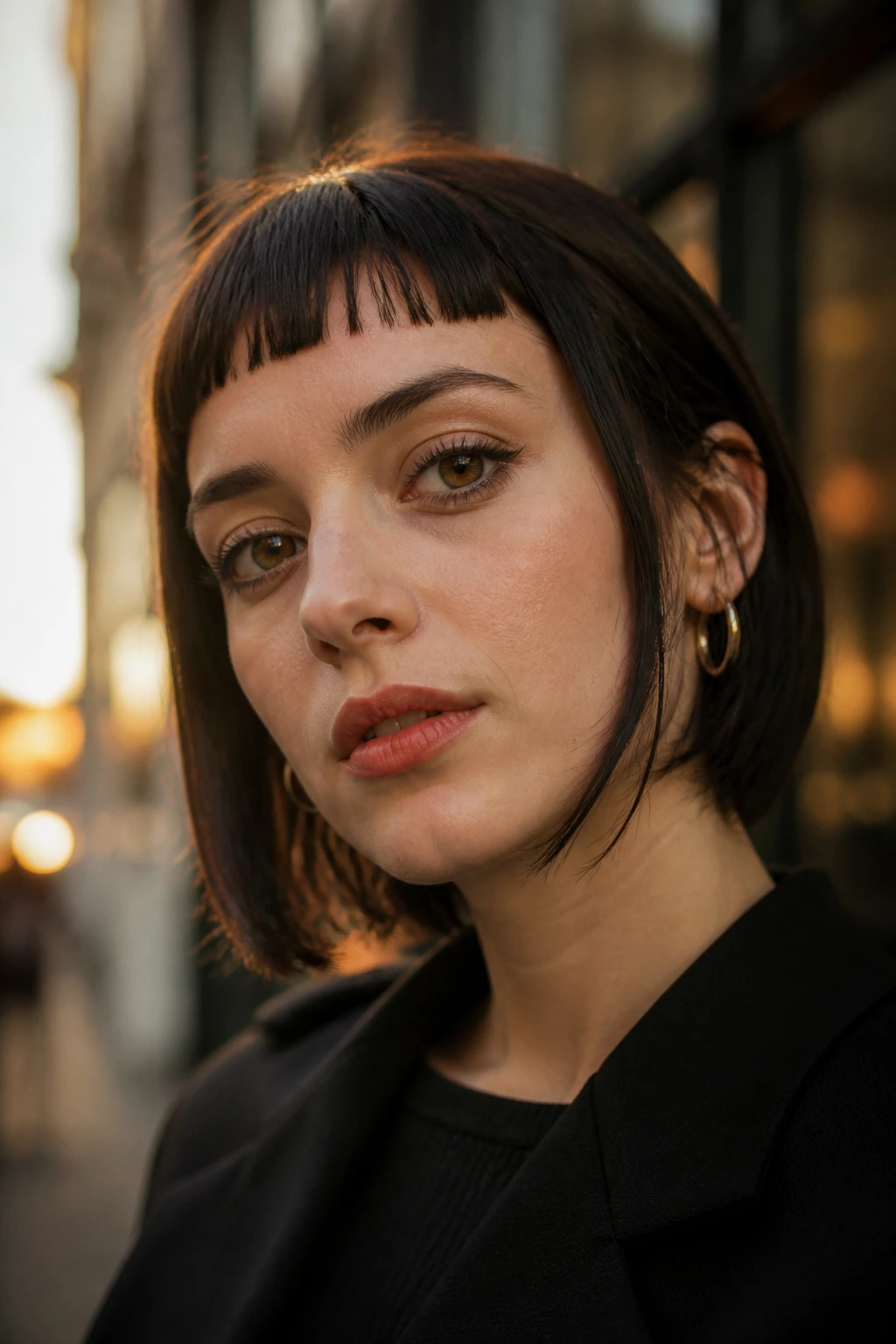
These are not for the faint of heart. Micro-bangs sit well above the eyebrow, often mid-forehead, and they make a bold, unapologetic statement. They scream confidence and have a distinct vintage or avant-garde quality that instantly elevates a simple bob or a sleek ponytail.
Why They Are a Statement
There is no hiding behind baby bangs. They expose the entire brow bone and eyelid, making them a fantastic choice if you love wearing bold eyeliner or have well-defined brows. They are sharp, clean, and entirely structural.
Managing the Look
You must be prepared for frequent salon visits. These look best when they are precise, so as soon as they hit your eyebrows, the aesthetic is ruined. If you have a round face, be careful; short bangs can sometimes accentuate width. However, if you have an oval or heart-shaped face, this look can be incredibly striking. Always ask for them to be cut while your hair is dry, as hair shrinks significantly when it dries, and you do not want to end up with a hairline-skimming fringe by accident.
4. Wispy Bangs
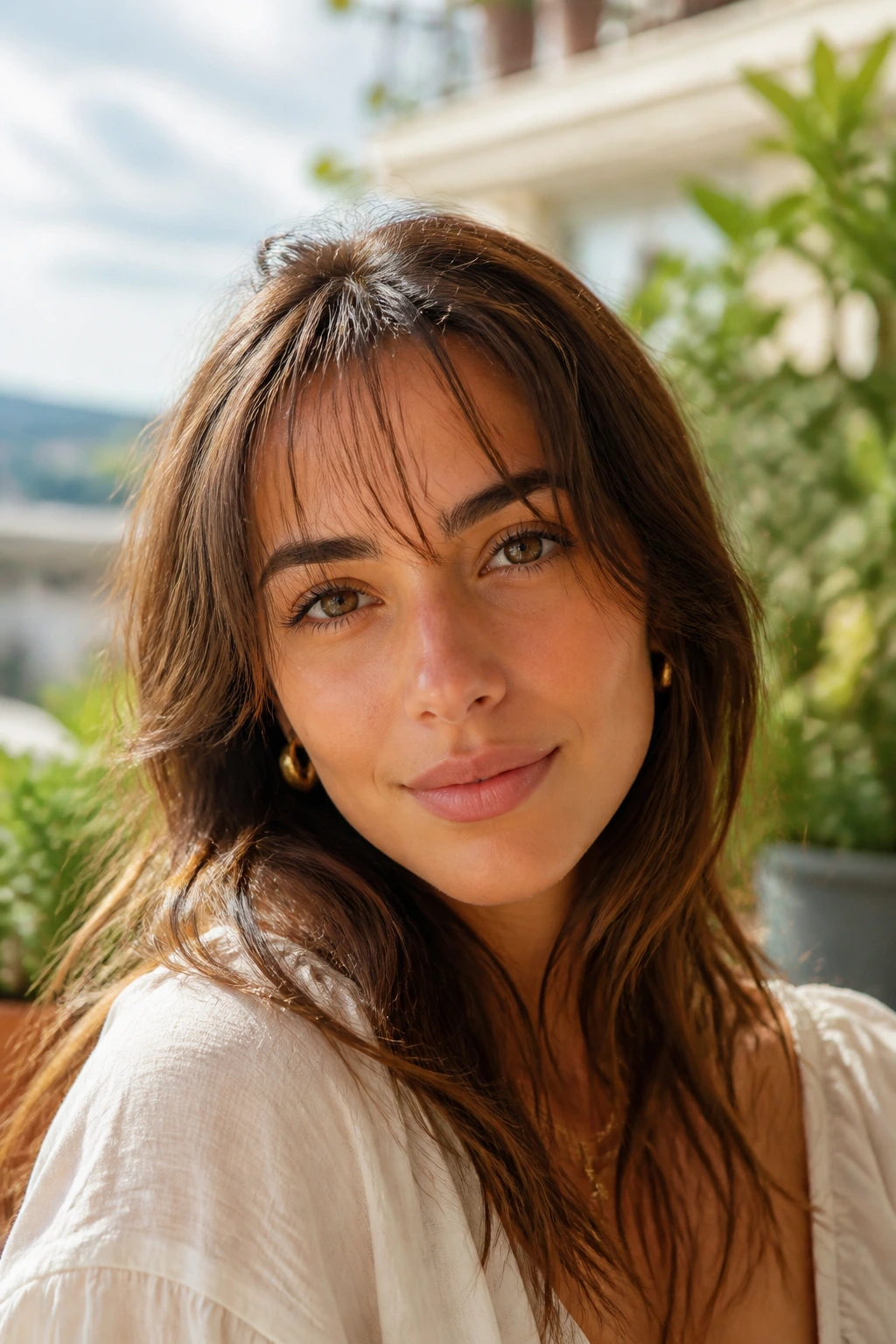
If you are looking for something subtle, wispy bangs are the answer. They are sheer and light, allowing a significant amount of your forehead to show through. This creates a soft, ethereal vibe that is far less demanding than a heavy fringe.
Why They Are Versatile
Unlike blunt bangs that require volume to look intentional, wispy bangs are designed to be light. They do not block your forehead, so they feel much “cooler” in the summer months. They pair perfectly with long, layered haircuts and can be pushed to the side easily if you decide to change your part.
Styling for Softness
These need very little heat. A quick pass with a round brush is all you need to give them a slight bend. If your hair is naturally wavy, let it air dry with a sea salt spray to encourage a messy, beachy texture that looks fantastic with the soft fringe.
5. Blunt Straight Bangs

The blunt fringe is a classic, architectural statement. It is a solid, horizontal line that hits right across the eyebrows or just below. It is the boldest move you can make with your hair, and it requires maintenance to keep looking intentional.
The Power of Precision
This cut is all about sharp lines. It pairs perfectly with a long, one-length haircut or a structured bob. It looks incredibly polished, almost like a piece of art. If you have fine hair, a blunt cut actually creates the illusion of thicker, fuller hair because you are cutting the tips horizontally, removing any “straggly” ends.
The Maintenance Reality
You will be using your flat iron. There is no way around it. Even if your hair is naturally straight, you will want to smooth out any flyaways to maintain that razor-sharp line. Keep a dry shampoo on hand for the bangs specifically; because they rest on your forehead, they pick up oils from your skin faster than the rest of your hair, leading to clumpy-looking fringes by midday.
6. Side-Swept Bangs
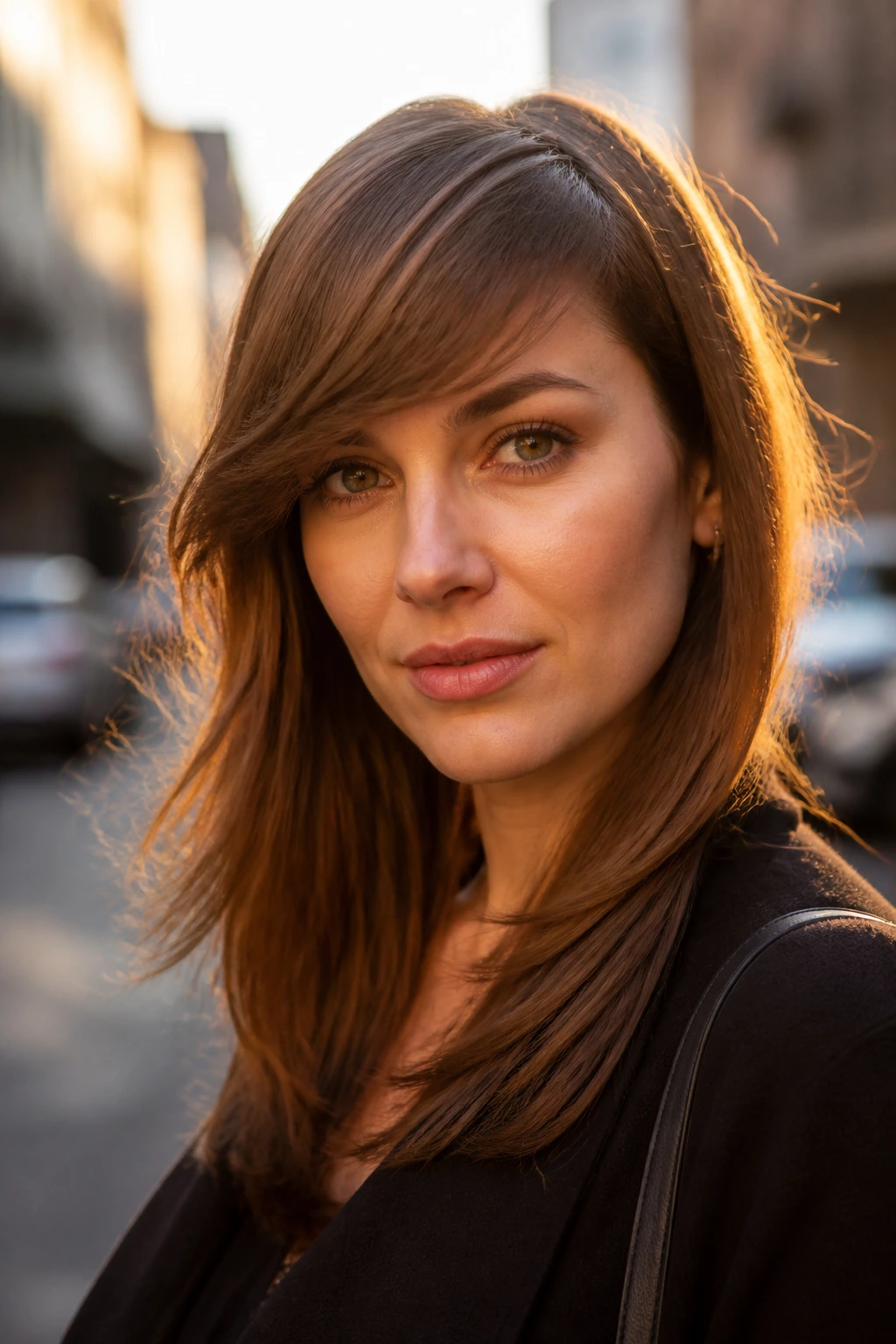
Side-swept bangs are the practical, reliable sibling of the bang family. They are cut at an angle, starting shorter on one side and tapering down toward the cheekbone on the other. This style is perhaps the most comfortable to wear, especially if you have never had bangs before.
Why They Are Functional
They do not get in your eyes, they don’t require daily blow-drying to keep a perfect shape, and they blend effortlessly into longer styles. They are excellent for disguising a cowlick on one side of your forehead, as the weight of the hair helps to tame the growth pattern.
Styling Variations
You can style these in a hundred different ways. Wear them tight to the side for a professional, sleek look, or use a curling iron to give them a soft wave for a more romantic, evening-appropriate style. They are the most versatile option for people who like to tie their hair back, as they naturally frame the face even in a ponytail.
7. Curly Bangs

For years, the conventional wisdom was that curly hair and bangs did not mix. That was a mistake. Curly bangs are stunning, adding texture and playfulness to your hair. The goal here is to embrace the coil rather than fighting it.
How to Cut Them
Never, ever cut curly bangs wet. They need to be cut in their natural, dry state so your stylist can see exactly how much each curl will shrink back. You want them to have enough length so that when they bounce up, they are at the perfect position on your forehead.
Embracing the Volume
Use a curl-defining cream or a light gel while the hair is damp. Scrunching is essential. If your bangs look a bit wild, use a diffuser attachment on your blow-dryer to gently dry them while encouraging the curl pattern. Do not be afraid of the “frizz”—it is part of the charm of a curly fringe.
8. Bottleneck Bangs
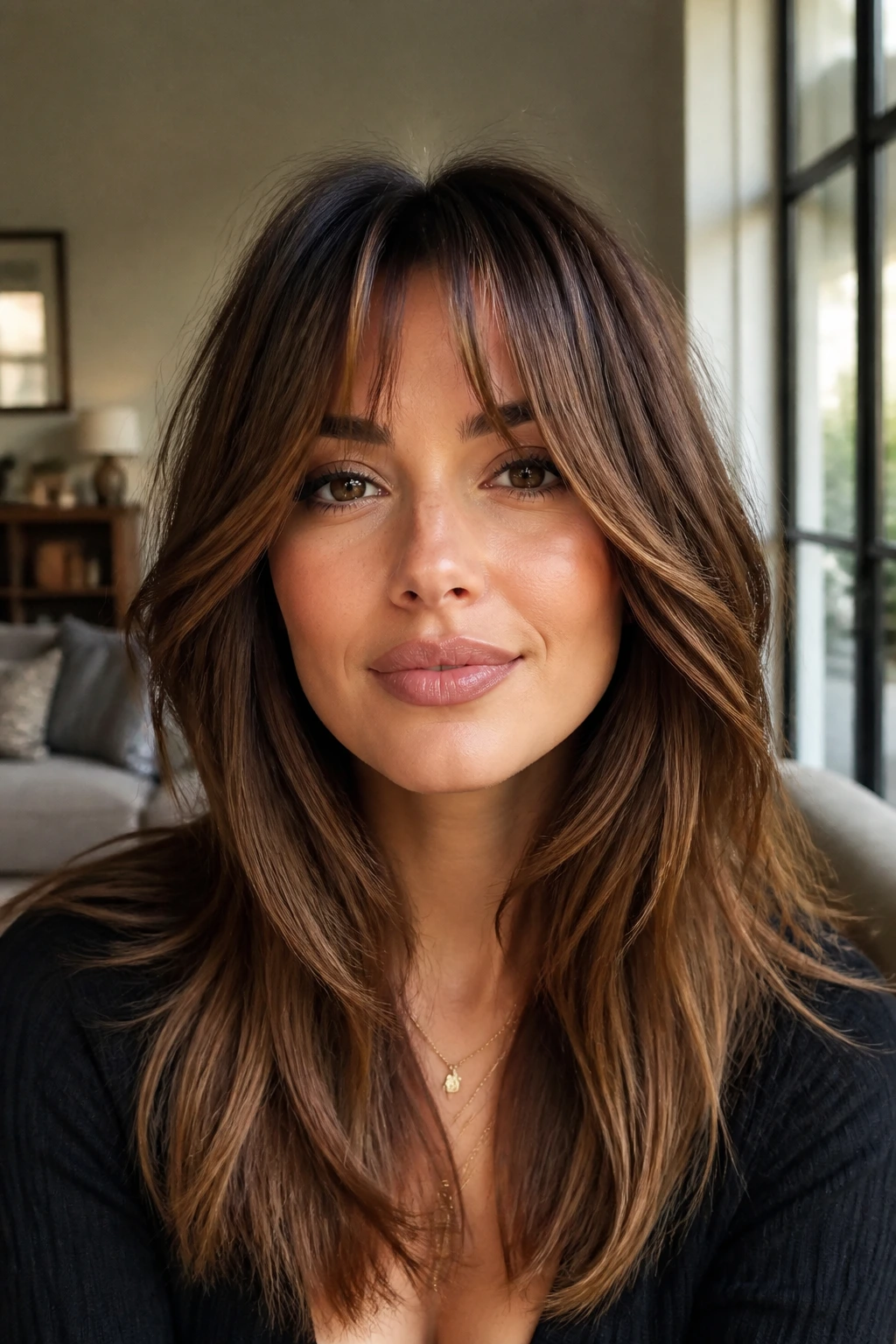
The bottleneck bang is a clever hybrid. It starts like a curtain bang but has a shorter, more defined “plug” of hair in the center, resembling the neck of a bottle. It is a bit more intricate and gives you the best of both worlds: the frame of a curtain bang and the coverage of a traditional fringe.
Why They Are Trending
They are incredibly flattering for almost every face shape. The center piece highlights your eyes, while the longer sides sweep down to define your cheekbones. They grow out beautifully, turning into face-framing layers without that awkward “I need a trim” look.
The Styling Secret
These need volume. Use a large round brush to give the longer sides a bit of lift and a slight curve away from the face. The center piece should be blow-dried forward and then lightly pushed to the sides. It creates a soft, rounded silhouette that feels very luxurious.
9. Shag-Layered Bangs
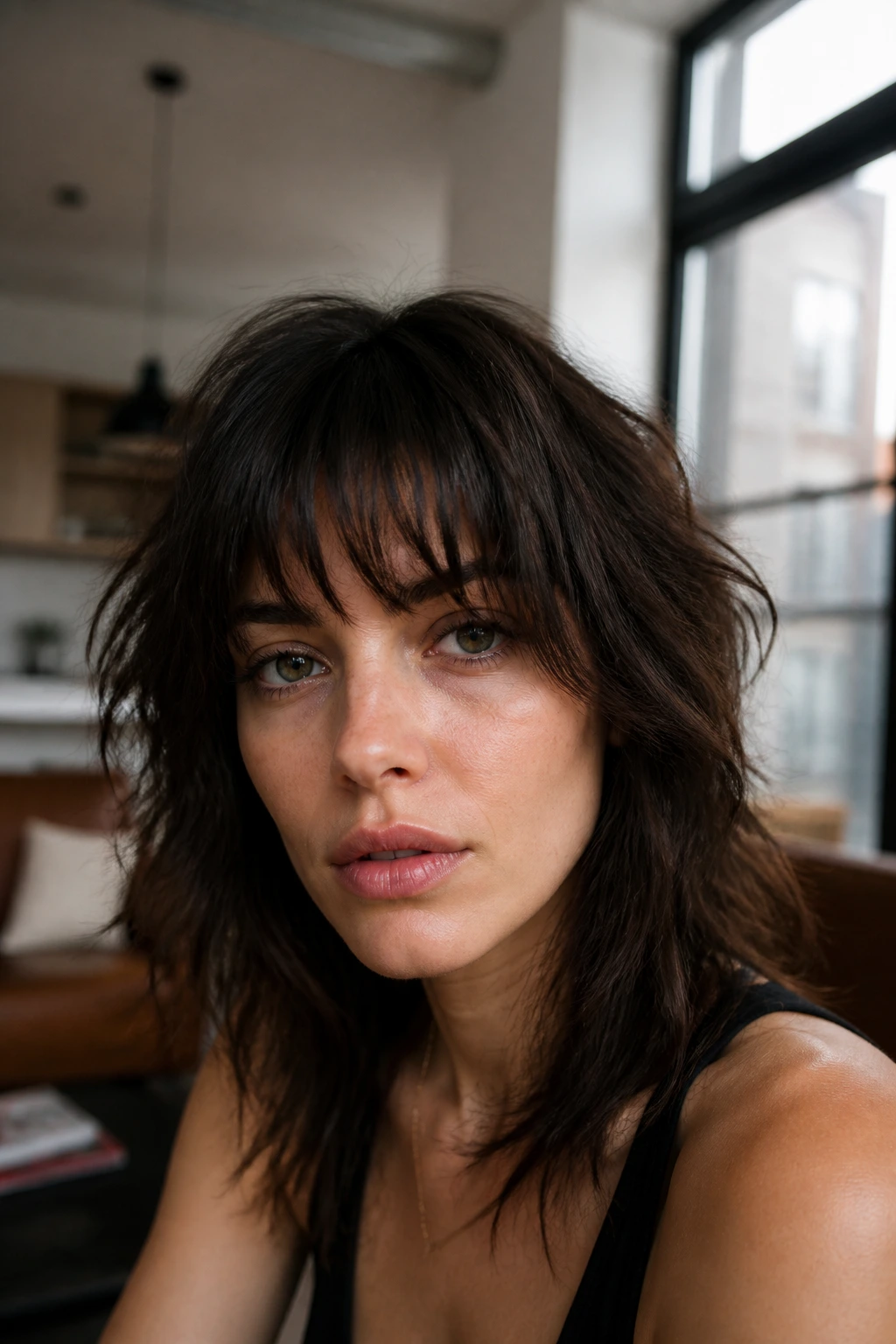
If you are into the rock-and-roll aesthetic, the shag fringe is your go-to. It is choppy, layered, and intentionally messy. It looks like you just woke up and haven’t brushed your hair, and that is exactly the point.
The Vibe
This style is usually paired with a shag haircut that features plenty of layers throughout the lengths. The bangs are not one consistent length; they are piecey, with some bits shorter and others longer. It is edgy, fun, and very low maintenance because perfection is actually the enemy of this look.
Hair Texture Advice
This works best on medium to thick hair. If your hair is very fine, these layers might make your hair look too sparse. Enhance the texture with a matte paste or a texturizing powder. Work the product into your roots with your fingertips to get that lived-in, effortless volume.
10. Korean-Style See-Through Bangs
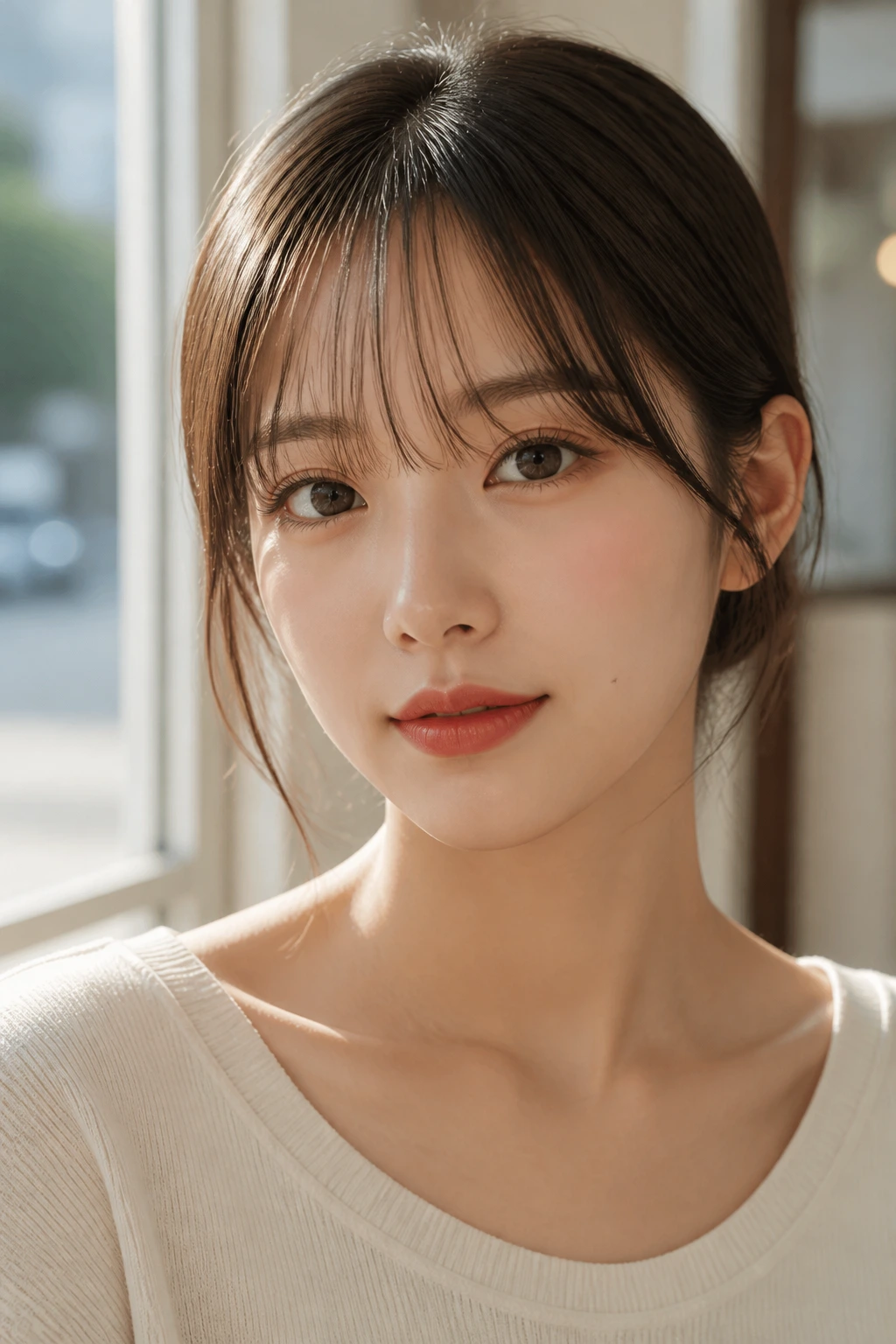
This style comes from the K-beauty world and is designed to look incredibly natural and light. “See-through” implies that they are thin enough for your forehead to peek through, giving you a youthful, soft look.
Why They Are So Popular
They are not heavy or oppressive. In warmer climates or for people who don’t want to commit to a full forehead cover, these are ideal. They are usually cut quite long, hitting just below the eyebrows, and are often styled with a very subtle curve.
The Roller Technique
The secret to the perfect see-through bang is a Velcro roller. After washing your hair, put the damp bangs in a medium-sized Velcro roller, let them dry, and then release. It creates that signature “C” shape that stays in place all day without the need for heavy hairspray.
11. Choppy Bangs
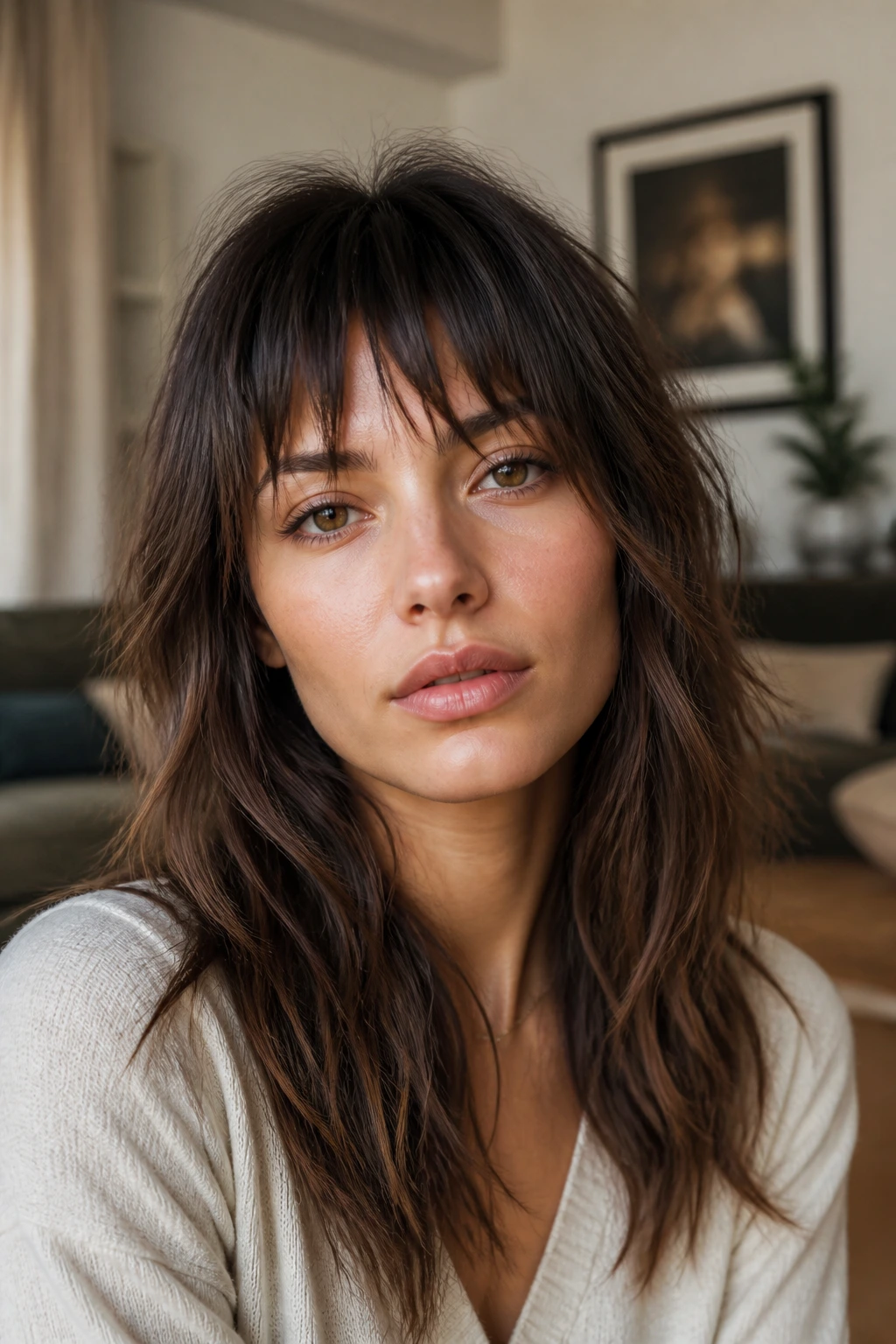
Choppy bangs are all about movement. They are cut with point-cutting techniques—where the stylist snips vertically into the ends of the hair—rather than a straight horizontal line. This removes bulk and creates varying lengths across the fringe.
Who Benefits Most
If you have thick, coarse hair, choppy bangs are a lifesaver. They take the weight out of your hair and prevent that “helmet head” look that blunt bangs can sometimes create. They move with you, feeling light and airy.
Styling for Texture
Because the ends are uneven, you want to accentuate that texture. A salt spray or a lightweight texturizing spray works wonders here. Run your fingers through your hair to separate the pieces rather than using a comb, which would clump them together and make them look less “choppy.”
12. Bardot-Inspired Bangs

Think Brigitte Bardot in the 1960s. These are voluminous, soft, and long, often swept to the sides with a heavy, blown-out feel. They are the epitome of glamorous, feminine hair.
The Silhouette
These are definitely more “done” than a messy shag or a wispy bang. They rely on volume at the roots and a smooth, rounded finish on the ends. They are incredibly sophisticated and work beautifully for formal events or just when you want to feel a little more put-together.
The Blowout Method
You will need a round brush and a blow-dryer. Blow-dry the bangs away from your face while lifting them at the root to create that signature sweep. If your hair doesn’t hold volume well, use a light-hold volumizing mousse before drying. It is a classic look that never feels dated.
13. Long Face-Framing Bangs
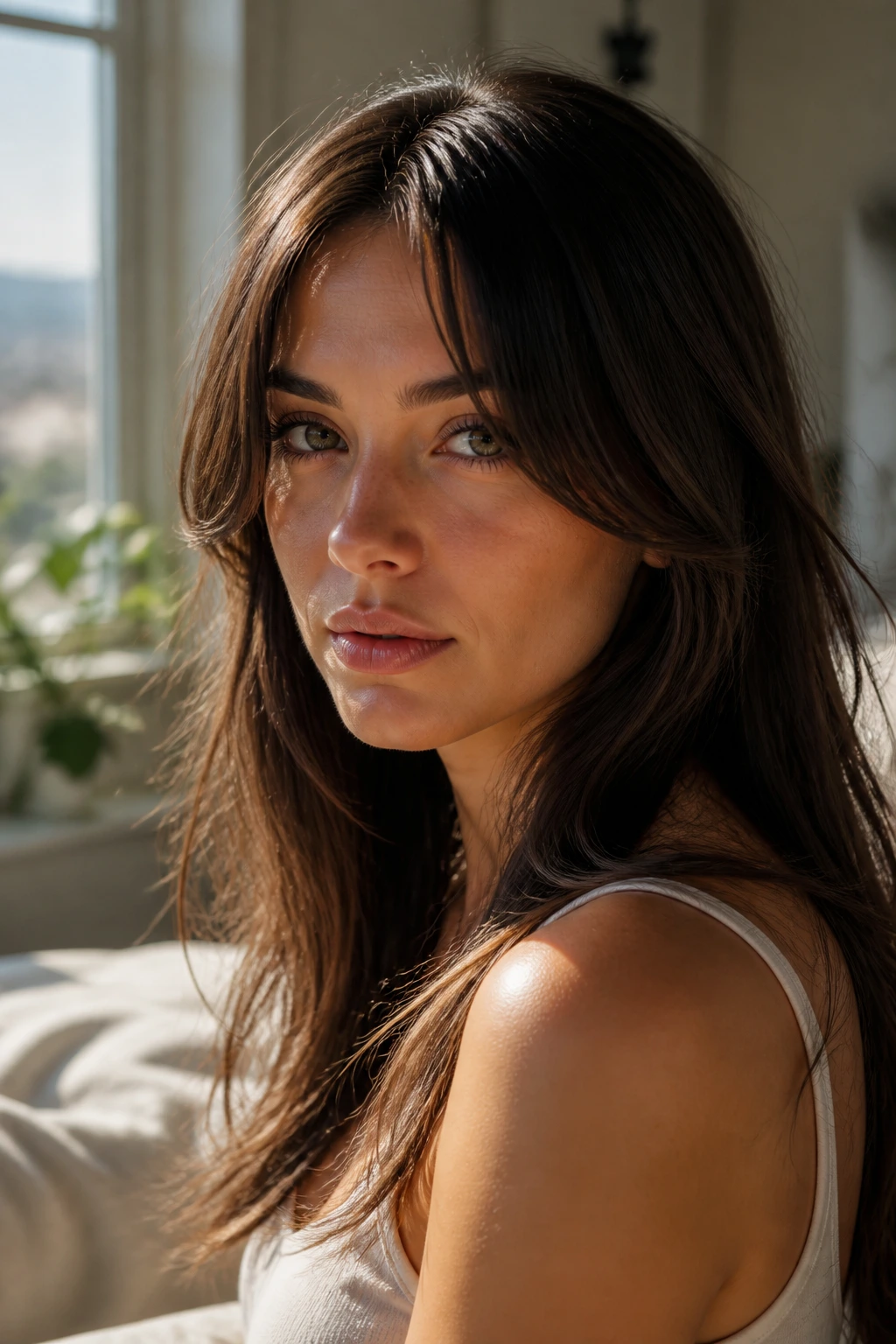
Are they bangs if they hit your chin? In the world of hair, this is often called a “long fringe.” These pieces are cut shorter than the rest of your hair to provide a visual frame for your face, but they are long enough to tuck behind your ears.
The Low-Commitment Fringe
If you are terrified of short hair near your eyebrows, start here. These are essentially long, face-framing layers that start around the cheekbones. They provide all the benefits of bangs—contouring the face, softening the jawline—without any of the maintenance of a forehead fringe.
Styling Versatility
Because they are long, you can curl them away from your face, tuck them away entirely, or wear them straight. They are perfect for people who like to pull their hair back into a bun or ponytail, as they provide a soft, romantic wispiness around the face that makes an updo look finished.
14. Asymmetrical Bangs
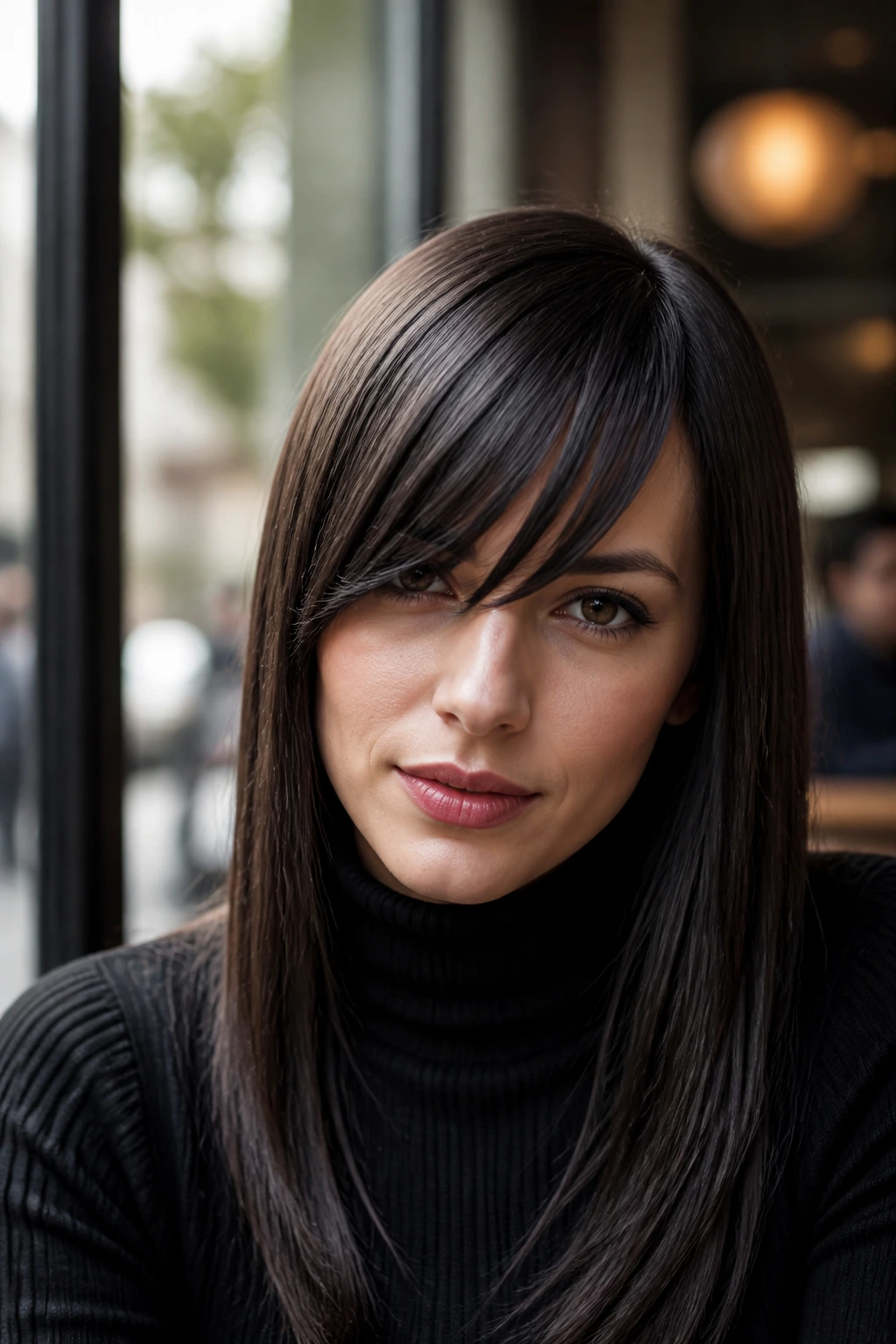
If you are feeling bold, an asymmetrical fringe can be an incredible fashion statement. One side of the fringe is longer than the other, often creating a dramatic, slanted line across the forehead.
Making It Work
This requires a stylist who is confident with geometry. You want the angle to be intentional, not just like you missed a spot while cutting. It looks best on straight, sleek hair where the line can be clearly seen.
The Attitude
You have to own this look. It’s an artistic style that pairs well with minimalist fashion. Because it is so distinct, you don’t need to do much to the rest of your hair—a simple ponytail or a straight, sleek style allows the bangs to be the main event.
15. Heavy Full Fringe

This is the “gothic” or “classic French” fringe. It is dense, thick, and covers the entire forehead without any gaps. It is heavy and substantial, starting further back on the head (near the crown) to ensure that the fringe has enough hair to look truly solid.
Why It Makes a Difference
This style is excellent for people with high foreheads who want full coverage. It makes the hair look significantly thicker. If you have fine, sparse hair, a heavy full fringe can be transformative, but you must be prepared for the weight of it.
Care and Maintenance
Because so much hair is being pulled forward into the fringe, you have to be careful about the rest of your hair appearing too thin. This is a bold choice that works best with a blunt haircut. Keep your forehead skin clean; with that much hair resting on your face, clogged pores can become an issue if you aren’t diligent with your skincare routine.
16. Soft Layered Bangs
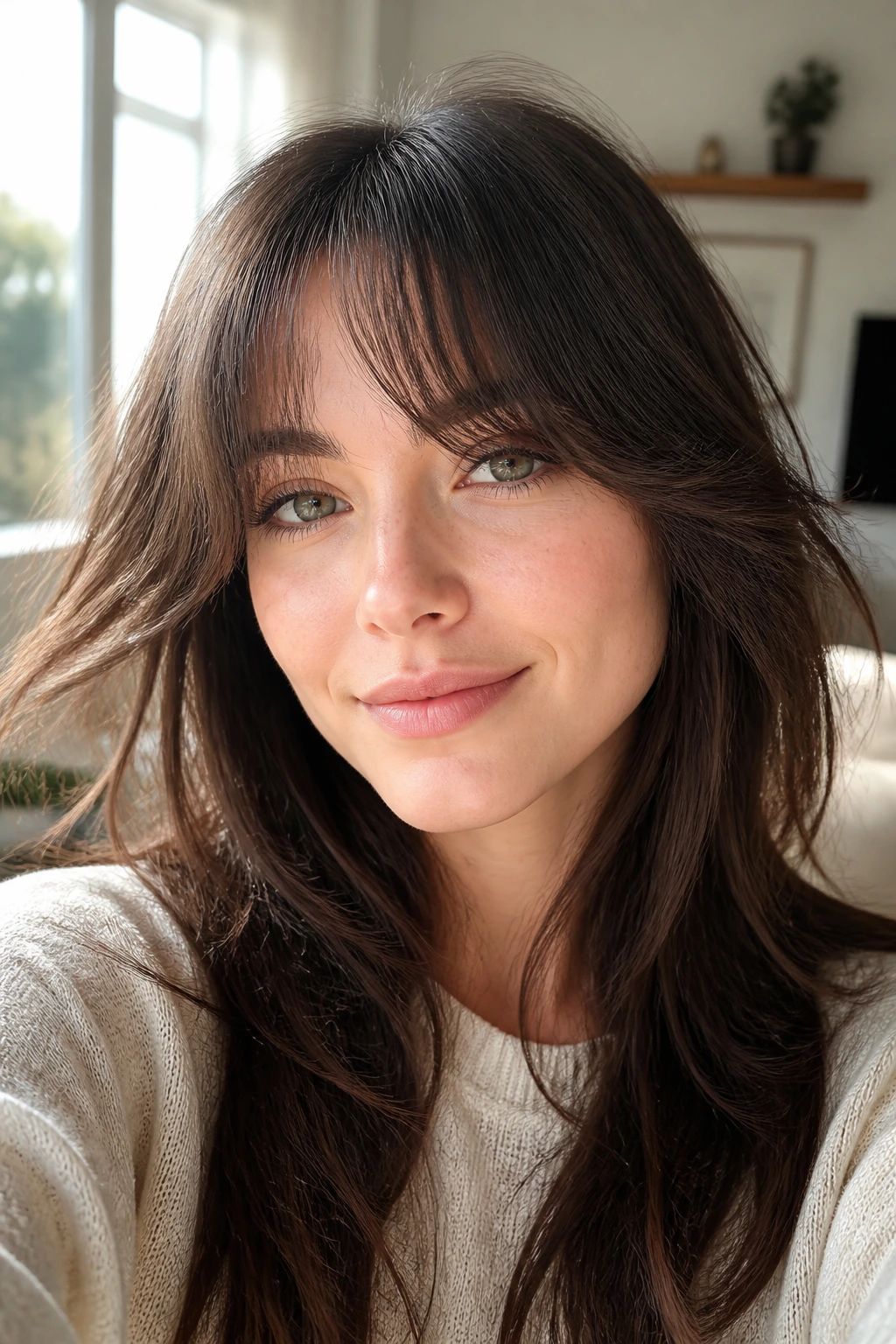
These are the bridge between a blunt fringe and a wispy fringe. They have some weight, so they don’t look sparse, but the ends are layered and feathered so they don’t look harsh.
The All-Rounder
If you want something that looks good both straight and wavy, this is a strong contender. The layers allow the fringe to move, so it doesn’t just sit like a flat curtain. It frames the eyes and cheeks beautifully.
Styling Advice
A quick blast with a hair dryer is usually all you need. Use a flat brush to pull them straight, then twist your wrist at the very end to give them a slight inward curve. It is a very natural, “I woke up like this” look that suits almost any lifestyle.
17. Peek-a-Boo Bangs
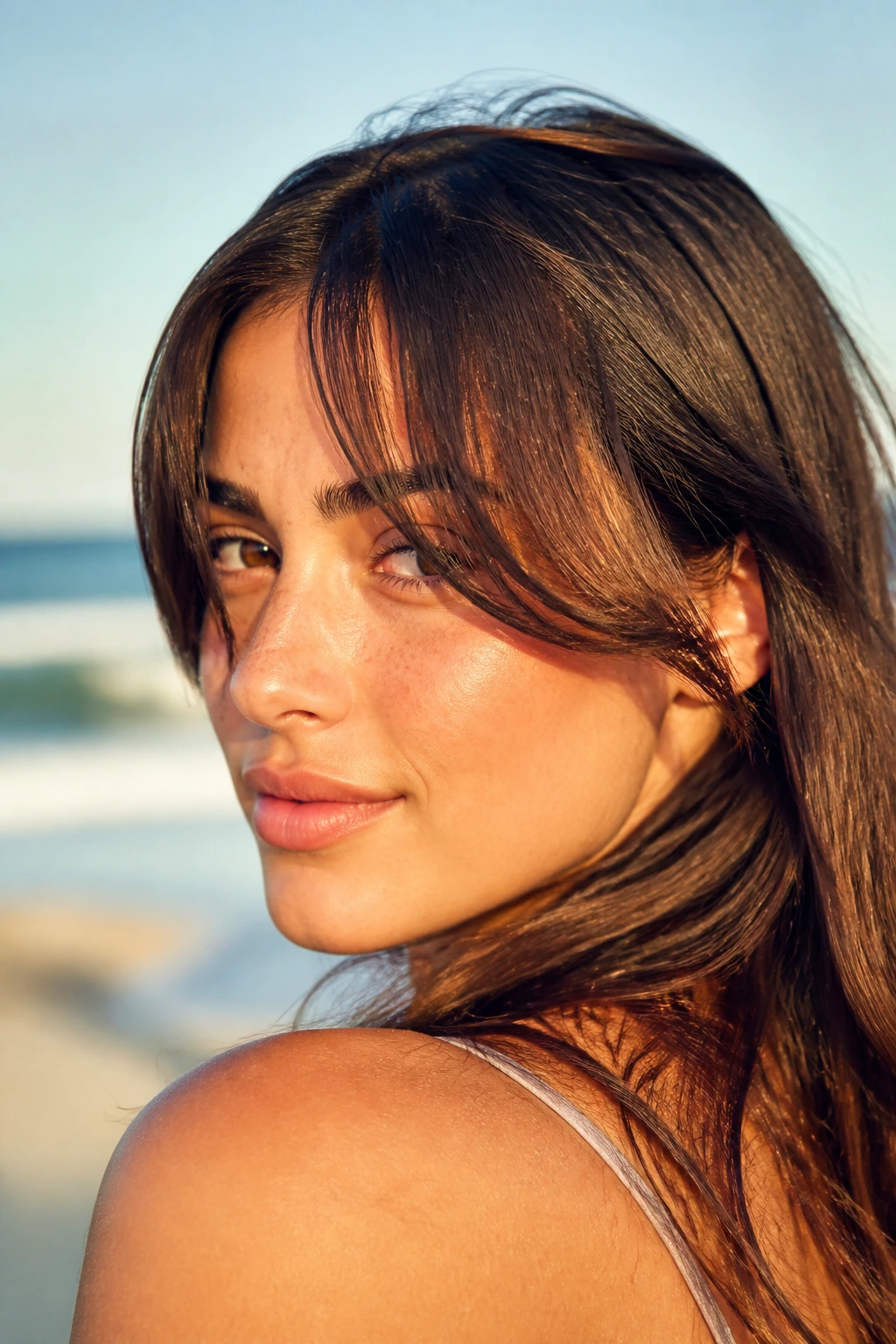
Peek-a-boo bangs are essentially a longer, side-swept bang that covers a portion of the eye or forehead. They have a mysterious, vintage-inspired quality that was a staple of 1940s and 50s cinema.
Why They Feel Different
They are very soft and suggest a sense of playfulness. They aren’t trying to cover the forehead; they are just lounging there. They look gorgeous with soft, beachy waves or a retro-inspired set.
Tips for Success
Ensure they aren’t so long that they are an annoyance. They should graze the top of your cheekbone or the outer corner of your eye. Use a little bit of hairspray to keep them in place, but don’t overdo it—you want them to move slightly when you turn your head.
18. Curly Shag Fringe
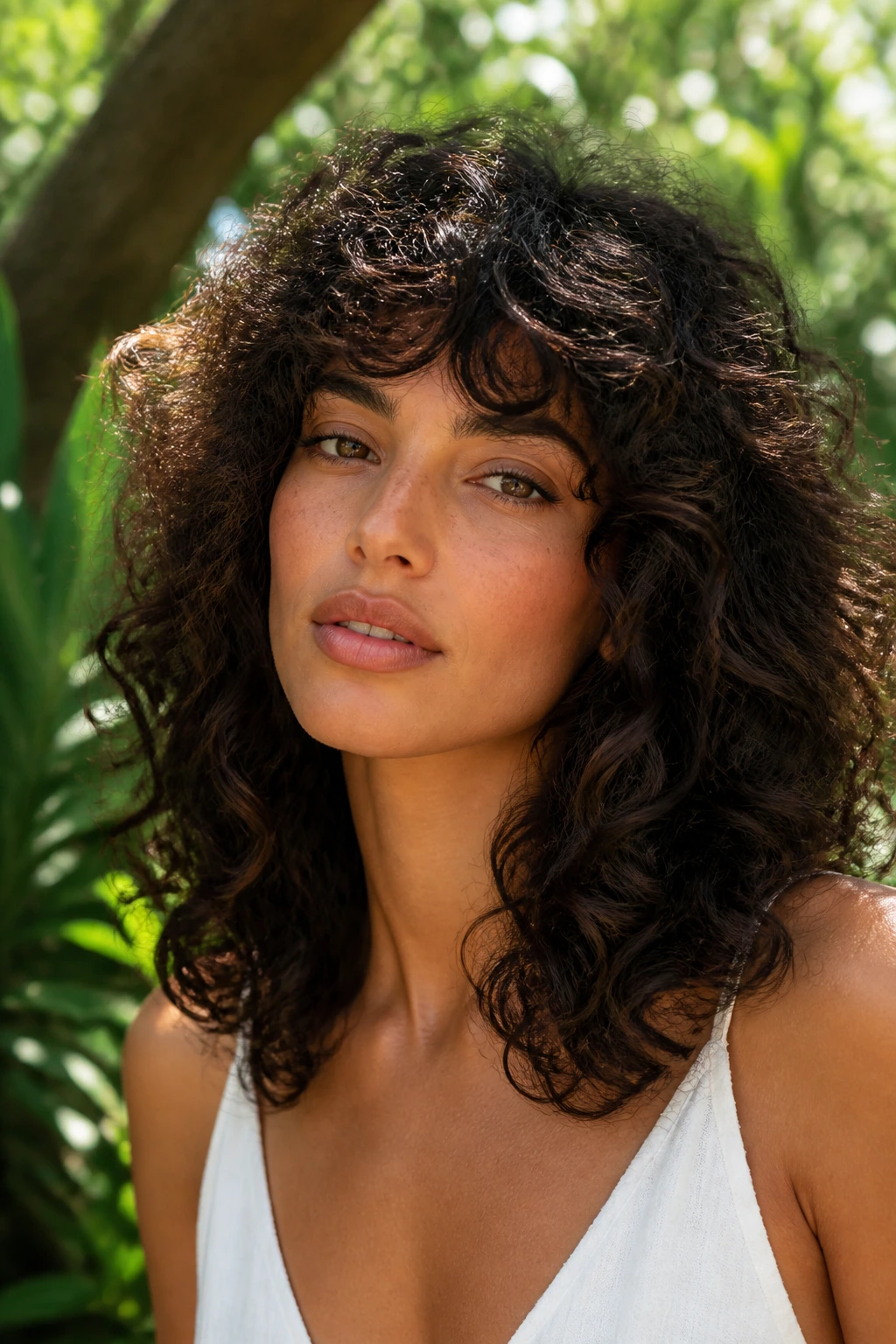
We touched on curly bangs, but the shag curly fringe is different. It incorporates the “shag” philosophy—heavy, chaotic, and layered—into a curly texture. This is all about volume, volume, volume.
Embracing the Chaos
This is not a style for the person who likes everything in its place. This is for the person who loves a wild, textured, voluminous look. It works incredibly well with short to medium-length curly cuts.
The Tool Kit
Invest in a good diffuser. You need to dry your hair while maintaining the integrity of the curls without adding frizz. Use a lightweight curl cream. If you try to use heavy oils or waxes, your bangs will look weighed down and greasy. Keep it light, keep it bouncy, and let the chaos reign.
19. Layered Curtain Bangs

Unlike standard curtain bangs which are often one length on the sides, the layered curtain bang introduces shorter, textured pieces within the curtain. This creates a much more blended, multi-dimensional look that bridges the gap between fringe and layers.
Why It’s Sophisticated
It’s less “stiff” than a standard curtain bang. The layers help the hair blend into the sides of your face, meaning you don’t get that “shelf” of hair on the side of your head. It is very cohesive and feels incredibly modern.
Who Should Choose This
If you have fine hair that lacks volume, layering your curtain bangs can actually make them look thicker. The shorter layers lift the hair from the root, providing a bit of internal structure that a single-length curtain bang can’t achieve.
20. Feathered Bangs

The feathered look is straight out of the 1970s. It’s light, airy, and looks like the hair is being pulled away from the face, similar to the iconic Farrah Fawcett style but on a smaller, forehead-friendly scale.
The Return of the Feather
This style relies on outward motion. Instead of blowing your bangs forward, you blow them outward. It’s a very flattering look that opens up the face and makes you look bright-eyed and alert.
Getting the Look
You’ll need a round brush and a bit of patience. Blow-dry the bangs away from your face while rolling the brush outward. It takes a bit of practice to get the angle right, but once you master it, it’s a quick, two-minute style that elevates your entire look.
Wrapping Up
Choosing the right bang is ultimately about balance. You are looking for that sweet spot where the style complements your natural hair growth patterns, suits your lifestyle, and makes you feel confident every time you look in the mirror. Do not be afraid to start long—you can always go shorter, but you cannot immediately add length back if you cut too much too fast.
If you are unsure, talk to your stylist about your daily routine. Be honest about how much time you are willing to spend with a blow-dryer in your hand. If the answer is “none,” go for something textured, wispy, or side-swept. If you love the ritual of styling and want that crisp, architectural look, lean into the blunt or heavy fringes. Remember, hair is temporary, and it will always grow out, so pick the one that makes you excited to step out the door.
