



Cool skin tones can wear more hair-color contrast than people expect. The trick is choosing a shade with the right base: ash, pearl, violet, blue, or a clean neutral that doesn’t tip into gold.
Warm blondes and coppery browns can sometimes sit awkwardly against pink, rosy, or blue undertones, especially when the tone is too yellow or orange at the ends. A cooler shade can do the opposite. It can make the face look clearer, the eyes look sharper, and the whole look feel more deliberate without being stiff.
And cool skin is not the same thing as fair skin. Deep skin can be cool. Olive skin can be cool. What matters is the undertone, not the depth, which is why silver jewelry often looks cleaner than gold and why a brassy blonde can suddenly feel off the second it moves near the face.
The shades below move from bright blondes to smoky brunettes to dark, glossy reds and violets. Some are low-maintenance, some need toner every few weeks, and a couple need a lightening session and a patient stylist. That’s the honest version. Hair color is chemistry first and mood second.
1. Icy Platinum Blonde for Cool Skin Tones
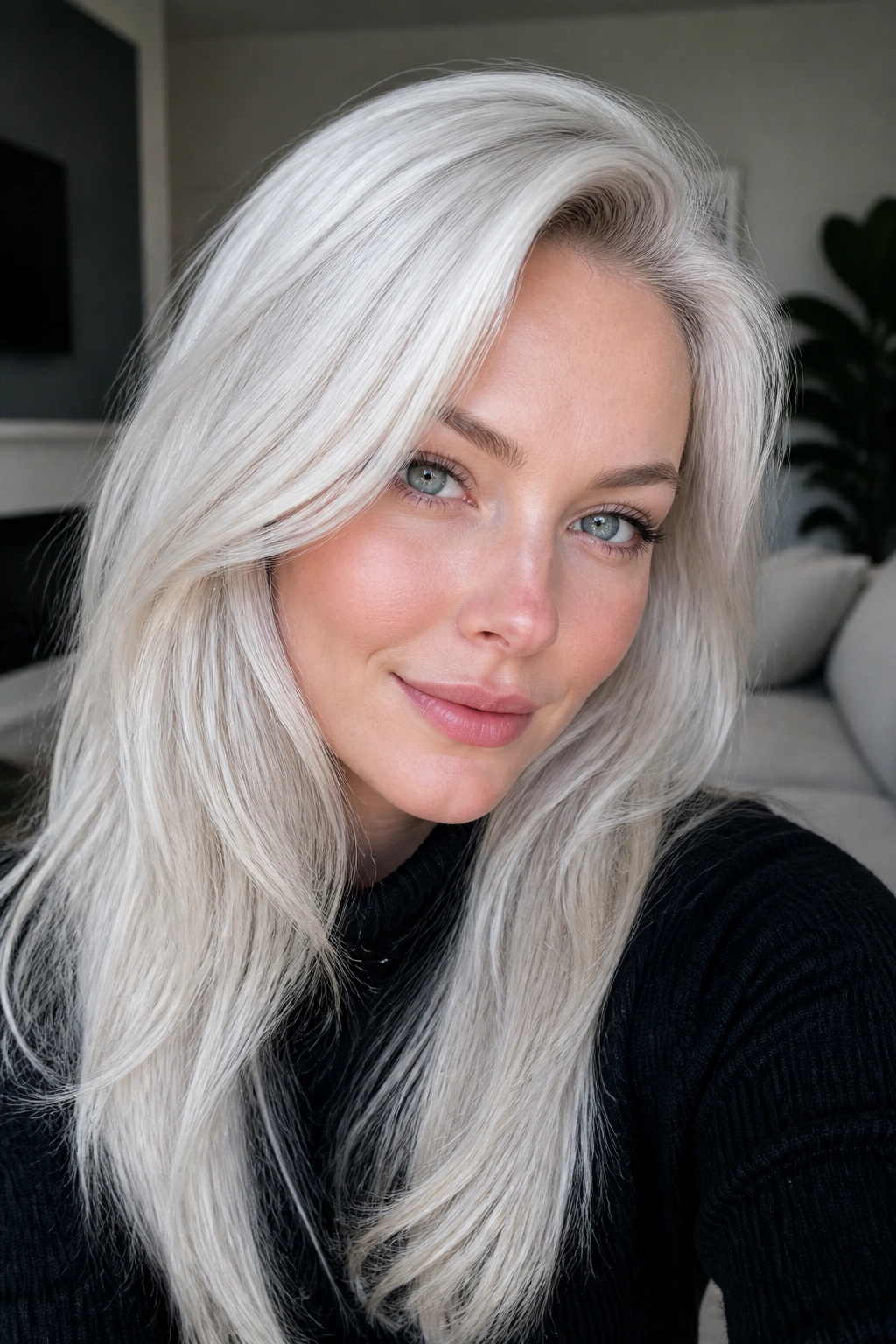
Platinum can look severe in the wrong chair. On cool skin, though, icy platinum blonde can look sharp, clean, and almost glassy when the tone stays silver rather than buttery.
The shade works because it echoes the skin instead of fighting it. If your undertone leans pink, blue, or rosy, a pale blonde with a violet-silver finish tends to feel seamless around the face. The mistake most people make is asking for “blonde” and ending up with yellow. That’s not platinum. That’s a brass problem.
Why It Flatters Cool Skin
Platinum looks best when the hair is lifted to a pale yellow first, then toned down with a violet or silver glaze. That second step matters more than people think. Skip it, and the color reads weak. Get it right, and the hair almost seems to glow from the inside.
- Best for: Fair, medium, and deep cool skin that likes high contrast.
- Ask for: Level 10 lift with a violet-silver toner.
- Watch out for: Over-processed ends that go chalky.
- Maintenance: Purple shampoo once a week, not every wash.
A platinum that leans pearl instead of gold is the difference between crisp and fried.
2. Pearl Blonde
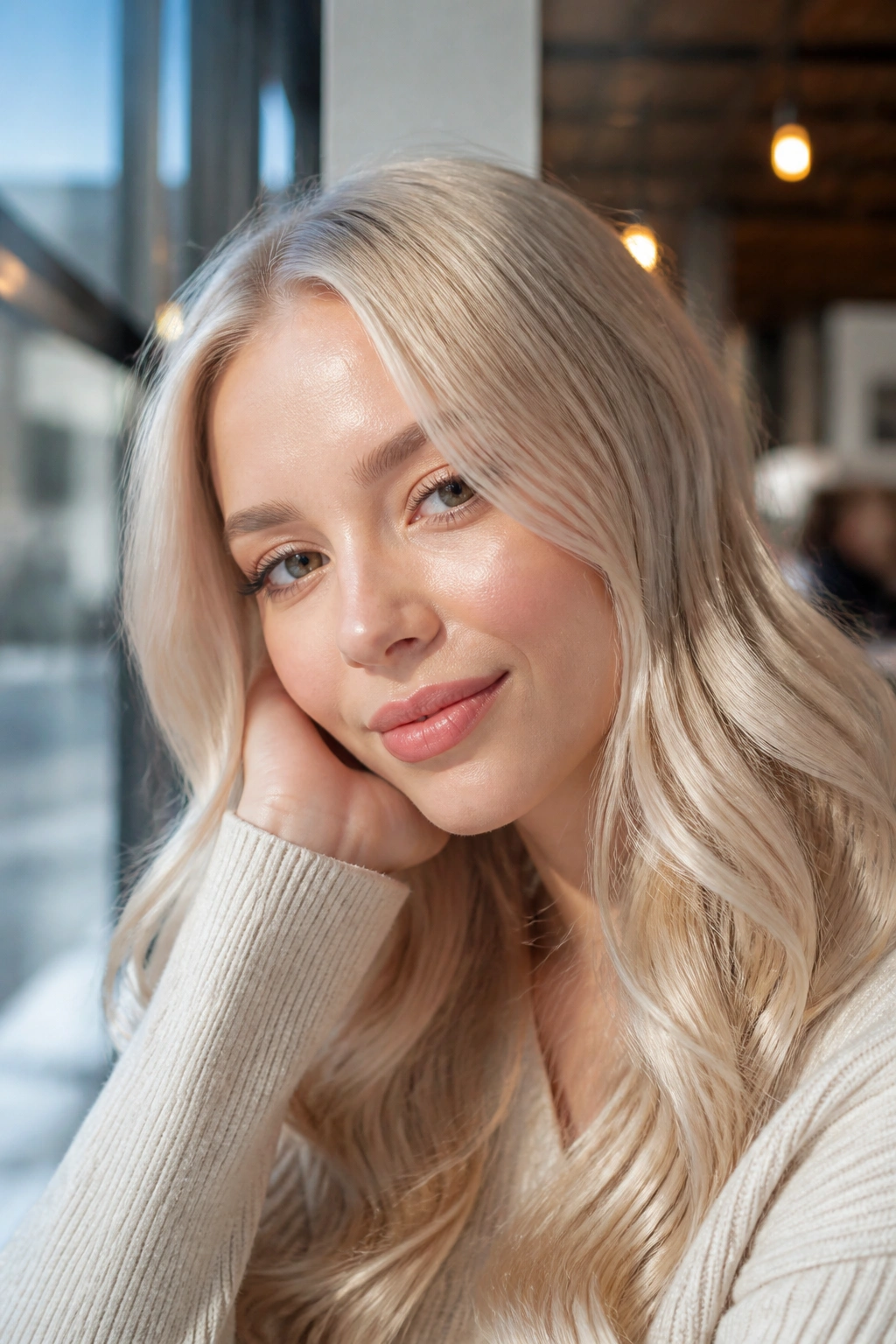
Pearl blonde is softer than platinum, and that softness is the whole point. It has a pale, reflective finish that sits closer to shell, silver, and opal than to yellow salon blonde.
What I like about pearl blonde on cool skin is that it brightens without turning the face into a hard contrast study. It’s especially good if you want light hair but don’t love the icy, almost white look of full platinum. The pearl note gives the color a little shimmer, and that shimmer keeps the blonde from looking flat.
Pearl blonde works well on natural blondes who already lift cleanly, but it can also be lovely on lighter brunettes after a careful lightening session. A root shadow one shade deeper keeps the grow-out from looking stripy. That tiny bit of depth makes the whole thing feel softer and more believable.
If your hair tends to pick up yellow fast, this shade needs discipline. Use a gentle sulfate-free shampoo, keep heat styling under control, and ask for a gloss refresh before the blonde drifts warm. Pearl hair is lovely. It also gets tired quickly if you treat it like regular color.
3. Ash Beige Blonde
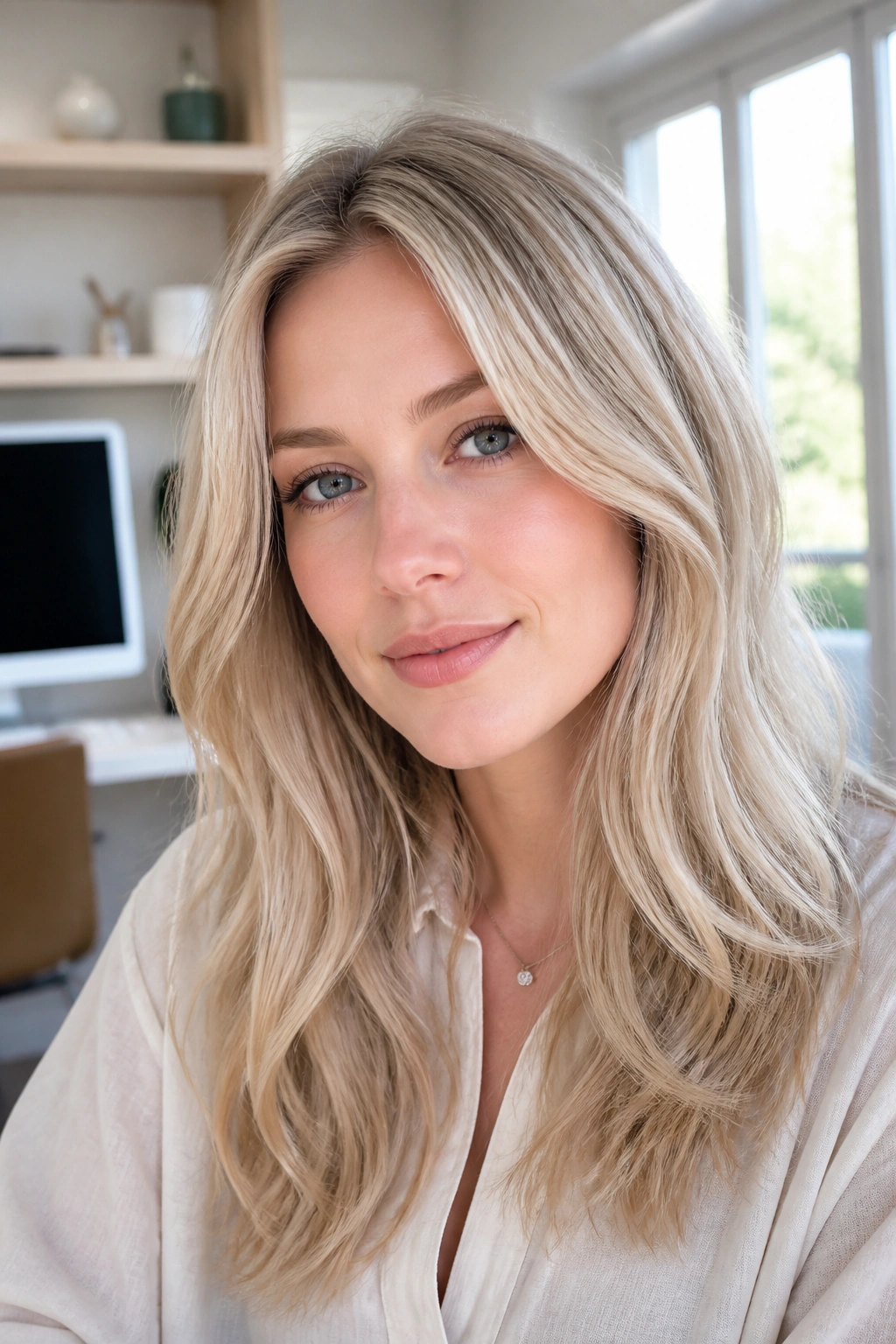
Why does ash beige blonde work so well on cool skin when plain beige blonde can look a little sleepy? Because the ash keeps the warmth in check while the beige keeps the shade from going flat and gray.
That balance is the whole appeal. Pure ash can read smoky and a little dry if your hair is fine or porous. Pure beige can drift too golden. Put the two together, and you get a blonde that looks expensive in the most practical sense of the word: it flatters in daylight, under office lights, and in the car mirror at 8 a.m.
The shade suits people who want blonde but do not want to spend every other week fighting brass. On cool skin, it softens redness around the cheeks and keeps the face from looking washed out. It’s also one of the easier blondes to wear if your wardrobe leans gray, navy, black, or white.
How to ask for it at the salon
- Ask for a beige blonde with a clear ash base, not a yellow-beige.
- Keep a soft root shadow if your natural color is darker than level 7.
- Use a beige gloss or a violet toner when the blonde starts to warm.
- Avoid chunky highlights that turn orange at the midshaft.
4. Silver Gray
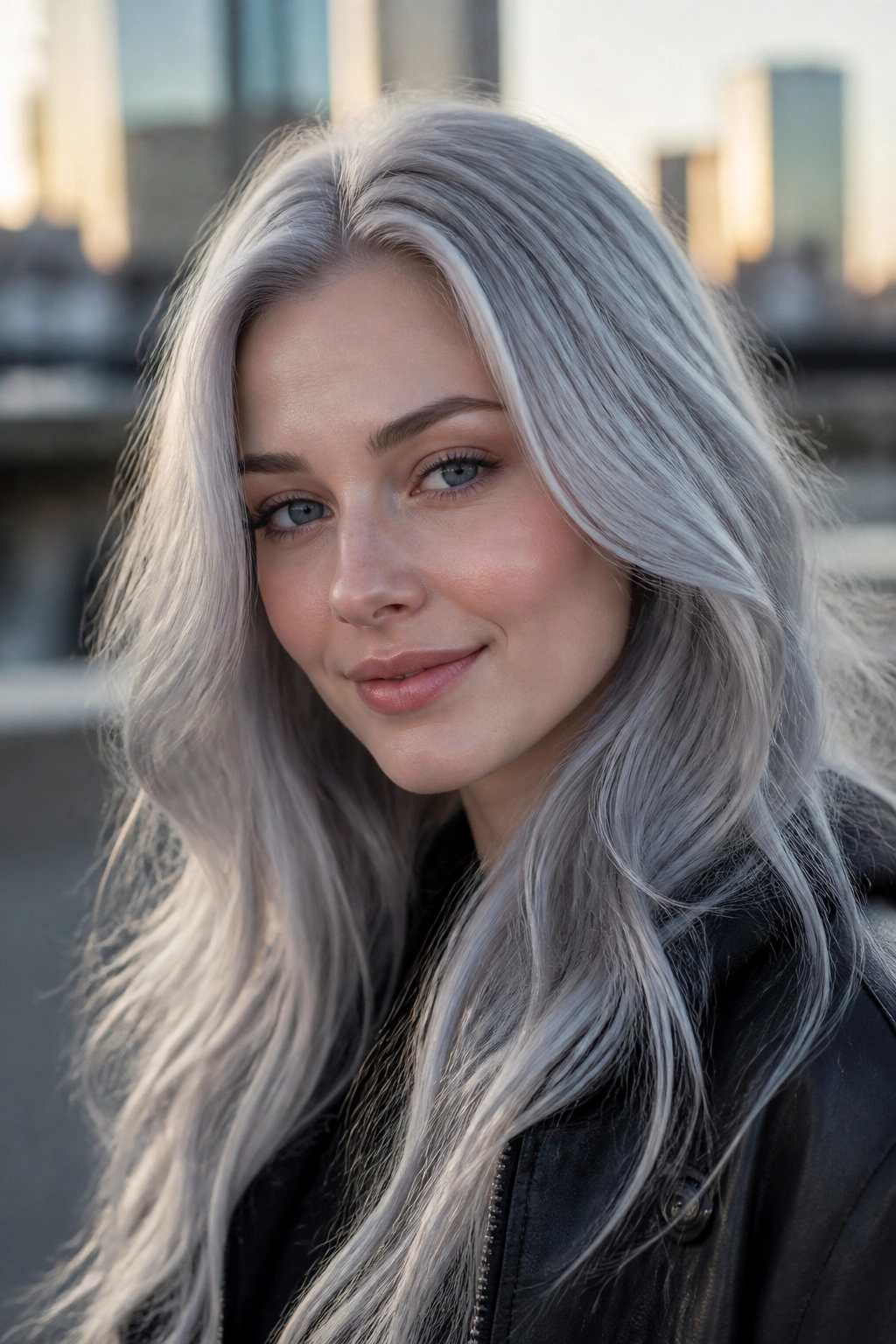
If you’ve ever seen one silver gray hairstyle look chic and another look dusty, the difference is usually tone. On cool skin, the right silver gray can look intentional, glossy, and far richer than a flat ash blonde.
The shade works best when it has a steel-like finish rather than a cloudy one. That means your hair needs enough lift for the silver to sit cleanly on top. If the base is too dark or too yellow, the result can go muddy fast. This is where a good toner earns its keep.
Silver gray is especially strong on cool skin because it mirrors the undertone instead of introducing a new one. It also makes eye color look a little more defined, especially blue, gray, green, and deep brown eyes with cool depth.
- Best on: Short cuts, sleek bobs, and smooth layers.
- Salon note: Ask for a cool metallic gloss, not a flat gray dye.
- Daily care: Use a hydrating mask once a week.
- Downside: It can show dryness fast, so shine matters.
The shade looks modern, but really it’s just precise. Get the tone right, and it does all the work for you.
5. Mushroom Brown
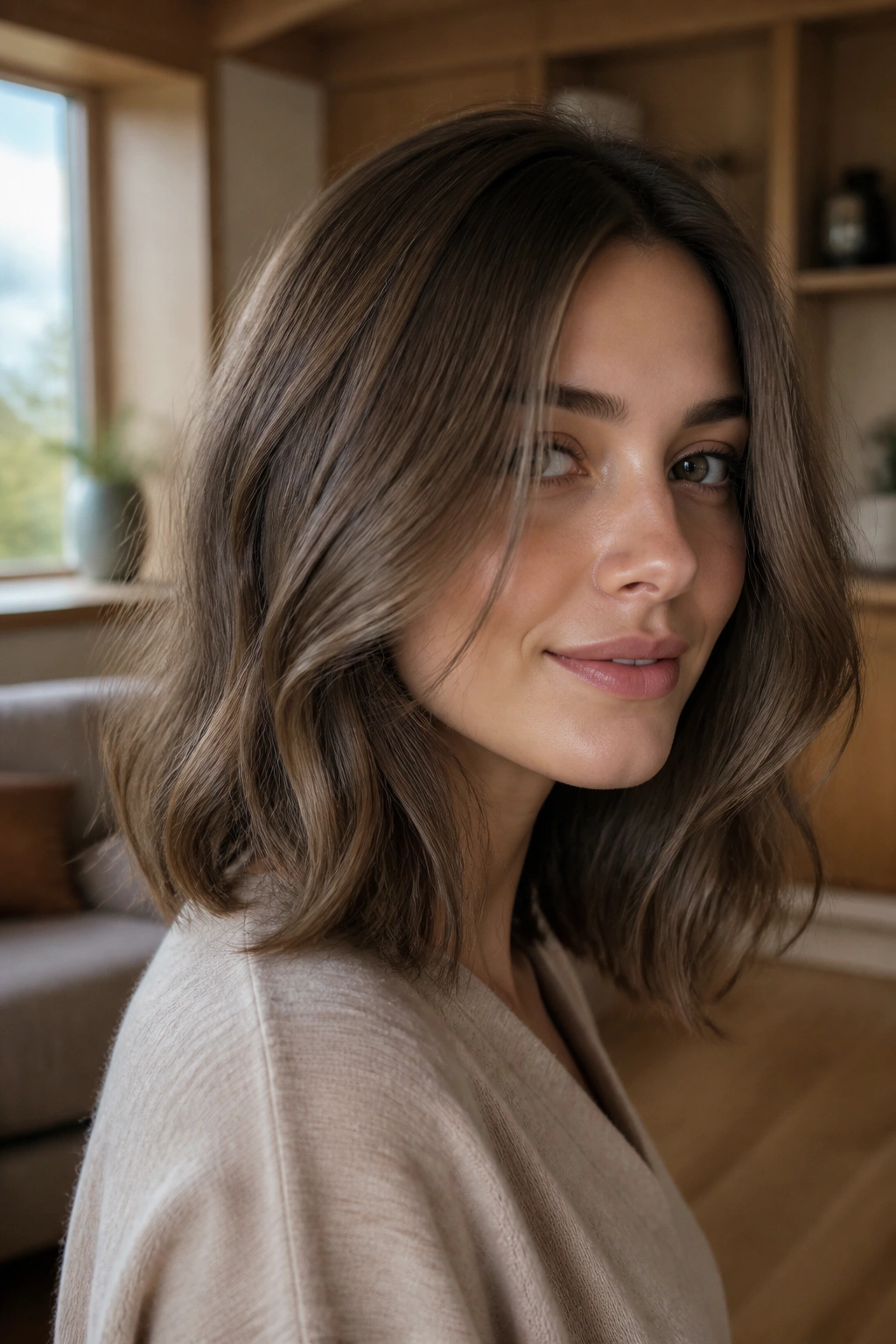
Mushroom brown is one of those colors that sounds odd on paper and looks quietly expensive on hair. It carries a cool, earthy mix of brown, beige, and a little gray-green shadow, which is exactly why it behaves so well on cool skin.
The shade is not loud. That’s the point. It gives brunette depth without the red or copper undertone that can fight pink or blue skin. Under daylight, mushroom brown can look soft and muted. Under indoor light, it often picks up a silky, smoky finish that keeps it from feeling flat.
I like this color for people who want brunette hair but hate the warm-brown trap. It’s especially good on shoulder-length cuts, lived-in waves, and hair with natural dimension, because the cool tones show off movement. If your base is naturally dark, a mushroom gloss over a few lighter ribbons can look more natural than a full dye job.
The maintenance is decent, too. It fades more gracefully than many fashion shades, and because it sits in that neutral-cool lane, it doesn’t scream when the roots come in. That makes it one of the smarter choices on the list.
6. Taupe Brunette
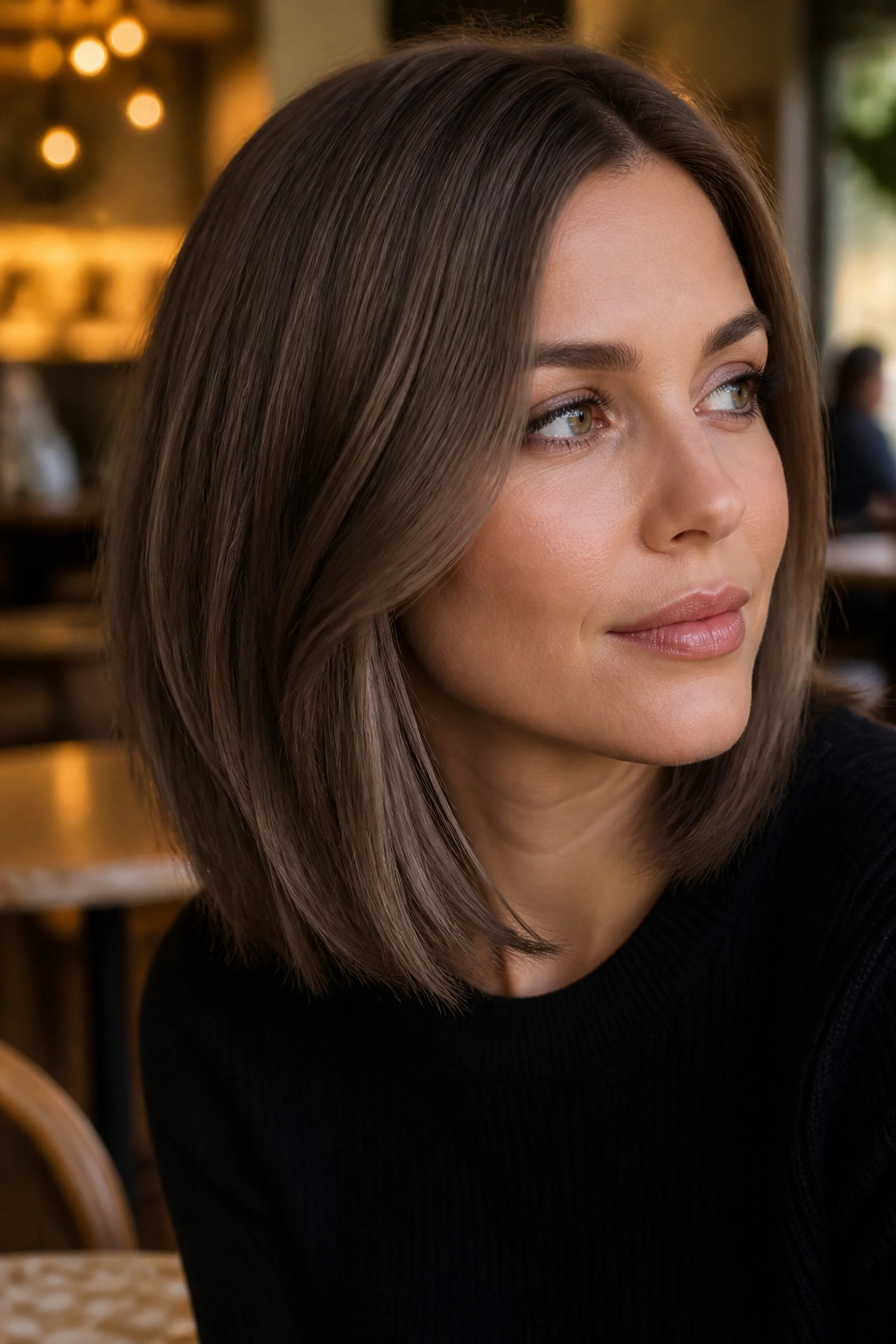
Taupe brunette is the shade I’d call mushroom brown’s quieter cousin. Unlike mushroom brown, which can lean a touch earthy, taupe brunette stays lighter and airier, almost like brown softened with a whisper of gray-beige.
That matters on cool skin because taupe brunette doesn’t drag the face down. Some dark browns can feel heavy, especially near the jawline. Taupe keeps the depth but lifts the look. It works especially well if your natural hair is medium brown and you want something polished without going near blonde.
The shade is also a smart bridge color. If you’re moving away from warm caramel or golden brown, taupe brunette helps you cross over without shock. It looks good in loose waves, sleek blowouts, and blunt cuts. It also plays nicely with cool makeup shades like mauve blush, berry lips, and taupe shadow.
If you want the least fussy version, ask for a cool taupe gloss over a medium brown base. That gives you softness without committing to a dramatic color correction. It’s one of those colors that looks calm even when the rest of your life doesn’t.
7. Smoky Brunette for Cool Skin Tones
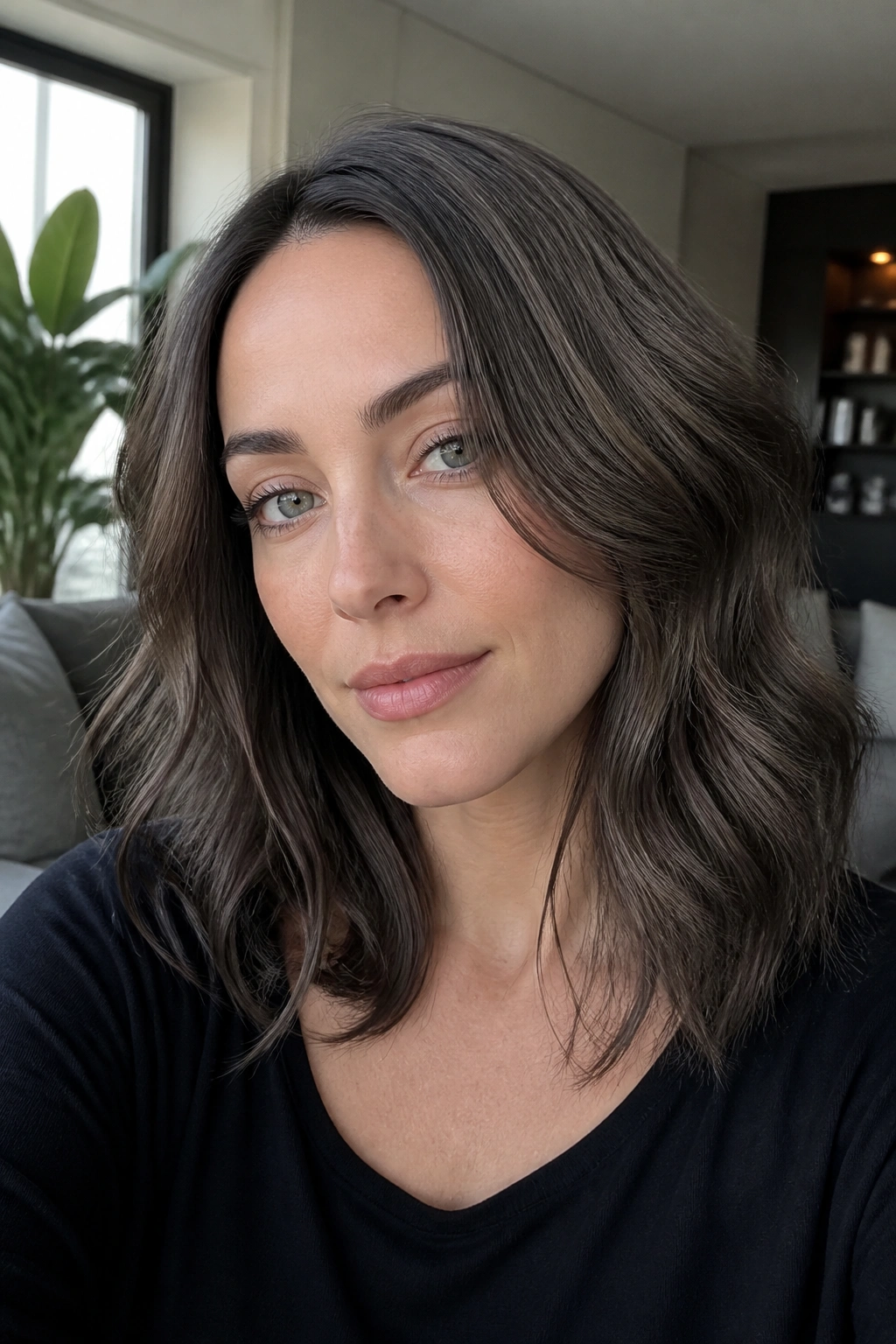
Smoky brunette is the brunette shade that stops short of going red, chocolatey, or flat. It has enough depth to feel rich, but the smoky cast keeps it cool against the face.
What gives it polish is the lack of warmth. Instead of caramel reflections, you get soft ash and neutral shadow through the mid-lengths. That means it works on cool skin that wants brunette depth without the orange cast that shows up in bad lighting. And bad lighting is everywhere. Grocery stores, elevators, parking garages. Hair has to survive those places.
The smoky cast people actually notice
- Best for: Medium and deep cool skin, plus fair skin that wants less contrast than black.
- Salon wording: Ask for a neutral-cool brunette with ash reflections.
- Good add-on: A subtle face-frame highlight in cool beige or beige-ash.
- Care note: Blue shampoo helps if the brown starts turning red.
Smoky brunette is the shade that looks finished before you style it.
That is why it works so well for people who want a low-drama color with enough depth to feel intentional. It’s not flashy. It doesn’t need to be.
8. Cool Chocolate Brown
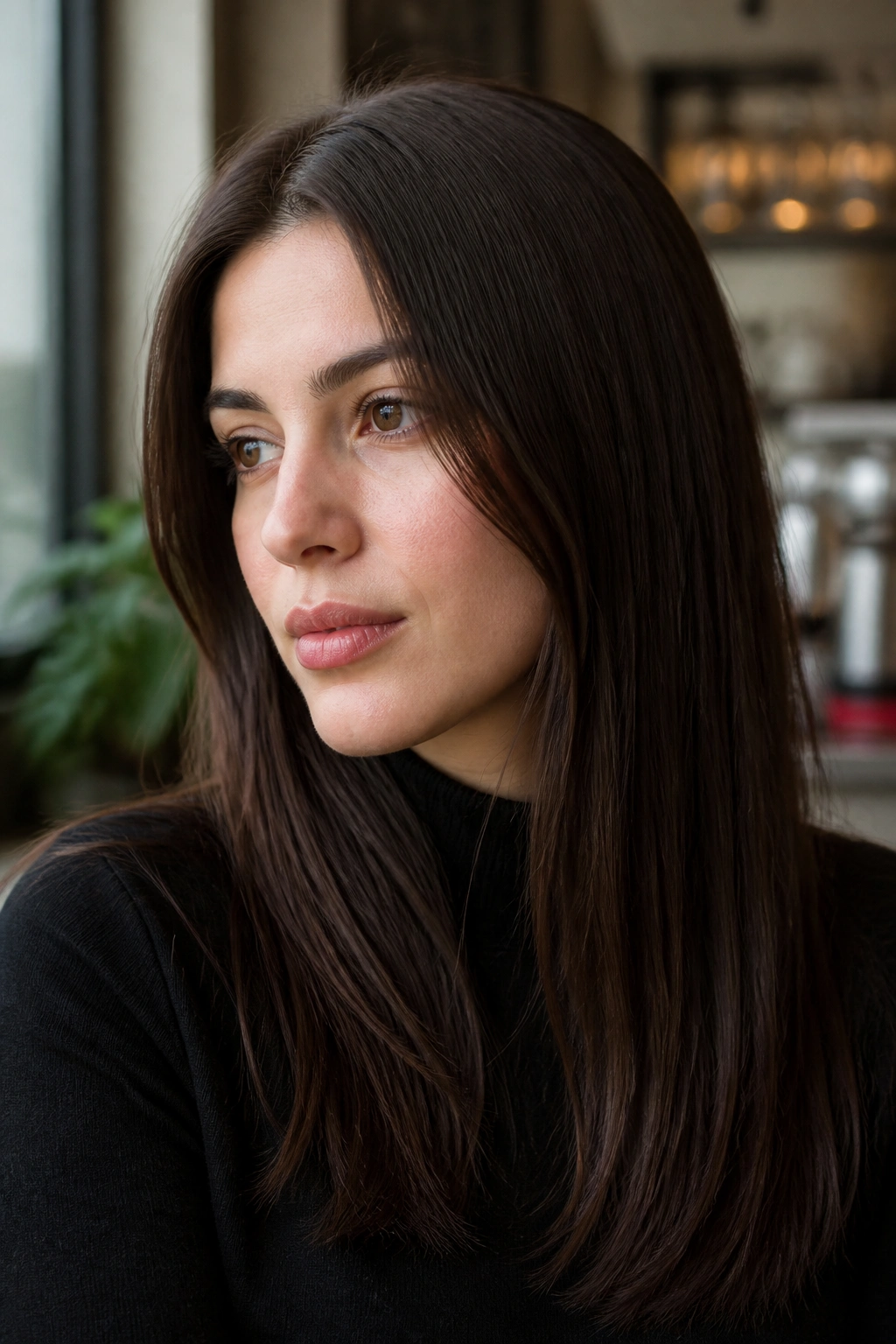
Cool chocolate brown is not the same as warm chocolate brown, and that difference matters a lot on cool skin. The cool version reads glossy, deep, and a little restrained, while the warm version can veer reddish in daylight.
This shade is a favorite of mine for people who want a dark brunette look without going anywhere near black. It gives you shine, softness, and depth in one shot. On cool skin, it can make the complexion look cleaner because there’s no golden undertone trying to compete with the face.
It’s also one of the easiest shades to wear if your hair is naturally dark brown. You usually do not need a major pre-lightening session. A demi-permanent gloss, or a permanent color with a cool brown base, often does the job. That makes it a sensible option if you want a change but do not want a full salon project.
The key detail is avoiding red filler. If your stylist warms the formula too much, you lose the whole point. Ask for chocolate with a neutral or ash edge, and the result stays rich instead of muddy.
9. Espresso Brown
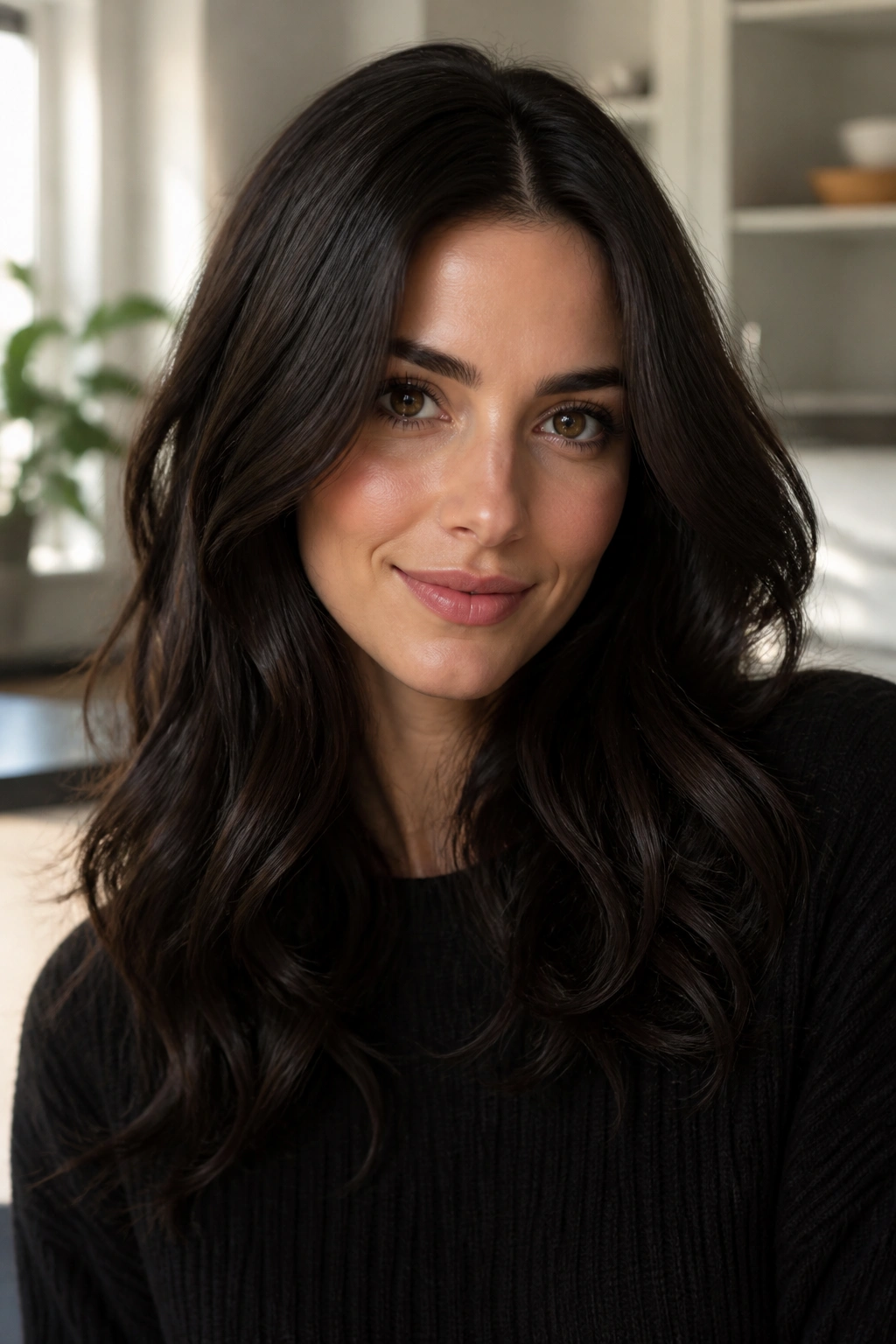
Why does espresso brown look so good on cool skin when black can sometimes feel harsh? Because espresso has depth, but it still leaves room for light to move through the hair.
That little bit of softness changes everything. On cool skin, espresso brown reads like a strong brunette, not a blackout. It frames the face without swallowing it. If your features are delicate, this shade gives more structure than mid-brown without the severity of pure black. If your features are strong already, it adds polish without stealing the show.
How to keep it from looking flat
- Ask for a deep cool brown with no red gloss.
- Keep some shine in the finish; matte espresso looks dull fast.
- A subtle caramel highlight will fight the tone, so stay with cool beige if you want dimension.
- Best on hair that is naturally dark or already level 4-5.
Espresso brown is one of those colors that looks expensive when it’s healthy. Not trendy. Not loud. Just dense, glossy, and clean. If you wear a lot of black, charcoal, navy, or silver, it fits that wardrobe with almost no effort.
10. Blue-Black
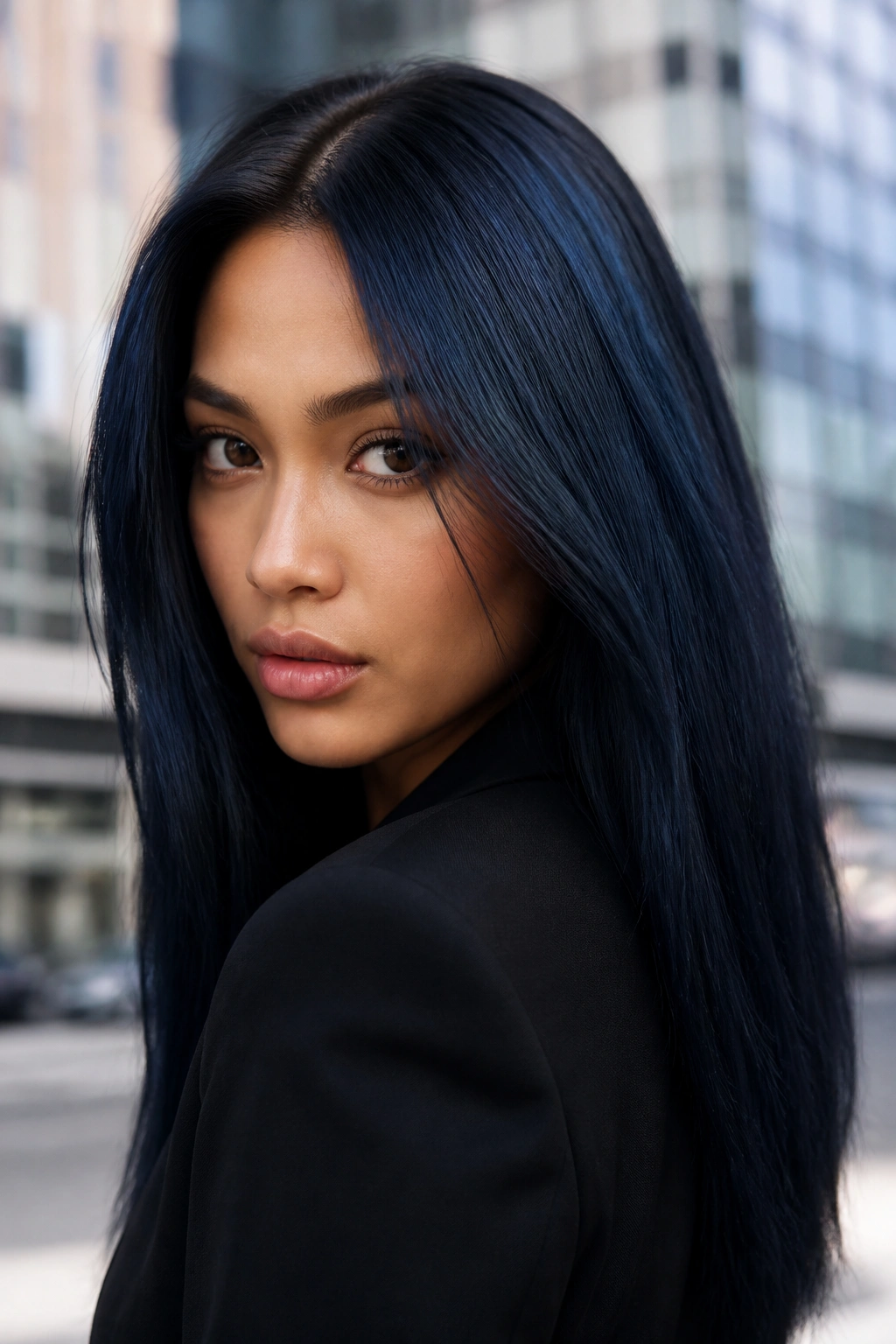
Some black hair shades look like a wig under daylight. Blue-black doesn’t. The blue base gives the black a reflective edge, so it looks deeper, not just darker.
That matters on cool skin because the tone echoes the undertone instead of sitting against it. On a pale cool complexion, blue-black can look striking and clean. On deep cool skin, it often reads luxurious and sharp, especially when the hair is straight or in smooth waves. The shine is the whole game here.
What to ask for is simple: a black base with a visible blue reflect, not a pure neutral black. The color should look inky indoors and show a subtle navy cast outside. If it looks green, the formula went wrong. If it looks flat, it also went wrong.
- Best for: People who want strong contrast.
- Style match: Sleek blowouts, blunt cuts, glossy ponytails.
- Maintenance: Shine serum matters more than toning shampoo here.
- Risk: If the finish is dull, the color can look harsh.
Blue-black works when it looks wet, not dusty. That’s the whole trick.
11. Velvet Black
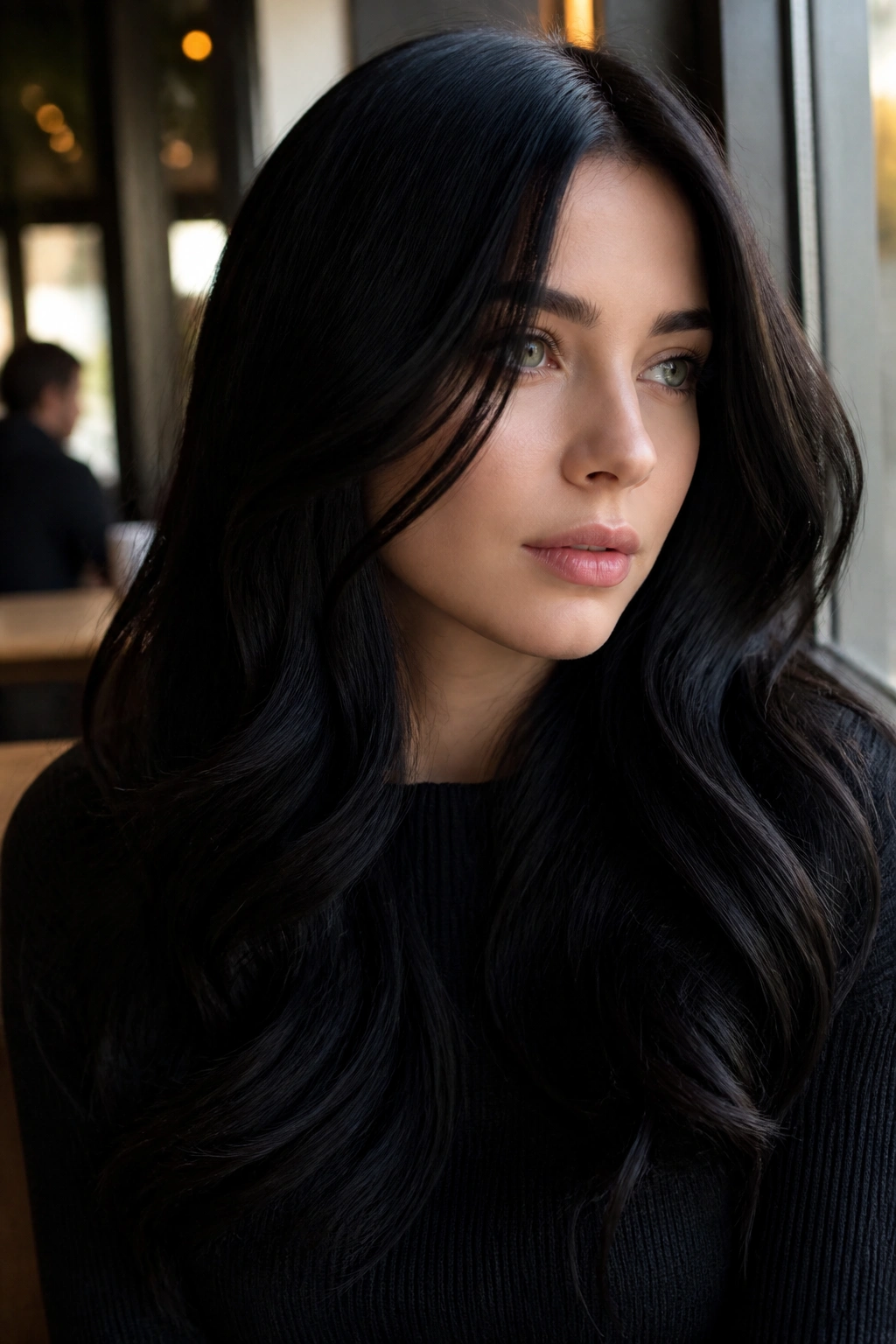
Velvet black is softer than blue-black and a touch more neutral, which makes it a strong choice for cool skin that wants depth without visible blue sheen.
This shade can look almost pure black in low light, but the velvet finish keeps it from feeling dead. There’s a little softness in the surface, the way a good black coat has texture instead of looking painted on. That’s why it works so well on layered cuts and longer hair with movement. The light catches the strands differently, and the color feels expensive without trying too hard.
I especially like velvet black for people with cool skin and cool eyes who want contrast but not drama. It flatters strong brows, dark lashes, and cleaner makeup looks. It can also make pale skin look more vivid, which sounds simple until you see how often the wrong black can make the face look tired.
The one thing I would not do is let the finish go matte. Matte black tends to flatten the face. Keep it glossy, keep it rich, and let the cut do some of the work.
12. Burgundy Wine for Cool Skin Tones
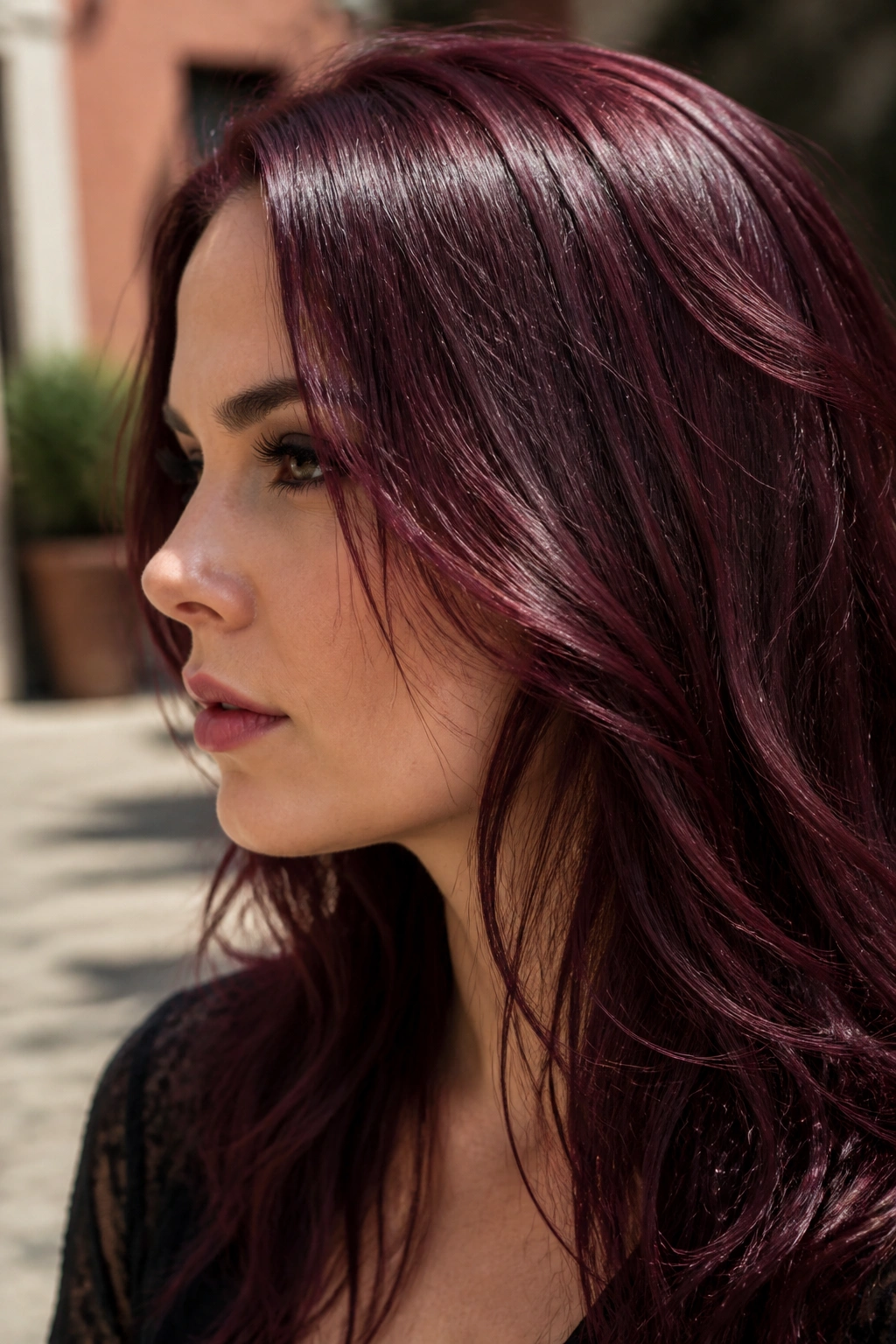
Burgundy wine for cool skin tones is one of the easiest ways to wear red without drifting into copper. The violet base keeps the color cool, and that coolness is what makes it work.
Unlike warm red or auburn, burgundy has a darker, wine-like depth that sits neatly against pink and blue undertones. It can look almost brown indoors and much richer in daylight, which is part of the appeal. The shade gives the hair life, but it doesn’t glare. It feels moody in a good way.
This color is especially useful if you want a change from brunette but are nervous about bright red. Burgundy lives in the same family as deep wine, plum, and black cherry, so it feels familiar. Still, it changes the face. Cheeks look fresher, lips look richer, and silver jewelry suddenly makes sense again.
The best versions stay more violet than orange. That means avoiding copper fillers, heavy cinnamon notes, and anything that leans pumpkin in the sun. If you want the shade to hold, use color-safe shampoo and wash with cooler water when you can. Burgundy fades beautifully when it’s treated gently.
13. Black Cherry
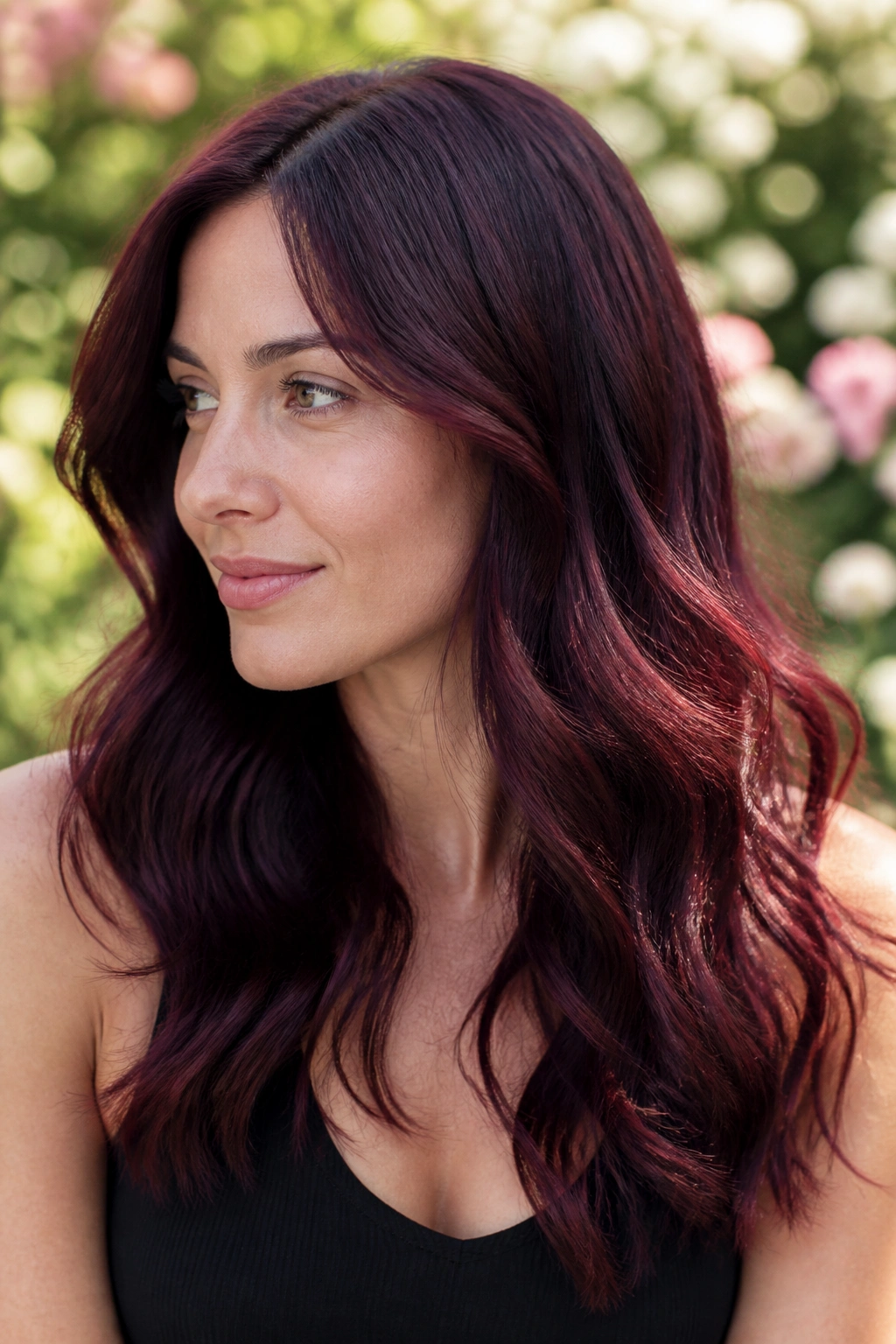
Black cherry is what happens when dark brown meets cherry red and refuses to go warm. In low light, it can look almost black. In sunlight, the cherry side wakes up and gives the hair a deep red shimmer.
That duality is why it suits cool skin so well. The darker base keeps the color grounded, while the cherry cast stops it from feeling flat. It’s a strong pick if you want a little attitude without jumping straight into a loud red. The color has enough depth to be elegant and enough brightness to feel alive.
What makes the shade work
- Salon note: Ask for a dark brunette base with a cool red-violet glaze.
- Best cut pairing: Waves, curls, and layered shapes that show movement.
- Maintenance: Refresh the gloss before the red fades to brown.
- Warning: If the red shifts orange, the formula is too warm.
Black cherry has a habit of making the hair look thicker because the contrast is so rich. That’s a nice side effect. So is the fact that it flatters black clothing, berry lipstick, and cool-toned blush without competing with them.
14. Plum Black
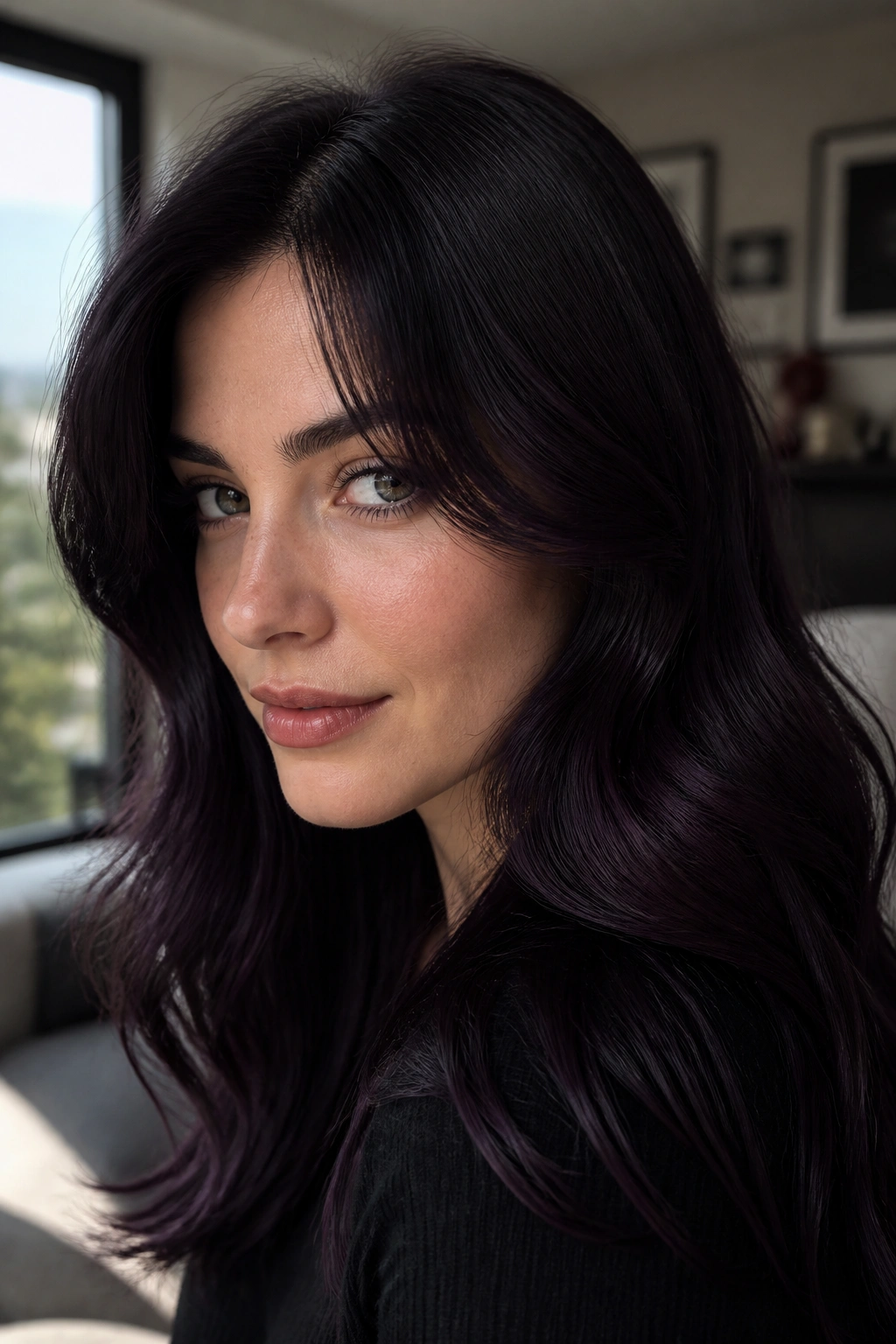
Plum black is the shade for someone who wants drama, but not the kind that shouts from across the room. The plum note sits under the black base, so the violet only shows when the light moves across the hair.
That hidden color is exactly what cool skin tends to like. Pure black can be a lot. Plum black keeps the depth, but the violet softness makes the face look less severe. It’s a smart choice if you love dark hair but want a little more personality than blue-black or velvet black gives you.
The shade also photographs well in mixed lighting because it changes a little as you move. Indoors, it can read like polished black. Outside, the plum side shows up at the edges and around the crown. That little shift keeps it from feeling one-note.
If you ask for this color, use the word plum-violet black rather than red-black. Red-black often drifts warm. Plum-black stays in the cool lane. It is the difference between moody and muddy, and the line matters more than people think.
15. Mulberry Brown
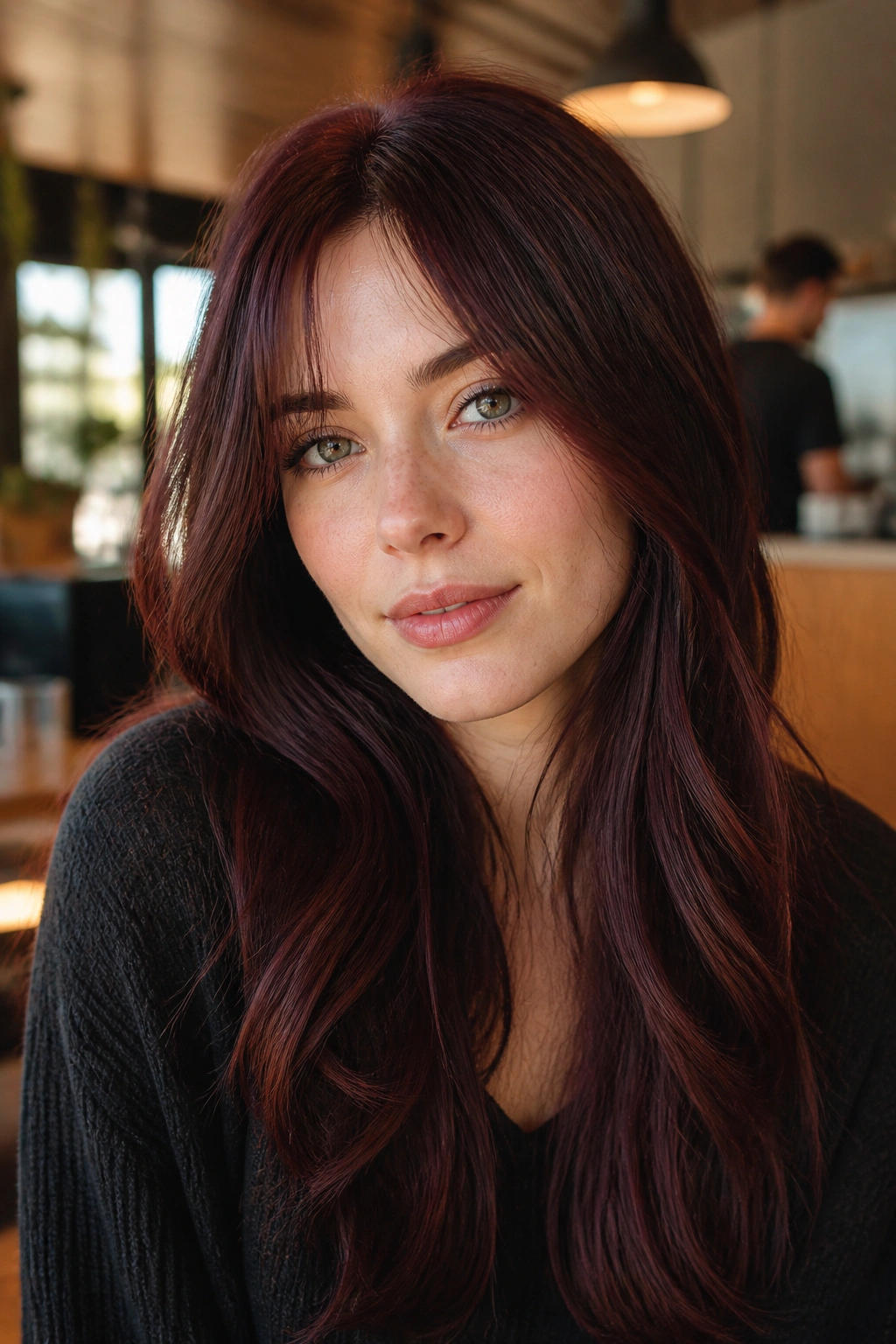
Why does mulberry brown look so good on cool skin when red-brown usually doesn’t? Because the red in mulberry is blue-based, not copper-based. That small shift makes the whole color behave.
Mulberry brown sits between brunette and berry. It is darker than burgundy, softer than cherry, and a little more wearable than purple. On cool skin, it can make the complexion look richer without creating the orange cast that ruins so many “reddish brown” shades. It’s one of the few red-leaning colors that still feels grounded.
How to ask for it
- Ask for a brown base with red-violet reflects.
- Keep the tone closer to berry than cinnamon.
- Ask for a gloss if you want shine without heavy commitment.
- Best on hair that already has some depth at the root.
This color is especially nice if you want to move away from plain brunette but do not want to live in fashion-color territory. It feels grown-up, but not boring. And when it fades a little, it usually softens into a cooler brown instead of turning brassy. That is a win.
16. Smoky Violet
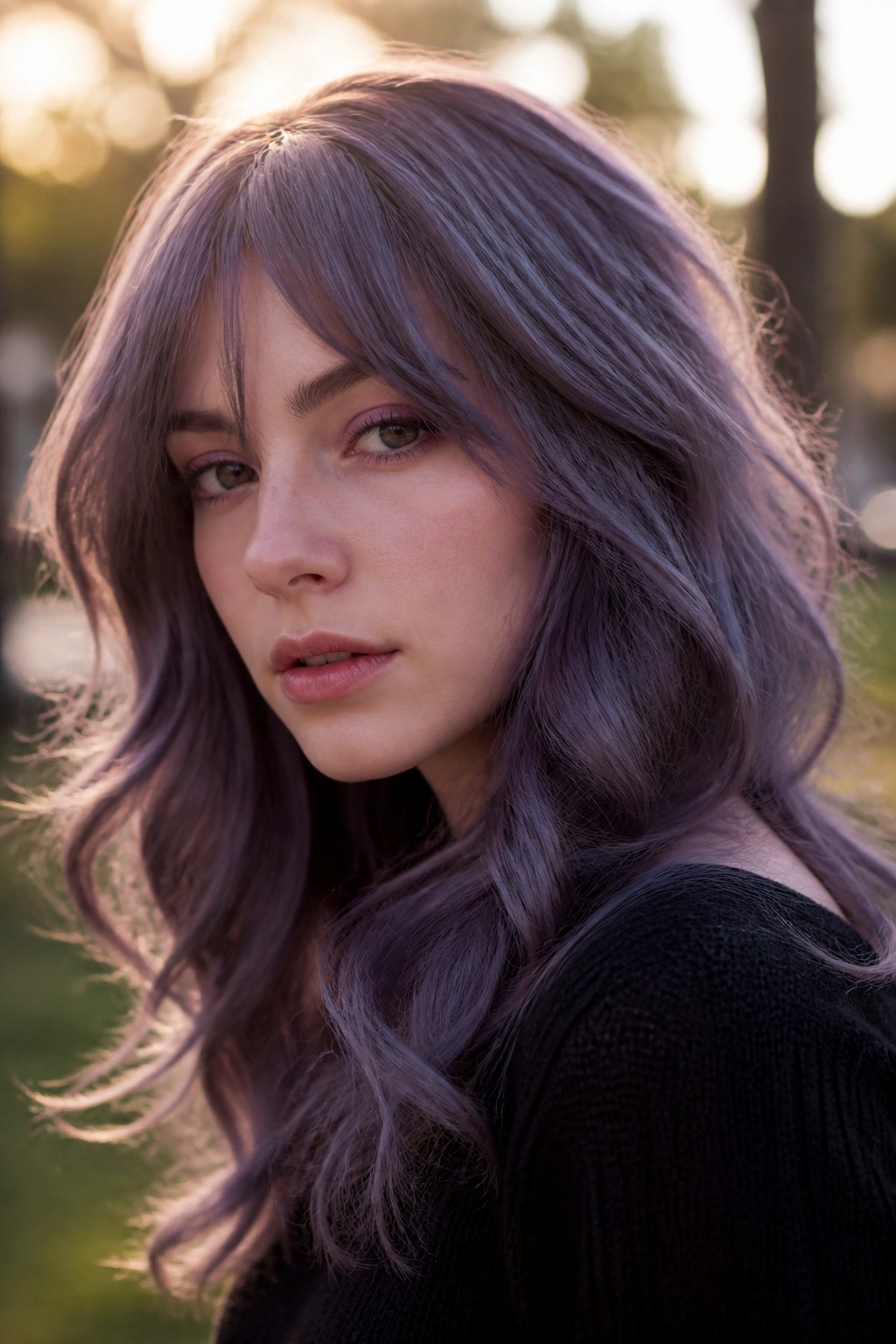
If your hair has ever gone orange when you wanted purple, smoky violet is the safer, smarter version of the idea. It keeps the violet base, but the smoke tones stop it from reading neon or candy-colored.
On cool skin, that muted violet can be gorgeous. It has enough color to feel special, but the gray edge keeps it refined. The shade works best on pre-lightened hair, usually at a pale blonde base, because violet needs a clean canvas to look even. If the base is too yellow, the color can skew muddy. If it is too dark, the violet can disappear.
- Best on: Short bobs, lobs, and smooth layers.
- Good pairing: Cool makeup, silver jewelry, black clothing.
- Maintenance: Color-depositing conditioner helps between salon visits.
- Risk: Porous ends can grab the violet and look patchy.
Smoky violet is not quiet, but it is not loud either. That middle ground is why it flatters cool skin so well. It looks deliberate. It looks like someone knew exactly what they were doing.
17. Dusty Mauve
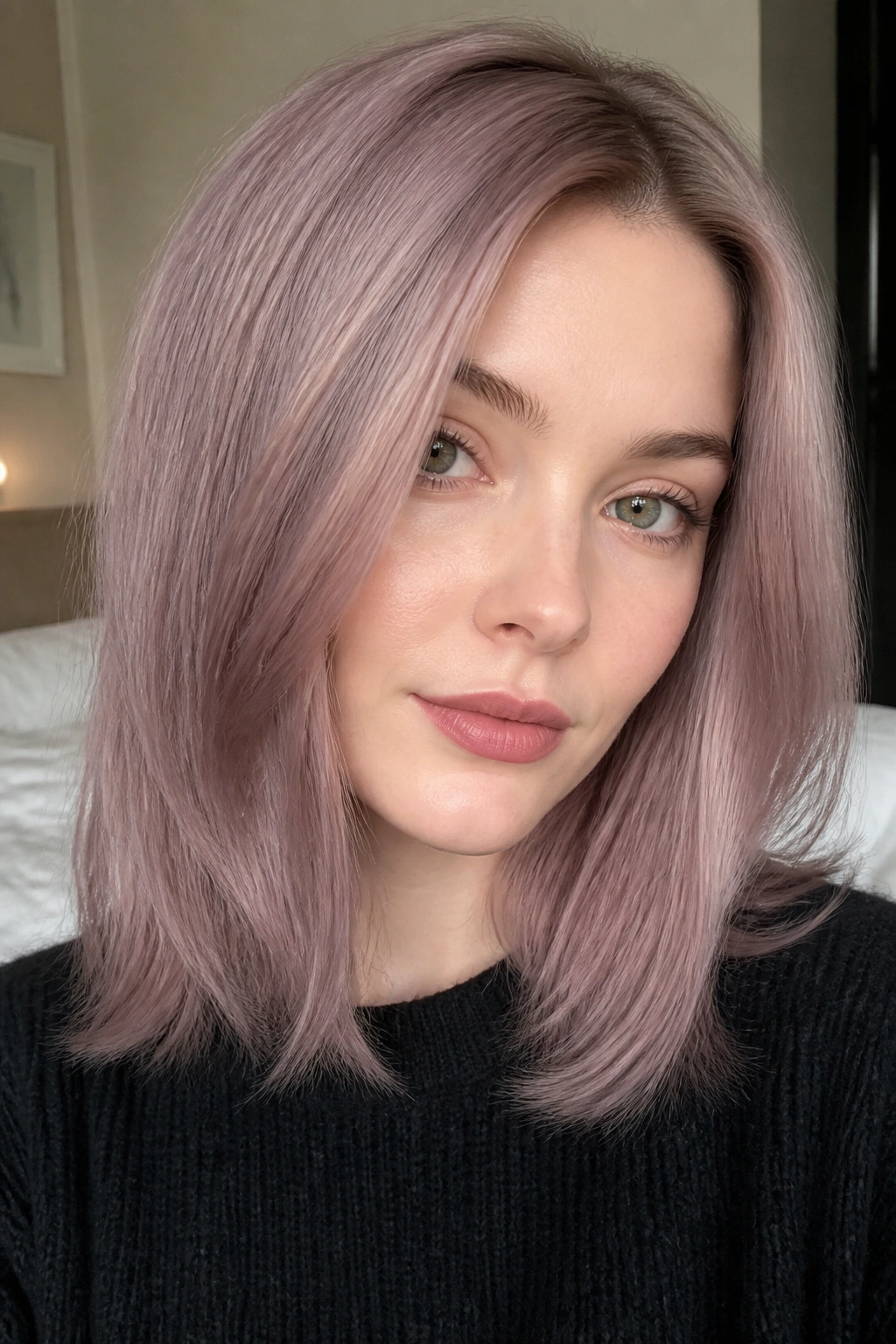
Dusty mauve is the shade people point to when they want something soft, pretty, and a little offbeat without jumping into bright pastel territory. The gray in the color keeps the mauve from going bubblegum, which is why it works so well on cool skin.
This one is especially lovely if your skin has a rosy cast or if you like cooler blush tones in clothes and makeup. Dusty mauve can make the face look fresher without stealing all the attention. It has a quiet, washed-velvet quality that feels gentle rather than sugary.
Because the shade is lighter and softer than plum or burgundy, it often looks best on pre-lightened hair. A pale blonde base lets the mauve sit cleanly and evenly. If you try to put it on darker hair, you’ll lose the whole dusty effect and just get a hint of tint. That can be pretty, but it is not the same thing.
This is a color for people who like softness with a little edge. It’s easy to wear with gray sweaters, silver hoops, and simple makeup. The shade does not need much else.
18. Charcoal Brown
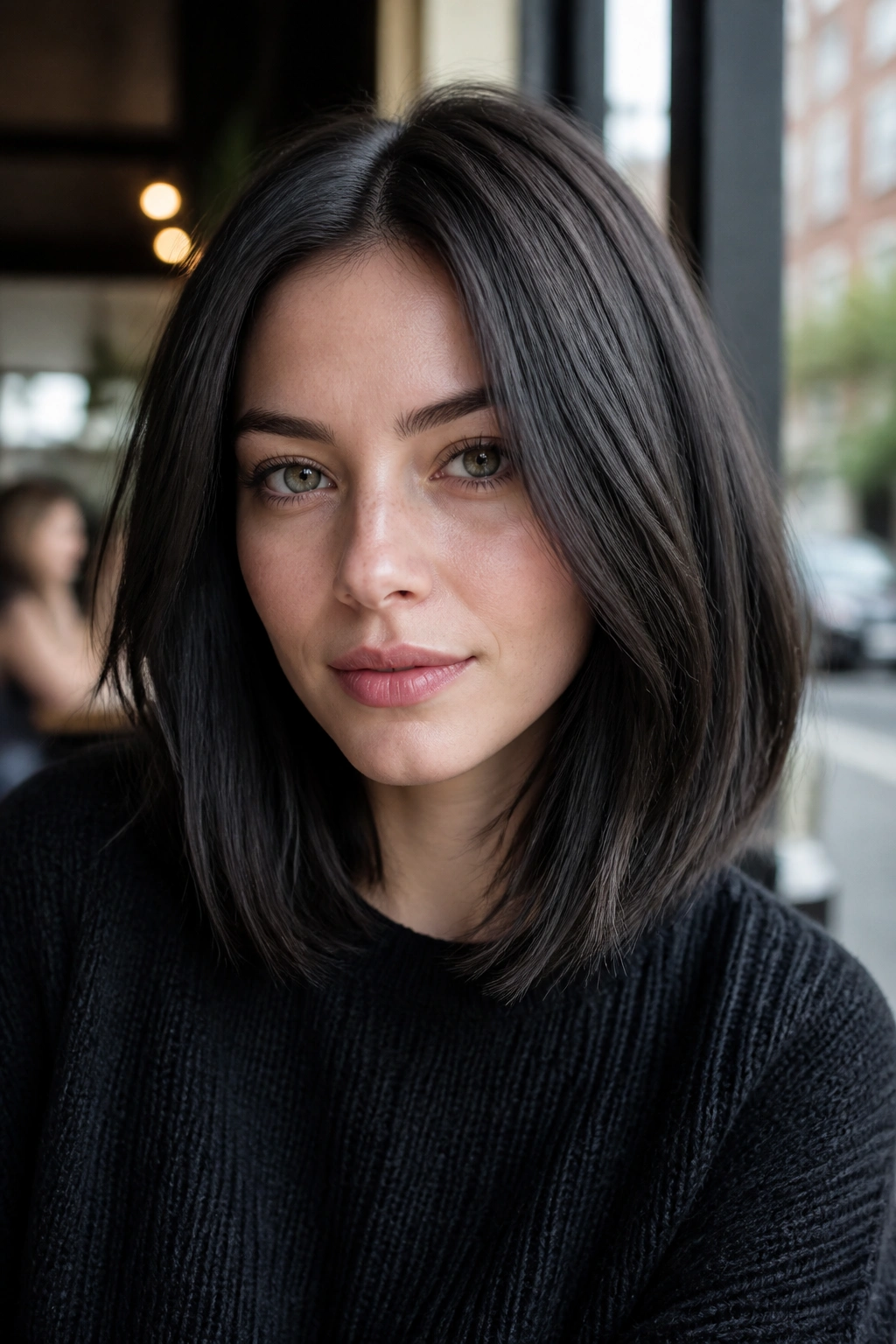
Charcoal brown is what I’d call the sensible dark choice for cool skin. Unlike pure black, it leaves a little room for dimension. Unlike mushroom brown, it stays dark enough to feel sleek.
That balance matters more than people admit. Black can be too sharp. Espresso can lean warm if the formula slips. Charcoal brown sits in the middle with a cool, smoky cast that stays flattering on pink, blue, or neutral-cool undertones. It also grows out better than black because the line between roots and length is softer.
This shade is especially good if you want low maintenance but still want your hair to look finished. It works on straight hair, curls, blunt cuts, and layered styles. A cool gloss every few weeks keeps it from warming up, and a shine spray can make the color look deeper without making it greasy.
If you like dark clothes, silver jewelry, and clean makeup, this is one of the easiest colors on the list to live with. It’s not flashy. It doesn’t need to be. Charcoal brown quietly does the job, and then it keeps doing it.
Cool skin tones have a lot of range. They are not locked into blondes, and they do not need to avoid dark color just because somebody once said black is too harsh. The real question is tone, not darkness.
If you want the safest place to start, look at the ash, pearl, smoky, and violet families first. If you want more drama, the blue-black, burgundy, plum, and mauve shades bring it without abandoning the cool lane.
