



There is something genuinely transformative about sitting in a salon chair for a few hours. The smell of hair products, the rhythmic sound of hair being parted, and the patient hands of a stylist braiding your hair into a new style—it’s a ritual that goes far beyond a simple aesthetic choice. Whether you are looking for a protective style that gives your natural hair a break from heat and styling tools or you just want a low-maintenance look that lasts for weeks, braiding offers a versatility that few other hairstyles can match.
Choosing the right style often comes down to your lifestyle, your hair texture, and how much time you are willing to spend in the chair. Some styles are designed to be sleek and professional, while others are playful, textured, and perfect for the warmer months. As you navigate the countless options available, it helps to understand not just how the style looks, but how it is constructed, how it maintains, and whether it aligns with your hair goals.
Let’s look at 18 distinct braid styles that serve as staples for everyday wear, each with its own personality and practical benefits.
1. Classic Box Braids
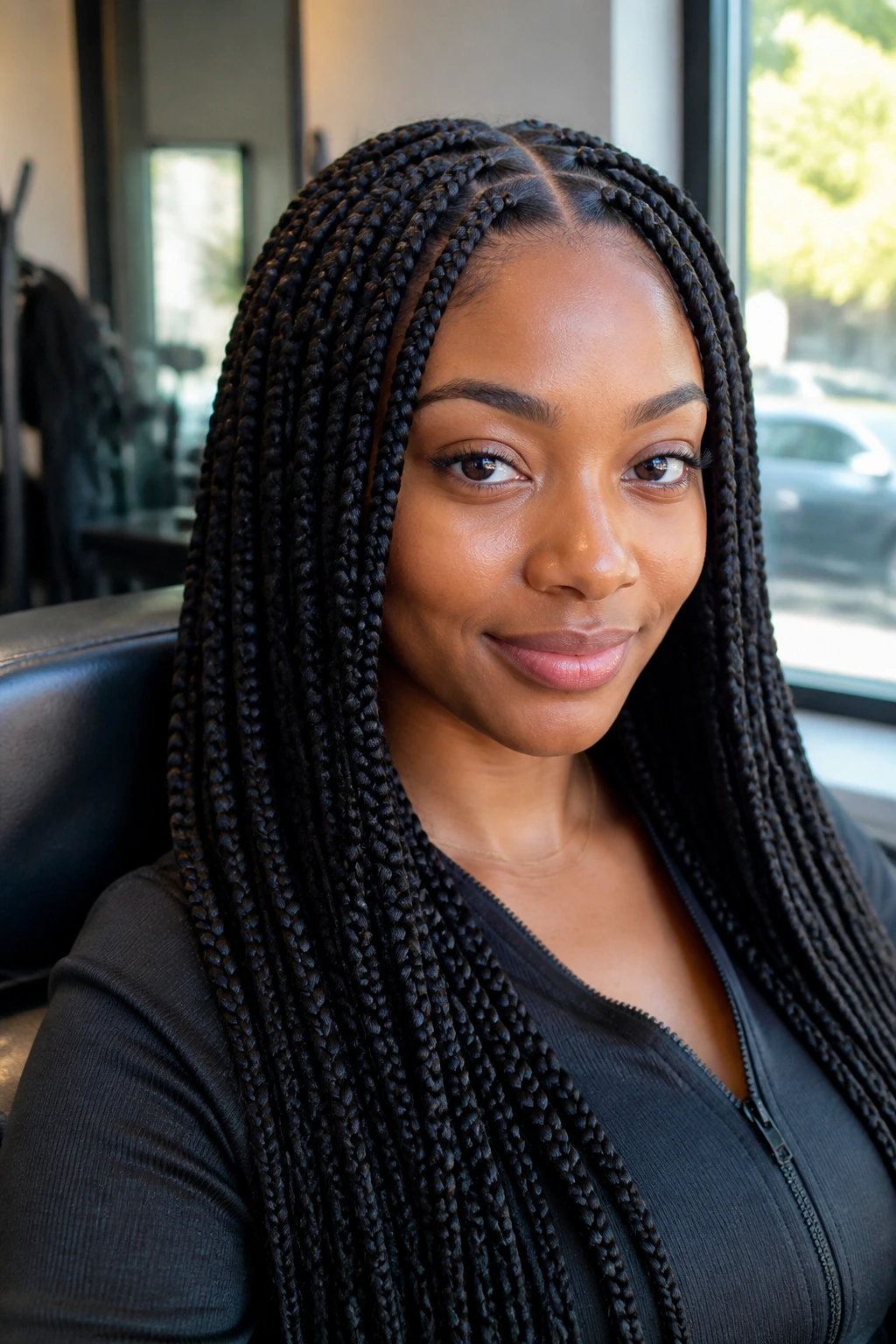
Box braids are the quintessential protective style, characterized by square-shaped parts across the scalp. They are timeless for a reason—they offer incredible versatility in length, thickness, and color. When you get box braids, the hair is essentially sectioned off into small, uniform squares, and synthetic or human braiding hair is woven into your natural hair to create individual, hanging plaits.
Why They Remain a Staple
The sheer durability of box braids is their biggest selling point. If installed correctly, they can last for several weeks, making them a fantastic “set it and forget it” option for a busy professional or student. You can style them in high buns, leave them down, or pin them back without worrying about daily manipulation of your natural hair.
Tips for Success
- Don’t braid too tight: You might be tempted to ask the stylist to make them extra tight to extend their lifespan, but this leads to traction alopecia and thinning edges.
- Moisturize your scalp: Your scalp still needs attention even when it’s covered in extensions. Use a lightweight oil or a scalp serum to keep the skin underneath hydrated.
- Watch the weight: If you have fine or thinning natural hair, avoid jumbo box braids. The extra weight can pull on your follicles more than you might realize.
Pro tip: If you find the ends are unraveling, dip them in hot water—but carefully. A mug of freshly boiled water works wonders for sealing the synthetic hair and preventing fraying.
2. Cornrows with Heart Designs

Cornrows are a fundamental braiding technique where the hair is braided close to the scalp in continuous, raised rows. Recently, the artistry of cornrows has evolved, moving away from simple straight-back patterns toward more intricate, geometric designs, with hearts being one of the most popular and charming variations.
The Art of the Part
The “heart” design usually sits at the crown or the side of the head, incorporating one or two heart-shaped braided sections into an otherwise standard cornrow pattern. It’s a subtle way to personalize a style that might otherwise look uniform. This style works best with a stylist who has a steady hand, as the symmetry of the heart is what makes it look clean rather than messy.
Maintaining the Shape
- Silk or satin scarves: You must wrap your hair at night to keep the parts from getting fuzzy.
- Edge control: A small amount of edge gel will help keep the perimeter looking sharp. Be sure to use a non-flaky formula, or you will end up with white residue by day two.
This is a youthful, playful style that leans into self-expression. It’s perfect for someone who wants to show a bit of personality without committing to the full-length extension process that something like box braids requires.
3. Fulani Braids

Named after the Fula people of West Africa, this style has become globally recognized for its distinct combination of cornrows in the front and box braids in the back. The hallmark of Fulani braids is the inclusion of accessories like beads, cowrie shells, or gold cuffs, typically placed along the braid closest to the face or the center part.
Why This Style Works
Fulani braids offer a sophisticated, bohemian aesthetic. They frame the face beautifully because the front section usually features a cornrow braid that hangs near the temple or runs vertically, adding movement and interest near your eyes and cheekbones. It’s a very intentional style—every bead placement and braid direction matters.
Styling Accessories
- Wooden beads: These provide a classic, earthy look.
- Gold cuffs: Use these for a more polished, metallic finish that looks great in a professional setting.
- Cowrie shells: These add a rich, cultural depth to the style.
Don’t overdo the accessories. The beauty of Fulani braids lies in the balance between the intricate braiding pattern and the sparse, deliberate placement of the ornaments. Too many beads can make the style heavy and noisy when you move your head.
4. Tribal Braids

Tribal braids refer to a category of styles inspired by specific African tribal traditions, often characterized by intricate “stitch” techniques. You might see these called “stitch braids” or “Ghanian braids” depending on the region and the specific braiding method used. The defining feature here is the precision of the parts—usually horizontal or vertical lines that look like they were drawn with a ruler.
The Stitch Technique
The “stitch” refers to how the hair is fed into the braid. Your stylist uses their fingernails or a tail comb to create precise horizontal lines across the section of hair before braiding it in. This gives the braid a raised, defined, “stitched” appearance that sets it apart from a standard, flat cornrow.
Considerations for Longevity
This style relies heavily on clean parts. As your hair grows out, the “stitch” pattern becomes less distinct. If you are someone who gets frustrated when a hairstyle starts to look “old” after two weeks, keep in mind that this is a style that looks best when it is fresh. It is not necessarily a long-term protective style in the same way that knotless braids are.
5. Lemonade Braids

These are essentially side-swept cornrows. They gained immense popularity after a specific celebrity wore them, but they are a classic style that deserves a permanent spot in the rotation. The defining characteristic is the direction: all the braids are fed into the scalp and directed toward one side of the head.
The Visual Flow
Lemonade braids create a dramatic, sweeping effect. Because they all go in one direction, they frame the face on one side while exposing the other, which can feel quite glamorous. They are usually done with long hair, which enhances that dramatic “swish” when you turn your head.
Why They Are Practical
- Less tension: Because you aren’t pulling the hair in different directions to create complex patterns, they often feel lighter.
- Maintenance: They are incredibly easy to wrap up at night. A simple silk bonnet will keep them smooth.
When asking for these, ensure the stylist matches the length of the extensions to your natural hair growth cycle. If you go too long, the braids can become heavy and start pulling on your edges, which is the exact opposite of what a protective style should do.
6. Goddess Braids
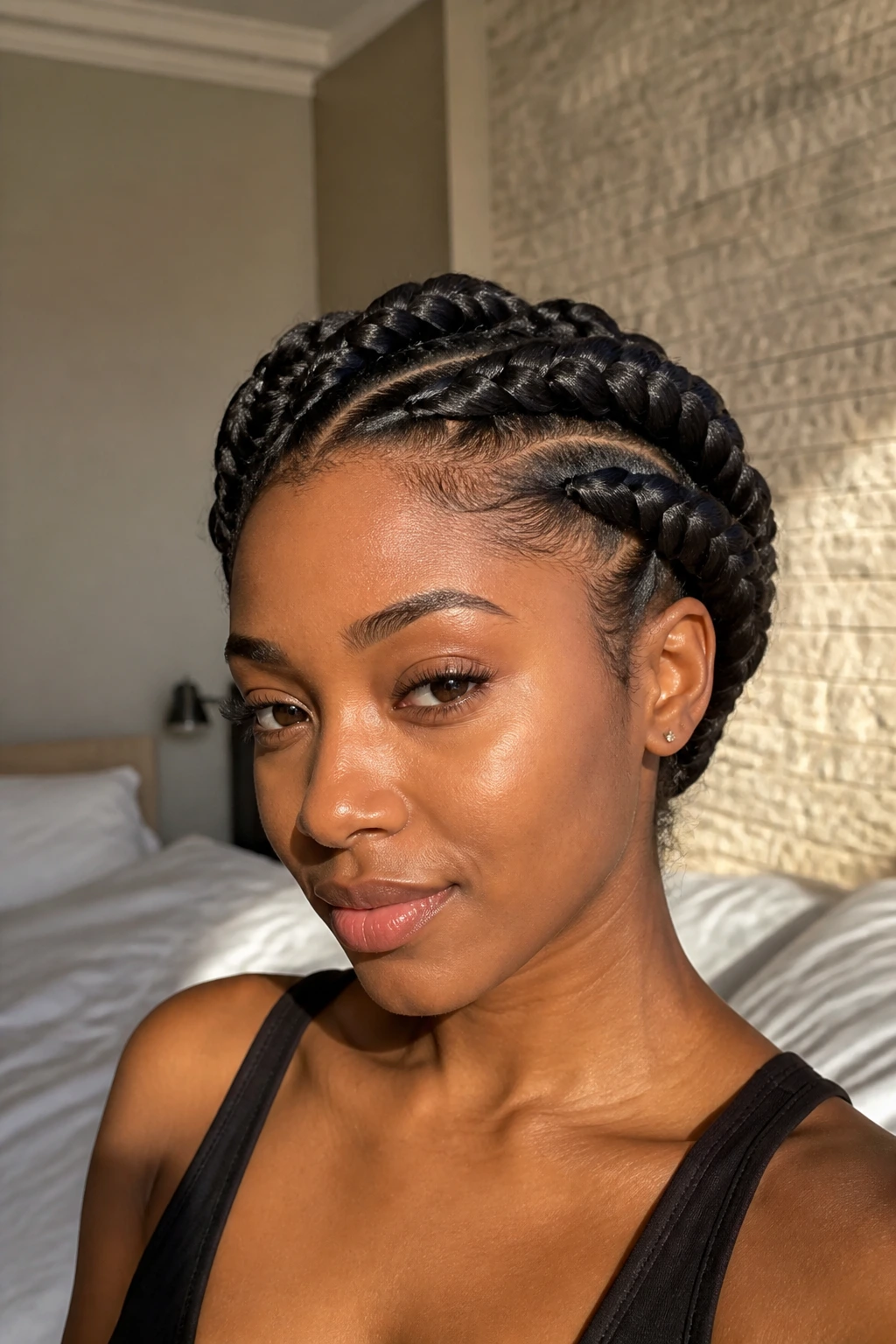
Goddess braids are essentially large, thick cornrows. They are often referred to as “jumbo cornrows” or “crown braids” because they usually follow the contour of the head, creating a regal, elevated look. They are usually done without extensions if your hair is long enough, or with a minimal amount of braiding hair to add volume.
Versatility in Styling
These are perfect for when you want a style that feels elegant but doesn’t take seven hours to install. You can style goddess braids in a variety of ways:
- The Crown: Two or three large braids that wrap around the head like a headband.
- Straight Back: Thick, defined cornrows that go from the hairline to the nape.
The “Goddess” Element
If you want the version that is more whimsical, you can ask for the “curly” goddess braid, where loose, wavy ends of the braiding hair are left out at the tip of each braid. This adds a soft, romantic texture that contrasts with the tight structure of the cornrows. Be warned: the loose hair will frizz over time, so you’ll need to apply a bit of mousse or oil to the curls every few days to keep them looking fresh.
7. Feed-In Braids
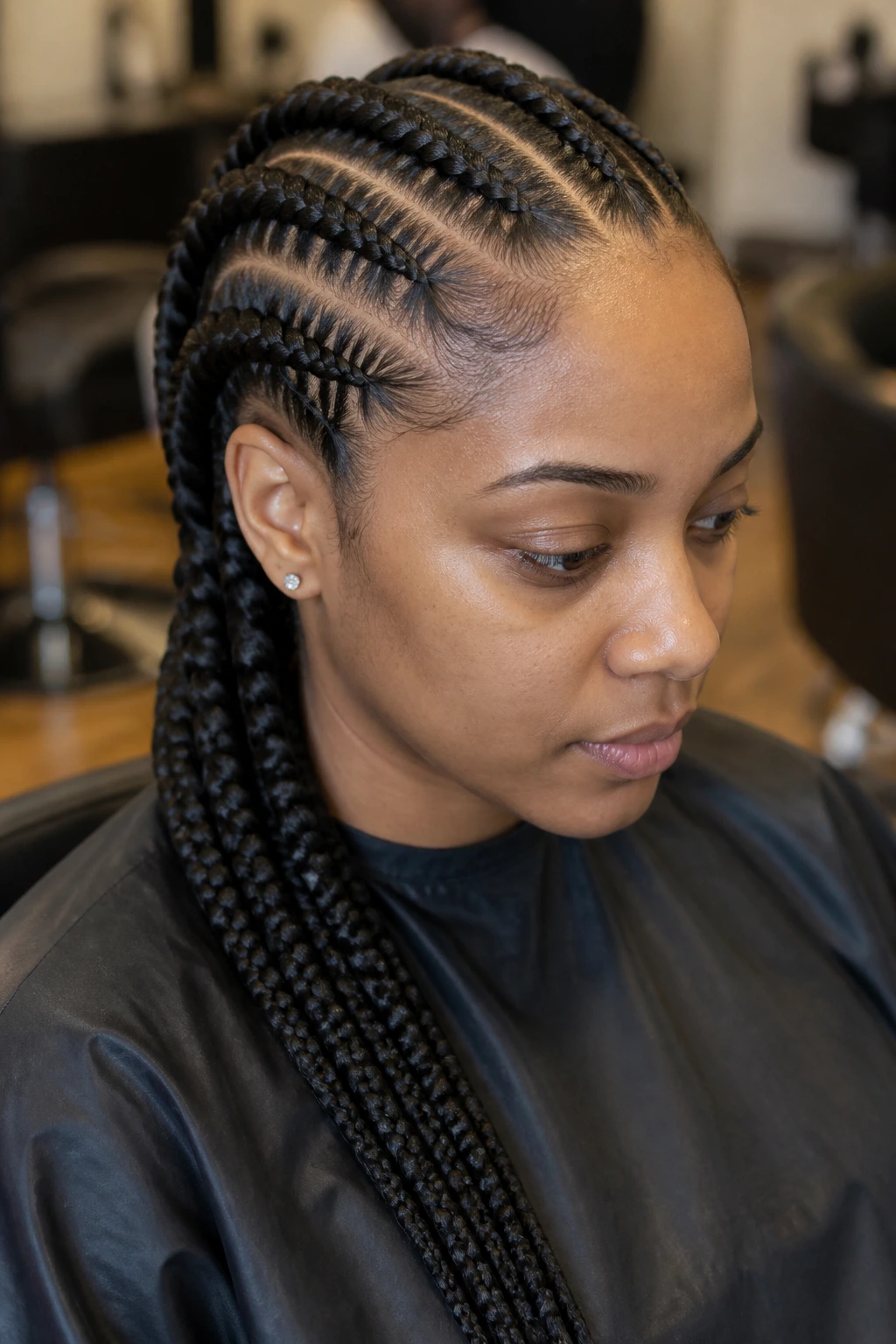
Feed-in braids are a technique where the braiding hair is added to your natural hair at the very start of the braid, gradually “feeding” it in to increase the size as the braid moves down. This mimics the look of a natural braid that starts very small near the hairline and gets thicker as it progresses.
Why They Are Popular
The main benefit here is the lack of a knot at the base of the braid. With traditional cornrows, you often start with a visible knot of synthetic hair right at the hairline. With feed-ins, it looks like your natural hair is just growing into the braid. It’s cleaner, flatter, and looks much more realistic.
The Skill Gap
This style requires a skilled braider. If the hair isn’t fed in correctly, you might see “bumps” where the new hair was added. A good stylist will feed the hair in so smoothly that you cannot tell where your natural hair ends and the extensions begin.
8. Knotless Box Braids

Knotless braids have become the gold standard for those who dislike the tension and weight of traditional box braids. Instead of starting the braid with a knot of synthetic hair wrapped around the base of your natural hair, the stylist starts by braiding your natural hair and then feeds the extension in, a few strands at a time.
The Immediate Difference
The result is a braid that is flat, flexible, and weightless from the moment it is installed. You know that heavy, stiff feeling you get with fresh box braids that prevents you from pulling them into a bun? You don’t have that with knotless braids. They move like your own hair, they are easier to style into high ponytails, and they are much gentler on your scalp.
Is There a Downside?
Yes—the time. Because the technique requires feeding in small amounts of hair, it takes longer to install than traditional knotless braids. You should also expect them to slide out a bit sooner than knotted braids, simply because there is no knot to anchor the extension to your head.
9. Micro Braids

Micro braids are the delicate, tiny, thin braids that defined the look of the late 90s and early 2000s. They are time-consuming to install, but the end result is a full head of braids that look almost exactly like loose hair.
The Aesthetic
Because the braids are so small, you have nearly unlimited styling options. You can wear them in a high bun, braid the braids themselves, or let them hang loose. They look more like a “hair texture” than a protective style, which is why they are so popular for people who miss the feeling of having free-flowing hair.
Important Warnings
- Tension: Micro braids are notorious for causing thinning if they are too tight or if the sections are too small for the amount of synthetic hair used.
- Removal: Taking them out is a labor of love. Do not rush this process, and do not try to cut them out close to your natural hair roots. You will inevitably cut your own hair by accident. Use a detangling spray and a rat-tail comb to patiently unravel each one.
10. Halo Braid

A halo braid, or crown braid, is a classic style where a single or double braid wraps around the entire perimeter of your head, creating a “halo” effect. It is a stunning, formal style that is perfect for events, weddings, or just a day when you want to feel a bit more polished.
Construction
You can achieve this with your natural hair if it’s long enough, or by using extensions. The stylist starts the braid at the nape of the neck or behind one ear and works in a circle around the head, incorporating hair from the crown until they reach the beginning again, where the tail is tucked and pinned.
Styling for Daily Wear
While this is often seen as a special-occasion style, it’s actually quite practical for daily wear. Once it’s installed, it’s off your neck and out of your face. If you use a little bit of hair gel or pomade during the braiding process, you can keep the style looking smooth and professional for several days.
11. Dutch Braids
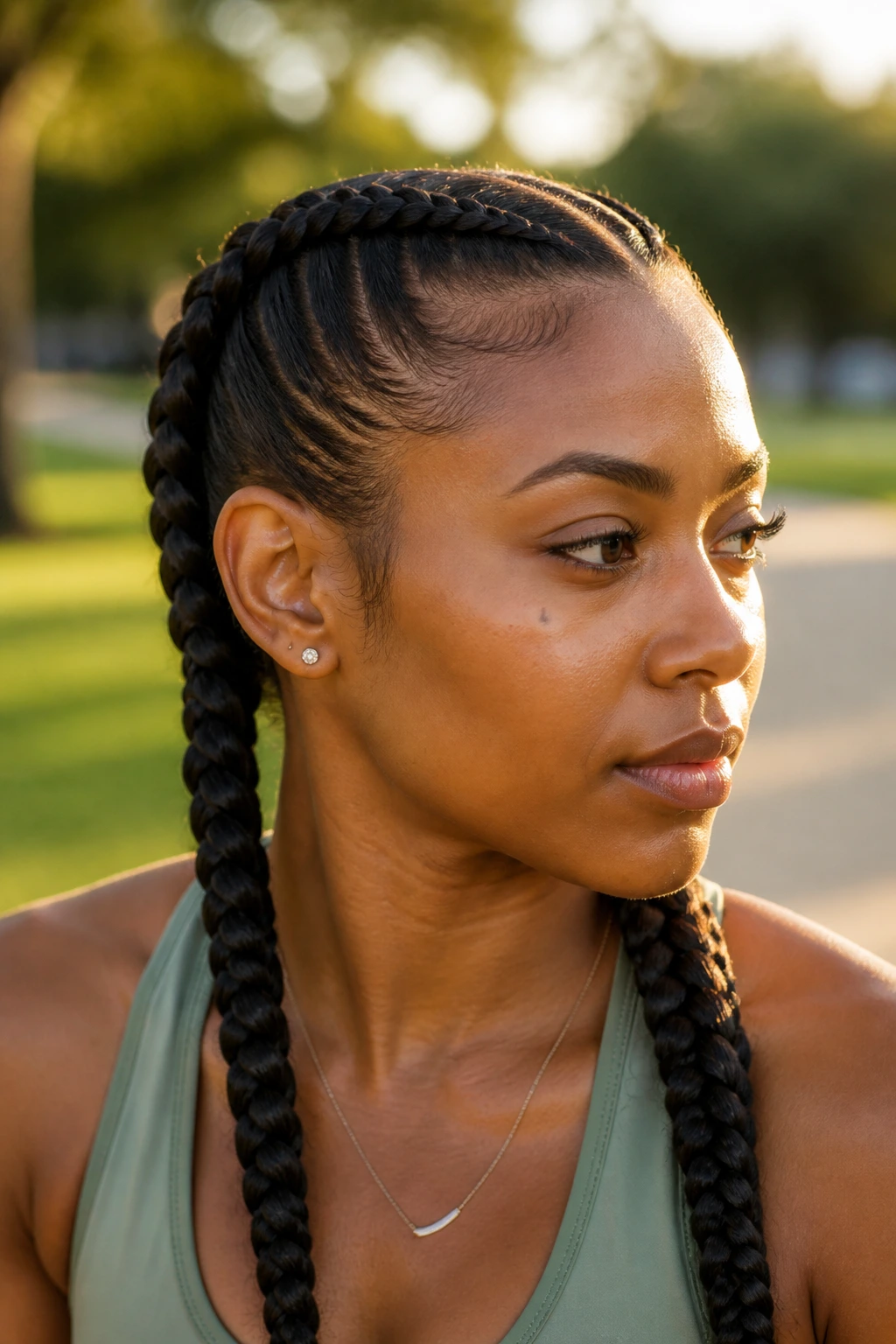
Dutch braids, sometimes called “inverted French braids,” are created by crossing the strands under rather than over. This makes the braid pop out from the scalp, creating a 3D effect. You will often see two Dutch braids going straight back, which is a sporty, durable look.
Why They Are Useful
This is one of the best styles for gym-goers or people who are very active. Because they are braided under and close to the scalp, they are extremely secure. They don’t flop around, they are easy to clean, and you can easily wear a baseball cap over them without messing up the style.
Texture Matching
If your hair is natural or has a coarser texture, Dutch braids are a fantastic way to stretch the hair. The tension keeps the hair elongated, and because you are braiding underneath, you can incorporate a little bit of leave-in conditioner or twisting butter to keep the hair hydrated while it’s in the braid.
12. Fishtail Braid

The fishtail braid is a sophisticated, intricate-looking style that relies on crossing two sections of hair repeatedly. It’s not a protective style in the same way that box braids are, but it is an excellent everyday style for long hair.
Mastering the Technique
It takes practice to get the hang of the movement. You divide your hair into two sections. Take a small piece from the outer edge of one section and cross it over to the inside of the other section. Repeat this on the other side. The smaller the sections of hair you grab, the more intricate the braid looks.
Adding Volume
If your hair is fine, the fishtail braid can sometimes look a bit thin. A simple trick is to gently tug on the edges of the braid once you’ve finished it. This “pancaking” technique spreads the braid out, making it look much thicker and fuller than it actually is. It creates a soft, boho aesthetic that looks great with a casual outfit.
13. Braided Ponytail
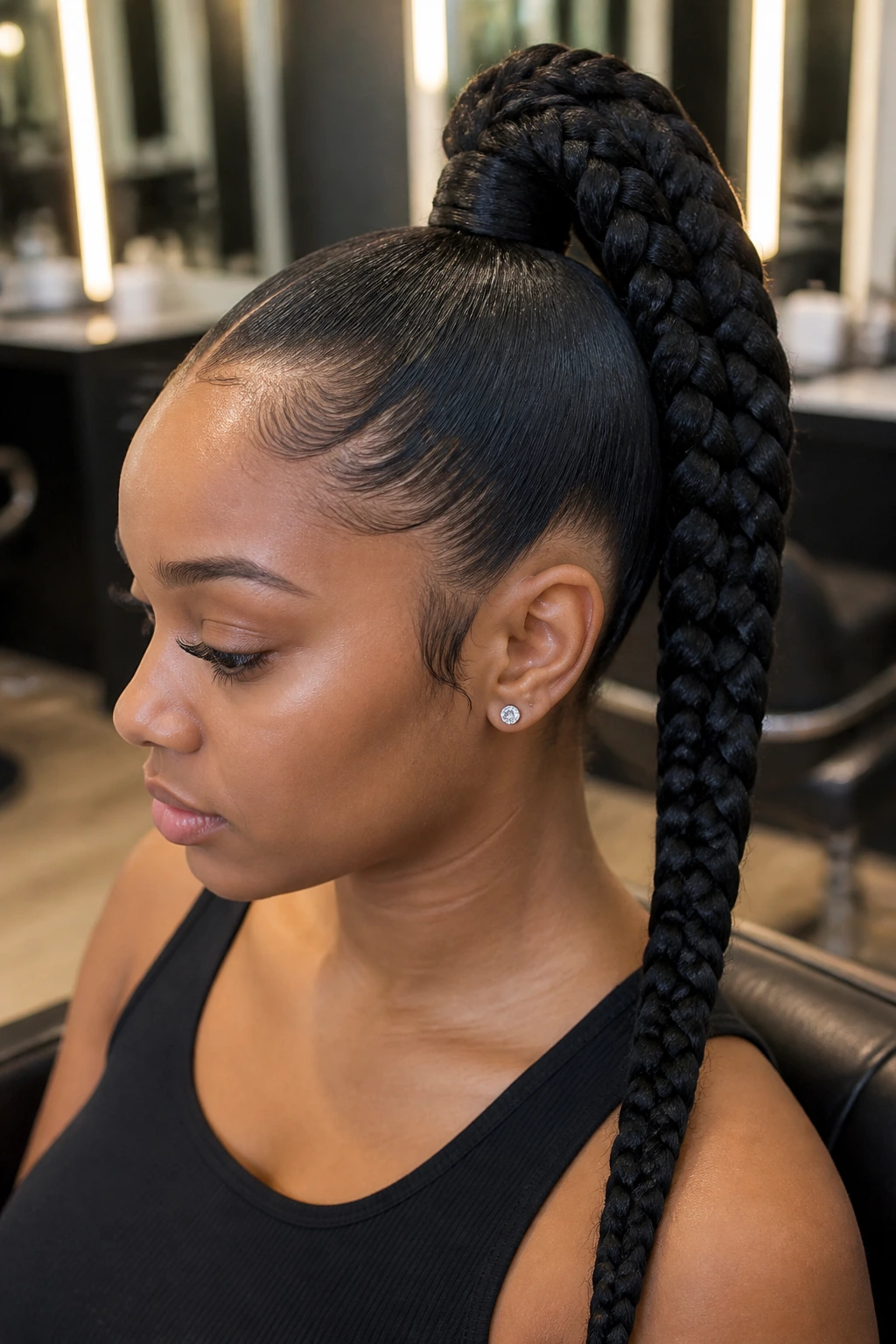
This is the ultimate professional style. It involves gathering all of your hair into a high ponytail and then braiding the tail. It’s clean, it’s sharp, and it gets the hair completely off your face and neck.
Variations
- The sleek base: Use a high-quality gel or pomade to slick your natural hair down at the root before attaching the braided ponytail extension. This creates a sharp contrast between the smooth roots and the textured braids.
- Bubble braids: Instead of a traditional plait, you can use rubber bands to create a “bubble” effect along the ponytail. This is faster and adds a modern, playful touch.
This is a go-to for busy mornings. If you have your ponytail base prepped, you can throw on a braided ponytail extension in seconds. It’s a great way to look put-together when you don’t have time for a full-head style.
14. Bantu Knots

Bantu knots are a traditional African hairstyle where the hair is sectioned into small squares or diamonds and twisted or braided into tight, coiled knots on the scalp. This style is both a standalone hairstyle and a method for achieving a heatless curls, but let’s focus on them as a style.
The Protective Aspect
Bantu knots are incredibly protective. The ends of your hair are tucked away and shielded from the environment. They also look structurally interesting. You can do them uniform and neat for a structured look, or you can mix the sizes for a more organic feel.
Handling Tension
Be careful with the base of the knots. Because they are often secured with rubber bands or by twisting the hair very tightly at the root, they can cause tension headaches if you make them too tight. Ensure the base is comfortable. If you feel a “pull” when you turn your head, they are too tight.
15. Crochet Braids
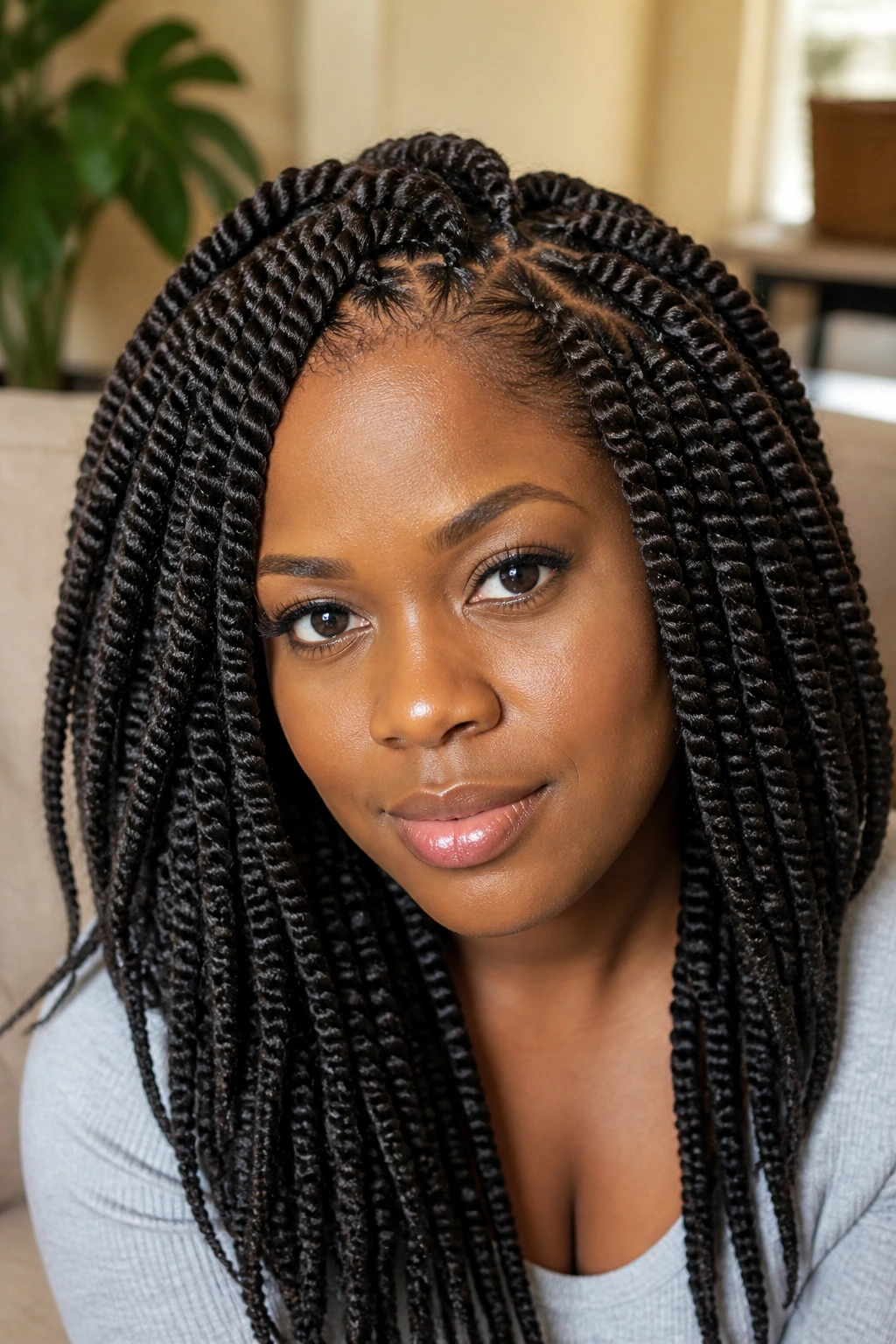
Crochet braids are technically an installation method rather than a braid style, but they are a vital part of the braiding conversation. A base of cornrows is created on your head, and then hair extensions are “crocheted” (looped) through those braids using a latch hook tool.
Speed and Volume
This is the fastest way to get a full head of braids, twists, or even curly hair. It is much easier to install than individual braids because you aren’t parting and braiding every single strand individually.
Maintenance
The key to crochet braids is the quality of the hair you choose. Because the hair is looped into a knot at the base, it can sometimes look bulky if you use too much hair. Less is often more. Focus on the style of the hair—whether it’s pre-braided, twisted, or loose—and ensure the cornrow base is not too thick.
16. Marley Twists
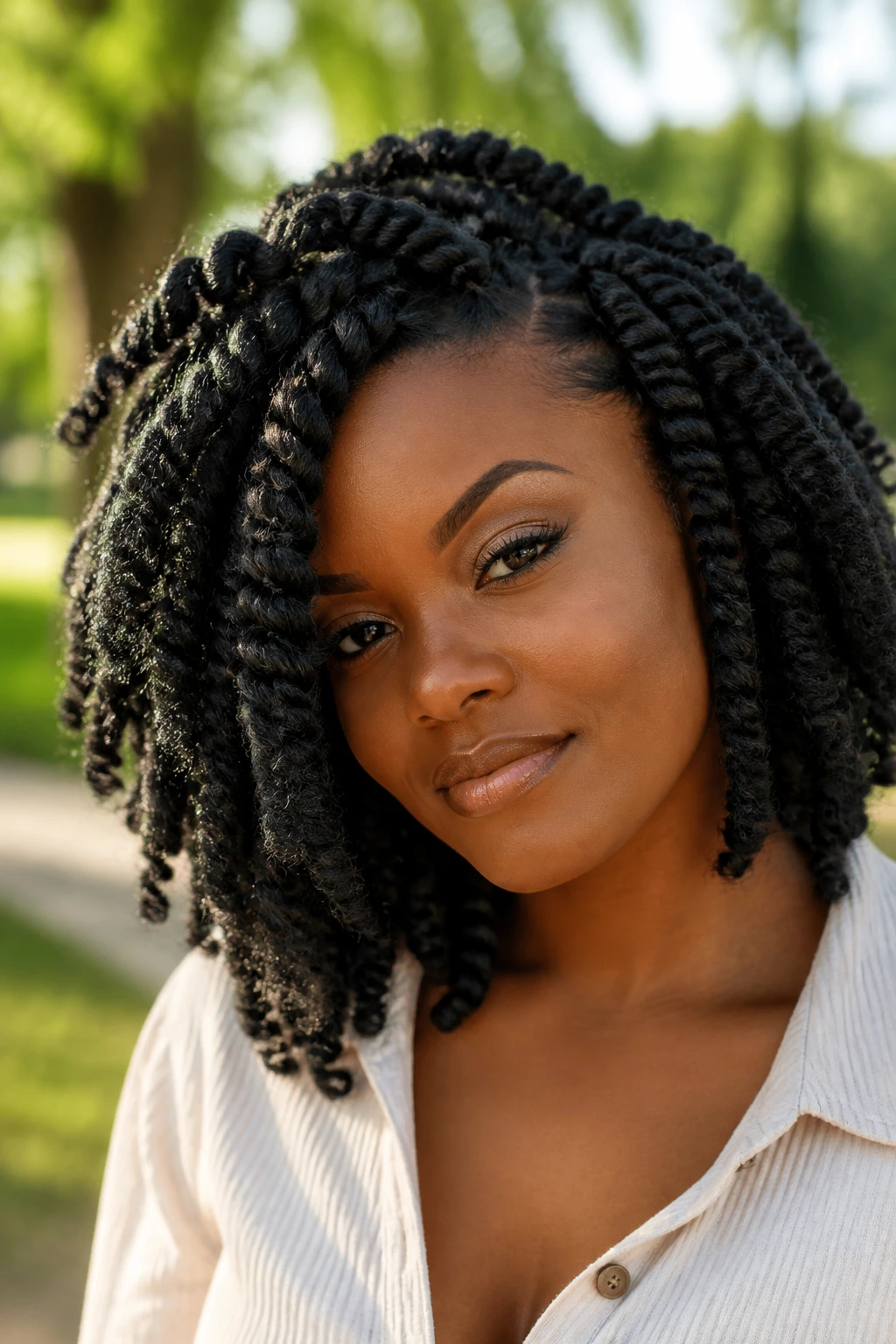
Marley twists are a form of two-strand twist that uses a coarser, thicker type of synthetic hair that mimics the texture of natural, afro-textured hair. They are heavier and have more volume than Senegalese twists, which gives them a very authentic, boho, and rugged aesthetic.
Why People Love Them
They look better the older they get. Unlike box braids, which look best when fresh, Marley twists have a natural, fuzzy texture. As they wear in, they look more like a natural texture, which many people find very appealing.
Weight Considerations
Because Marley hair is synthetic and coarse, it can be heavy. If you have a sensitive neck, avoid doing them too long. A shoulder-length or bob-length Marley twist style will feel much lighter and be easier to manage than a waist-length version.
17. Braided Bob

Short hair is having a moment, and the braided bob is the perfect way to embrace it without cutting your natural hair. You can achieve this with box braids, knotless braids, or even faux locs, simply by stopping the length at the jawline or the shoulder.
The Chic Factor
The braided bob is youthful, edgy, and requires very little maintenance. You don’t have to worry about the braids getting caught in your clothes or weighing you down. It’s also very easy to accessorize—a few gold cuffs on the ends or some color-popping braids at the front can really elevate the look.
Maintenance
The only real maintenance with a bob is the edges. Because the style is short and sits right at the jaw, it draws a lot of attention to your face and neck. Keep your edges clean and your scalp moisturized, and this style will look crisp for weeks.
18. Half-Up Half-Down Braids
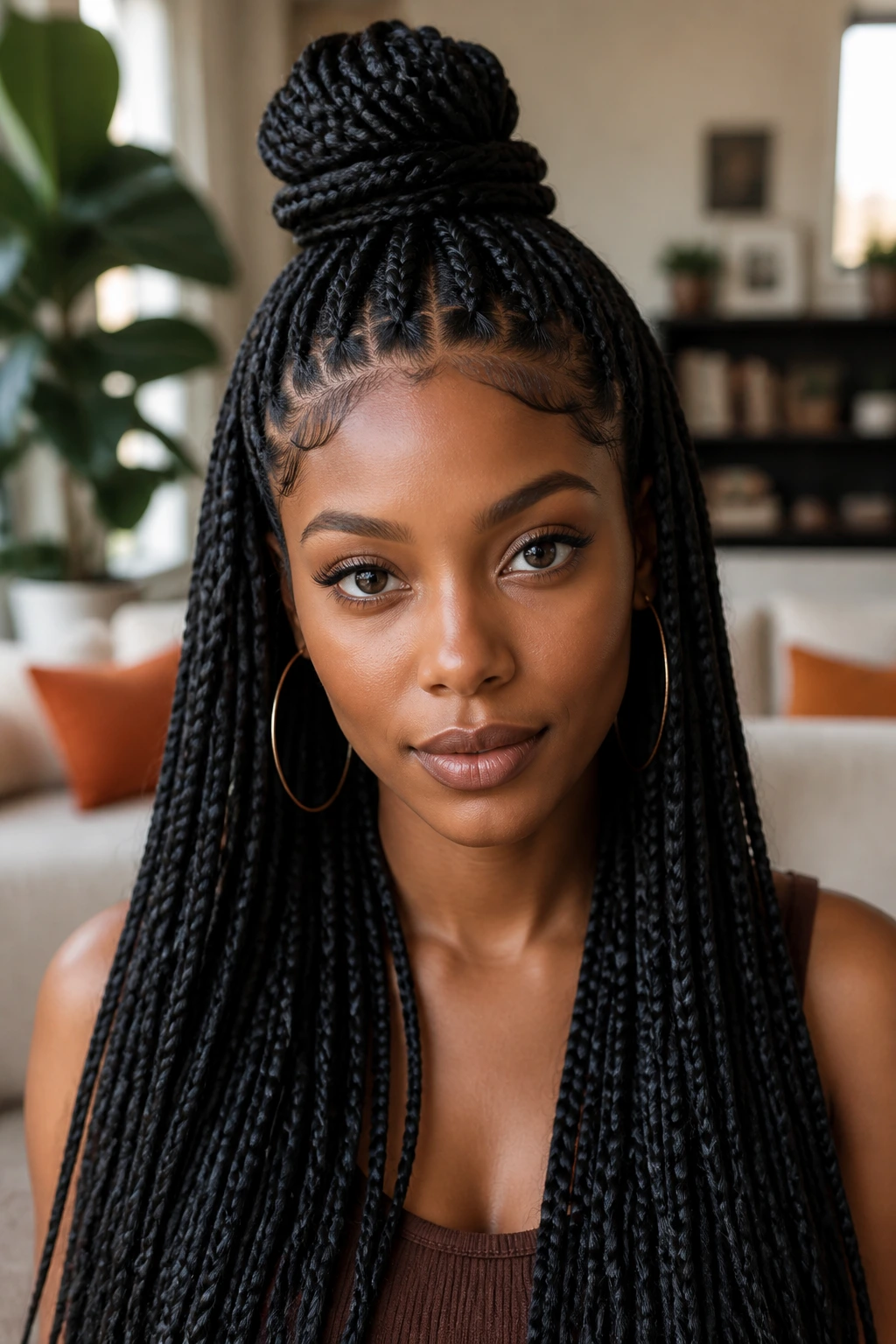
This is a versatile styling choice that works with almost any of the braid types mentioned above. You section the hair horizontally at the crown, pull the top half up into a bun or a ponytail, and leave the bottom half hanging down.
Why It’s Effective
It provides the best of both worlds. You get the drama and length of a full head of braids, but you get the practicality of having your hair pulled away from your face. It’s perfect for someone who works in an environment where they need their hair to look professional but still want to showcase the length of their braids.
Stylist Tip
When doing this style, make sure the tension at the top section isn’t too severe. Because you are pulling that top section into a bun or ponytail, it puts a lot of pressure on the hairline. If you wear it this way every single day, you will eventually experience thinning. Switch it up—wear it half-up one day, and let it hang free the next.
Final Thoughts
At the end of the day, braiding is about more than just convenience. It is an expression of culture, a way to protect your natural hair, and a creative outlet that allows you to change your entire aesthetic in the span of a few hours. Whether you opt for the intricate patterns of a heart-designed cornrow or the reliable comfort of knotless box braids, the most important thing is the health of your scalp and your natural hair underneath.
Never prioritize a style over the health of your hair. If you feel excessive tension, if your scalp is itching incessantly, or if you see thinning around your edges, it is time to take the style down, regardless of how new it looks. Your hair is an asset that deserves care and attention, even when it is hidden away. Experiment, have fun with the lengths and colors, but always listen to what your scalp is telling you. A truly great style is one that makes you feel confident while also keeping your natural hair strong and healthy.
