



A straight hair lob can look expensive with almost no fuss, but only if the cut is doing real work. On straight hair, every millimeter at the hem matters. A blunt line, a slight angle, or a tucked side can change the whole mood from flat and sleepy to crisp and deliberate.
If your hair tends to lie close to the head, a lob is a smart length because it removes some of that drag at the ends. The problem is rarely the lob itself. It’s the shape. Fine hair usually needs a cleaner edge. Thick hair often needs a little internal weight control so the ends do not puff out and steal the sleek effect.
I keep coming back to the lob because it gives you room to wear hair down, tuck it, part it in the middle, or hit it once with a flat iron and leave it alone. Too many layers can work against straight hair, especially when you want a polished finish. Too little thought, and the cut just sits there.
The best straight hair lob ideas all do the same quiet thing: they make the silhouette carry the style. The line comes first. Styling just sharpens it.
1. Blunt Collarbone Lob With a Clean Edge

A blunt collarbone lob is the one I recommend when someone wants straight hair to look fuller without doing much at all. The cut lands right around the collarbone, with a straight perimeter that makes the ends look dense and tidy. It’s simple. It works.
Why the blunt edge matters
A blunt line makes straight hair look thicker because the eye reads one solid finish instead of a wispy taper. That matters most if your hair is fine, but even medium-density hair gets a cleaner, sharper look from the same trick. The ends sit together instead of fraying out.
Keep the cut as even as possible through the back, then let the front hover at the collarbone or a touch below. That length is long enough to tuck behind the ears and short enough to keep movement. If the stylist starts slicing too many layers into it, the whole point gets muddy.
- Ask for a one-length perimeter with minimal internal layering.
- Keep the front grazing the collarbone for a neat, grown-in shape.
- Style with a paddle brush and a single flat-iron pass from mid-lengths to ends.
- Finish with a light serum on the last 2 inches only.
My preference: if you like sleek hair that behaves, this is the safe bet that still looks sharp in real life.
2. Center-Part Glass Hair Lob
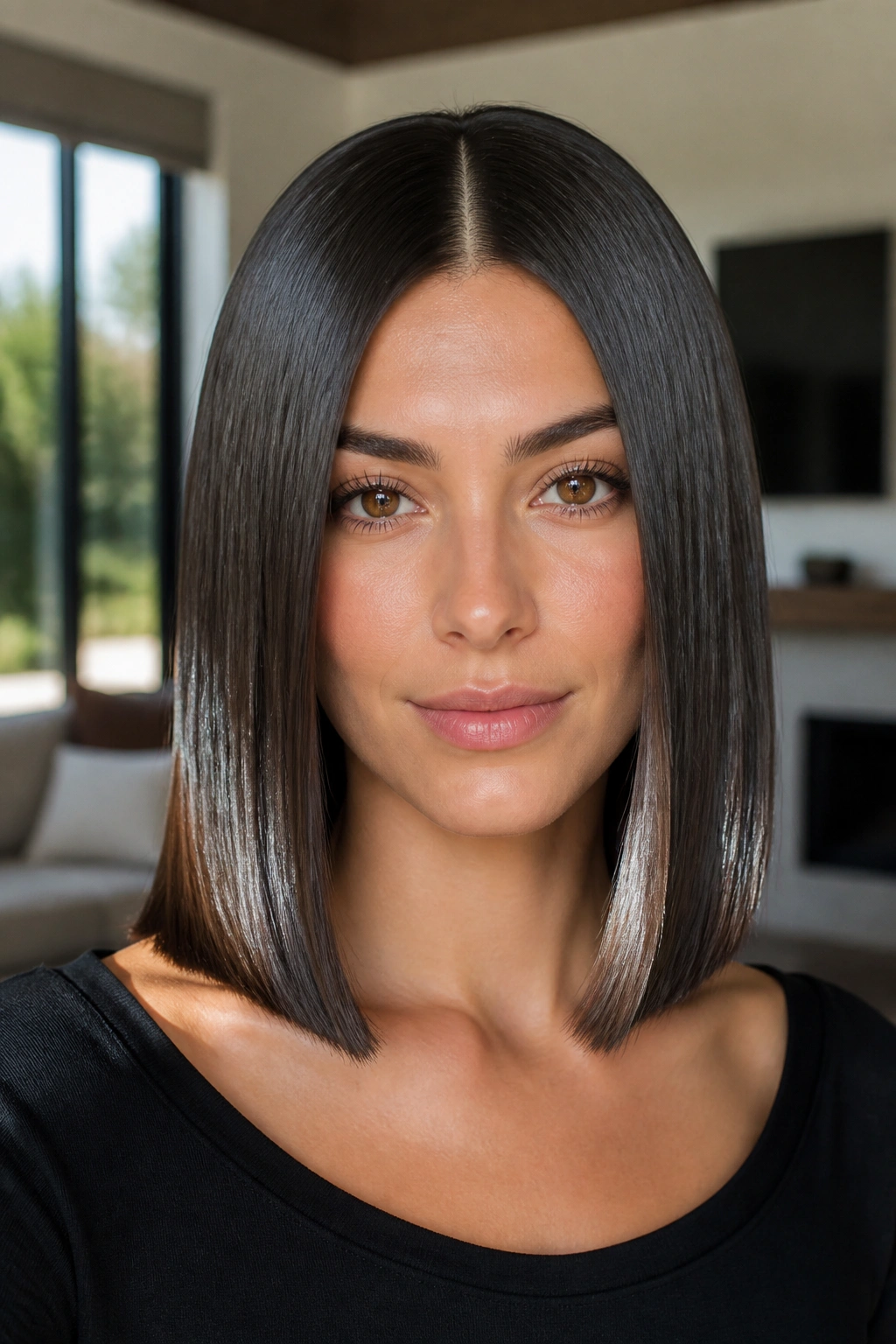
This is the lob that looks most precise. A center part plus a glassy finish makes straight hair feel intentional instead of accidental, and the effect is stronger than people expect. The line down the middle creates symmetry, and the shine makes the whole haircut look more expensive, even when the cut itself is very plain.
The trick is control. You want the hair smooth at the roots, flat through the mid-lengths, and nearly reflective at the ends. That means a heat protectant, a fine-tooth comb, and a flat iron that lets you keep the passes calm and even. No flicking the wrist. No big curls at the bottom.
If your hair naturally splits off-center, don’t fight it too hard. Train the part while the hair is damp, then blow-dry the roots in the direction you want. It usually takes more than one wash for the part to settle. That’s normal. Annoying, but normal.
Use this version when you want a sharp, modern look that sits neatly against the face. It pairs especially well with a plain black sweater, a clean neckline, or any outfit where you want the hair to look like part of the structure rather than the decoration.
3. Slight A-Line Lob That Skims the Jaw

Does a tiny angle really make that much difference? Yes. A slight A-line lob — shorter in back, a little longer in front — can make straight hair fall in a more flattering way without screaming “layered haircut.” It is subtle enough to stay polished, but the front pieces give the face a longer line.
What I like about this shape is that it gives the eye somewhere to move. A perfectly even cut can look almost too static on very straight hair, especially if the hair is flat and dense. A small forward tilt changes that. The front pieces brush the jaw or just below it, which softens sharper features and keeps the style from feeling boxy.
How to wear it
- Keep the back around the nape-to-upper-neck zone.
- Let the front fall 1 to 2 inches longer than the back.
- Blow-dry with the front sections pulled slightly forward for a smooth line.
- Use a flat iron to bend the very ends under by a few degrees, not a full curl.
This cut is best if you want movement without losing structure. It does not need a lot of styling, and that is the point. The shape does the talking, then the finish stays neat enough for work, dinner, or any day when you want to look pulled together without appearing overdone.
4. Invisible-Layer Lob for Straight Hair That Falls Flat

A lot of straight hair needs less visible layering and more smart subtraction. Invisible layers do that job without wrecking the sleek outline, and they are one of the few tricks I trust on people who want movement but hate choppy ends.
The cut looks one-length from the outside. That is the whole appeal. Underneath, the stylist removes a little weight in the interior so the hair bends better and stops hanging like a heavy curtain. You still get a smooth perimeter. You just lose the dead, bulky feeling that can happen at the shoulders.
This is a good answer if your lob always flips out at the ends or collapses around the neck. Hidden removal lets the hair sit closer to the head, which helps when you want a clean line instead of a swollen one. It is especially useful for thick straight hair that wants to spread outward at the bottom.
A quick warning: ask for subtle internal work, not aggressive layering. Too much, and you lose density. Too little, and nothing changes. The sweet spot is barely visible, which sounds boring until you see how much better the shape falls.
5. Side-Part Sleek Lob With a Deep Bend

A side part gives straight hair a little attitude. Not a wild amount. Just enough to break the symmetry and make the lob feel more alive. On a sleek cut, that shift can be the difference between “nice hair” and “I actually meant this.”
The side part works because it changes the weight. One side sits fuller at the root, the other lies flatter and sharper along the face. That contrast is useful. It creates lift without teasing, and it keeps the ends from looking too rigid.
I like this look most on medium-density hair that needs a touch of volume at the crown. Blow-dry the part first, while the roots are damp, and use the nozzle to direct hair away from the scalp on the heavier side. Then use a round brush or paddle brush to smooth the lengths. A deep side part can collapse if you skip the root work.
The finish should feel polished, not poufy. Keep the bend at the ends soft and low, almost like the hair was pressed into place and allowed to settle there. It’s a nice option when a center part feels too severe and a blunt middle-part lob feels too plain.
6. Face-Framing Lob With Long Front Pieces
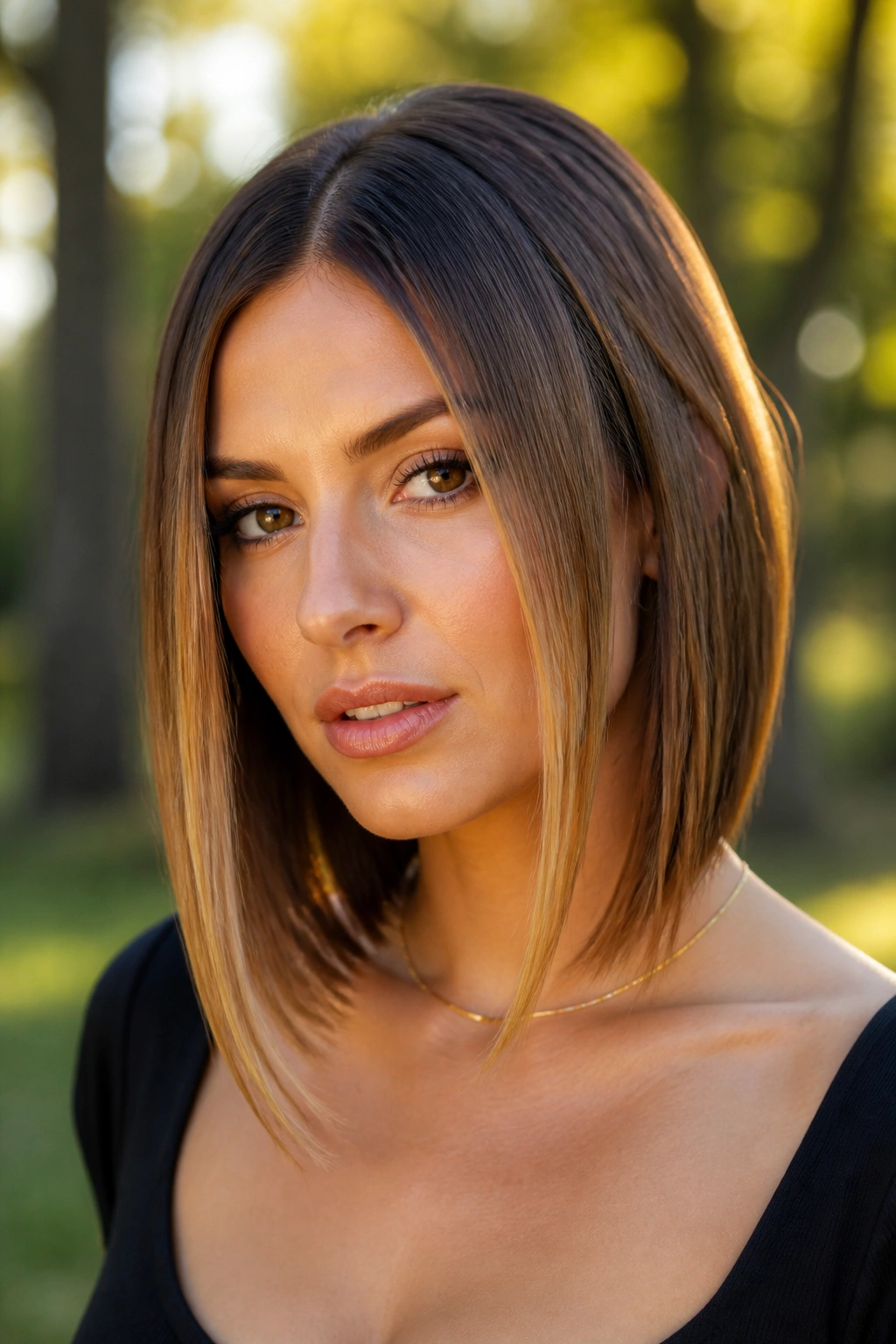
A face-framing lob gives straight hair a softer front without turning the whole cut into layers city. The back stays clean and sleek, but the front pieces get nudged slightly shorter so they open up the face and keep the style from feeling heavy.
What makes it different
The framing should start low enough that the cut still reads as a lob, not a shag. Think of it as a long, quiet contour around the cheekbones and jaw, not a dramatic angle. A small amount goes a long way on straight hair because the eye picks up every line.
This version helps if your face shape needs a little softening around the sides. It also works well if you wear glasses, because the front pieces can sit around the frames instead of fighting them. That sounds minor. It is not.
- Ask for front pieces that begin near the cheekbone or upper jaw.
- Keep the longest point at the collarbone.
- Blow-dry the front away from the face, then bring it back with a flat iron if needed.
- Use a tiny amount of cream on the front only so it stays smooth.
A lob like this is useful when you want shape near the face but still want the clean, sleek line through the back. That balance is harder to get than it sounds.
7. Curtain-Bang Lob With a Polished Finish
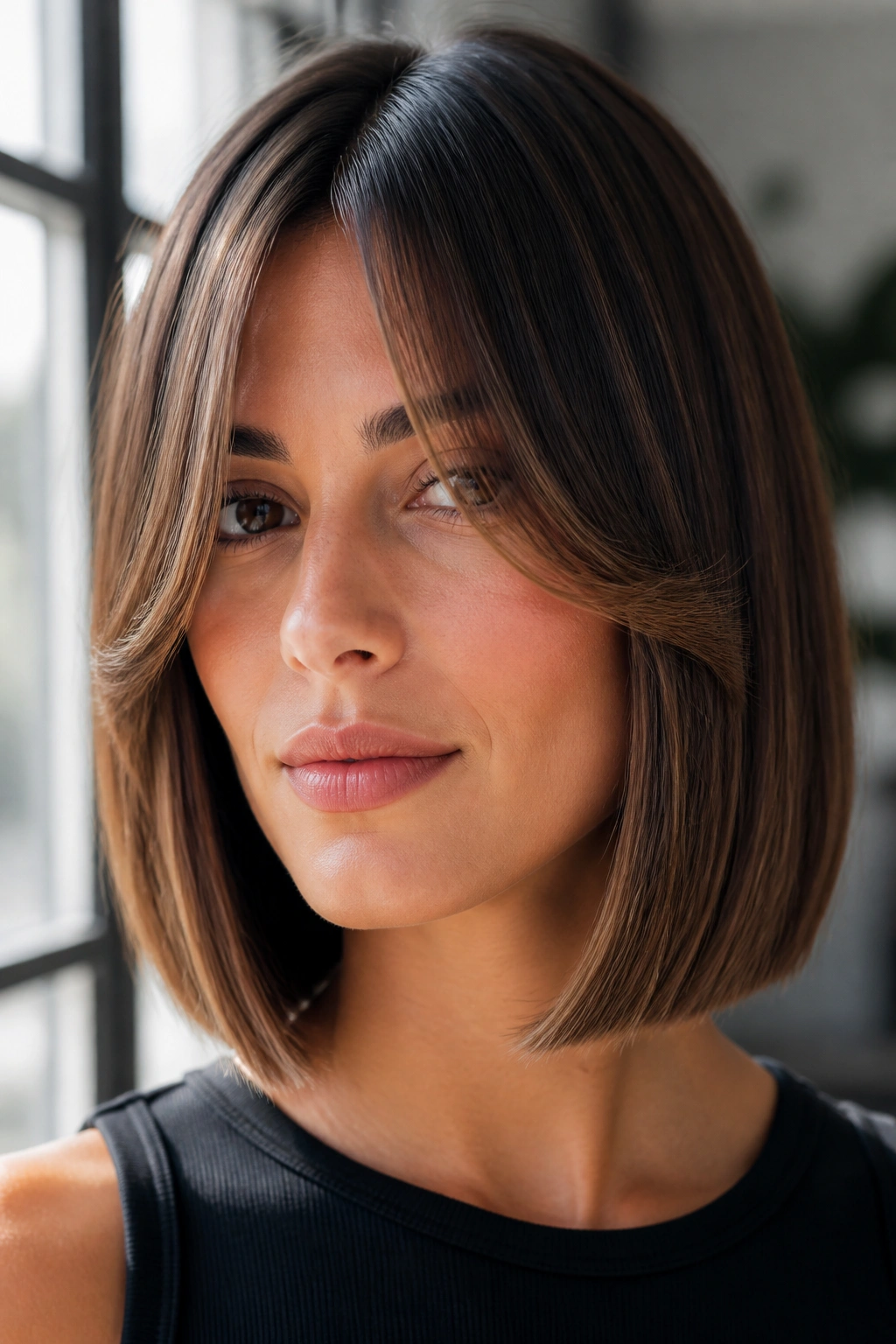
Curtain bangs can look soft and romantic, but on straight hair they also need discipline. If the rest of the lob is sleek, the fringe should fall in a controlled sweep that opens in the middle and blends into the sides. Loose does not mean messy.
The best part is how naturally curtain bangs work with a straight lob. They give the haircut a focal point right at the eyes, then the length keeps the overall look grounded. You get movement without giving up the clean perimeter. That’s a smart trade.
A good curtain-bang lob needs a little styling every day, though. Dry the fringe first, directing each side away from the center so it splits properly. If you leave it to air-dry and hope for magic, it usually lands somewhere between flat and awkward. Been there. Not worth it.
Use this idea if you want a sleek style with a softer front. It flatters longer foreheads, but it can also shorten the face in a nice way when the bangs are cut with enough length to graze the cheekbones. Keep the rest of the hair smooth and the bangs will do the talking.
8. Tucked-Behind-the-Ear Lob for a Sharp Profile

Sometimes the sleekest lob is the one that shows the face more. A tuck behind the ear creates a clean line from the part to the jaw, and straight hair handles that look better than almost any other texture. No fuss. No extra volume fighting the outline.
The shape here matters less than the finish, which is why this works on blunt, slight A-line, or collarbone-length cuts. What changes the mood is the tuck. One side gets exposed, the other stays loose, and the whole thing feels casually precise. That little asymmetry keeps the style from reading as stiff.
I like this best when the ears are visible and the ends are polished enough to stay put after tucking. Use a light mist of flexible spray on the side you want to hold, then tuck the front section back with your fingers. A bobby pin hidden under the hair can help if the pieces keep slipping.
This is the lob for people who want their hair off the face but do not want a full updo. It looks especially good with a strong brow, a clean collar, or earrings that deserve a bit of space.
9. Rounded-Under Lob With Softly Turned Ends
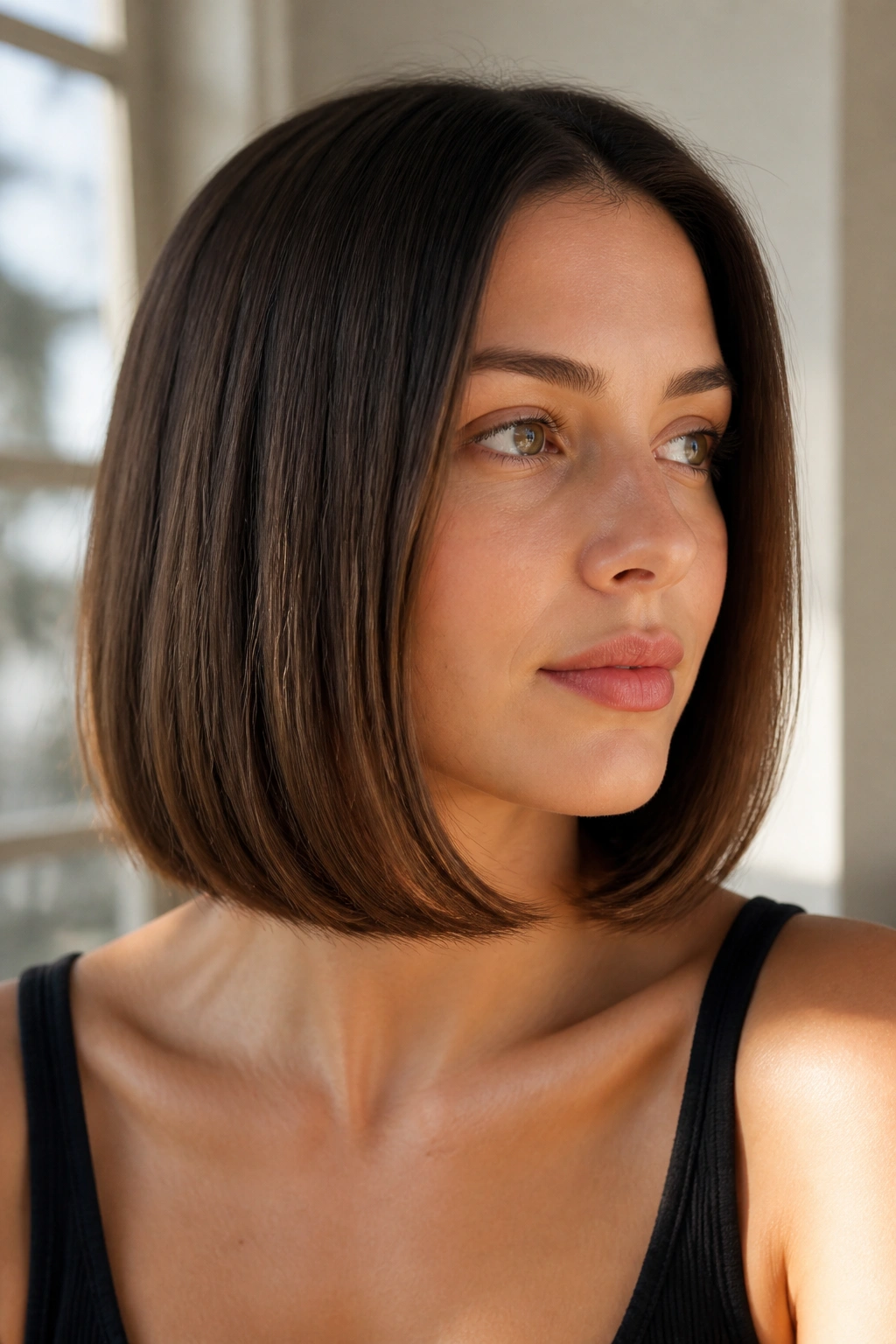
The rounded-under lob is underrated. It sounds old-school, and maybe it is a little, but straight hair often looks better with a gentle inward bend at the ends than with a dead-straight finish. The curve keeps the hemline from looking sharp in a bad way.
The effect comes from controlling the last inch or two of hair. Use a round brush during the blowout, then press the very tips under with a flat iron if the ends want to flip out. You are not curling the whole cut. You are just giving it a shape that sits down instead of sticking out.
This style helps if your hair has a habit of flipping over the shoulders and getting frizzy at the tips. It also softens a jawline a bit, which can be useful if your haircut feels too severe when it is fully straight. The roundness takes the edge off without making the style look fluffy.
A lot of people forget this part: the bend should be tiny. If the turn is too big, the lob starts looking dated fast. Keep it subtle and the finish stays modern, smooth, and easy to wear on repeat.
10. Angled Lob With a Strong Front Line
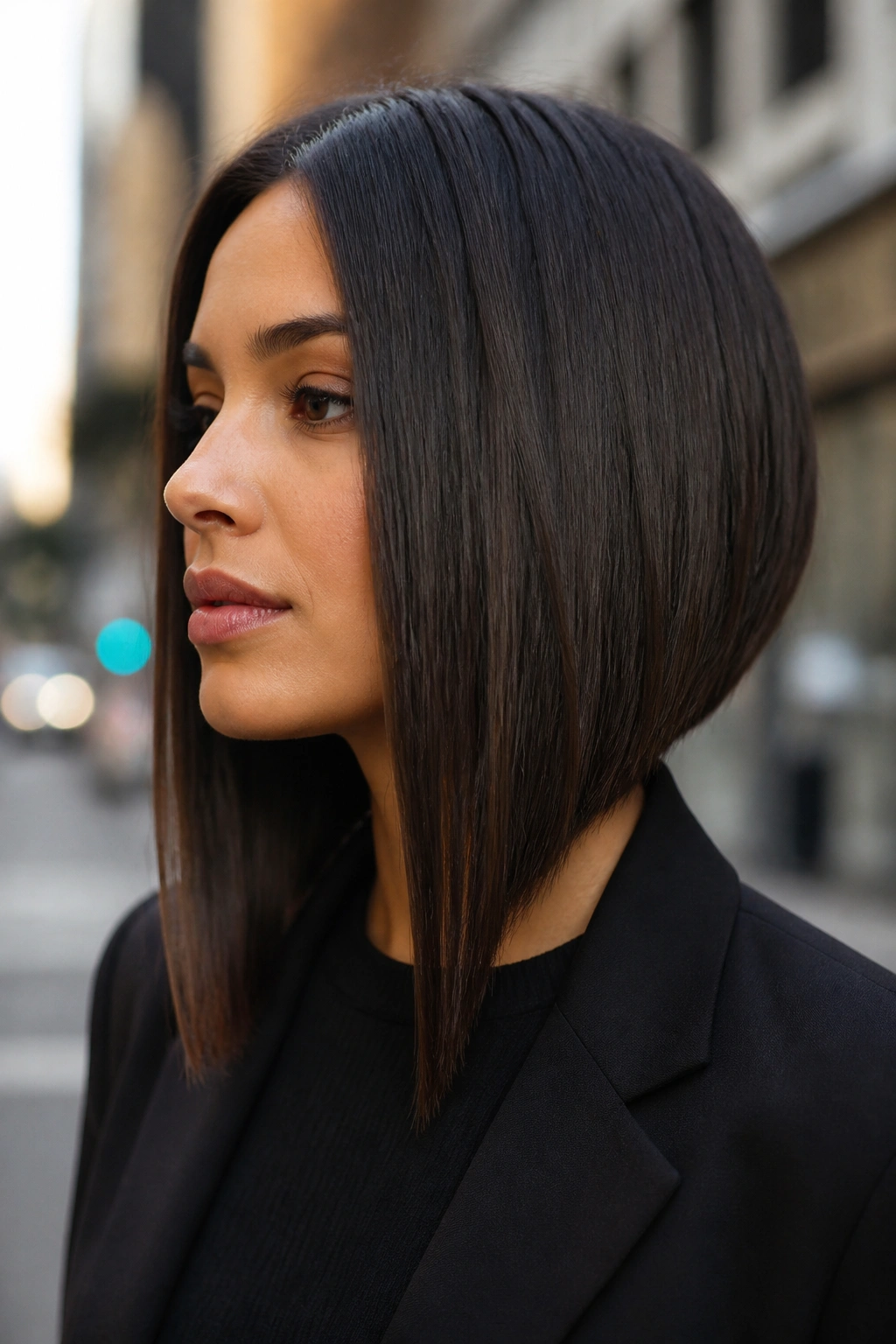
An angled lob is not the same thing as a slight A-line, and the difference matters. Here, the front is noticeably longer, which gives the hair a sharper line and a little more presence around the face. Straight hair can wear this kind of precision beautifully.
The visual effect is bold without being loud. The back stays shorter and cleaner at the nape, then the front pieces extend forward enough to make the haircut feel directional. That makes the style especially good if you like outfits with crisp tailoring or clean necklines. The hair echoes that same structure.
It does ask for regular trims. A strong angle loses its shape fast when the back grows out unevenly. If you go this route, plan on keeping the lines fresh every 6 to 8 weeks, especially if you care about that sharp front piece.
This is not the most forgiving lob, and I mean that in a good way. If you like hair that looks deliberate from every angle, it delivers. If you want low maintenance with zero attention, pick something softer. Simple honesty saves everyone time.
11. Extra-Long Lob That Brushes the Collarbone

Longer lobs are easy to underestimate. They do not look dramatic in photos the way shorter cuts do, but on straight hair the extra length buys you something useful: a cleaner drape, more tuckability, and less of that abrupt shoulder hit that can make a lob feel stuck.
This version usually lands just below the collarbone, sometimes a bit higher if you want more movement. That small change matters. It gives the hair enough weight to lie flat while still letting the ends move when you walk. Straight hair often benefits from that extra inch or two because it keeps the cut from bouncing outward.
I like this option for people who want to test the lob shape before committing to a shorter one. It feels safer, but not boring. You can still wear it sleek, part it in the middle, or bend the ends under with a flat iron.
Unlike a super-short lob, this one grows out well. That alone makes it worth considering. The line stays useful for longer, and the styling range is wider than most people expect.
12. Choppy-End Lob With Soft Piecey Texture

Can a sleek style have texture? Absolutely, as long as the texture stays at the ends and does not take over the whole haircut. A choppy-end lob gives straight hair a bit of edge while keeping the top smooth and controlled. It is the easiest way to keep a blunt shape from feeling too hard.
The cut usually uses point cutting or light texturizing through the last inch or so. That softens the hem and stops the line from looking like a ruler. Done well, it gives the ends movement without breaking the overall silhouette. Done badly, it looks chewed up. There is a difference, and a big one.
How to use it
Dry the hair smooth first, then define the ends with a tiny bit of cream or paste. You want the pieces to separate a little, not stick together in clumps. A flat iron can still be part of the routine; just keep the pressure light so the texture remains visible.
This style suits people who want their lob to feel a little less formal. It works especially well on hair that is naturally straight but not pin-straight, because the slight variation in the strands gives the texture somewhere to live. If your hair is ultra-fine, keep the choppiness subtle. Too much and the density disappears.
13. Deep Side-Part Lob With Lift at the Roots

A deep side part does more than give you volume. It changes the entire shape of the haircut. One side lifts at the root, the other side falls sleek and narrow, and straight hair suddenly looks like it has a little movement built in.
The root lift is the selling point here. You do not need teasing or heavy spray to get it, either. A good blow-dry with the part set early, plus a round brush at the crown, usually does enough. The stronger side gets directed up and back for about 2 inches from the scalp, then smoothed into the length.
This works best on lobs with clean ends, because the contrast between volume at the top and sleekness below is what makes the look interesting. If the bottom is too chopped up, the whole thing starts feeling busy. Keep the perimeter neat.
I tend to recommend this style for people whose hair lies flat around the temples or crown. The part gives the illusion of height without changing the cut too much. That makes it practical, which is probably why I keep liking it more than trendier versions that ask for constant fiddling.
14. Long-Bang Lob That Blends Into the Length
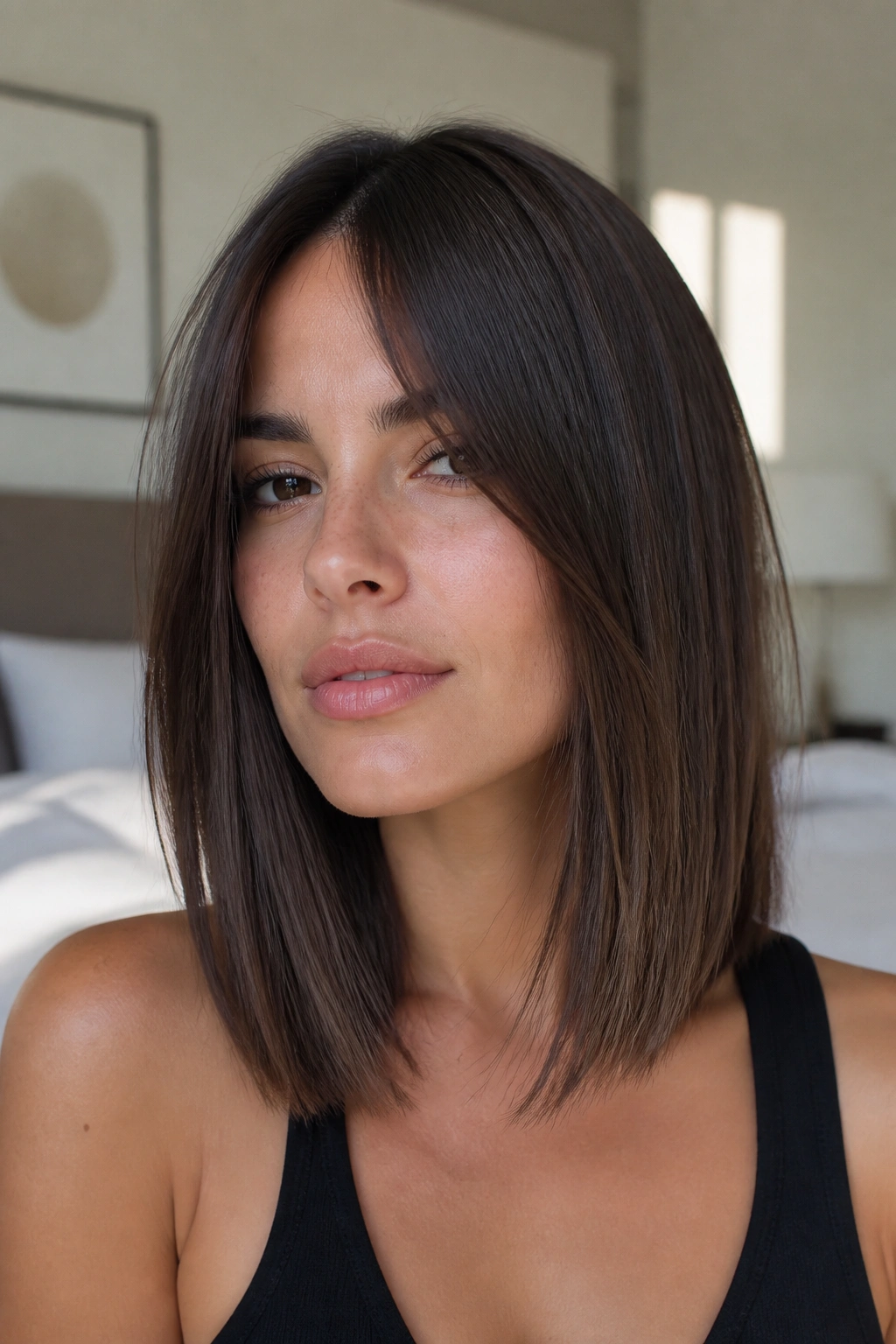
A long-bang lob is one of those styles that seems ordinary until you see it on straight hair and notice how smoothly it frames the face. The bangs are long enough to blend into the front pieces, so the cut still feels sleek instead of chopped up.
The best version keeps the fringe somewhere between the cheekbone and the jaw, depending on how much opening you want around the face. Shorter than that and the bangs can dominate. Longer than that and they disappear into the rest of the haircut. The middle ground is where the shape works.
This is a nice choice if you want softness without curtain bangs. The bangs can sweep to one side or split lightly in the center, and the rest of the lob stays straight and polished. It gives a bit of motion around the eyes and cheeks, which keeps the haircut from feeling too severe.
A long-bang lob does need commitment during styling. The fringe has to be dried in the right direction or it will collapse into your eyes. A small round brush, low heat, and a touch of light hold spray solve most of that. Most. Not all. Hair likes to be difficult sometimes.
15. Wet-Look Lob With a High-Shine Finish

If you want sleek to look a little more fashion-forward, this is the one. A wet-look lob uses shine, separation, and control to make straight hair look sculpted. It is not soft. It is glossy, defined, and a bit dramatic in the best way.
The trick is restraint. You do not want dripping-wet hair, and you do not want a helmet either. Start with damp hair, smooth in a light gel or styling cream from mid-lengths down, then comb the hair into the part you want. Blow-dry just enough to set the shape while keeping that slick finish intact. Add a drop of serum only after the hair is dry, and only on the surface.
This style works best on clean, blunt, or slightly angled lobs because the finish needs a strong base. If the cut has too many layers, the wet look can turn uneven fast. Straight hair is ideal here because the surface reflects shine so well.
It’s the kind of lob you wear when you want the haircut to feel intentional and a little sharp. Not every day. But on the right night, or even the right plain white T-shirt, it does something clean and strong that a softer blowout just can’t match.
A straight hair lob is one of the few cuts that can move between minimal and polished without asking for much drama. The shape does most of the heavy lifting. The styling just decides whether the result feels crisp, soft, or slightly edgy.
If you want the safest starting point, go blunt and collarbone-length. If you want more personality, add a side part, a front piece, or a little angle through the front. Keep the ends tidy, keep the shine up, and do not let the cut get over-layered unless you want the sleek part to disappear.
