



Short hair is not a fling. The minute you start looking at permanent short haircuts, the real question stops being whether you’ll miss your length and starts being whether you can live with the shape on a rushed morning, a damp commute, or the kind of day when dry shampoo is doing the heavy lifting.
That’s the part people forget. A great short cut isn’t just cute for the first week after the salon chair. It still has a neck shape. It still sits well when you tuck one side behind your ear. It still looks intentional when your roots are a little flat and your bangs have a mind of their own.
And short hair can be a relief. Less detangling. Less heat styling. Less hair stuck to your collar, your lip gloss, your scarf, your laptop, your life. But it also asks for honesty. If your hair grows fast, if your crown cowlick sticks up, if you hate trims, if you need a ponytail for emotional support on bad days, the wrong short cut will bug you fast.
The good news: there are plenty of short haircuts that grow out with grace, keep their edge, and don’t collapse into a puffy triangle the second you skip a blowout. Some are polished. Some are cool in that slightly careless way that takes more thought than it looks. Some are blunt and neat; others are shaggy and soft. The trick is picking the one that matches how you actually live, not the version of yourself that shows up in salon inspiration photos.
1. Classic Pixie Cut With Tapered Nape
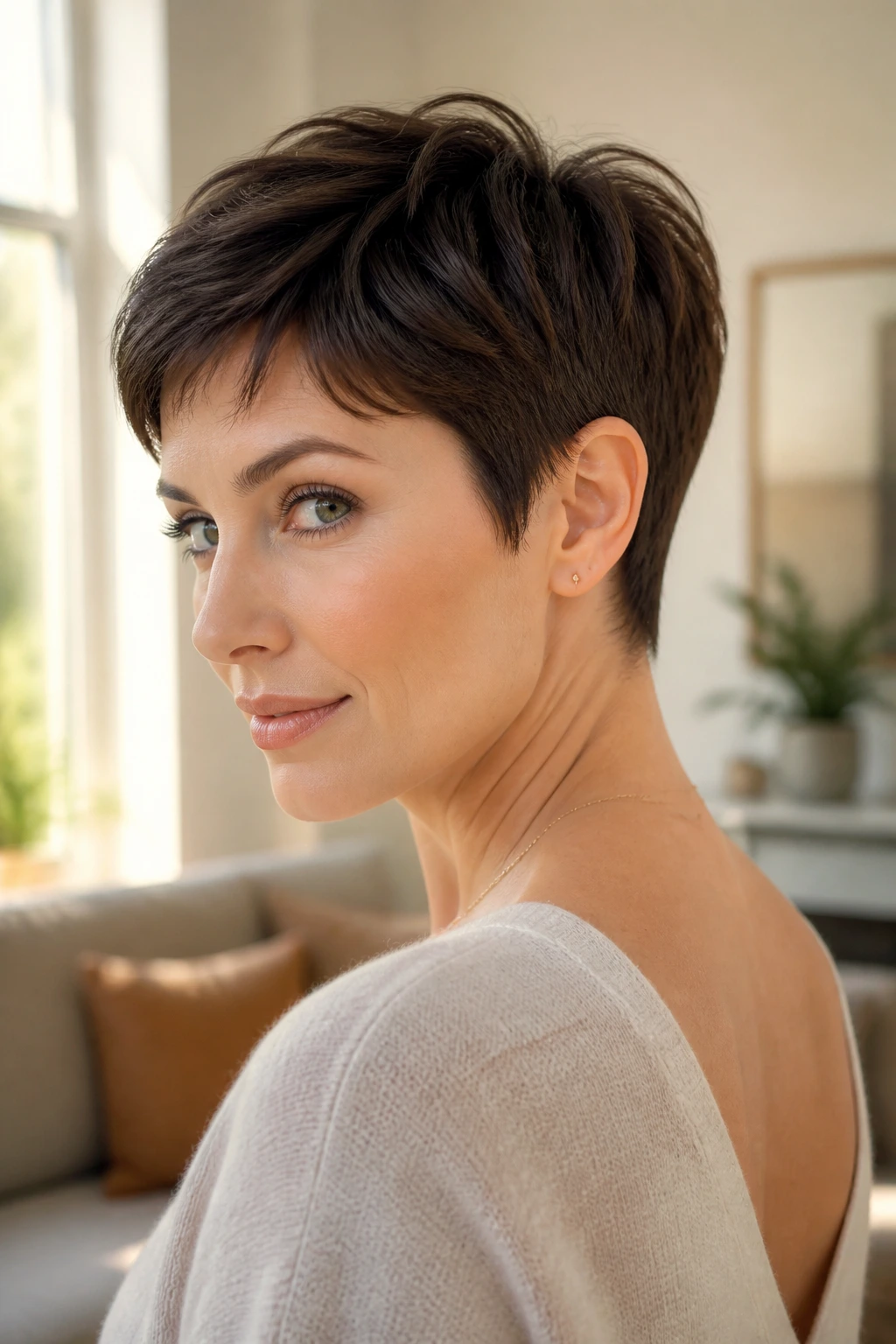
A classic pixie is the most direct answer when you want a clean, no-fuss short haircut. It sits close at the sides, stays neat at the nape, and leaves enough length on top to move a little instead of looking helmet-flat. That balance is why it keeps showing up in real life, not just on mood boards.
The shape matters more than the length. Ask for soft tapering around the ears and nape, with the top left around 1.5 to 3 inches if you want some styling room. Shorter than that, and you’re mostly wearing the cut as-is. A little longer, and you can sweep it forward, push it back, or let it fall in pieces.
This cut is a smart pick if you want to show off earrings, cheekbones, or a sharp jawline. It also works well if your hair is fine, because the cropped shape can make it look fuller at the roots. Thick hair can wear it too, but it needs careful debulking so the top doesn’t balloon.
Trim it every 4 to 6 weeks. That part is not glamorous. It matters anyway.
2. Long Pixie With Side-Swept Fringe

A long pixie is for people who want short hair but are not ready to give up swing. The fringe gives you softness at the front, and that tiny bit of length makes the whole cut easier to style on days when your hair is doing something annoying.
Why It Flatters So Many Faces
The side-swept fringe breaks up the forehead line and gives the cut a softer shape. If you have a strong brow, a long face, or just do not like hair sitting straight off the face, this version tends to feel easier to wear than a super-short crop. It can also help blend a cowlick near the front, which is one of those small things that decides whether a cut feels easy or exhausting.
What to Ask For
- Keep the top around 3 to 4 inches so it can move.
- Ask for a side part that is slightly off-center, not severe.
- Leave enough length at the fringe to tuck behind one ear.
- Keep the sides tapered, but not shaved tight unless you want contrast.
- Style with a pea-sized amount of cream or paste, then pinch the ends into place.
This is one of the best short haircuts for everyday wear because it still looks styled when you barely touch it. A quick blow-dry with a round brush helps, but air-drying with a little root lift product works too.
3. French Bob With a Soft Bend

Why do some bobs look chic on day three while others puff out like a square sponge? The French bob usually avoids the problem because it stays short, blunt enough to feel deliberate, and just soft enough around the ends to move instead of sticking out.
The classic version lands somewhere between the lip and the chin, though it can sit a touch shorter if your jawline likes a cleaner line. The real trick is the finish. It should have a slight bend, not a heavy curl and not a poker-straight edge. Think easy, not frozen.
This cut suits straight and wavy hair especially well. If your hair has a bit of natural body, the French bob can air-dry into shape with almost no fight. Fine hair gets a fuller look because the ends stay compact. Very thick hair can wear it too, but the interior needs soft removal of bulk or the shape goes too wide.
Ask for a dry finish if possible, or at least let your stylist see how your hair falls naturally. That one step saves a lot of regret later.
4. Blunt Jaw-Length Bob
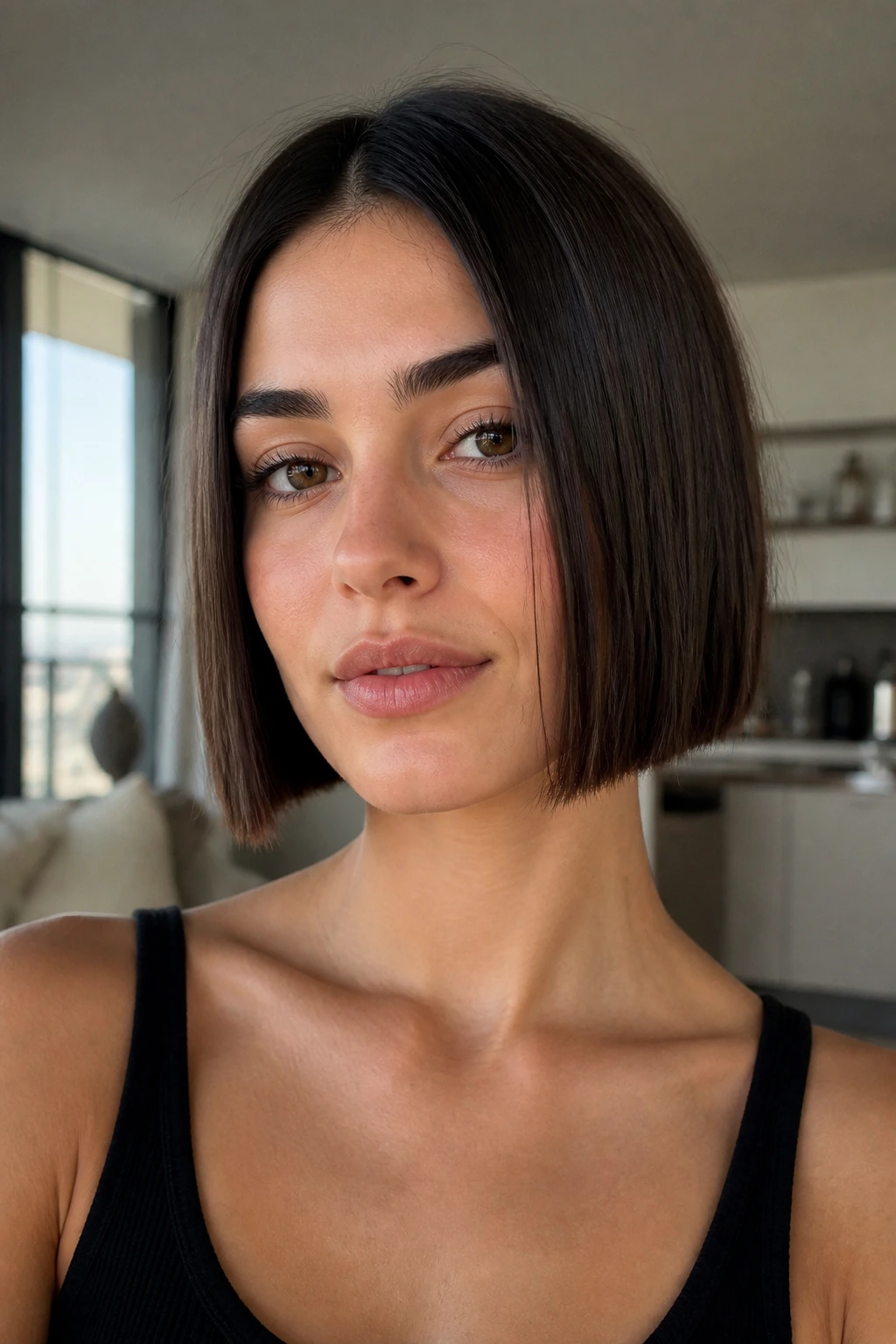
Blunt ends make a louder statement than layers ever will. A jaw-length bob is the haircut you choose when you want your hair to look sharp, not shaggy. The line sits right at the jaw or just below it, which gives the face a clear frame and makes the whole style look crisp even when you have not styled it much.
This cut loves density. If your hair is medium to thick, the blunt line looks full and strong. Fine hair can wear it too, but the ends need to stay heavy enough to avoid a wispy, see-through edge. That is where a good cut matters. Too many thin layers and the whole point is gone.
It’s also one of the easiest short styles to dress up. A tucked side, a deep side part, or a smooth bend at the ends changes the mood fast. One minute it looks clean and modern. The next, it feels a little more polished for dinner or work.
If you like structure, this is a safe bet. If you hate fuss, it is still fine — as long as you’re willing to keep the perimeter tidy every 6 to 8 weeks.
5. Curly Crop With Airy Layers

If your curls spring up the second they’re cut, this is the style that stops you from fighting them. A curly crop keeps the length short enough to avoid bulk, but leaves enough room for the curl pattern to do its thing instead of being smashed into a triangle.
The best version is usually cut in a way that respects your curl pattern, not a ruler. That means the stylist sees the hair dry, or at least checks how it shrinks. Shrinkage is real. Ignore it, and the result can feel a full inch shorter than you expected, which is not a fun surprise when you were trying to keep some length around the ears.
Small Details That Make a Big Difference
- Ask for layers that remove weight from the inside, not choppy chunks all over.
- Keep the top a little longer if you want height.
- Leave enough softness at the hairline so the cut does not puff outward.
- Use a leave-in cream on damp hair, then scrunch gently.
- Diffuse on low heat if you want more definition.
This cut is for people who want shape without a lot of heat styling. It can look gorgeous with just product and air drying. It can also look a little wild if your stylist over-thins the ends, so choose the person cutting it carefully.
6. Shaggy Bob With Choppy Ends
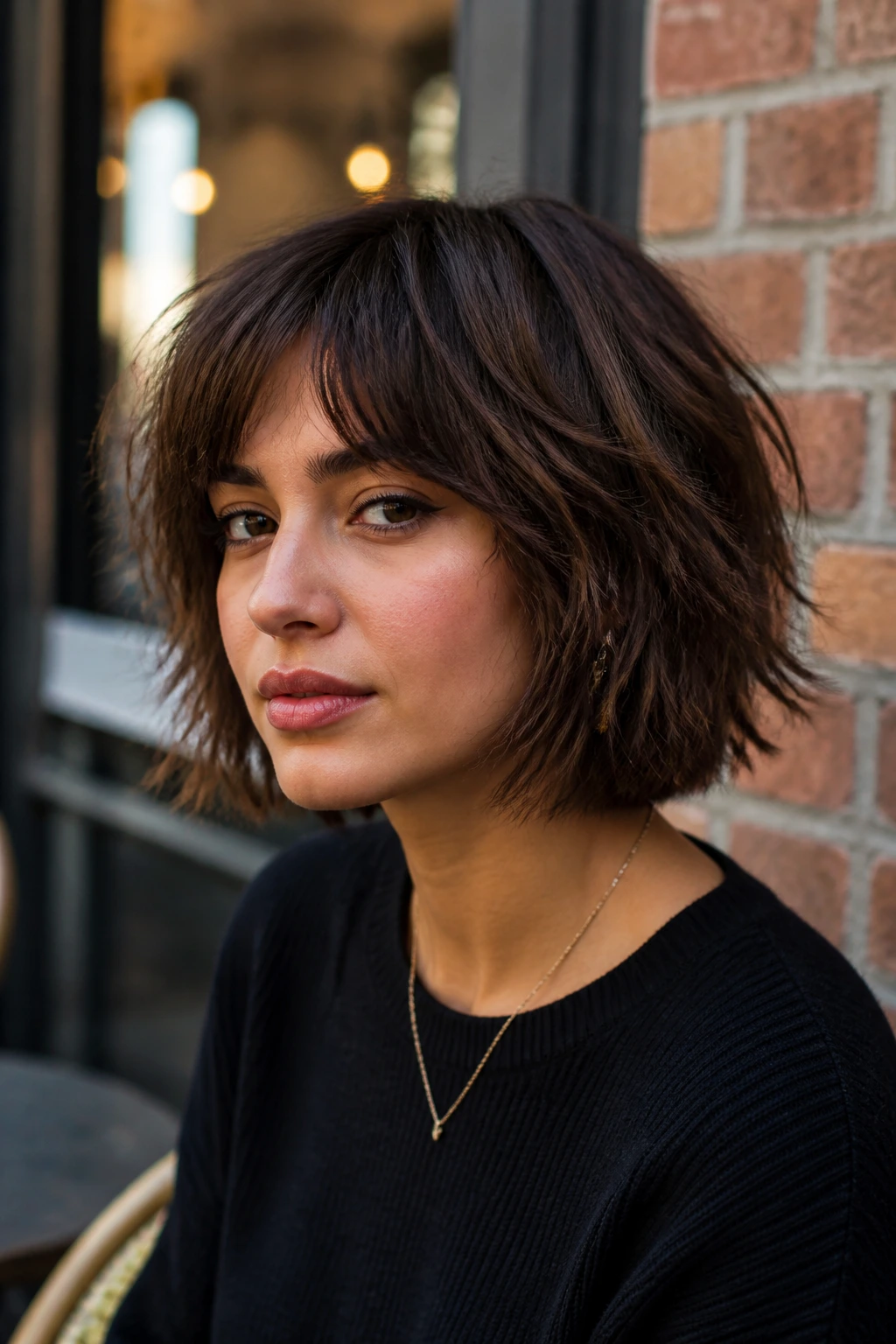
A shaggy bob has a little dirt under its nails, in the best way. It does not try to be perfect. That is the appeal. The layers give the cut movement, the ends look piecey instead of blunt, and the whole thing has that lived-in feel people keep trying to fake with texturizing spray.
This cut is a good match for wavy hair because the texture already wants to break up the shape. Straight hair can wear it too, but it needs some help: a rough blow-dry, a round brush at the crown, or a quick pass with a curling wand to bend random pieces. The point is not neatness. The point is controlled mess.
If your hair gets flat at the roots, the shaggy bob is often a friend. The layers keep it from hanging like a curtain. If your hair is very fine and very slippery, though, too many layers can make it look sparse. That is the trap. You want movement, not holes.
A light mousse at the roots and a little texture cream through the mid-lengths is usually enough. More than that and you start crossing into crunchy territory, which nobody asked for.
7. Asymmetrical Bob With One Longer Side

One side a little longer changes the whole mood. That small imbalance gives the cut edge, and it also creates movement without needing a ton of layers. It is a smart choice if you want short hair, but not a haircut that looks identical from every angle.
The asymmetry can be subtle or obvious. A gentle version might be half an inch to an inch longer on one side. A bolder version pushes that difference more, which looks dramatic in a sharp, deliberate way. The more obvious the difference, the more carefully you need to style it, because sloppy styling makes the shape look accidental.
This cut works best when the back is tidy and the front has enough length to show off the angle. It can be very flattering on square or round faces because the diagonal line gives the eye somewhere to go. Hair with a slight bend holds the shape better than pin-straight hair, but both can work.
What To Watch For
The shorter side should not be so short that it loses balance with the longer side. That sounds obvious. Still, it happens. If the difference is too extreme for your hair texture or face shape, the cut starts to fight itself.
A smoothing cream or a light shine product helps keep the line clean. This is not the place for heavy wax unless you want a chunkier, more editorial finish.
8. Undercut Pixie
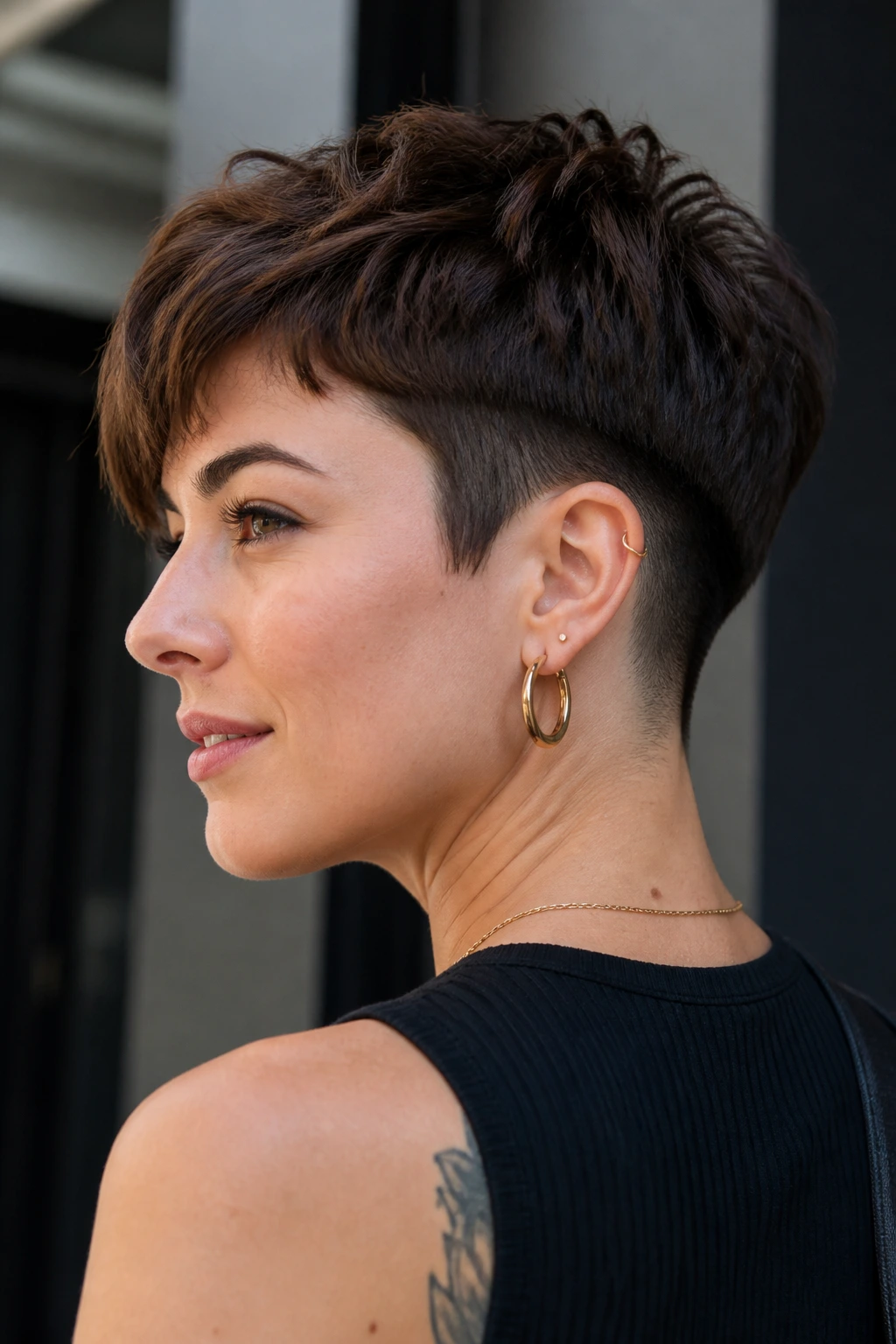
An undercut pixie is for the person who is done with bulky hair at the nape and around the ears. It keeps the top short and wearable, but removes weight underneath so the whole cut lies flatter and feels lighter on the head. That extra space can be a relief if your hair grows thick in the back.
There are two ways to wear it. Hidden undercut: the shaved or clipped section sits low enough to disappear when the hair is down. Visible undercut: the shorter section becomes part of the look. The hidden version gives you more flexibility if you want your short haircut to feel a little private at work and a little bolder on weekends.
This cut grows out fast around the undercut area, so regular cleanup matters. If you skip the maintenance, the shape can get fuzzy at the neckline. Not tragic. Just messy in a way that is hard to ignore once you notice it.
It’s a strong pick for thick hair, hot climates, and anyone who gets irritated by bulk touching the neck. If you like the feeling of air moving around your head, this one has a lot going for it.
9. Micro Bob at Cheekbone Length
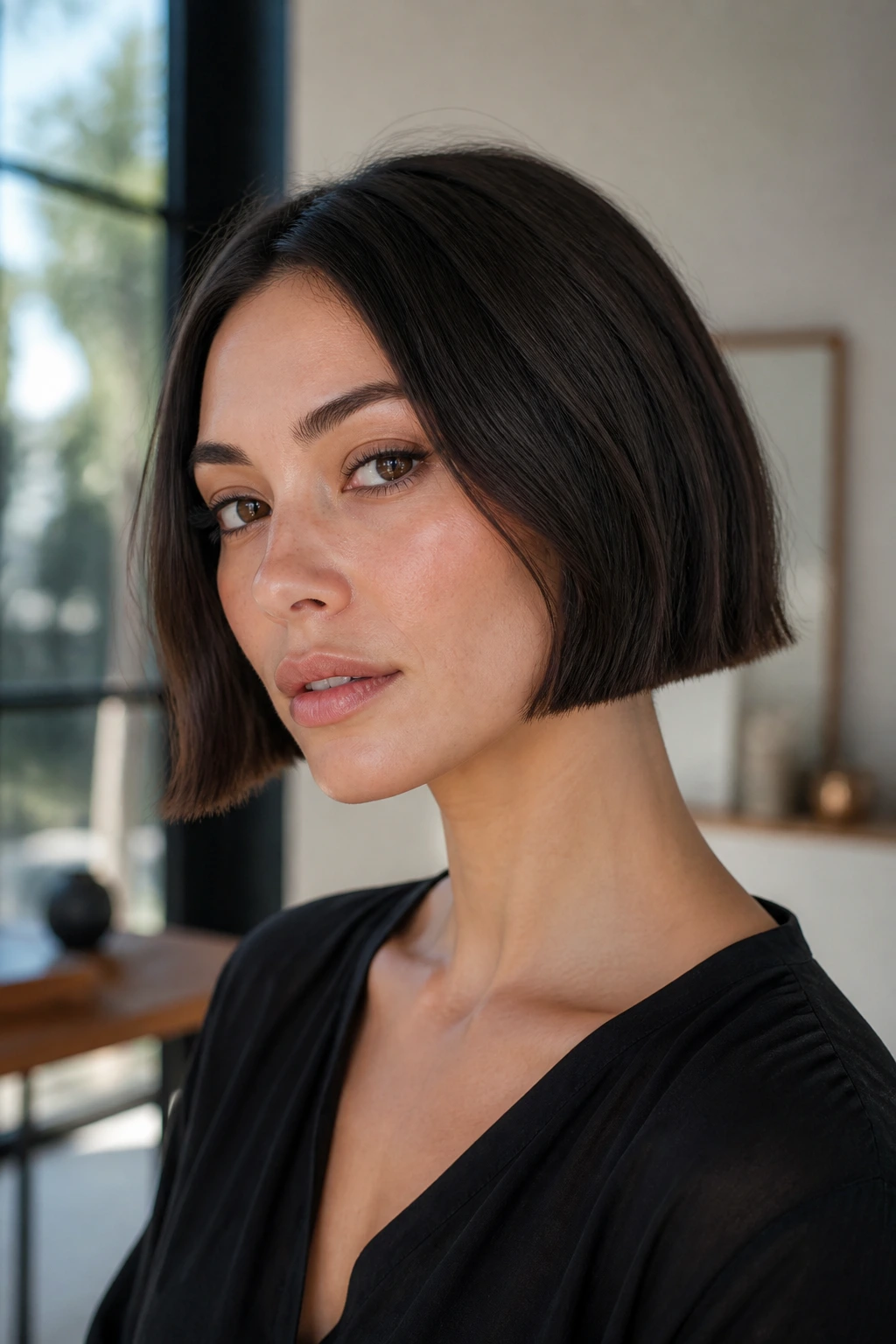
A micro bob is shorter than most people expect. That is the whole point. It usually sits around the cheekbone or just below the ears, which gives it a fresh, blunt look that feels bolder than a chin-length bob but easier to live with than a true pixie.
Best For Straight or Slightly Wavy Hair
The micro bob depends on line. Straight hair shows it off fast, and a soft wave can make it feel a little less strict. Very curly hair can wear a version of it too, but the shape needs to be cut with shrinkage in mind or it jumps much shorter than planned.
The Part People Miss
- It grows out visibly after 4 to 6 weeks.
- It can flip out at the ends if the iron or brush technique is rough.
- It looks best when the perimeter stays blunt.
- Tucking one side behind the ear changes the whole shape.
- A tiny bend at the ends keeps it from looking too severe.
This is one of those permanent short haircuts that looks expensive when the line is clean. That does not mean it has to be high drama. It just means the cut itself carries the style, so the edge matters. If you want something polished with real attitude, this is a strong one.
10. Rounded Pageboy
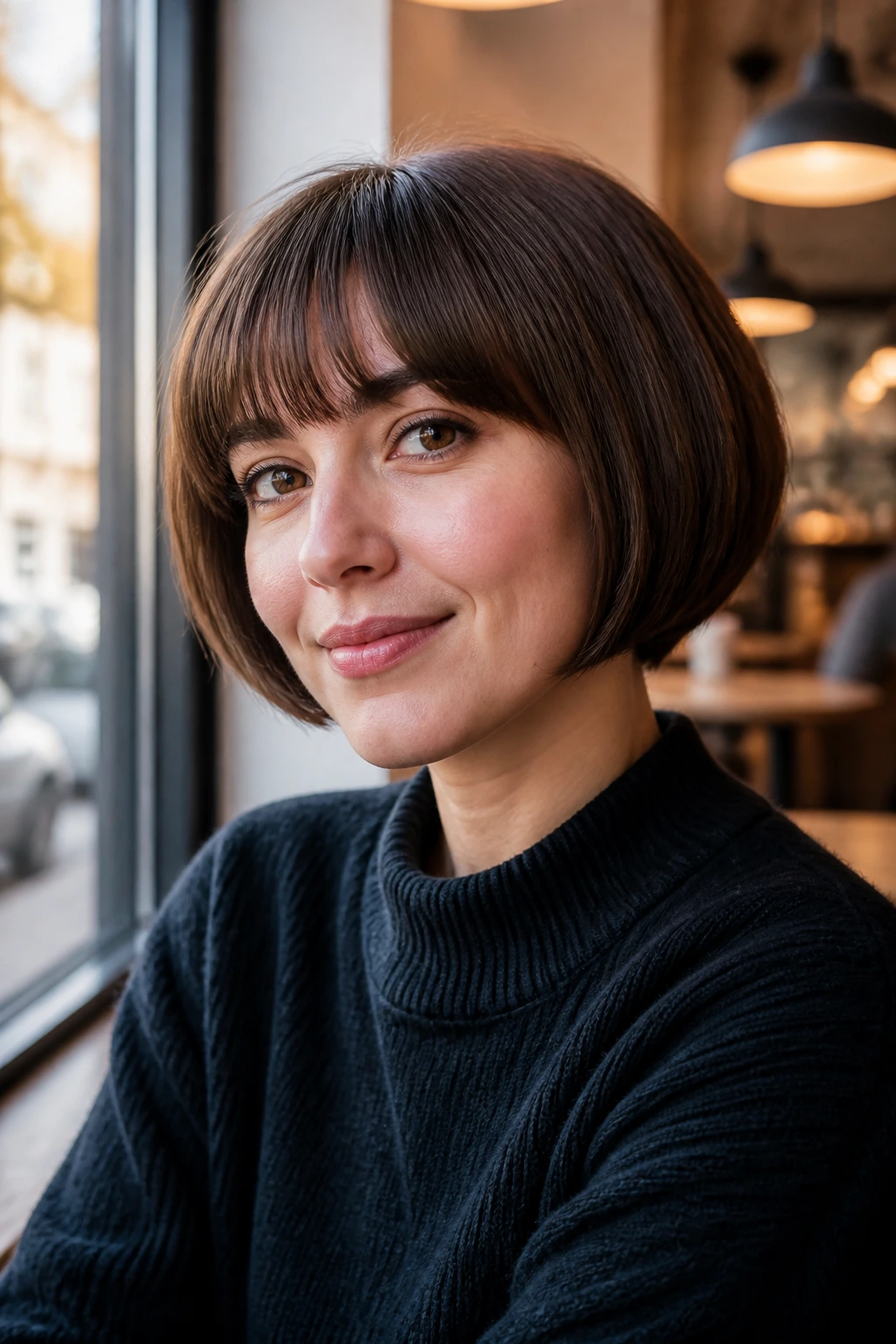
The rounded pageboy has a shape that is almost old-fashioned in the nicest way. It curves under at the ends, hugs the head a little more closely, and makes the hair look deliberate even when you have done barely anything to it. There is something about that rounded silhouette that feels neat without being stiff.
I used to think pageboys were too tidy for everyday life. Then I watched one in motion. The curve moved better than I expected, especially on hair with a bit of natural body. It did not sit there like a helmet. It bent, folded, and settled with a softness that made the whole thing easier to wear.
Why It Works
The round shape keeps the bulk under control, which is useful if your hair grows thick around the sides. It also helps if you want your short cut to frame the face without sharp corners. A small undercurve at the ends can make the jaw look softer and the neck look longer.
- Best with a blow-dry and a round brush.
- Works well at chin length or just above it.
- Needs a trim every 5 to 7 weeks to keep the curve clean.
- Pairs nicely with a fringe that sits across the brows or just grazes them.
This is not a lazy haircut, but it is a good one if you like tidy shape and a little vintage polish.
11. Bixie Cut
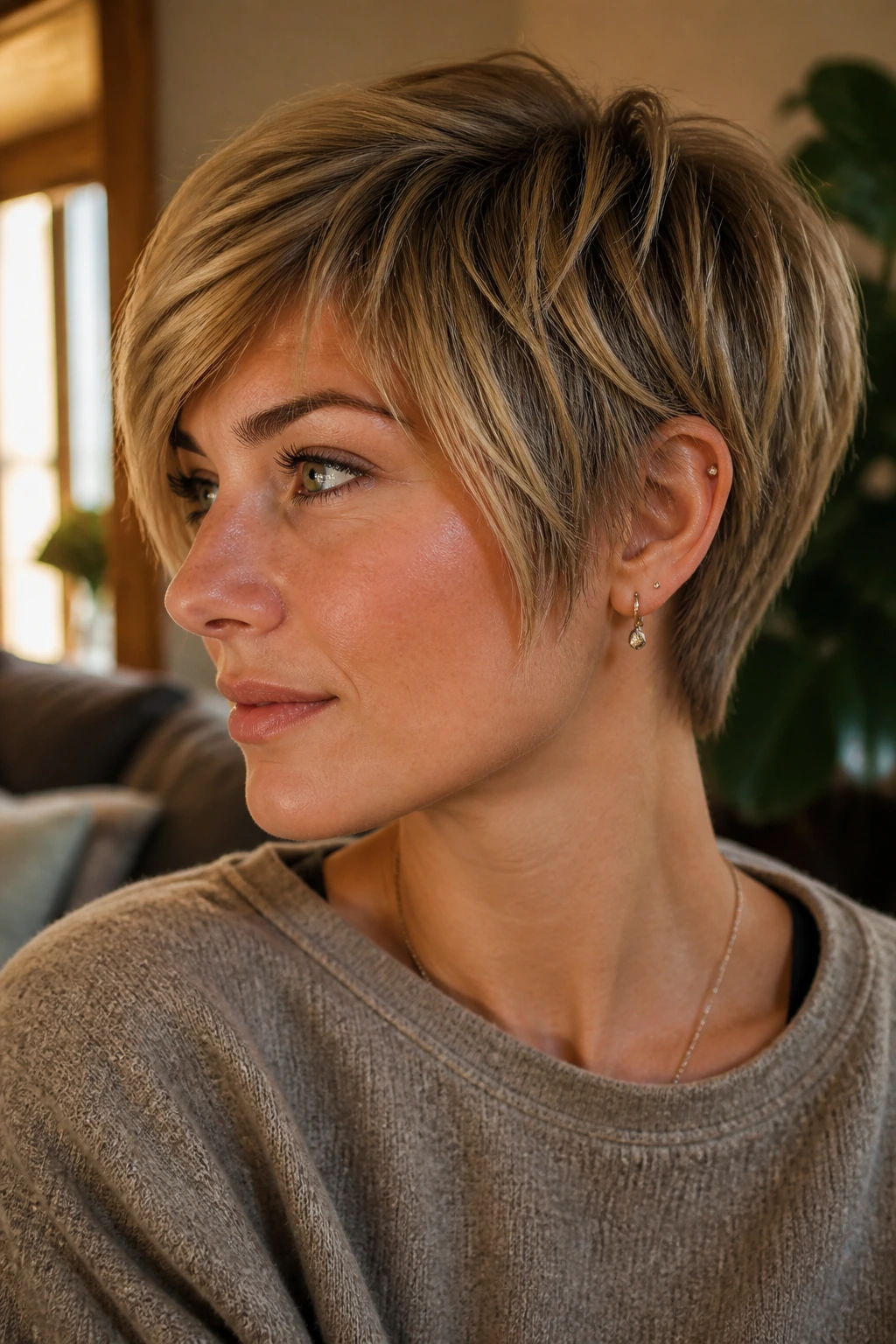
A bixie sits between a bob and a pixie, and that middle ground is exactly why people keep coming back to it. You get the cropped energy of a pixie with a touch more length around the front and sides, so the overall feel is softer and less severe.
It’s the short haircut for people who want to commit without going all the way. The top usually has enough length to play with, while the back stays compact. That makes it easier to style than a classic pixie for some people, especially if you’re nervous about losing too much hair at once.
The bixie also grows out in a friendly way. As it gets longer, it starts reading more like a shaggy bob instead of an awkward in-between stage. That is a big reason it works for real life. There’s a built-in exit ramp.
A texturizing cream or light pomade is usually enough. If your hair is fine, use less product than you think you need. If it is thick, focus on removing bulk at the ends so the cut does not puff up near the ears. This is one of the more adaptable permanent short haircuts on the list, and that flexibility matters.
12. Textured Mullet
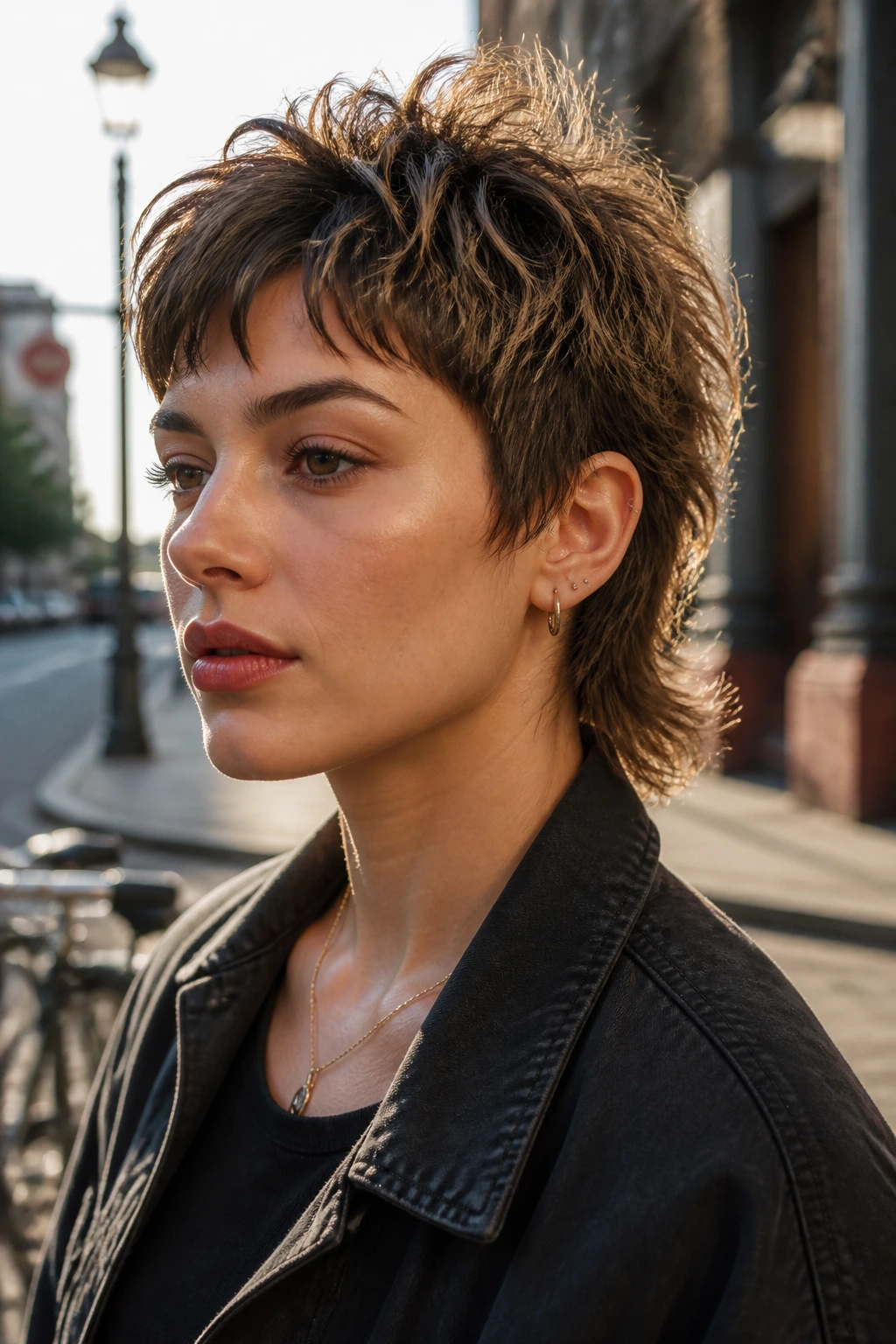
Can a mullet look soft enough to wear every day? Yes, if the contrast is controlled and the texture is handled well. The modern textured mullet keeps length at the nape, shortens the crown, and uses choppy layers to create shape instead of a hard, retro shout.
This cut is not shy. The top has lift, the sides are lighter, and the back carries a little length so the silhouette feels playful rather than flat. If you like hair that moves when you walk, you will probably understand the appeal immediately.
It suits wavy and straight hair that can hold a bend, but curly hair can wear a softer version too. The big mistake is cutting too much into the sides and leaving the top too wispy. Then it starts looking accidental. A good textured mullet has intention. You should be able to tell the shape was chosen, not stumbled into.
How To Keep It Wearable
Use a salt spray or light mousse on damp hair, then rough-dry with your fingers. If you want the front to fall in a more controlled way, twist two or three front pieces with a small wand and leave the rest alone. That keeps it from looking overdone.
13. Tapered Natural Cut for Coils and Tight Curls
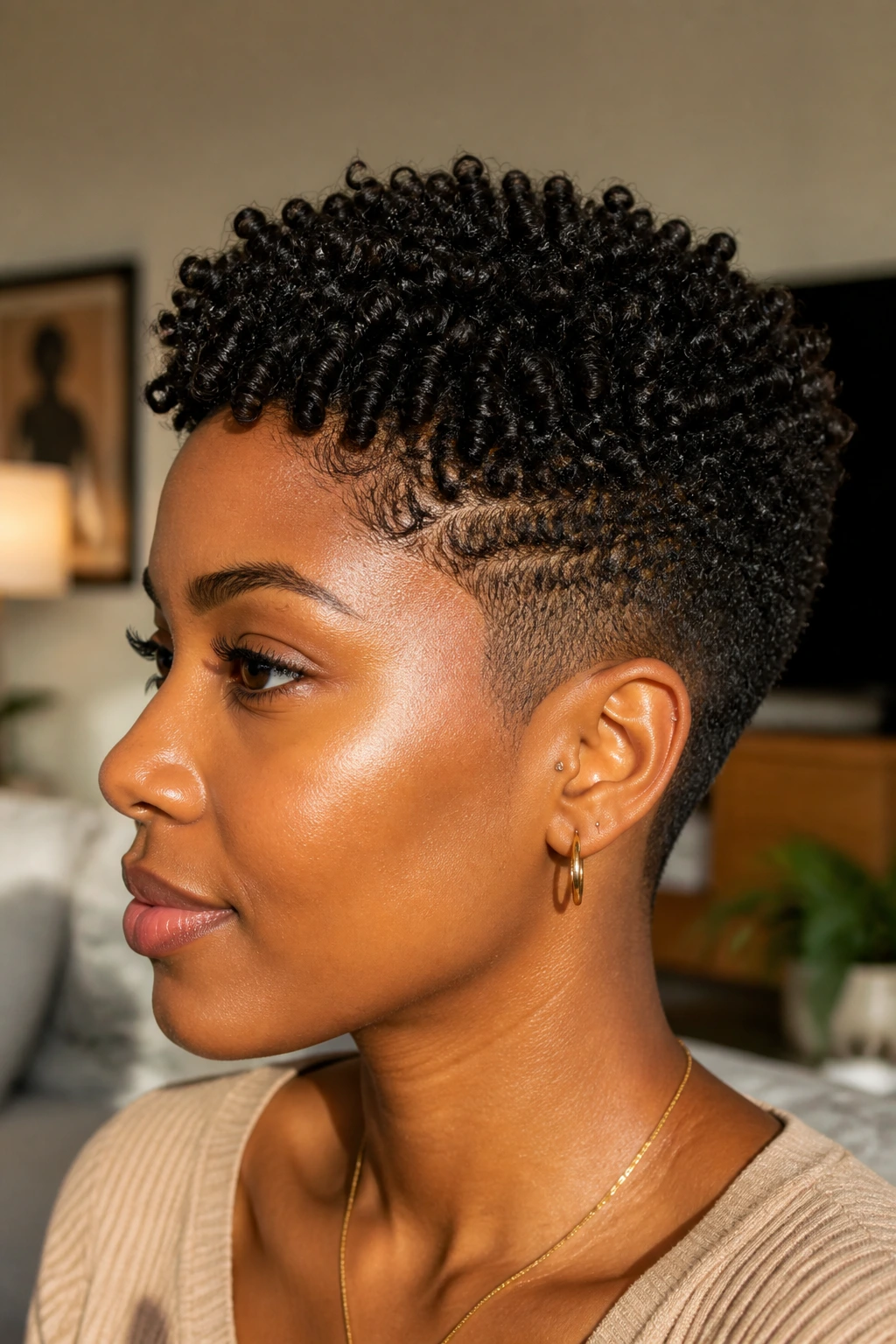
Short natural hair looks best when the cut respects the curl pattern instead of fighting it. A tapered cut keeps the sides and nape shorter while leaving more room on top, which creates shape and keeps the head from looking round in the wrong way. It is neat, but not flat.
The shape does a lot of quiet work. It shows off the curl pattern, keeps the neck light, and makes styling easier because you are not trying to stretch too much hair into a shape it does not want. For coils and tighter curls, that matters. The wrong silhouette can make everything feel heavy by the second day.
Moisture is part of the haircut, not an afterthought. A leave-in conditioner, a curl cream, and sometimes a small amount of gel are enough for many people. Too much product weighs the top down. Too little leaves the shape fuzzy. The sweet spot is usually somewhere in the middle, and you will feel it more than you see it.
If you like a neat outline with real texture on top, this is one of the smartest short cuts to live with. It grows out well too, especially when the sides stay tapered and the top is shaped with the curl pattern in mind.
14. Chin-Length Bob With Full Bangs
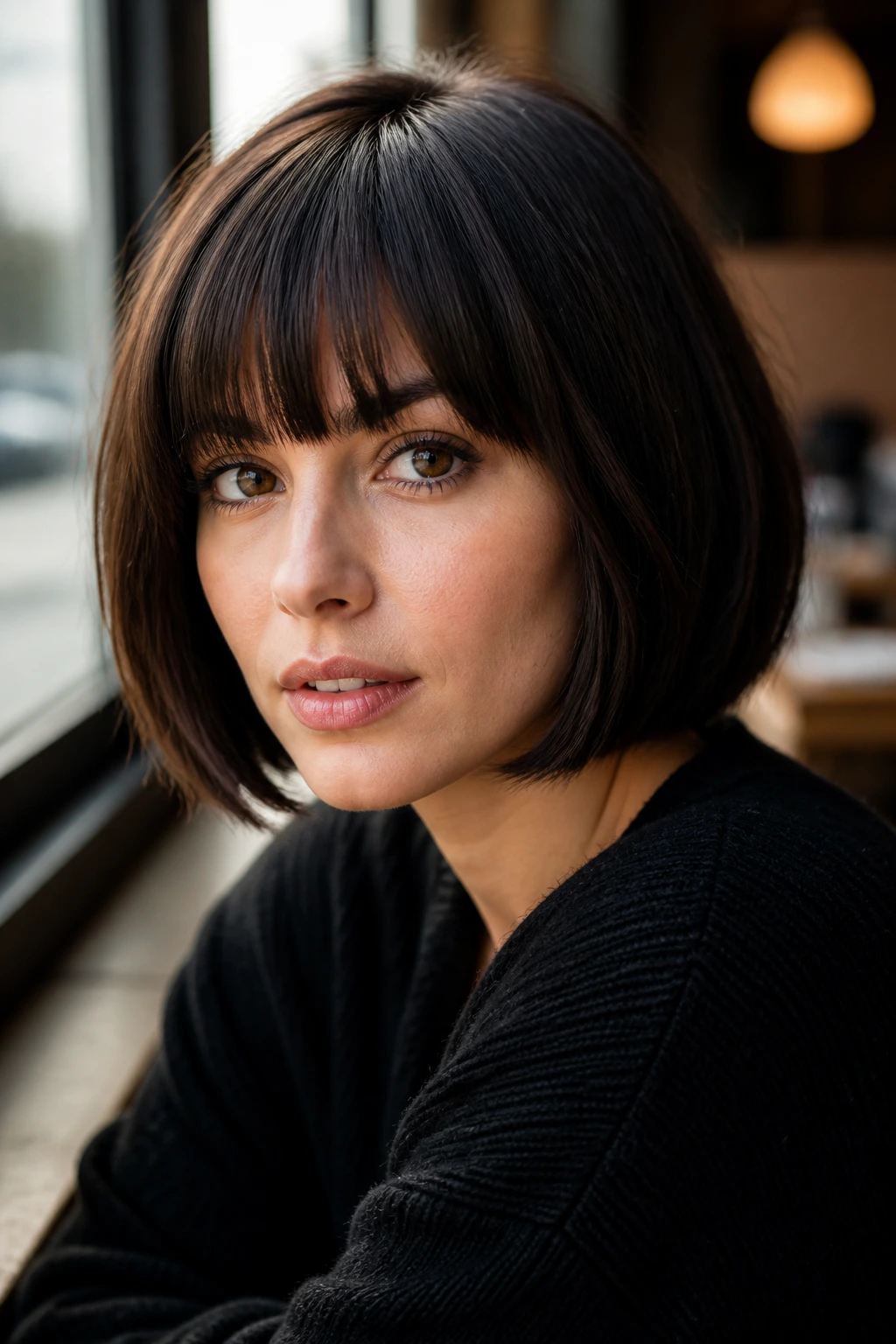
A chin-length bob with full bangs has a little drama built in, but not the exhausting kind. The bangs bring the attention up to the eyes, while the length at the chin keeps the cut grounded. It feels strong without needing a lot of styling tricks.
The fringe is the part that changes everything. Full bangs can make the haircut look softer, heavier, sharper, or more playful depending on how they’re cut. Thick bangs lend structure. Softer, piecey bangs take the edge off. If your forehead is a feature you like to balance, this is one of the easiest ways to do it.
The Salon Notes That Matter
- Ask for bangs that sit just above the brows when dry.
- Keep the bob line close to the chin so the shape feels anchored.
- Leave enough weight at the ends to avoid a wispy triangle.
- Plan on a trim for the fringe every 3 to 4 weeks if you want it neat.
- Blow-dry the bangs first so they do not dry in odd directions.
This cut is especially good if you like structure but still want something feminine and easy to dress up. A red lip, a sharp earring, or a clean sweater neckline all play nicely with it. The shape does the work.
15. Soft Wolf Cut With Face-Framing Layers

A soft wolf cut is the one that proves short hair does not have to be neat to look finished. It carries volume at the crown, lighter layers through the middle, and a bit of length at the back or around the collar. The result is messy in a controlled way. Not sloppy. Just loose enough to feel alive.
This version is gentler than the louder wolf cuts people sometimes picture. The layers still give lift, but the transition between top and bottom is smoother, which makes it easier to wear every day. If you want movement without a lot of flat ironing, this is a good place to land.
It suits wavy hair beautifully, and straight hair can handle it if you’re willing to add some bend with a brush or wand. The face-framing pieces are what make the cut feel wearable. They soften the edge around the cheeks and stop the whole thing from looking top-heavy.
Short hair like this does not ask for perfection. That is the charm. A little volume spray at the roots, a quick scrunch, maybe a pass with dry texture spray at the ends — done. If you want a permanent short haircut with personality, this one has it.
The Bottom Line
The best short haircut is the one that fits your texture, your routine, and your tolerance for trims. A clean pixie, a blunt bob, and a cropped natural shape all live at different points on that spectrum, and none of them are wrong. They just ask for different kinds of care.
If you want the least drama, start with a classic pixie, a French bob, or a jaw-length blunt cut. If you want movement and softness, a bixie, shaggy bob, or soft wolf cut will give you more room to play. And if your hair has strong natural texture, let that texture lead. Fighting it usually costs more time than it saves.
Bring photos from the front, the side, and the back when you sit down in the salon chair. That one habit saves a lot of confusion. Haircuts are three-dimensional things, and the back view has ended more fantasies than the front ever did.
