



Straight hair tells on a bad color job. If the root line is too hard, you see it immediately, and if the blonde jumps from brown to pale in one step, the whole thing can look stripey instead of blended. A good color melt softens that break with a smooth move from root shadow to midtone to lighter ends.
Pin-straight strands don’t hide much. Waves blur mistakes. Straight hair does the opposite, which is why the best color melt hair ideas for straight hair keep the shifts small, the placement fine, and the gloss clean. A one-step jump can look harsh; a careful gradient looks deliberate.
That’s the fun part, honestly. Straight hair can carry a melt in a way curls never will, because every shade gets a crisp little spotlight. The looks here lean warm, cool, soft, bold, and a little moody, but each one is built to look good on sleek lengths, blunt ends, and the kind of finish that shows every inch of shine.
1. Espresso to Mushroom Brown Color Melt
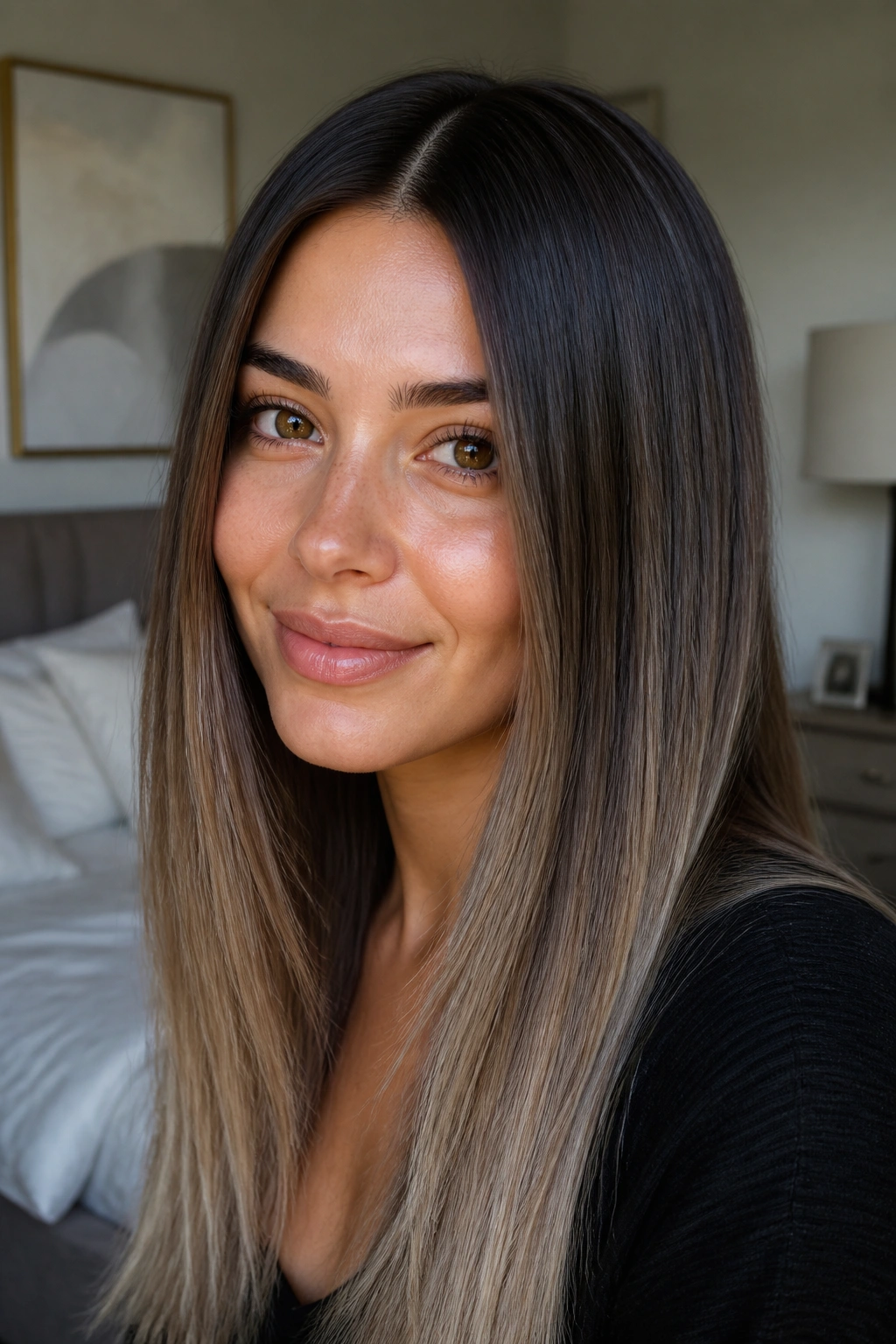
Cool brunettes get a lot of mileage out of this one. The root stays espresso, the mids turn smoky mushroom brown, and the ends pick up just enough softness to keep the whole thing from looking flat under indoor light.
Why It Flatters Straight Hair
Straight hair shows hard lines fast, so this melt works by keeping the shift small — usually one to two levels from root to ends. Ask for a soft shadow root, narrow ribbons through the mid-lengths, and a neutral-ash gloss at the finish.
- Best on level 4 or 5 brunette hair.
- Looks sharp on blunt bobs and long one-length cuts.
- Needs a cool toner refresh every 6 to 8 weeks.
- Reads especially well with a center part.
Tip: Keep the ends a touch lighter than the mids. That tiny lift makes the hair move.
2. Dark Chocolate to Caramel Ribbon Melt
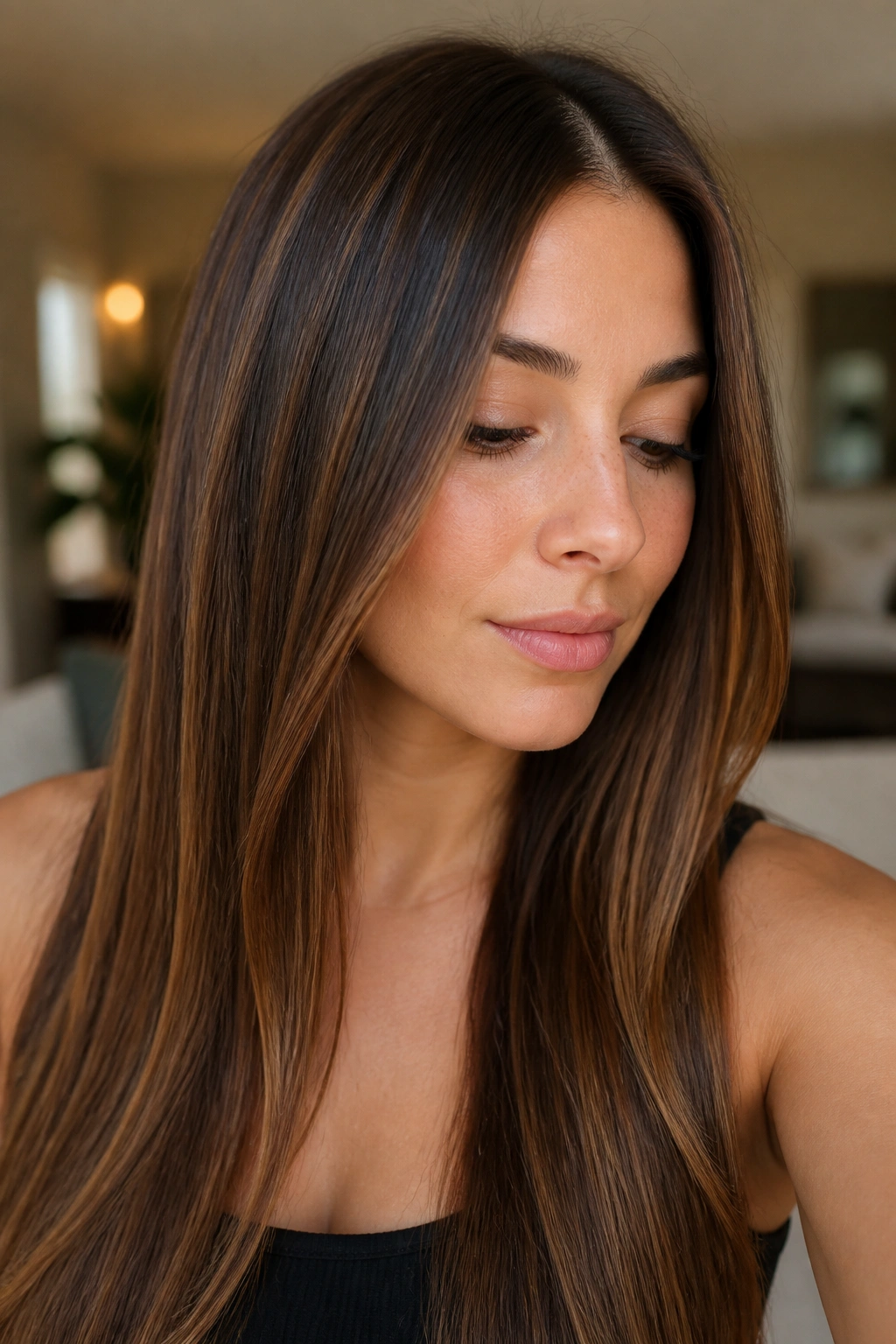
Caramel ribbons are better than chunky blonde pieces on straight hair. They sit inside the brunette base instead of on top of it, which keeps the finish smooth instead of striped.
A dark chocolate root with thin caramel ribbons through the middle third gives long straight hair the kind of movement waves often fake. The trick is placement. Put the lightest bits around the face and through the lower lengths, then keep the crown darker so the blend doesn’t break apart the second you tuck your hair behind your ear.
This one is kind to blunt cuts, shoulder-length lobs, and thick hair that needs a softer edge. It also looks good with a rounded blowout, because the warmer ribbons catch the bend near the ends without screaming for attention.
3. Chestnut to Copper Melt
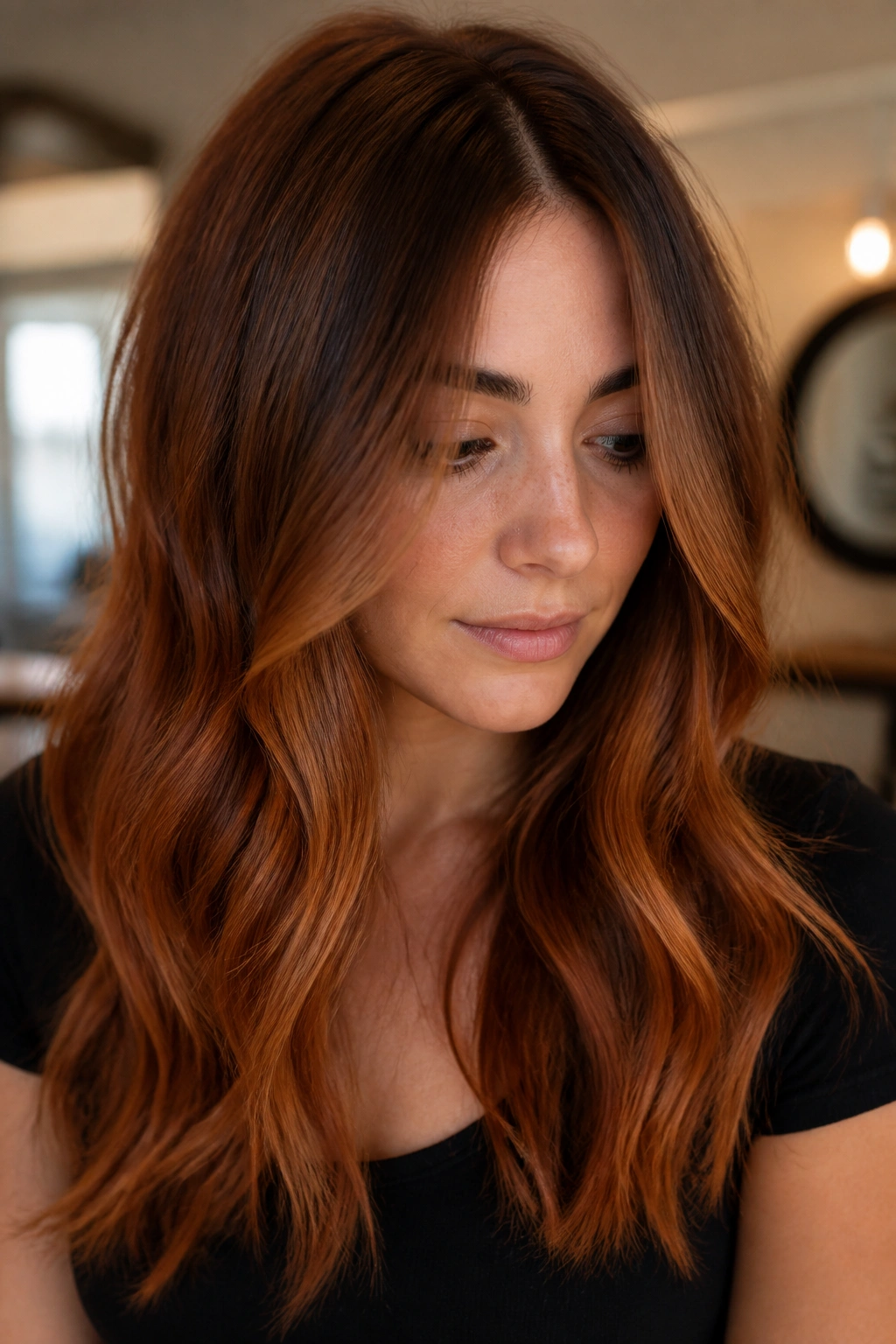
Why does this look work so well on a straight lob? Because copper needs a clean surface. Straight hair gives it that surface, and chestnut at the root keeps the warmth from getting loud.
A chestnut-to-copper melt should feel like a slow burn, not a jump. The root can stay medium brown with a red cast, then the mids move into soft copper, and the ends can go a half-step brighter if you want more energy. That spacing matters. Too much orange too high up and the whole thing looks busy.
Best Cuts for the Shift
A blunt bob makes the copper look sleek. Long layers let the color change stretch out. Either way, ask for a glaze that leans red-brown, not neon copper, if you want the melt to stay polished.
4. Blue-Black to Indigo Melt
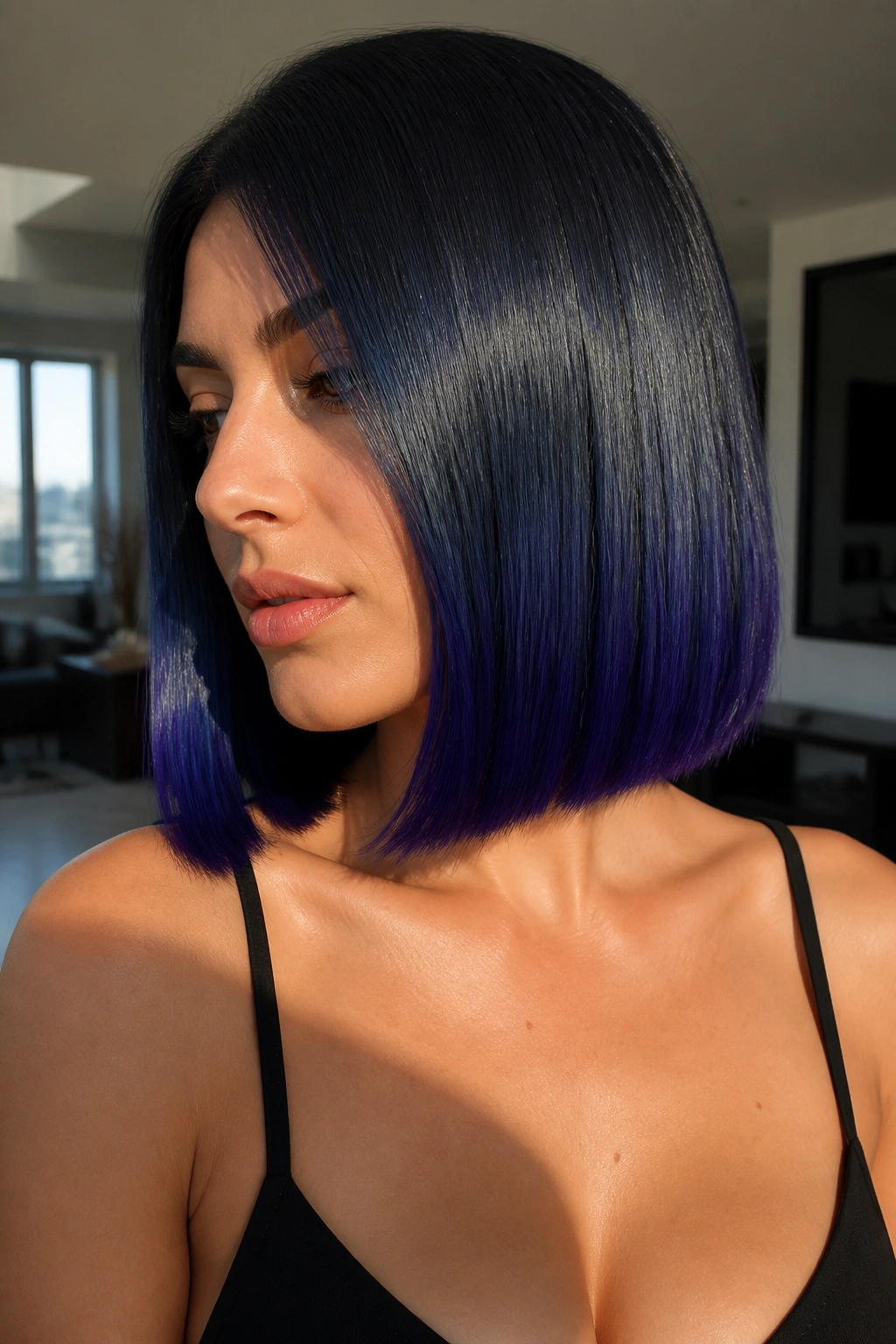
Picture a blunt bob under late afternoon light. A blue-black root fading into indigo ends gives the cut a shine that plain black never gets.
- Best on naturally dark hair, level 1 to 2.
- Ask for a blue-black root shadow first.
- Keep the indigo mostly on the bottom third.
- Use a violet-blue conditioner every 2 or 3 washes.
The reason this looks strong on straight hair is simple: the shine line stays crisp, so the color reads like satin instead of costume dye. If you want drama without a lot of visible contrast, this is the one. It stays dark at the root, but the blue note wakes up when light hits it.
5. Mocha to Toffee Melt
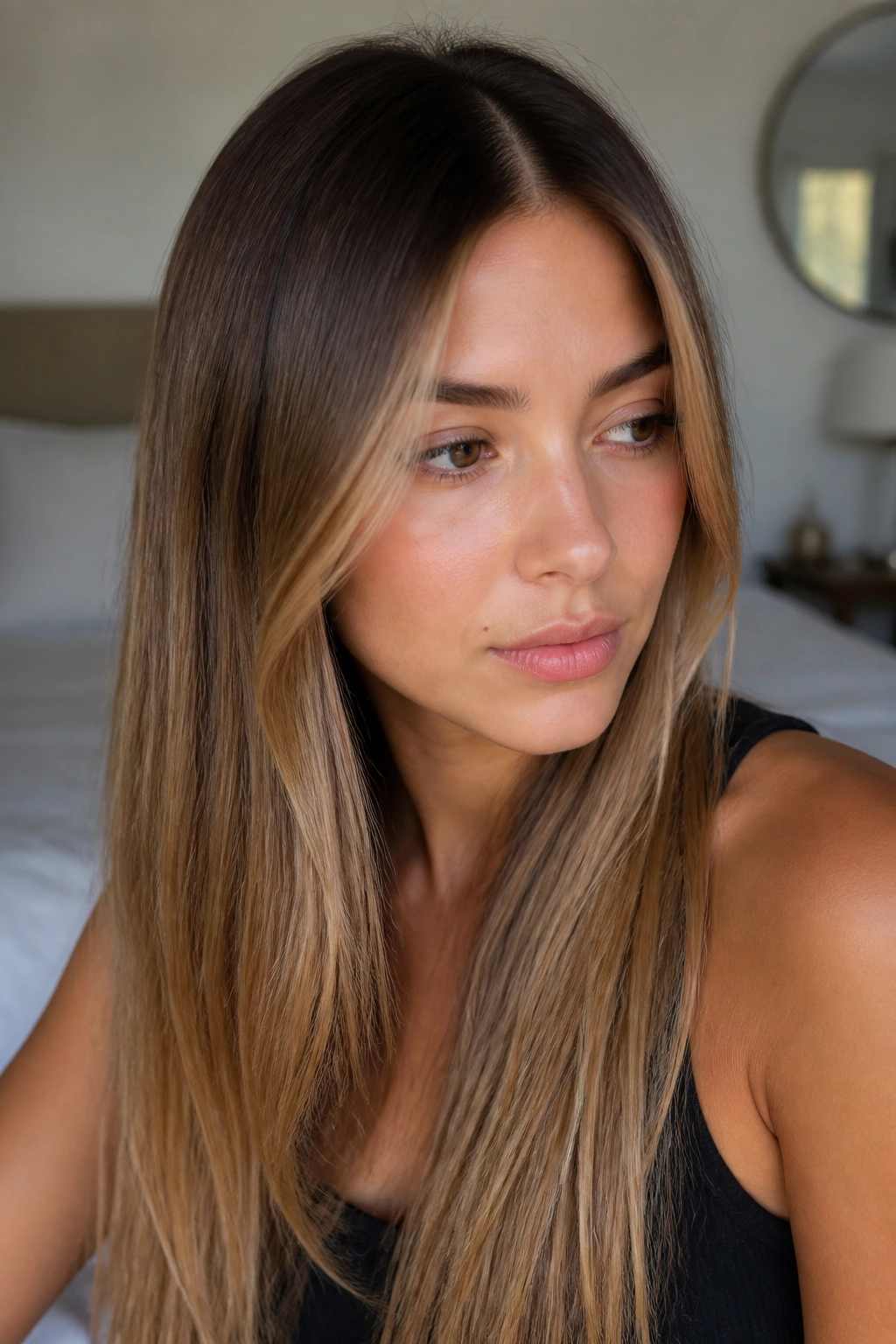
Mocha to toffee is the warm brunette move I never get tired of seeing on straight hair. It softens the face, thickens the look of the lengths, and avoids the flat, muddy cast that one solid brown can give you.
A good version keeps the root mocha or cocoa, then slides into toffee through the mids and ends. The lighter pieces should live mostly from cheekbone level down. That keeps the crown grounded and lets the lower half of the hair do the talking. On pin-straight hair, the finish feels sleek instead of overworked.
This is one of those shades that makes a simple middle part look more expensive than it has any right to. A gloss with beige-gold notes helps keep the warmth soft, not brassy.
6. Ash Brown to Beige Bronde Melt
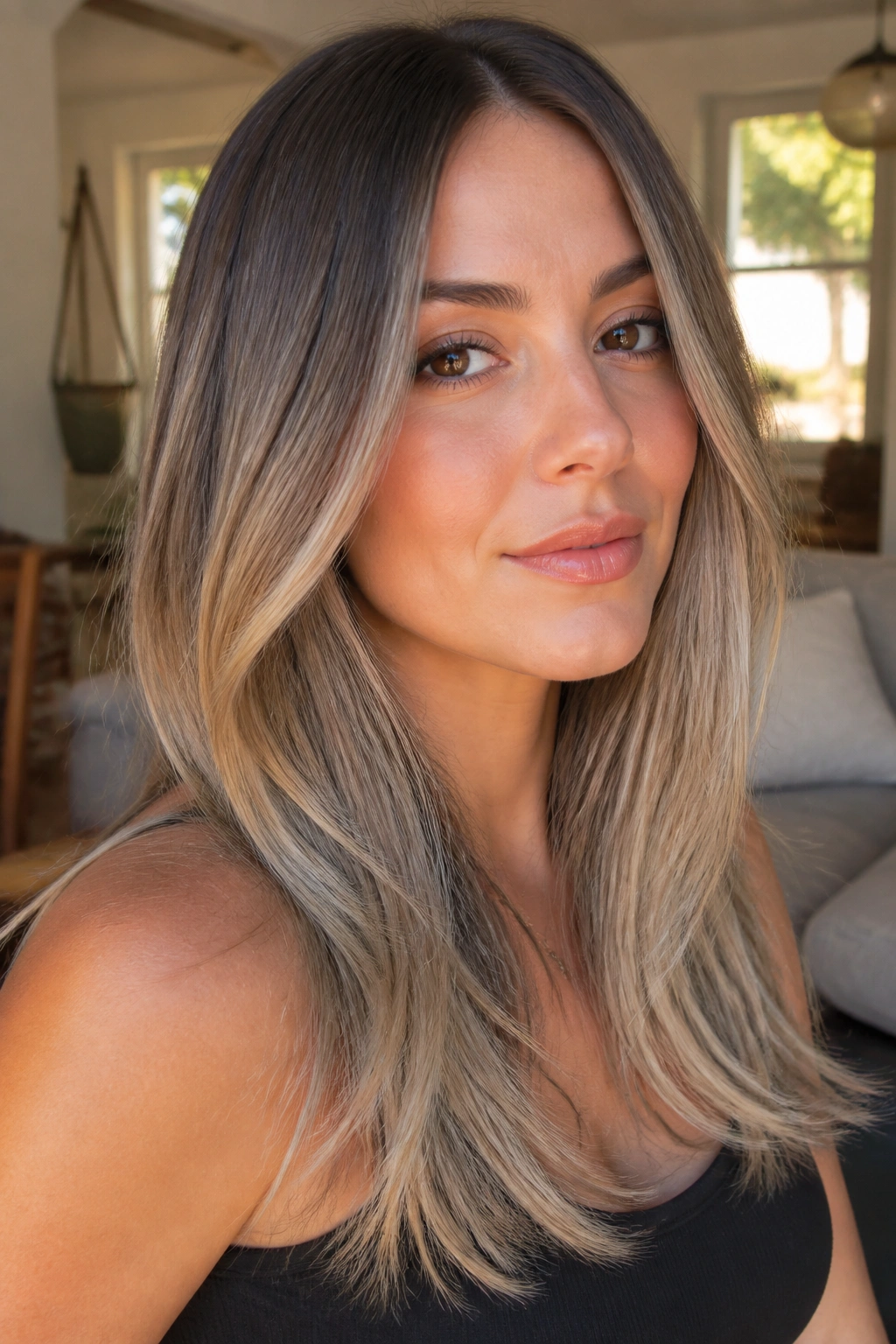
Unlike bright bronde, this version stays cooler and quieter. Ash brown at the root melts into beige through the mids, which gives straight hair a soft, smoky finish instead of a sun-drenched one.
That matters if your hair tends to go orange when lifted. Beige bronde is more forgiving than a pale blonde because the color break is gentler. You’re not aiming for a hard blonde switch; you’re aiming for a blurred slope that looks clean on sleek lengths. It’s especially good on people who wear straight hair every day and want the color to stay calm when it’s tucked behind the ears or pulled into a low clip.
This is also one of the easiest looks to grow out. The root shadow can stretch a little without looking sloppy, and that’s worth a lot.
7. Rooted Platinum Color Melt
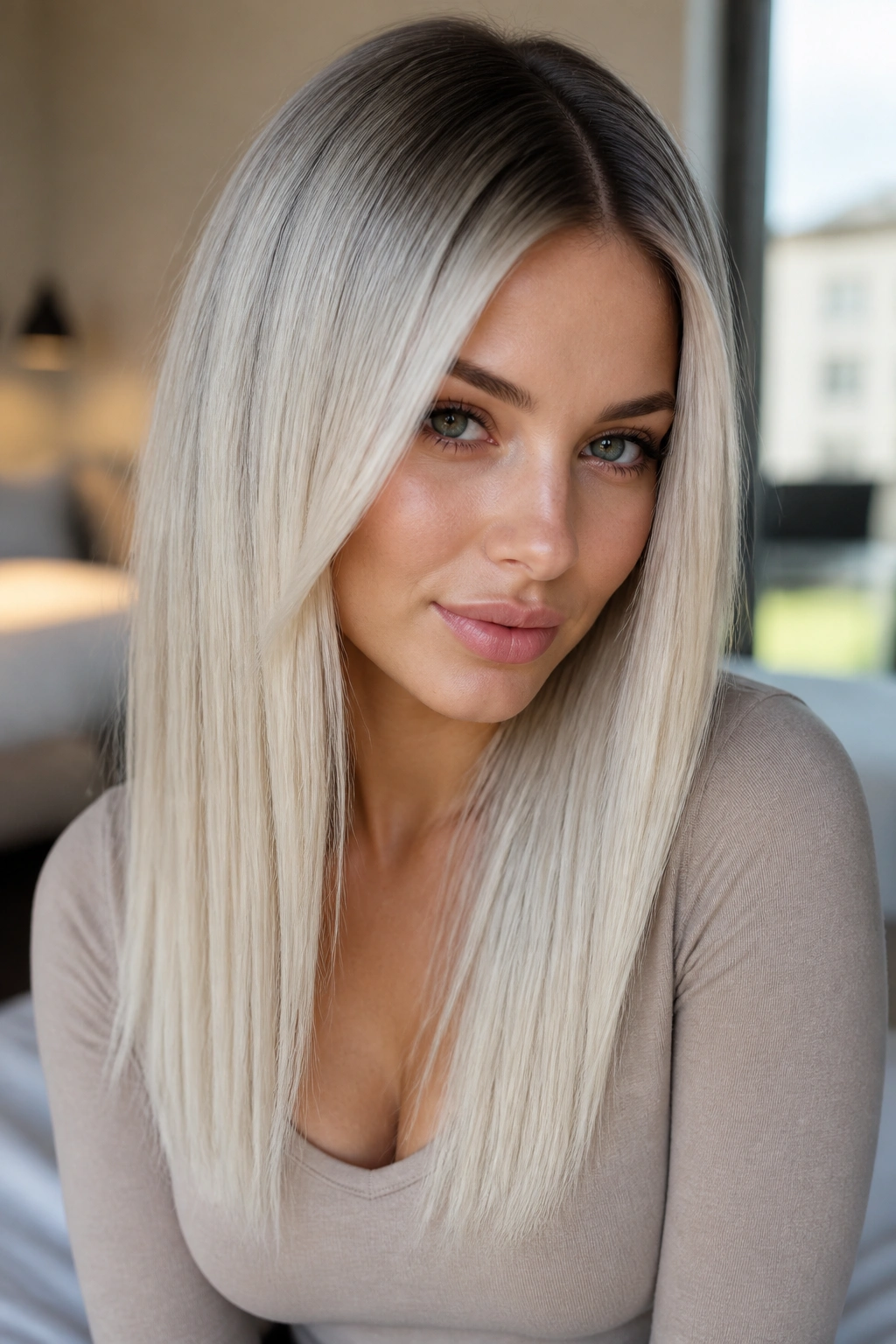
A rooted platinum melt works only when the root zone is soft. Hard platinum at the scalp can look brittle on straight hair, but a deeper root keeps the brightness grounded.
Why It Needs a Soft Root
Ask for a shadow root that sits about one to two levels deeper than the lightest ends. That small change gives the hair a little depth at the top and stops the platinum from looking like one flat sheet. On straight hair, that depth is everything.
- Works best on level 8 or lighter hair.
- Needs a violet shampoo, but not every wash.
- Looks clean on blunt cuts and sleek long layers.
- Needs trimming more often, because damaged pale ends show fast.
Tip: Keep the coolest platinum in the middle and lower thirds. The scalp area should stay slightly darker.
8. Smoky Brunette to Silver Melt
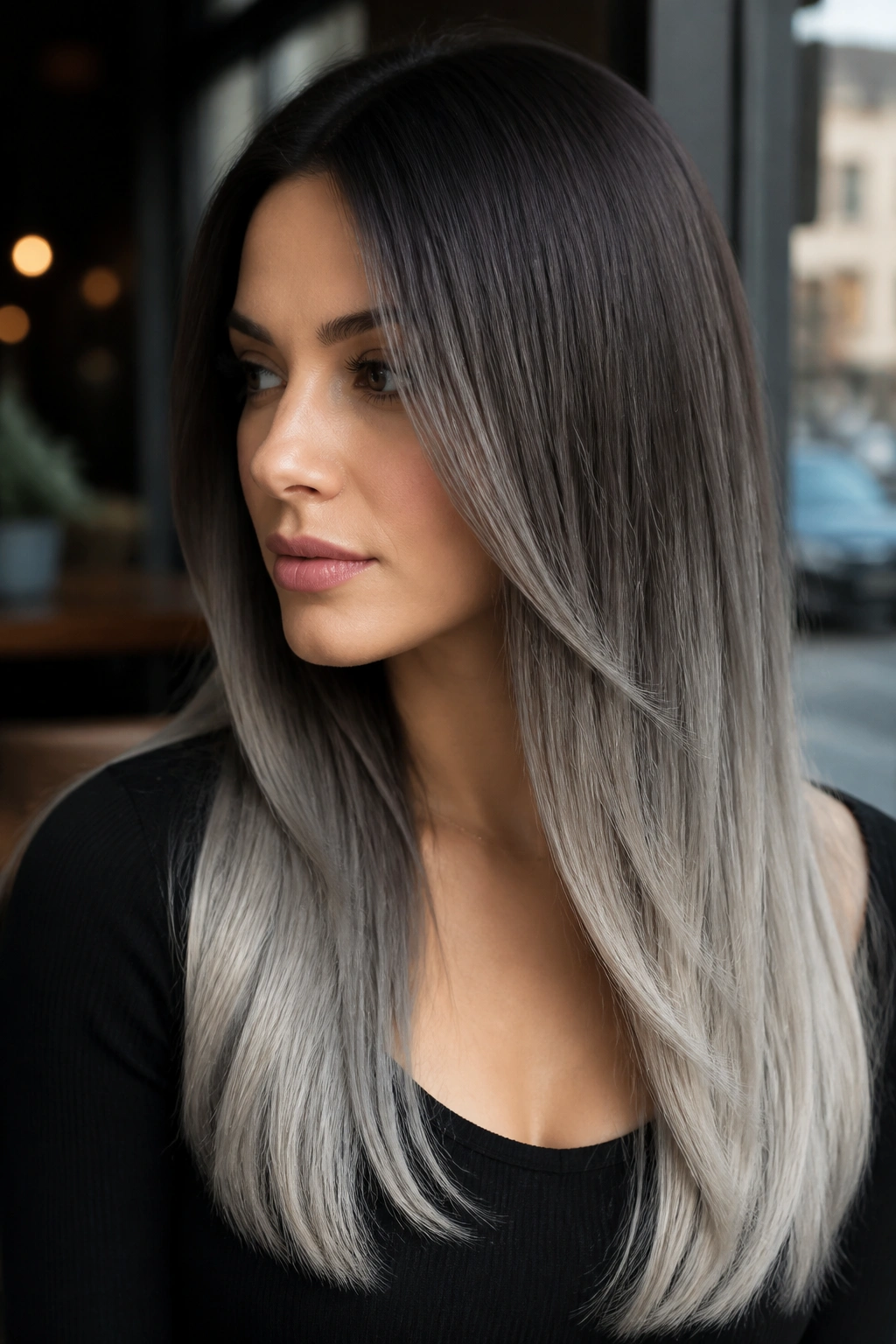
Silver is not only for blondes. On straight hair, a smoky brunette root fading into silver ends can look sharp, expensive, and a little bit severe in the best way.
The color has to be planned carefully, though. If the silver starts too high, it can turn washed out. If the brunette root is too warm, the whole thing loses that steel-gray feel. A deep brown base with cool charcoal mids and silver ends gives the hair a sleek gradient that flatters long, straight lengths especially well.
This one does ask for upkeep. Silver washes out faster than people expect, and a color-depositing mask helps. If you like cool-toned clothes, silver jewelry, and a clean middle part, this is an easy yes.
9. Auburn to Cherry Cola Melt
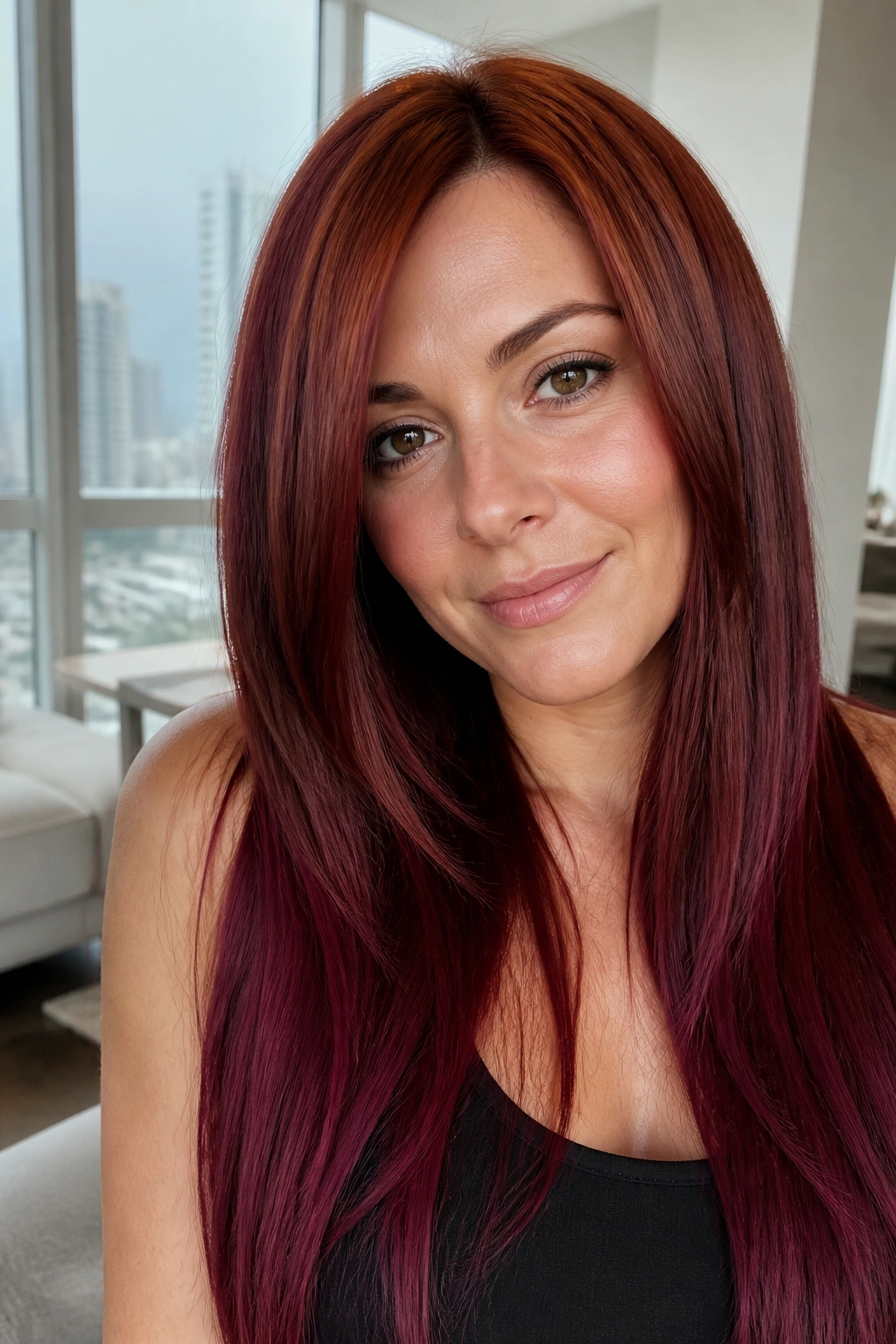
Why does red look richer when it leans into violet? Because cherry cola tones catch both warmth and depth, which keeps straight hair from looking one-note.
Auburn at the root gives you that brown-red base, then cherry cola in the mids adds darker berry notes, and the ends can land in a richer wine tone if you want more contrast. That three-step shift works especially well on straight hair because every color band shows, so the blend has to stay controlled. Too much bright red and the look starts to fight the haircut.
Best Haircuts for This Shade
Long layers, curtain bangs, and a sleek lob all play nicely here. The darker cherry tones near the face make the skin look calmer, which is useful if your complexion tends to flush easily.
10. Cinnamon to Strawberry Melt
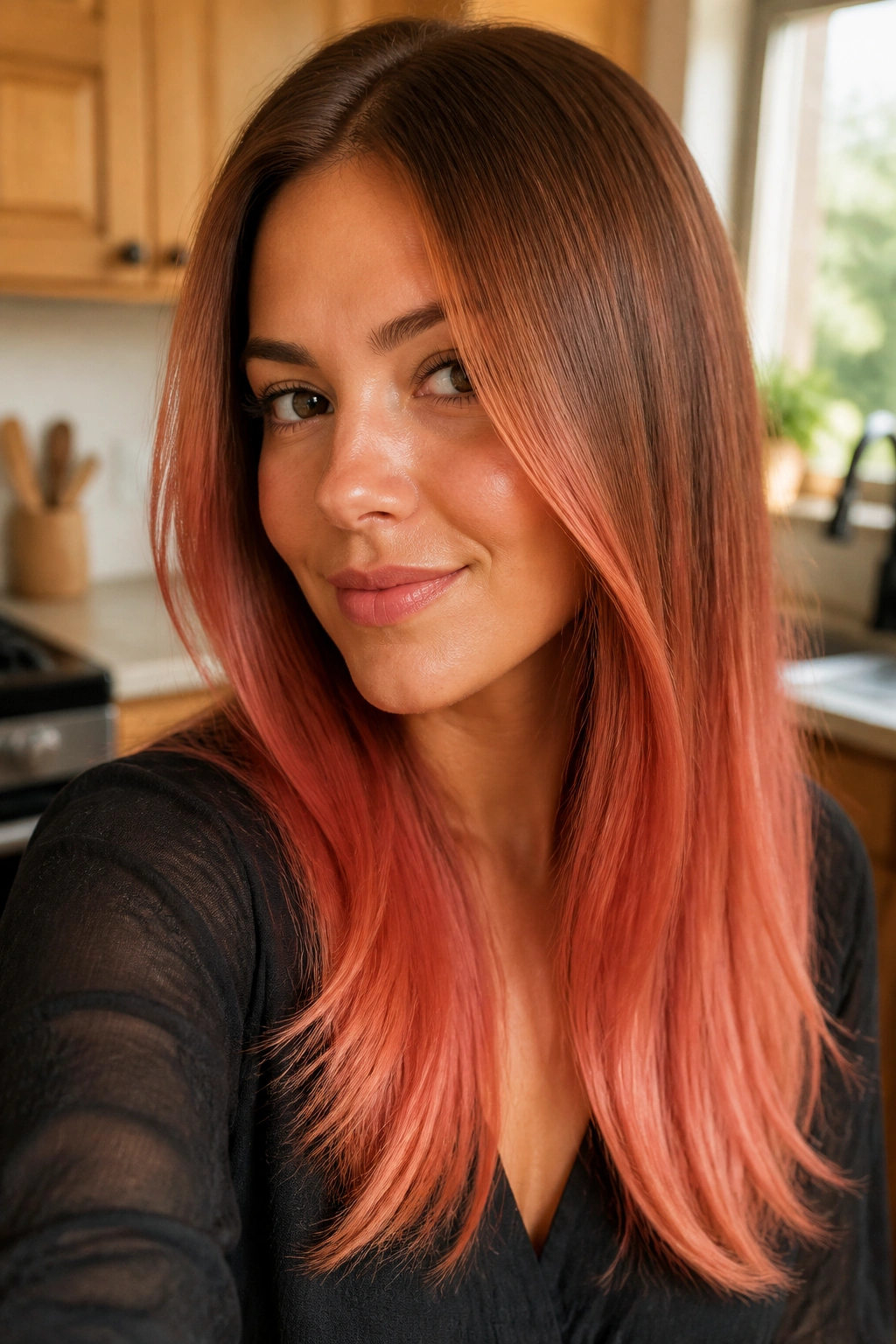
A straight blowout with cinnamon roots and strawberry ends feels softer than an all-over copper. The red stays warm, but it gets lighter and friendlier as it moves down the hair.
This is a good choice if you want red hair without the deep burgundy mood or the bright orange edge. Cinnamon at the top keeps the color grounded, then strawberry through the mid-lengths adds a little glow. On straight hair, the lighter ends need to be placed low enough that the hair doesn’t turn into a block of peach at the crown.
It works well on medium-length cuts and on people who like their color to look sweeter than dramatic. A color-safe shampoo is worth using here, because strawberry shades fade fast and can lose their charm in a hurry.
11. Dark Blonde to Honey Melt
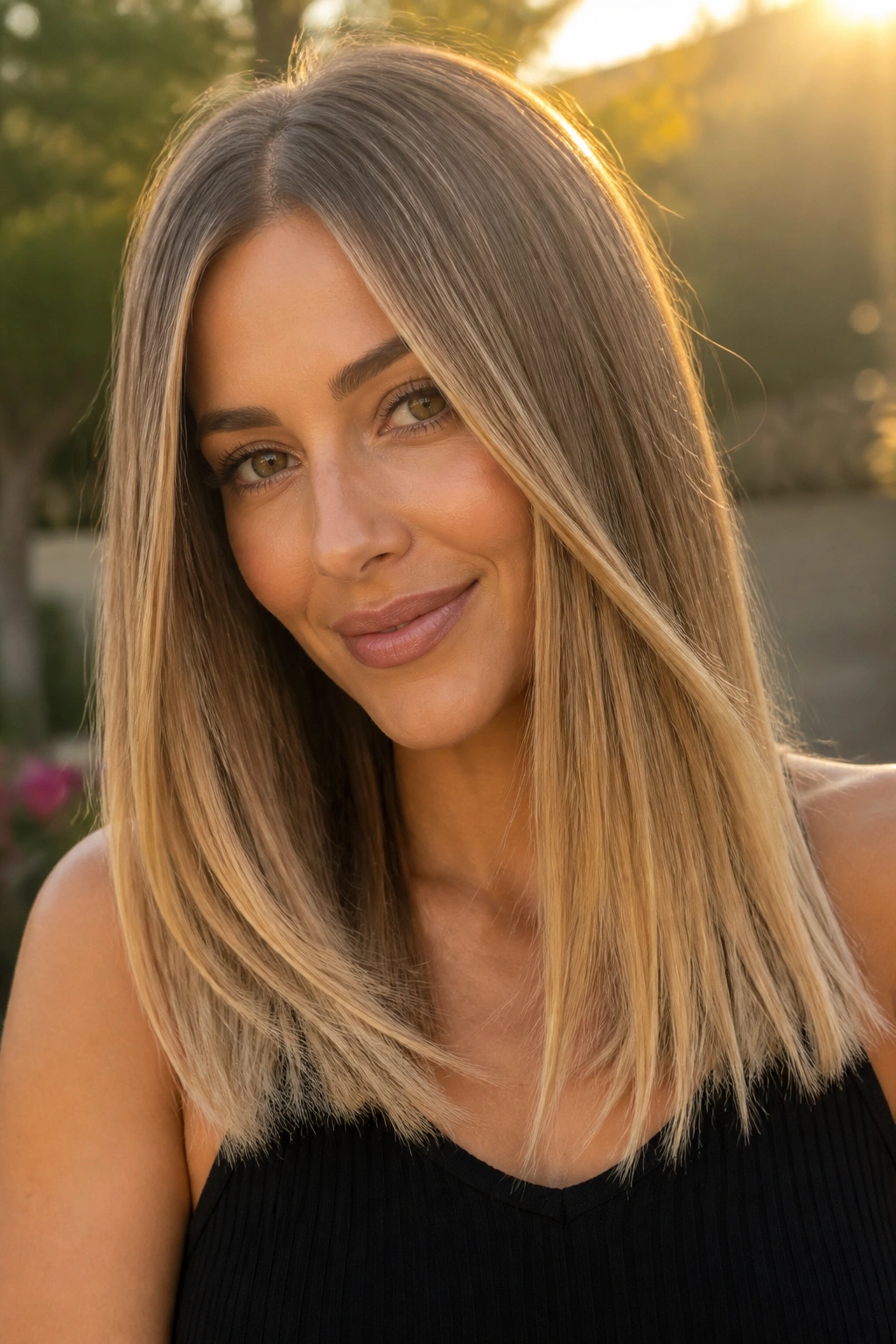
Dark blonde to honey is one of those shades that makes straight hair look softer without looking overdone. The root stays a deeper blonde, the mids warm up, and the ends pick up honey-gold light.
The best part is how clean it looks with a smooth blow-dry. Honey catches shine in a way that makes the hair feel fuller, especially if your strands are fine and naturally flat. Keep the root a shade deeper than the ends so the melt has a place to start. If everything is light all the way through, the shape disappears.
This shade is a good fit for shoulder-length hair, long bobs, and layered cuts that need a little warmth around the face. It also wears well with a side part, which can add a little lift at the crown.
12. Sandy Blonde to Vanilla Melt
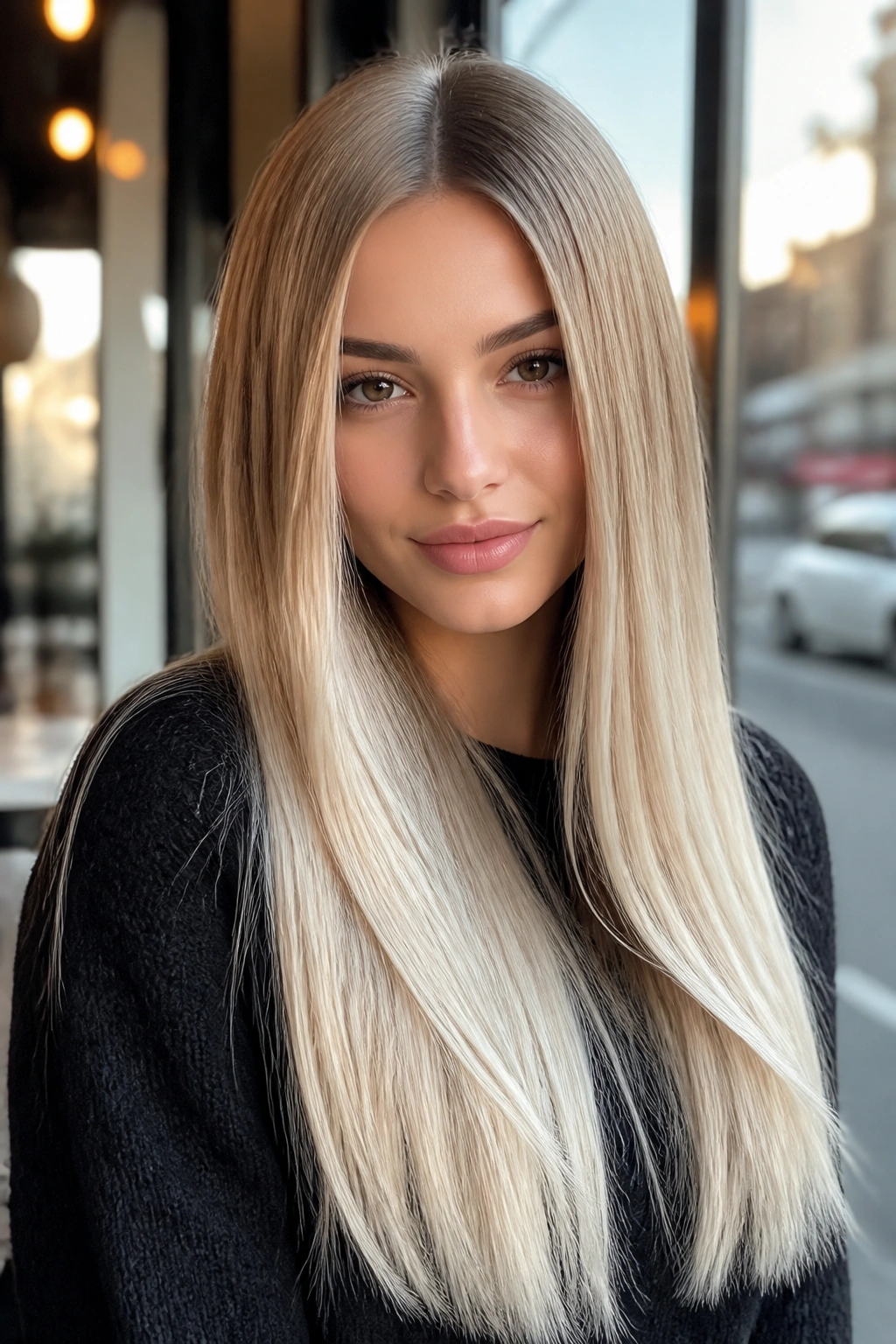
Sandy blonde into vanilla is a softer blonde story. It stays creamy instead of icy, which helps straight hair look smooth rather than bleached out.
Unlike platinum, this melt doesn’t need a lot of contrast to work. Sandy blonde at the root or upper mids gives the hair a lived-in base, then vanilla on the lower half adds brightness without making the ends look chalky. If your hair is naturally light or lightened already, this can be a nice way to freshen the color without tipping into stark white.
It’s a good pick for sleek long hair, especially if you like a center part and polished finish. Ask for a beige-vanilla toner, not a white one. That small choice changes everything.
13. Bronze to Amber Melt
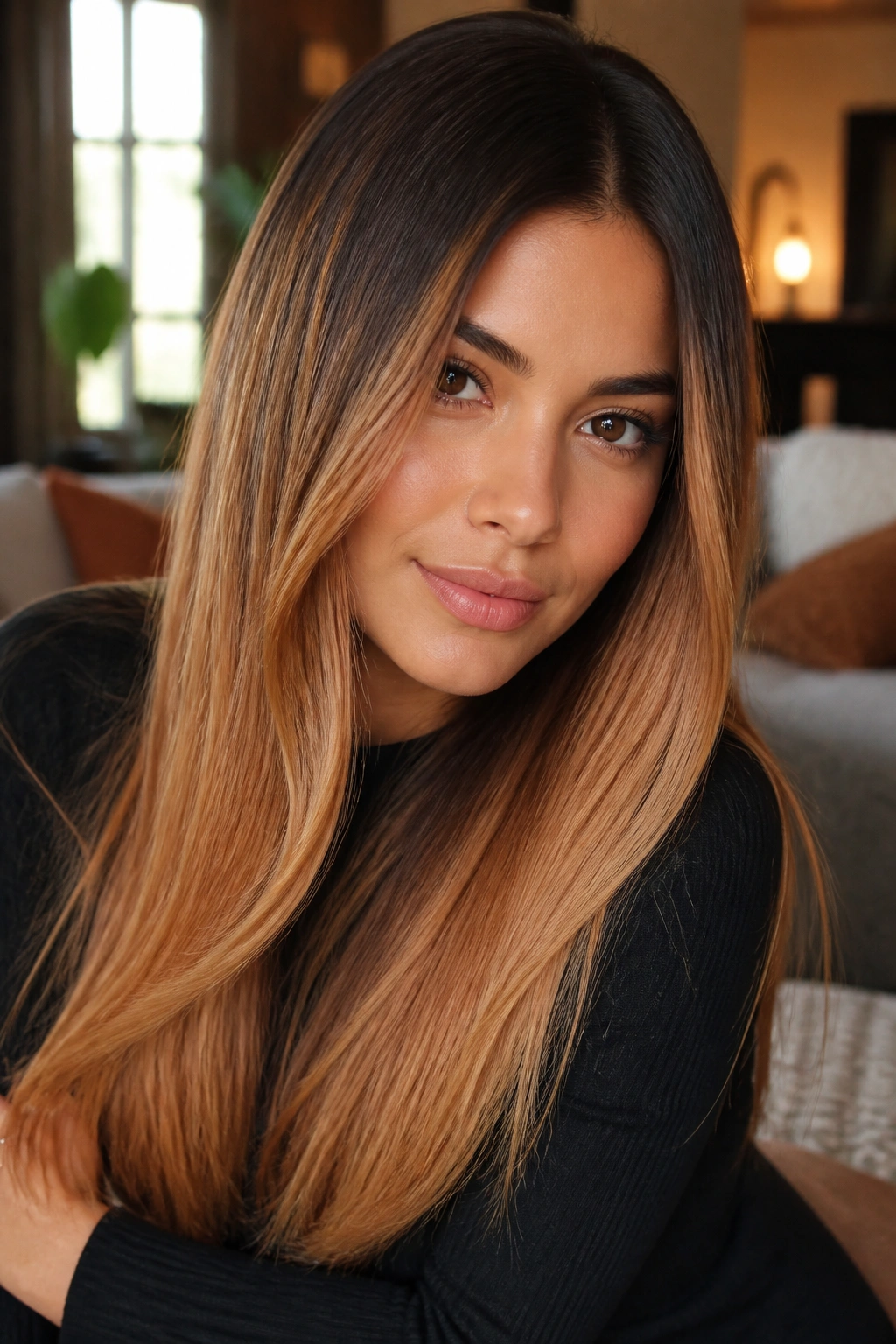
Bronze to amber is a warm metallic blend that looks rich on straight hair. Bronze at the root keeps the color grounded, and amber through the ends brings in a little gold-red heat.
What Makes It Stand Out
This shade is strongest on medium-brown hair because the warm lift shows up without fighting the base. Straight hair lets the bronze shine read cleanly, and the amber ends stop the style from looking flat in low light.
- Best if your base sits around level 5 or 6.
- Works on blunt cuts, but also on long soft layers.
- Needs a gloss every 6 weeks to keep the gold from dulling.
- Looks best when the lightest pieces sit under the chin and below.
Tip: Keep the amber near the ends, not the scalp. That’s where the glow belongs.
14. Cocoa to Rose Gold Color Melt
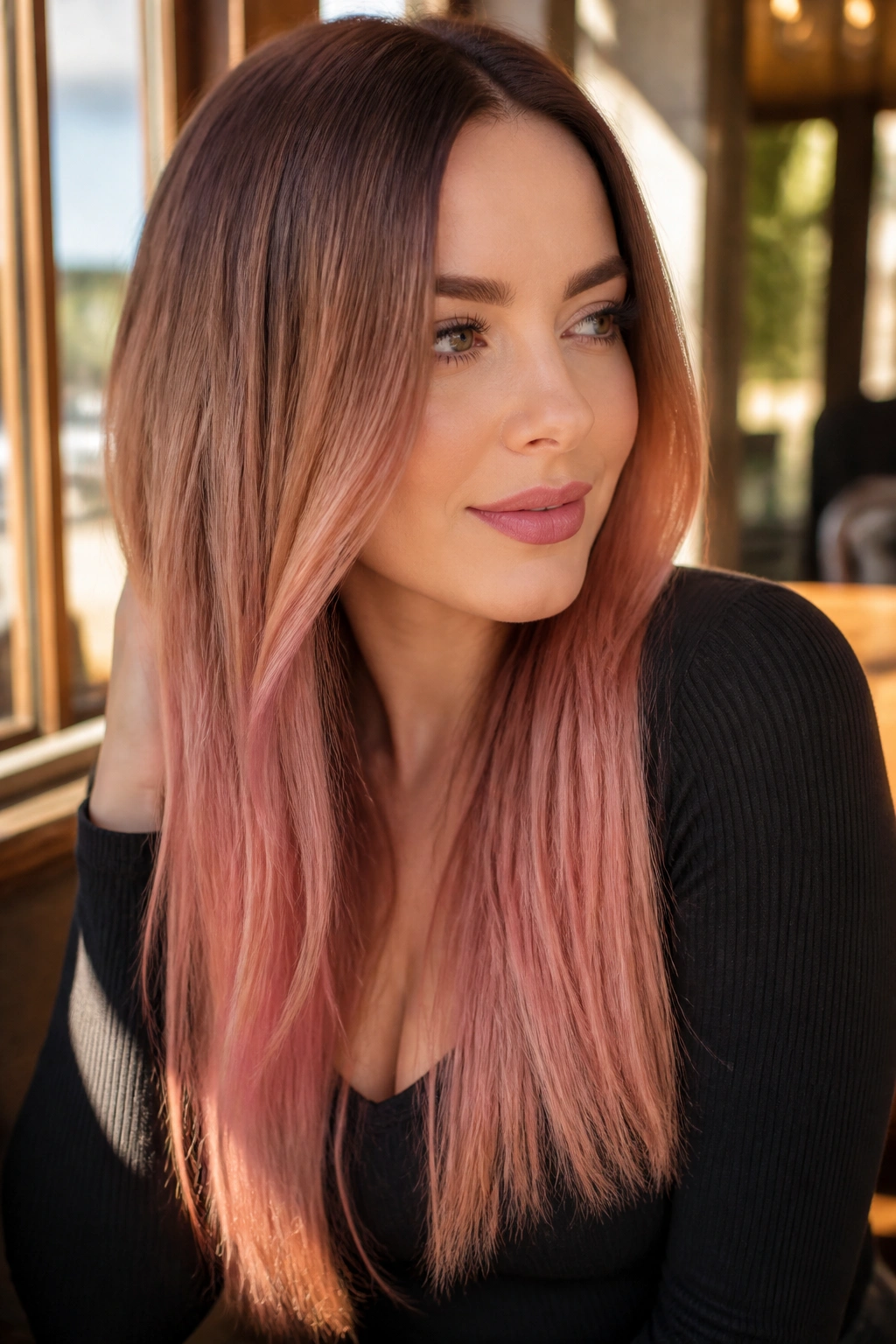
Cocoa to rose gold looks cleaner on straight hair than it does on loose waves. The lines are sharper, so the pink-beige note lands with more control and less fluff.
The trick is to keep the rose gold soft. You want cocoa at the root, then a beige-pink bridge through the mids, then a warmer rose tone on the last few inches. If the pink is too bright, the whole thing can look like a temporary dye job. If it stays muted, the melt feels polished and modern without trying too hard.
This is a strong choice for people who want something a little playful but not loud. A flat iron at a low setting helps keep the finish glossy, and a color mask with rose or copper pigments can stretch the tone between salon visits.
15. Plum to Mulberry Melt
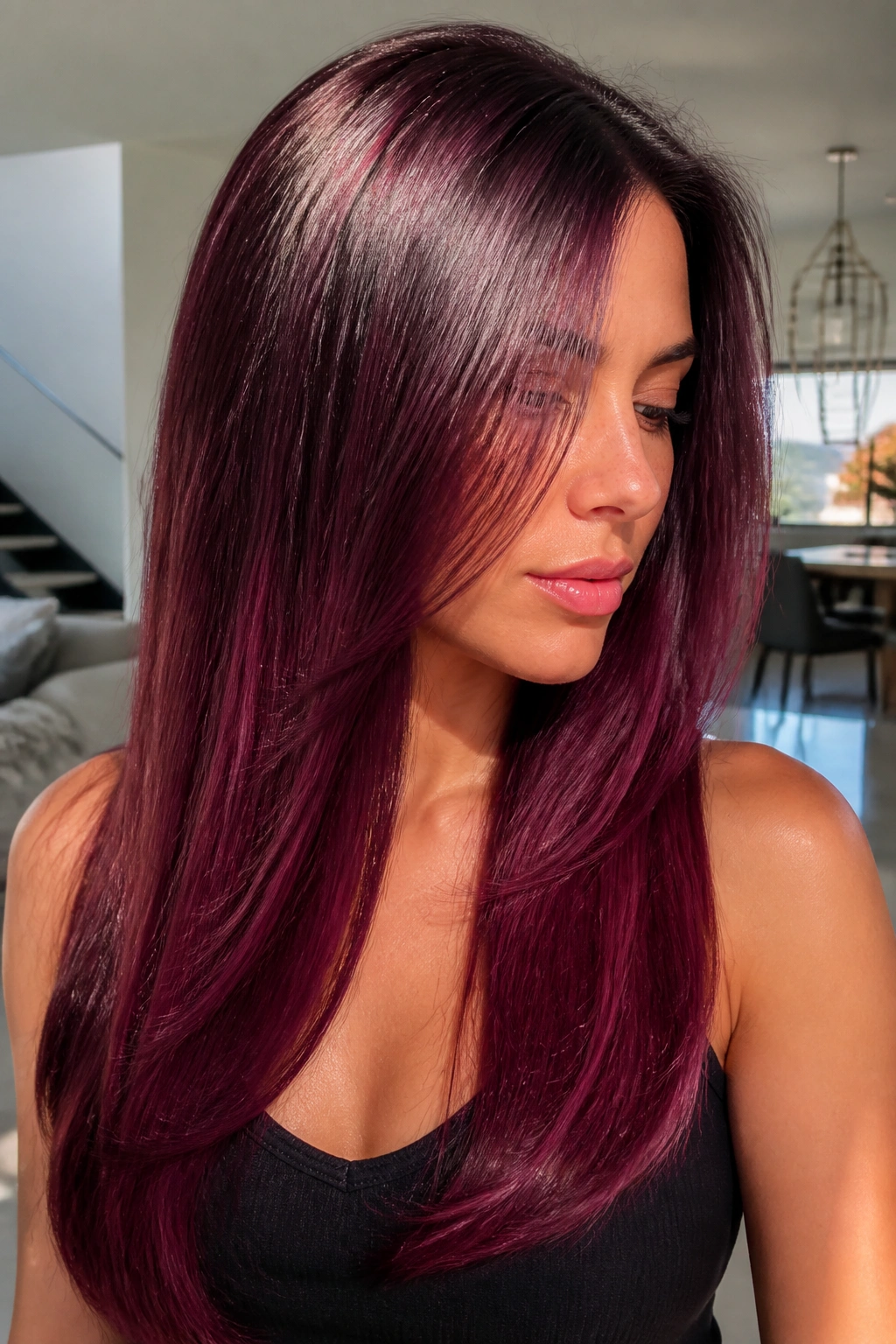
Plum and mulberry work because they sit between red and violet, which gives straight hair a dark, glossy sheen instead of a single flat purple cast.
Why does that matter? Straight strands show tone changes sharply. A pure violet can look too cool and a pure red can look too bright. Mulberry lives in the middle, so the color feels deep and dimensional without leaning theatrical. Keep the root plum, let the mids soften into berry, and nudge the ends toward a richer wine note if you want more depth.
When to Use It
This shade is smart for darker natural hair and for cuts with blunt edges. It looks especially good in clean daylight, where the purple tone peeks out without stealing the show.
16. Mahogany to Burgundy Melt
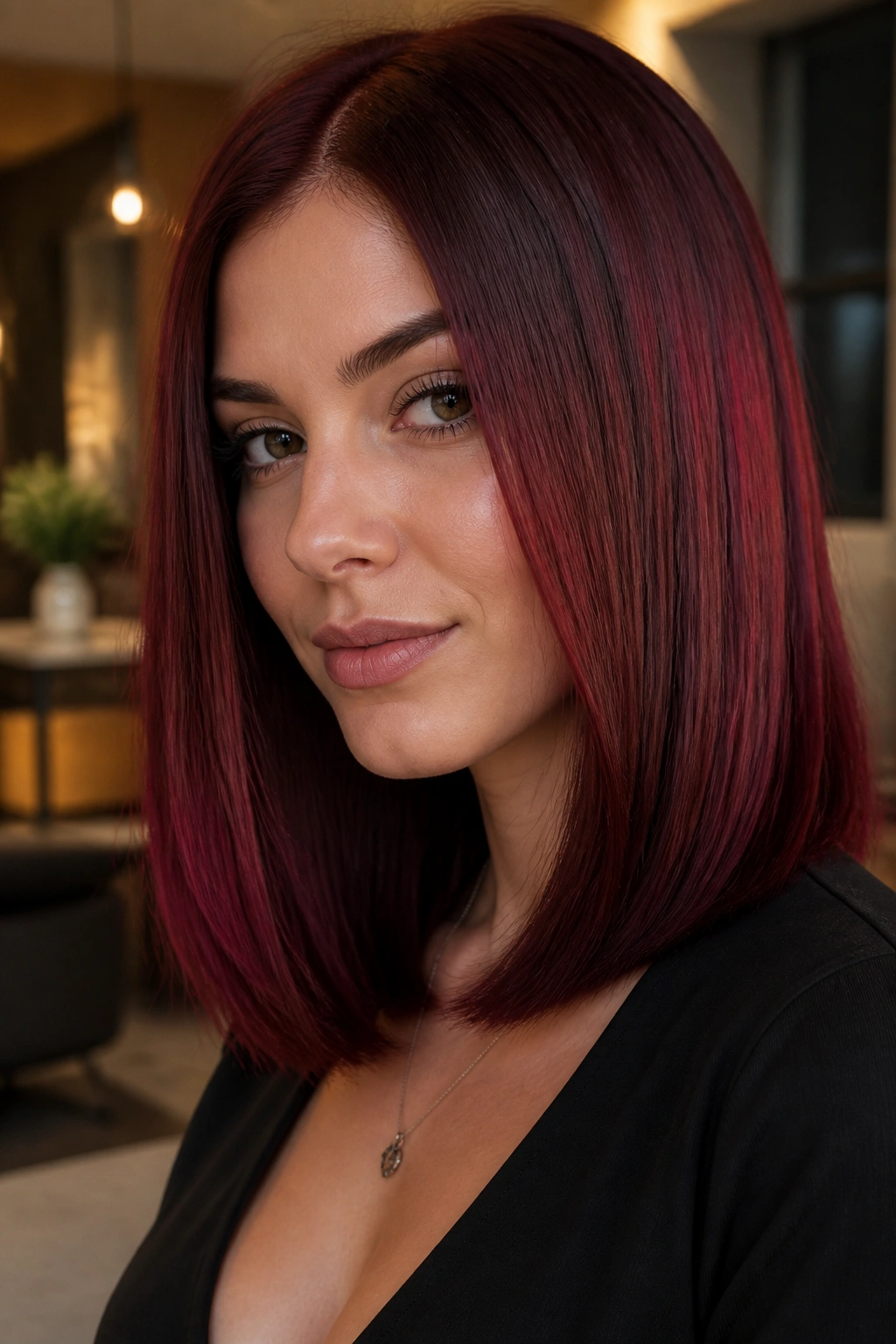
A mahogany-to-burgundy melt gives straight hair a darker, richer red path. The change is subtle at the root and fuller through the lower lengths, which keeps the color from looking too hard.
A blunt lob is the sweet spot here. The heavier line of the cut makes the burgundy feel deliberate, and the mahogany root keeps the whole look grounded. If you go too bright too soon, the blend loses that wine-dark depth that makes this shade work in the first place.
Best Details to Ask For
- Keep the mahogany root one shade deeper than your natural red-brown.
- Ask for burgundy mostly on the lower half.
- Use a red-depositing conditioner once a week.
- Trim the ends regularly; dull ends make red hair look tired fast.
17. Chestnut to Peach Melt
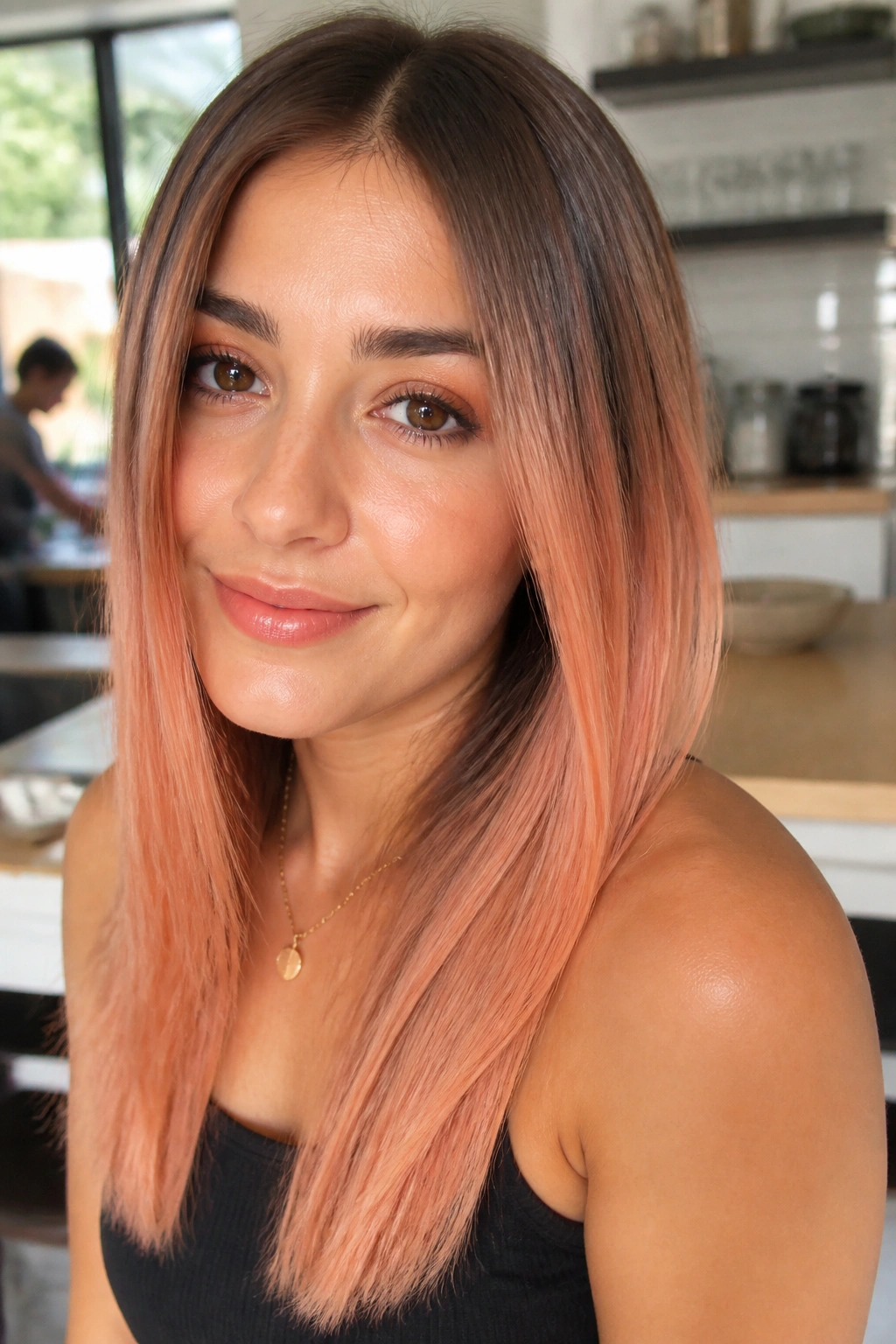
Chestnut to peach is a softer, more playful color melt for straight hair. The peach shouldn’t take over the whole head. It works best as a veil through the mids and lower lengths.
That little burst of warmth changes the mood of the hair without making it look loud. Chestnut at the top keeps the base wearable, then a peach glaze through the ends brings in a gentle coral cast. On pin-straight hair, the shade looks neat and clean if the peach stays sheer, not opaque.
This is one of the few warm looks that can feel light even on thicker hair. It also pairs well with face-framing layers because the peach near the front brightens the skin without needing a full blonde lift.
18. Champagne Beige Melt
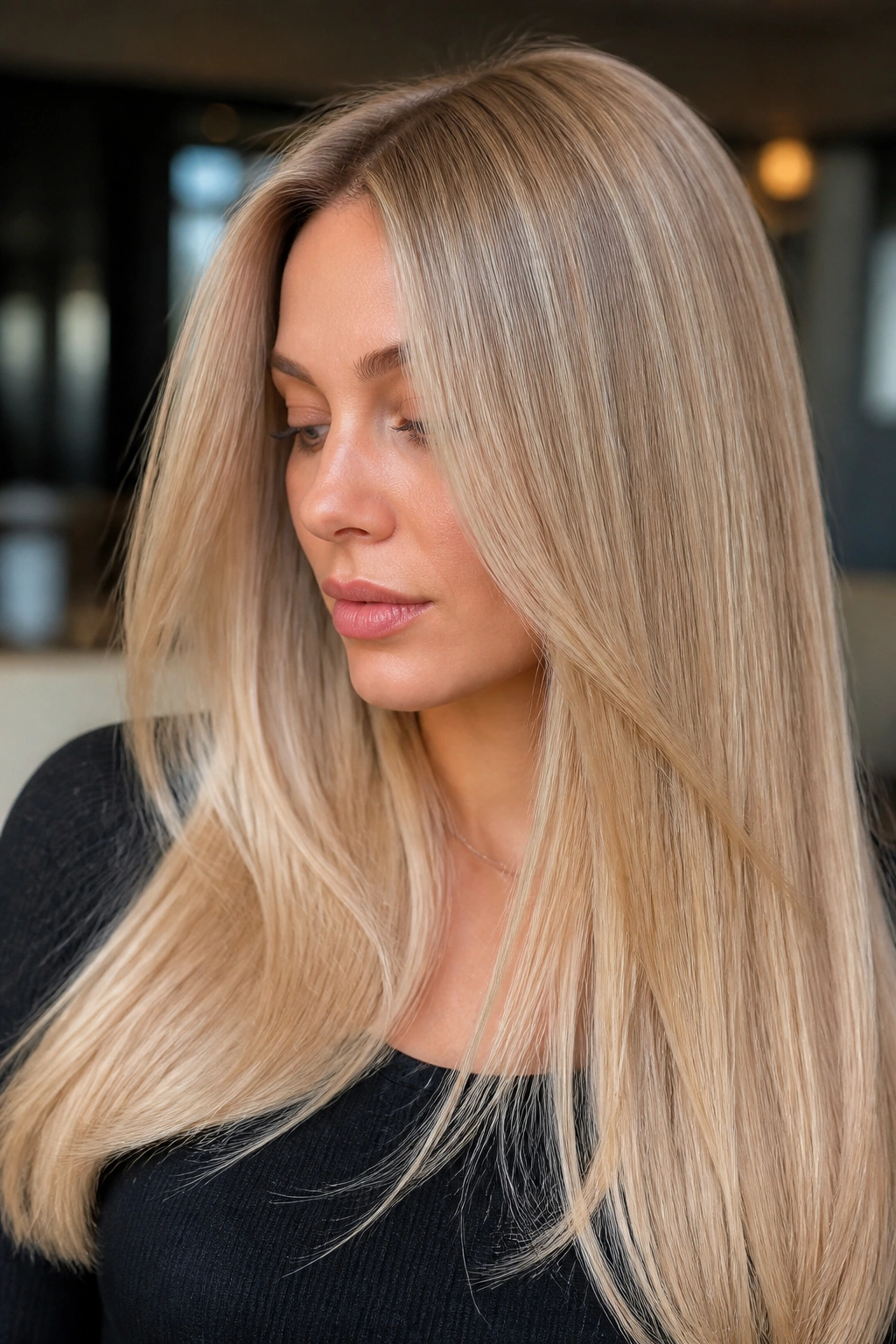
Champagne beige is the better choice if you want light hair that still feels soft. It has enough gold to avoid looking icy and enough beige to avoid looking yellow.
Unlike a white blonde, champagne beige gives straight hair a smoother finish. The root can stay a pale sandy blonde, then the mids shift into creamy beige, and the ends can carry the faintest champagne shimmer. That subtle warmth keeps the color from flattening under office lights or indoor flash.
It’s a good match for sleek long hair and for people who like a polished, expensive-looking blonde without the high-contrast drama. Ask for a neutral-beige gloss, not a cool ash toner, if you want the warmth to stay alive.
19. Espresso to Smoky Taupe Melt
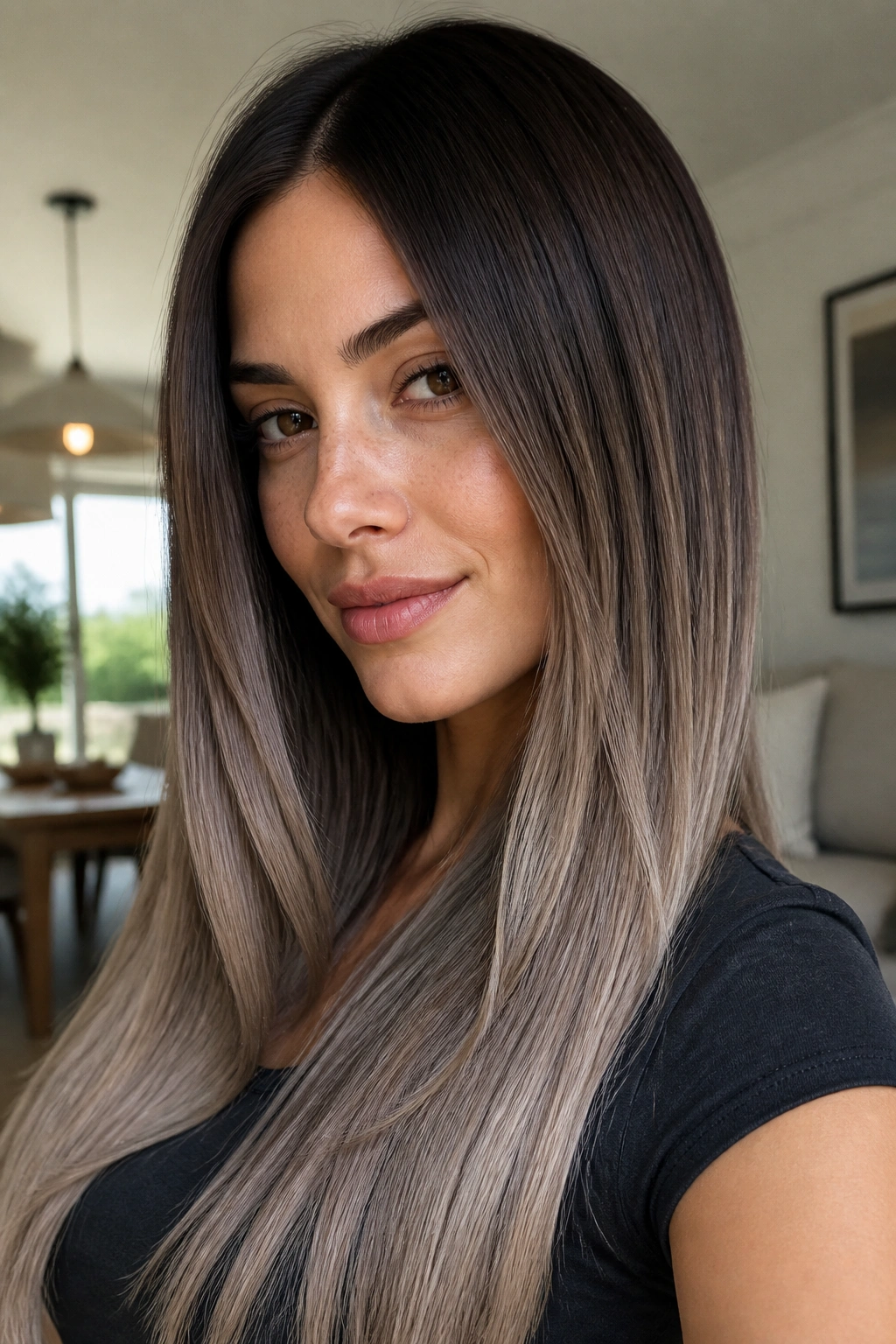
Espresso to smoky taupe is one of those understated brunette melts that quietly does a lot. The root stays deep, the mids shift cooler, and the ends pick up a gray-beige note that keeps the color from feeling heavy.
Why It Works
On straight hair, taupe gives you movement without obvious streaks. It softens a dark base just enough to show texture in the cut, especially if your hair is long and one length. The result is calm, not flat.
- Best for medium to thick straight hair.
- Looks sharp with a middle part.
- Needs a neutral gloss, not a warm one.
- Grows out slowly and still looks tidy.
Tip: Keep the taupe pieces sparse around the face if your skin is easily washed out by cool tones.
20. Caramel to Buttery Blonde Melt
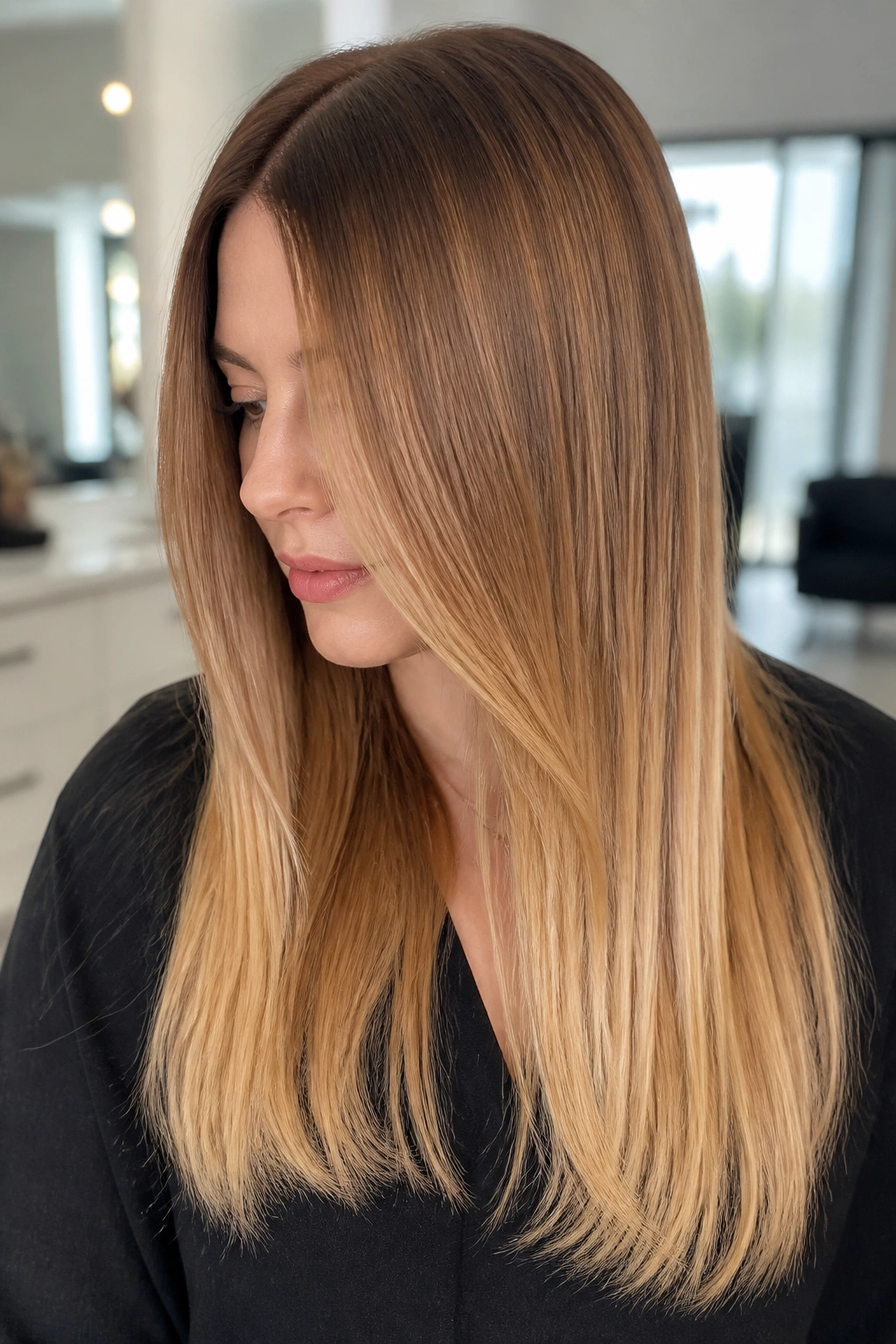
This is the warm blonde that actually looks rich on straight hair. Caramel through the mids keeps the base grounded, and buttery blonde on the ends adds light without making the finish look dry.
The blend matters more than the brightness. A lot of blondes go wrong because the ends get too pale too quickly. Here, the change should feel gradual and soft, almost like the hair was warmed from the inside out. Straight hair shows that shift cleanly, so the colorist has to keep the weave fine and the tone creamy.
If you wear a sleek blowout or a flat-ironed finish, this shade looks especially good. It also hides regrowth better than a full blonde, which is one reason people come back to it again and again.
21. Bronde with Face-Framing Vanilla Lights
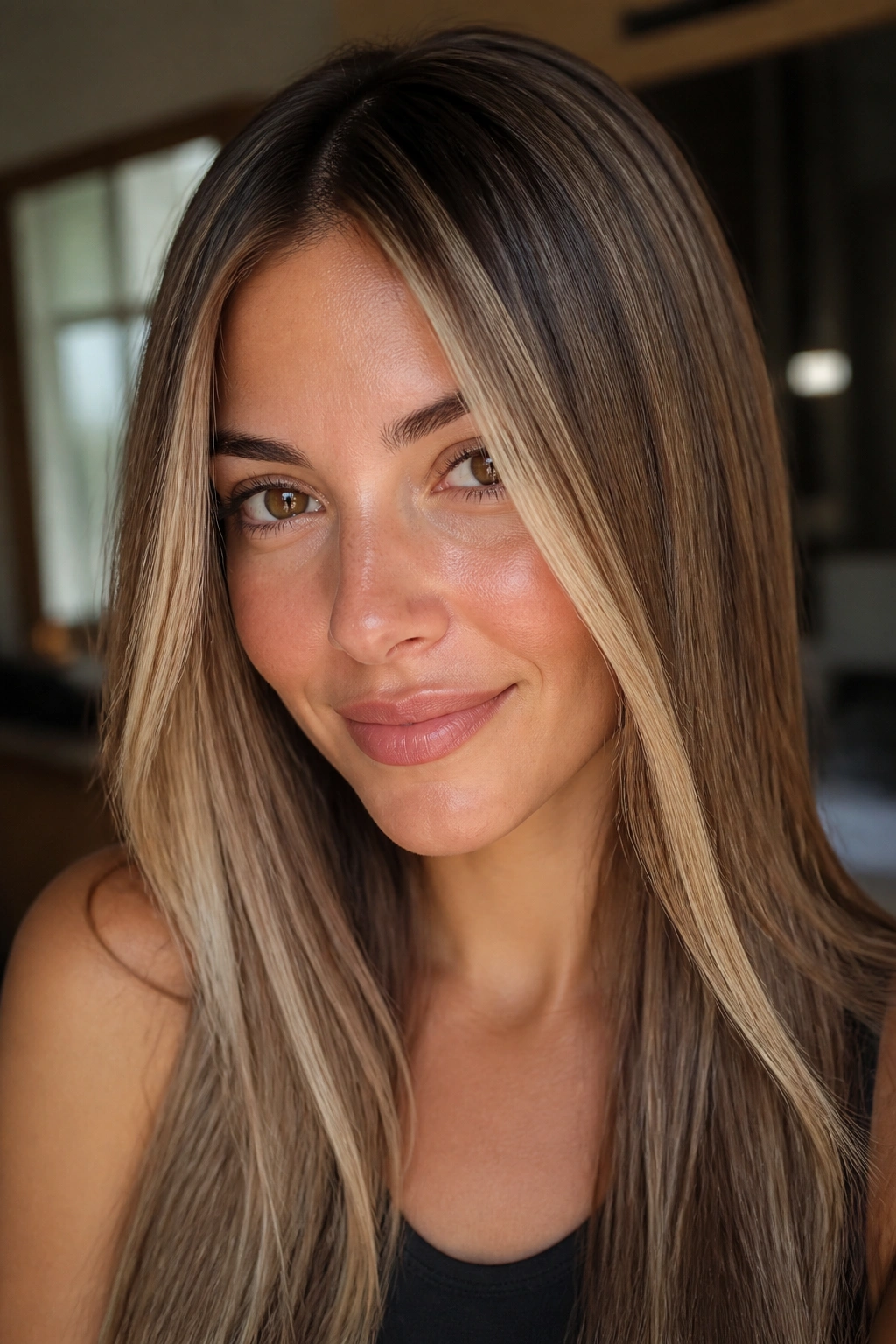
Why put the brightest pieces at the front? Because straight hair can look flatter than curly hair, and face-framing vanilla lights wake up the whole cut without requiring an all-over lift.
The rest of the head can stay in a soft bronde zone — a mix of brown and blonde that doesn’t scream for attention. Then the vanilla pieces sit around the cheekbones and jawline, where they reflect the most light. This is a smart move if you like sleek hair but want the color to do a little shaping for your face.
What to Ask For
- Keep the front pieces one to two levels lighter than the rest.
- Ask for a soft root shadow so the grow-out stays neat.
- Place the lightest strands just inside the hairline.
- Pair it with long layers or curtain bangs if you want more movement.
22. Olive Brown to Smoky Beige Melt
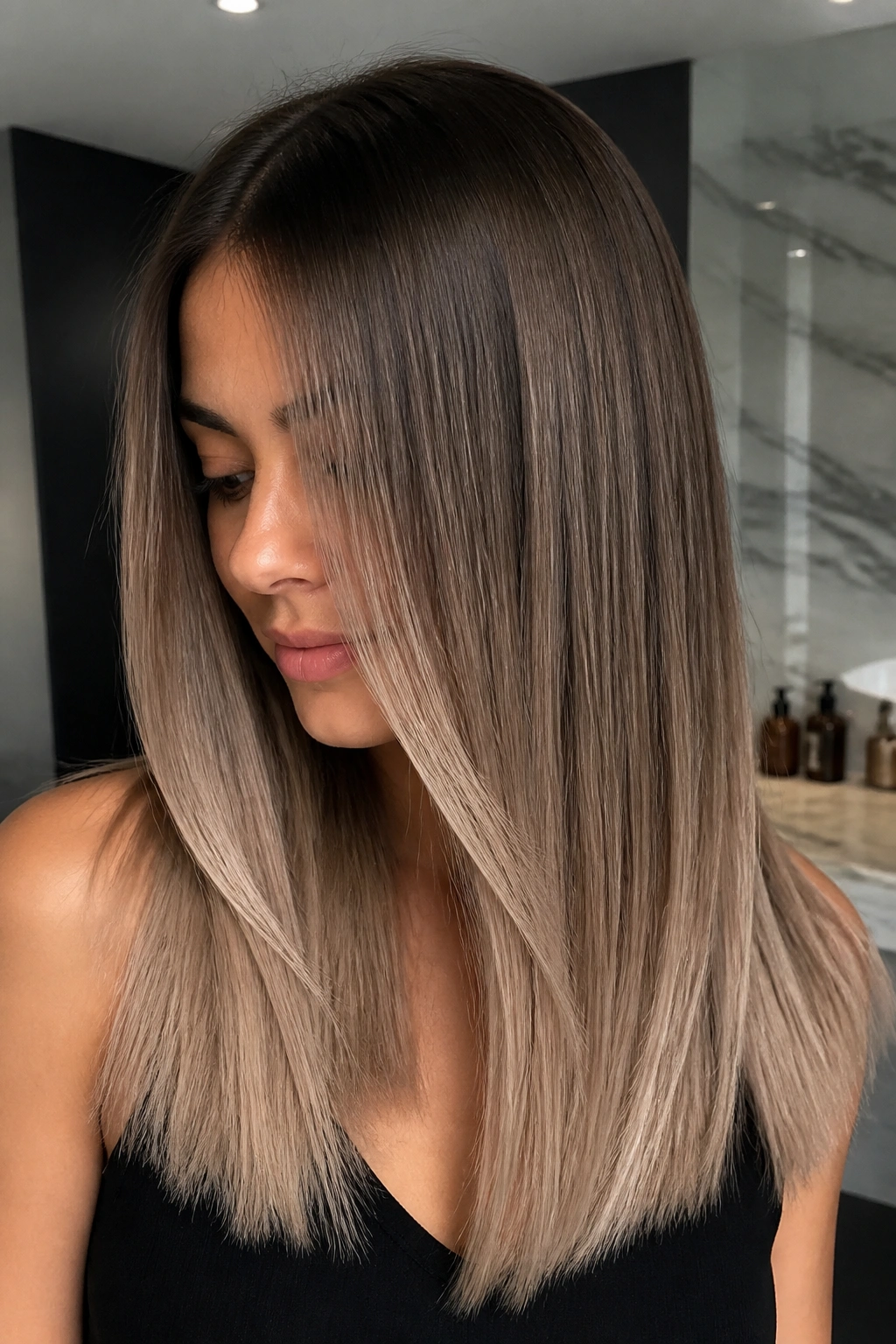
Olive brown sounds unusual, but on straight hair it can look subtle and expensive. The olive note keeps the brunette from turning flat, and smoky beige on the ends cools everything down.
A scenario like this works best when the hair is very smooth. If the strands are frizzy or lifted, the olive tone can get muddy. But on sleek lengths, it reads as a soft earthy brown that shifts into muted beige without flashing orange in the middle. That makes it a smart choice for people who like cool tones but don’t want their hair to look gray.
- Keep the olive note mostly at the roots.
- Ask for beige only at the lower third.
- Use a shine spray, not a heavy oil.
- Best on blunt cuts and polished blowouts.
23. Raven to Midnight Navy Melt
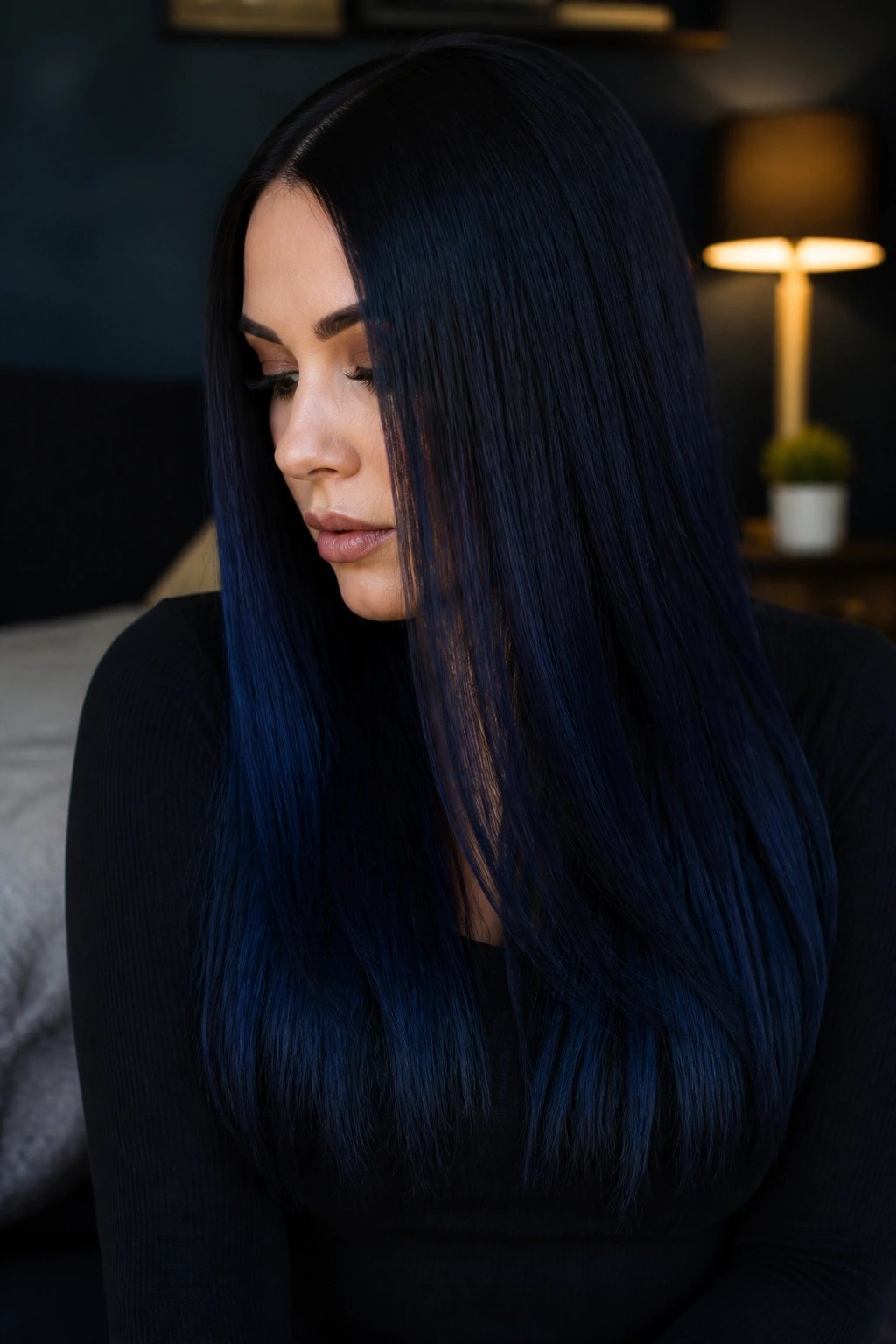
A raven-to-midnight navy melt feels moody in the best way. Under most light, it looks nearly black. Under sun or cool indoor bulbs, the navy comes out and gives straight hair a deep blue sheen.
The reason this shade works on sleek hair is that the shine becomes part of the color story. Black hair can look severe if it’s one flat shade. Navy breaks that up without making the look obvious. Keep the root raven, then let the mids and ends carry the blue-black cast in a soft fade.
This is a strong option for people who want dark hair with a little movement and very little blonde maintenance. It also looks sharp with a blunt cut, where the ends make the color shift easier to see.
24. Maple Brown to Gold Dust Melt
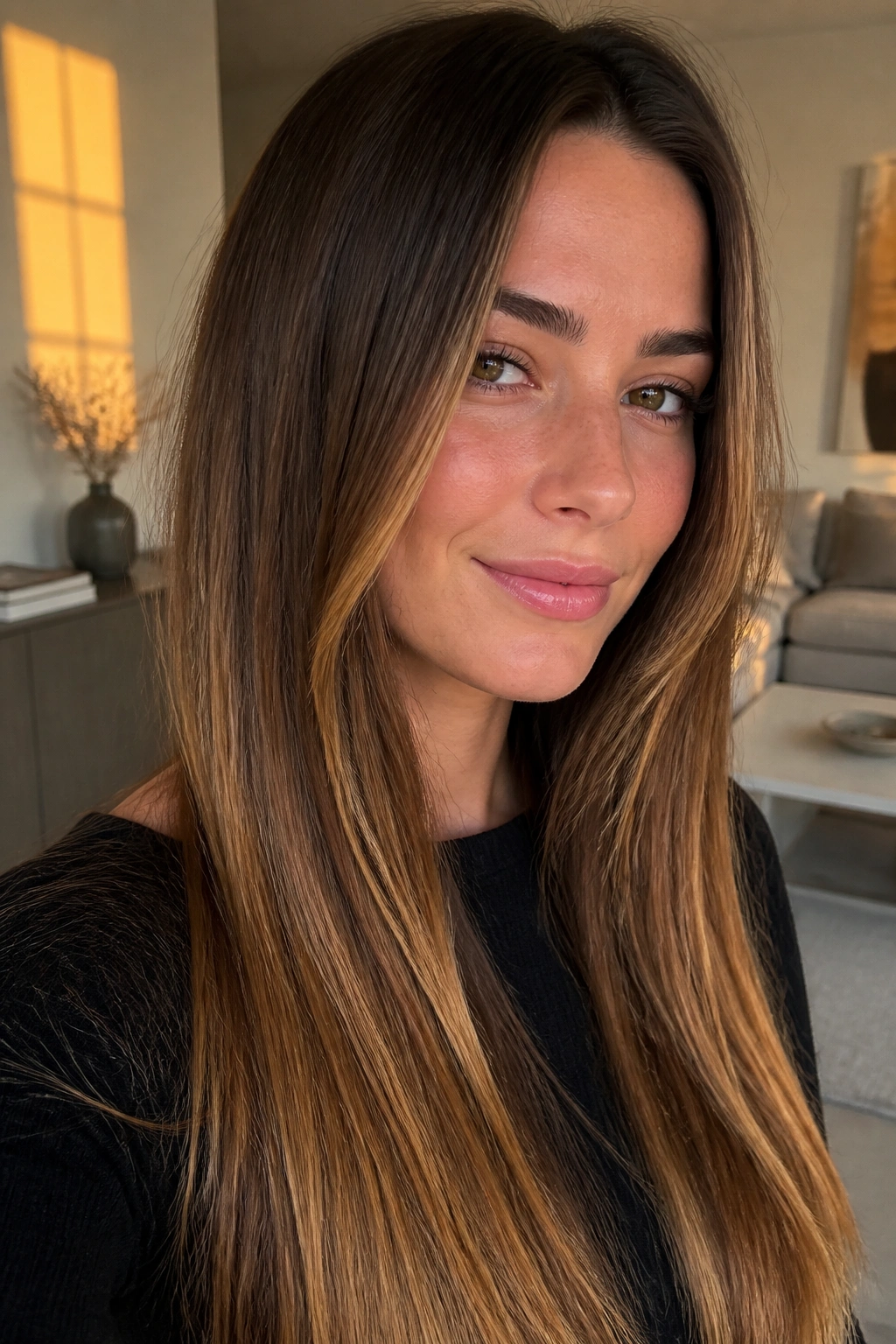
Maple brown to gold dust is warmer and softer than a full caramel melt. The gold dust note is tiny, almost like a shimmer sitting over the brown instead of a bright blonde stripe.
Unlike stronger caramel looks, this one keeps the root close to the natural base. That makes it easy to wear on straight hair that tends to fall flat under its own weight. The gold pieces live mostly in the lower half and around the face, where they catch light without taking over the whole head.
If your hair is medium brown and you want warmth without a big color jump, this is a good lane. It also plays nicely with smooth layers because the gold can trace the movement of the cut without looking busy.
25. Warm Brunette to Apricot Melt
Warm brunette to apricot is a little unexpected, and that is why it works. The apricot stays soft and veiled, not neon, so straight hair gets a gentle flush of color instead of a loud pastel block.
Best Placement
This shade looks best when the apricot sits on the bottom 3 to 4 inches or in thin face-framing panels. If it goes too high, the effect can read more temporary than intentional. The warm brunette root keeps the look wearable, while the apricot brings in a peach-gold glow that feels fresh on smooth hair.
- Use this if you want a playful shade without full fantasy color.
- Keep the apricot semi-sheer.
- Pair it with long layers for a softer finish.
- Refresh with a warm gloss when the peach starts to fade.
26. Dark Auburn to Terracotta Melt
Terracotta is the better red for people who hate bright copper. It has the same warmth, but it feels earthier and calmer, which makes it easier to wear on straight hair.
A dark auburn root can slide into terracotta mids and slightly lighter clay ends without looking patchy, as long as the weave stays fine. Straight hair rewards that kind of precision. If the pieces are too wide, the red breaks into blocks. If they’re narrow, the color feels like one smooth burn.
This shade is especially good on haircuts with a clean line — a bob, a lob, or long hair with blunt ends. The structured cut makes the terracotta look intentional instead of artsy for the sake of it.
27. Soft Black to Violet Brown Melt
Why choose violet brown over plain black? Because straight hair can make black look harsher than you expect, while violet brown keeps the depth but gives the shine a cooler edge.
The shift should stay subtle. A soft black root, violet brown mids, and almost-black ends create a tiny color drift that shows up when the hair moves. On straight strands, that drift is enough. You do not need a bright purple to make the look interesting. In fact, too much purple can turn muddy fast.
Best Cut Pairings
A sleek middle part, long layers, or a chin-length bob all suit this shade. The cleaner the cut, the better the violet sheen looks. A blue-violet conditioner can help if your hair tends to fade warm.
28. Mushroom Brunette to Pearl Blonde Melt
Mushroom brunette to pearl blonde is cool, creamy, and a little airy without turning icy. The brunette base keeps the hair grounded, and the pearl blonde ends brighten straight lengths in a soft, polished way.
A good version keeps the pearl tone off the roots and concentrates it through the ends. That preserves the melt. If you bring the lightest pieces too high, the look stops reading as dimensional and starts reading as grown-out blonde. Straight hair needs that controlled gradient more than wavy hair does.
Quick Details
- Best if your base is already light brown or dark blonde.
- Ask for pearl, not white.
- Keep the root a soft mushroom tone.
- Works especially well on longer straight hair.
Tip: A single gloss can keep the pearl tone creamy instead of chalky.
29. Espresso to Cool Beige Melt
Espresso to cool beige is one of the cleanest brunette-to-blonde moves for straight hair. The deep root gives the look structure, and the cool beige ends soften it without going too warm.
This is a good choice if you want lightness but dislike gold. The beige should sit in the lower half and around the face, while the espresso root stays visible enough to frame the cut. On sleek hair, that contrast creates length and movement at the same time. It’s quiet, but not boring.
It also works well if your wardrobe leans black, white, gray, or denim. The hair doesn’t fight the clothes. It just sits there looking neat and expensive-looking without begging for attention.
30. Mink Brown to Sandstone Melt
Mink brown to sandstone is probably the most wearable neutral here. It sits between ash and gold, which makes it easy on straight hair that can go brassy or flat if the tone is pushed too far either way.
A mink root keeps the base cool and soft, then sandstone through the mids and ends adds a beige warmth that still feels controlled. This shade works especially well on medium-length straight hair because the color shift can stretch out across the cut without looking busy. If you want a melt that looks natural but not dull, this is the one I’d point to first.
It also handles grow-out well. The root stays believable, the mids do the blending, and the ends keep enough softness that the whole style still looks finished between appointments.
Final Thoughts
Straight hair gives you no place to hide, and that is exactly why a good melt matters. The best versions do not rely on huge contrast. They rely on clean placement, soft tone shifts, and a finish that looks smooth from root to tip.
If you like low effort between salon visits, stay close to your base shade and keep the lightest pieces lower on the hair. If you want more drama, push the ends cooler, warmer, or darker — but keep the blend narrow so the color still feels like one story, not three separate ones. A trim and a gloss often matter more than a whole new color formula, which is a useful little reminder the next time the ends start looking tired.
