



Cutting your hair short is already a statement, but pairing that chop with a blonde shade is a total shift in identity. There is something about the combination of a sharp silhouette and a lightened tone that feels cleaner and more intentional than longer, darker styles. When you take away the length, the color becomes the focal point. It hits the light differently, catching the edges of your cut and creating a sense of movement even when your hair is perfectly still.
Choosing the right blonde for a short cut involves a different set of rules than coloring long, flowing locks. With a pixie or a bob, you are dealing with less surface area, meaning the tone has to be precise. A bad dye job is impossible to hide behind a ponytail or a messy bun. You are committing to the color every single morning. That precision is where the style actually lives. It is about finding the exact balance between your skin tone, the texture of your hair, and the specific shape of your cut.
You might think blonde is just blonde, but the spectrum from icy platinum to dirty mushroom is vast. In a shorter style, the contrast against your skin tone is magnified because the hair sits directly against your neck and jawline. This proximity can wash you out if you pick the wrong shade, or it can make your eyes pop if you get it right. It is a high-stakes game, but when the color lands perfectly, the result is effortless and sharp.
1. Platinum Pixie
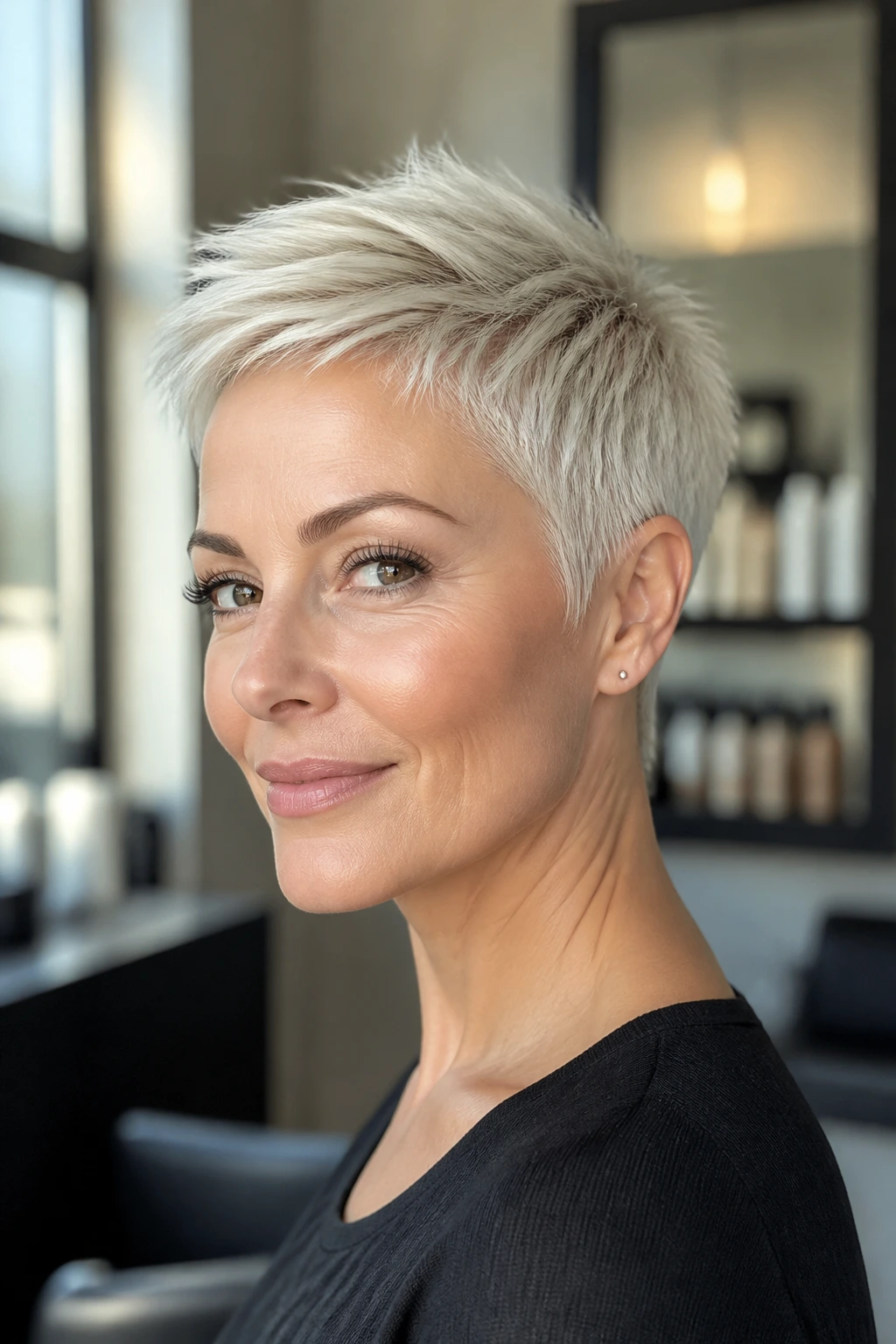
The platinum pixie is the gold standard for high-fashion short hair. It requires a significant amount of bleach, which means your hair texture needs to be strong enough to handle the process. If your hair is fine or already compromised, this might be a stretch, but for those with resilient strands, the payoff is a striking, almost ethereal look.
Why It Works for Short Cuts
Because a pixie cut is so close to the scalp, you avoid the common pitfalls of long platinum hair—specifically the risk of breakage at the ends. You are essentially working with fresh, healthy growth every few weeks. This allows you to maintain a level of brightness that is difficult to sustain on longer hair.
Maintenance Reality Check
- You will need a toner touch-up every 3 to 4 weeks.
- Deep conditioning is non-negotiable to keep the hair from feeling like straw.
- Purple shampoo is your best friend to combat yellow tones that appear as the toner fades.
Pro tip: Ask your colorist for a shadow root if you want to stretch the time between salon visits. It adds depth and makes the grow-out look intentional rather than sloppy.
2. Honey Blonde Bob
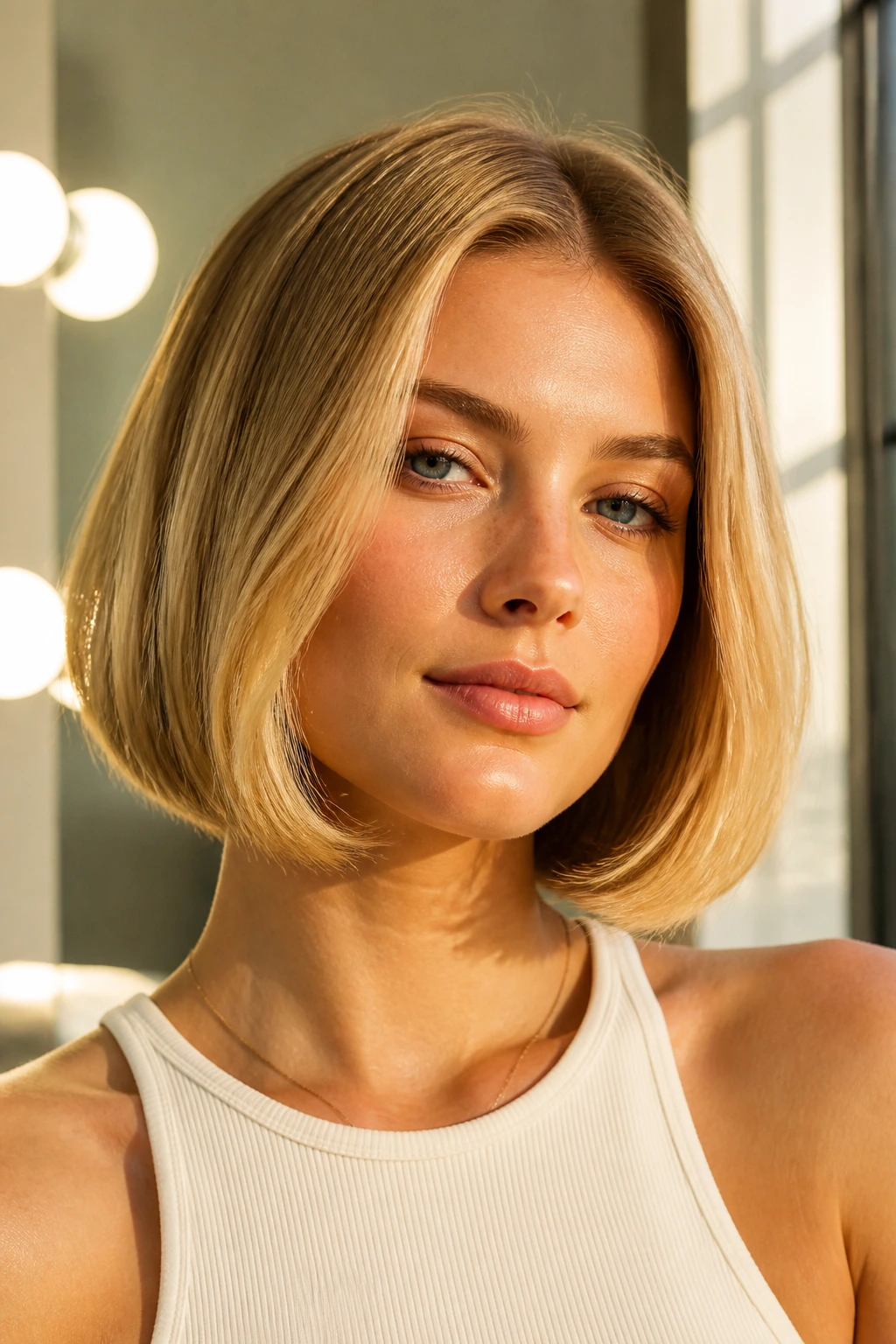
If platinum feels too stark or high-maintenance, a honey blonde bob is the ultimate accessible choice. It provides warmth without the intense yellow or orange undertones that often ruin a blonde look. It is a classic for a reason—it looks healthy, shiny, and softens the sharp angles of a blunt bob cut.
The beauty of honey blonde is its versatility. It works on almost every skin tone, acting as a neutralizer that brings a glow to the complexion. Unlike ashier tones that can make you look tired, honey blonde feels like you just spent a week in the sun.
When styling this color, focus on hydration. Honey tones look best when the hair reflects light. Use a lightweight glossing serum to smooth the cuticle after you style your bob. A sleek, smooth finish makes the golden hues sing, whereas a frizzy texture tends to dull the color.
3. Ash Blonde Shag
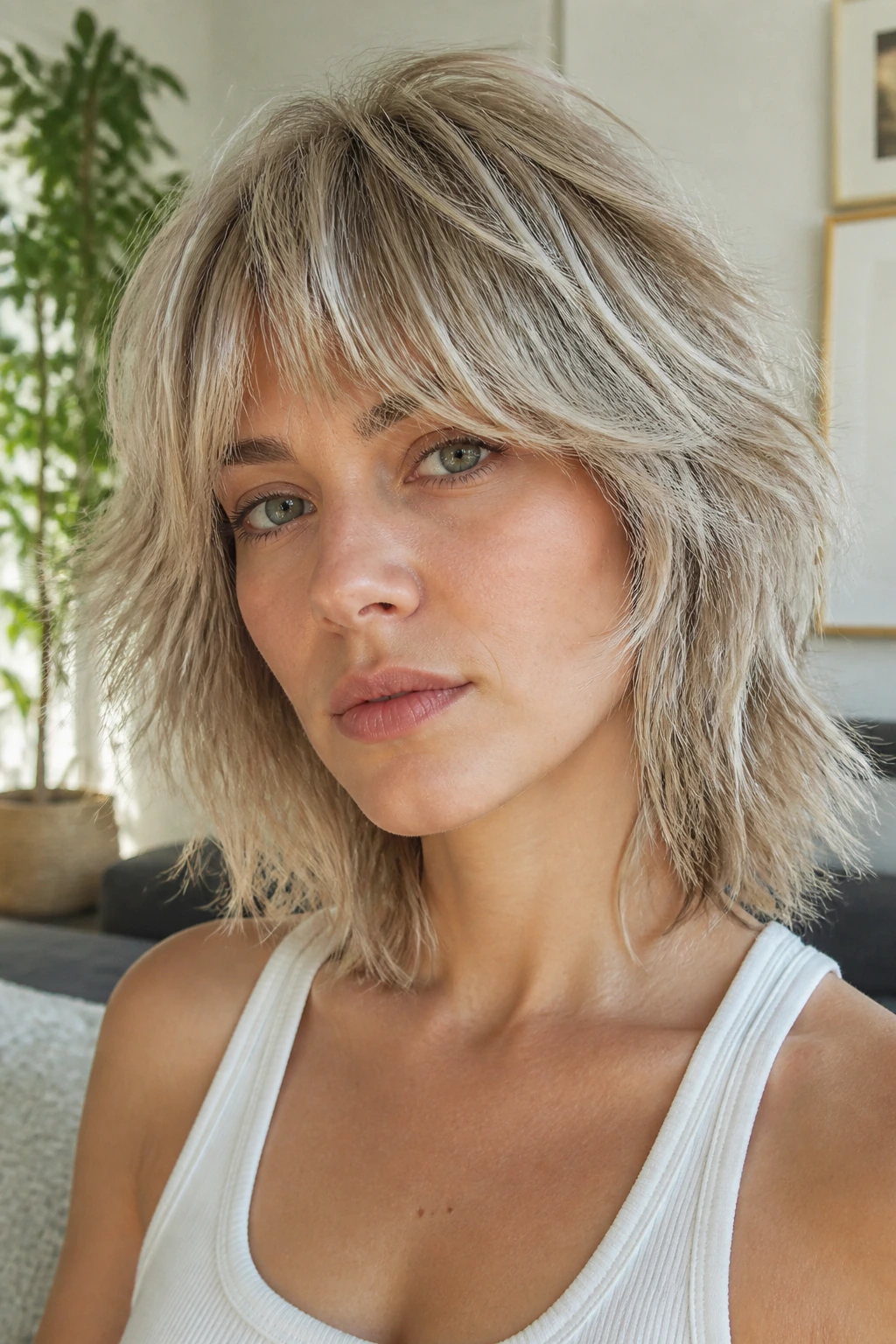
The shag cut is back, and when you pair it with an ash blonde color, it moves away from “sweet” and straight into “edgy.” Ash blonde has a cool, almost smoky quality that works beautifully with the choppy layers of a shag.
This look is all about texture. The cool tone draws attention to the layers, while the darker base often left at the roots creates a sense of depth. It is a very lived-in, low-maintenance aesthetic that does not require you to be in the salon chair every single month.
How to Style It
- Use a sea salt spray to enhance the natural wave pattern of the cut.
- Avoid heavy, oil-based products that can make the ash color look muddy.
- Keep the hair matte rather than glossy to lean into the “cool girl” aesthetic.
4. Buttery Blonde Lob
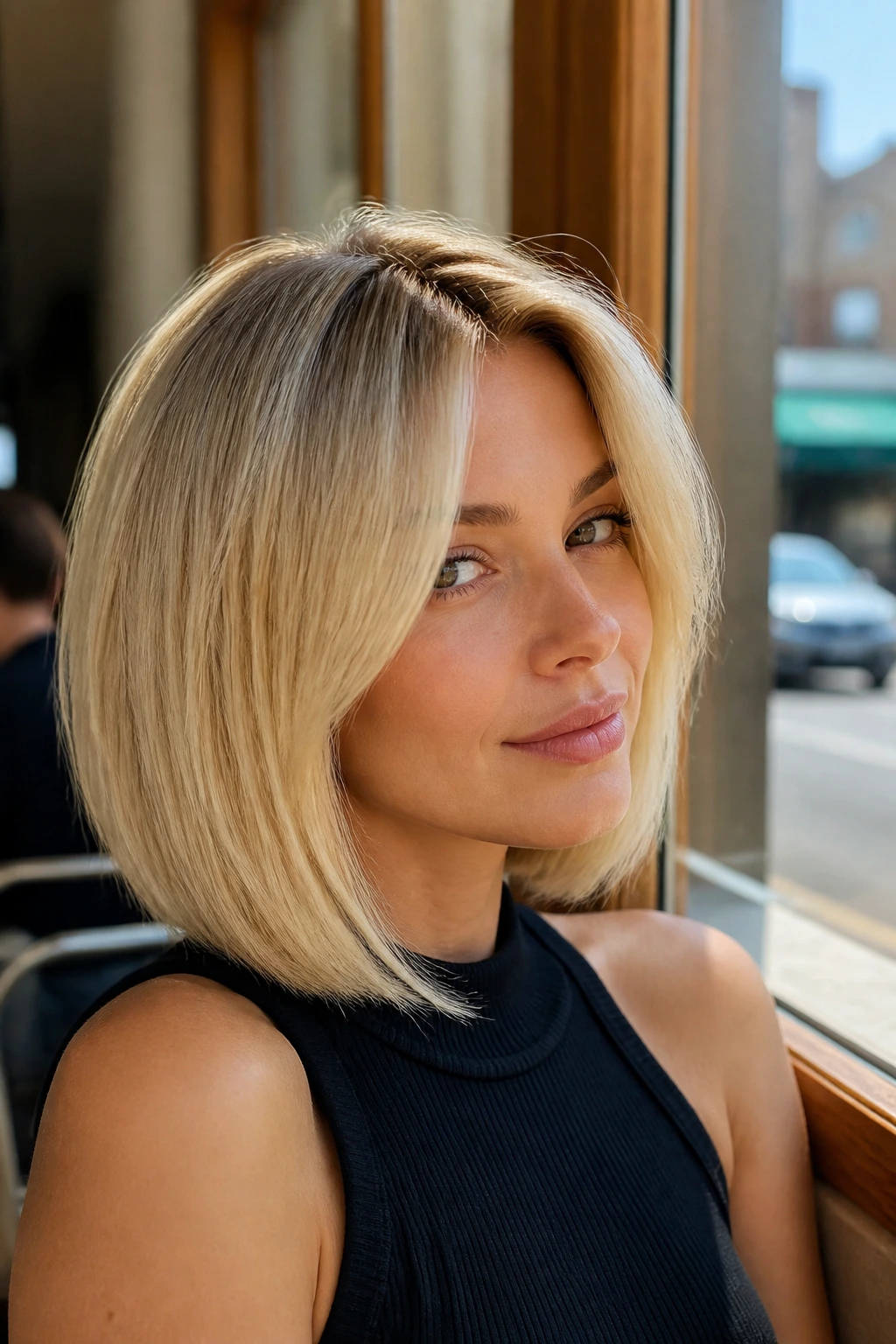
A long bob, or “lob,” is the bridge between short and medium hair, and a buttery blonde shade fills that space perfectly. It is a rich, creamy color—not quite platinum, not quite honey—that feels expensive and polished.
This shade is particularly effective for those with a neutral skin tone. It adds a touch of warmth that brightens your face, but it is controlled enough that it doesn’t look brassy. Because the lob is a versatile length, you can wear this color straight or with loose, beachy waves.
What to watch for: Buttery blonde can occasionally drift into brassy territory if you use the wrong shampoo. Use a clarifying shampoo once a week to strip away mineral buildup from the shower, which is often the silent culprit behind “dull” buttery blonde hair.
5. Strawberry Blonde Textured Crop
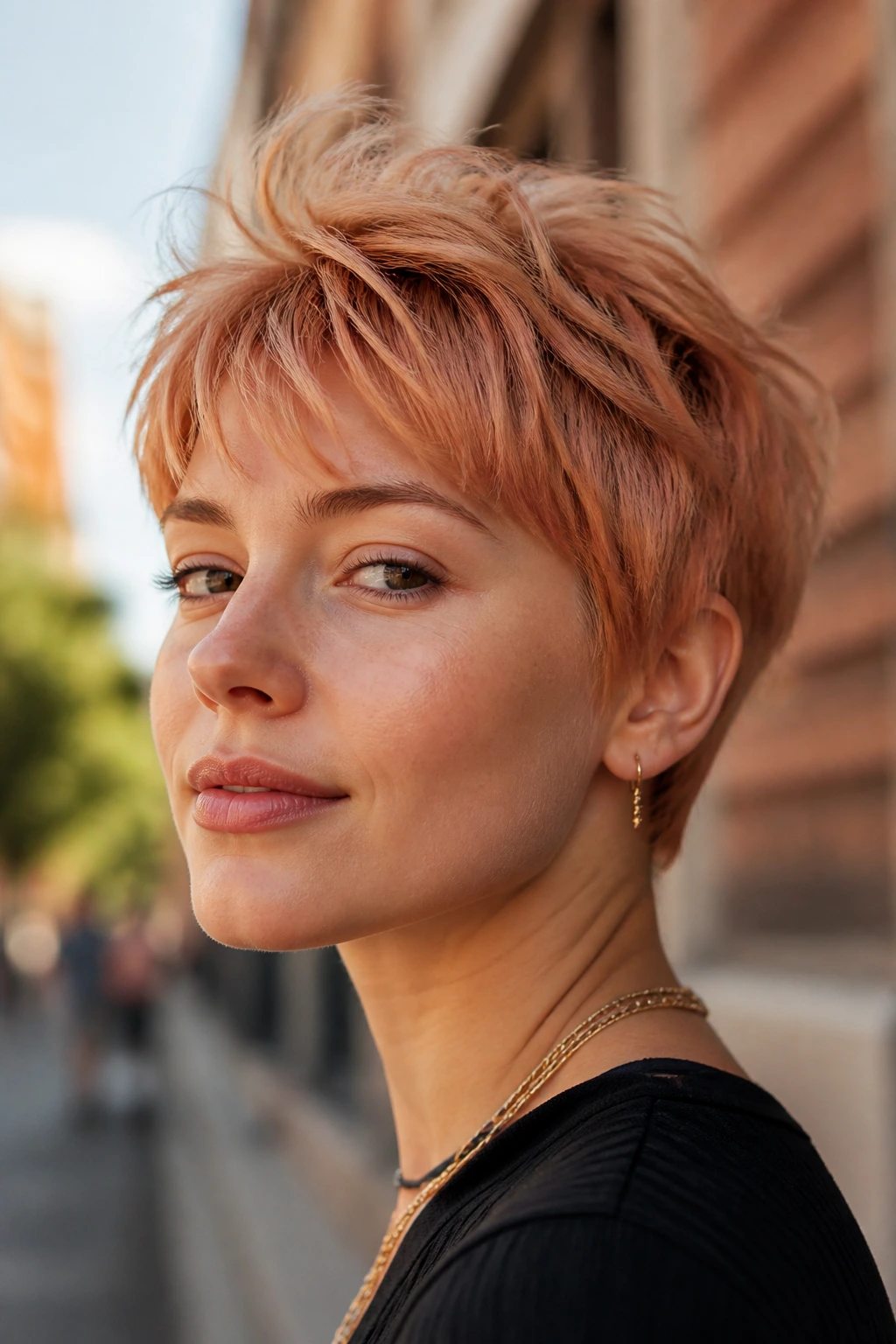
Strawberry blonde is a bold choice for a textured crop. It sits right on the edge of blonde and copper, providing a unique, sunset-like glow that catches the light in every direction. It is vibrant, playful, and stands out in a room full of platinum and golden blondes.
Why This Shade Is Unique
Most people think of blonde as a neutral, but strawberry blonde is a color statement. It changes depending on the light—sometimes looking more rose-gold, other times looking like a deep, warm copper. It adds character to short, textured hair that might otherwise look a bit flat.
- Skin Tone Match: This color looks incredible on fair skin with pink undertones.
- Fade Factor: Reds and warm tones in strawberry blonde fade faster than cooler blondes, so expect to visit your colorist for a gloss refresh more often.
6. Icy Blonde Blunt Cut
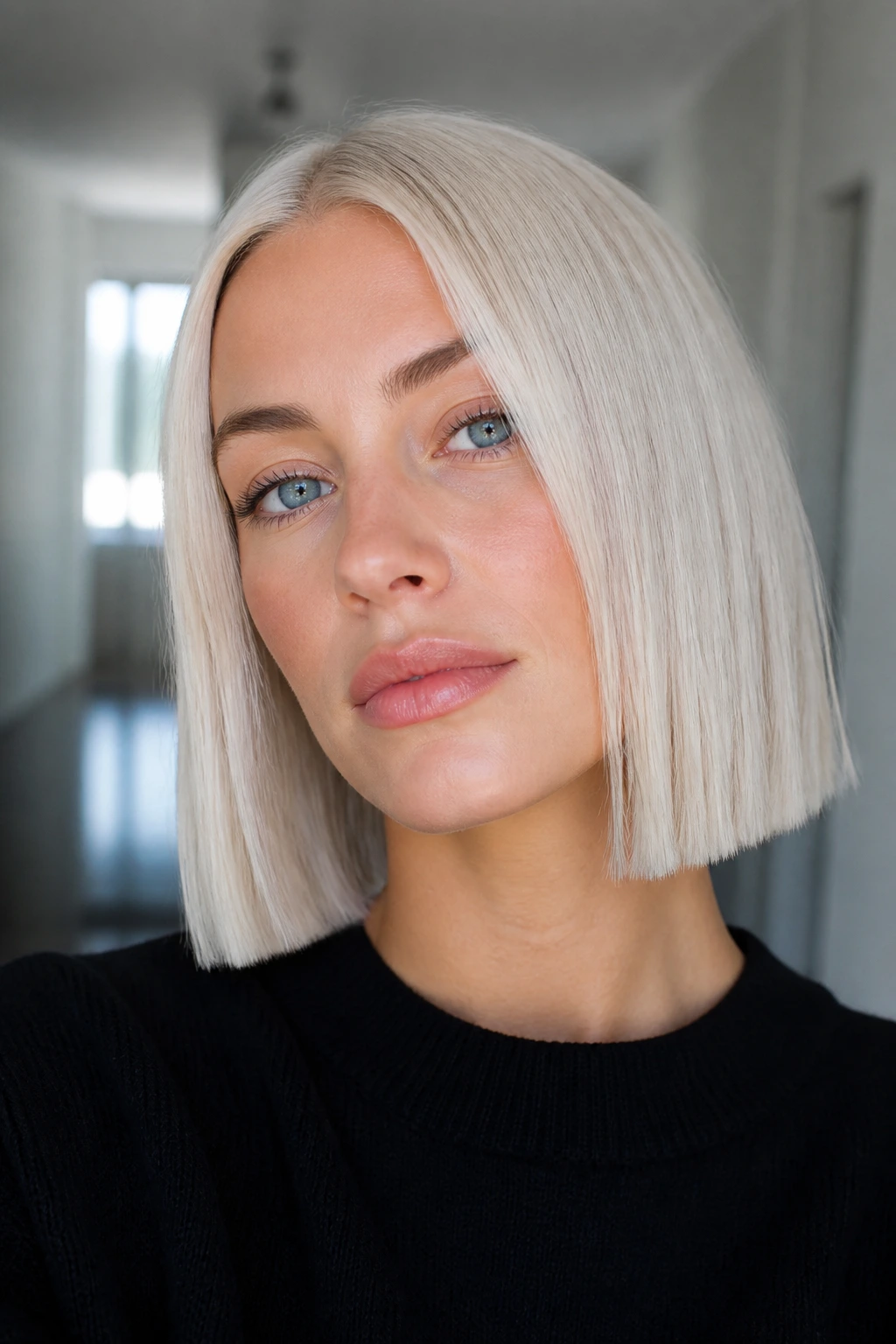
Icy blonde is the arctic cousin of platinum. It is stark, cool, and undeniably modern. When you pair this color with a blunt cut—where the ends are cut straight across with no layering—the effect is razor-sharp.
The precision of the cut requires the color to be equally precise. If your roots grow out even a half-inch, the “sharpness” of the look disappears. This is not a “low maintenance” style. It is a commitment to the aesthetic.
When you go this bright, your hair needs protein treatments. Bleach pulls the keratin out of the hair shaft, leaving it brittle. Incorporating a weekly protein-rich mask is the secret to keeping an icy blunt cut from looking frayed at the ends.
7. Golden Blonde Beach Waves
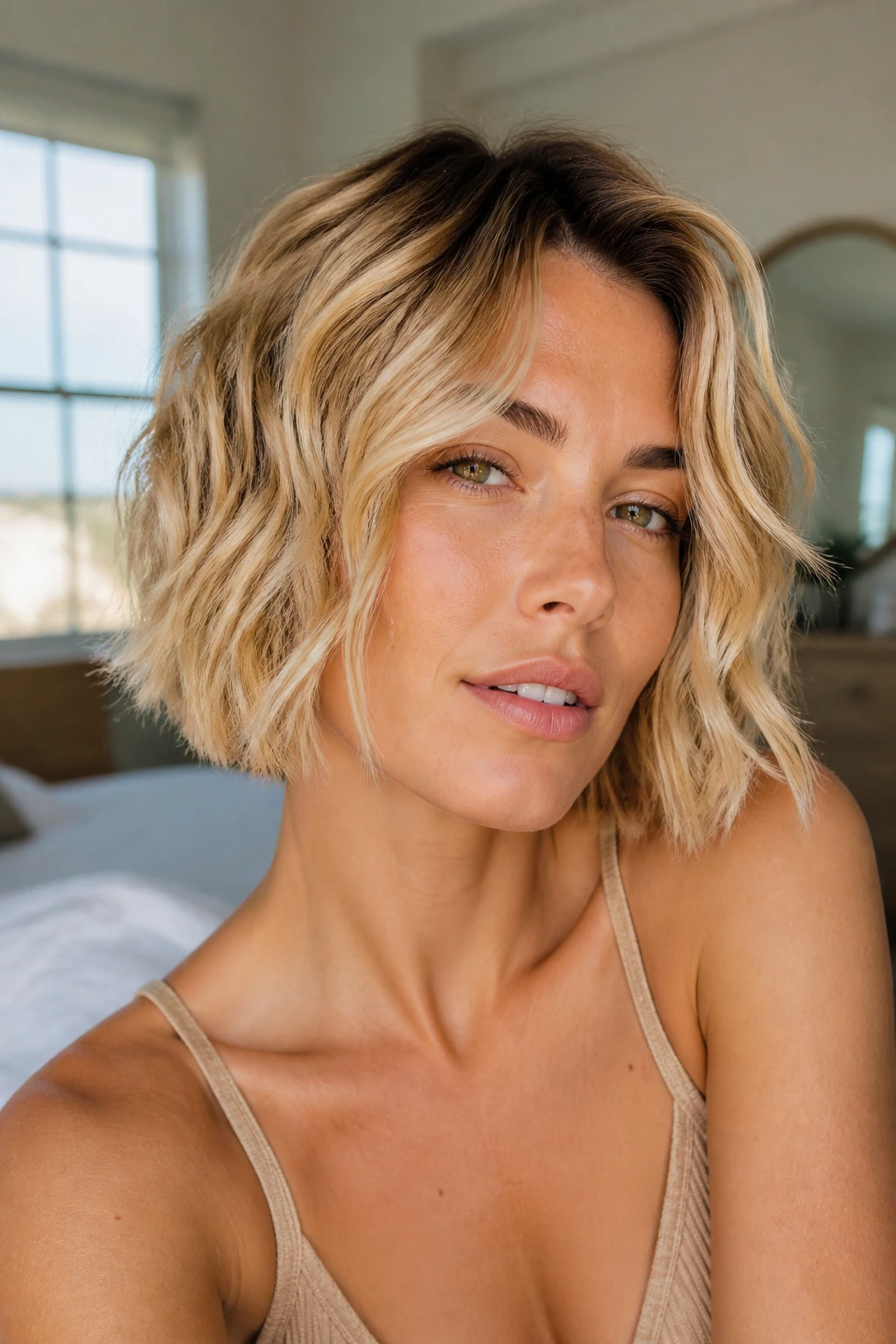
Golden blonde is classic, reliable, and universally flattering. On a short, wavy cut, it captures the essence of summer all year round. The trick here is the placement of the color. You want the golden tones to be concentrated around the face and the ends, mimicking the natural effect of the sun.
You don’t need a full bleach-out for this. Balayage is the technique to ask for. Your stylist can hand-paint golden ribbons into your hair, keeping your base color visible. This creates a multidimensional look that grows out beautifully, meaning you can easily go three months between appointments.
8. Dirty Blonde Root Melt
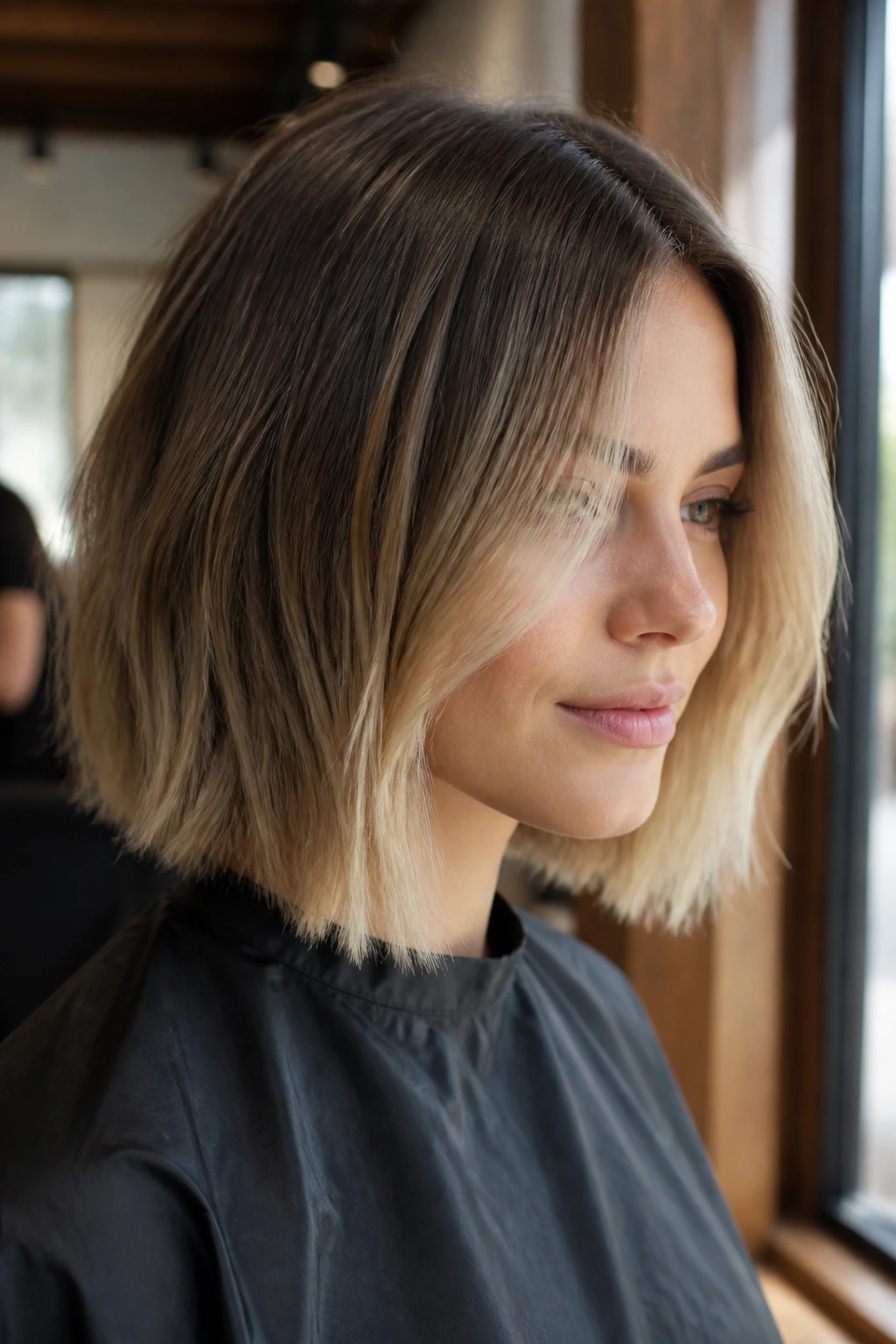
The “dirty blonde” look has moved from a pejorative to a style choice. It is that perfect middle-ground—not quite blonde, not quite brown, with a natural, grounded feel. A root melt technique blends your darker natural base into a slightly lighter blonde end, creating a seamless gradient.
This is arguably the easiest blonde to maintain. Because the transition from your natural root to the blonde ends is soft, there is no harsh line of demarcation. As your hair grows, it just looks like you intended for it to be that way.
Styling Tip: This color looks best when it is tousled. Don’t worry about perfect blowouts. A bit of root lift powder and some messy waves make the color melt look intentional and effortless.
9. Creamy Blonde Pixie Cut
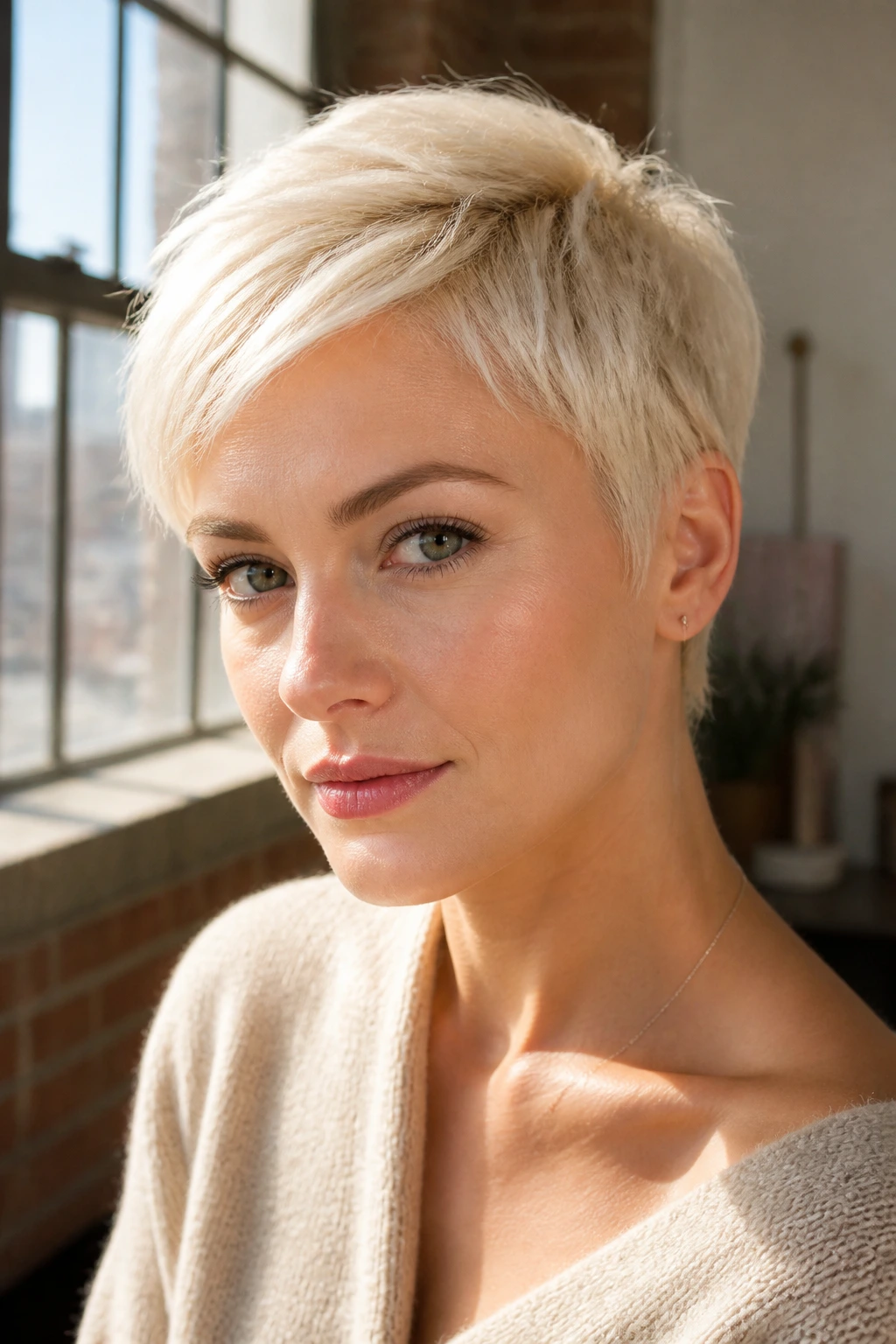
Creamy blonde is softer than platinum but cooler than honey. It has a slight off-white, milky quality that looks incredibly chic on a pixie cut. It feels understated, almost quiet, yet it is undeniably bright.
Because a pixie cut is so focused on the face, the creamy tone acts like a built-in soft light. It smooths out skin imperfections and makes the eyes look clearer. If you have been struggling with darker hair making you look tired, this is a major upgrade.
Maintenance note: To keep the creaminess, avoid heavily pigmented silver shampoos. They will turn your hair grey or blue. Instead, use a gentle brightening shampoo designed for blonde hair.
10. Champagne Blonde Angled Bob
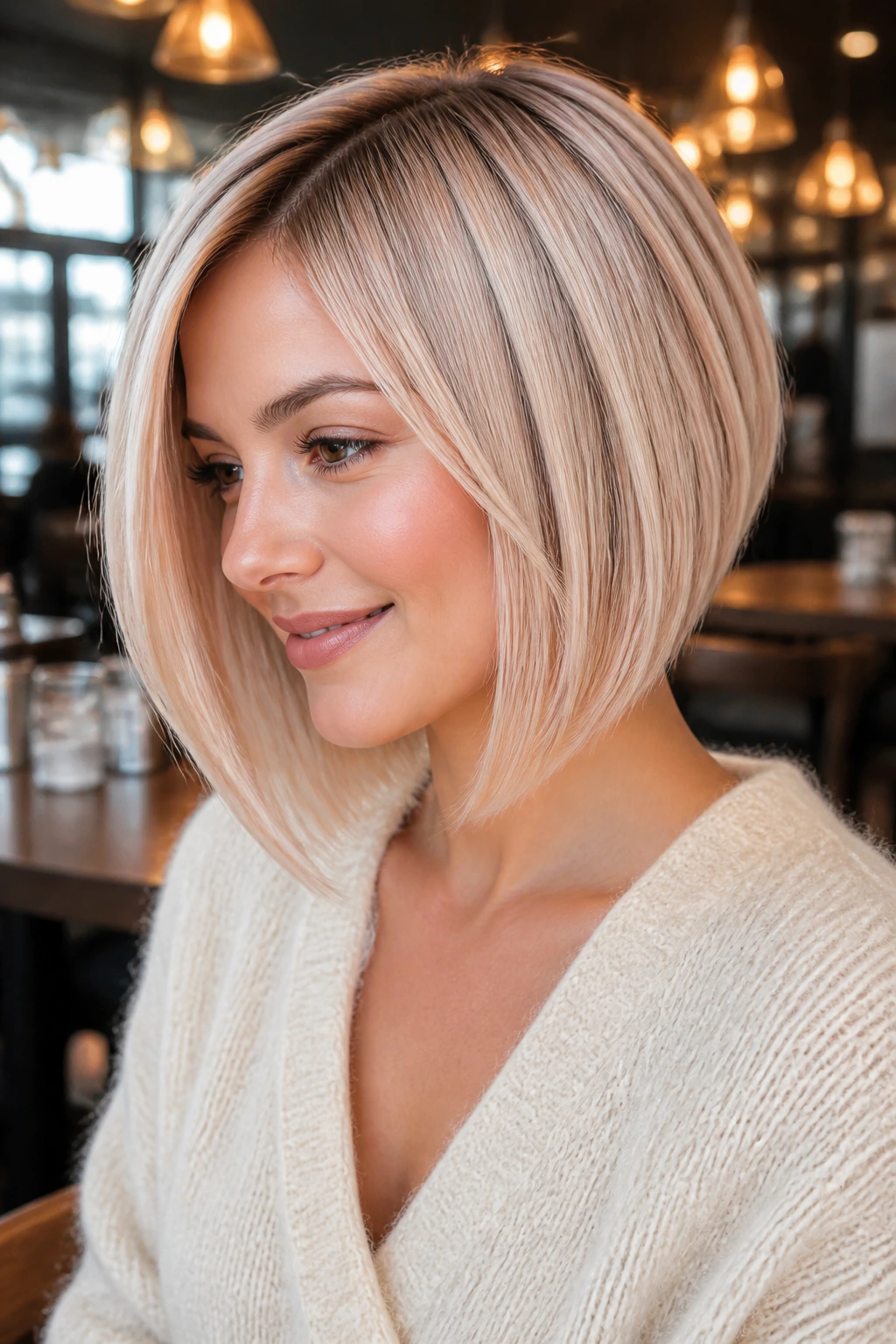
An angled bob—short in the back, longer in the front—is a structural masterpiece. Champagne blonde, which has subtle pink or peach undertones, adds a layer of femininity to the severity of the cut.
It is a sophisticated shade that looks different in every setting. Under office lights, it might look like a cool beige. In natural sunlight, the champagne pink undertones come alive. It is a complex color that keeps the style interesting as the light shifts.
11. Sandy Blonde Layered Cut
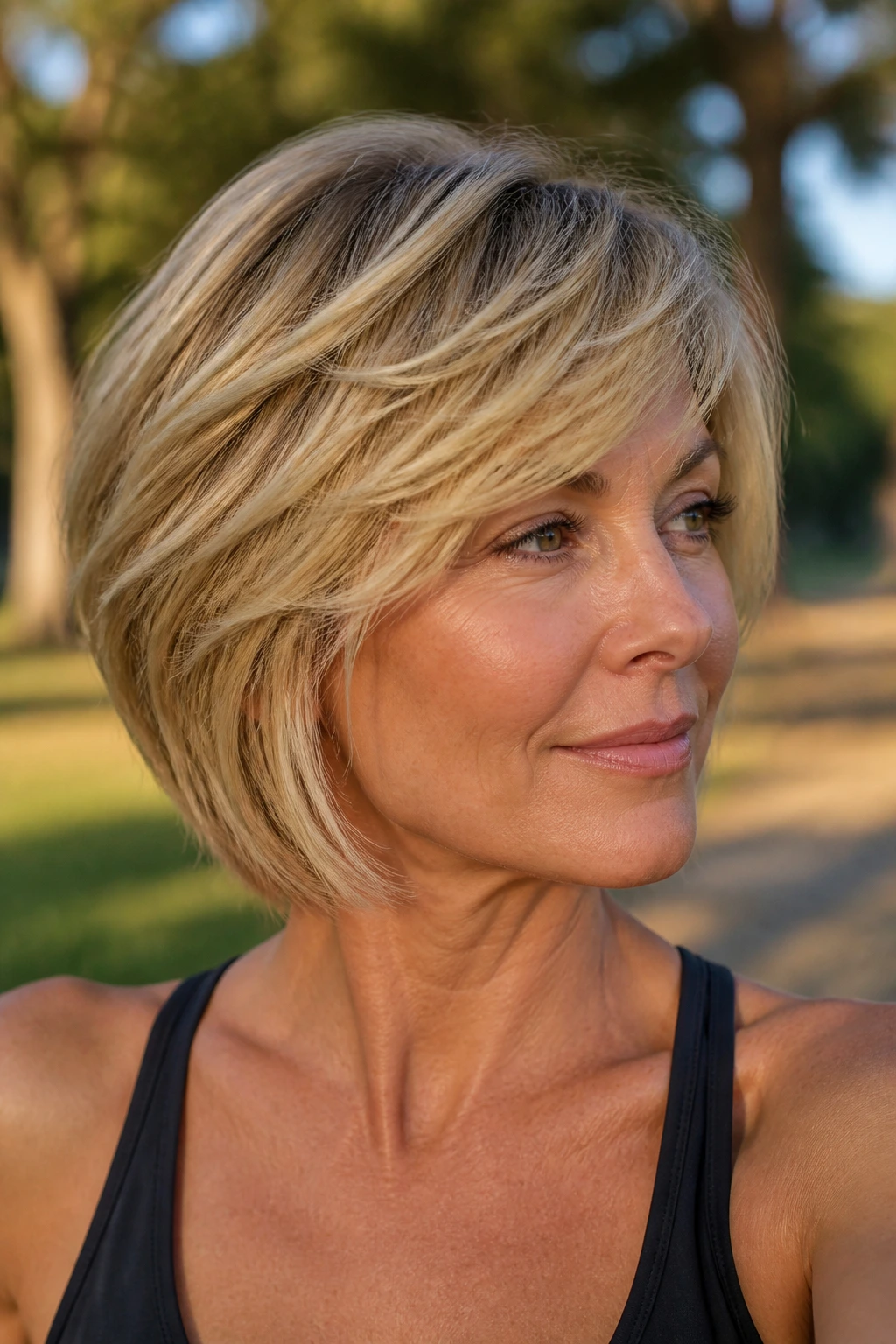
Sandy blonde is the understated choice. It is a neutral, slightly darker blonde that mimics the color of beach sand. On a layered cut, it provides depth and movement. Because the layers provide their own visual interest, the sandy blonde color grounds the look and prevents it from being “too much.”
This is the perfect shade for someone who wants to be blonde but doesn’t want the harshness of a bright, bleached-out look. It’s mature, polished, and very wearable for daily life. It looks excellent with minimal makeup, making it a great low-maintenance color for a busy lifestyle.
12. Caramel Blonde French Bob
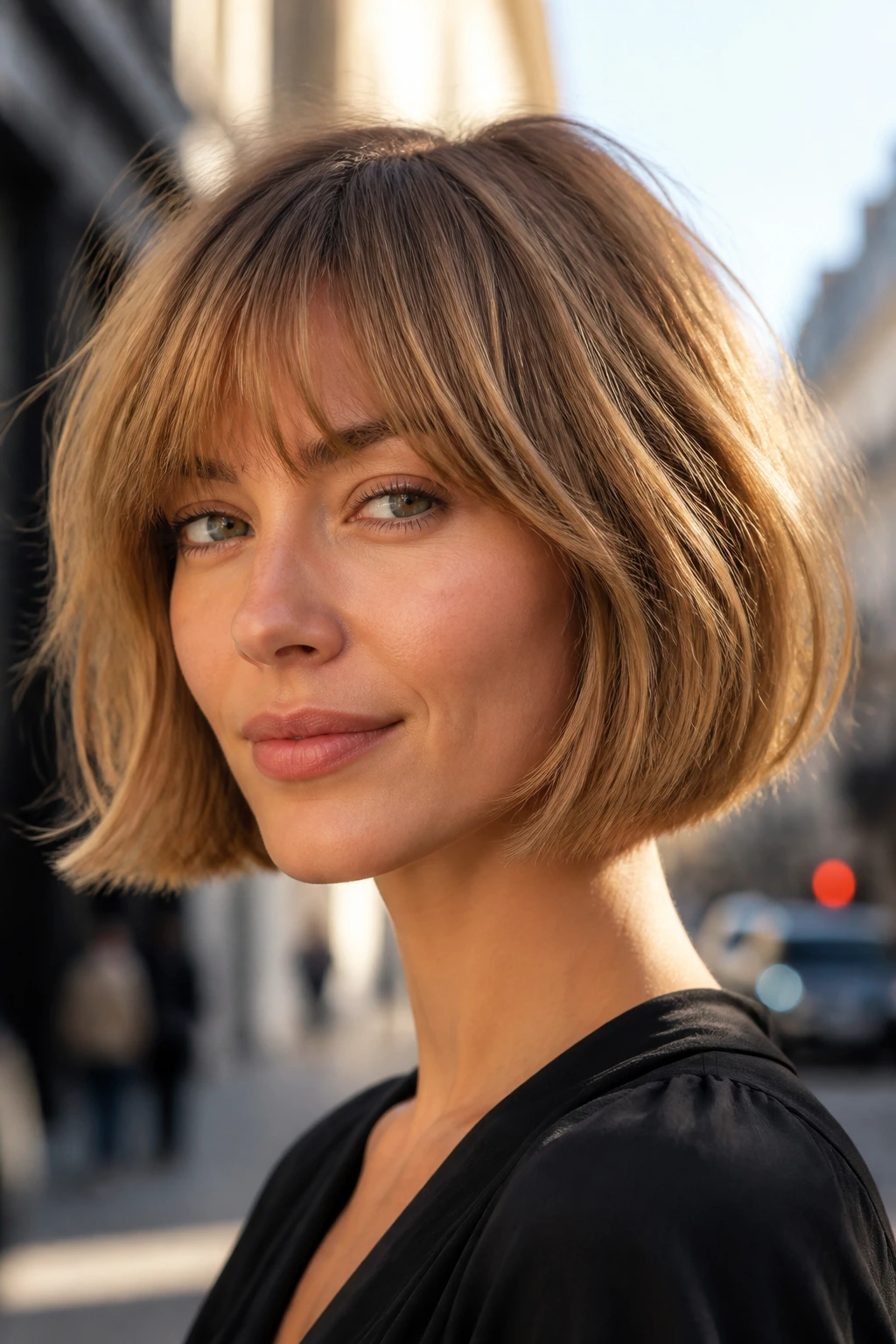
The French bob is usually chin-length, often with bangs. Pair it with a rich, deep caramel blonde, and you have a look that feels classic and Parisian. Caramel blonde has deep, golden-brown undertones that warm up the skin and add a sense of luxury to the hair.
This shade works especially well if you have a darker natural hair color. You can keep your roots dark and let the caramel blonde be the dominant tone. It is a very flattering, low-risk way to experiment with blonde without doing a massive, high-contrast bleach job.
13. Vanilla Blonde Undercut
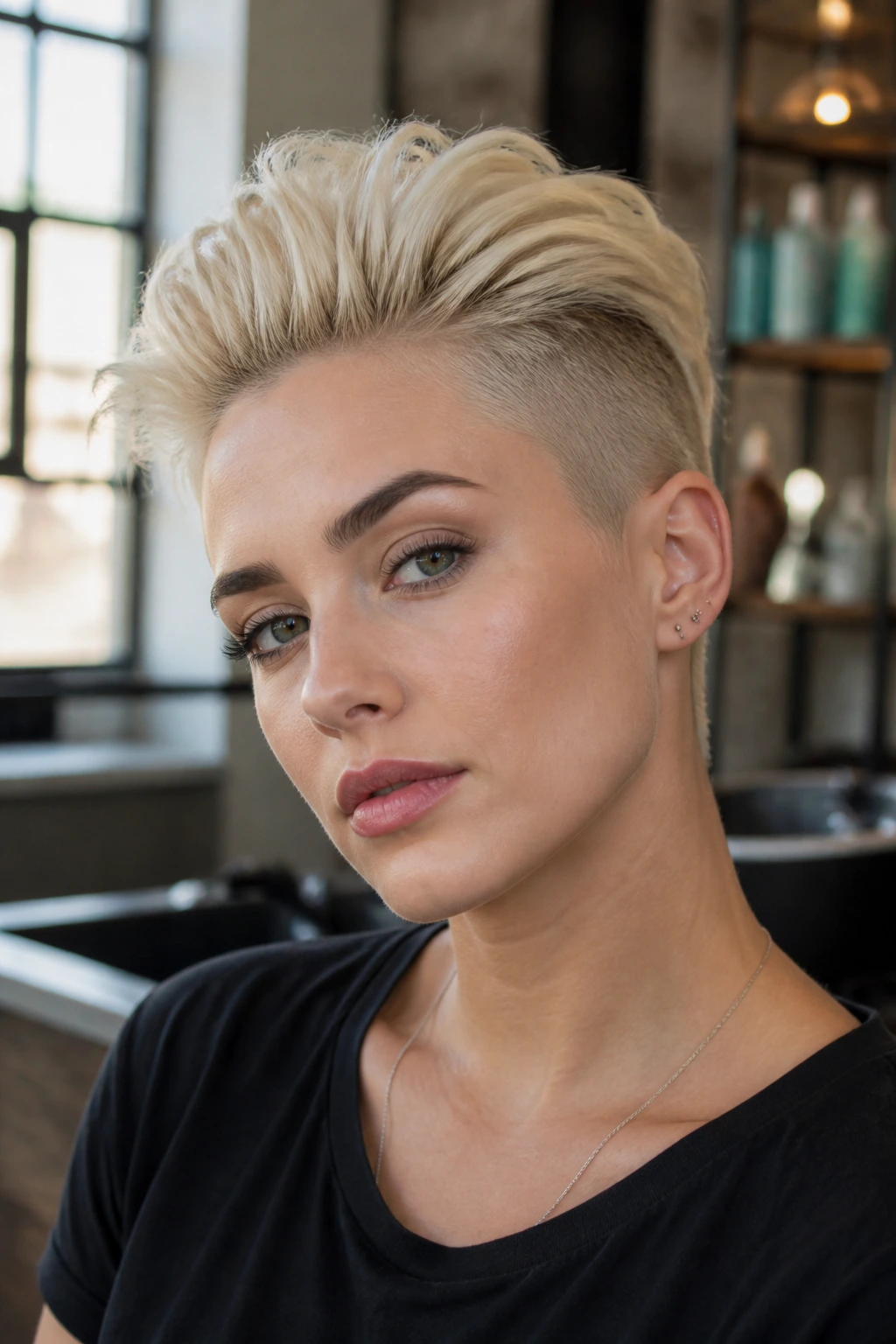
A vanilla blonde is a clean, creamy shade that sits right between white and yellow. When you pair this with an edgy undercut, you get a high-contrast, bold style. The undercut—where the hair at the nape or sides is shaved shorter than the rest—adds a masculine, severe edge, while the vanilla blonde adds a soft, feminine contrast.
It is a juxtaposition of styles that feels very modern. To keep the look cohesive, ensure the fade of the undercut is clean. A messy undercut can ruin the impact of the crisp, clean vanilla color.
14. Beige Blonde Textured Lob
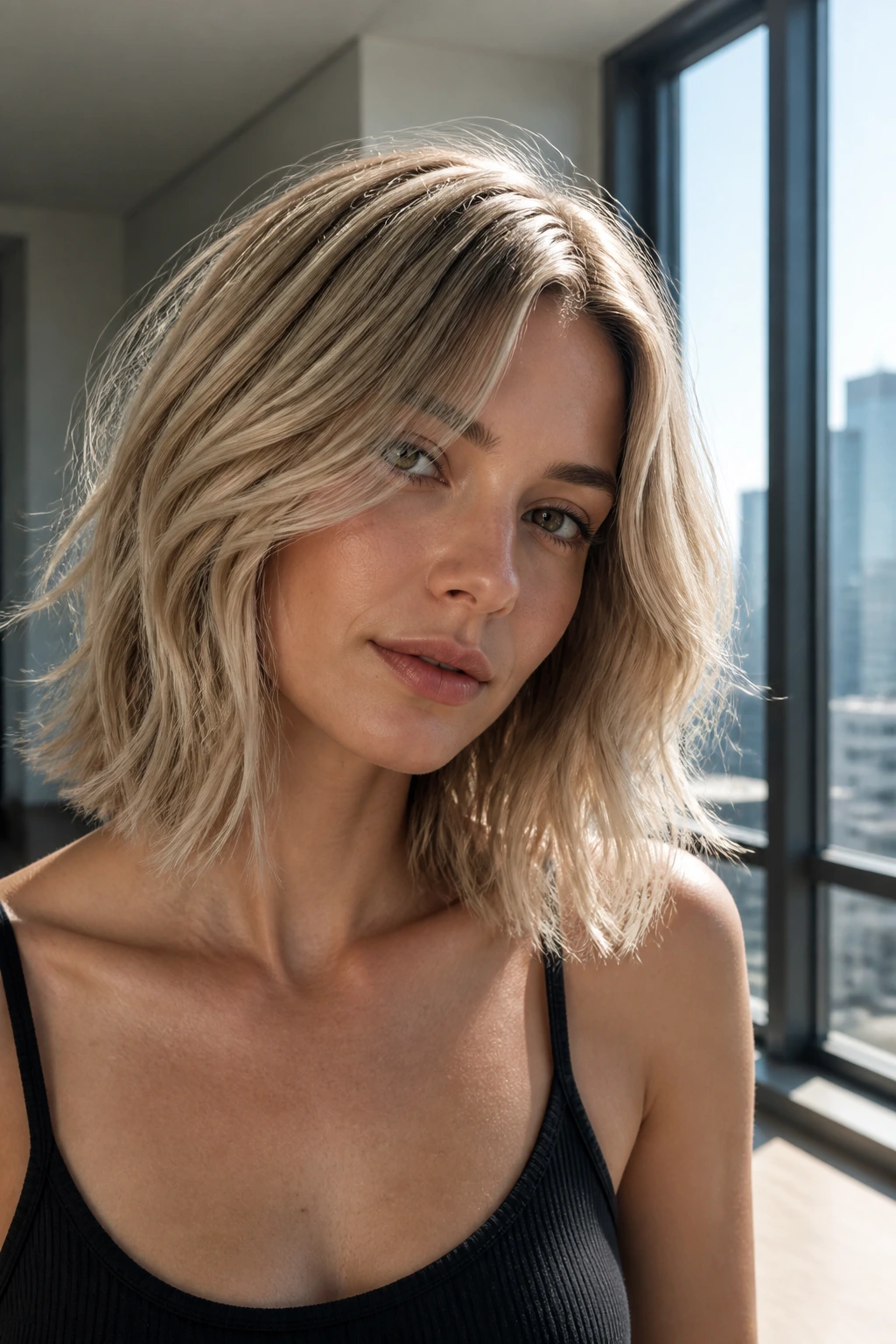
Beige blonde is the cool-neutral blonde of the moment. It doesn’t have the warmth of gold or the harshness of platinum. It is a flat, earthy blonde that looks exceptionally refined. On a textured lob, this color looks modern and effortless.
Beige blonde is essentially a “cool-toned neutral.” It requires a good toner to neutralize the natural warmth in your hair. If you have a naturally dark base, you will need to lighten your hair significantly before the toner can take effect, so be prepared for the process.
15. Silver Blonde Bowl Cut
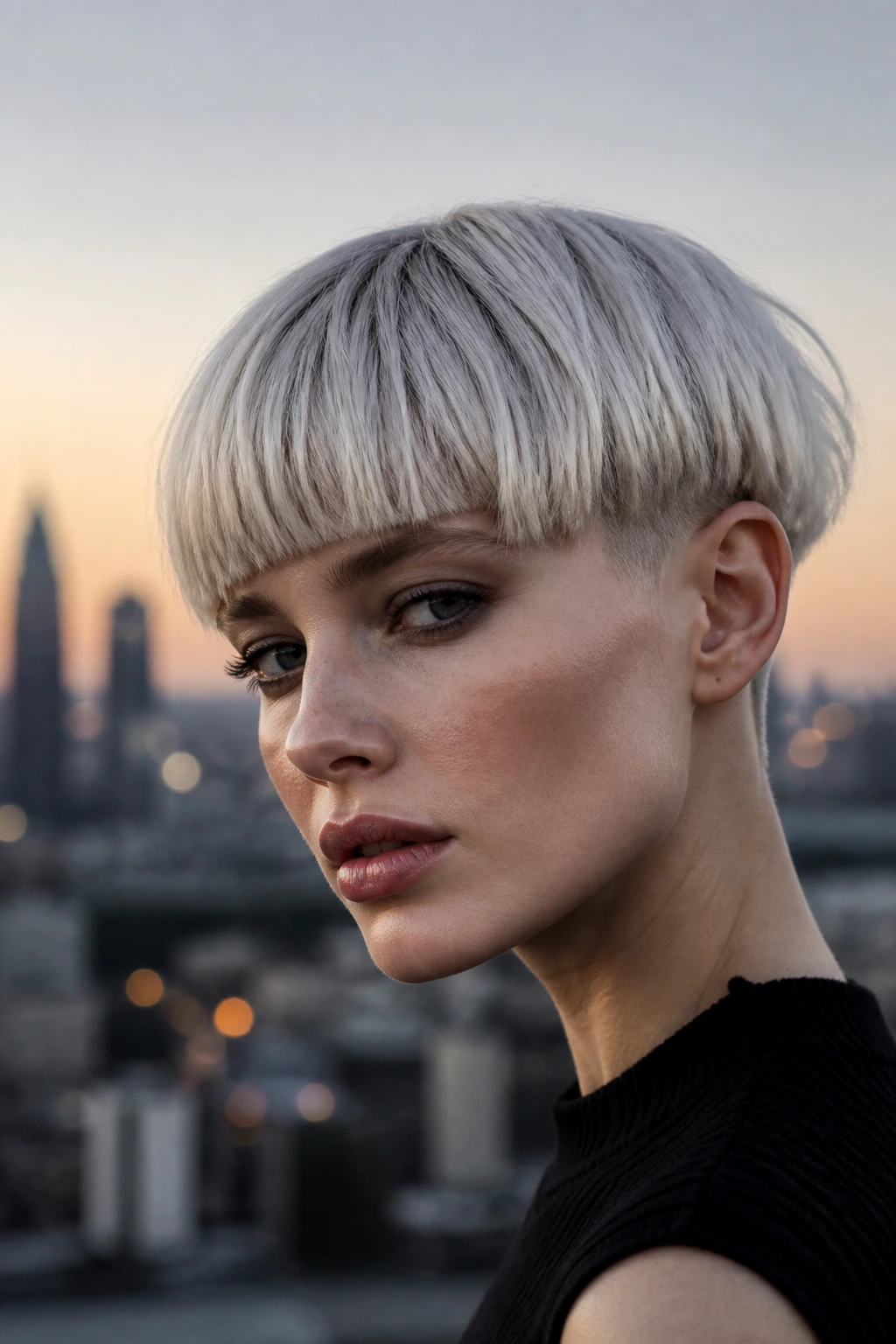
Yes, the bowl cut is back, but it is not the childhood disaster you remember. Modern iterations are choppy, textured, and styled with precision. Pairing a bowl cut with a stark, metallic silver-blonde makes the look intentional and avant-garde.
This is not a color for the faint of heart. It requires consistent toning to stay “silver” and not “faded white.” If you enjoy a very fashion-forward, statement-making look, this is it. It looks fantastic with bold accessories—think chunky earrings or thin, rimless glasses.
16. Nordic Blonde Tapered Fade
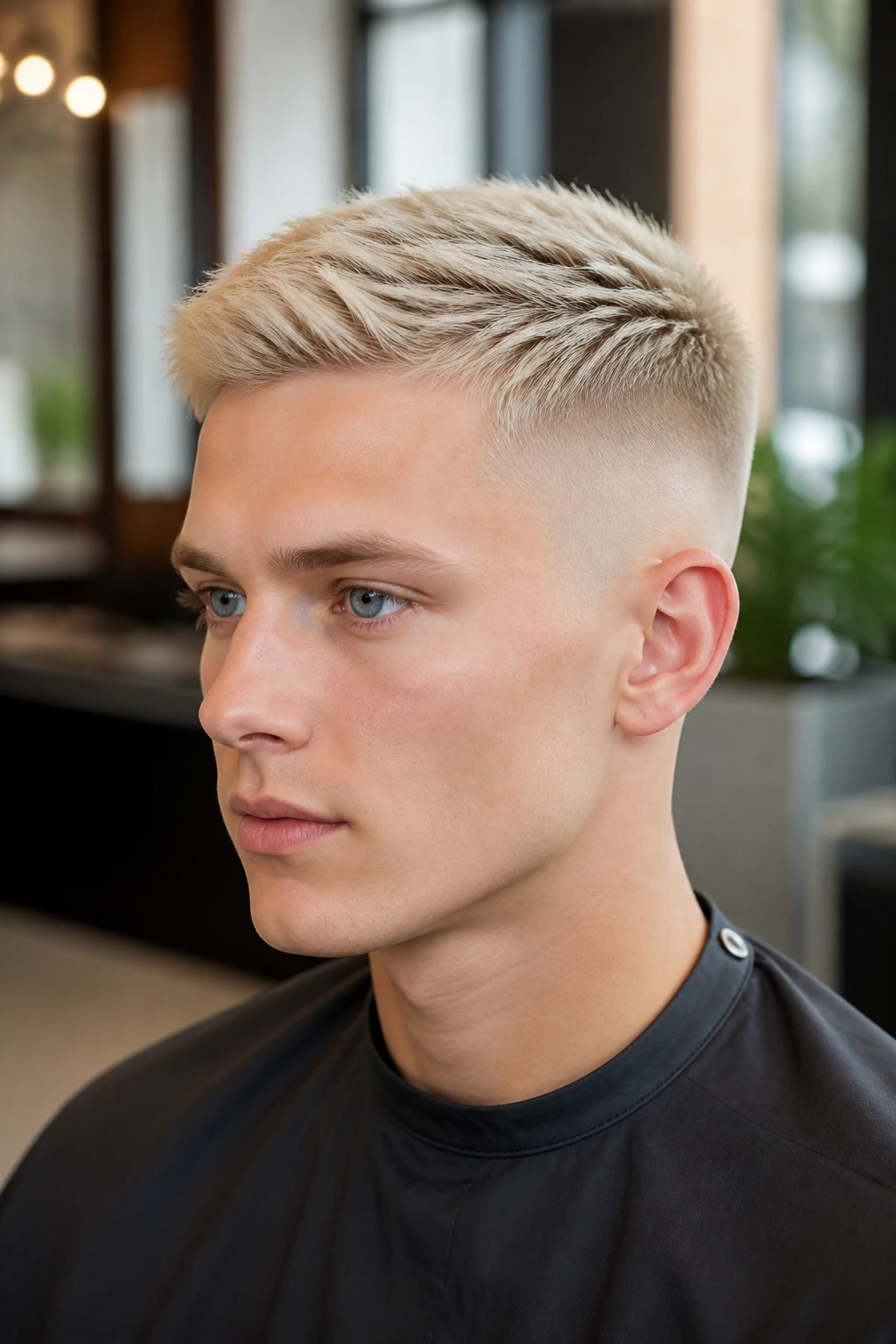
Nordic blonde is the brightest, cleanest blonde possible. It is synonymous with Scandi-style minimalism. On a tapered fade—where the hair is clipped very short at the sides and blends up into longer lengths—the color is the main attraction.
The key to this look is the fade itself. A sharp, clean taper line is what separates a great haircut from a messy one. When the hair is that light, any imperfections in the cut are highly visible. Make sure you are seeing a barber or stylist who specializes in fades.
17. Dirty Blonde Highlights on Darker Base
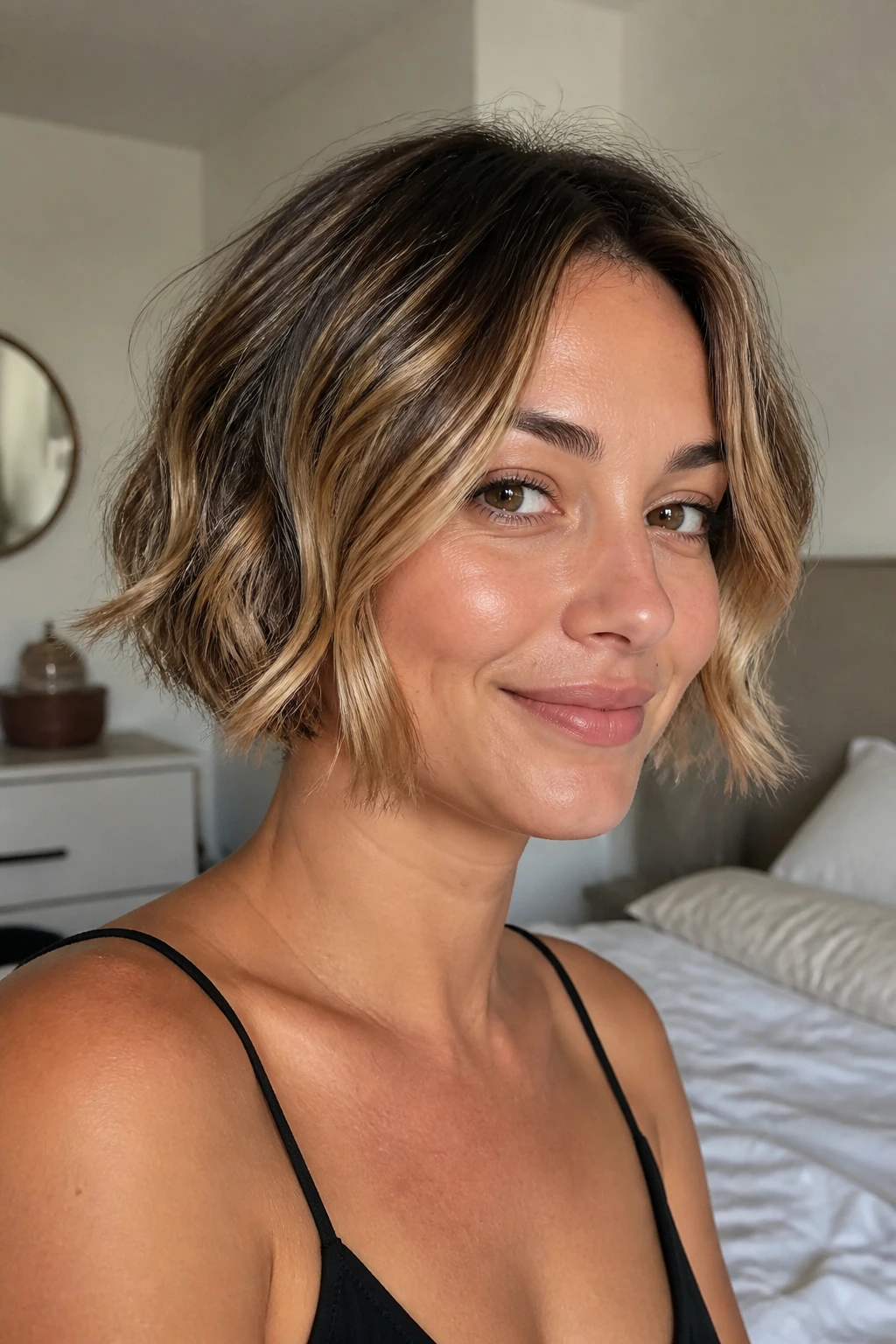
If you aren’t ready to commit to a full head of blonde, dirty blonde highlights on a dark base are the perfect compromise. You get the brightness of the blonde without the maintenance of a scalp bleach. On short hair, these highlights need to be strategically placed—focusing on the face-framing pieces and the ends—to provide the best impact.
This approach is kind to your hair health. Because you aren’t bleaching your entire head, you preserve the structural integrity of your hair. It is a great way to “test drive” being blonde while keeping your natural color in the mix.
18. Mushroom Blonde Blunt Bob
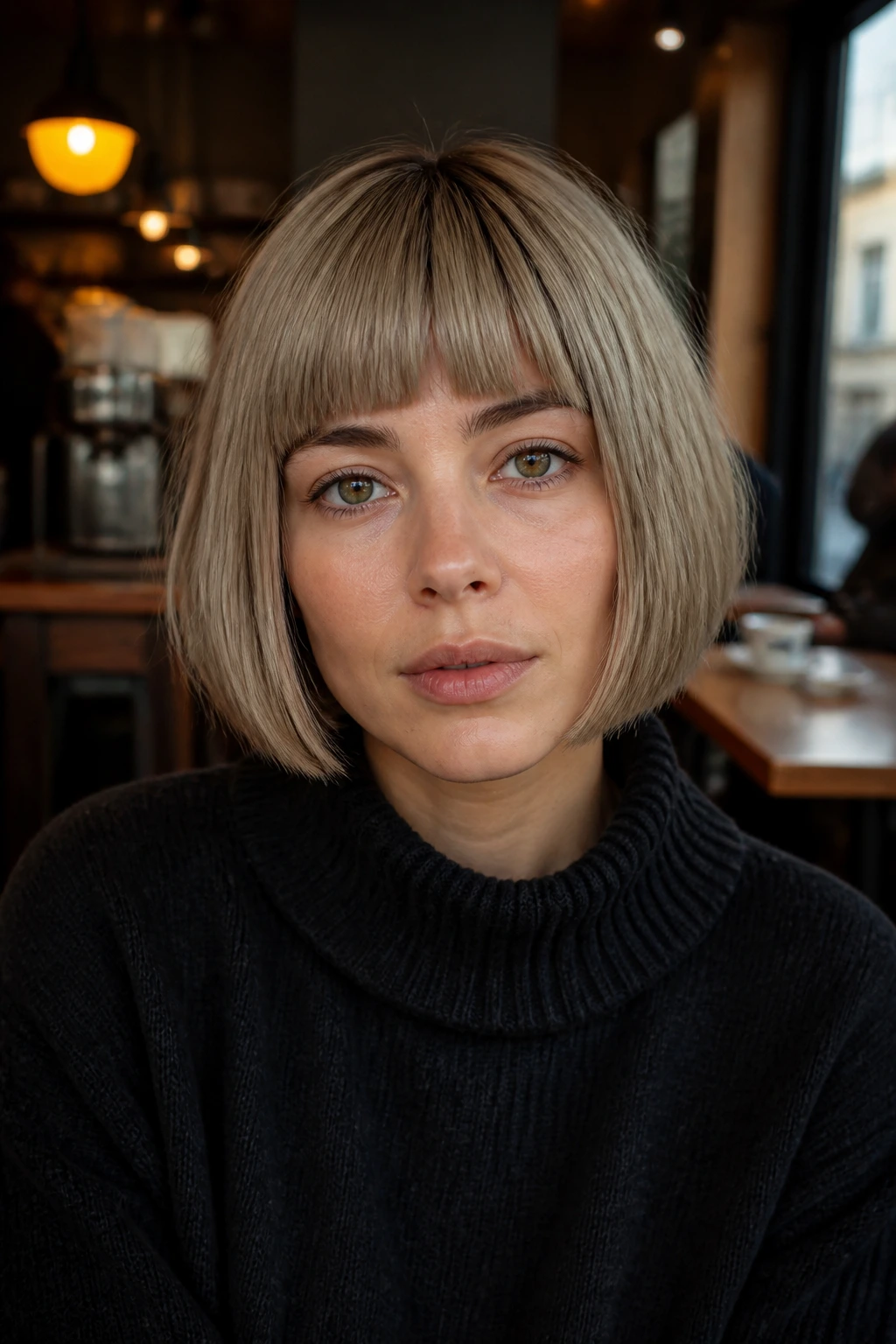
Mushroom blonde is a blend of ash, beige, and light brown. It is a smoky, earthy tone that looks incredible on a blunt bob. It is a sophisticated, “grown-up” version of blonde that feels moody and cool.
This shade is fantastic if you find bright blondes to be too flashy. It is a subtle, grounded tone that works well in professional settings while still being unmistakably blonde. It is also quite forgiving; you won’t need to visit the salon every 4 weeks to touch up your roots.
19. Pale Blonde Textured Pixie
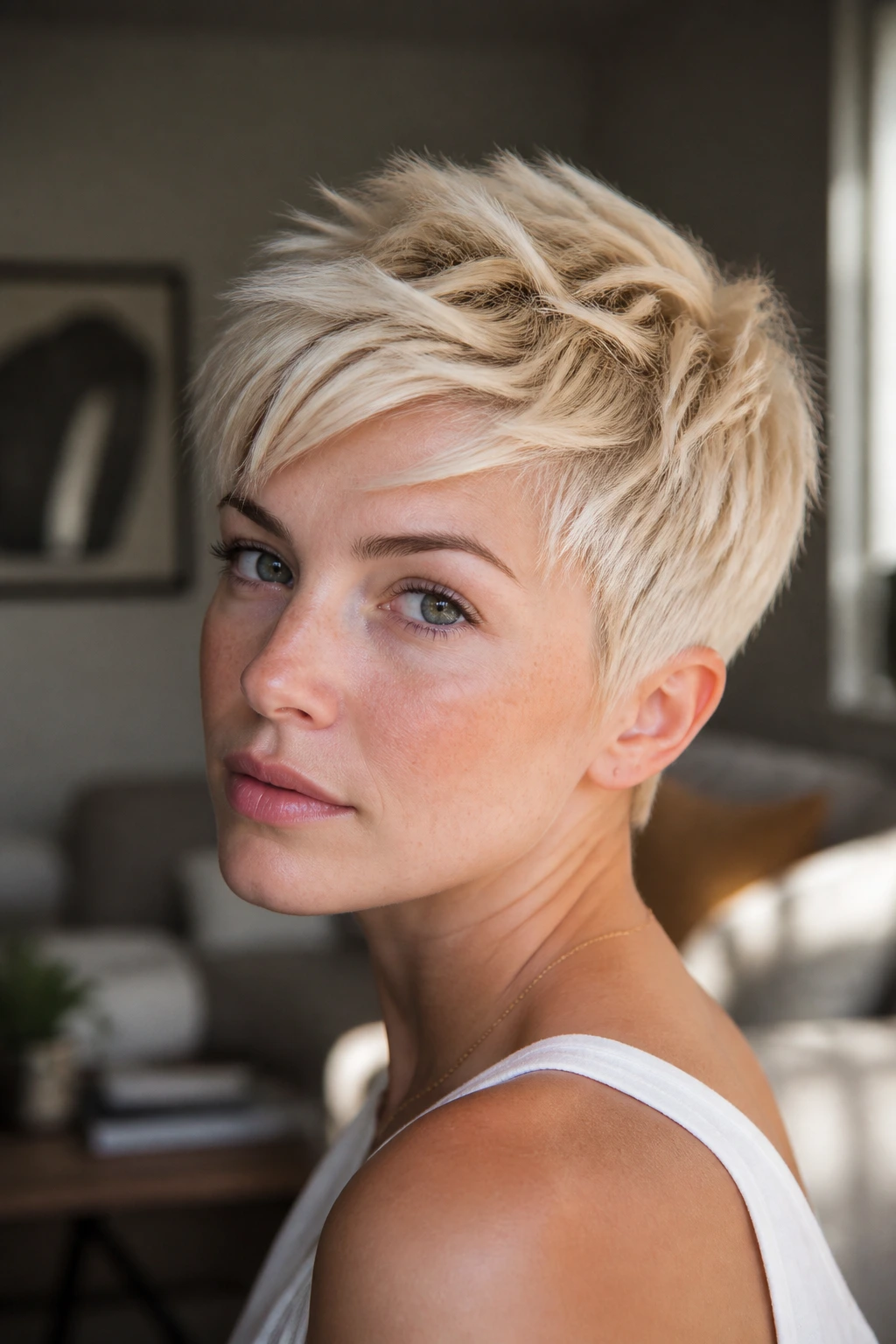
A pale, ethereal blonde is the ultimate pixie color. It is light, soft, and almost translucent. On a textured pixie—where the hair is cut in a way that encourages pieces to stand out—this color catches the light beautifully.
This look relies on product. Use a matte texturizing clay to separate the pieces of your pixie. The pale color needs the separation to look interesting; if it is too flat, it can look washed out. The clay adds shadow and definition to the pale color, making it pop.
20. Warm Blonde Tousled Cut
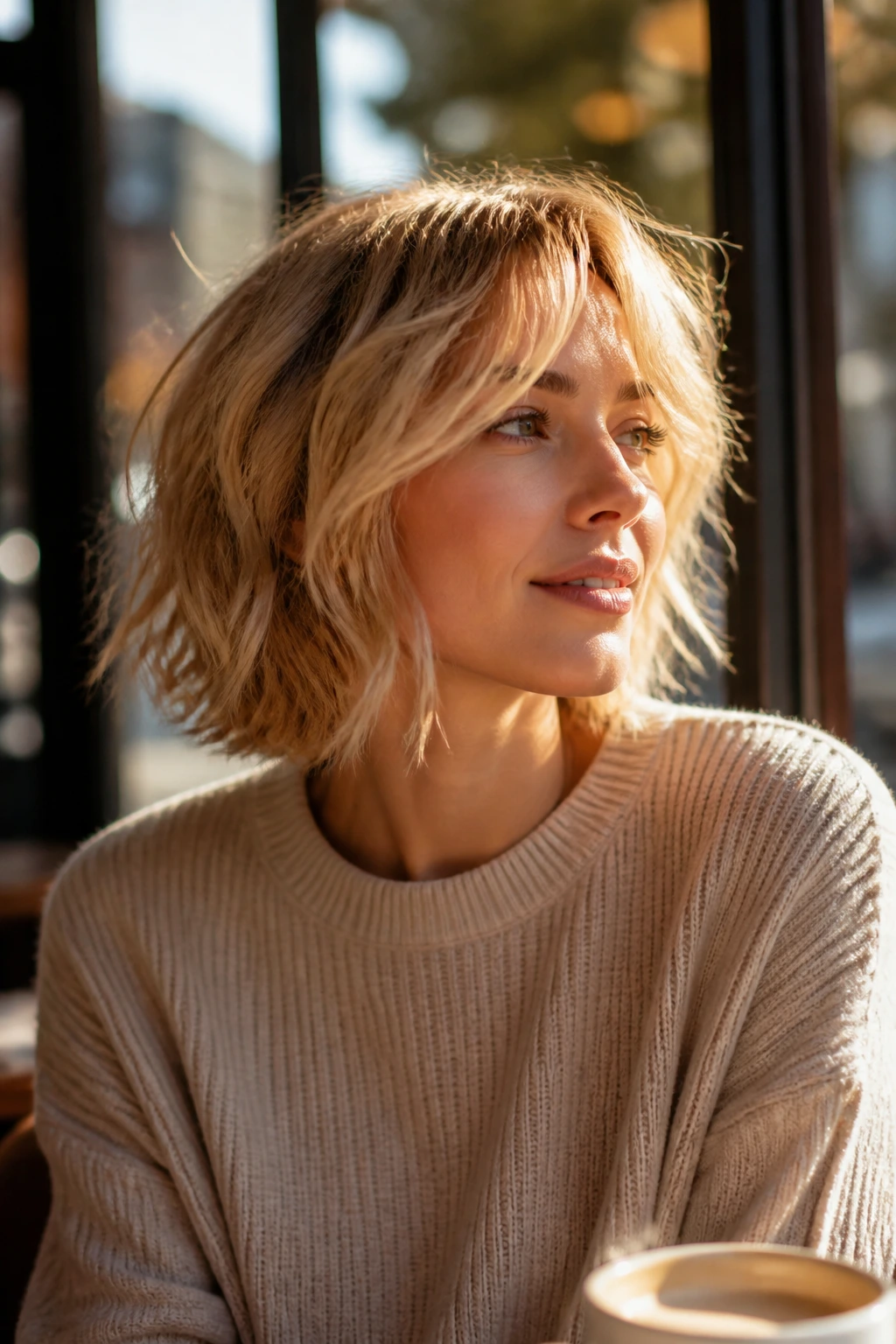
Sometimes, you just want a color that makes you feel happy. Warm blonde, with its golden and sunny tones, is that color. On a tousled, chin-length cut, it’s a breezy, carefree style that looks like you’ve been living in the sun.
This color is great because it is very easy to maintain. You can let your roots grow out, and it just looks like you have a “lived-in” style. It is the color of ease and comfort, perfect for someone who doesn’t want to spend their time managing toner schedules.
21. Ashy Blonde Asymmetric Cut
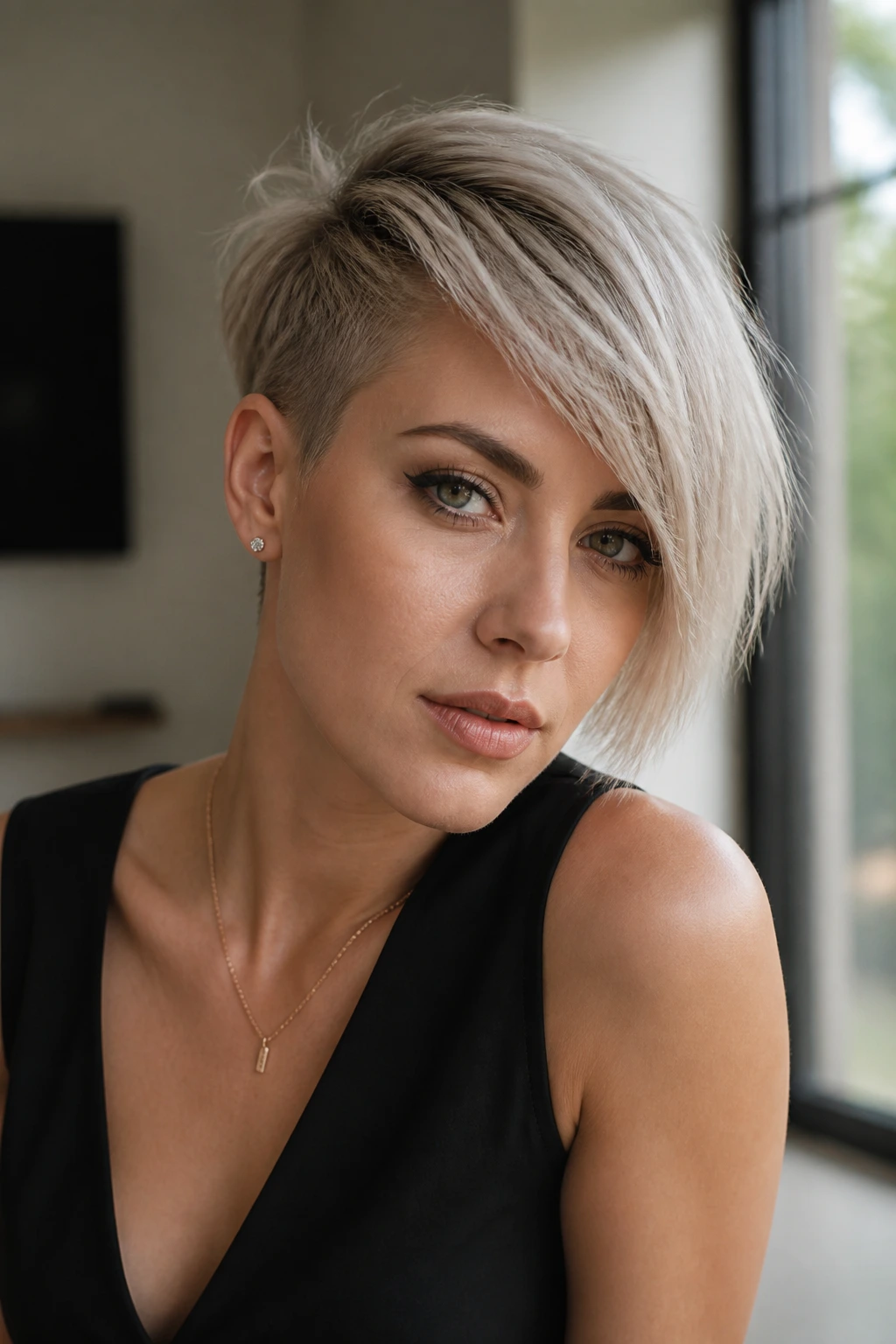
An asymmetric cut is a visual head-turner. One side is shorter than the other, creating a dynamic silhouette. When you color this with an ashy, cool-toned blonde, you emphasize the structural differences in the cut. The cool tone draws the eye to the lines and angles of the hair.
Because the cut is already making a statement, the ashy blonde acts as a modern, understated partner. It doesn’t fight for attention; it supports the cut. Ensure you are using silver or violet shampoo to keep those ash tones from turning warm, as warm tones can sometimes make the angles of an asymmetric cut look less intentional.
22. Sun-Kissed Blonde Shaggy Bob
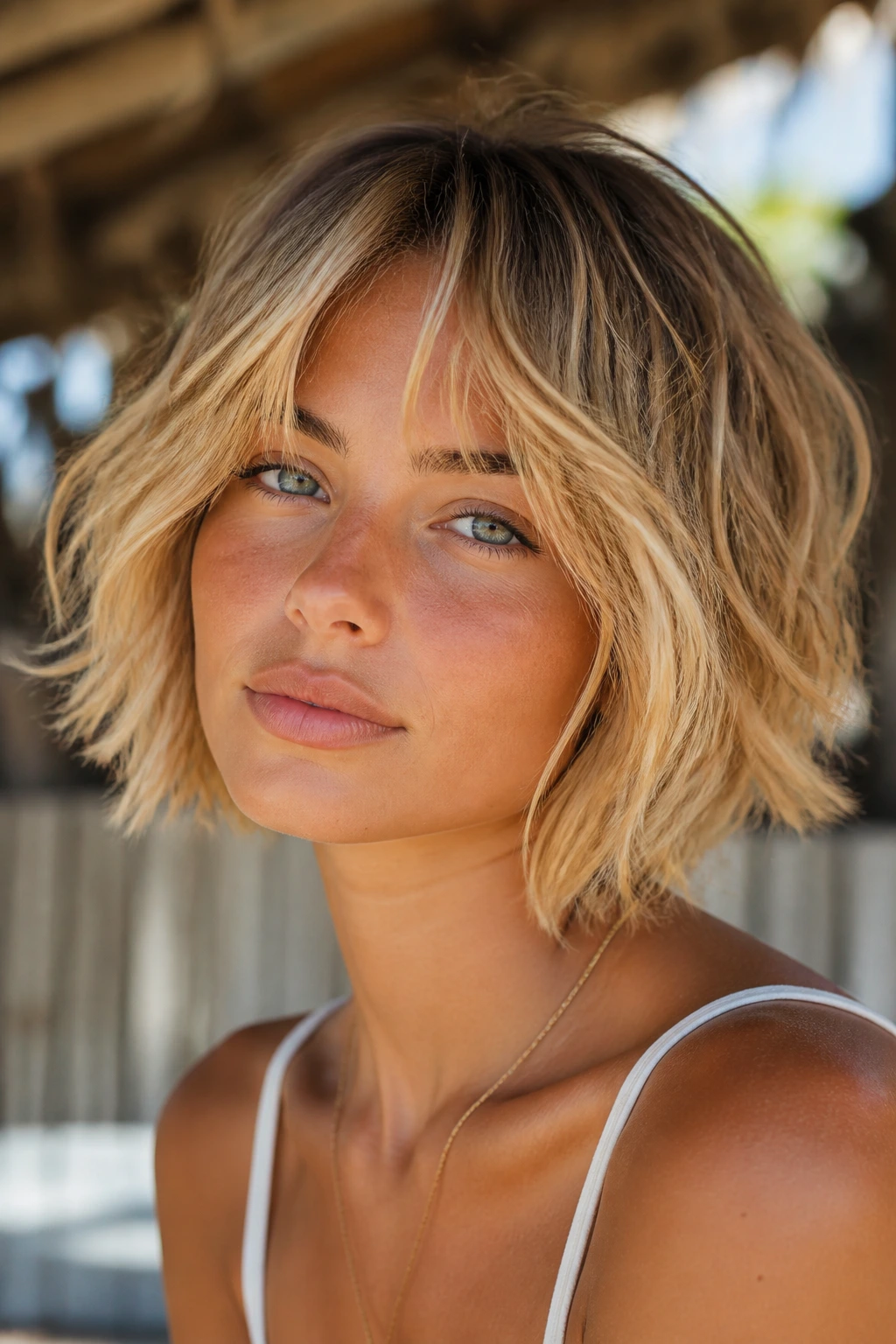
The sun-kissed look is all about that “just got back from the beach” vibe. It is a mix of golden, warm, and sandy tones. On a shaggy bob—which has choppy layers and often curtain bangs—it feels bohemian and relaxed.
This style is about imperfection. It should look a little bit messy, a little bit lived-in, and totally effortless. You can achieve this color with a mix of babylights and balayage. It is arguably the most “natural” looking blonde, and it ages beautifully, meaning your salon visits can be spaced out as much as you like.
Understanding the Relationship Between Short Hair and Color
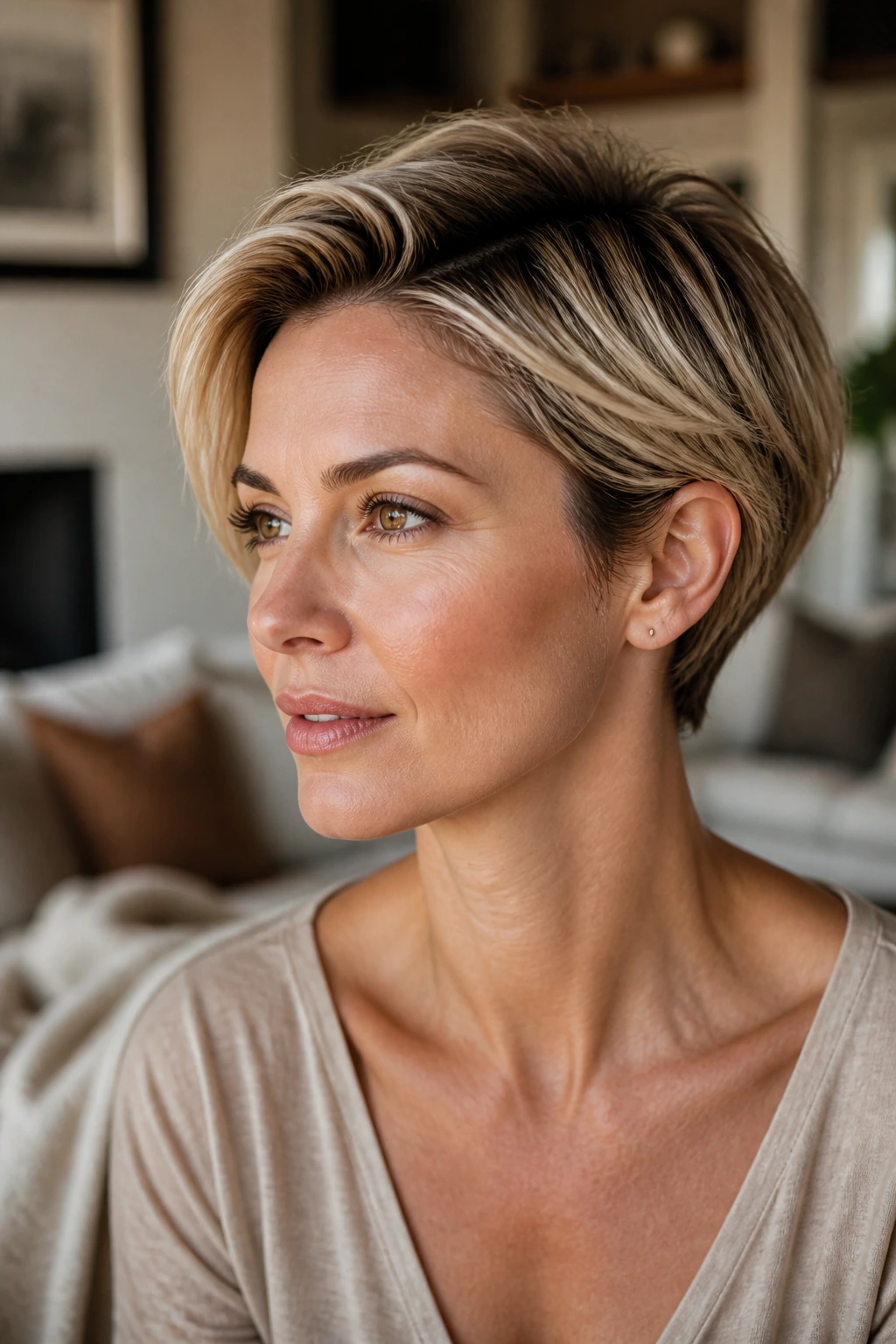
The biggest shift you experience when going from long hair to short hair is the speed at which you see the results of your color treatments. When your hair is long, a bad dye job can be hidden. When you cut it short, your color becomes a permanent accessory that rests against your face. You cannot avoid seeing it.
This means you need to be honest about your maintenance capacity. If you cannot stand the look of roots, do not choose a platinum or icy blonde that requires a touch-up every three weeks. Choose a root melt, a balayage, or a dirty blonde style that allows for a softer grow-out. The best color for you is the one you can actually afford to maintain, both in time and money.
The Importance of Toner and Glaze
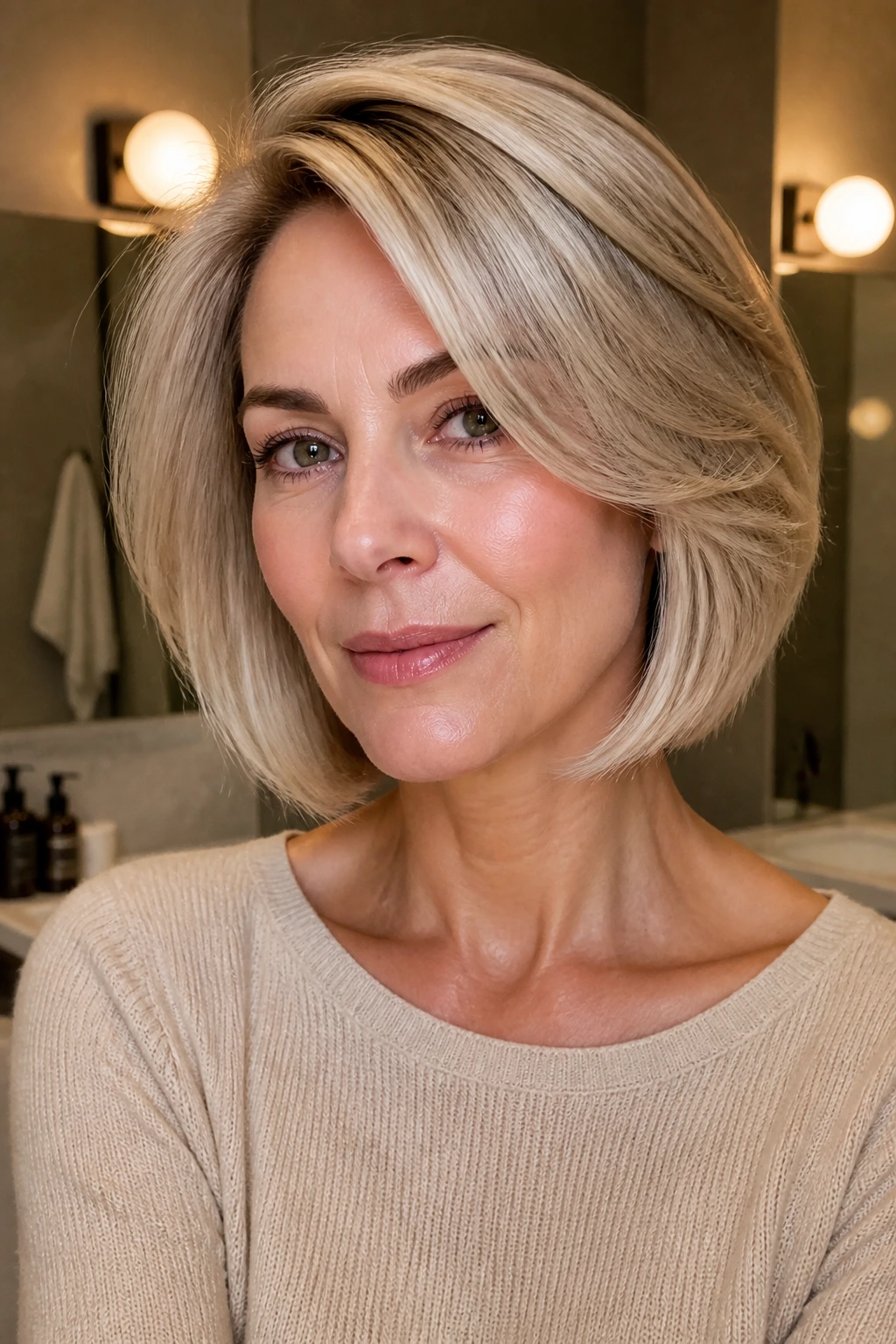
Most people focus on the lightening process—the bleach—and ignore the toning. In short hair, the tone is everything. Bleach strips your hair of its natural pigment, leaving behind yellow or orange undertones. The toner is the pigment your stylist puts back in to give you that specific “creamy,” “ashy,” or “honey” shade.
Because short hair is cut frequently, you are often removing the oldest, most-processed hair. This is actually a benefit. It means you can afford to be a bit more aggressive with your color choices, knowing that you will be trimming away the damaged ends relatively soon. However, you still need to be religious about your at-home care. A color-depositing conditioner or a weekly gloss treatment will keep your short blonde cut looking fresh until your next trim.
Matching Tone to Your Skin Undertones
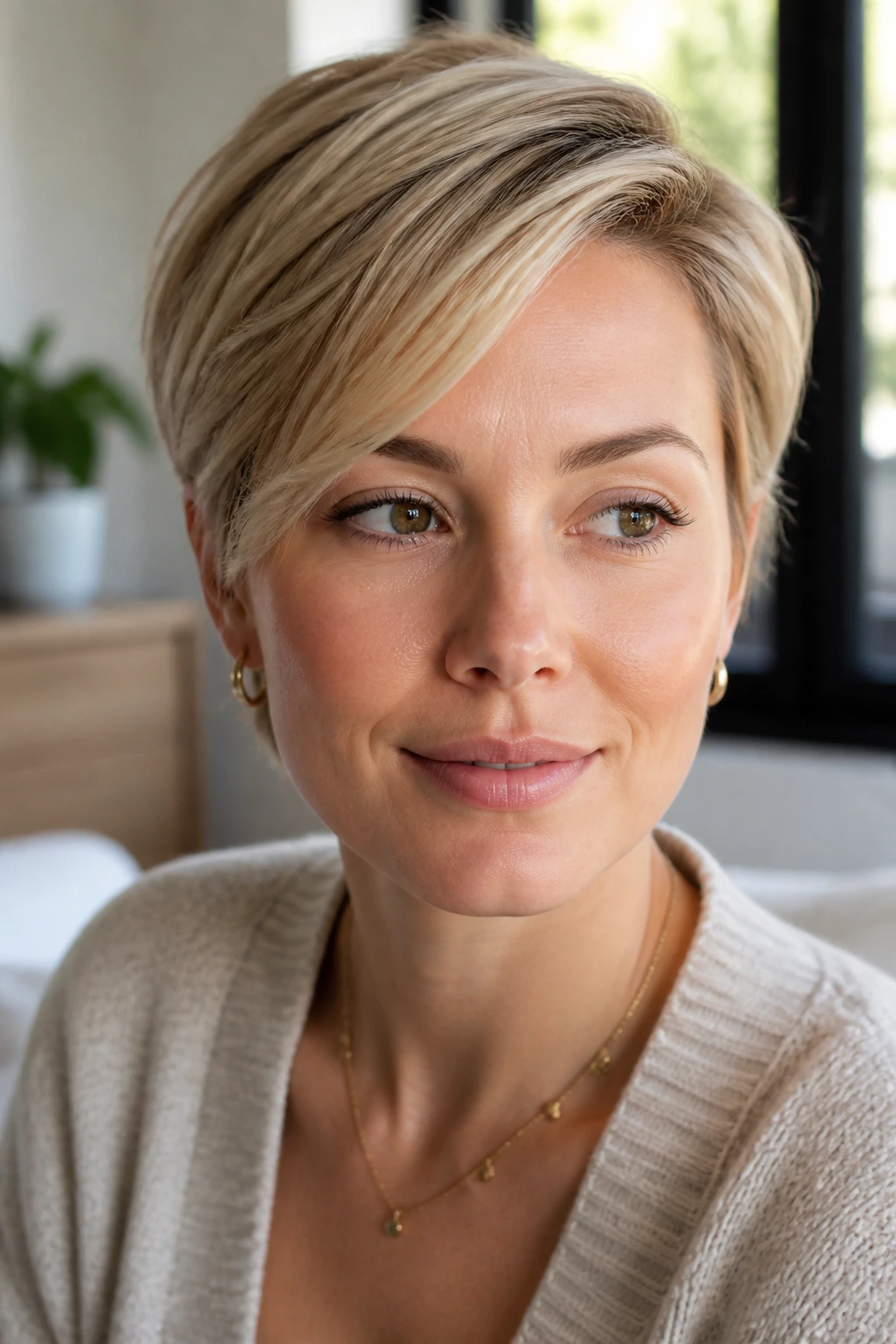
Your skin tone should dictate your blonde shade. If you pick a color that clashes with your undertones, your skin will look dull or sallow. Generally speaking, cool skin tones (veins look blue/purple) need cool or neutral blondes—think ash, icy, or platinum. Warm skin tones (veins look green/olive) need warm blondes—think honey, caramel, or strawberry.
If you are neutral, you are in luck—almost anything works. However, the safest bet for anyone unsure is a “neutral” blonde, which sits in the middle. It’s neither too yellow nor too grey. If you are ever in doubt, ask your stylist for a test strand before committing to a full color transformation. Seeing how a specific shade interacts with your skin under natural light is the only way to be certain.
Why Quality Products Matter More Than You Think
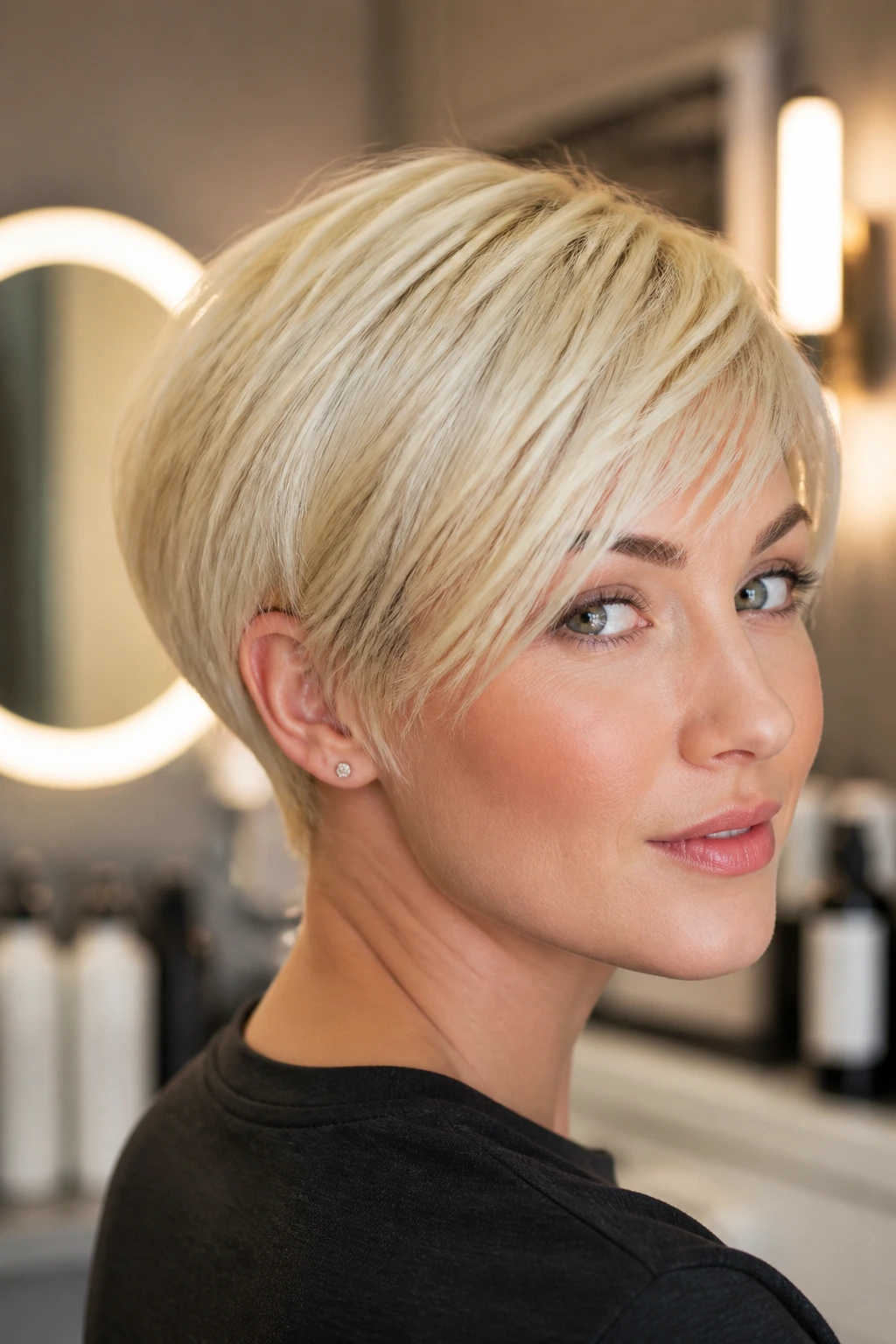
When you have short blonde hair, your hair is usually bleached, which leaves the hair shaft porous. This means it absorbs everything—including environmental pollutants, minerals in your water, and cheap styling products.
Stop using supermarket shampoos if you have gone blonde. They are often packed with heavy sulfates and waxes that coat the hair, making it look dull and brassy. Invest in a professional-grade, sulfate-free shampoo and a high-quality purple mask. You don’t need a lot of product since your hair is short, so a single bottle of professional-grade shampoo will last you a long time. It is a small investment that makes a massive difference in how your color looks in the mirror.
Final Thoughts
The decision to go blonde is rarely just about the color. It is about changing the way you see yourself in the mirror every day. Short hair gives you the canvas, but the blonde shade defines the mood. Whether you opt for a high-maintenance platinum pixie that demands attention or a lived-in, sun-kissed shaggy bob that feels effortless, the key to success is maintenance.
Remember that blonde is a project, not a single appointment. It requires consistent care, the right products, and a stylist who understands the specific needs of your hair texture. Do not rush the process. If your hair isn’t ready for a platinum bleach, start with highlights and work your way there. The most important thing is the health of your hair; a beautiful color on unhealthy, damaged hair will never look as good as a slightly darker shade on hair that looks and feels strong. Take your time, pick a style that fits your lifestyle, and enjoy the confidence that comes with a fresh, bright chop.
