



The fastest way to make hair feel fresh is not always a cut. A good color shift can do more with three inches of shine than a dramatic trim can do with six.
That’s why the spring hair color trends women are asking for tend to have a common thread: softer roots, brighter face-framing pieces, and tones that still look good after a few weeks of normal life. Not runway hair. Real hair. The kind that gets tied up for errands, brushed down for dinner, and needs to behave in daylight without looking harsh.
A lot of the smartest color requests are also a little sneaky. They look easy, but they’re built with enough dimension that grow-out doesn’t turn ugly fast. A beige blonde with a shadow root. A copper gloss over a darker base. A brunette with cherry reflections that only show when the light hits it right. That’s the sweet spot.
Some of these looks are soft and wearable. Some are bold enough to make strangers ask who did your color. All of them work because they use tone, placement, and shine with a little restraint — which is usually what makes hair look expensive, healthy, and current without trying too hard.
1. Butter Blonde for Soft Spring Light
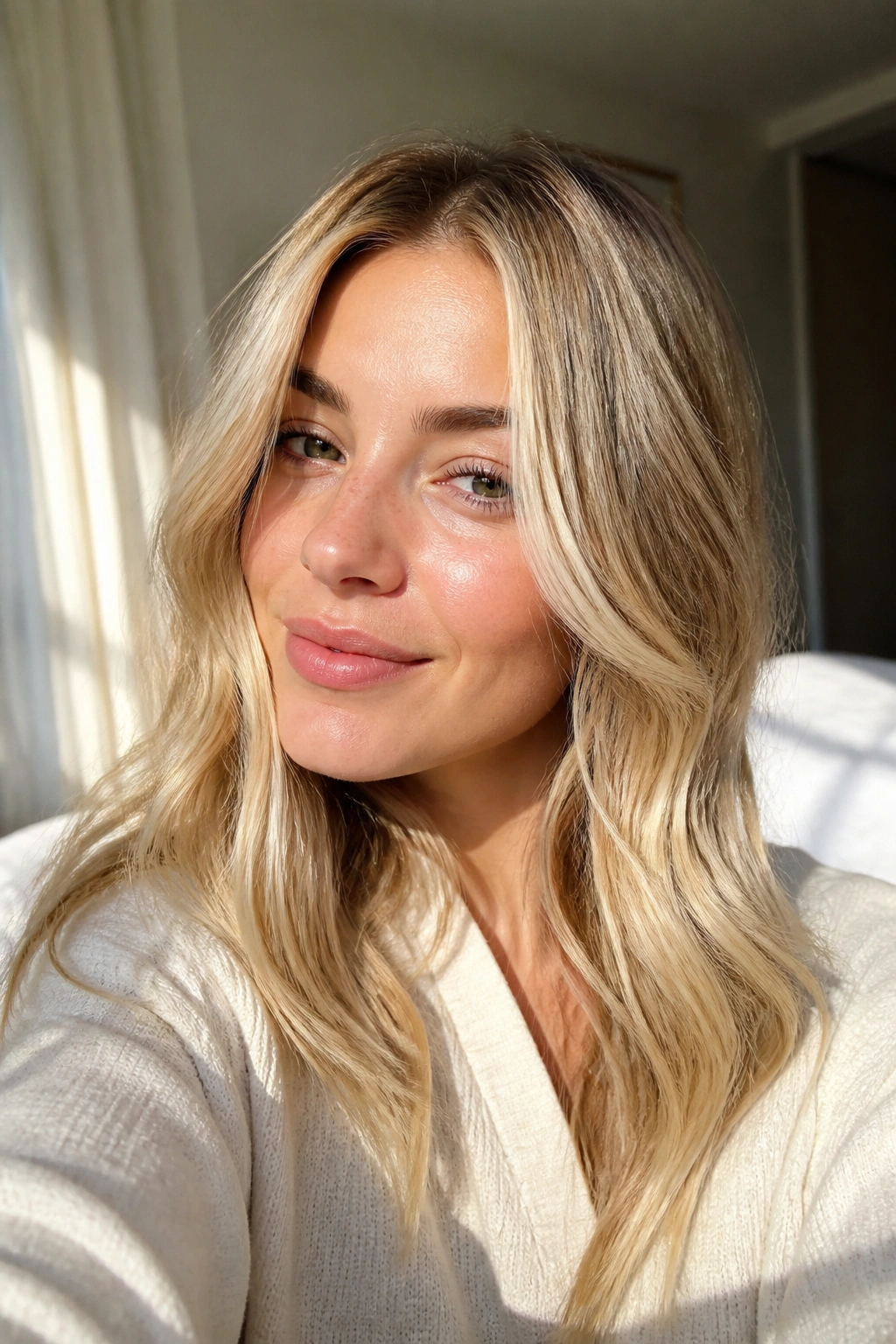
Butter blonde sits between beige and gold, and that middle ground is the reason it keeps showing up in salons. It brightens the face without going icy, and it doesn’t have the flat, washed-out feel that some pale blondes get after a few shampoos.
The best version is creamy, not yellow. Think soft custard, not banana peel. On a naturally light blonde base, a beige-gold toner can be enough. On darker blondes, stylists usually build it with fine highlights and a root shadow so the brightness doesn’t start at the scalp.
Why It Works
Butter blonde is friendly to a lot of hair textures because it gives the eye movement. You see light, but you also see depth at the root and in the lowlights. That keeps the color from looking like one solid block.
If your hair tends to pull orange or brassy, this is the place where tone matters more than lift. A toner with a slightly neutral base keeps the blonde creamy instead of loud.
- Best on level 8 to 10 blonde hair
- Looks especially good with layered cuts and soft waves
- Ask for fine highlights, not chunky stripes
- A shadow root one or two levels deeper helps the grow-out
Tip: Bring a photo that shows beige, not platinum. That one detail saves a lot of back-and-forth in the chair.
2. Copper Gloss With Warm Shine
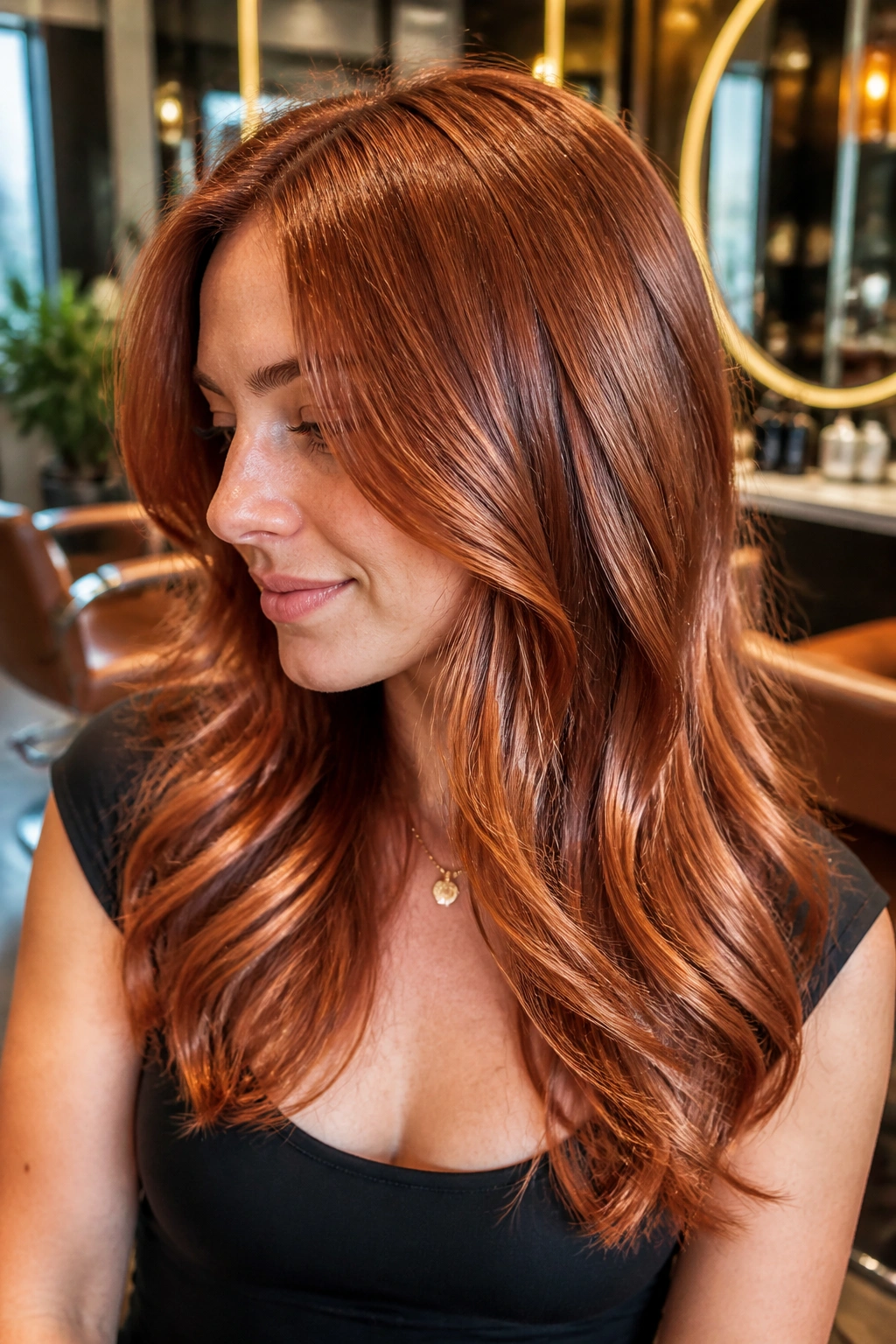
Copper gloss works because it does not have to shout to be seen. The shine does most of the work, and when the tone is right, it looks rich instead of loud.
This color tends to flatter hair that already has some warmth in it. Medium browns, dark blondes, and lighter brunettes can wear it well, especially when the copper sits on top of a deeper base instead of replacing everything underneath. The result is warm, bright, and a little bit glossy in a way that plain red often isn’t.
A gloss version is a smart choice if you want copper without a long-term commitment. It fades softer than permanent red, and that matters because red pigment is notorious for slipping out faster than people expect. If you wash often or use hot water, the tone can soften in a hurry.
The trick is to keep the finish shiny. Copper with dry ends looks flat. Copper with a smooth gloss looks deliberate. That’s the difference.
3. Cherry Cola Brunette
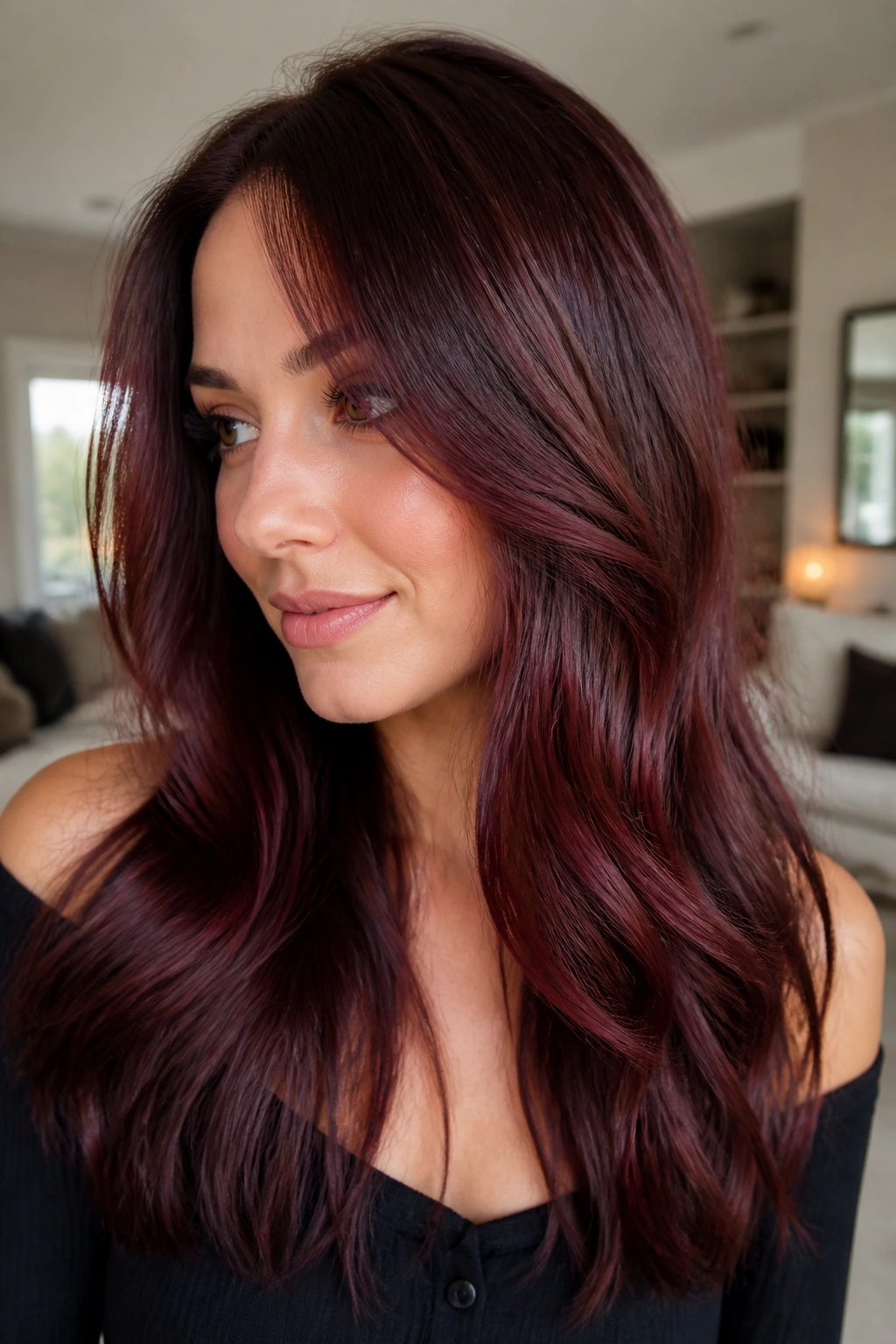
Cherry cola brunette is what happens when a deep brown base gets a wine-red reflection instead of a full red overhaul. It’s moody, but not heavy. Dark, but not plain.
Picture it indoors first. You mostly see brunette. Then you step outside and the red-violet notes wake up. That shift is the whole point. It gives dimension without making the whole head read as red from across the room.
This one works especially well if you like darker hair but want a little spring energy without jumping straight into blonde. It also plays nicely with glossy blowouts and big curls, because each bend in the hair catches a different slice of color.
- Best on naturally dark brown bases
- Looks richer with a high-shine finish
- Ask for berry or wine reflects, not copper
- A glaze every 4 to 6 weeks keeps the red from turning flat
That little bit of red does a lot. More than people expect.
4. Mushroom Brown With Ash-Beige Depth
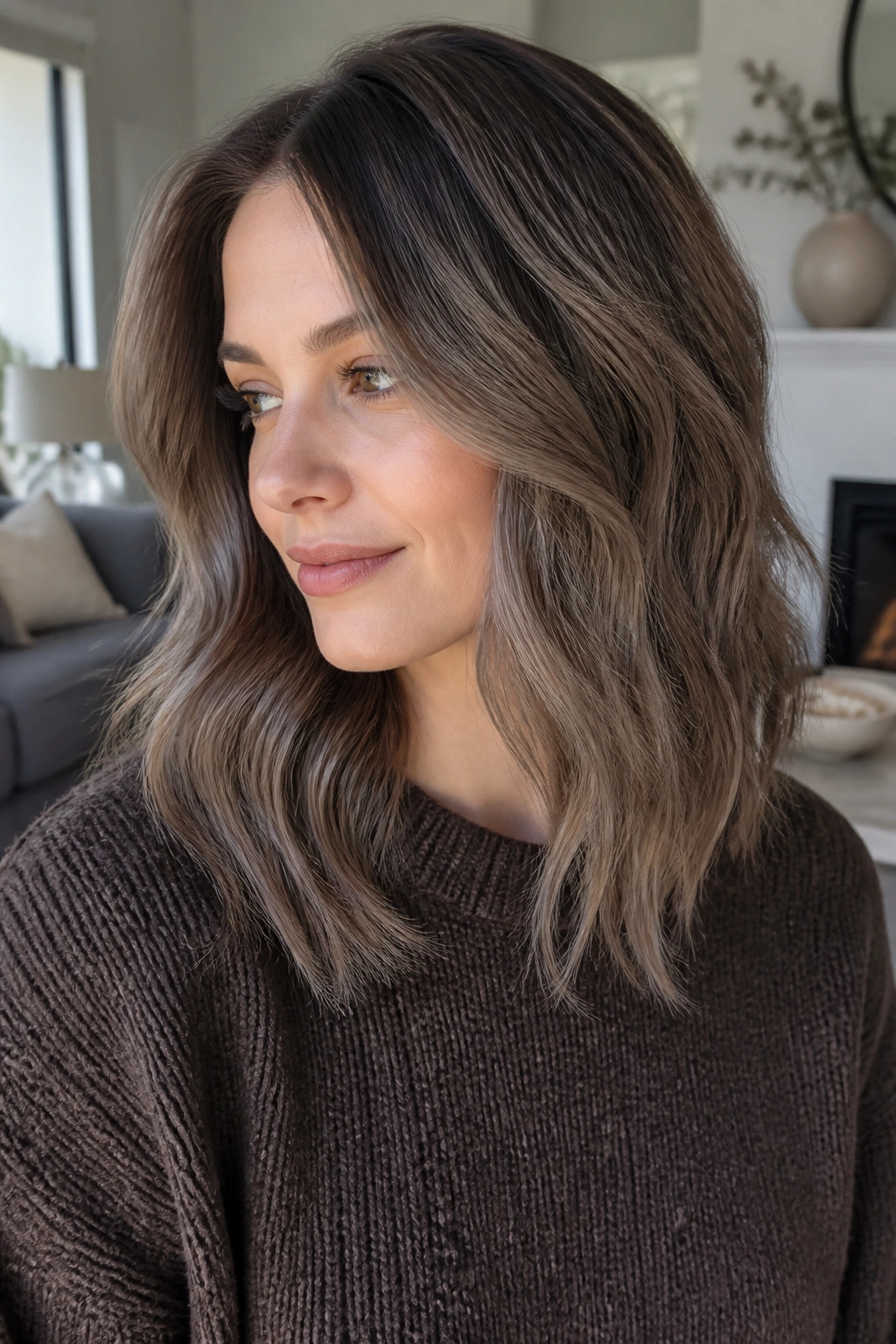
Why do so many brunettes ask for mushroom brown? Because it solves a problem that plain brown never quite fixes. It gives depth without warmth, and it keeps hair from looking too red or too flat.
The color lives in that muted zone between taupe, ash, and soft beige. It is not muddy when it’s done well. It’s cool, calm, and slightly smoky, which makes it a good fit for anyone who gets tired of warm tones fast.
What It Looks Like
Mushroom brown usually starts with a medium brunette base and then gets fine ash-beige ribbons through the mid-lengths. The root stays a little deeper, so the hair still has shape. Without that depth, the color can turn limp.
How to Ask For It
Tell your colorist you want a cool brunette with soft beige dimension and no strong orange or gold. That sounds simple, but it matters. A lot.
Be honest about your styling habits too. Straight hair shows the tone cleanly. Waves make the ash-beige pieces move around more, which is where this color really comes alive.
5. Caramel Balayage for Easy Spring Grow-Out
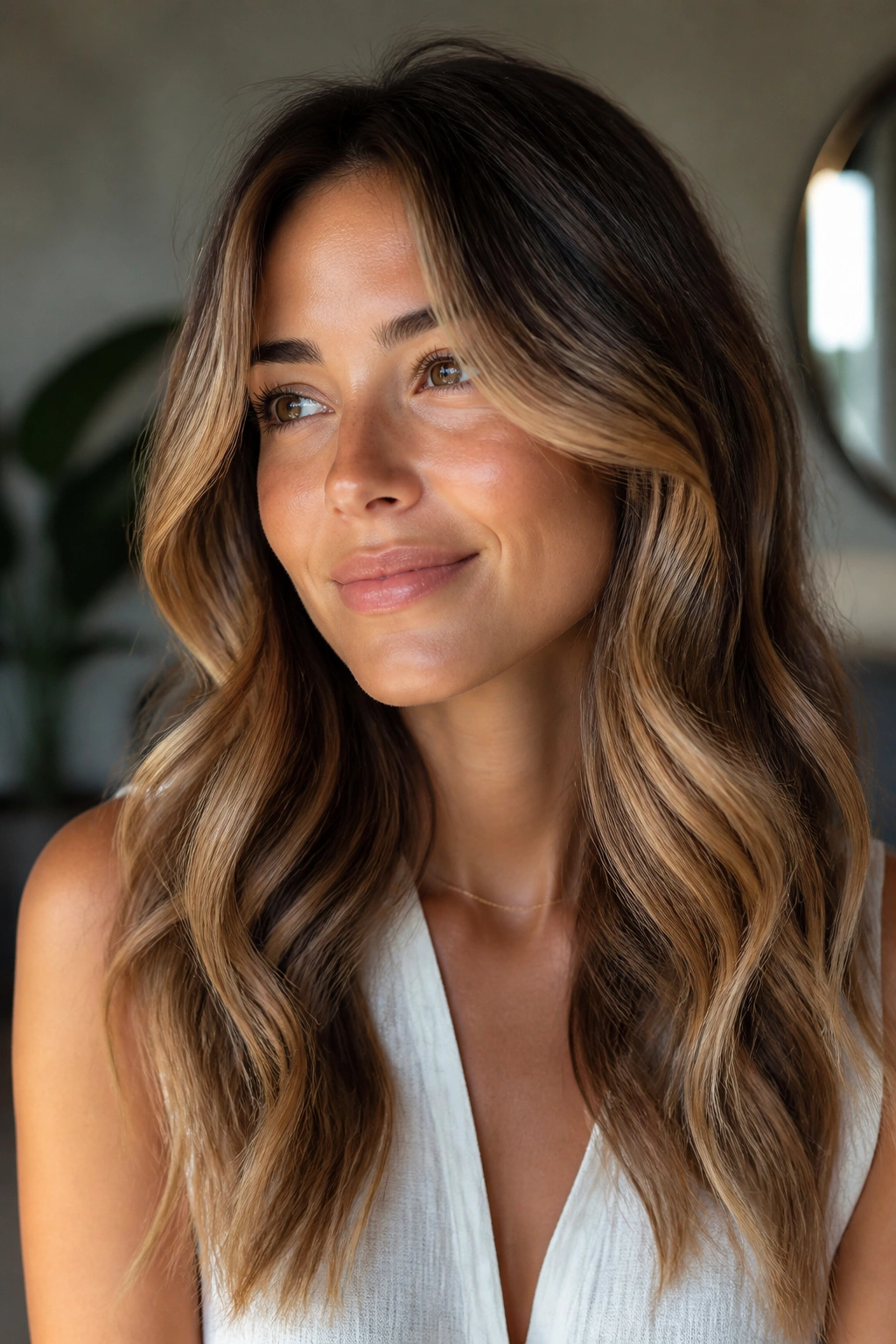
Caramel balayage is still one of the smartest spring hair color trends because it grows out with manners. The color is painted by hand, so it does not create the hard stripes that old-school highlights can leave behind.
The warm caramel pieces usually sit a shade or two lighter than the base, with the brightest ribbons around the face and the softer ones through the back. That keeps the overall look sunlit without turning blondes into a full-time job.
This is the one I recommend to people who want brightness but hate maintenance. It works on medium brunettes especially well, and it can be adjusted for tighter curls or straighter hair. On curls, wider ribbons read beautifully. On straight hair, thinner placement keeps it from looking streaky.
A good caramel balayage should feel blended when you run your fingers through it. If you can spot obvious lines every few inches, the placement is too rigid. A clean grow-out matters more than a dramatic first day.
6. Strawberry Blonde With a Soft Red Glow
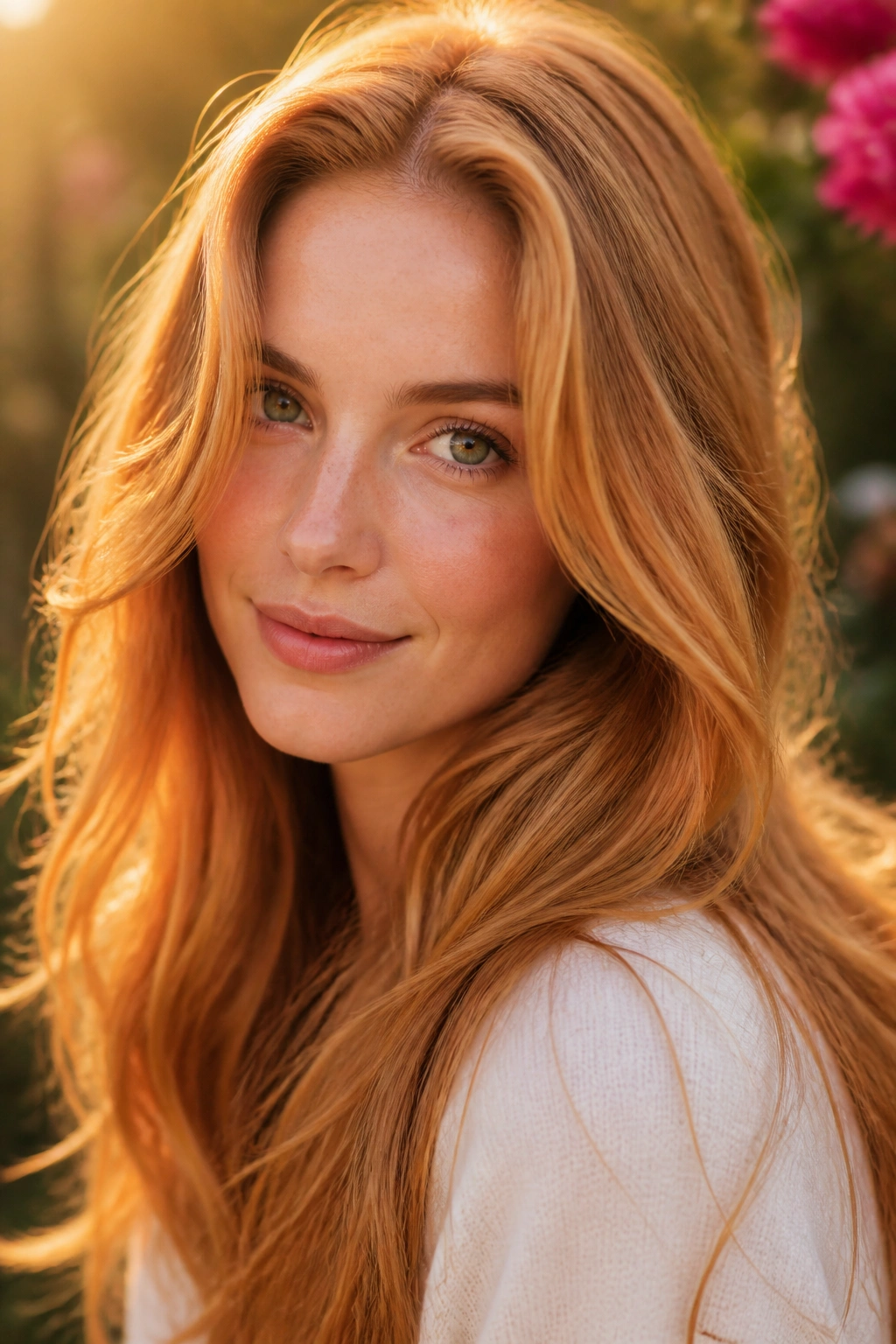
Strawberry blonde sits in a narrow lane between gold blonde and light copper, which is why it feels so soft. It never looks flat. There’s always a little warmth moving through it.
This shade tends to flatter fair and neutral complexions especially well, but it can work on a wider range of skin tones when the red is kept delicate. The key is not to overcook it. Once strawberry blonde gets too red, it stops looking airy and starts looking like a different color entirely.
Who It Suits
It’s a nice fit for people who want a lighter look without going icy. It also works well on finer hair because the red-gold blend can make the hair look fuller than a cool blonde sometimes does.
What To Expect
Strawberry blonde fades faster than darker shades, so a gloss schedule matters. Red pigment is small and slips out faster, which means the color can lose its sparkle if it’s ignored.
That’s the tradeoff. It looks lovely. It does ask for upkeep.
7. Peach Blonde
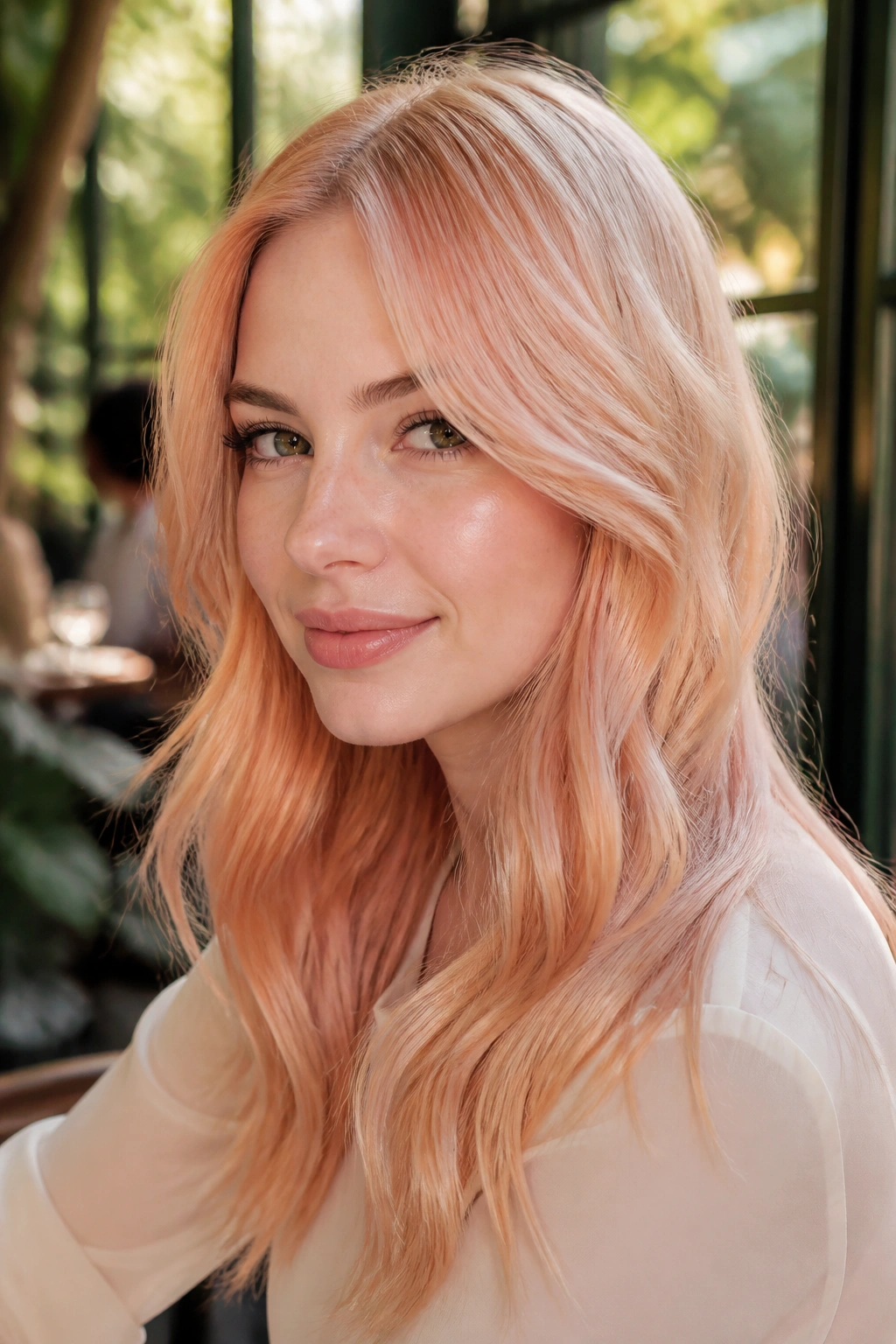
Peach blonde feels like spring without needing to be loud about it. The color has a blush-gold cast that sits over a light blonde base, so the whole thing reads soft, fresh, and a little playful.
This is not a low-maintenance shade. It usually works best on pre-lightened hair, because peach needs a pale canvas to show up clearly. On darker hair, the tint can disappear or turn muddy before it ever gets interesting.
A lot of people like peach blonde because it’s easier to wear than neon fashion colors. The tone is warm, and that warmth keeps it from looking costume-y. If the peach is done well, it looks like the hair has been kissed with a filtered sunset. If it’s done poorly, it can look tired. There’s not much middle ground.
- Best on blonde or very light brunette bases
- Usually worn as a gloss or pastel glaze
- Fades softly over a few washes
- Looks strongest in loose curls or textured waves
If you want something whimsical but still polished, this one belongs high on the list.
8. Mocha Bronde
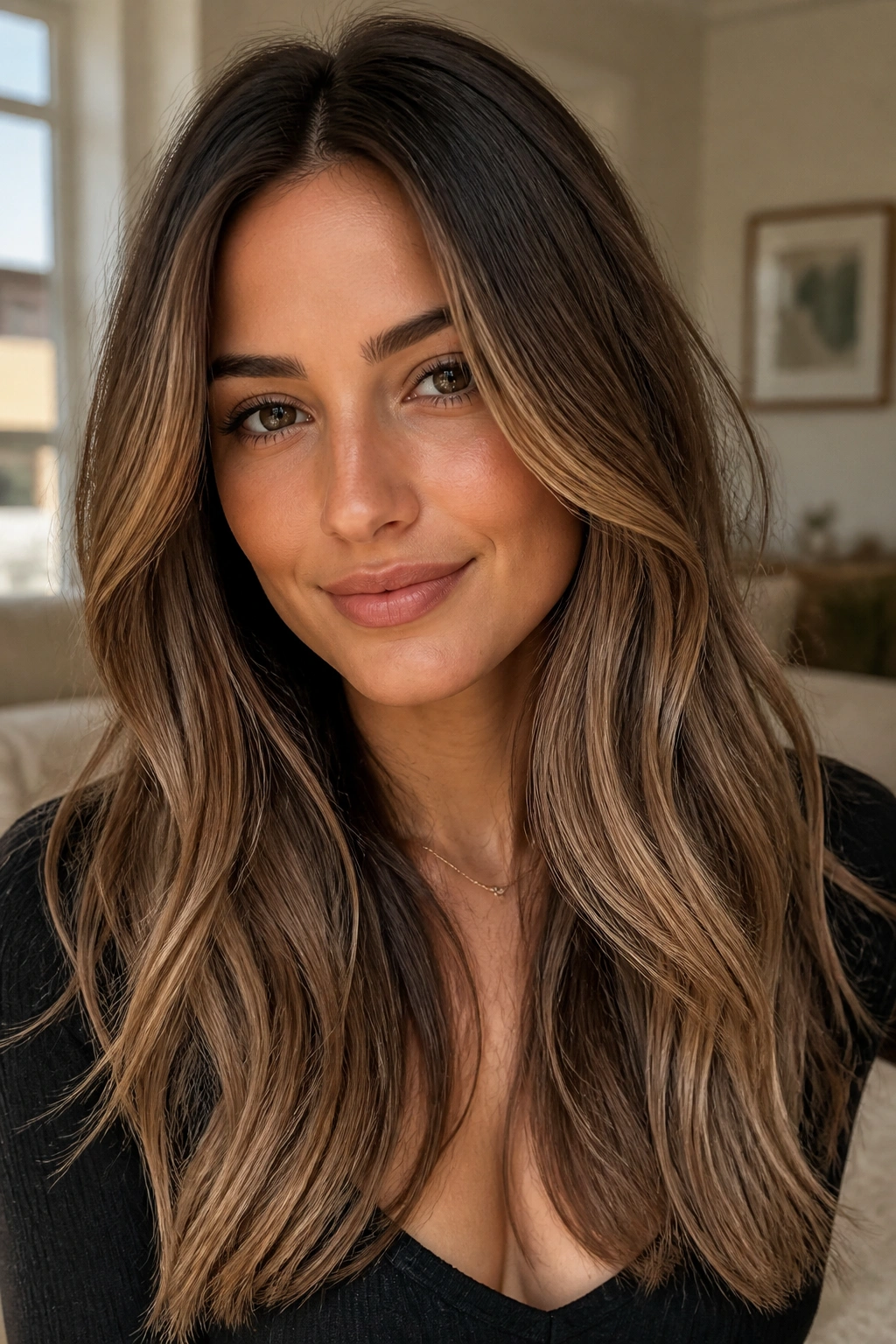
Mocha bronde is the color equivalent of breathing room. It keeps the brunette base in charge, then threads in beige-blonde ribbons so the hair looks lighter without losing depth.
That balance is why it works so well on thick hair. Dense hair can swallow color fast, and a flat brunette can start to feel heavy. Mocha bronde gives the strands separation. You can see the layers. You can see movement. The cut gets a little more life without a full color overhaul.
The best versions use a darker root and a soft melt through the mid-lengths, not a sharp jump from brown to blonde. That transition matters. It keeps the color looking blended when hair is tied up, brushed back, or tossed into a clip between errands.
One nice thing about mocha bronde is that it doesn’t fight your wardrobe. Warm neutrals, black, denim, cream — all of it works. That makes it easy to wear, which is probably why it keeps getting requested again and again.
9. Rose Gold Ends
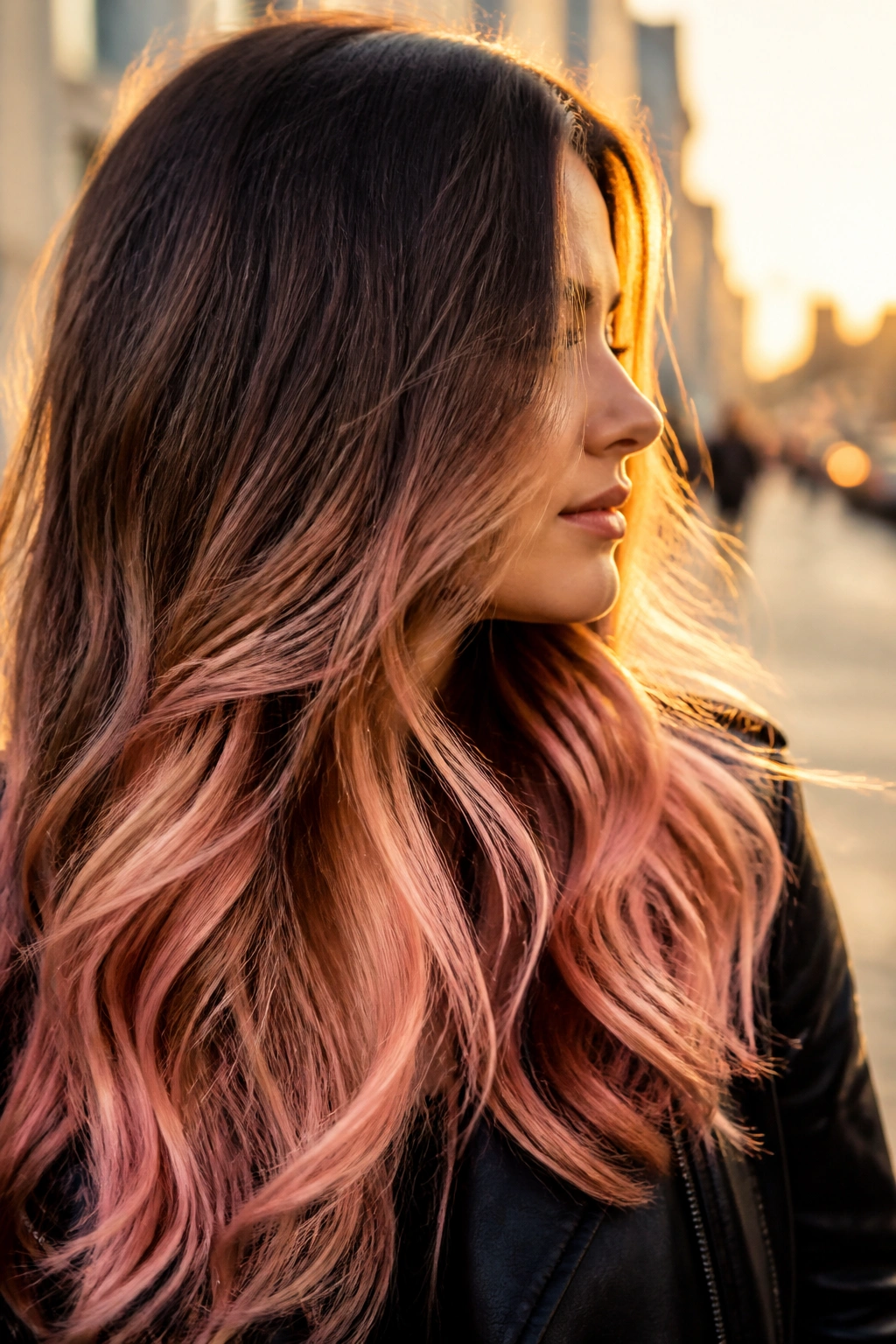
Rose gold ends are the color version of a subtle blush on the cheeks. You notice the softness before you notice the technique, and that is exactly why people keep asking for it.
Usually, this look starts with blonde or light brown hair and then a rose-gold glaze or melt is concentrated toward the mid-lengths and ends. The top stays softer so the color grows out without a harsh line. If the ends are lighter than the crown, the rose tone has more room to glow.
Best Ways To Wear It
- On long waves, the pink-gold reflection moves through the bends and looks fluid
- On a lob, the ends give the cut a cleaner finish
- On layered hair, the color reads softer because the pieces stack on top of each other
Rose gold can go flat if the base is too dark or the tone gets too cool. Ask for a rosy beige, not a bubblegum pink. That keeps it wearable and avoids the candy-store problem.
The nicest part is that it can be as subtle or as playful as you want. Same family. Different volume.
10. Espresso Gloss
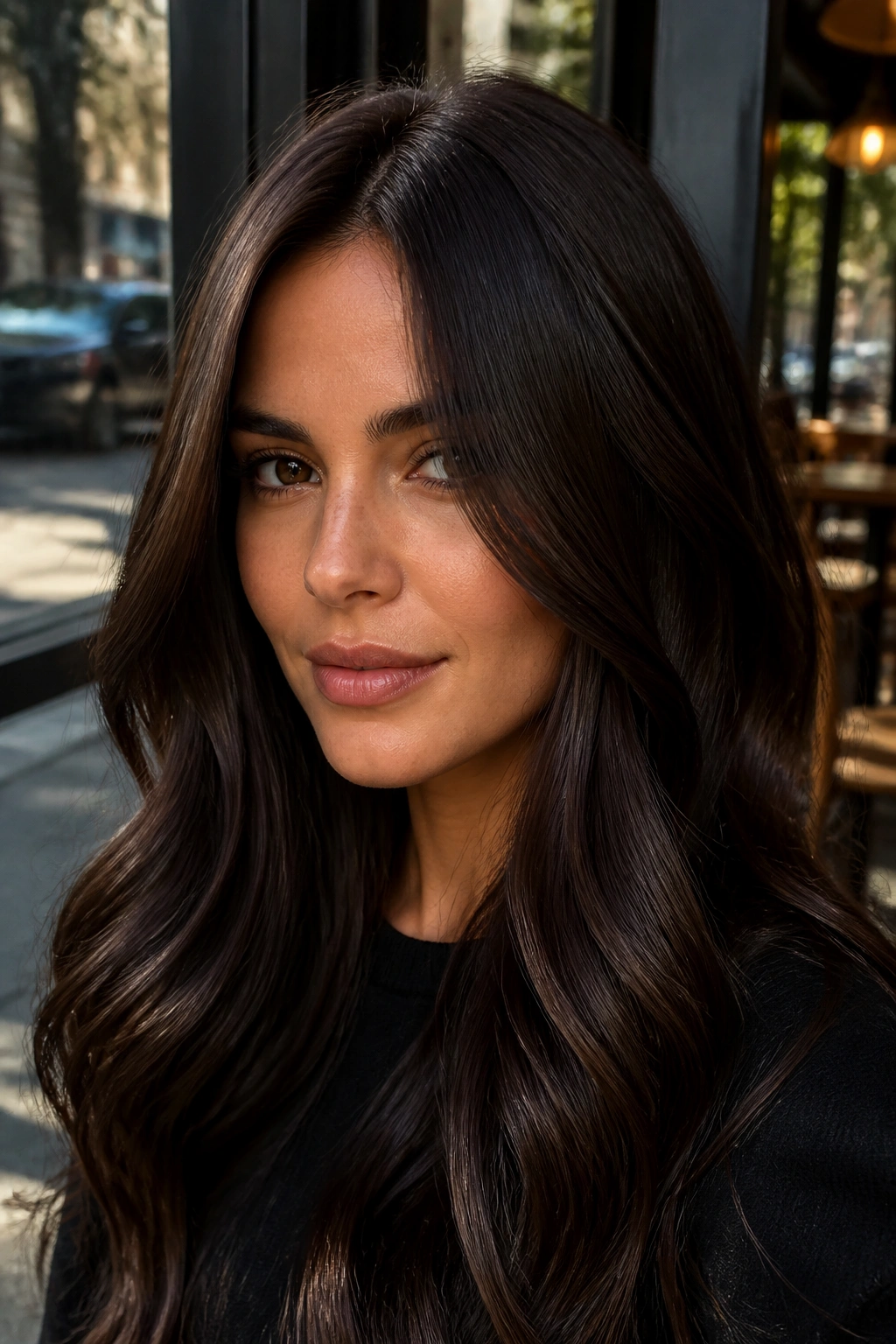
Dark hair can look sharp when the shine is honest. Espresso gloss is all about that mirror finish — deep brown, rich reflection, no chalky edges.
This is a good choice for anyone who loves brunette hair but wants it to look more polished. The gloss adds depth to the cuticle, smooths the surface visually, and makes blunt lines or long layers look more intentional. Even a simple one-length cut can look better with this kind of shine.
If your ends are faded or porous, ask for a color fill before going darker. That keeps the hair from turning hollow or muddy near the bottom. It’s one of those unglamorous steps that pays off fast.
Espresso gloss is especially good on hair that already has decent health and weight. The darker tone reflects less light than blonde, so if the strands are frizzy or dry, the dullness shows up quickly. Moisture and shine products matter here. A lot.
11. Face-Framing Money Piece Highlights
Why do money pieces keep showing up in salon chairs? Because a bright strip around the face can change the whole mood of a haircut without touching the rest of the head.
The placement is the magic part. A section about half an inch to one inch wide on each side is usually enough. Too wide, and it starts to look heavy. Too thin, and the effect disappears. Most stylists begin the lightness around the cheekbone or just above, then soften the root so the grow-out doesn’t hit like a wall.
How To Keep It Flattering
The front pieces should support your cut, not fight it. On a layered cut, the lighter front makes the face shape read softer. On a blunt bob, it adds contrast right where the eye lands first.
Money pieces do not have to be blonde either. Copper, peach, caramel, or even beige can all work depending on the base color and how bold you want the look to feel.
- Wider pieces read bolder and more obvious
- Softer blends look better with curled or waved styling
- Ask for root smudging if you want the grow-out to stay gentle
It is a small move with a big payoff. That’s the whole point.
12. Cinnamon Brunette
Cinnamon brunette is one of those shades that makes brown hair look awake. The color has warmth, but it stops short of red. That little gap is what keeps it wearable.
The tone usually sits somewhere between chestnut and auburn, with a red-brown glow that shows up most clearly in sunlight. Indoors, it reads like a soft brunette. Outside, it gets a little spark. That shift is what keeps it from looking one-note.
One reason this trend works so well is that it doesn’t need a full-color transformation. A brunette base with cinnamon gloss or subtle ribbons can do the job. That keeps the root natural while the mid-lengths and ends pick up the warmth.
It also looks good with gold jewelry and warm makeup, though I would not overthink that part. If the color works with your skin and your haircut, the rest is decoration.
13. Beige Blonde
Beige blonde is the shade people ask for when they want blonde without brass and without the icy look that can make hair feel a little stark. It lands in the middle, and that middle is where a lot of good color lives.
The best beige blonde has enough neutral tone to calm yellow, but not so much ash that it goes gray. That balance is tricky. Too warm, and it turns gold. Too cool, and it loses brightness. A clean beige blonde looks soft in daylight and tidy under indoor light, which is why it flatters so many cuts.
What To Ask For
- A neutral beige toner
- Fine highlights or baby lights, depending on your base
- A subtle root shadow if you want softer grow-out
- No strong silver or pearl finish unless your hair already lifts very light
Beige is not boring. It’s controlled.
That control is the point. If you want a blonde that behaves nicely and doesn’t scream for attention every time the light changes, this is one of the safest bets on the board.
14. Apricot Copper
Apricot copper is what happens when copper gets softened with a peachy edge. It is warmer than strawberry blonde and less fiery than classic red, which makes it a pretty smart pick for anyone who wants color with a little personality.
This shade likes movement. On a short cut, it can look crisp and modern. On longer layers, the apricot tones spread through the bends and look more dimensional. If the hair is all one length and very straight, it can still work, but the color needs a little texture to show its best side.
The easiest way to describe it to a colorist is this: copper with a peach glow, not red-red. That one sentence saves a lot of confusion.
It’s also a useful choice for people who want to move from blonde toward copper without making a giant jump. Apricot lets the warmth build more gently. It looks like a deliberate change, not a panic decision.
15. Dimensional Brunette Lowlights
Lowlights do the quiet work that bright colors can’t always handle. When brunette hair starts looking too light, too flat, or too washed out from old highlights, adding darker ribbons underneath can make it look fuller again.
The placement matters more than the shade name. A lowlight two levels deeper than your base can tuck under the top layer and give the hair shape without changing the whole color story. Chestnut, espresso, soft mushroom brown — all of those can work depending on what the hair needs.
This is especially useful on hair that has been highlighted a few times and needs a reset. The added depth keeps the lighter pieces from floating on their own. Instead, they sit against something darker and richer, which is what makes the whole head look dimensional.
It’s not a flashy trend. I like it anyway. Sometimes the smartest color move is the one that makes your hair look like it has more strands than it actually does.
16. Champagne Balayage With a Soft Finish
Champagne balayage lives in the sweet spot between beige and soft gold, which is why it stays bright without turning yellow. It feels airy, but not flimsy.
The best version is hand-painted so the lighter pieces are concentrated where the hair naturally moves — around the face, through the top layers, and a little heavier on the ends. That gives the color a floating look instead of a stripey one. On a light brunette base, it can create a lovely soft lift. On blonde hair, it adds polish without making things colder.
Where To Place It
- Keep the finest pieces around the hairline
- Let the back stay softer for an easier grow-out
- Use a gloss to keep the champagne tone clean
- Ask for a blend, not a sharp contrast
Champagne is a good choice if you want brightness with some warmth left in the mix. A lot of pale blondes go too silvery and start looking dry. Champagne avoids that trap. It still feels light, but it keeps the hair looking touchable.
17. Smoky Lilac Tint
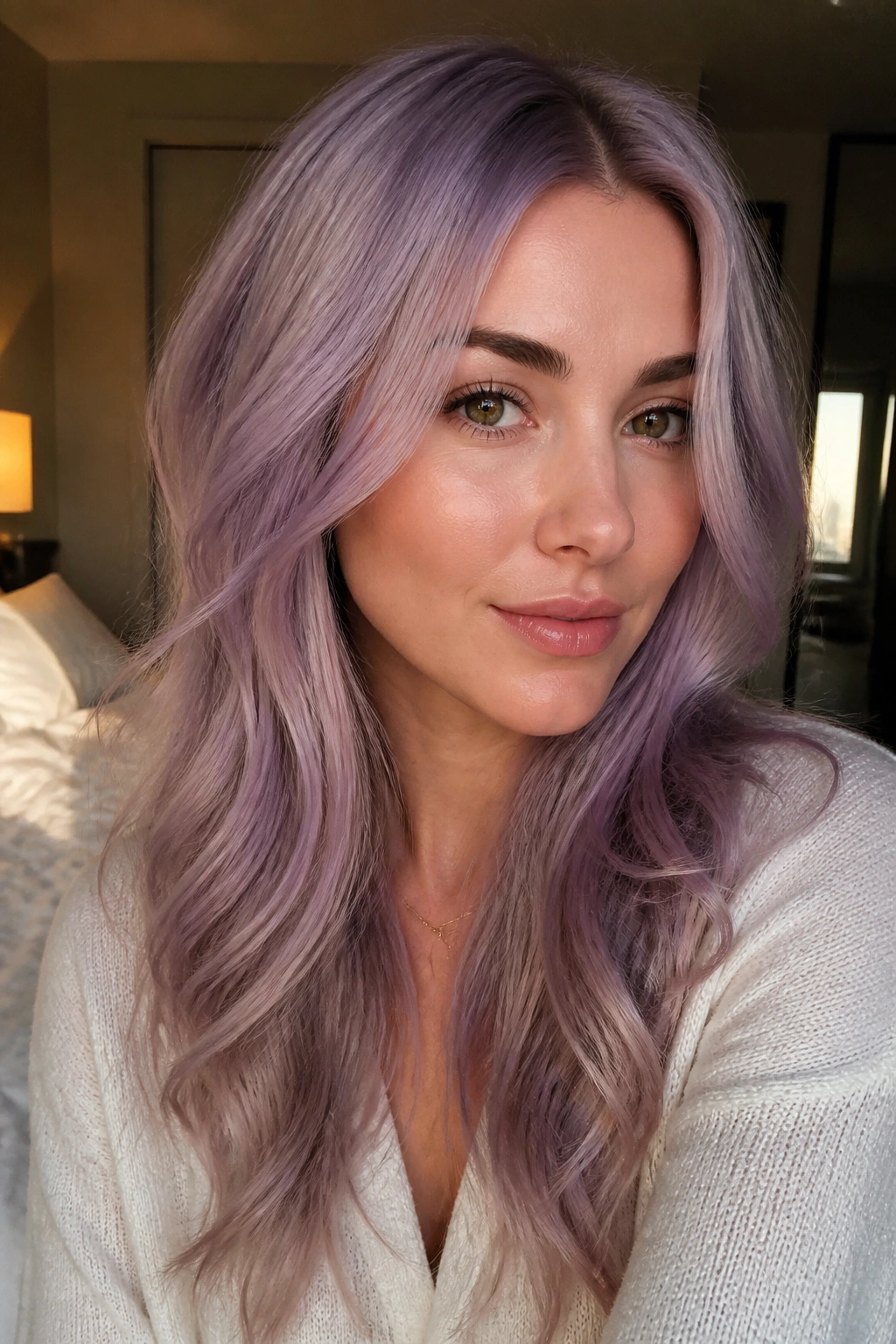
Lilac works best when it is kept smoky. A pure pastel purple can be charming for a minute, then it starts looking loud or uneven as it fades. Smoky lilac has a gray-violet base that behaves better.
This is usually a gloss or semipermanent tint over pre-lightened hair, which means the starting canvas needs to be pale. On yellow blonde, the lilac can skew muddy. On clean blonde, it reads soft, cool, and a little unexpected without being candy-bright.
How To Keep It Soft
Ask for muted lilac or lavender with a smoky finish, not a bright pastel. That one adjustment makes the color easier to wear and easier to let fade out gracefully.
It also helps to keep the styling simple. Smooth waves, a tucked bob, or a clean blowout lets the tint do its work. Too much texture can make pastel hair look busier than it needs to be.
This is a good color for someone who wants a fashion shade without committing to something that yells from across the room.
18. Sunlit Auburn
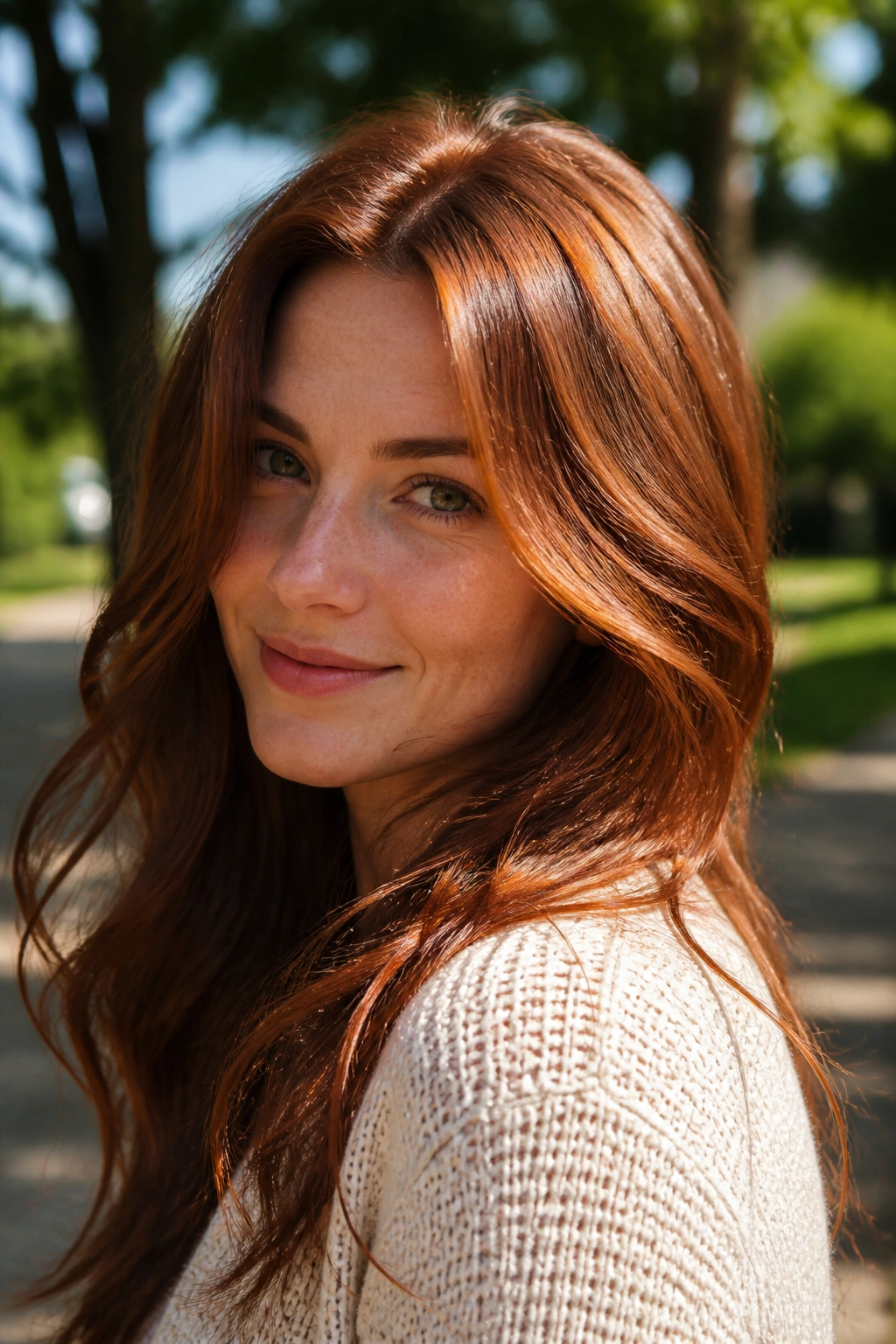
Sunlit auburn is not a fire-engine red, and that is exactly why it works. The color has red in it, but the red is softened by brown and copper so it looks natural in shadow and glowing in sunlight.
That shift is what makes auburn so useful in spring hair color trends. It gives warmth without feeling heavy. It looks especially good on medium and deep bases, where the copper-red notes can sit on top of the natural shade instead of replacing it.
A gloss over auburn hair can be enough to wake the color up. On darker auburn, thin ribbons around the crown and face can help. On lighter auburn, a soft glaze keeps the tone from turning brassy.
One thing I like about auburn is that it flatters a lot of styling choices. A simple ponytail, loose waves, a braid, a clip-up bun — the color changes with the shape. That keeps it from getting boring.
19. Jet-Black Glass Hair
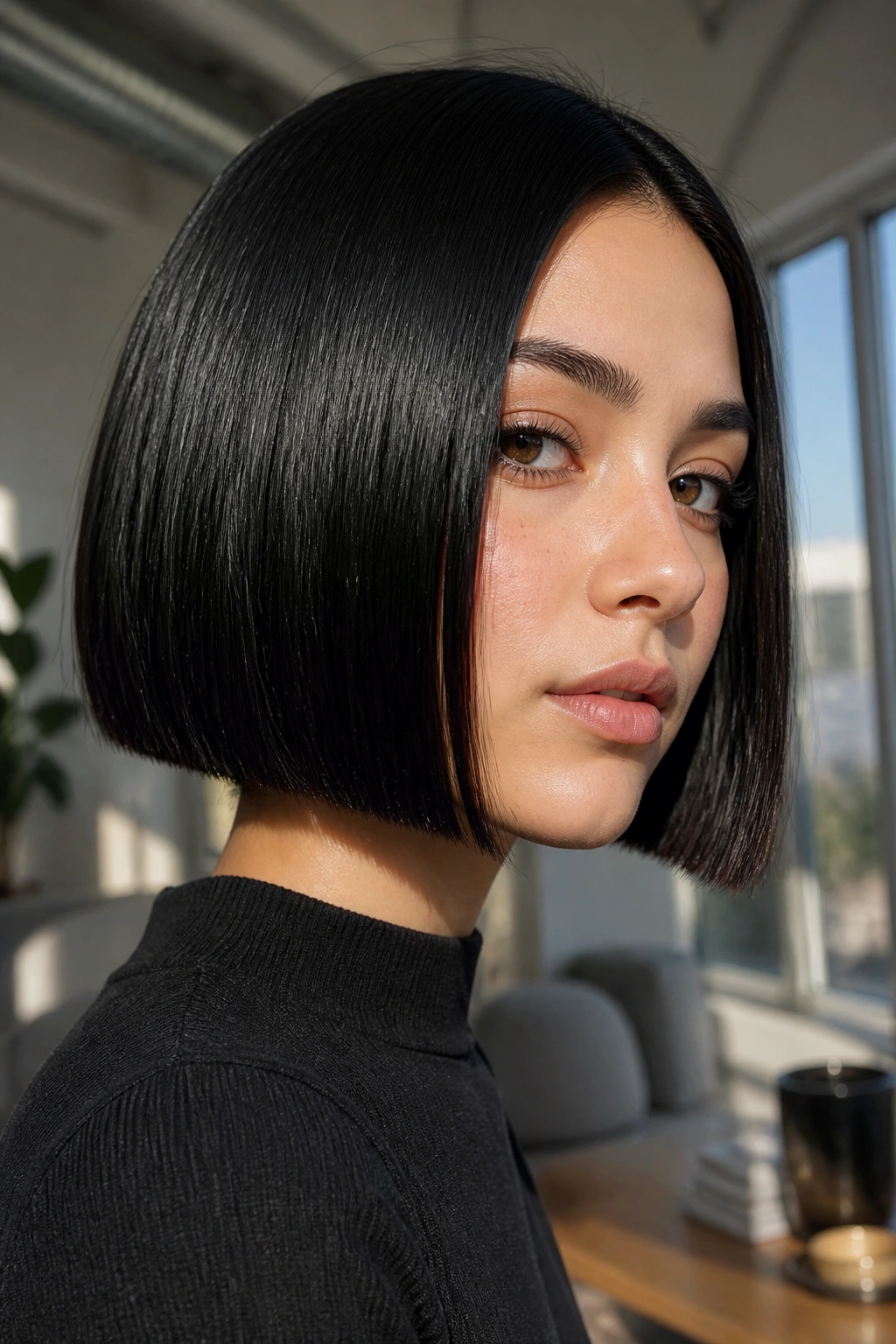
Jet-black hair looks sharp because it depends on shine, not highlights. When it’s healthy and glossy, the color has a clean, graphic feel that stands out against pale clothes, bright lipstick, and softer spring fabrics.
The cut matters here. A blunt bob makes the shine read clean and modern. Long layers can work too, but they need smooth ends or the black will show every frayed bit. If the hair is dry, this shade is unforgiving. There’s no bright ribbon to distract the eye.
A good black gloss should look deep, not chalky or blue in a fake way. Some people like a cool black, others want a softer neutral black. That choice changes the whole mood, so it’s worth being specific in the chair.
One caution: black hair is hard to pull out later if you change your mind. That does not make it a bad choice. It just means you should like the commitment before you leave the salon, not after.
20. Toffee Bronde Melt
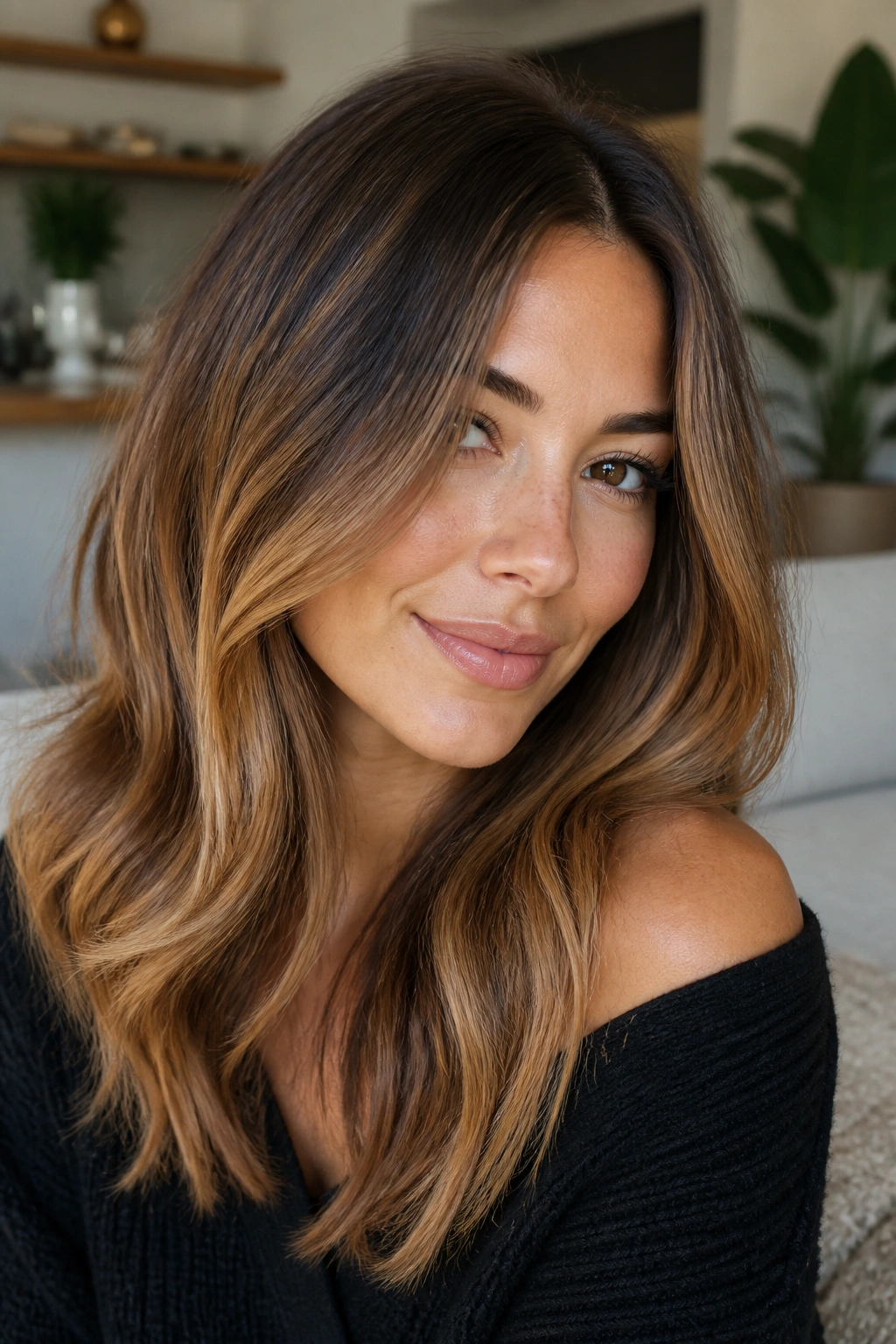
Toffee bronde melt is the quiet one that looks polished after a long grow-out. It starts with brunette depth at the root, then eases into warm toffee through the mid-lengths and ends, so the transition never feels abrupt.
This is one of those colors that makes hair look soft instead of striped. The warmer pieces lighten the face, the darker root keeps the shape, and the toffee tone sits right between brown and blonde. That middle zone is why the look feels so wearable. It gives you lightness without losing the grounded feel of brunette hair.
How To Make It Work
Ask for a root that stays a shade or two deeper than the rest, then let the toffee pieces get a little brighter toward the ends. The result should look melted, not painted in bands. If the contrast is too strong, the whole point disappears.
This color is a solid pick for people who want one shade that can keep up with a busy schedule. It looks calm in a clip, tidy in a blowout, and soft when it air-dries. That kind of flexibility is worth a lot.
The best version still has movement at the ends and enough creaminess through the mid-lengths to keep the brunette base from feeling heavy. Get that balance right, and you have a color that does more work than it looks like it does.
