



Fine hair does not need more product. It needs a better cut. The right haircuts for fine hair that add volume keep the outline clean, stop the ends from fraying out, and make the whole head look fuller before you touch a blow-dryer.
Fine hair is not the same thing as thin hair. You can have plenty of strands and still have each one feel soft and narrow, which is why long, shaggy layers often backfire. They steal the little bit of weight you have, and the ends start looking stringy fast.
I’m biased toward blunt edges, neat lines, and short-to-medium lengths on fine hair. A chin-length bob, a collarbone lob, or a cropped pixie can make hair look denser in a way no mousse ever will. And yes, styling matters, but the cut decides the ceiling.
The good news is that there are plenty of shapes that work. Some build lift at the crown, some keep the perimeter heavy, and a few do both. The trick is knowing which one suits your texture, your face, and how much time you actually want to spend in front of the mirror.
1. Blunt Chin-Length Bob for Fine Hair
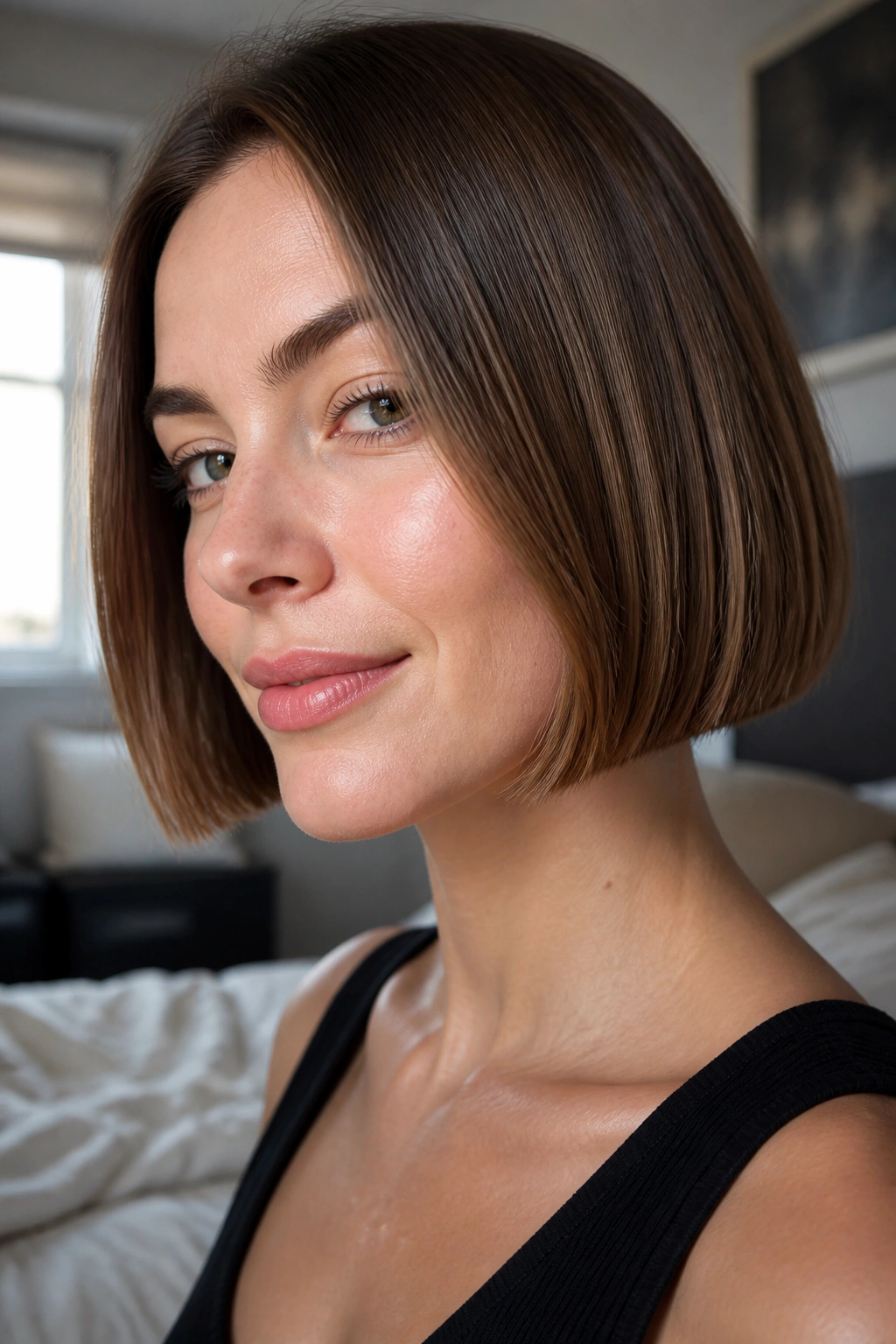
A blunt chin-length bob is the cut I reach for when fine hair has started looking see-through at the ends. The clean line gives the eye one place to land, and that alone makes the hair read thicker.
Why this shape works
Keep the perimeter one length and let the bob sit right at the jaw or a hair below it. That gives you enough movement to tuck one side behind the ear, but not so much length that the hair starts hanging in sad little strings. If your stylist reaches for thinning shears, say no unless there’s a very specific reason.
- Best for straight to slightly wavy hair.
- Ask for a blunt edge, not choppy layers.
- Trim every 6 to 8 weeks to keep the line crisp.
- Blow-dry with a flat brush and lift the roots at the crown.
My favorite detail: a tiny bend under at the ends keeps the bob from looking hard.
2. Collarbone Lob with Clean Ends

The collarbone is the sweet spot. Not too short, not too long, and kind to fine hair that starts sagging when it gets heavy.
This length works because it gives you enough hair to tuck, wave, or pin back, but it does not drag the whole style down. The ends rest on the collarbone instead of hanging below it, so the shape feels airy without looking sparse. I like this cut on people who want movement but don’t want to lose the option of a ponytail.
A clean-end lob also buys you styling flexibility. You can wear it straight with a center part for a sleek line, or add a loose bend with a 1-inch iron and keep the waves soft rather than crunchy. The trick is to leave the bottom edge full. Once the ends get too feathery, fine hair starts to look tired.
Use a light mousse at the roots and blow-dry with your head upside down for the first minute. That little bit of lift at the base changes the whole shape.
3. Italian Bob for Fine Hair
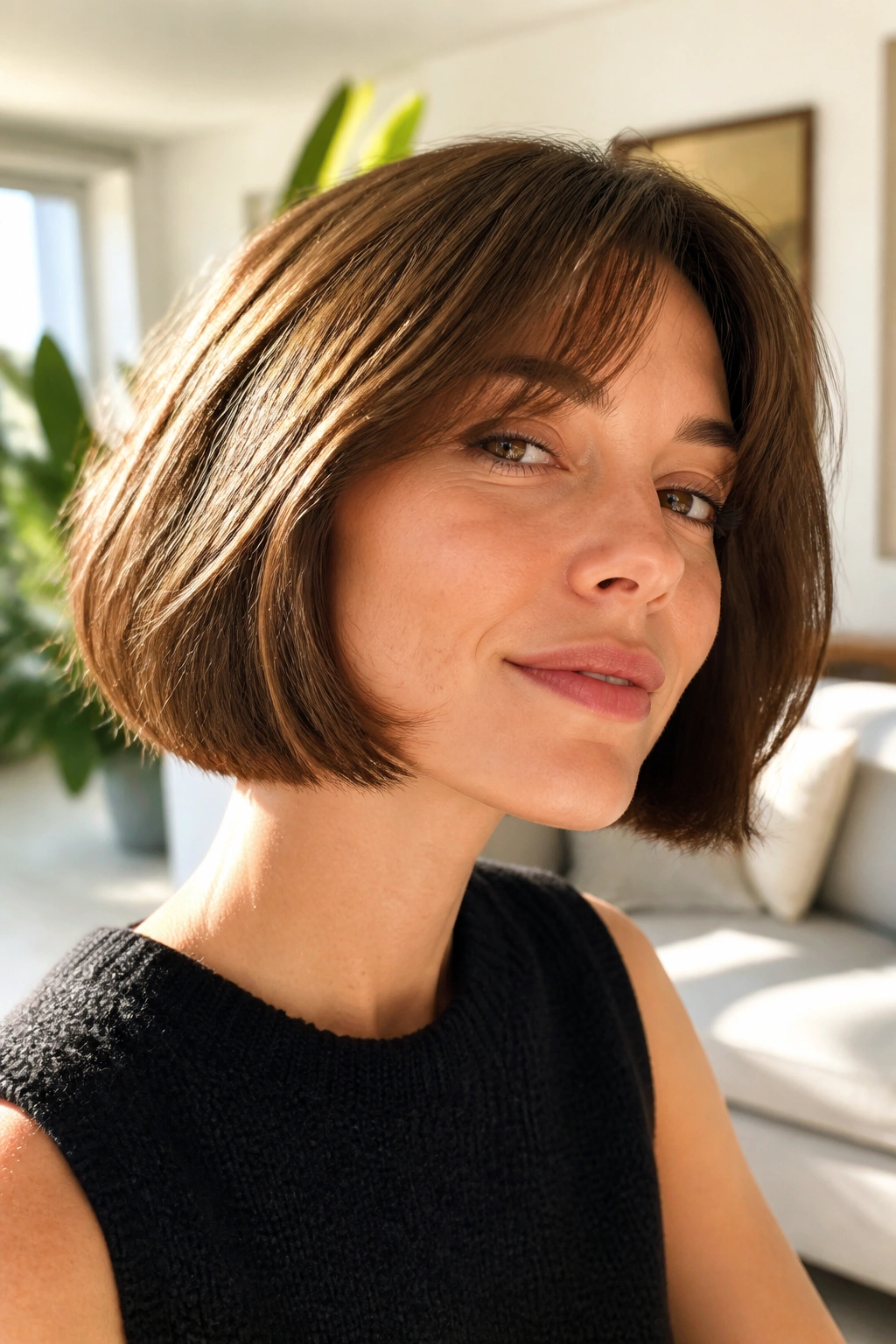
Why does the Italian bob keep showing up on fine hair? Because it gives you width without bulk. The shape sits a little fuller through the sides, which makes the whole cut feel rich and polished, not flat and severe.
The Italian bob is usually a touch longer than a classic chin bob, with a slightly rounded outline and a little movement at the ends. That rounded edge matters. It keeps the hair from looking like a hard helmet while still holding enough weight to make fine strands appear denser. If your hair tends to separate into skinny pieces, this is one of the smarter options.
What to ask your stylist
- Keep the perimeter blunt through the sides.
- Add only soft internal shaping near the nape.
- Let the front skim the jaw or sit just below it.
- Avoid razor-heavy ends unless your hair has enough body for them.
The styling is mercifully simple. A quick blowout with a medium round brush, a little root spray, and a bend that curves in just at the tips is usually enough. This cut does not need a lot of fuss. It needs shape.
4. French Bob with a Soft Micro Fringe
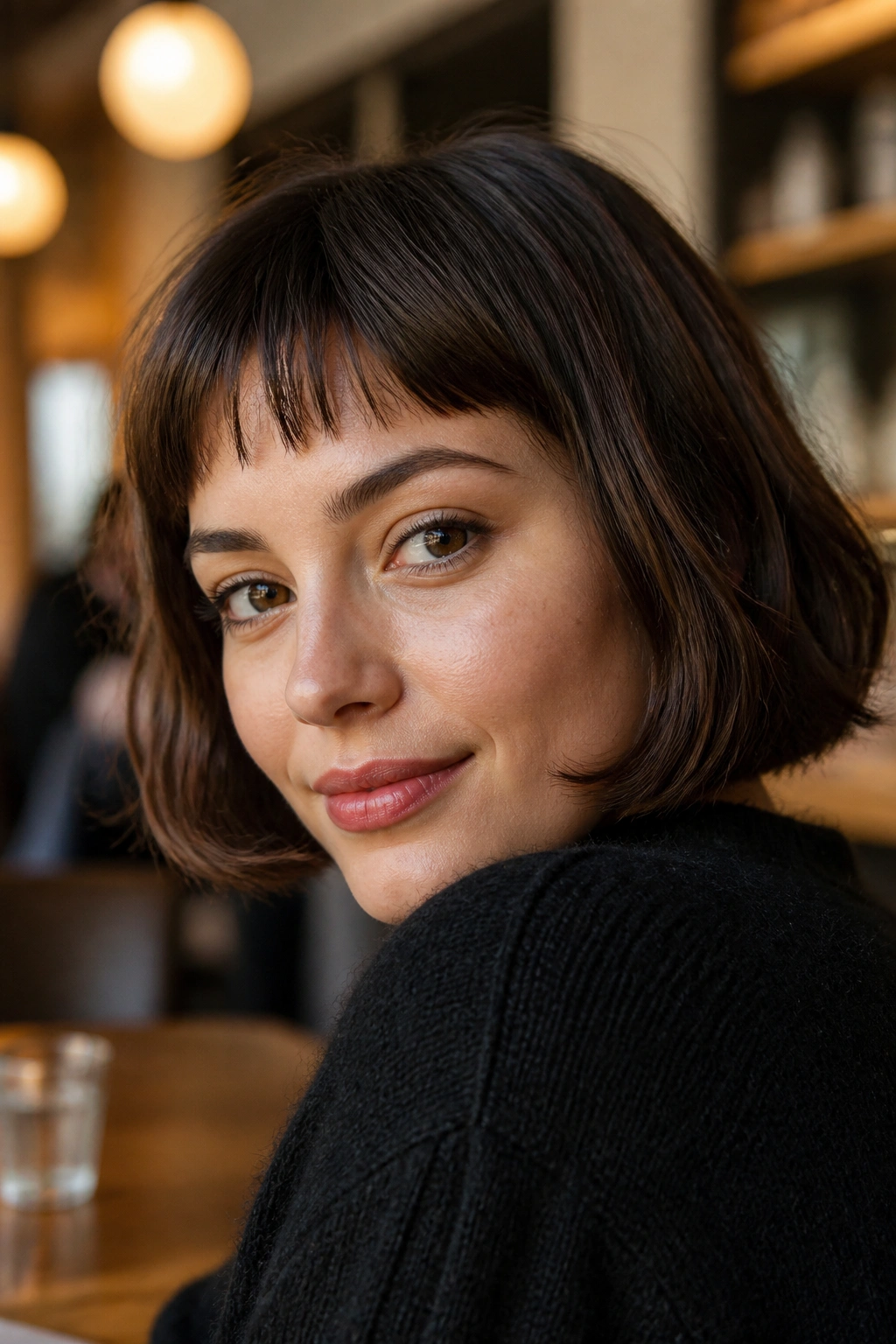
Picture this: your hair collapses by lunchtime, your forehead feels a little too bare, and you want something that looks intentional even when you barely styled it. That is where the French bob earns its keep.
The short length creates lift on its own, and the soft micro fringe draws the eye upward. Fine hair often looks strongest when it is shorter, because the ends are not trying to support too much length. The fringe also breaks up the forehead-to-hairline space, which can make the whole head feel more balanced.
What makes it different
The fringe should be soft, not heavy. A thick, blunt bang can look cute on paper, but on fine hair it can eat up too much density right where you need it most. Keep the fringe light, a little piecey, and just long enough to graze the brow.
- Works well with naturally straight hair.
- Needs regular trims, usually every 4 to 6 weeks.
- Looks best with a slight bend and a side tuck.
- Use a root-lifting mist, not a heavy cream.
There’s a little attitude in this cut, and that is part of the appeal. It looks good even when it is not perfectly styled, which is rare for fine hair.
5. Layered Shag with a Light Crown
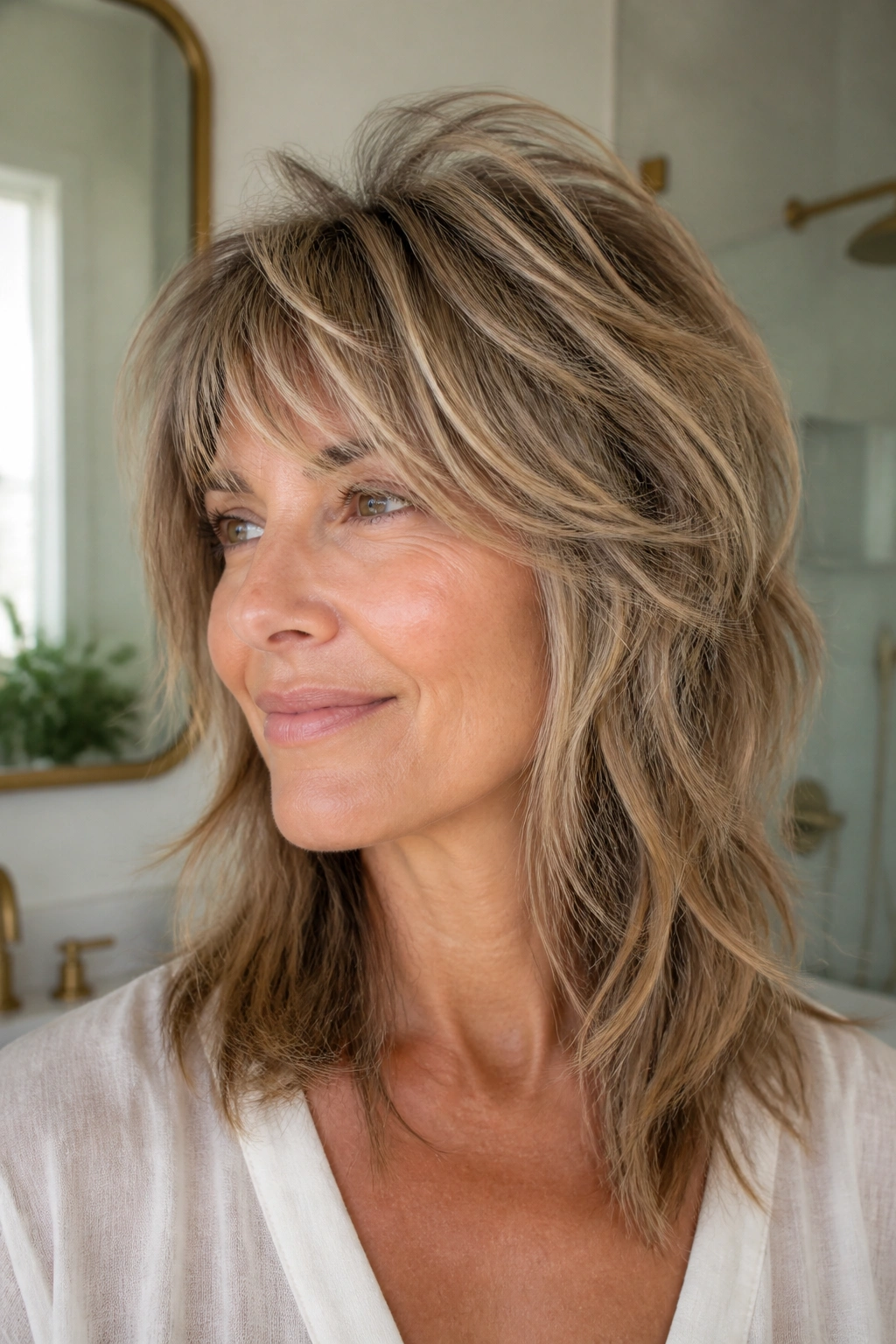
The shag gets a bad reputation on fine hair because people go too far with the layers. They take out so much weight that the ends go wispy and the top goes limp. A light crown shag is different. It keeps the texture, but it does not shred the hair.
A good fine-hair shag uses soft interior layers that start high enough to create lift, then stay long enough to preserve body. The crown gets a little movement, the mid-lengths get swing, and the ends still have enough presence to look full. That balance is the whole trick. Overdo the layering and you lose the point.
I like this cut on wavy hair that needs shape without looking overstyled. Air-dry it with a little wave cream, or diffuse it until the roots are dry and the ends still feel soft. If you like a more relaxed finish, this cut can handle it. If you want sleek and polished every day, it will ask for more work.
One more thing: the shag looks best when the layers are cut to follow the wave pattern, not fight it. That’s the part people miss.
6. Curtain-Bang Lob
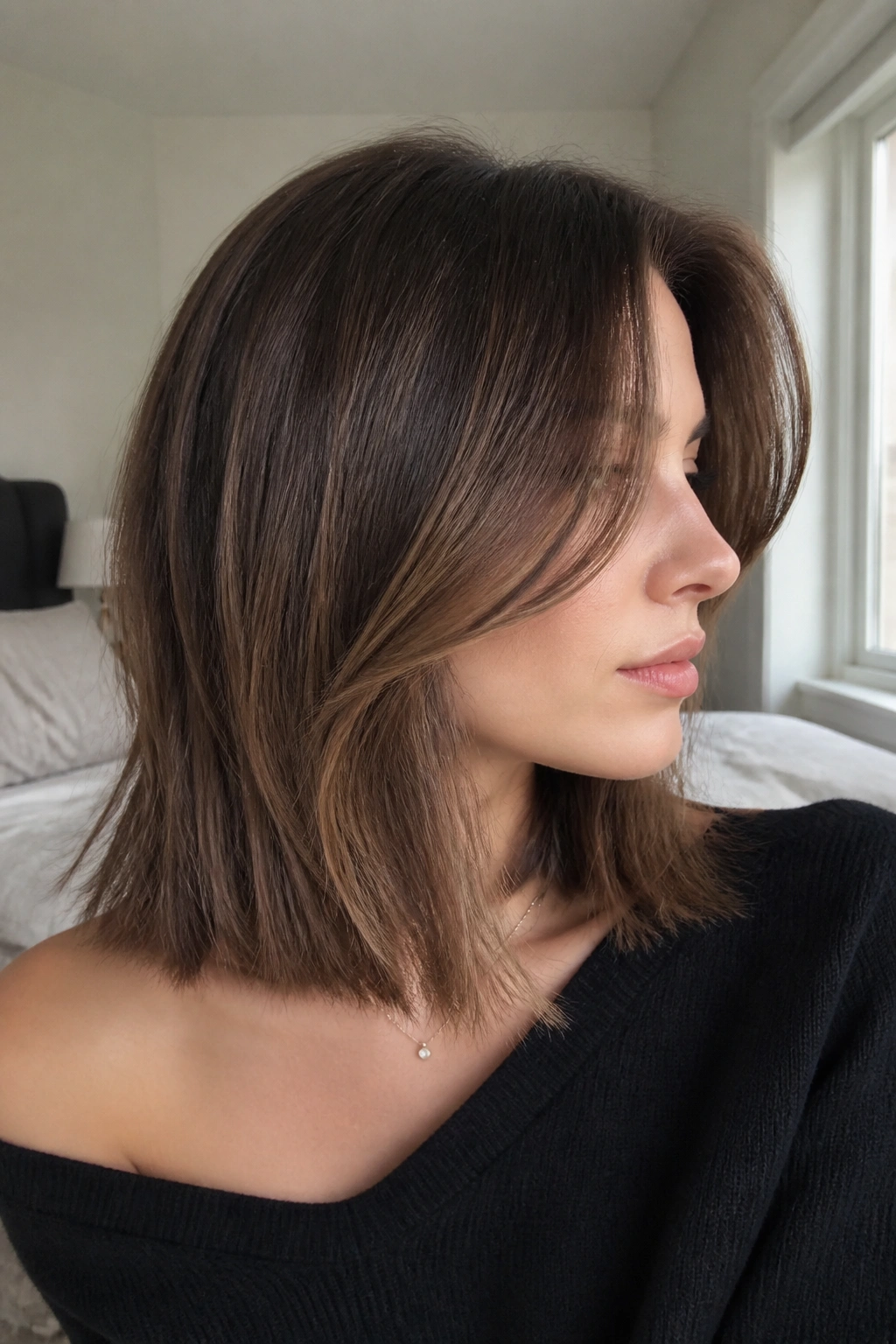
Unlike a full fringe, curtain bangs split the front of the face and create lift where fine hair often goes flat. That makes a curtain-bang lob a sneaky good choice if you want softness without losing much length.
The lob gives you a solid base, and the bangs give you movement around the face. Those two pieces work together. The front sections should start around the cheekbone or just below it, then angle down toward the jaw. If the shortest point sits too high, the bangs can look thin. If they sit too low, they stop doing their job.
The best part is how forgiving this cut is on busy mornings. A quick blow-dry with a round brush, pulling the bangs away from the face and then letting them fall apart a little, is enough. You do not need perfect symmetry. A slight bend looks better anyway.
This cut is especially nice if you want to soften a strong jaw or add shape around a narrow face. It does not try too hard. That is why it works.
7. Box Bob
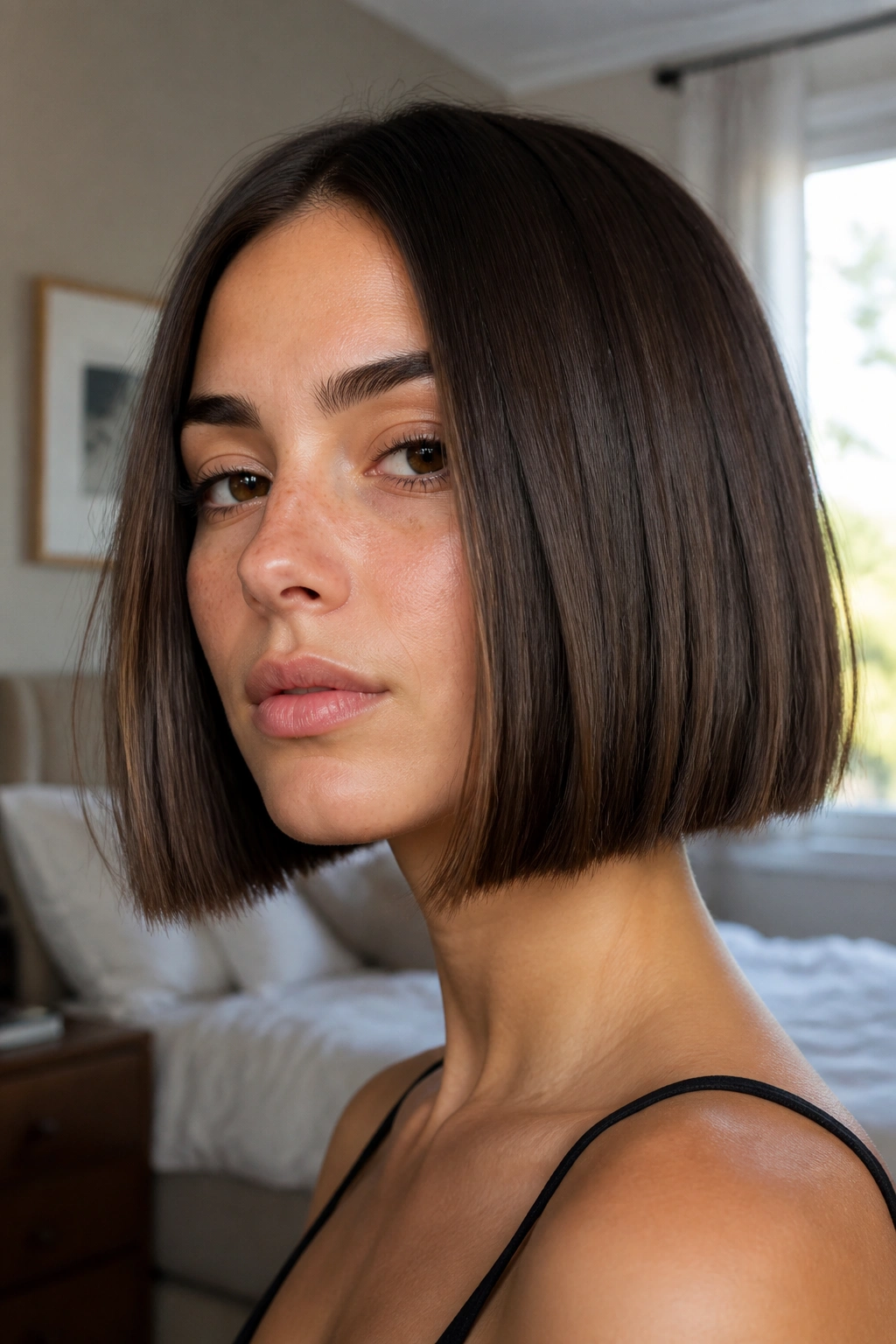
A square shape is a cheat code for finer strands. The box bob keeps the line blunt, the sides strong, and the silhouette full from top to bottom.
Why the box shape helps
A lot of volume advice tells you to add layers everywhere. That is bad advice for fine hair most of the time. A box bob does the opposite. It keeps the perimeter straight and the corners defined, so the hair reads thicker right away. The shape feels modern because it is tidy, not because it is shredded.
How to ask for it
- Length should sit anywhere from jaw to upper neck.
- Ask for a sharp perimeter with minimal graduation.
- Keep the sides dense through the ends.
- Style with a side part or a slight off-center part for lift.
I like this cut for people who want a neat finish without a lot of daily work. It does not need beach waves or a pile of texturizing spray to make sense. A smooth blow-dry with a paddle brush often looks best.
Small tip: if your hairline is a little uneven, the box bob hides that better than a wispy, over-layered cut ever will.
8. Pixie with a Longer Top for Fine Hair
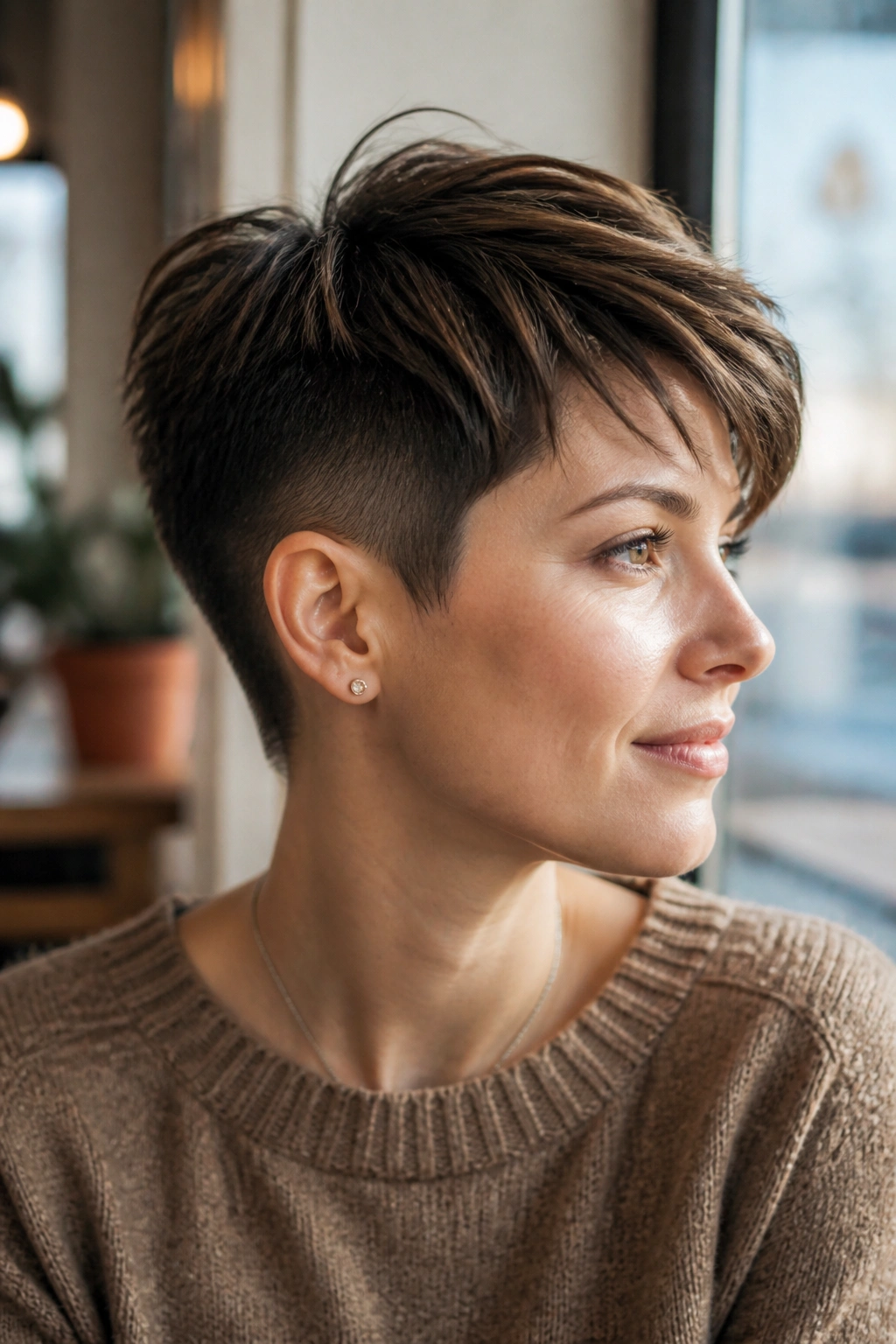
A pixie only looks flat when the top is cut too short. Keep a little length up there — usually 2 to 3 inches — and the style suddenly has lift, texture, and a bit of body.
The longer top gives you room to sweep, spike, or smooth the hair without exposing the scalp too much. The sides and nape can stay tighter, which makes the crown feel fuller by comparison. That contrast is doing half the work. Fine hair can look surprisingly thick in a pixie because the cut removes the weight that usually drags it down.
This is one of those cuts that rewards a quick styling pass and punishes overthinking. A pea-sized dab of paste or cream, worked through the top with your fingers, usually does the job. Too much product is a mistake. It makes the hair piecey in a bad way.
If you’re nervous about going short, this is the safer way in. It still feels feminine, polished, and low-fuss, but it gets rid of the limp ends that make fine hair feel stubborn.
9. A-Line Bob
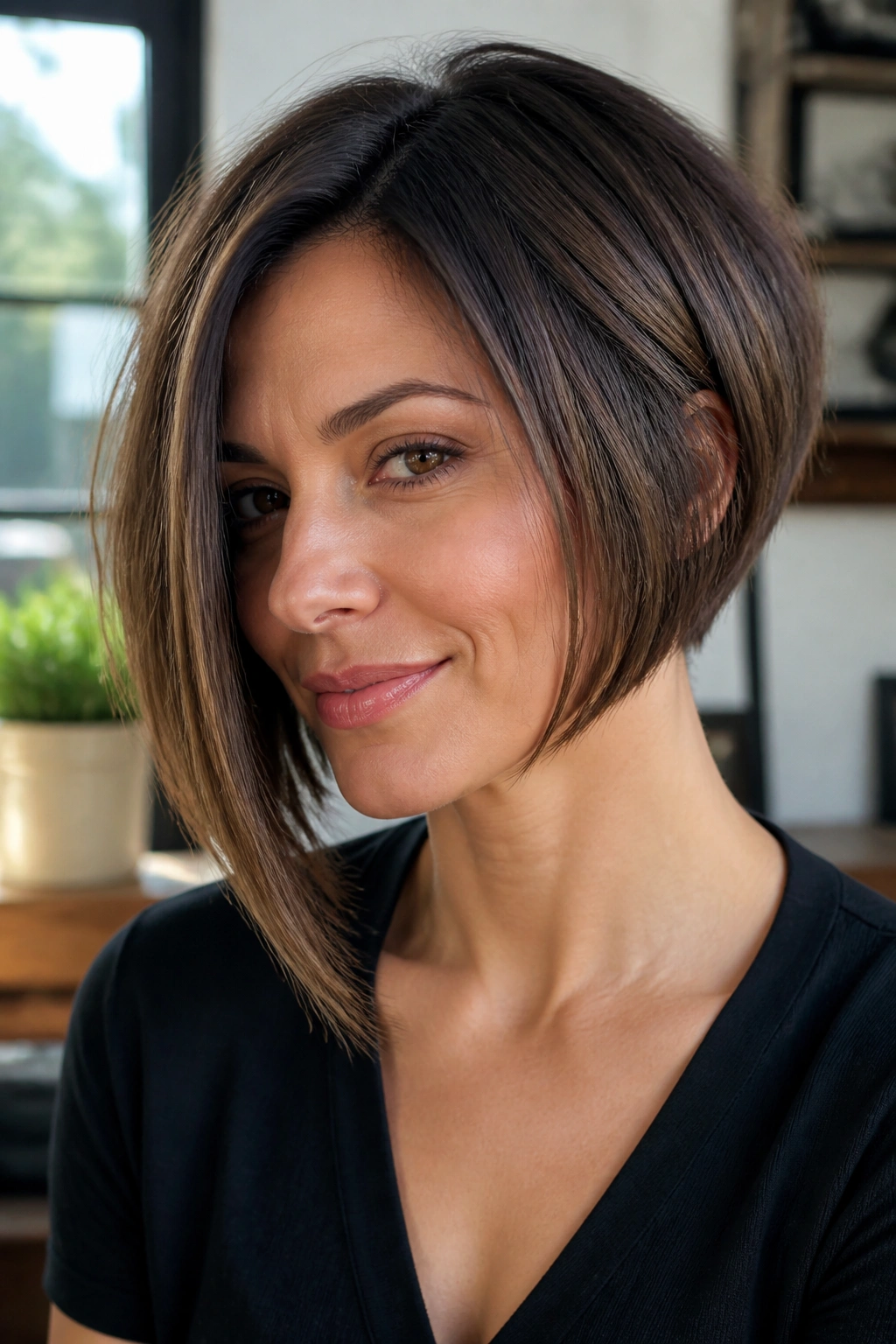
Want lift without giving up length? The A-line bob is the answer I reach for most often. It stays slightly longer in the front and shorter in the back, which makes the whole shape feel pulled forward and fuller around the jaw.
How the angle changes the look
That front-to-back difference does two things. First, it creates a little visual drama. Second, it keeps the nape from collapsing under the weight of the rest of the hair. Fine hair tends to lie flat where it gets longest, and this angle gives it some structure before that happens.
What to ask for
A good A-line bob should not look severe. Ask for a subtle angle, not a steep one, unless you want a sharper look. The front pieces can graze the chin or sit just under it, while the back stays higher and snug to the head.
This cut looks especially good if you wear your hair straight or with a gentle bend at the ends. It has enough geometry to make the hair look intentional, but not so much that it feels stiff. And if you tuck one side behind your ear, the shape gets even cleaner.
10. Rounded Bob with a Side Part
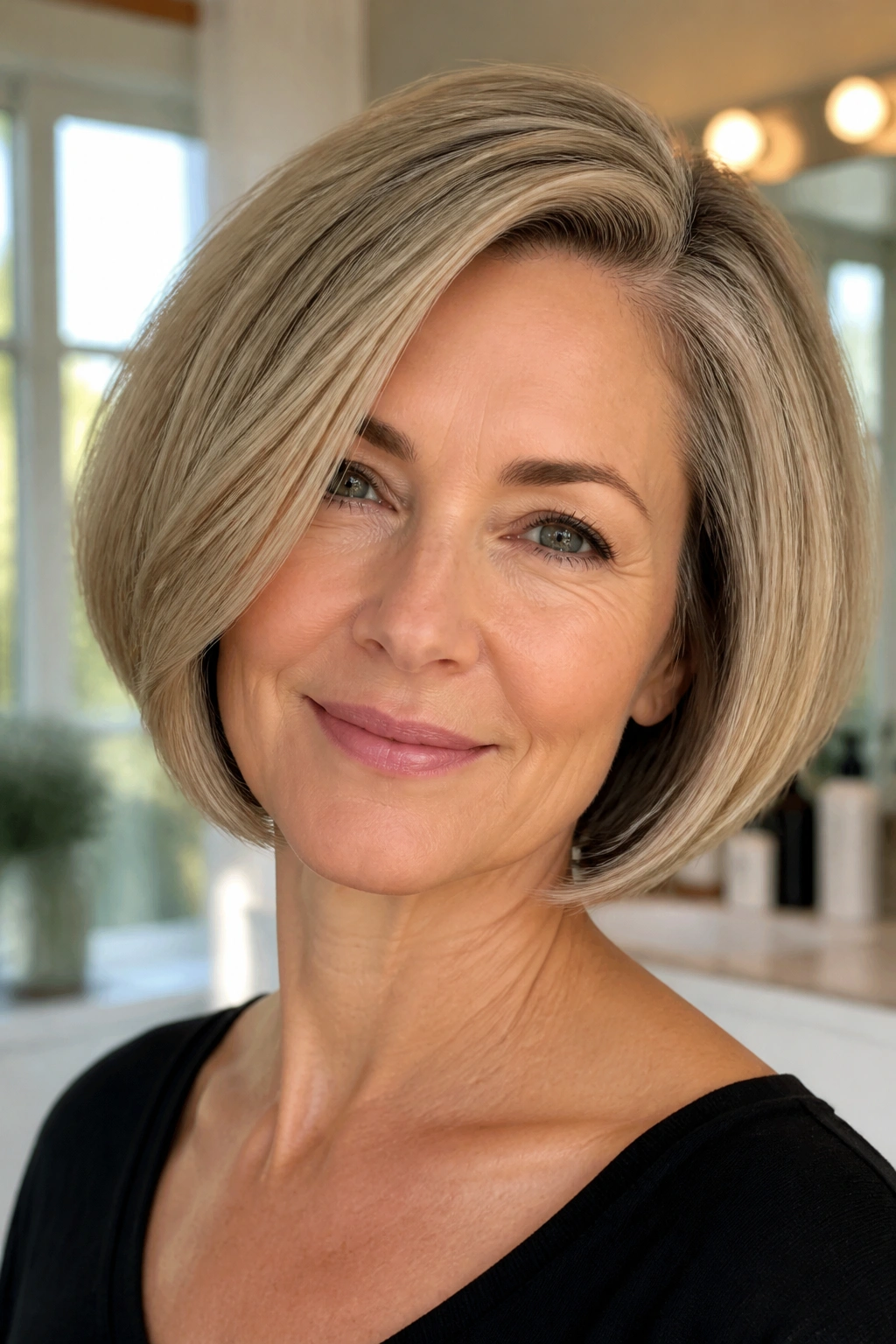
A rounded bob can save a fine-haired side part that always collapses. The curve around the head creates a soft halo of shape, and the side part gives the roots a little lift right where you need it.
The trick is in the outline. Instead of leaving the hair hanging straight down, the cut follows the shape of the head and rounds gently at the ends. That makes the style feel fuller through the sides and back. Fine hair loves that kind of structure because it gives the impression of density without forcing the hair to do more than it can.
- Best for people whose crown goes flat fast.
- A deep side part boosts root lift at the front.
- Use a medium round brush and dry the roots away from the face.
- Keep the ends blunt enough to hold their shape.
I like this bob on hair that is naturally straight or has a small bend. It can look polished with almost no effort. That’s the point.
11. Bixie Cut
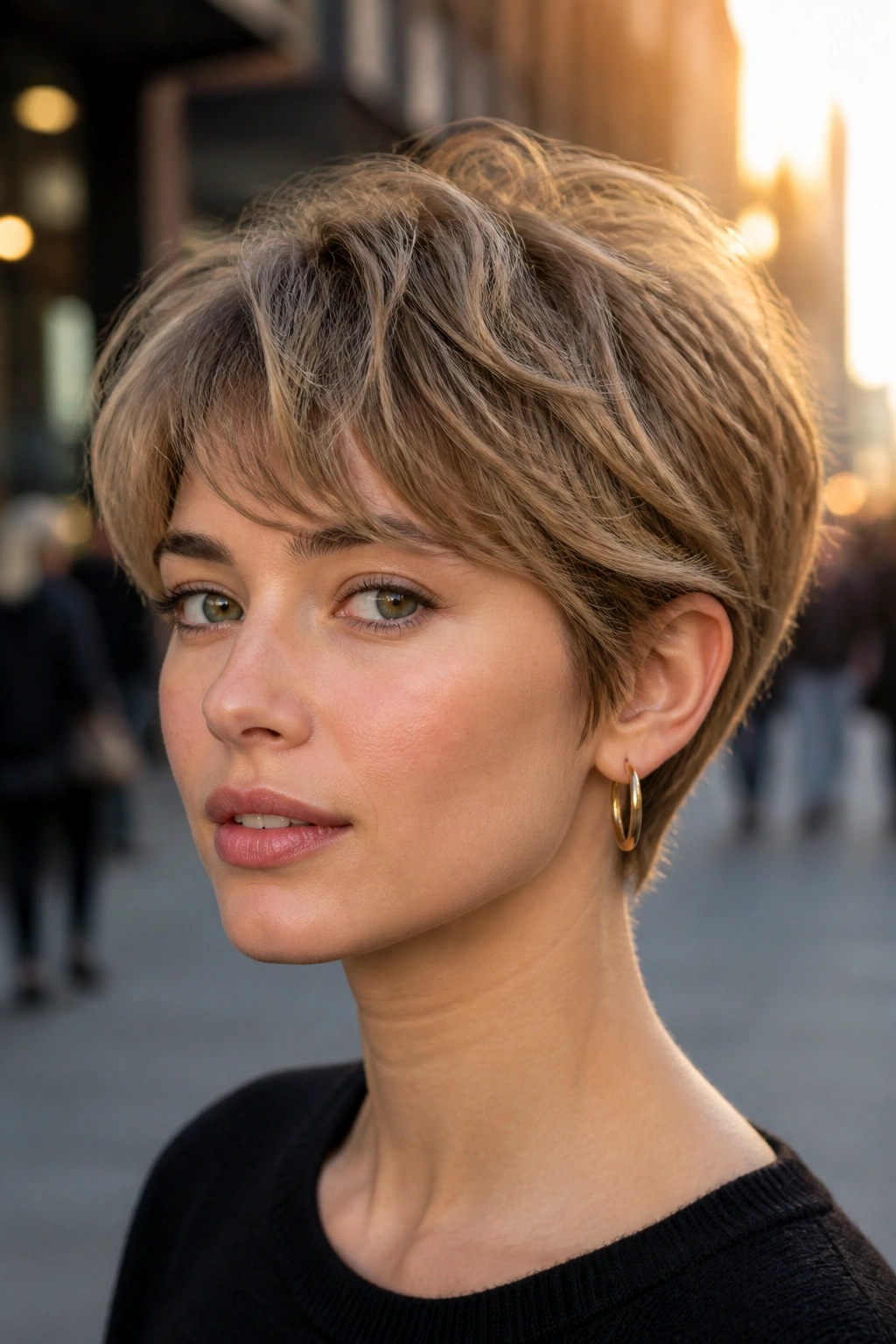
The bixie is the cut for people who cannot decide between a bob and a pixie, and honestly, that indecision is useful here. Fine hair often looks better when it is kept somewhere in the middle — short enough to avoid drag, long enough to keep a little movement.
This cut usually keeps the nape and sides shorter while letting the top and front stay a bit longer. That extra length gives you some styling room, which matters. You can push it forward, sweep it back, or finger-style it into a messy shape that still looks deliberate. The cut feels airy, but not skinny.
I like the bixie because it avoids the two traps fine hair falls into: too much length and too much softness. It has edges. It has shape. It also does not ask for a full salon blowout every morning, which is a big reason people end up loving it.
If you want something that looks current without leaning fragile, this is a strong pick. It’s short, but not severe. That balance is hard to find.
12. Soft Wolf Cut
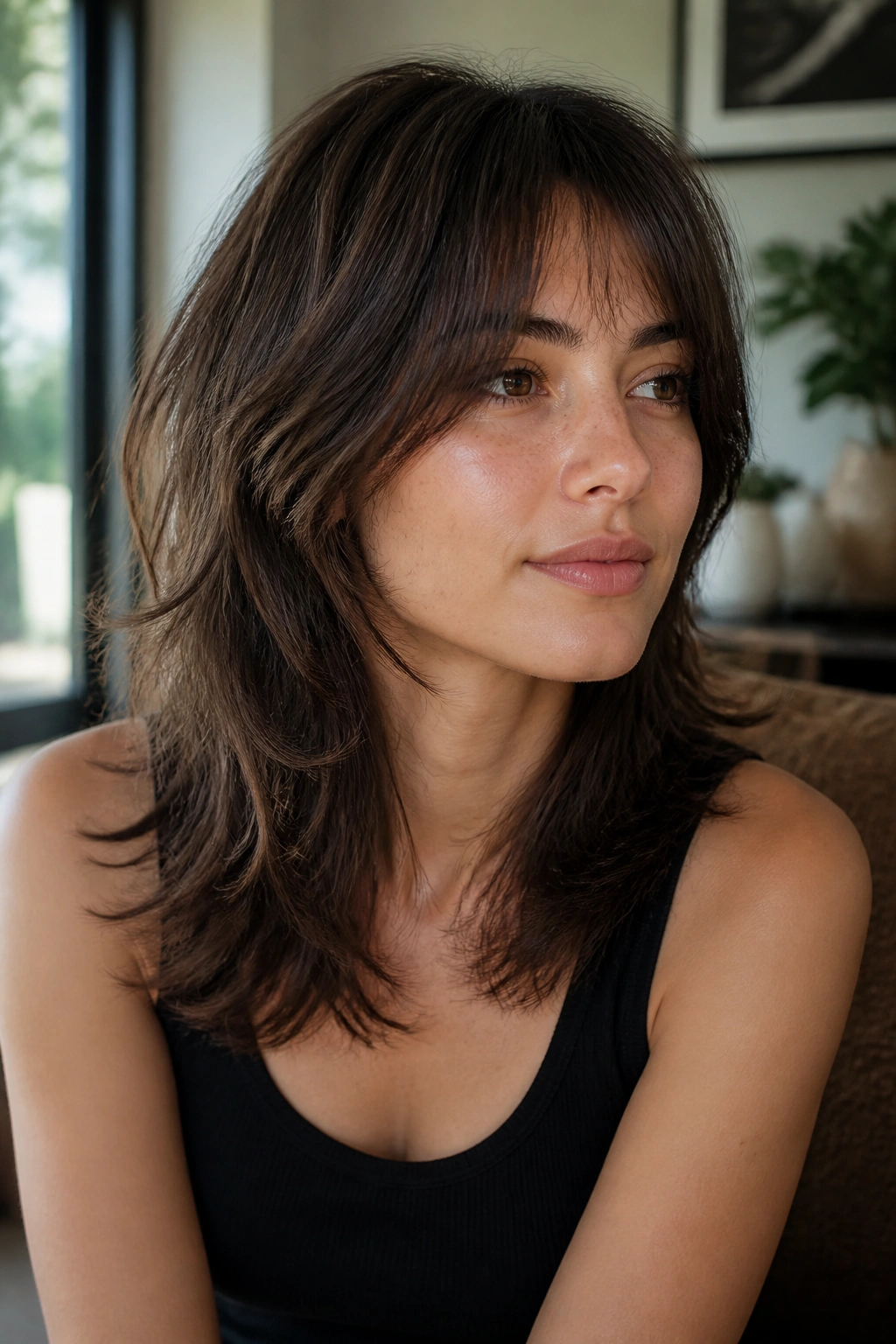
The wolf cut can go wrong on fine hair if it gets too chopped up. A soft version is a different animal. It keeps the shape, but the layers stay longer and less aggressive, so the hair still looks like it has a body.
Unlike a hard, highly textured wolf cut, the soft version uses controlled layers around the crown and cheekbones. That gives the hair movement without turning the ends into feathers. Fine hair needs that restraint. You want energy, not fray.
This cut works well on wavy hair that likes a bit of mess. Air-dry it with a small amount of curl cream, or rough-dry it and finish with a diffuser if you want more shape. The point is to keep the strands separated enough to show movement, but not so separated that the scalp starts peeking through.
Best of all, the soft wolf cut can look good even on days when you do almost nothing. That matters. A lot.
13. Stacked Bob
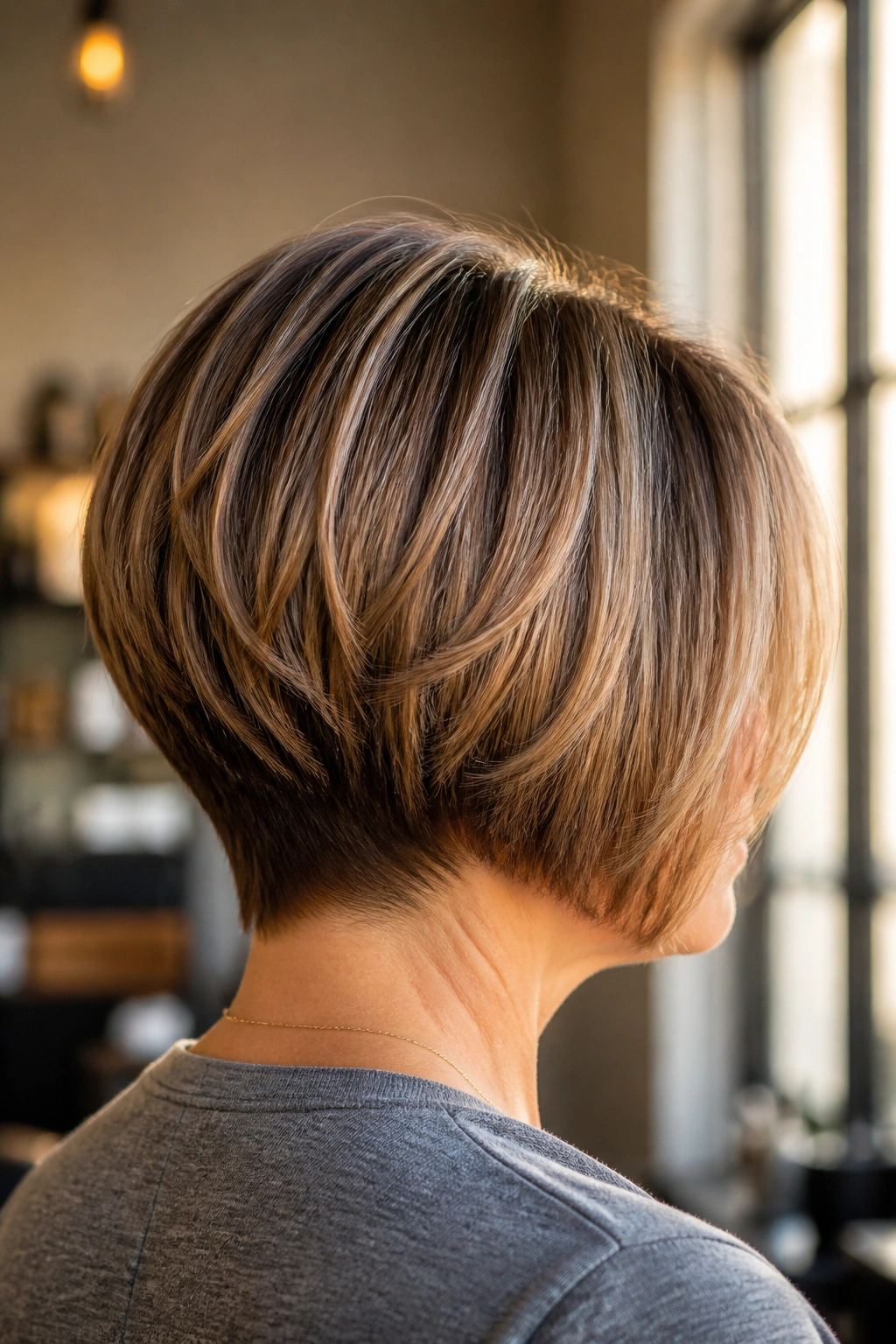
The back of the head is where fine hair often gives up first. A stacked bob fixes that problem by building shape through the nape and giving the crown a little lift from underneath.
Why the stack helps
Graduation at the back creates the illusion of fullness because the shorter layers support the longer ones above them. That means the cut has built-in lift instead of relying on styling spray to fake it. It is one of the few haircuts that can make the back look fuller without making the front feel heavy.
What to keep in mind
- Works best on jaw-length to slightly below-jaw-length hair.
- Ask for a gentle stack, not an extreme one.
- Keep the front a little longer to balance the shape.
- Blow-dry the back with a round brush for extra lift.
I am a fan of this cut for anyone who wears hair tucked behind the ears or wants a tidy neckline. It looks crisp. It also grows out in a controlled way, which is useful because fine hair can look messy fast when a cut loses its structure.
14. Shoulder-Length Cut with Invisible Layers for Fine Hair
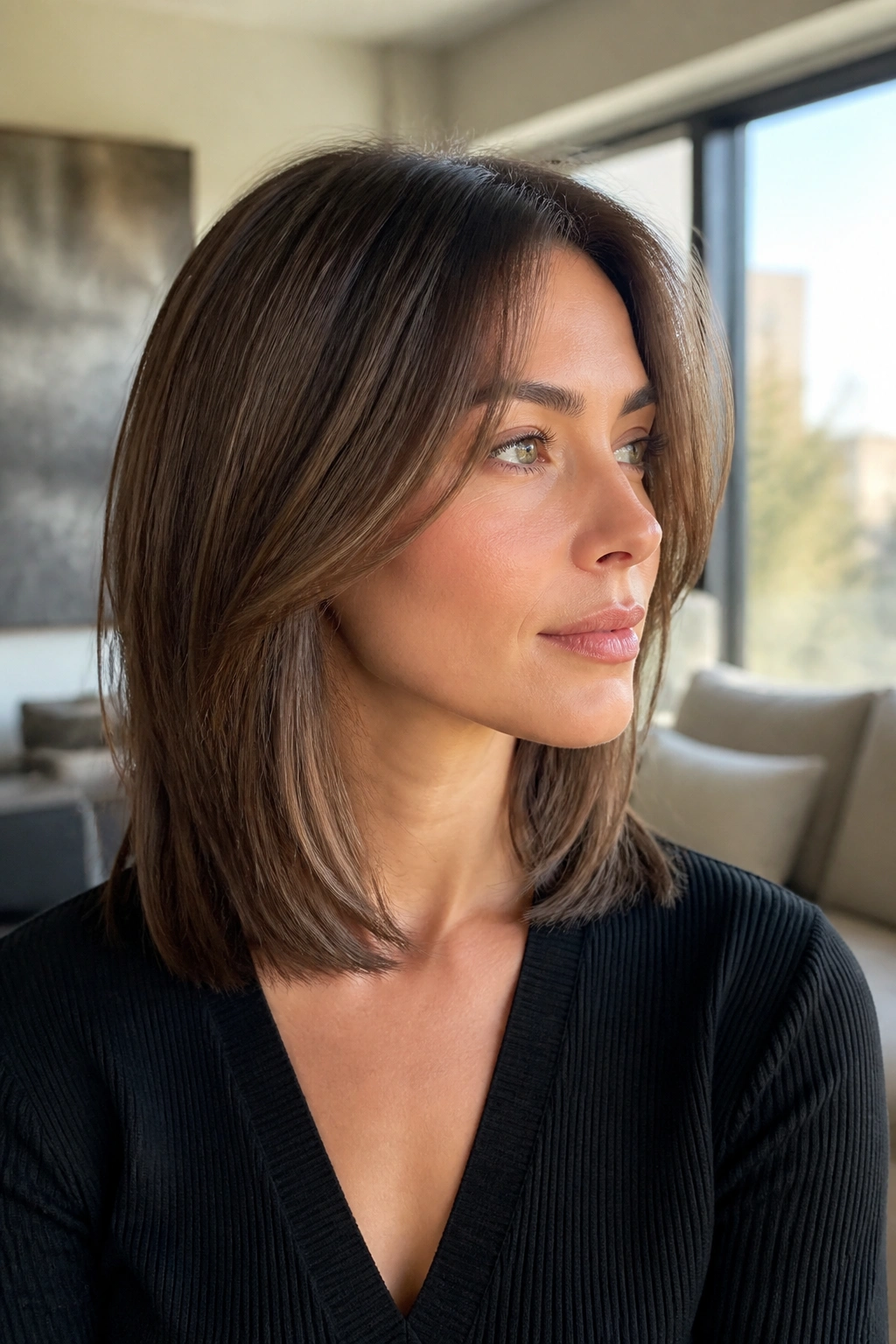
Invisible layers are the quiet hero of shoulder-length hair. They give the hair movement from inside the cut, not from obvious choppy steps on the outside, which is much kinder to fine strands.
The length stays around the shoulders, where fine hair still has enough weight to feel polished. The layers hide inside the shape, so the perimeter remains full. That means you get a softer swing when you walk, but you do not lose the clean outline that keeps the hair from looking thin.
This is a good choice if you want to keep length and still avoid the floppy feeling that usually comes with it. It works best when the ends are trimmed regularly and the layers are placed with care. Too many layers, or layers that start too high, can undo the whole point.
I like this cut because it is calm. It does not scream for attention, but it makes the hair look healthier and more deliberate. That matters more than flashy movement.
15. Tapered Crop with a Feathered Crown
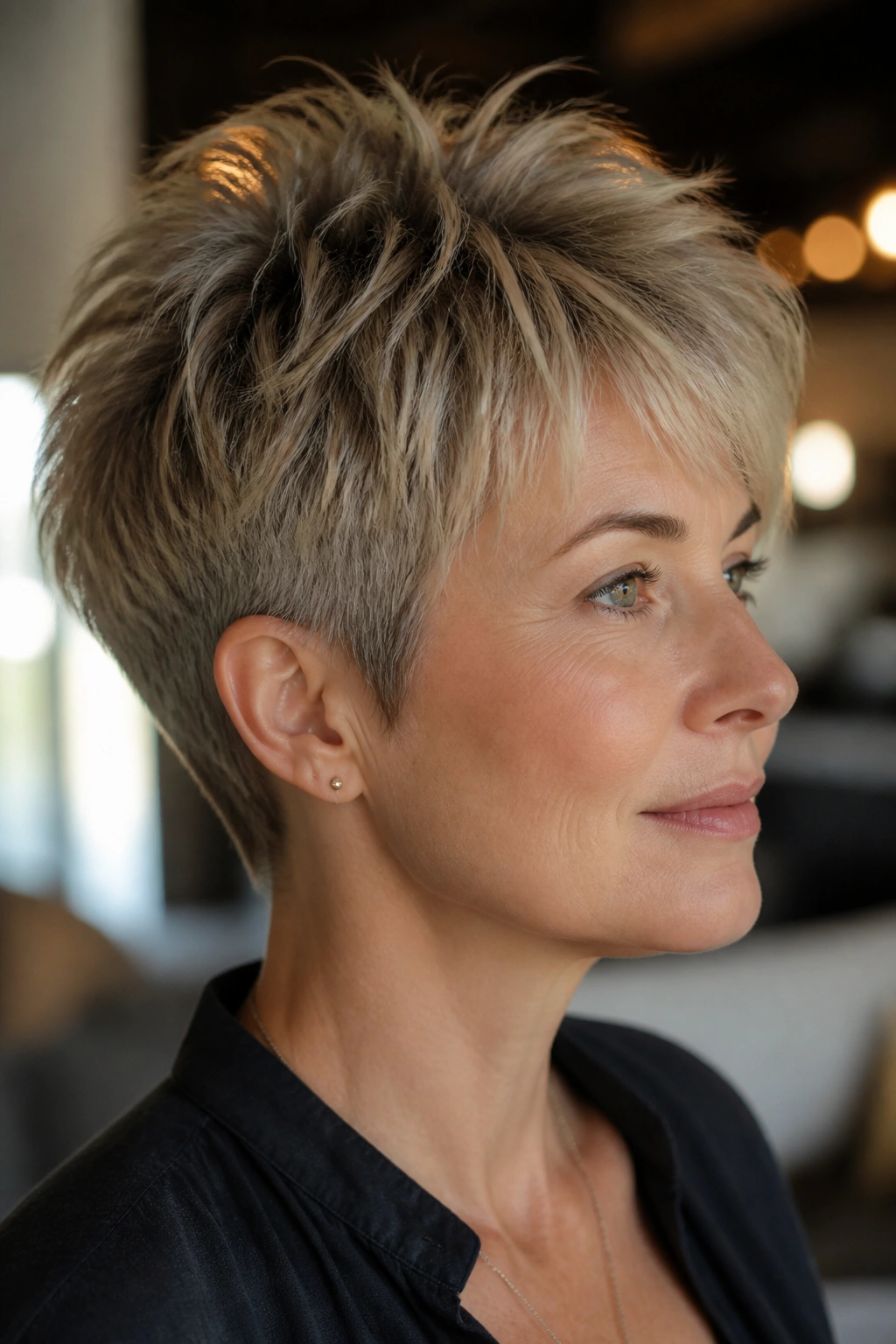
A tapered crop is one of the fastest ways to make fine hair look fuller at the top. The crown gets a little feathered texture, the sides stay close, and the neck area is cleaned up so the whole shape feels lighter.
Why the crown matters
Fine hair tends to flatten at the top first. If the crown is cut with a touch of softness and lift, the hair stands away from the head just enough to look alive. The top should feel feathered, not shredded. There is a difference, and it is a big one.
Ask for this
- Keep the top around 1.5 to 3 inches, depending on your face shape.
- Taper the sides and nape so the silhouette stays neat.
- Leave enough length at the front to sweep or tousle.
- Use a small amount of matte paste for separation.
This cut can be a lifesaver if your hair has a stubborn cowlick or if you hate having to fight the crown every morning. It is low-fuss, but it does need regular trims. Let it grow too long and the shape loses its point.
16. Face-Framing Midi Cut
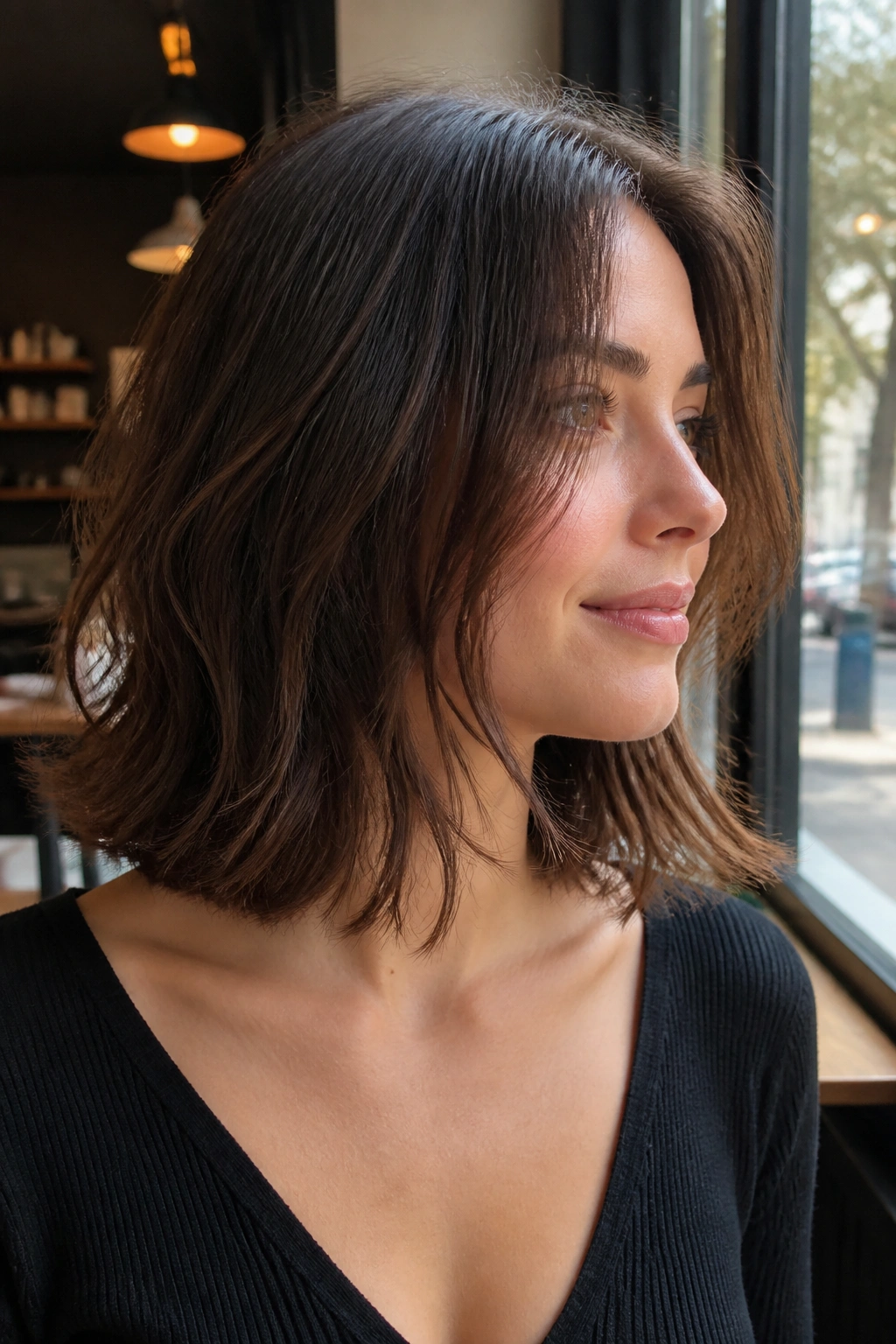
A face-framing midi cut is the answer for anyone who wants to keep a little length while still getting some lift around the face. The trick is where the framing starts. If those pieces begin below the chin, the hair keeps its fullness.
Think of this cut as a shoulder-to-upper-chest shape with careful front angles. The body of the hair stays mostly one length, which is good for fine hair. Then the face-framing pieces soften the front and give you a little motion without carving out too much density.
You can wear this cut straight, curled under, or with loose bends from the mid-length down. It also plays nicely with half-up styles, which is handy when your hair starts to fall flat and you want a quick reset. The shape still looks finished even when it is pinned back.
This is one of the more practical options on the list. It does not ask you to go short. It also does not ask you to sacrifice the feeling of real hair at the ends.
17. Asymmetrical Bob
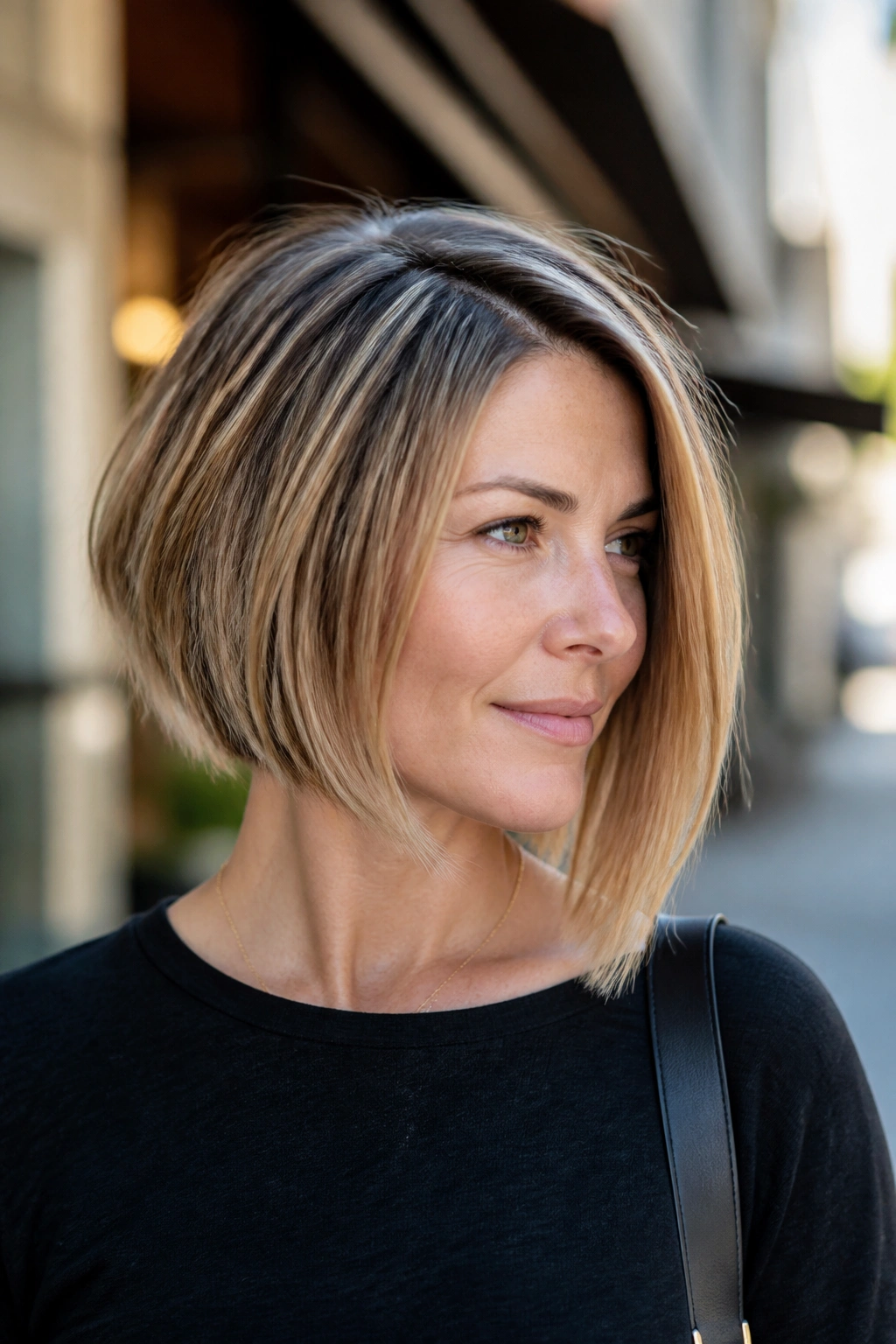
An asymmetrical bob gives fine hair a little visual trickery. One side sits a bit longer than the other, and that difference pulls the eye across the shape instead of straight down it.
That matters because fine hair can look sparse when it hangs in one clean, even curtain. The asymmetry breaks that pattern. It creates movement, disguises flat areas, and makes the haircut look fuller without adding bulk. The effect is subtle, not theatrical, if the difference in length stays modest — usually about 1 to 2 inches.
I like this cut on people who wear a side part already. The longer side can skim the jaw or collarbone, while the shorter side keeps the shape lifted. It looks especially sharp when the ends are kept blunt and healthy.
It is also a good conversation starter, which sounds silly until you realize that a haircut should still feel like a choice. This one does.
18. Long Pixie with Side-Swept Fringe
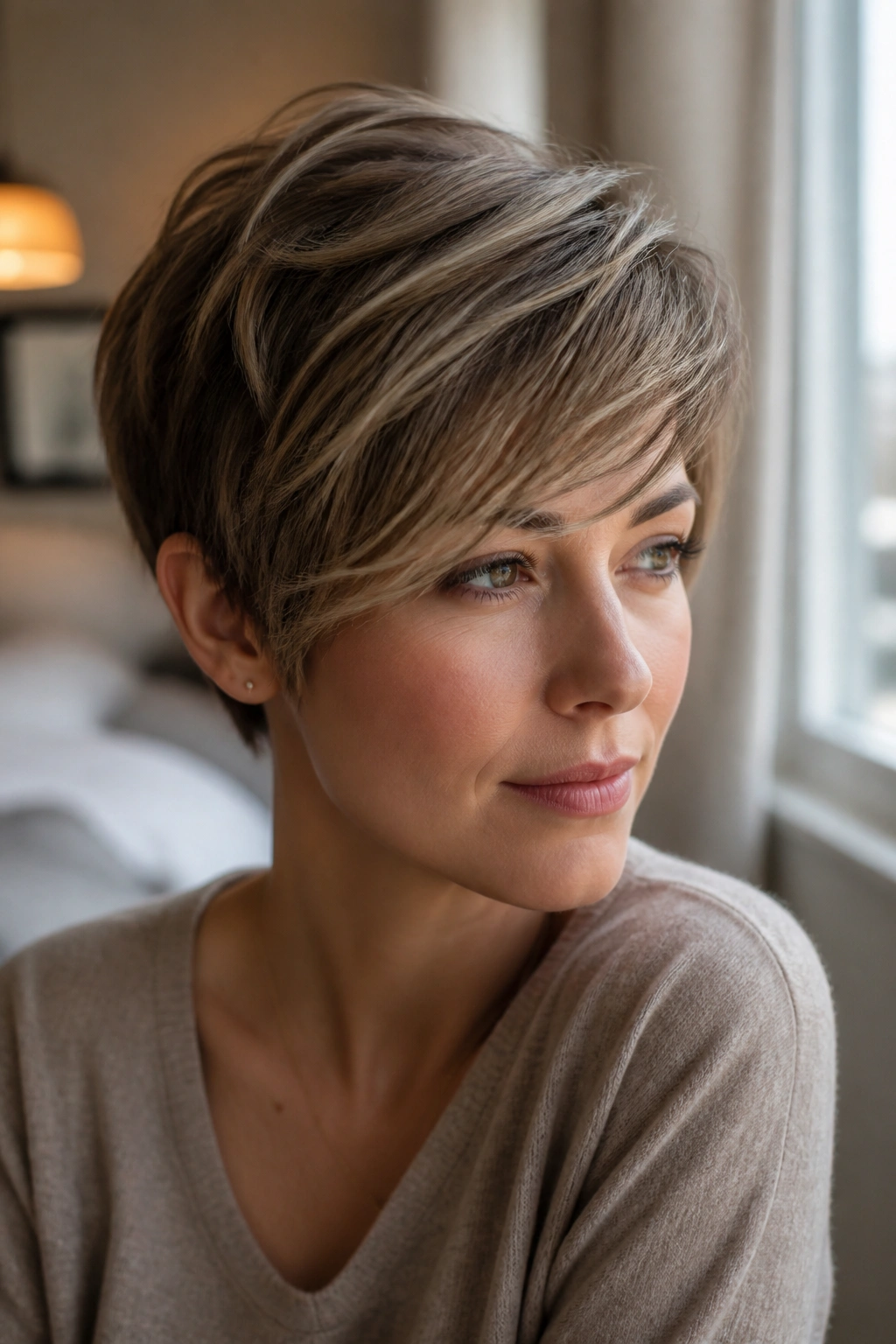
A long pixie is the safer cousin of the super-short crop. The top stays long enough to sweep to one side, and the fringe helps the cut feel soft instead of severe.
Unlike an ultra-short pixie, this version leaves you some length to work with. That matters on fine hair, because a side-swept fringe can fake density right across the front hairline. The fringe should graze the brow or cheekbone, not hang into the eyes. Too much length up front makes the hair look limp; too little makes the cut feel bare.
This is a strong option if you want easy mornings. It usually takes less than 5 minutes to style with a bit of cream or paste. And if you want it smoother on some days, a quick pass with a flat brush and blow-dryer works just fine.
I’d pick this for someone who likes clean necklines, quick styling, and a cut that still feels feminine without being fussy.
19. Soft Bowl Cut
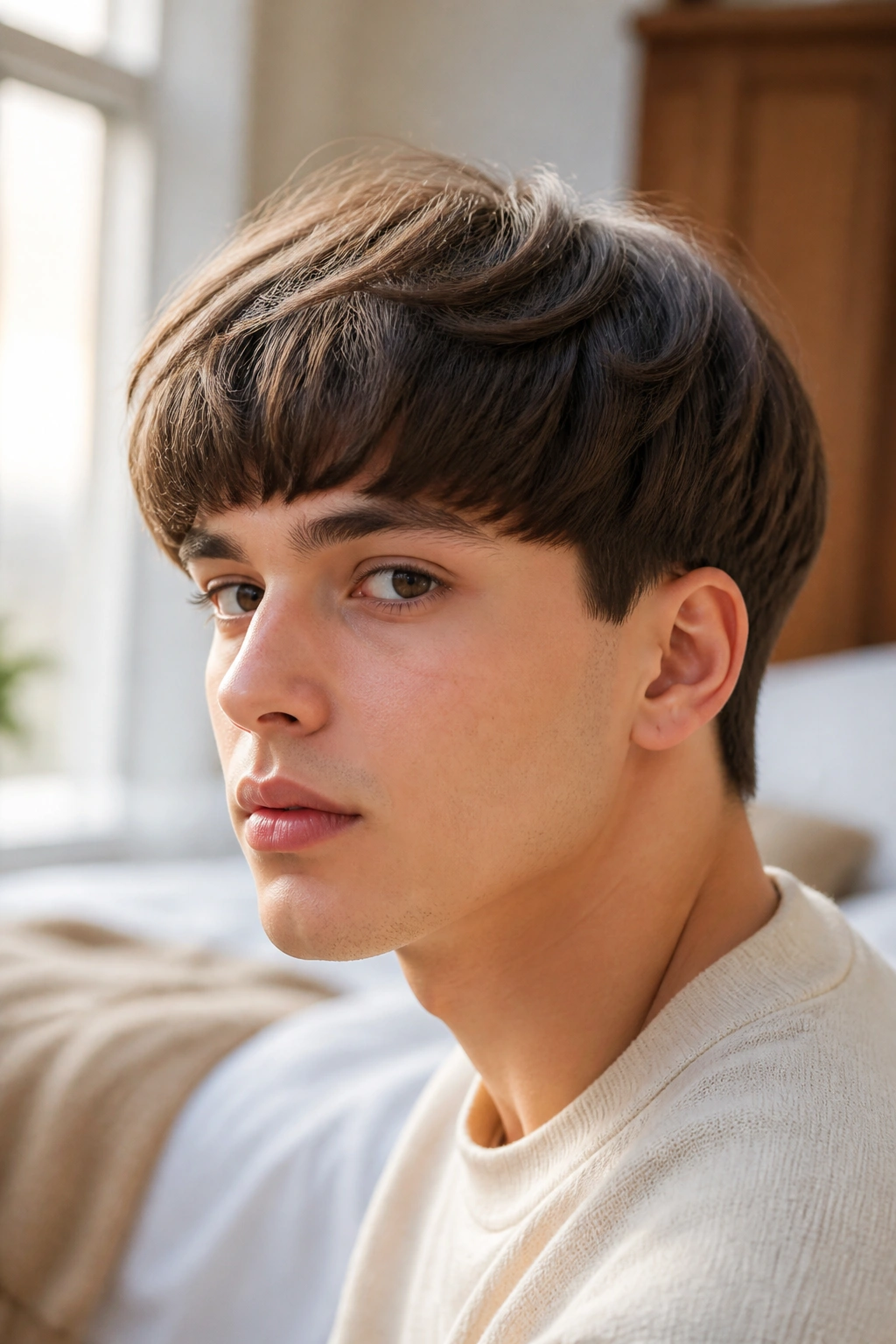
The modern bowl cut is having a better life than its old-school version ever did, and fine hair is one of the reasons. A soft bowl shape keeps the outline controlled, which makes the hair read fuller from every angle.
Who should try it
This cut works best if you like a clear shape and do not mind a little style with your haircut. The edges should be softened, the crown should not be too flat, and the perimeter should curve gently instead of sitting like a rigid helmet. That softness is what keeps it wearable.
What to ask for
- A rounded outline with a little graduation through the back.
- Soft texture at the ends, not heavy thinning.
- Enough length at the sides to tuck behind the ears.
- A fringe that sits softly rather than bluntly across the forehead.
I know the bowl cut sounds bold, and it is. But on fine hair, bold can be useful. The controlled shape makes the hair feel thicker, and the clean edge stops it from scattering into wisps.
20. Mini Mullet with Soft Edges for Fine Hair
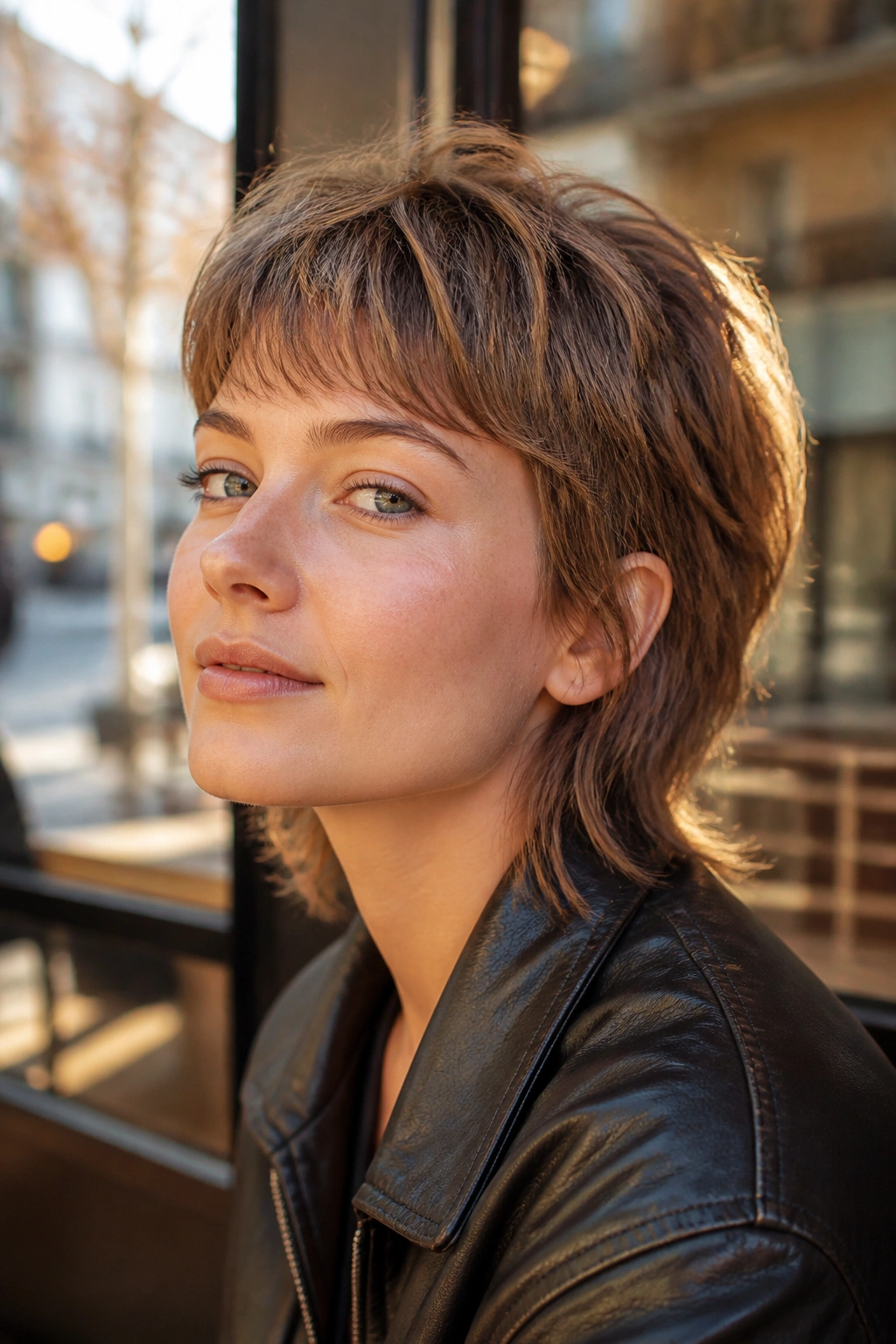
A mini mullet sounds rebellious, but the soft version is surprisingly practical for fine hair. Shorter layers at the crown and a little length at the nape create movement in places where flat hair usually gives up.
The key is restraint. Keep the transition gentle, keep the edges soft, and do not let the back drift into a shaggy mess. The shape should feel deliberate, with just enough difference between the front and back to keep the eye moving. Fine hair likes that kind of motion because it makes the strands look more active than they are.
I would choose this cut for someone who wants texture without leaning into a full shag or a strict bob. It has personality. It also handles air-drying well, especially if your hair has a wave pattern that wakes up with a little scrunching.
If your fine hair has been fighting every long cut you’ve given it, this is a good place to end the argument. The shape gives lift at the crown, keeps the neck light, and leaves enough softness around the face to stay flattering even when you do almost nothing. That is a rare combination.
