



Some haircuts whisper. Edgy haircuts don’t.
A hard part, a razor line, a chopped fringe falling across one eyebrow — those little moves change the whole read of a face before anyone notices the outfit. That’s why statement cuts matter. They’re not only about looking bold; they change balance, texture, and even how much styling you have to do in the morning.
The trick is not shock for shock’s sake. A good sharp cut has a shape, a reason, and a little restraint. Without that, it just looks like a bad grow-out. The best edgy cuts can be roughed up with matte paste, pinned back for work, then worn loose and messy when you’re off the clock.
Texture changes everything, too. Straight hair, waves, tight curls, thick density, fine strands, stubborn cowlicks — each one turns the same haircut into a different beast. A mullet that feels rebellious on one head can look soft and almost romantic on another. That’s part of the fun. It’s also why a smart cut matters more than a dramatic photo.
1. Classic Undercut
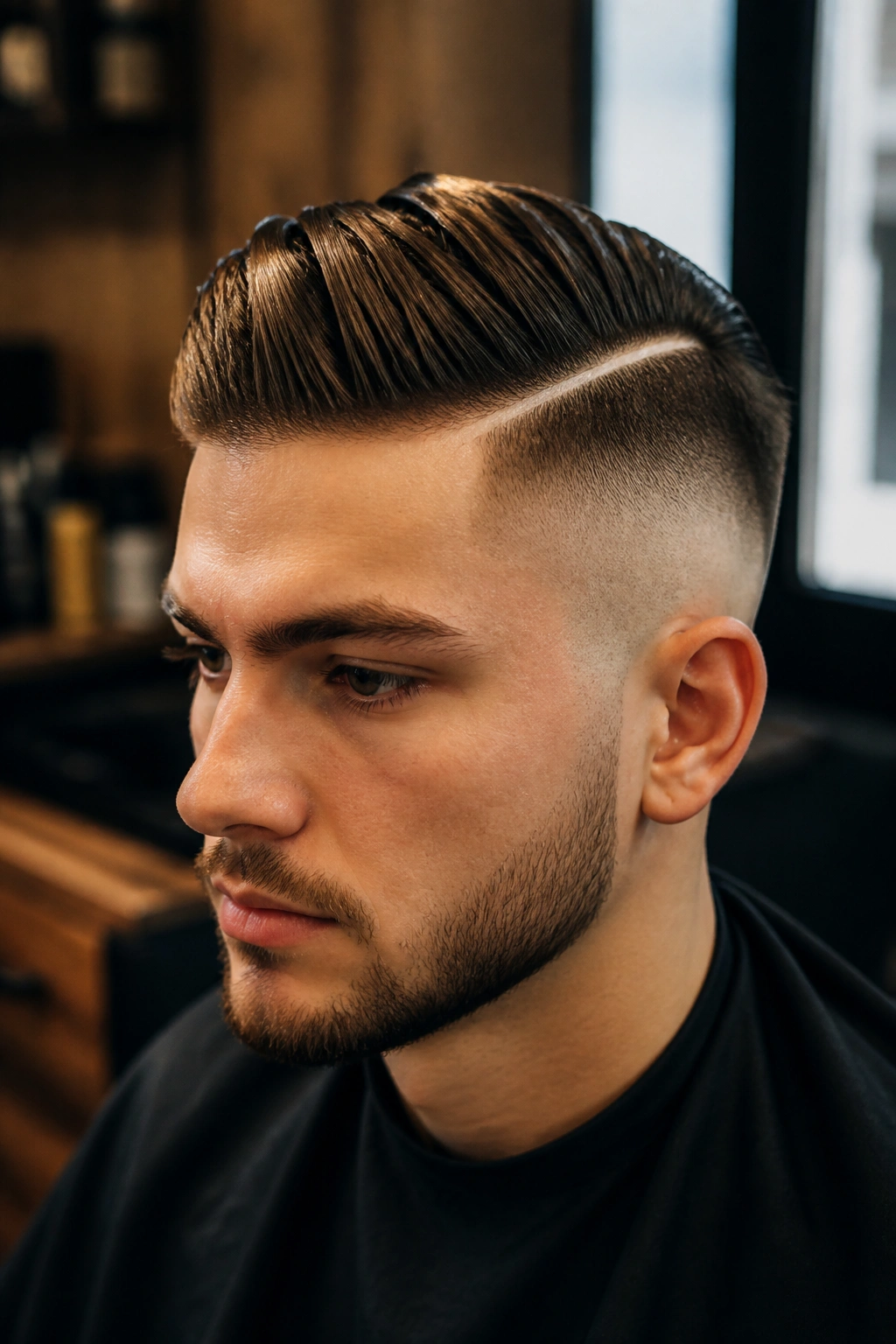
The classic undercut is one of those edgy haircuts that never really leaves the room. It works because the contrast is immediate: short or clipped sides, longer hair on top, and a clear break between the two. Clean lines do a lot of the talking here.
Why It Hits Hard
The cut has a built-in attitude. You can slick the top back for a sharp shape, push it forward for something rougher, or leave it messy and let the shorter sides do the heavy lifting.
- Ask for the sides and back to be clipped with a #1, #2, or skin fade if you want more contrast.
- Keep the top at 3 to 5 inches if you want real styling range.
- Works well on straight hair, but wavy hair gives it more movement.
- Needs a trim every 2 to 4 weeks if you want the line to stay crisp.
Best tip: bring a photo that shows the side profile. That’s where this cut either looks sharp or falls flat.
2. Edgy Pixie With Long Fringe
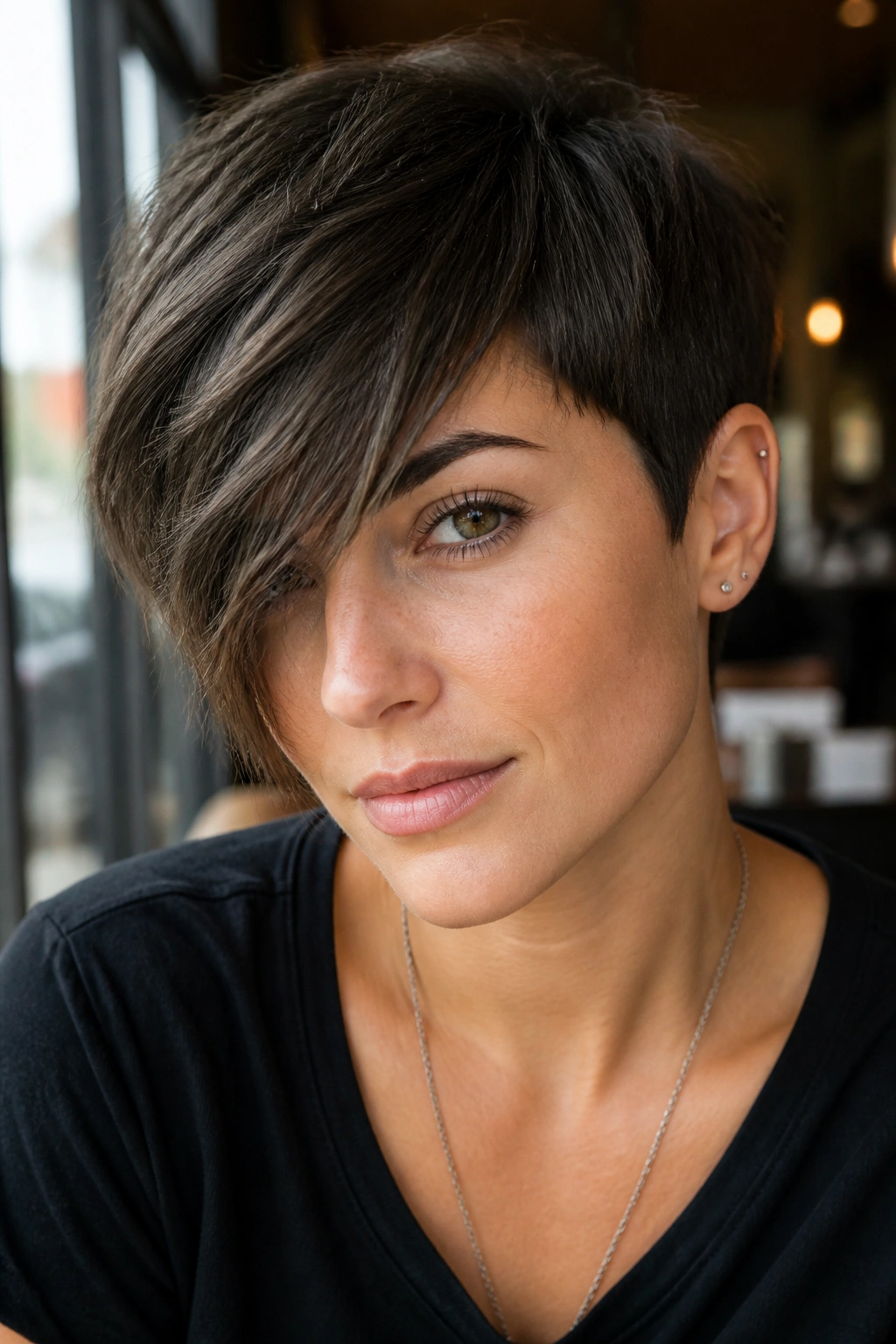
A pixie only looks soft until you let the fringe fall over one eye. Then it gets interesting.
The edgy pixie with a long fringe is a smart cut because it gives you two moods at once: cropped through the back and sides, but still loose and a little mysterious in front. The long fringe keeps it from reading as too neat or too sweet. A blunt little chop across the forehead can feel severe; a piecey, side-swept fringe feels cooler.
What matters most is the texture. Ask for point-cut ends or a little razor work so the top doesn’t sit like a helmet. You want movement, not a block. A pea-sized bit of matte paste worked through dry hair is usually enough, and if the fringe starts behaving like a curtain, a quick blast from a blow-dryer fixes it fast.
This cut is perfect for anyone who wants drama without a lot of length to manage. It also grows out with more grace than people expect, which is a nice little bonus.
3. Modern Mullet

Why does the mullet keep coming back? Because the modern version is smarter than the old joke version.
The best mullets today are controlled chaos. The front and crown stay shorter and more shaped, while the back drops into length with a little shag energy. That means it can look sharp, playful, or grungy depending on how the layers are cut. The old “business in front, party in back” line is funny, sure, but it misses the point. A good mullet is about balance, not camp.
How to Wear It
If you want the cut to feel current instead of costume-like, keep the top textured and the neck area soft, not stringy. Heavy product can make it look greasy fast, so a light styling cream or dry texture spray is usually enough.
- Best on wavy and straight hair with some natural movement.
- Ask for shorter crown layers and a longer nape.
- A little face framing keeps the front from feeling boxy.
- Works best when the back is trimmed before it starts to look shaggy in a bad way.
The modern mullet is not for someone who wants hair to disappear into the background. It’s for someone who wants the haircut to do some of the talking.
4. Asymmetrical Bob

One side grazing the jaw, the other side skimming the collarbone — that’s the whole trick, and it’s a good one.
An asymmetrical bob creates tension without needing much length. The uneven hemline makes the eye move, which is why the cut reads so strongly even when the styling is bare-bones. It can feel sleek and polished, but with a sharp enough angle it gets that little jolt of attitude that turns a regular bob into a statement.
A side part usually helps the cut look more intentional. So does a blunt edge on the longer side. If the shorter side is too soft, the shape loses its bite. If the longer side is too wispy, it can look accidental. Hair that sits a little behind the ears on one side and swings forward on the other gives the best result.
- Ask your stylist to keep the longer side 1 to 2 inches below the chin.
- A flat iron can sharpen the line fast.
- Best for people who want edge without going ultra-short.
- Needs clean ends, or the whole thing goes fuzzy.
There’s a reason this one shows up again and again. It looks deliberate, and that matters.
5. Textured Shag
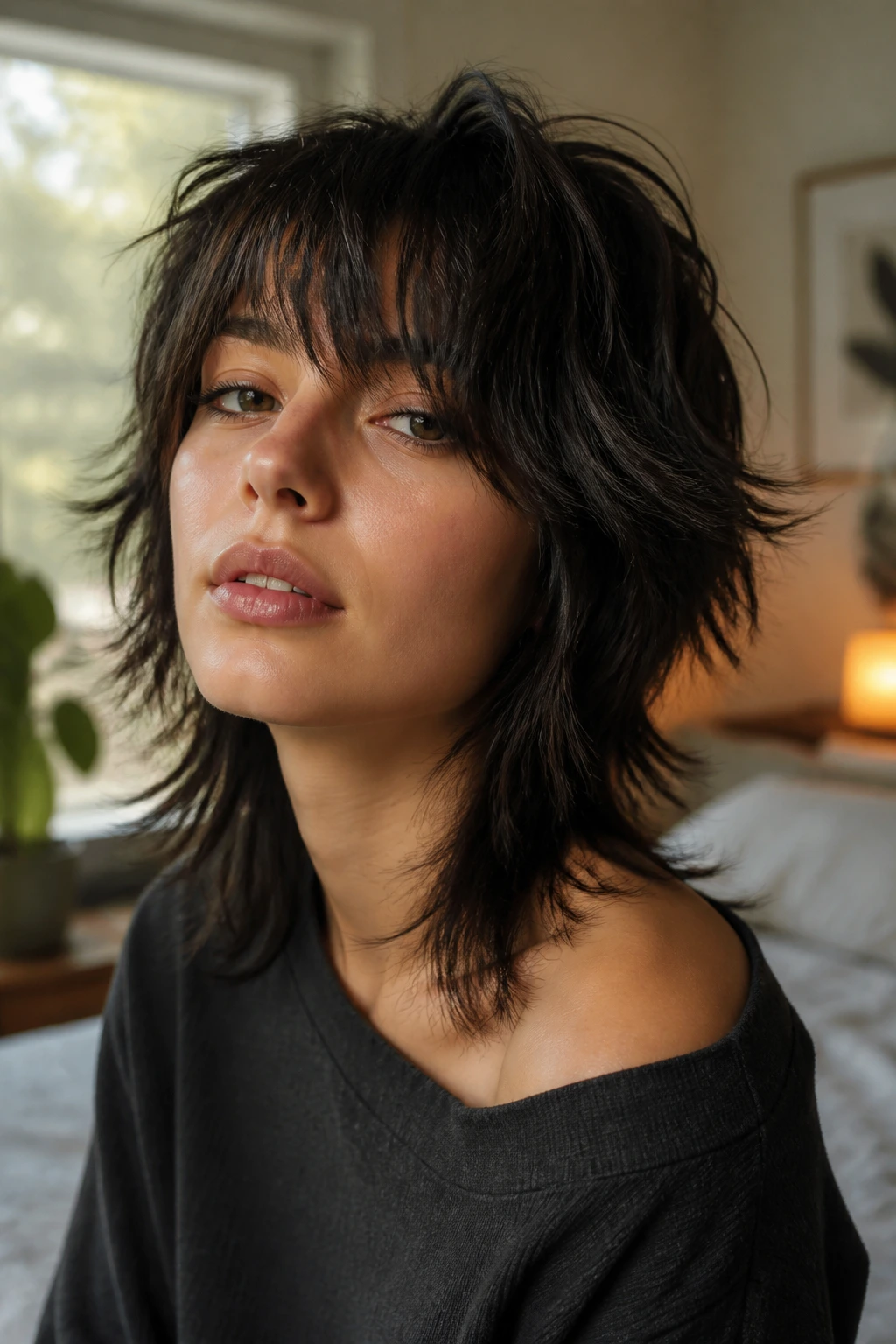
The shag is messy on purpose. That’s the whole appeal, and it’s also why so many people keep coming back to it.
A textured shag is built from layers that break up bulk and create that soft, lived-in swing around the head. The crown gets lift, the ends get movement, and the fringe — if you add one — falls in a way that feels undone instead of styled to death. It’s a little bit rock-and-roll, a little bit effortless, and far more useful than the glossy photos make it look.
The best shag cuts are not overlayered. Too much cutting turns hair into frizzed-out fluff, especially on fine hair. Too little, and you lose the whole point. The sweet spot is usually in the crown and around the cheekbones, where the layers can move without making the perimeter disappear.
I like this cut on hair that wants volume without teasing. It gives the head shape from the inside out. If your hair is thick, the shag takes out weight. If it’s finer, the layers need to be handled carefully so the shape doesn’t collapse by lunch.
A quick scrunch with mousse and a rough blow-dry is often enough. Not fancy. Just right.
6. Edgy Buzz Cut With Hairline Design

A plain buzz cut is efficient. An edgy buzz cut with hairline design has a point of view.
The difference is in the detail work. A clean taper around the temples, a sharp line at the forehead, a small shaved part, or a subtle geometric line near the side can turn an almost-no-length cut into something that looks graphic and intentional. You don’t need a full scalp tattoo situation to make the effect land. Sometimes one clean line does more than a whole shaved pattern.
Compared with a standard buzz, this version puts more attention on the hairline and head shape. That means it flatters people who like strong contrast and low daily styling, but it also means the cut needs upkeep. Once the edges grow out, the design loses its snap.
Who It Works For
This is a good choice if you want a bold look with almost no morning work. It also puts earrings, brows, and cheekbones in the spotlight, which is part of why it feels so direct.
Best move: ask for the design to stay small and sharp rather than crowded. A little negative space usually looks better than trying to fill every inch of the head.
7. Wolf Cut
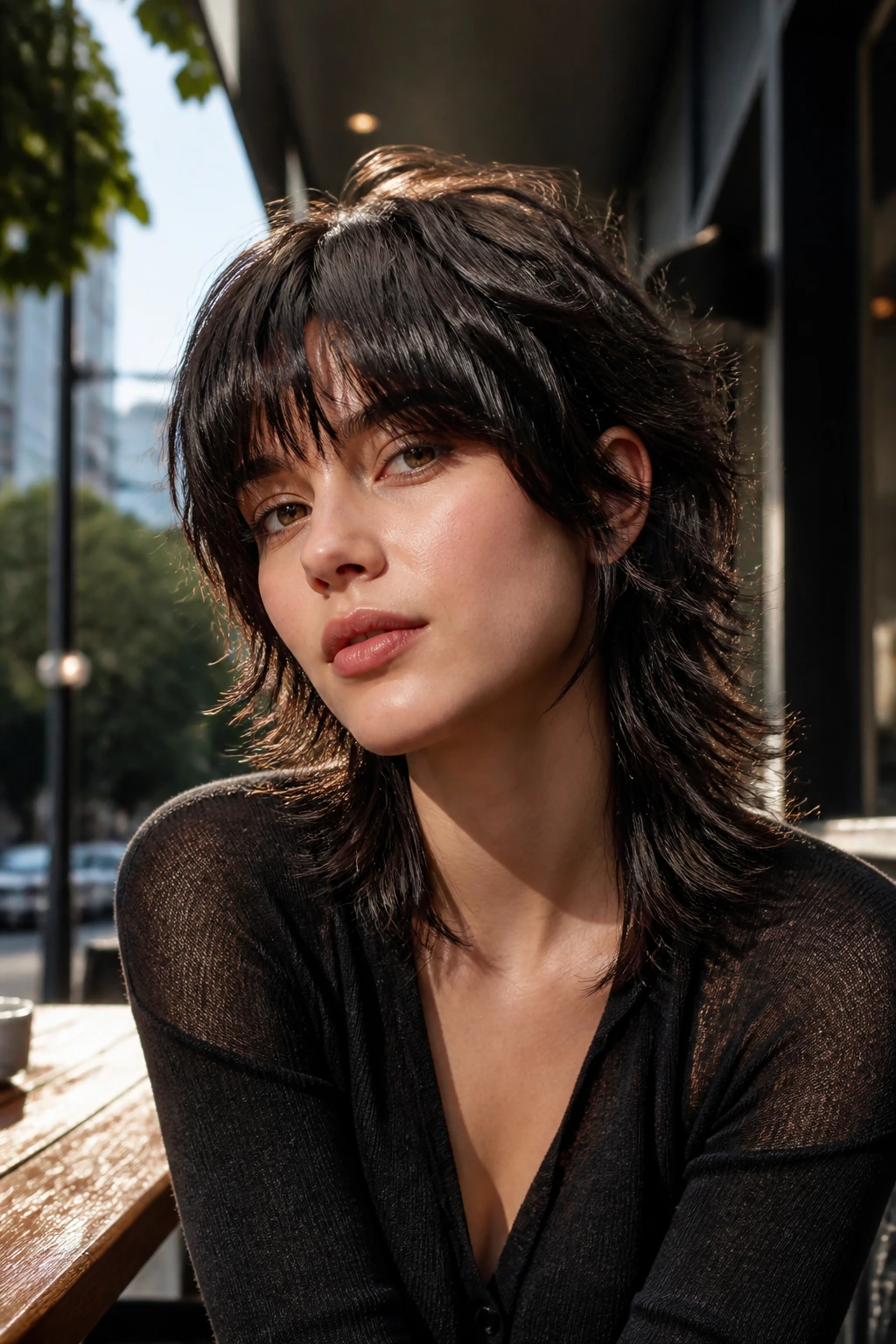
A wolf cut looks wild, but the good ones are built with a lot of control.
Think of it as a shag with more bite. The crown sits higher, the layers are choppier, and the ends can flick out in a way that feels messy without turning into a mullet clone. On medium-length hair, the shape has real movement. On longer hair, it reads even freer. The whole point is uneven texture that still has a clear outline.
The wolf cut is especially good when hair falls flat at the roots. Those shorter crown layers lift the shape, and the longer lengths keep it from becoming a puffball. It also loves a bit of air-dried wave. Straight hair can wear it, but usually needs a little bend from a round brush or curling iron to show off the layers.
What to Tell Your Stylist
- Keep the crown short enough to lift.
- Leave enough length around the face to avoid a mushroom shape.
- Ask for piecey ends rather than soft blending.
- If your hair is very thick, remove weight in the interior, not just the top.
This is one of those cuts that looks best when it’s not trying too hard. Which is probably why people keep wearing it.
8. Razor-Cut Lob
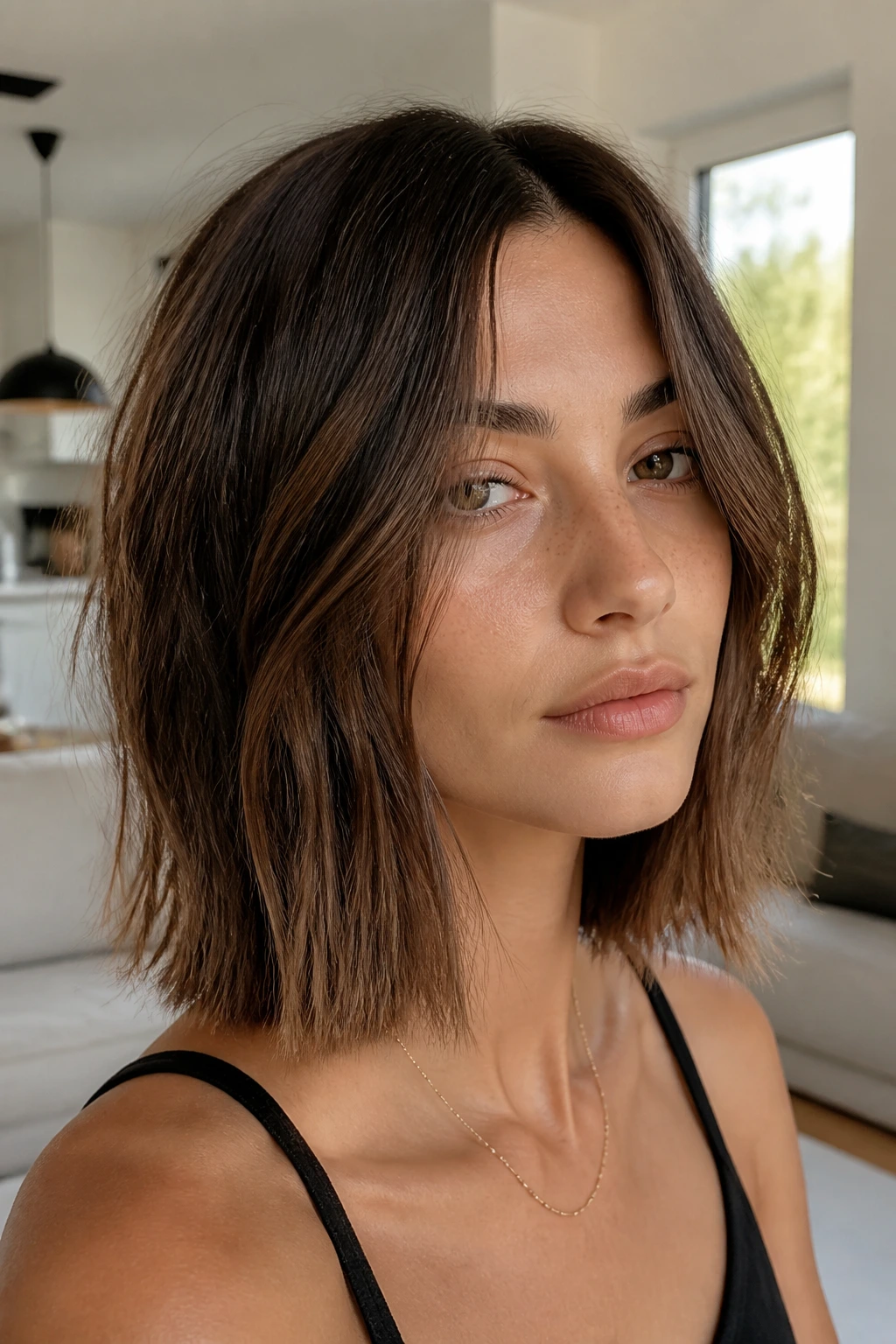
A lob can be polite. Razor-cut, it gets a little mean.
The razor-cut lob keeps the length around the collarbone or just above it, but the ends are softened and broken up with a razor instead of left blunt. That changes the whole mood. A blunt lob can feel sleek and safe; a razor lob looks more undone, more current, and a little less precious. The movement comes from the edge itself.
This cut works especially well when you want a shape that moves, not a shape that sits there. The razor makes the perimeter airy, which is useful if your hair feels heavy or thick. On fine hair, it can create a feathered finish that looks light without looking thin. The catch is that it hates over-styling. Too much heat and too much serum can make the ends stringy.
I’d call this a smart middle ground. It still reads as grown-up, but not boring.
Let it dry with a bend, not a perfect curve. That’s where the personality is.
9. Curly Undercut

If your curls get too big around the ears or at the nape, an undercut can feel like a relief.
A curly undercut removes bulk where it usually causes the most trouble while leaving the top curls free to expand. That makes the silhouette cleaner and gives the curl pattern more room to show. It’s a very different look from a curly shape that’s just been thinned out randomly. A real undercut creates contrast; random thinning just creates regret.
The best versions keep the top long enough to show coil shape, ringlets, or waves, while the lower section is clipped short or faded. That can make the cut feel bold from the side and almost soft from the front. It’s a neat trick. The shape does the work before you even add product.
- Great for thick curls that build bulk at the sides.
- Ask for the undercut line to sit above the widest part of the head.
- Diffuser drying helps the top keep its spring.
- A curl cream with hold keeps the longer top from getting fluffy.
This one has a practical edge, which is why it stays appealing. It solves a real problem and looks cool doing it.
10. Micro Bangs and Cropped Bob

Micro bangs are not subtle. That’s the point.
Paired with a cropped bob, they turn the face into the center of the whole look. The bangs sit well above the brows — sometimes barely touching the forehead at all — while the bob stays short, sharp, and usually blunt at the ends. The result feels a little artsy, a little punk, and not at all shy.
The danger here is proportion. If the bob gets too wide and the bangs get too short, the cut can look costume-y. The cleaner version keeps the bob controlled around the jawline or just below it, with enough texture to stop the shape from looking blocky. The bangs should be cut dry when possible, because wet bangs often shrink more than expected.
What Keeps It From Looking Childish
A tiny bit of softness at the temples helps. So does keeping the length around the ears neat instead of puffing out. Matte styling cream is usually enough; heavy oil will make the whole thing fall flat.
This cut is not trying to be agreeable. It wants to be noticed.
11. Faux Hawk Fade
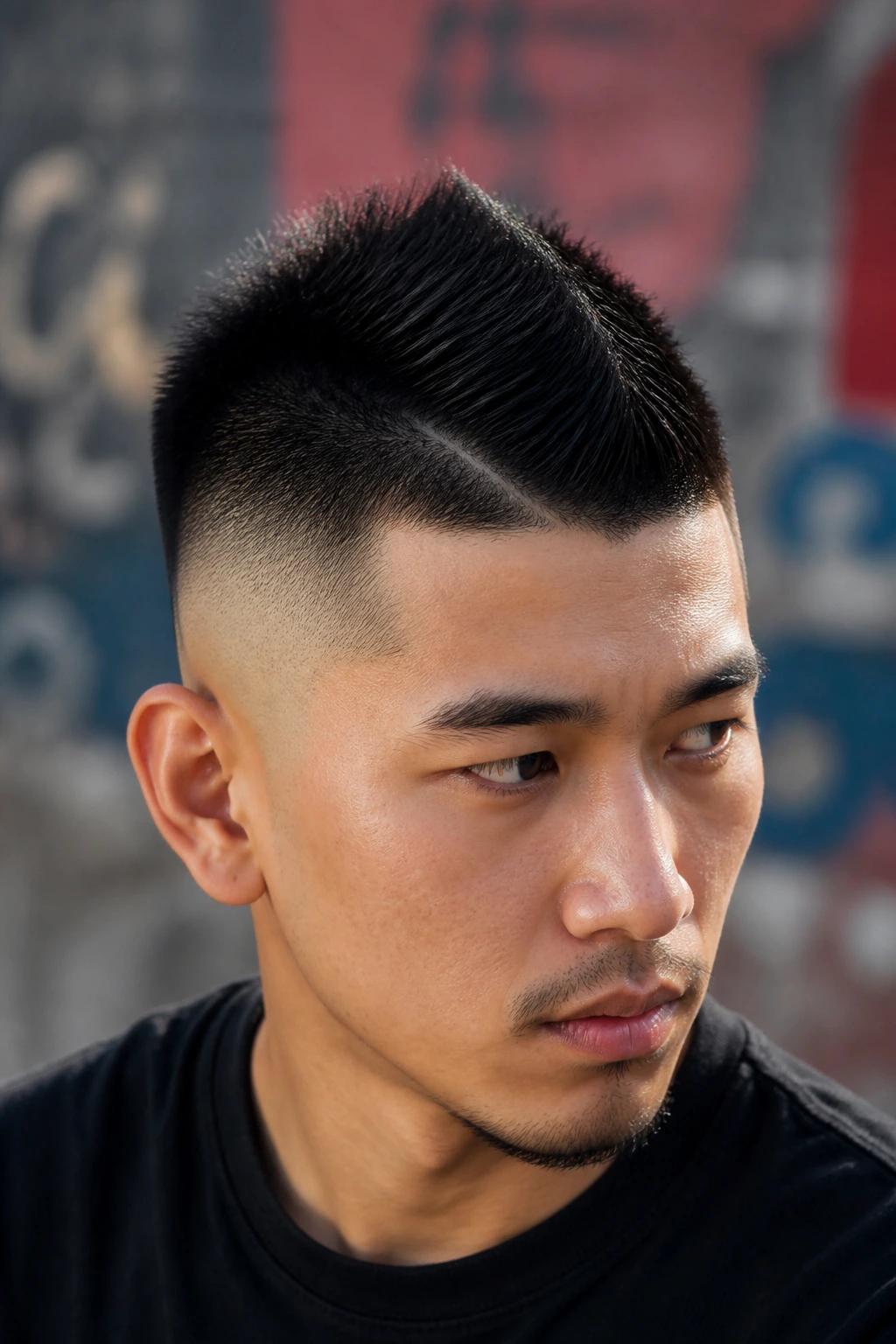
Why does the faux hawk keep showing up in different forms? Because it gives height without asking you to shave the whole head.
The shape is built by leaving length through the center strip and tapering the sides tighter, usually with a fade or close clipper work. That contrast is what creates the line. A strong faux hawk can look sporty, punk, polished, or somewhere in between depending on how high you push the middle section. It’s a flexible haircut with a hard edge.
The key is not to overbuild the height. Too much product and too much lift can turn the shape stiff, which kills the effect. A little dry texture at the roots goes further than people think. On thick hair, the center strip may need internal removal so it doesn’t sit like a helmet. On finer hair, root spray plus a blow-dryer is your friend.
How Much Height Is Enough?
Enough is usually 1 to 2 inches above your natural profile. More than that can start to feel theatrical unless the rest of the cut is extremely tight.
This is a strong pick if you want something rebellious that still works with a clean neckline.
12. Hime Cut

The hime cut lives on strong lines. Soft layering is not the point.
Traditionally associated with Japanese court hair, the modern hime cut keeps a longer back section and cuts the front side pieces sharply, often around cheekbone or jaw level. Those side panels are the giveaway. They frame the face with a hard line, while the rest of the hair can fall long and straight behind them. It’s precise, almost severe, and that precision is exactly what makes it stand out.
Straight hair shows the shape fastest, but wavy hair can make it feel more unexpected. The main thing is keeping the side pieces clean. If they get too blended into the rest of the hair, the whole concept loses its sting. A flat iron can sharpen the finish, though some people like the slightly imperfect look of a bend through the lengths.
This is a cut for people who like structure. It looks intentional from every angle, which is rare.
If you want a statement without losing length, this is one of the sharper ways to do it.
13. Side-Shaved Crop
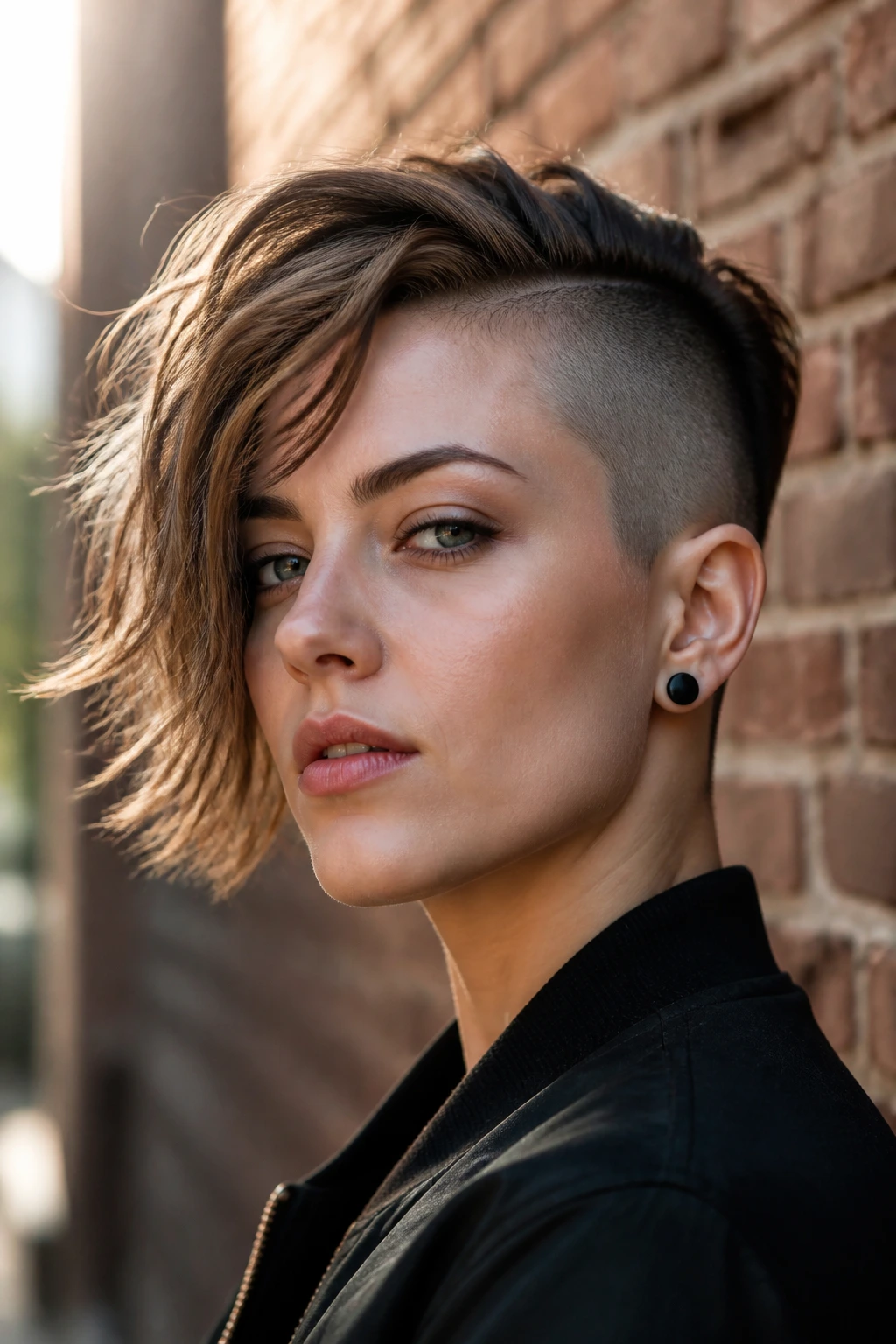
One side soft, one side nearly bare. That’s enough.
A side-shaved crop takes the idea of asymmetry and pushes it a step further. Instead of a subtle angle, one side gets clipped down close while the other keeps enough length to sweep across the forehead, ear, or cheekbone. The cut has a built-in tension that feels direct and a little rebellious, even when the styling is easy.
The interesting part is how much this shape changes the face. It can expose the jawline, make earrings pop, and turn a simple tuck behind the ear into a strong design choice. The longer side often works best when it’s textured rather than smooth. If it’s too neat, the contrast can feel stiff.
- Ask for the shaved side to stay clean at the temple and nape.
- Keep the longer side at ear length or slightly below.
- Use a matte paste for separation.
- A side part keeps the shape clear.
This is a haircut that says a lot without needing volume. That’s part of the appeal.
14. Disconnected Layers on Long Hair
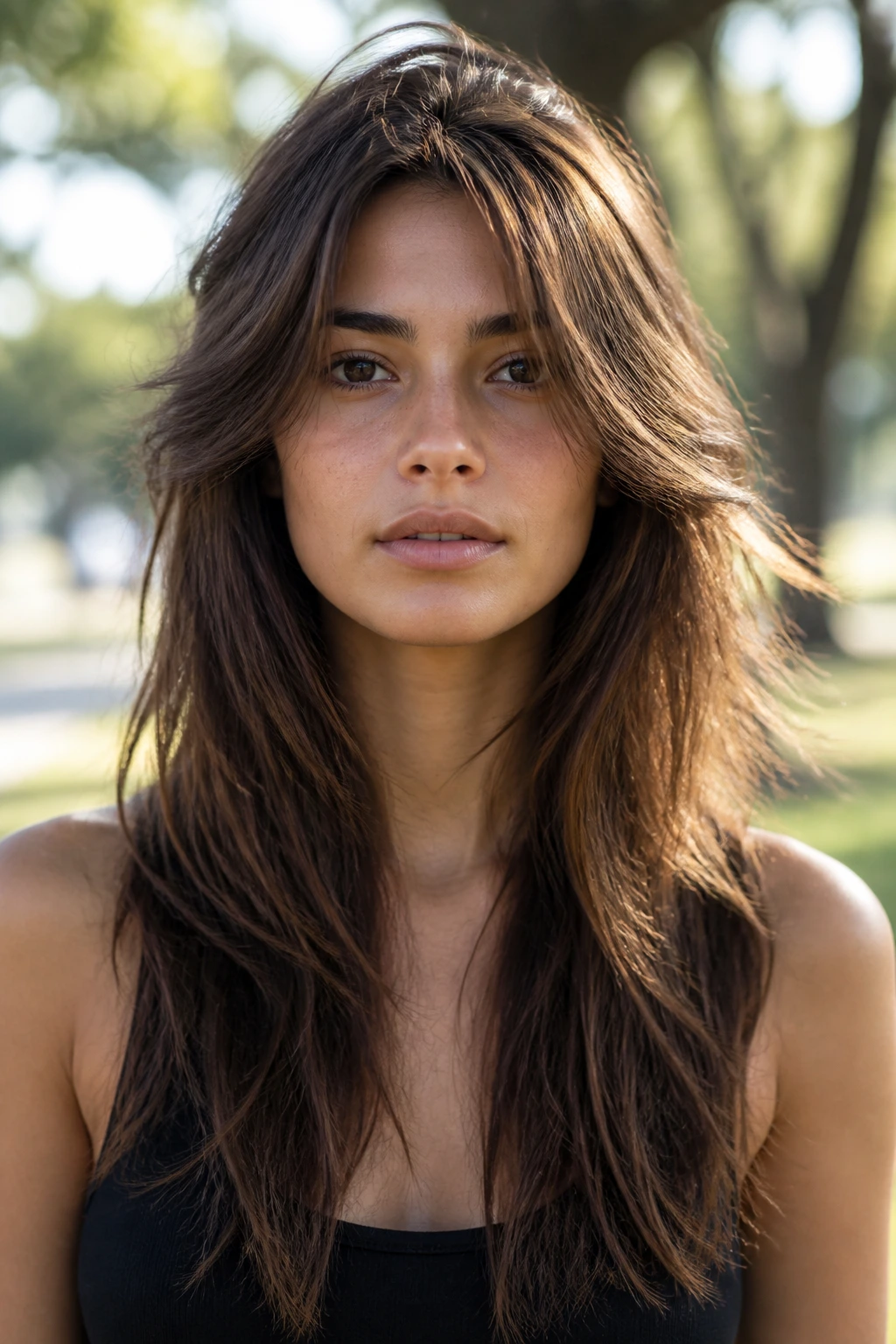
Long hair doesn’t have to be soft and blended to stay wearable. Sometimes the best thing you can do is break the rules a little.
Disconnected layers mean the top sections are cut in a way that doesn’t melt smoothly into the lengths below. The result is deliberate contrast. A shorter crown, strong face framing, or a sudden jump in length can make long hair feel edgy instead of conventional. It’s a good choice when you want movement without losing the drama of long hair.
This kind of cut can be gorgeous on thick hair because it removes weight in a way you can actually see. It can also help long hair avoid that heavy, flat shape that hangs around the head like a blanket. The important part is balance. If the disconnect is too extreme, the cut can look choppy in a bad way. If it’s too subtle, nobody notices the work.
I like this option for people who want long hair but are bored by “long and the same all the way down.” Fair complaint. Fair fix.
Styling with loose bends shows off the shape best, especially when the shorter layers are allowed to flip just a little.
15. Bixie Cut

A bixie sits between a pixie and a bob, and that middle ground is exactly why it works.
The shape is short enough to feel sharp, but long enough to keep some softness around the ears, cheekbones, and nape. That makes it easier to wear than a very short pixie, while still reading as a definite chop. The best bixies have texture on top and a clear outline underneath. Too much softness, and it becomes a grown-out haircut. Too much bulk, and it loses the shape.
This cut flatters a lot of face shapes because the length can be adjusted in tiny ways. A little more around the temples changes the mood. A slightly shorter nape adds lift. If you want something edgy but not severe, this is one of the better places to land.
Why It Flatters So Many Faces
The bixie keeps the cheekbones visible while softening the jaw. That is a useful combination if you want edge without losing movement.
A light styling cream, a finger-combed finish, and a quick trim every few weeks keep it looking fresh. Not fussy. Just tidy enough to keep the shape alive.
16. Bowl Cut With a Sharp Edge
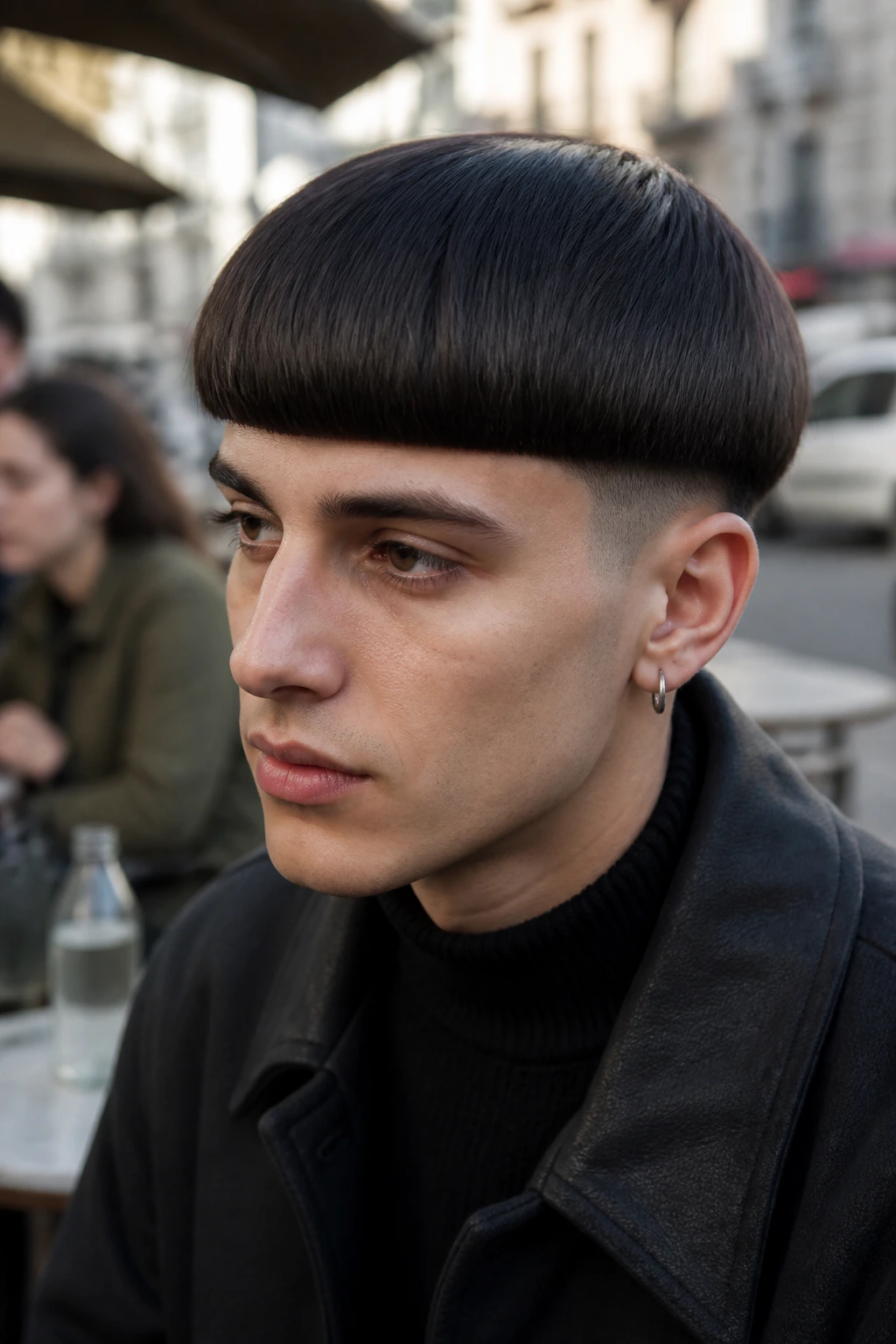
A bowl cut can look dated fast, or it can look surprisingly cool when the line is exact.
The modern version is less about the old-school mushroom shape and more about a clean perimeter with attitude. The outline can sit just above the brows, at the ears, or slightly below them, depending on how dramatic you want it. A blunt edge gives the haircut force. Piecey texture inside keeps it from looking like a helmet. That contrast matters.
The trick is in the finish. A heavy, overblown bowl cut feels costume-like. A sharp, edited version feels deliberate. You want the fringe and the sides to feel connected without being mushy. On thick hair, a bit of internal weight removal helps. On fine hair, the exact line is the whole show, so the cut has to be precise.
This one is not for people who want to disappear into the crowd. It’s for people who like a haircut with a point of view.
It’s also the kind of shape that looks better with confidence than with overthinking. Which, honestly, is true of most good haircuts.
17. Shoulder-Length Shag With Curtain Bangs

What makes this cut so easy to wear? The shoulder length gives it room, and the curtain bangs stop it from feeling heavy.
A shoulder-length shag with curtain bangs is the softer cousin of the full shag. The layers still move, but the overall shape keeps a little more length and polish. Curtain bangs split the front and frame the face in a way that feels easy, not rigid. If you want something edgy but not too short, this is a very safe place to be adventurous.
The styling is also forgiving. A quick bend with a round brush or a large curling iron brings the bangs to life. The rest of the hair can dry with a touch of wave and still look intentional. That’s part of the charm. It does not need a perfect blowout to make sense.
How to Style the Front Pieces
Pull the bangs away from the face while they’re still warm, then let them cool in that open shape. It keeps the center from collapsing straight down.
This cut is a nice choice for people who want movement around the face without committing to a shorter fringe. It feels casual, but not lazy.
18. Soft Mohawk With Tapered Sides

A soft mohawk is what happens when you want the attitude of a mohawk without the hard drama of a true strip.
The sides are tapered down, sometimes quite close, while the center stays longer and textured. The difference is that the top is usually worn a little softer, with bend and movement instead of a stiff upright ridge. That keeps the cut modern and wearable. It still has edge. It just doesn’t scream for attention from across the street.
This style works especially well on hair that has some natural body. You can push the center up with a blow-dryer and a little root product, then break it apart with your fingers so it doesn’t look too staged. If the sides are faded tightly, the shape becomes cleaner; if they’re left a touch softer, the whole thing feels more relaxed.
- Best when the center section is 2 to 4 inches longer than the sides.
- Matte clay gives a rougher finish than shine cream.
- Great for showing off a strong cheekbone or neck.
- Needs regular side cleanup to keep the profile sharp.
It’s punk’s quieter cousin. Still opinionated. Just less loud about it.
19. Grunge Layered Midi Cut

Not every edgy haircut needs to be short. Sometimes the smartest move is length with a rough edge.
A grunge layered midi cut sits around the collarbone to upper chest, but the finish is broken up, uneven, and a little rebellious. The layers don’t have to look polished. In fact, the cut gets better when it looks slightly worn in. That’s the grunge part. It shouldn’t be too neat, and it definitely shouldn’t look overstyled.
Compared with a smooth midi cut, this version has more movement at the ends and more shape around the crown. That means it works when air-dried, bent with a flat iron, or thrown into a half-up style that still leaves the texture visible. If your hair is thick, the layers keep it from sinking into one heavy curtain. If it’s finer, the texture helps it look less flat, though too many layers can go stringy fast.
This is one of my favorite options for people who want something moody without losing length. It has a little rock-club energy, but it still goes to work.
A rough middle part, a little dry texture spray, and imperfect ends — that’s the lane.
20. Bleached Crop With Piecey Texture

A cropped cut turns sharper when you bleach it. The shape gets louder. The texture gets harder to miss.
The reason this works is simple: light hair shows detail. Piecey texture on a bleached crop makes the ends separate, so every bend and ridge in the cut reads clearly. That can be a pixie, a cropped bob, or a close haircut that sits just on the edge of a buzz. The color throws the shape into focus, and the shape keeps the color from feeling flat.
There’s a catch, though. Bleach demands maintenance, and so does a short cut. If you let either one slide too long, the whole look turns tired fast. Toner, moisture, regular trims, and a styling product with some grip all matter here. A little root shadow can also soften the grow-out if you want the cut to stay wearable between appointments.
The best version is never over-slicked. A touch of matte paste, pinched through the ends, gives it that broken-up finish that looks deliberate rather than sleepy.
If you want a haircut that announces itself from across the room, this is one of the clearest bets. Sharp cut. Bright color. No confusion.
Pick the one that matches your texture, your patience, and your appetite for attention. The strongest edgy haircut is the one that still looks good when the styling gets lazy — because that’s the real test, and it’s the one that matters.
