



The fastest way to make a haircut feel new isn’t always the cut. Sometimes it’s the color that does the heavy lifting, and a bold shade can change your whole face before the first strand even settles. That’s why bold hair color ideas for a dramatic change keep pulling people back in — they’re immediate, visible, and they don’t ask permission.
A deep brunette can become sharper with blue-black. A copper shade can make skin look warmer and the hair look fuller. A bright blonde can feel almost architectural when the tone is icy and clean. The details matter more than the label on the box. Base level, porosity, previous dye, and whether you want a full-head change or just a few strategic panels will all change the final result.
I’ve always thought the most interesting hair colors are the ones that look different in two kinds of light. That’s where the drama lives. A shade can read subtle in a hallway mirror and then turn electric near a window, which is exactly why smart color placement — shadow roots, money pieces, peekaboo panels, color melt, gloss, all of it — matters so much.
1. Platinum Silver With a Soft Shadow Root
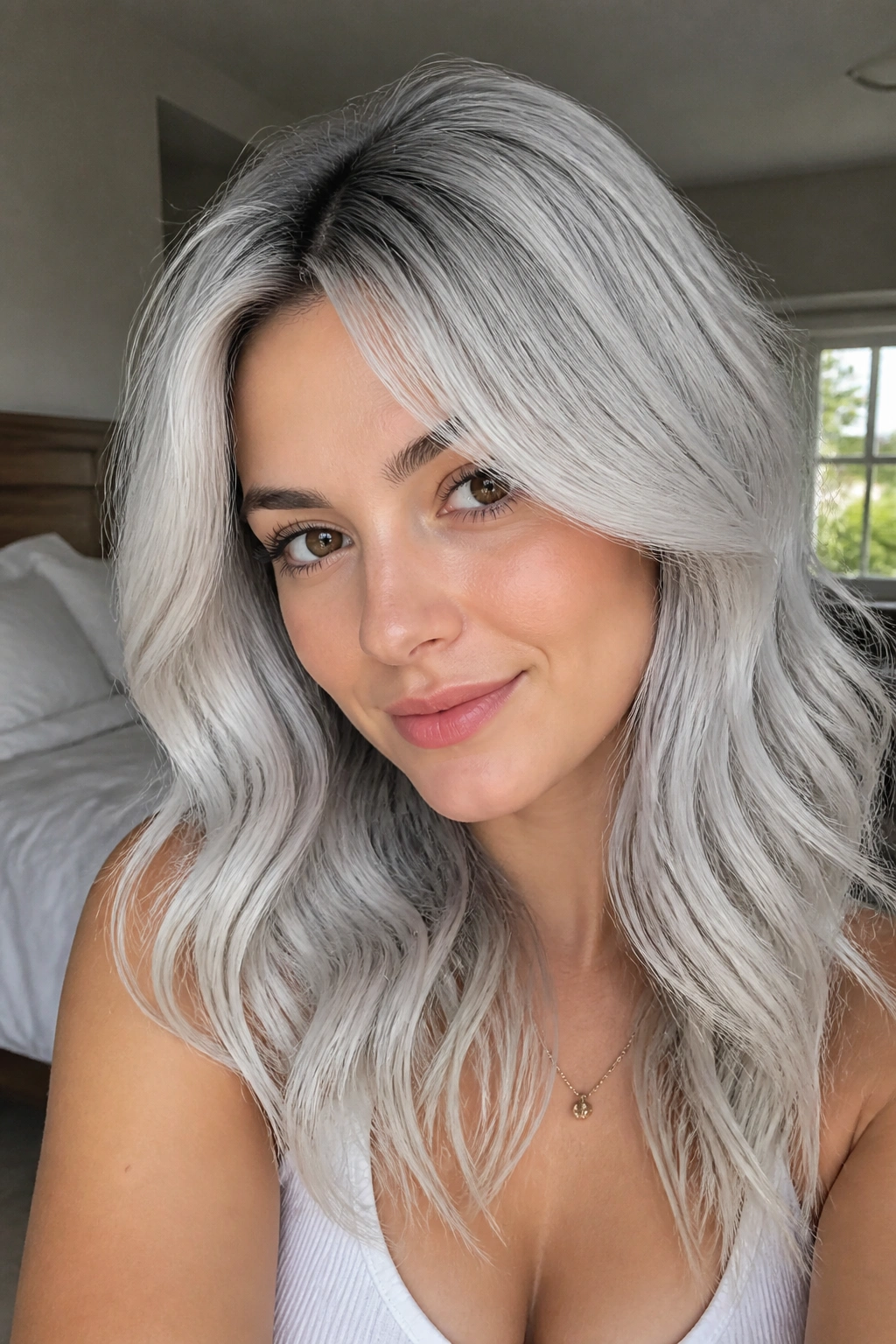
Platinum silver is one of those shades that doesn’t whisper. It arrives. The trick is to keep it from looking flat or like a costume wig, and that’s where the soft shadow root earns its place. A small amount of depth at the scalp makes the icy lengths look cleaner, not darker.
Why it feels sharp instead of harsh
A true silver blonde works best on hair that can handle lightening to a pale yellow level first, usually around a level 9 or 10 base. Once the hair is lifted that far, a silver toner can push the warmth out and leave you with that cool, metallic finish people notice from across the room.
The shadow root helps the grow-out phase. It also gives the color a little movement near the scalp, which matters more than people think. Flat platinum can look harsh around the hairline; a root melt softens that line without losing the drama.
- Best on: light brown to blonde hair that can lift cleanly
- Maintenance: toner refresh every 4 to 6 weeks
- Good add-on: a violet shampoo once a week, not every wash
- Watch out for: brittle ends that can’t take repeated bleaching
Pro tip: Ask for a root smudge that stays only 1 to 2 shades deeper than the silver, not a dark root. That small difference keeps the whole look expensive-looking instead of streaky.
2. Copper Penny Glow
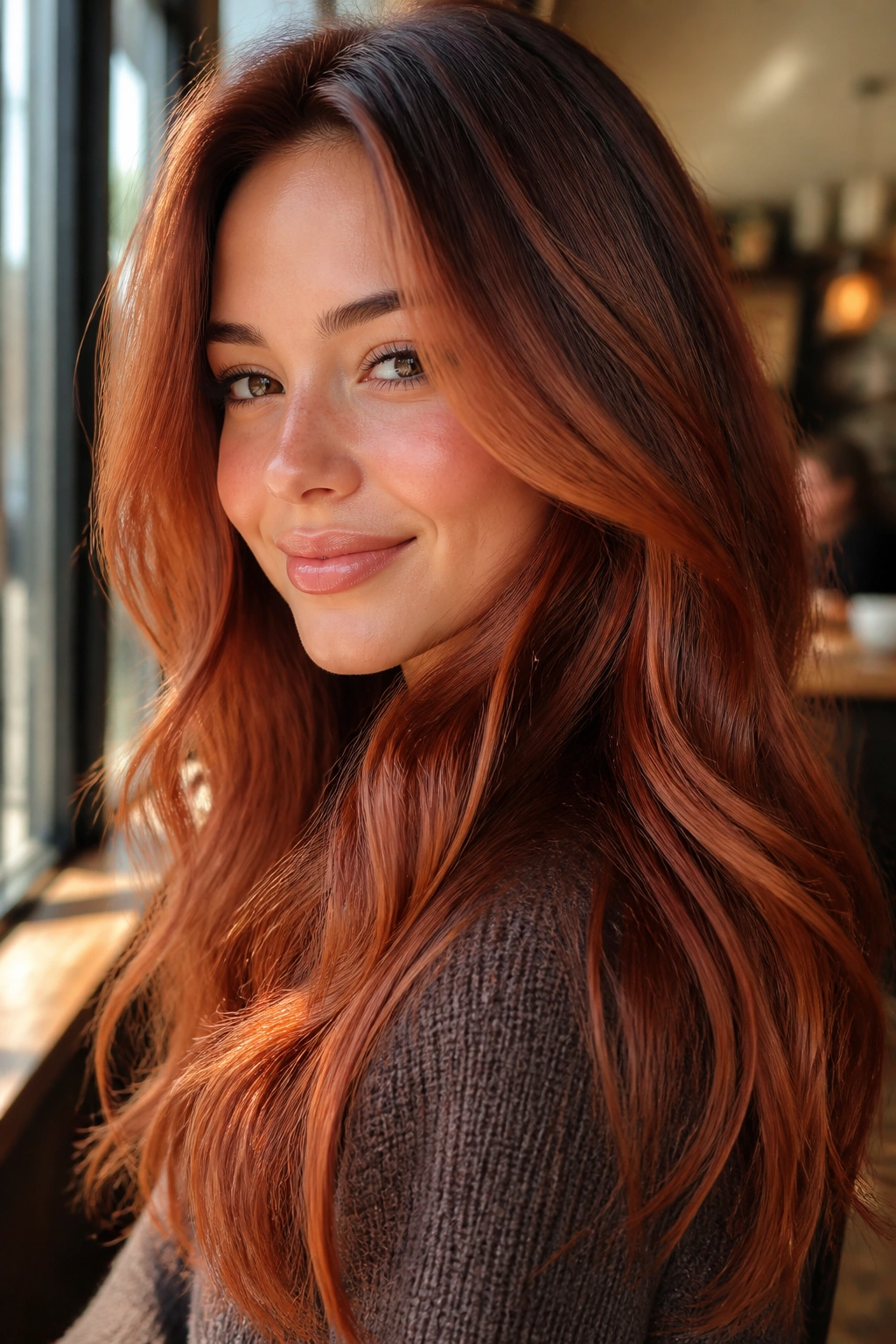
Copper has range. Some versions are soft and autumnal; others look like a flame under sunlight. The penny-toned version is the one I reach for when someone wants a dramatic change but still wants the hair to look rich, not gimmicky.
Copper is also kinder than many fashion shades because it can live on brunettes without a full bleach job. A colorist can use a warm glaze, a copper gloss, or a demi-permanent formula to push the pigment into brown or dark blonde hair and still get a visible shift. It’s bold, but not fussy.
A good copper should have depth at the roots and brightness through the mids and ends. That contrast keeps it from reading like one flat orange block. On textured hair, it can look even better because the movement catches the reflected warmth. And no, it does not have to lean neon to feel dramatic. A strong copper is enough.
3. Cherry Cola Brunette
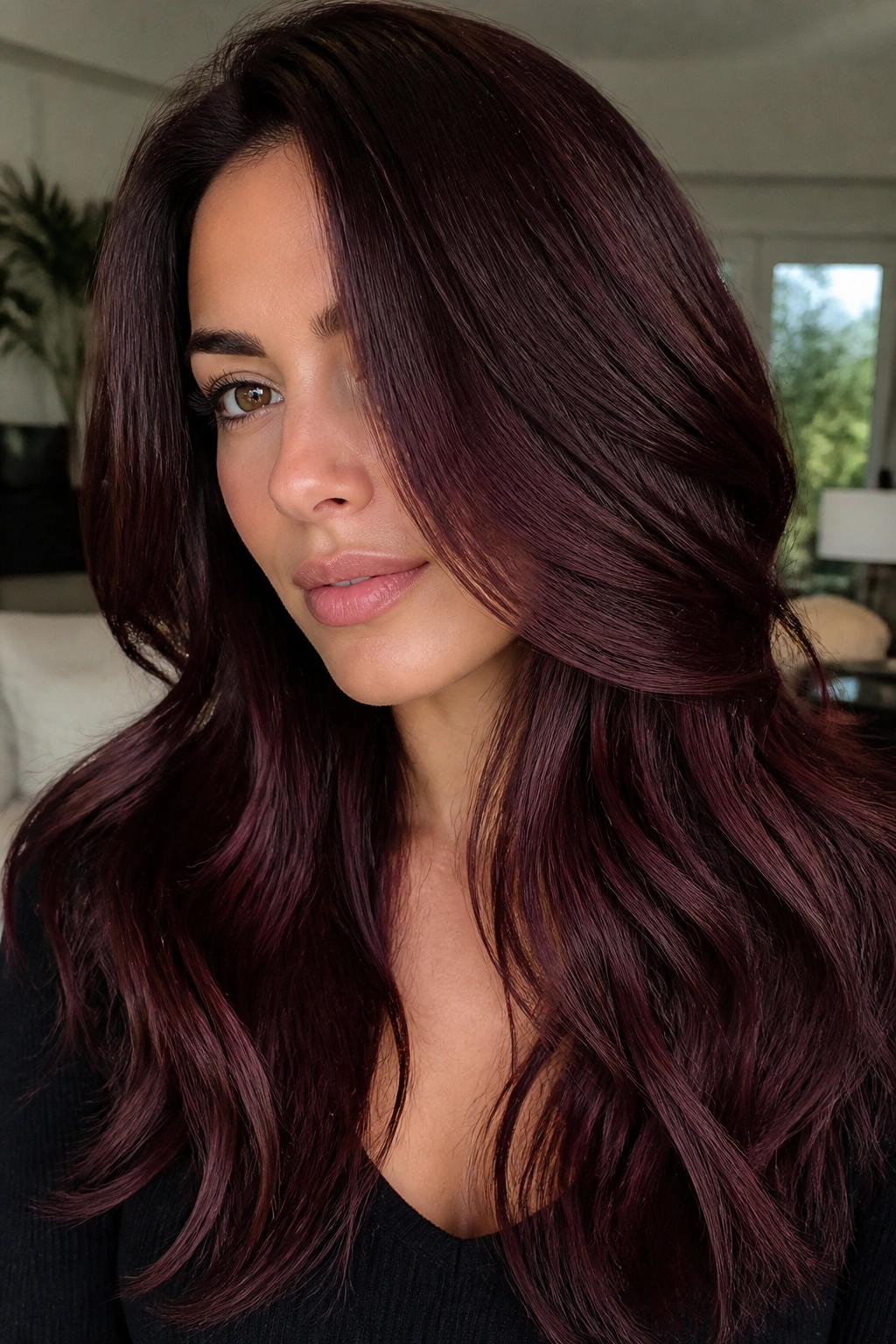
Why does cherry cola keep showing up on wish lists? Because it’s dark enough to feel wearable and red enough to stop traffic when the light hits it. On paper it sounds subtle. In person, it’s a whole different thing.
The color that hides in plain sight
Cherry cola starts with a brunette base, then layers red-violet tones through the mid-lengths and ends. The result is a deep brown that flashes berry, plum, or wine depending on the angle. That shifting quality is the reason it feels richer than a standard red-brown.
It’s especially good if you want bold color without the maintenance of a full fantasy shade. You can keep some natural depth at the root and let the red live where the hair moves. That makes it forgiving as it grows out, which is not something all dramatic shades can say.
How to wear it
- Ask for red-violet depth, not a bright copper-red
- Keep the roots at your natural level for easier grow-out
- Use a sulfate-free shampoo and wash in cooler water
- Refresh with a red-brown gloss every few weeks
Cherry cola also plays nicely with layered cuts. The color shows off movement, and movement is half the point.
4. Burgundy Wine Lengths
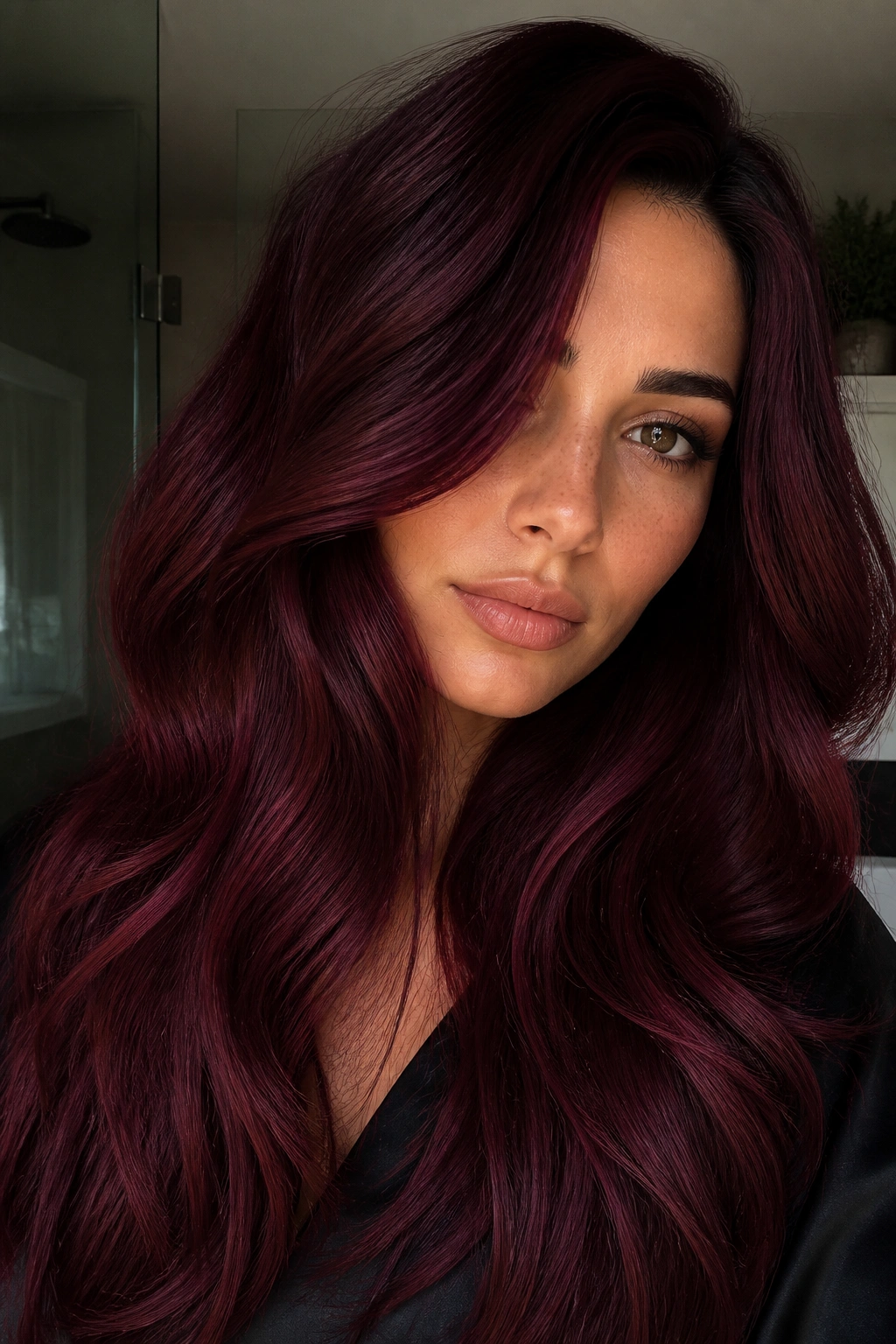
A woman I once saw in a grocery store had burgundy hair that looked almost black until she stepped under the cooler lights by the checkout. Then it turned into this deep wine color, rich and almost velvety. That’s the appeal. Burgundy is dramatic without needing neon behavior.
This shade sits in a sweet spot between red and plum. It can be worn all over, or it can live on the mids and ends with a darker root stretch to make the grow-out easier. On medium to dark bases, a colorist may use a deposit-only formula to deepen the red-violet cast without bleaching the hair into submission.
Burgundy works especially well when you want a serious change but not a loud one. The color has weight. It makes straight hair look shinier and waves look fuller, because the eye sees depth before it sees shape. If your wardrobe leans black, charcoal, cream, or denim, burgundy fits in fast.
- Shade family: wine, plum, deep berry
- Placement: all-over color or ombré ends
- Best hair type: straight, wavy, and curly all handle it well
- Downside: red pigments fade faster than brown pigments
The fix is simple. Keep a color-depositing mask on hand and don’t over-wash. Burgundy hates a frantic shampoo schedule.
5. Midnight Blue-Black
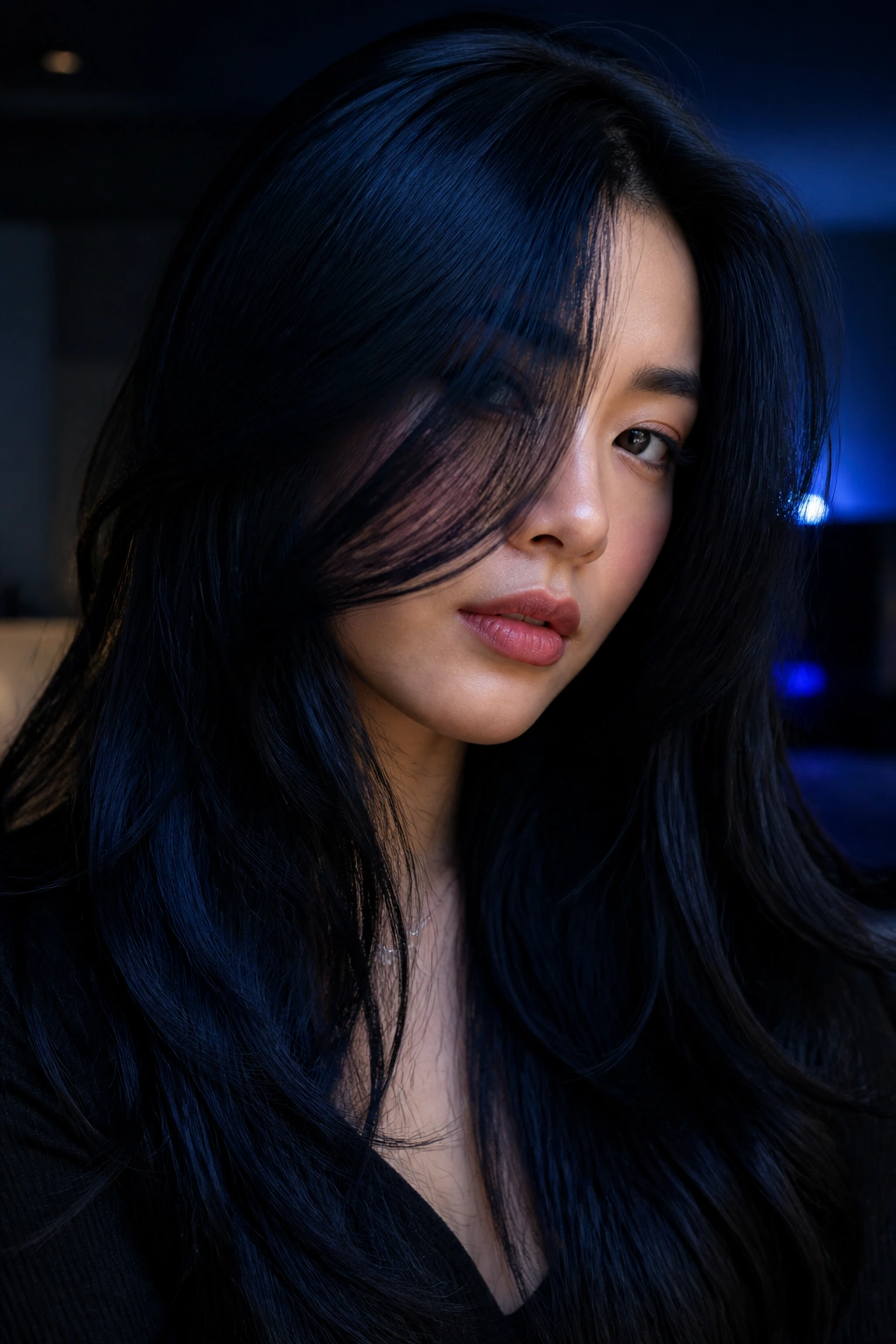
Midnight blue-black is one of the few dark shades that can still feel like a full transformation. Under normal indoor light, it reads nearly black. Then the blue comes out, and the whole thing changes shape. That little shift is what makes it so good.
The color is strongest on hair that already has depth, because you don’t need a high-lift blonde base to get the effect. A stylist can layer a blue-black gloss or semi-permanent dye over dark brown hair and create that inky sheen without forcing the hair through a heavy bleaching session. On longer hair, it can look especially good because the shine travels down the length.
This is a good pick if you want something sharper than brunette but not as high-maintenance as icy blonde. The upkeep is simpler than people assume. Dark fashion tones usually fade more gracefully than light pastels, though the blue will soften first and leave the hair a little flatter if you don’t refresh it. That’s the trade.
Still, the payoff is worth it. It looks polished, moody, and a little dramatic in a way that never feels forced.
6. Smoky Lilac
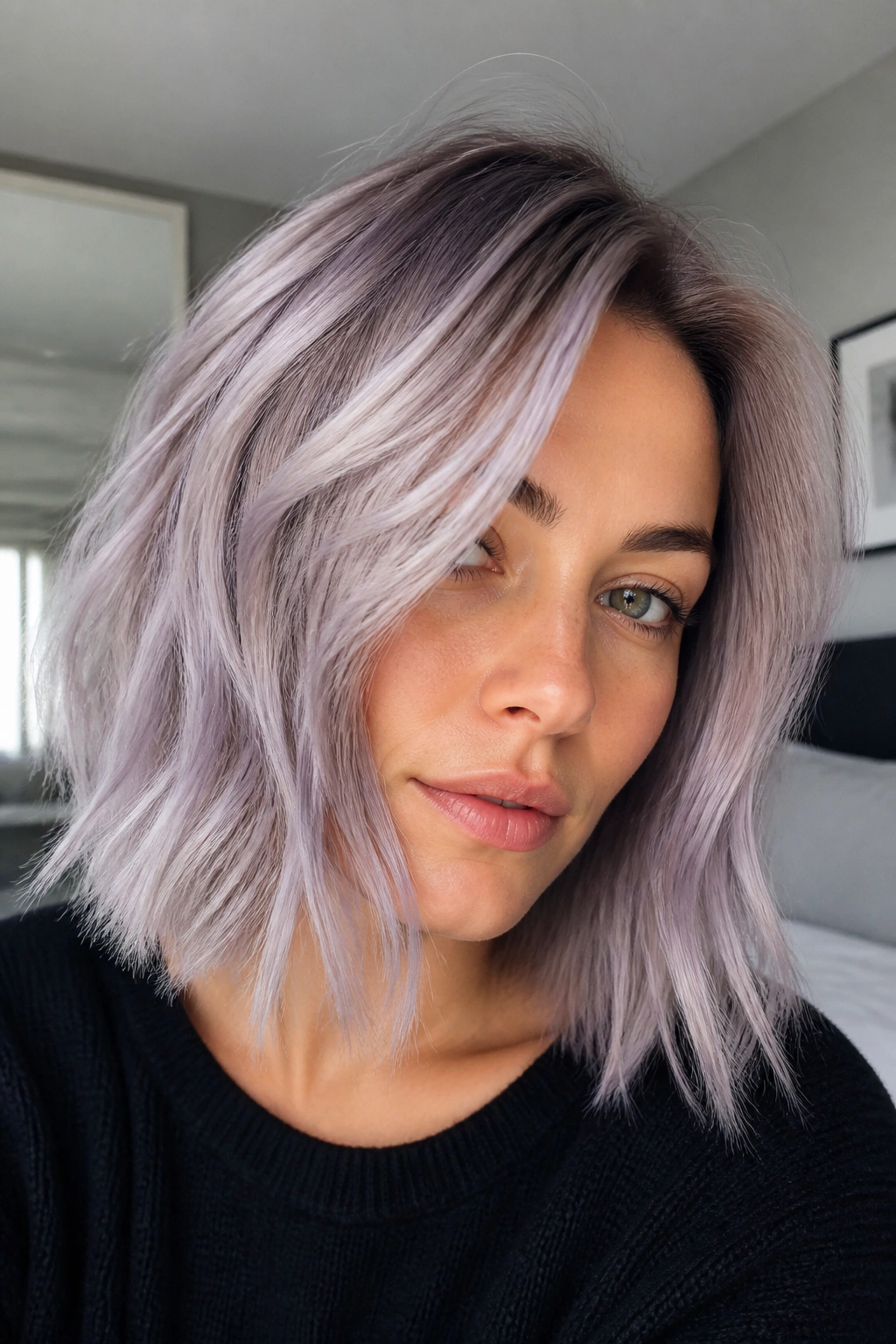
Smoky lilac is the grown-up version of pastel purple. Pastel lavender can be sweet. Smoky lilac has edge. The gray cast takes the candy out of it, and that’s exactly why it reads as a real color choice instead of a phase.
Unlike soft lavender, this one has teeth
A smoky lilac finish works best on pre-lightened hair, usually a pale blonde base. From there, a purple-toned gloss mixed with a silver or slate toner can mute the sweetness and leave behind a dusty violet effect. It’s not flat, and it shouldn’t be. You want a little haze in the tone.
The color looks especially good on shoulder-length cuts and layered bobs because the movement keeps the gray-violet notes from disappearing. If the hair is too long and too even, the shade can lose some of its shape. That’s not a dealbreaker, but it changes the mood.
Best for: people who want fantasy color without a neon feel.
Not ideal for: hair that is already dry, because pastel and smoky tones both expose damage fast.
If you like silver jewelry, charcoal clothes, and cool makeup, smoky lilac lands beautifully against that palette.
7. Rose Gold Blonde
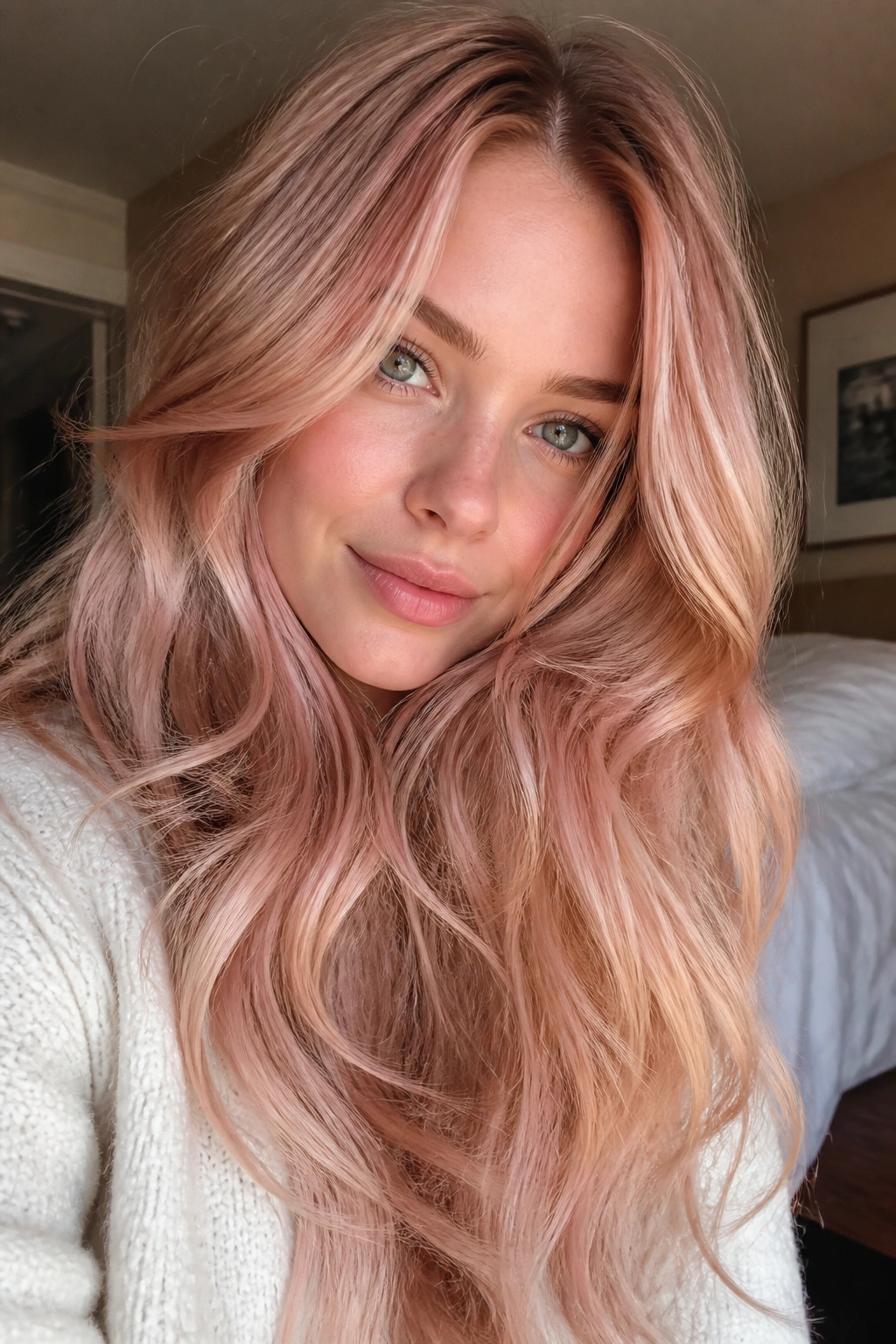
Rose gold blonde has become a favorite for a reason: it gives you color without making you feel trapped by one hard tone. There’s warmth, there’s pink, there’s gold, and when the formula is done right, it looks more like light passing through the hair than paint sitting on top of it.
The key is restraint. Too much red and it turns peach. Too much gold and it loses the rose effect. The sweet spot sits in the middle, with a soft pink-beige warmth that can be worn very lightly or pushed into a stronger blush tone. On blonde hair, it can be done as a gloss or toner refresh. On darker hair, it usually needs pre-lightening first.
How to keep it from turning flat
A rose gold shade needs tone maintenance more than heavy upkeep. Use a color-safe shampoo, skip the clarifying wash unless the hair feels coated, and refresh the tone before it slides too far into yellow. Once the pink fades, the whole look can get oddly muddy.
It’s a lovely choice if you want something feminine but not sugary. And when the hair is waved, the color catches in little ribbons. That part never gets old.
8. Emerald Green Through the Lengths
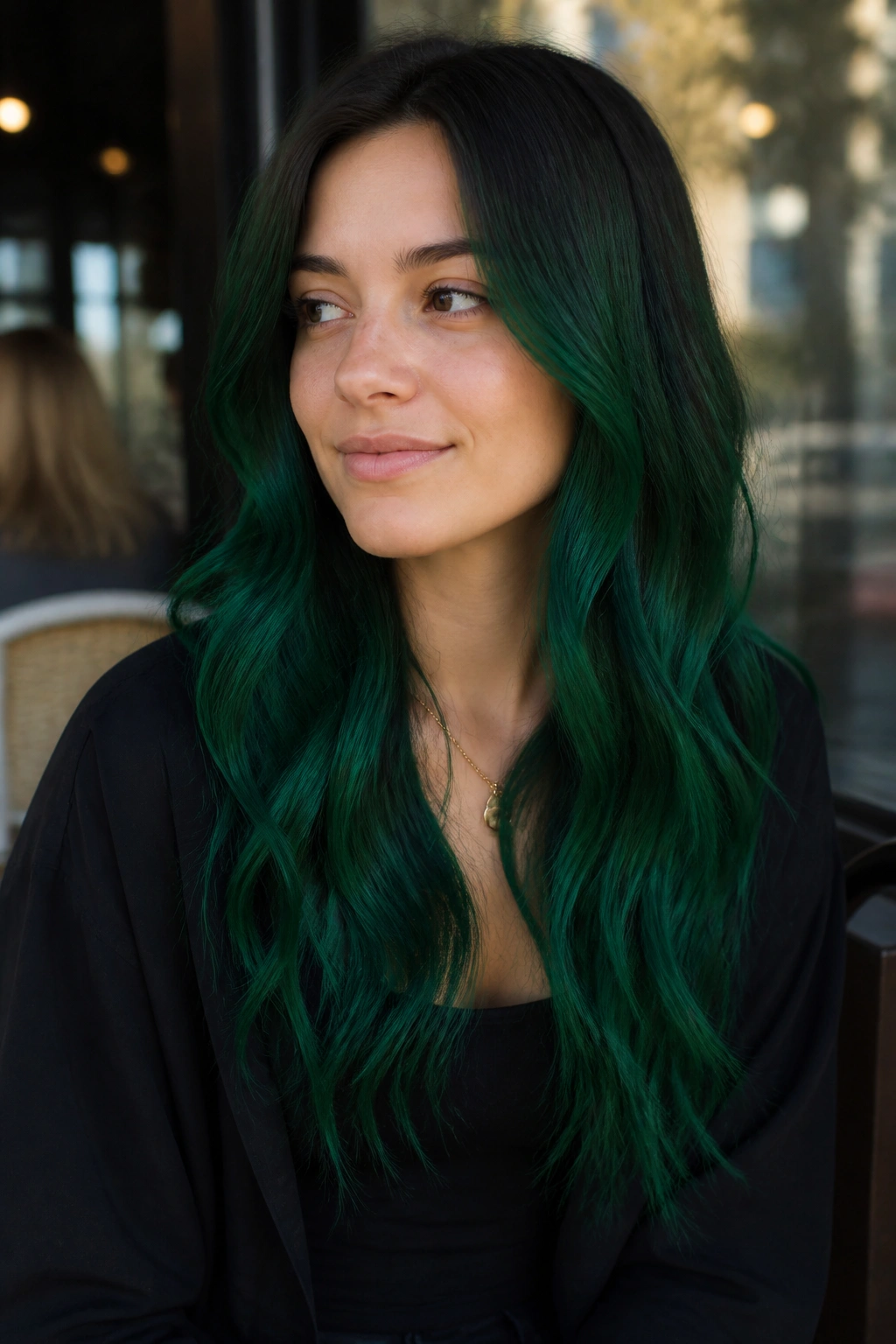
Emerald green is not shy. Good. It shouldn’t be. Jewel-toned green gives a hair color that expensive, saturated look people often want from fantasy shades but don’t always know how to ask for. The trick is choosing whether you want a full-head emerald or a placement-based version that uses green as an accent.
On lightened hair, emerald can be striking from root to tip. On darker hair, it can live in hidden panels, ends, or underlayers and still show plenty of impact. A good emerald has depth, not slime. That means a blue-green base with enough darkness to keep the tone rich, not cartoonish.
- Works well as: full color, peekaboo color, or dipped ends
- Pairs well with: blunt cuts, long layers, and curls
- Maintenance: color masks and cool water help a lot
- Watch out for: yellow undertones, which can muddy the green fast
Emerald is one of those shades that makes simple haircuts look deliberate. A basic lob gets attitude. Long curls get texture. Short cuts look sharper. It does a lot of work.
9. Electric Teal Peekaboo Highlights
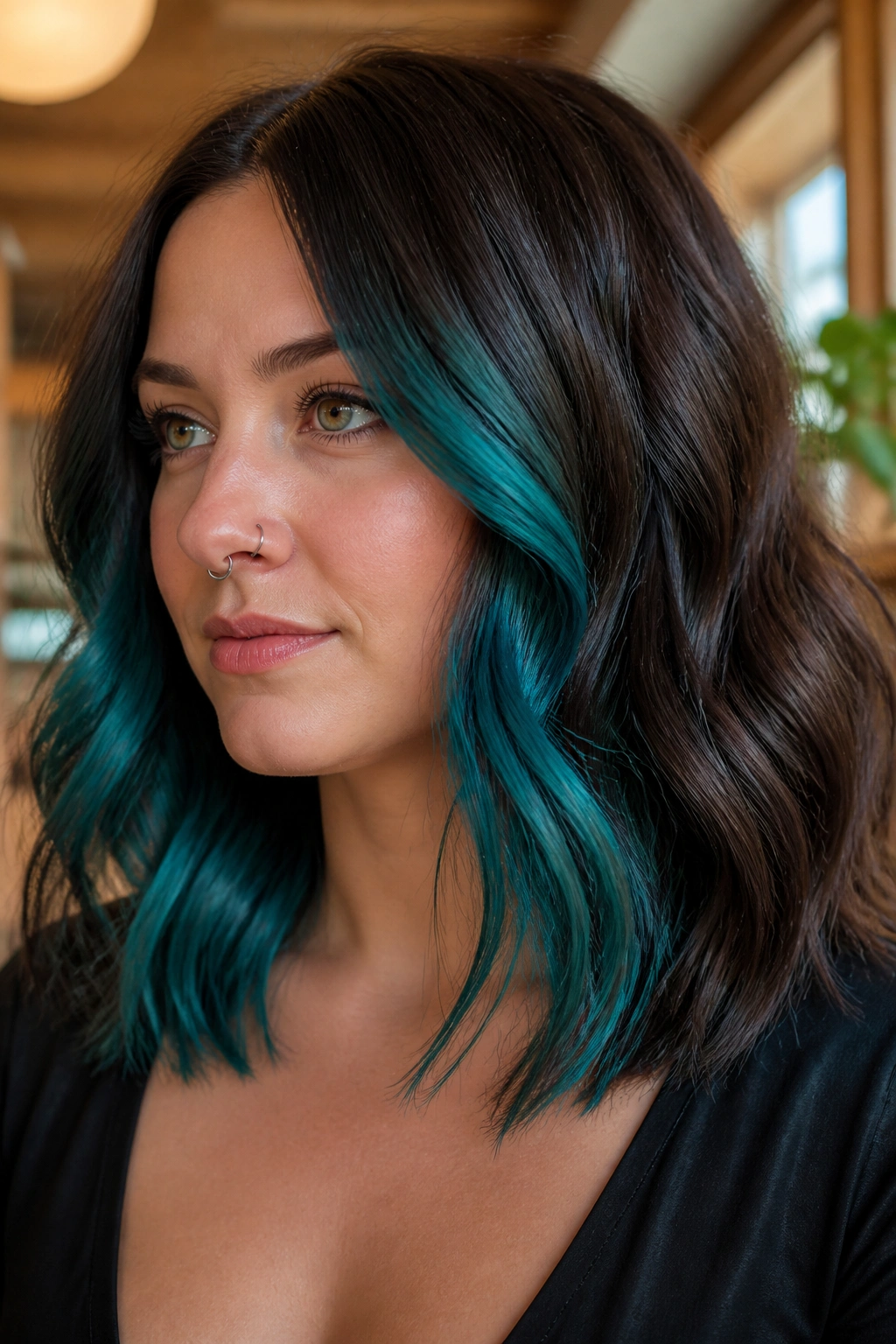
What if you want the boldest possible change without wearing the color on the surface all the time? Peekaboo highlights are the answer, and teal is the version with the most attitude. You keep the top layer more natural, then hide the color underneath so it flashes when you move, tie your hair up, or tuck it behind one ear.
That surprise factor is the whole appeal. Electric teal shows up best on pre-lightened panels, and because it’s not sitting on every strand, the overall look stays easier to grow out. If you work in a setting where a full neon head of hair would feel too loud, this gives you a real compromise. Not a timid one. A smart one.
How to wear it without losing the point
Keep the teal concentrated in chunky underlayers instead of scattering it too thinly. Thin slices disappear too fast. Chunkier panels show movement and make the contrast clear when the hair swings.
A shoulder-length cut, a long bob, or layers around the face can make the peekaboo effect more visible. Teal does fade, and it often shifts cooler or softer before it disappears, so a color-depositing conditioner in blue-green tones helps stretch the life of the shade.
10. Sunset Balayage With Coral and Apricot
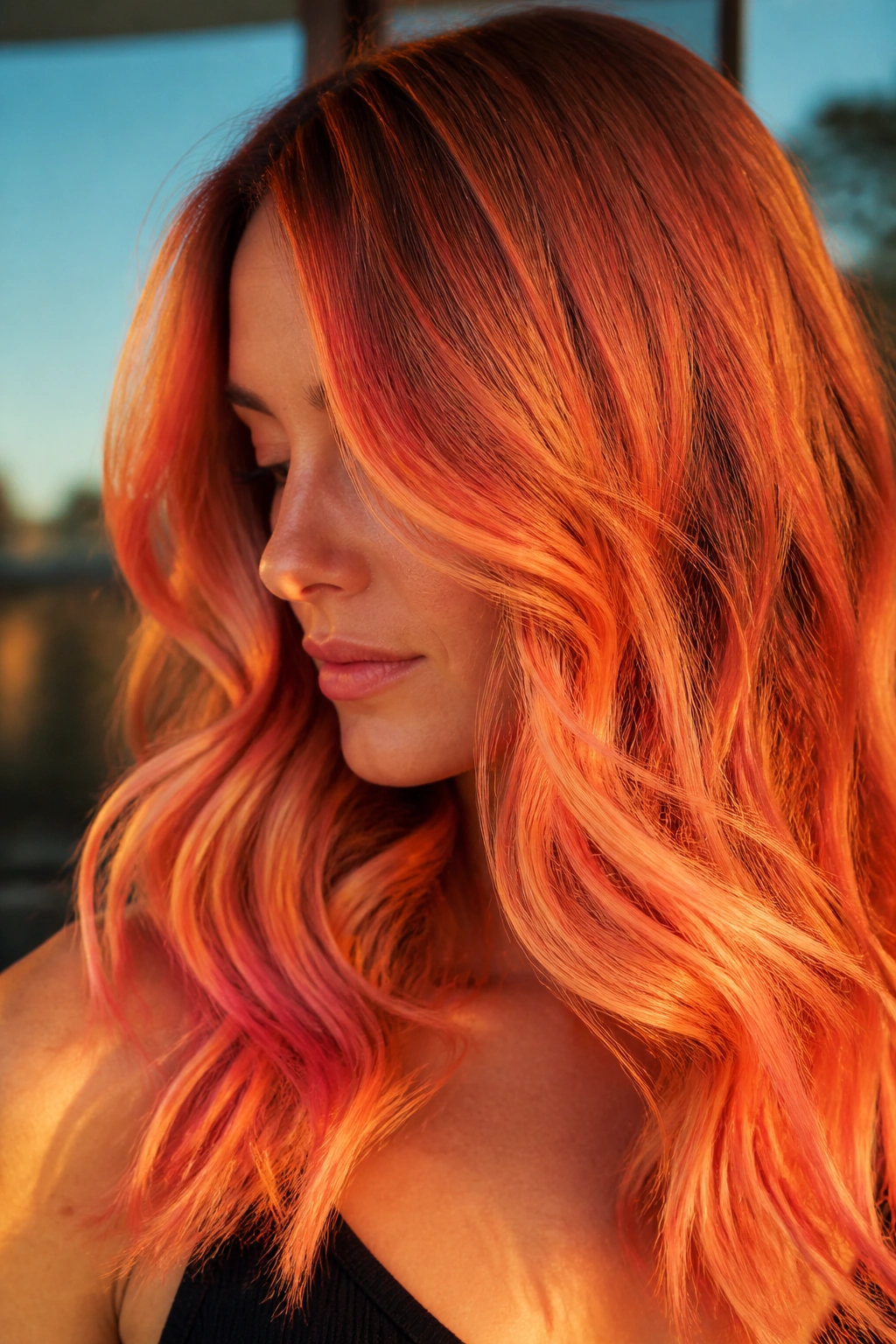
A sunset balayage is what happens when you stop pretending hair has to be one color. Coral, peach, apricot, gold — those warm tones can be painted through the hair in a blended way that feels alive instead of striped. If you’ve ever wanted color that looks like a sky change at the end of the day, this is the lane.
The reason it works is movement. Balayage lets the hand-painted pieces sit unevenly, which creates a soft transition from one warm tone to the next. On wavy hair, the placement is especially pretty because the color bends with the curl pattern. On straight hair, the contrast shows more clearly and can feel sharper.
This one needs a pale base to really sing. The lighter the canvas, the clearer the coral and apricot notes will read. If the hair is darker underneath, a colorist can still use warm ribboning around the face and ends so the whole thing feels bright instead of heavy.
It’s a good choice if you want something playful but still polished. Warm, yes. Soft, yes. Boring? Not even close.
11. Split-Dye Contrast
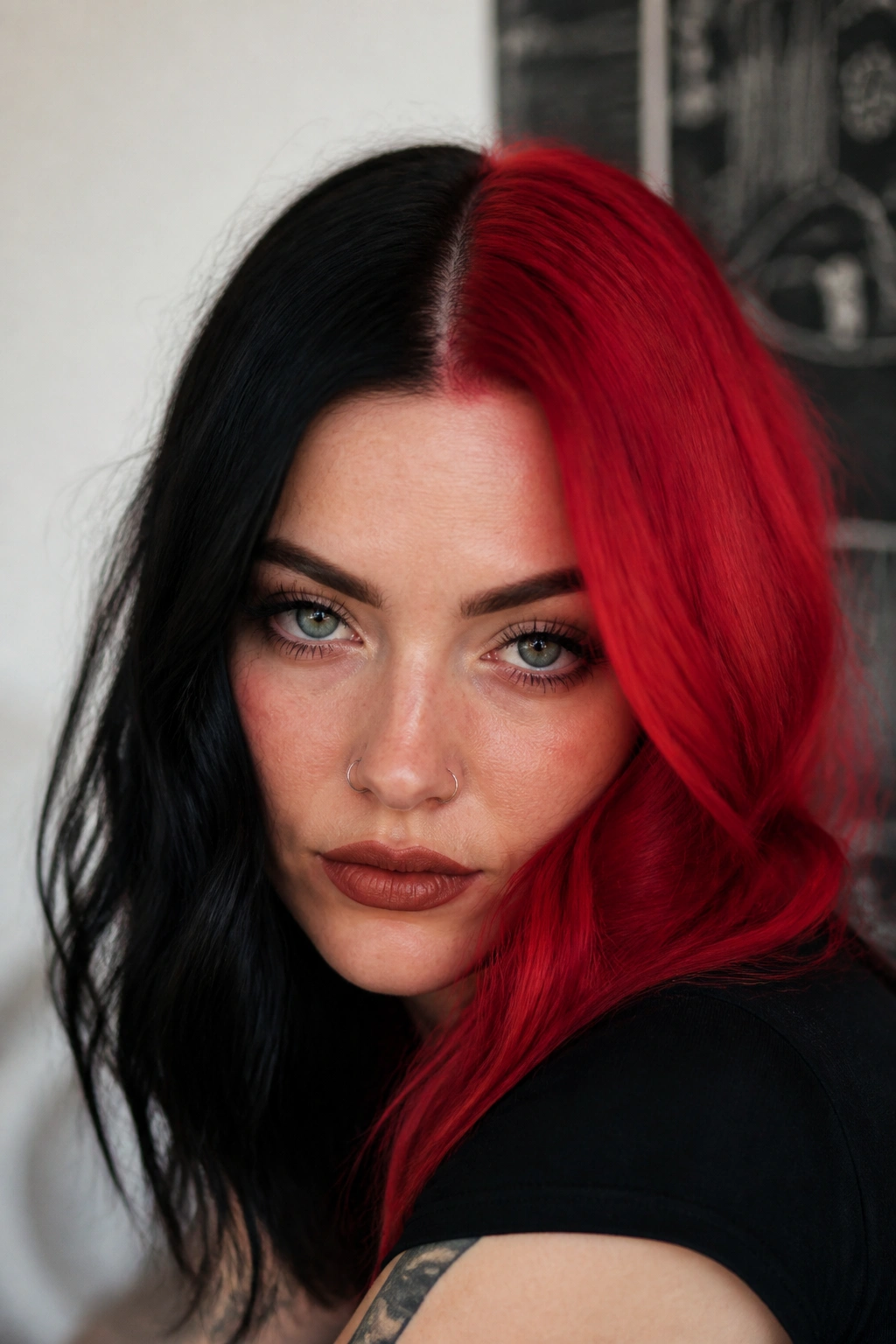
Split-dye hair is pure confidence. One half of the head wears one color; the other half wears another. That contrast can be black and red, blonde and black, blue and orange, pink and purple — the point is not subtle blending. The point is the divide.
Why this one is so different
Unlike a single-process color, split-dye uses placement as the drama. The shape of the part line matters, the precision of the sectioning matters, and the haircut matters too. A blunt bob makes the split feel graphic. Long hair gives the two colors room to fall apart and mix visually as you move.
This is the style for someone who wants their hair to look intentional from every angle. It can feel punk, high-fashion, or just plain bold depending on the colors you pick. The most common mistake is choosing two shades that are too close together. Then the whole effect disappears.
Pick contrast you can actually see. Black and cherry red. Platinum and cobalt. Deep plum and silver. Those combinations give the style its punch.
Best for: people who like a statement and don’t mind maintenance.
Not ideal for: anyone who wants a soft grow-out, because the line of demarcation can get messy fast.
12. Oil-Slick Rainbow on Dark Hair
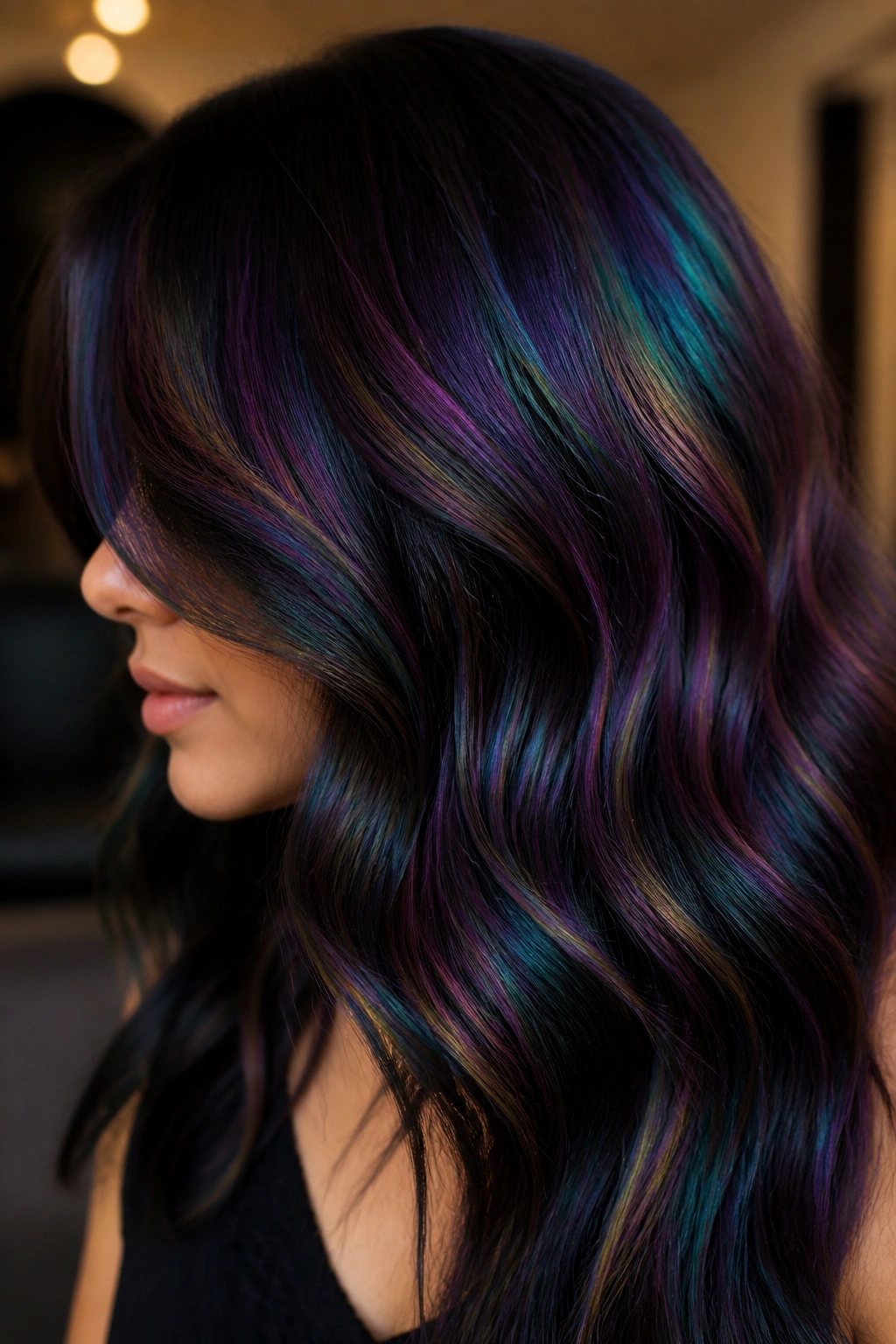
Oil-slick color is one of my favorite bold options because it looks expensive in a way that doesn’t need applause. On a dark base, the hair can flash green, blue, purple, and sometimes a little magenta, almost like the surface of a puddle after rain. It’s moody, glossy, and far more wearable than people expect.
The real trick is that the hair does not need to be bright blonde first. A deep brunette or black base can hold the darker jewel tones and still show movement in the light. That makes this a good choice for people who want fantasy color but don’t want every strand lifted to the ceiling. A colorist usually paints the tones in ribbons so they overlap a little and create that shifting finish.
Because the palette stays dark, grow-out is easier than with pastel color. The shades fade, sure, but they tend to blur together rather than turn into one loud, obvious line. That’s helpful. Nobody wants a rainbow that looks tired after a month.
Use a shine serum sparingly. Too much product can mute the reflective quality that makes oil-slick color look alive.
13. Denim Blue Ends
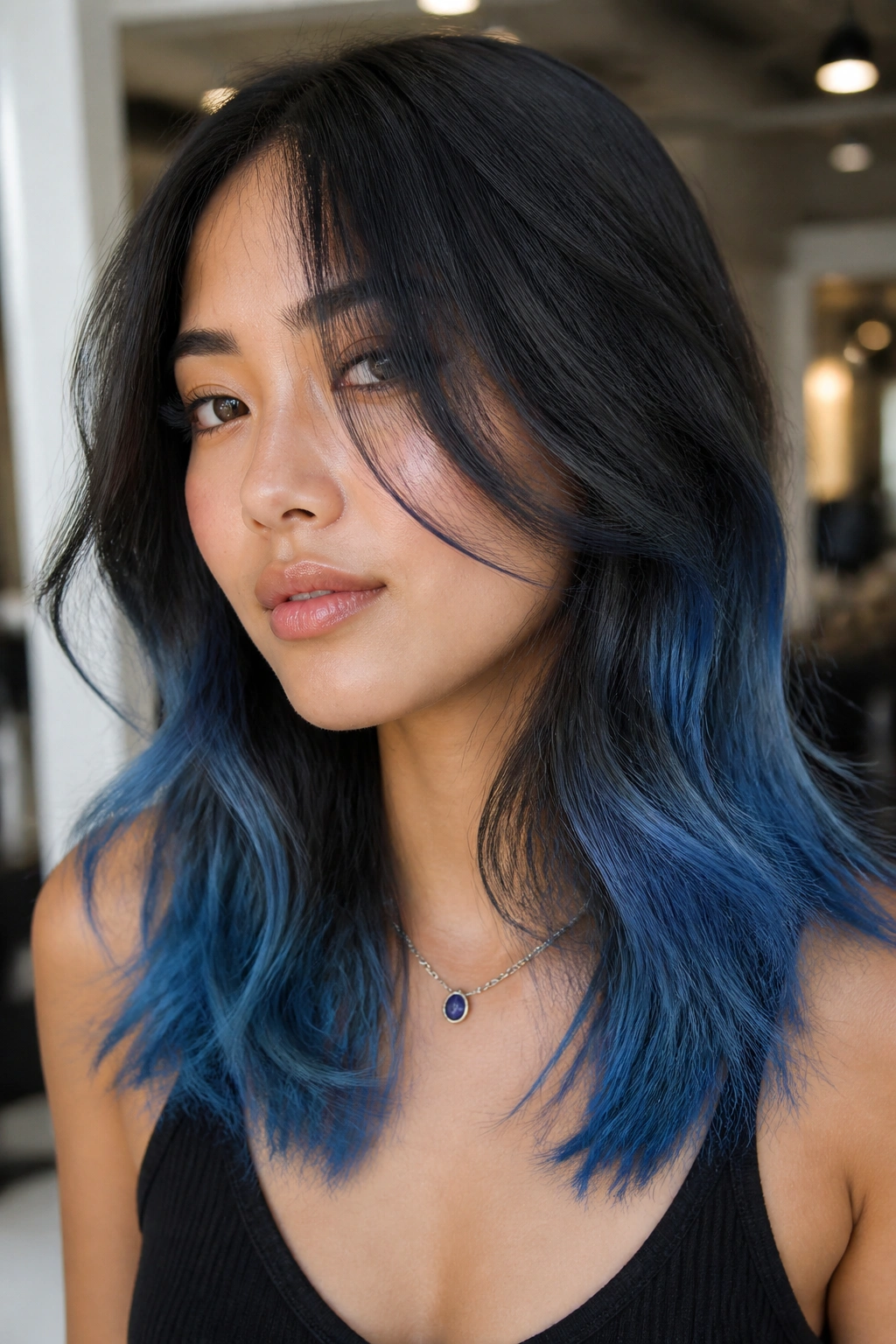
Denim blue is cooler and softer than teal, which is why it has its own lane. On the right hair, especially layered cuts, blue ends can make the shape of the style look sharper without taking over the whole head. Think of it as color with a point of view, not a full takeover.
Where the blue lands matters
If the blue is placed only on the last 2 to 4 inches, it reads as a clean dip-dye. If it moves farther up into the mid-lengths, the effect gets richer and more dimensional. Dark roots help the blue feel grounded, while lighter ends make it look brighter and more vivid. That contrast is doing a lot of the work.
Denim blue is easier to live with than electric blue because it has more gray in it. That means the fade is usually softer, and softer fade is a gift when you’re dealing with fashion color. The shade looks especially good with blunt cuts, shags, and lived-in waves.
If you want a bold change without coloring every inch of your hair, this is one of the smartest options on the table.
14. Black Cherry Red
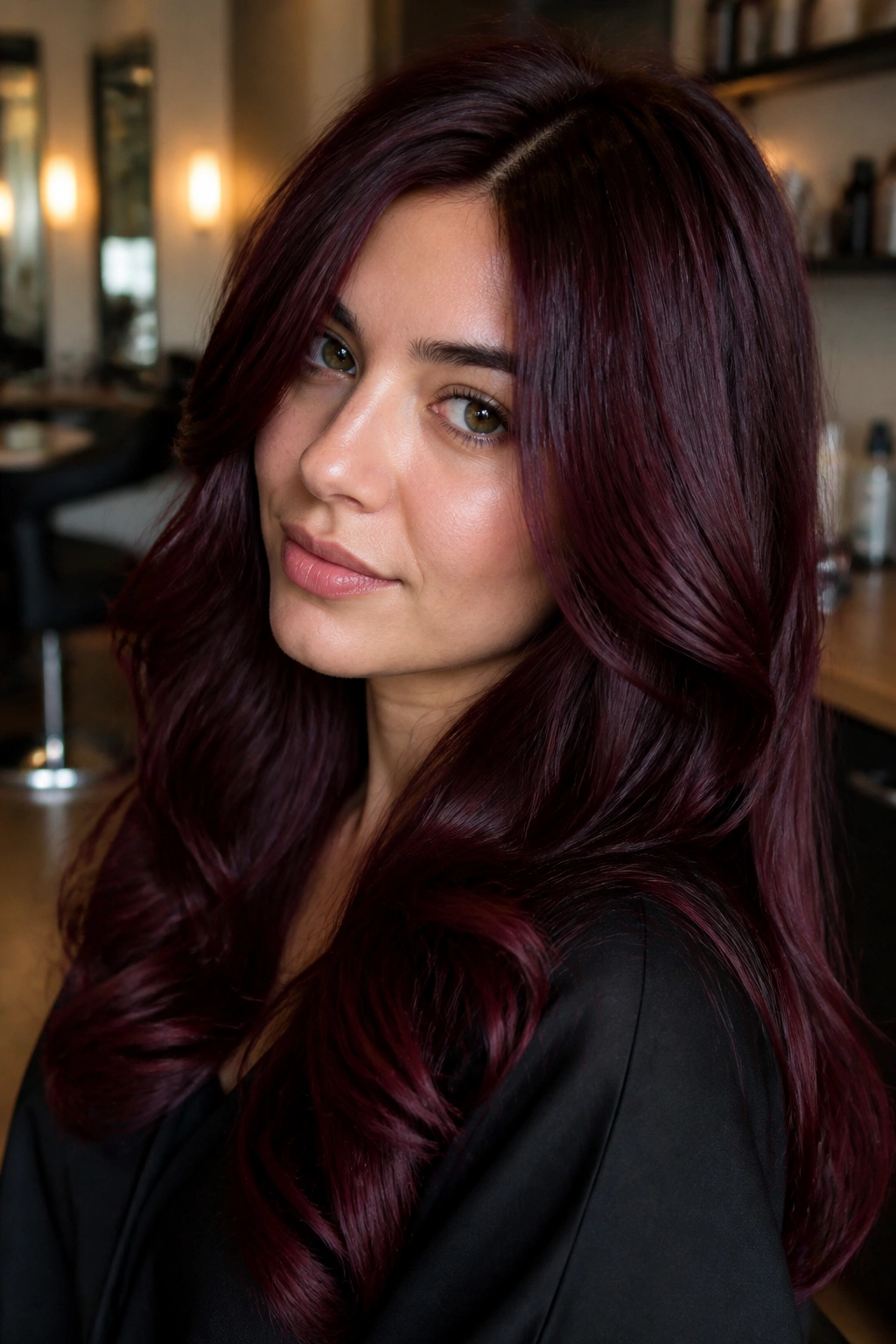
Black cherry red is deep, glossy, and a little dangerous-looking in the best way. It sits between burgundy and true red, but the darker cherry note gives it a richer finish than either one alone. In low light it can look almost black. In sun, the red opens up.
That contrast makes it especially good for people who want depth and shine more than brightness. The color flatters long layers, thick hair, and curls that can show off the dark-to-red shift as they move. On finer hair, it can add visual density because the eye reads the darker pigment as fuller.
Quick details that matter
- Base level: works well on medium to dark brunettes
- Finish: glossy, not matte
- Application: full color, lowlights, or a red-violet glaze
- Maintenance: red shampoo once a week can help keep the richness alive
Black cherry is less common than copper and less loud than bright red, which is part of the appeal. It feels rich. And a little bit moody. That is not a flaw.
15. Hot Magenta Melt
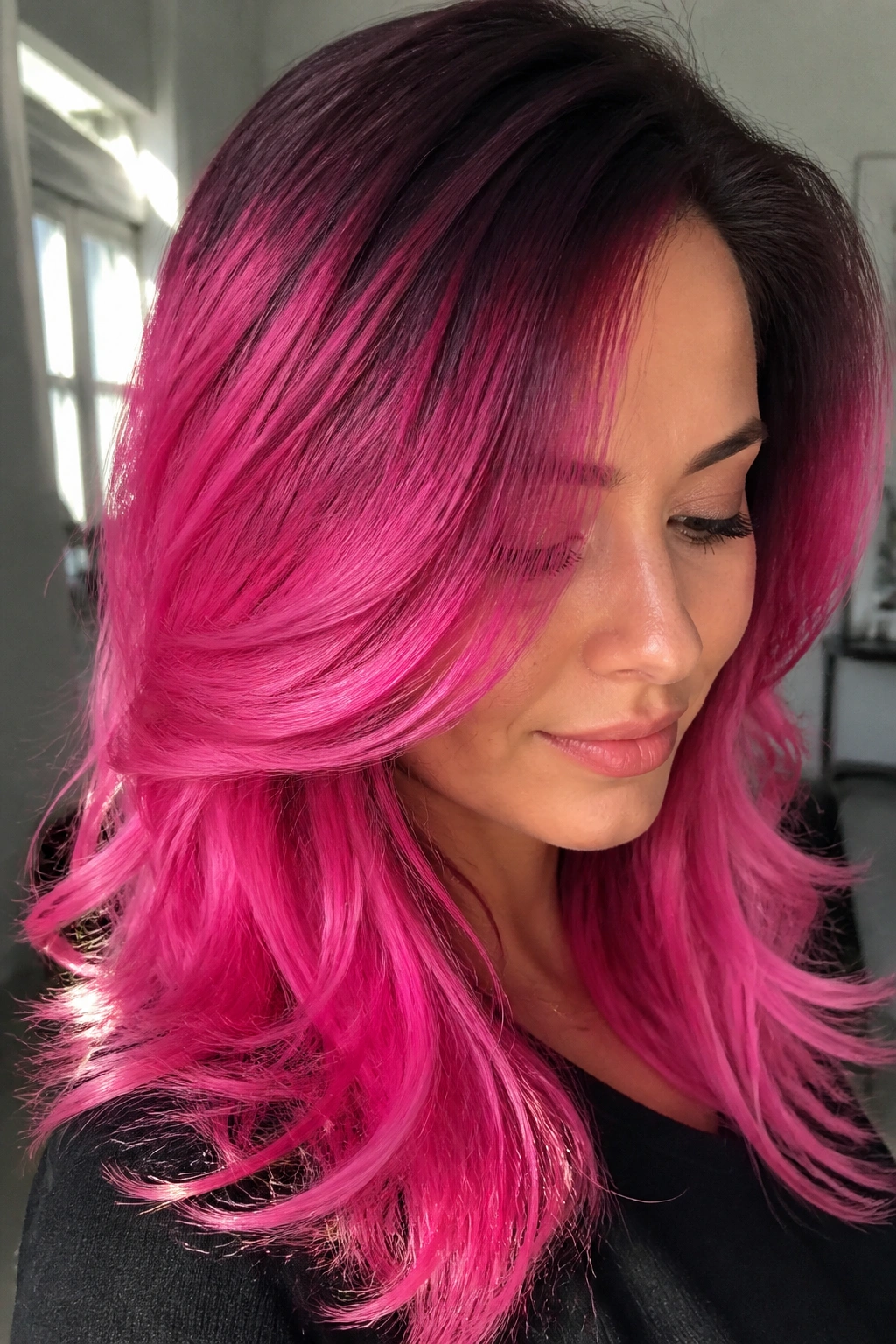
Magenta is the color I recommend to people who want a dramatic change and do not want to look halfway committed. It’s bold in a way that feels playful rather than delicate, and when it’s melted from a darker root into brighter pink-purple lengths, the effect gets even stronger. A magenta melt has motion baked into it.
The root shadow matters here too. A deeper base at the scalp gives the pink a place to land, which keeps the color from looking like a single flat neon block. From there, the mids can carry the richest magenta, and the ends can lighten into a brighter pink or a softer berry tone. That gradient makes the style easier to wear.
This one usually needs a lightened canvas, especially if you want the magenta to pop instead of look muted. A pastel pink won’t give you this kind of impact. You need a saturated formula, careful sectioning, and enough lift for the pigment to sit cleanly.
If someone wants one bold shade that reads clearly in photos, under streetlight, and in a plain mirror, this is it. It’s loud in the right way.
A few general truths keep every dramatic color looking better for longer. Healthy hair holds pigment more evenly, so trims and conditioning masks matter more than people want to admit. A strand test is worth the time when you’re moving from dark hair to any bright shade, because the surprise factor is charming in life and annoying in the sink.
If you want the biggest visual shift with the least regret, start with a money piece, peekaboo panels, or a root-melted color instead of going all the way to full-head bleach on day one. If you already know you want the room to notice you before you speak, go straight to the shade that makes your pulse pick up a little. That usually tells you enough.
