



Brown hair color ideas for women over 50 work best when they do three jobs at once: soften regrowth, brighten the face, and still look like hair you can actually live with. Flat brown can age faster than people expect. A shade with a little movement—whether that comes from a gloss, a few ribbons of light, or a softer root—usually feels fresher right away.
Gray changes the game. It’s often coarser, sometimes more resistant to dye, and it tends to show a harsh grow-out line if you choose one solid color and hope for the best. That’s why a lot of the smartest brown shades for mature hair lean on dimension instead of one opaque block. Dimension hides a lot. So does shine.
The other piece people miss is undertone. A warm brown can make the skin look lively and rested, but too much gold can turn brassy fast. A cool brown can look elegant and modern, but if it goes too ashy, the face can look tired. The sweet spot is usually somewhere in between, and it shifts with your skin, your haircut, and how much gray you want to keep visible.
Some of the shades below are soft and easy. Some are richer and moodier. A few are more playful than you might expect. All of them are built to look good on real hair, not just in a salon photo under perfect lighting.
1. Soft Chestnut Brown with Honey Ribbons
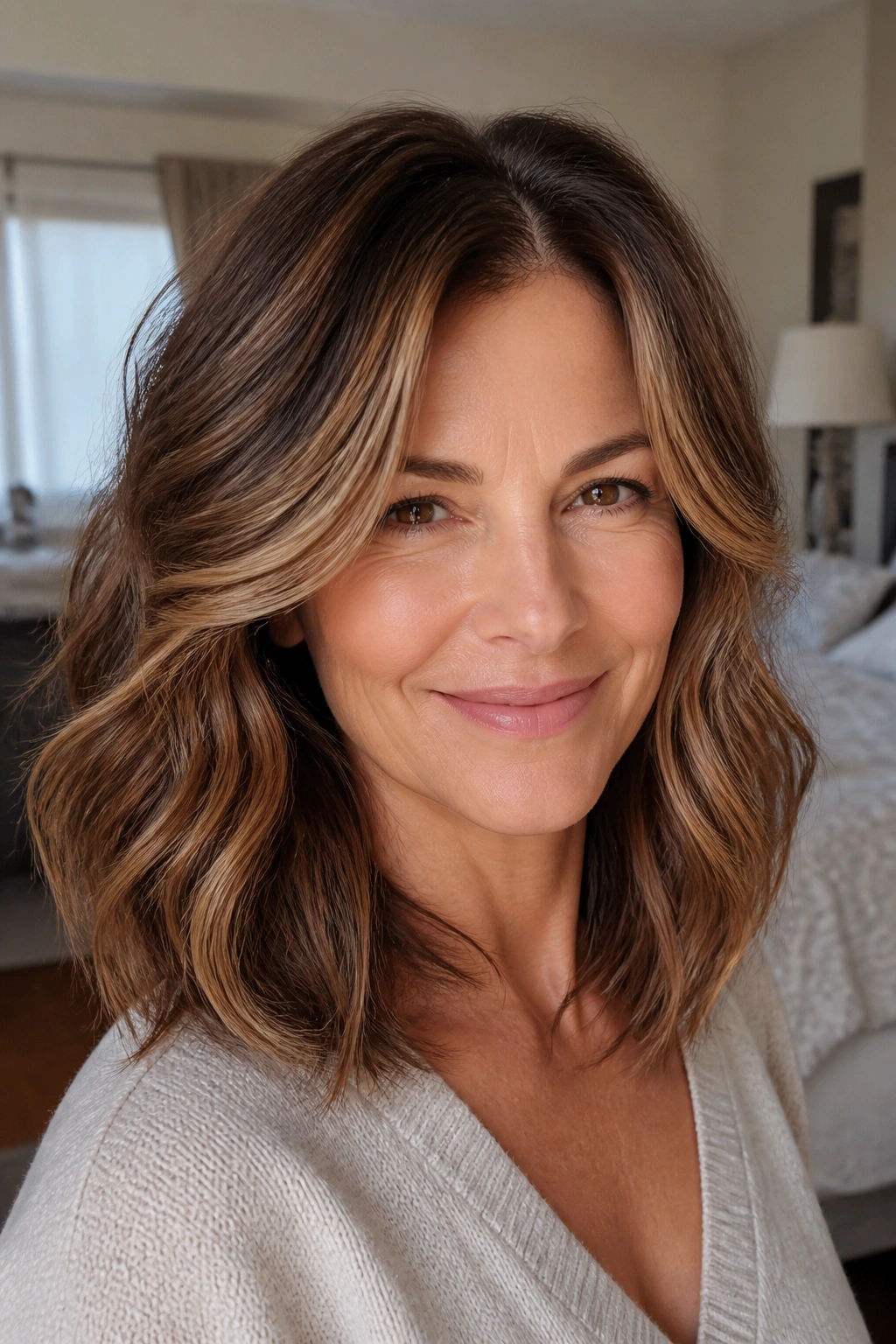
Soft chestnut brown is where I tell people to start when they want a change but do not want to scare themselves in the mirror. It has enough warmth to flatter skin, enough depth to feel polished, and enough softness that it does not shout for attention. Add thin honey ribbons around the face, and the whole look wakes up.
The trick is placement. Keep the chestnut base around a level 5 or 6, then thread in a few fine, airy highlights rather than chunky strips. That keeps the color from looking streaky. It also helps if the honey stays near the top layers and the front hairline, where light naturally falls.
This is a good choice if your hair has scattered gray, because the highlights blur the grow-out. It also works well on shoulder-length cuts and soft layers. Heavy, one-note brown can look dated fast. Chestnut with honey does not.
2. Mushroom Brown with Ash-Beige Dimension
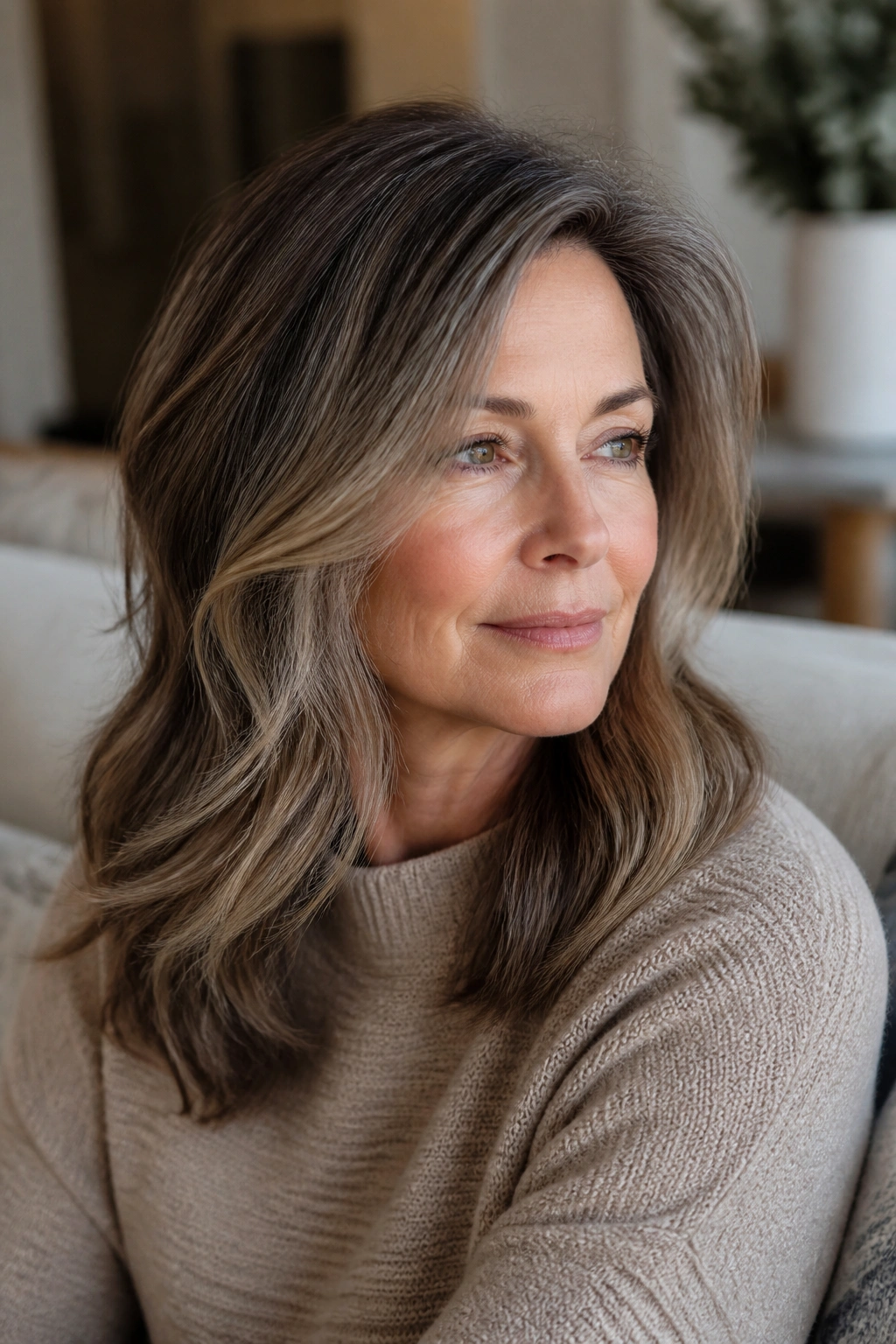
Mushroom brown looks calm, cool, and expensive without trying too hard. It sits between brown and taupe, which means it can tame warmth in the skin instead of fighting it. If brass tends to show up in your hair within a few washes, this shade deserves a hard look.
Why It Flatters Silver Strands
Gray and white pieces blend into mushroom brown in a way that feels deliberate, not accidental. The ash-beige mix keeps the gray from turning yellow, and the darker base gives the whole head some structure. You still get movement, but it’s subtle.
What to Ask For
- A neutral-to-cool brown base, usually around level 6
- Beige highlights that are no lighter than two levels above the base
- A soft root shadow so regrowth doesn’t carve a line across the scalp
- A toner that stays cool, not icy
Best for: women who wear little makeup and want the hair to do the softening work.
3. Rich Mocha Brown
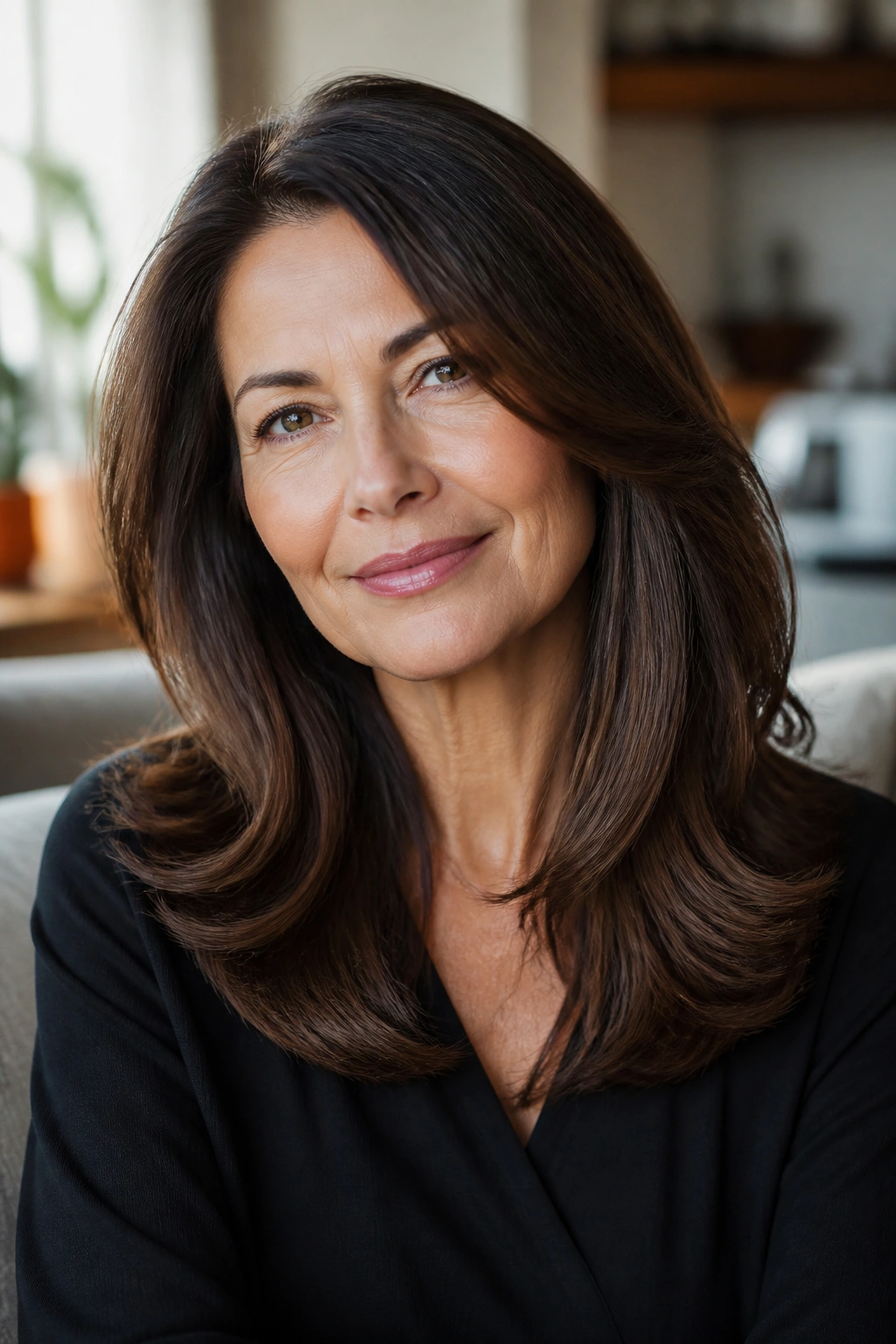
Rich mocha brown is the shade I reach for when someone wants depth, shine, and zero fuss. It’s darker than chestnut, softer than espresso, and it has that creamy brown tone that looks good on almost every texture. Straight hair looks sleeker. Wavy hair looks fuller.
What makes mocha work is the finish. A good mocha formula should look like polished chocolate, not helmet brown. That means a demi-permanent gloss or a shine glaze often does more for the result than a harsh permanent color alone. The surface should look smooth, almost reflective, when the hair moves.
One small thing matters here: if your hair is fine, leave a touch of lightness at the ends. A one-shade difference can keep the cut from collapsing visually. Small change. Big payoff.
4. Espresso Brown with Face-Framing Lights
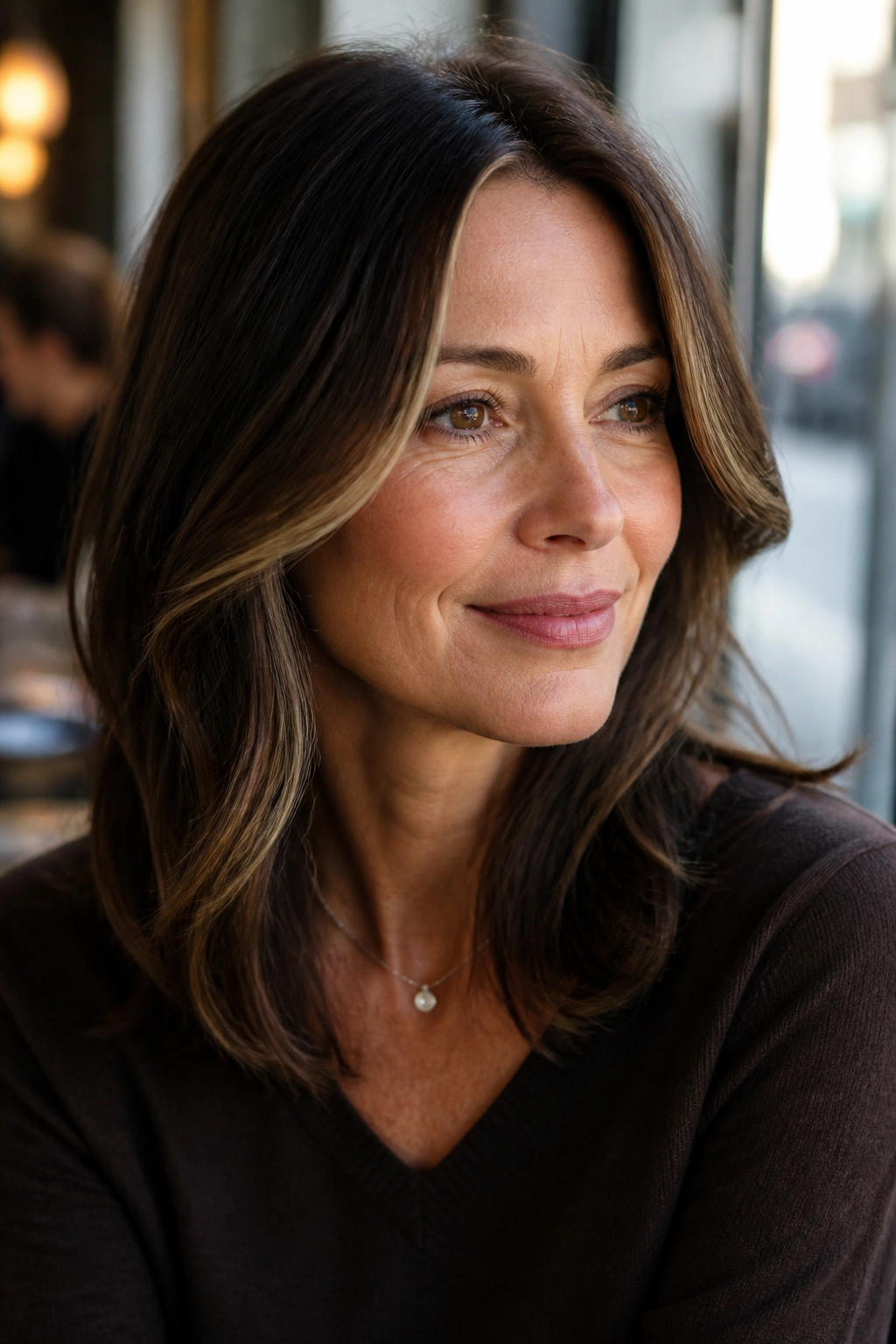
Espresso brown is not black, and that distinction matters. Black can harden features on some faces, especially when the skin has lost a little natural contrast. Espresso keeps the drama but softens the edge, which is why it’s so useful on mature hair.
I like this shade with two or three face-framing lights, no more. Keep them fine and blended, about one to two shades lighter than the base, and place them where the hair bends near the cheekbones. That draws attention upward without making the color look stripey. It’s a sharp look, but not a loud one.
If you wear glasses, this is worth considering. The dark brown frame of the hair makes the eyes stand out, and the lighter front pieces stop everything from feeling heavy. Clean. Strong. Easy to style.
5. Caramel Balayage on a Medium Brown Base
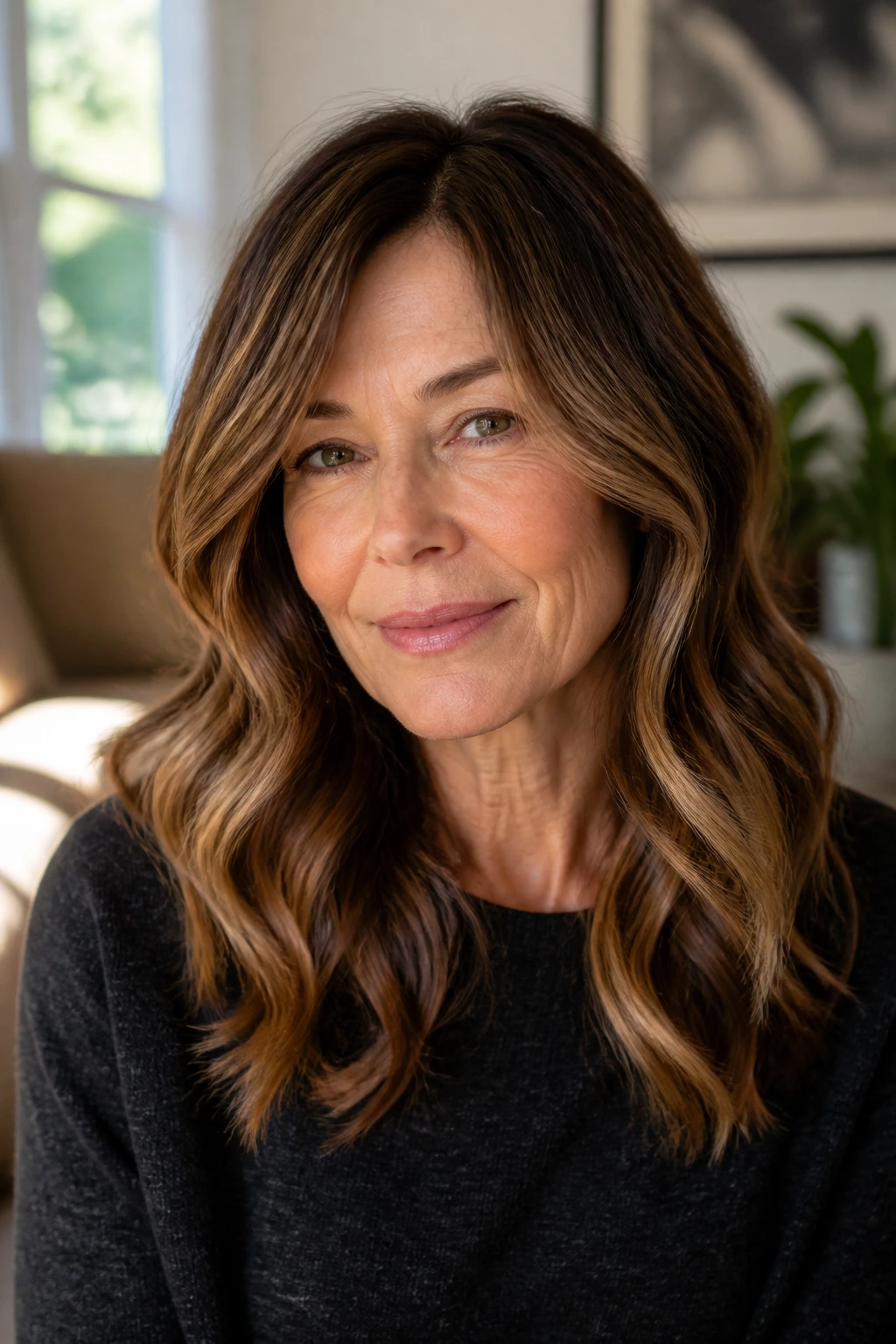
Caramel balayage does a thing that one-process color often cannot: it makes brown hair look alive from every angle. The base stays medium brown, so the overall effect remains grounded, but the caramel ribbons add a sunlit lift that works especially well on layered cuts.
Unlike foil highlights, balayage grows out with a softer edge. That matters if you don’t want a strict salon schedule. The colorist paints the lighter pieces by hand, usually concentrating them through the mid-lengths and ends, then keeps the root area deeper so the grow-out stays gentle.
This shade is especially kind to wavy hair because the bends catch the lighter pieces. On straighter hair, it still works, but the placement needs to be a little more deliberate. Too much caramel near the crown can look flat. Around the lower layers, though, it’s easy money.
6. Cinnamon Brown with a Copper Whisper
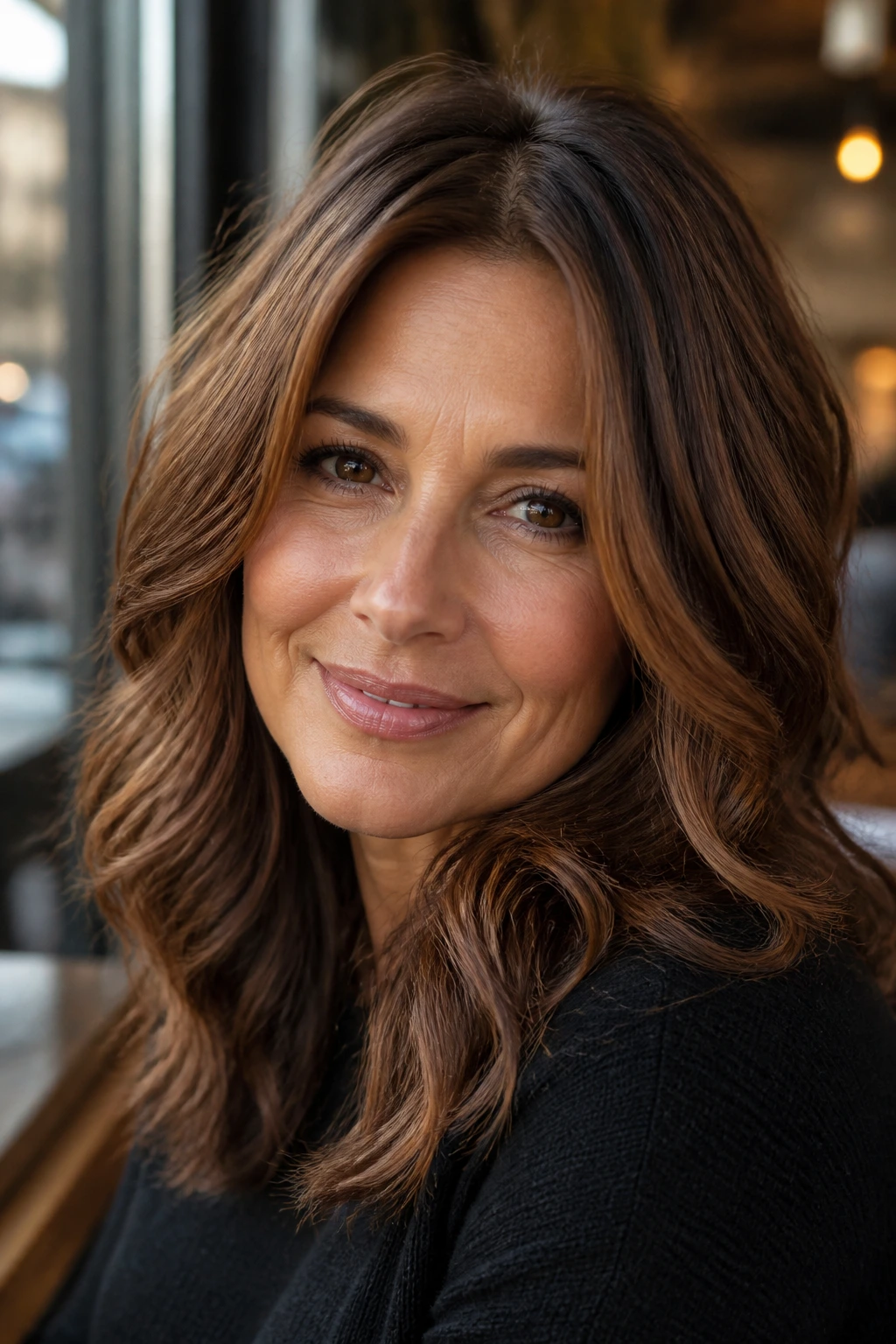
Cinnamon brown has a little spark in it. Not enough to read red at a glance, but enough to make skin look warmer and the eyes look brighter. That tiny copper whisper can be a lifesaver if your complexion looks washed out in cooler browns.
The best version is not orange. It’s brown first, spice second. Think toasted cinnamon stick, not bright copper penny. A level 5 or 6 brown with a warm glaze gives you that effect without pushing into red-dye territory. That’s where this shade goes wrong when it goes wrong.
It suits layered lobs, bobs, and soft waves particularly well, because movement shows off the warmth. If your hair is very long and very straight, you may want a few lighter ribbons so the color doesn’t sit too heavy from root to end.
7. Chocolate Brown with Soft Lowlights
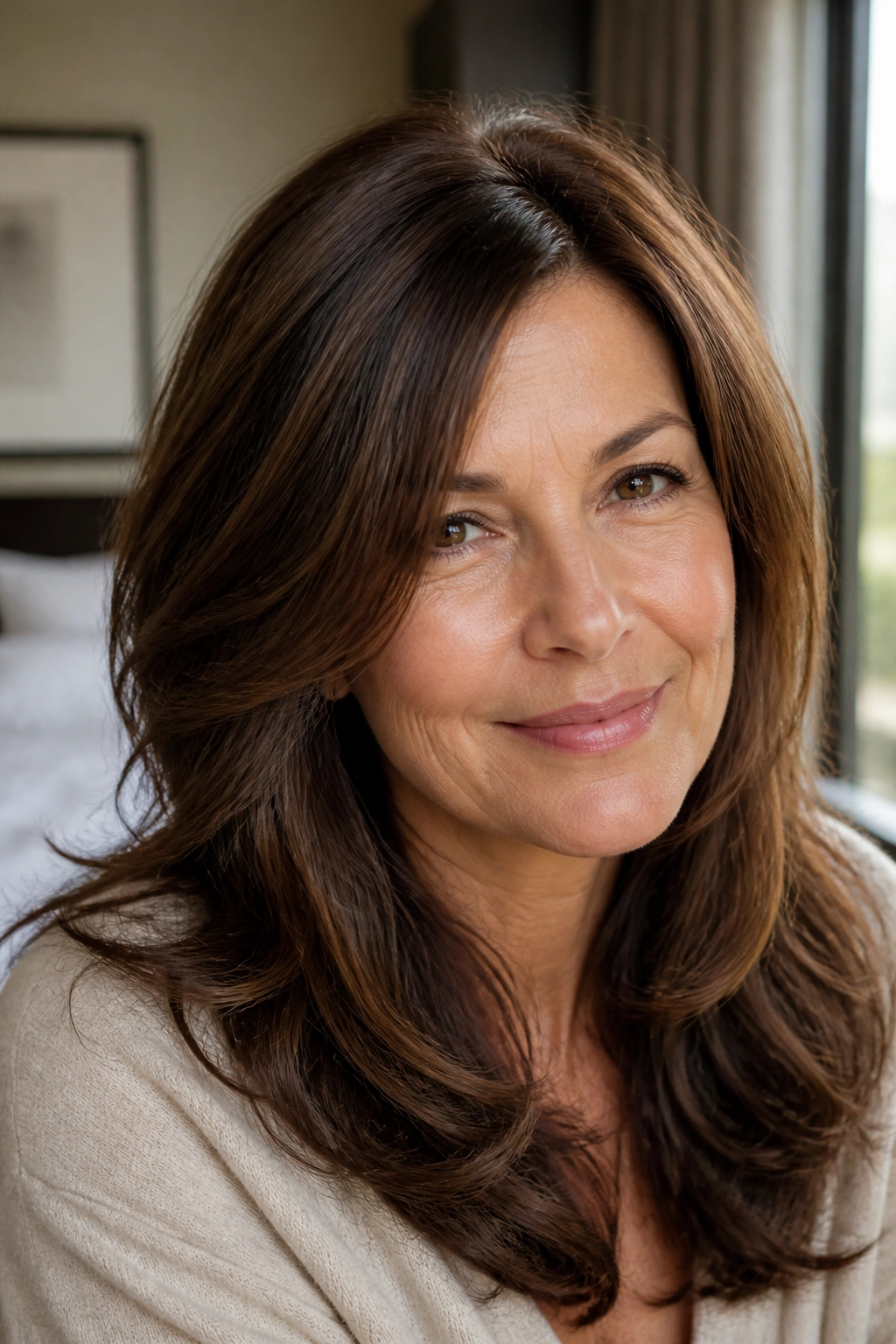
Why do some chocolate browns look flat while others look rich? Usually the answer is lowlights. A single chocolate shade can be lovely, but when a colorist weaves in slightly deeper strands, the hair gets more shape and the cut suddenly looks intentional.
How to Wear It
- Keep the base a true medium chocolate, not a near-black brown
- Add lowlights one shade deeper in the underlayers
- Leave the brightest pieces near the crown and front
- Ask for a gloss so the finish stays shiny instead of dull
This idea works especially well on fine hair, because the darker ribbons create the look of density. It also helps if your ends are a little dry. Chocolate can be forgiving there, as long as the shape is fresh.
8. Toffee Brunette with a Rooted Shadow
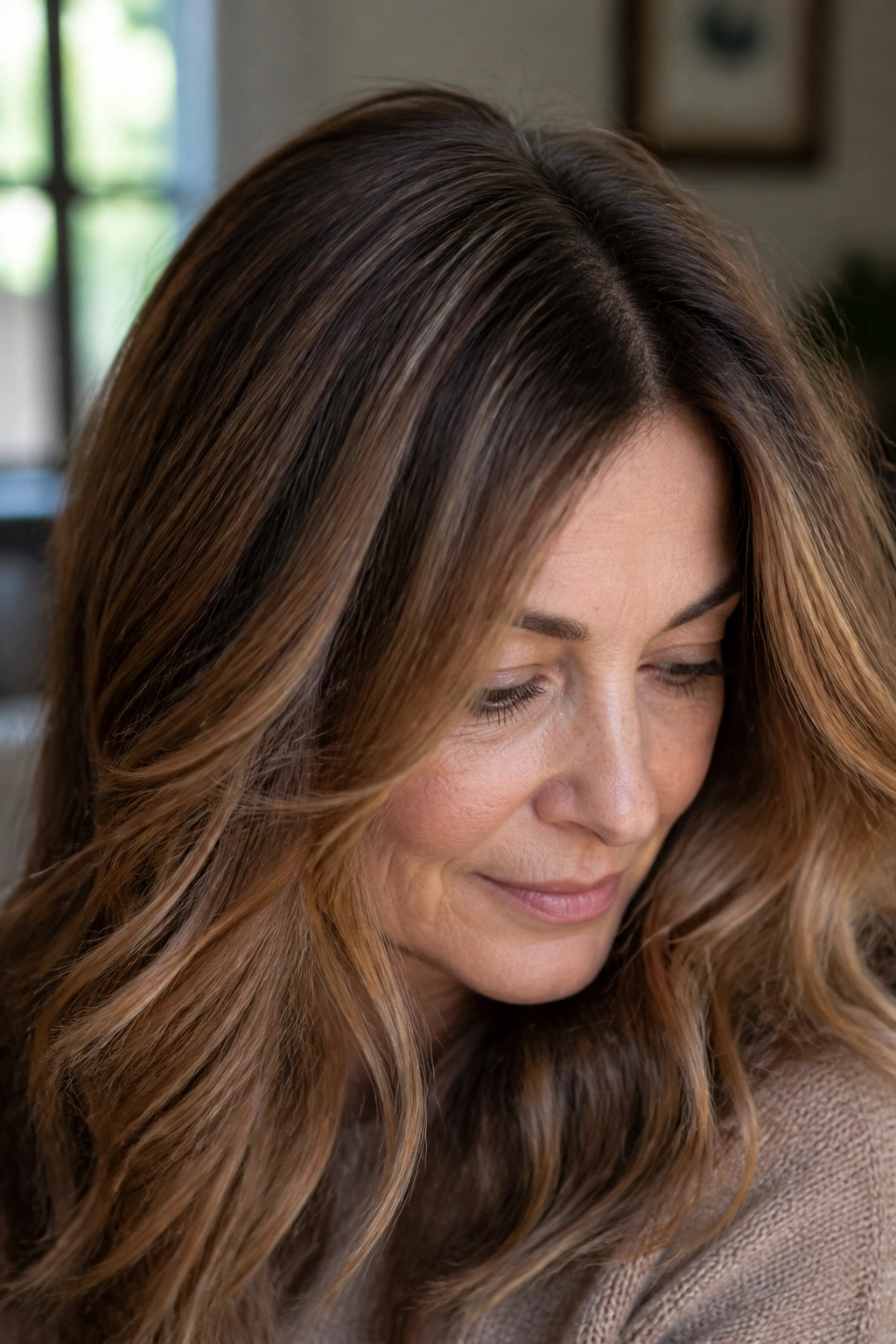
Toffee brunette is warm, soft, and a little indulgent. Add a rooted shadow, and it becomes one of the easiest colors to live with. The darker root melts into the lighter mid-lengths, so you’re not staring at a blunt line every time new growth appears.
A rooted shadow is not lazy color. It’s smart color. The root stays a shade or two deeper than the rest, which gives the hair depth at the scalp and keeps the lighter toffee from washing the face out. It’s especially useful if your natural base is already medium brown or dark blonde.
This is the kind of color that looks better after a few washes, which I appreciate. Some shades fight the life out of you during week one. Toffee settles in.
9. Cool Ash Brown with Silver Blending
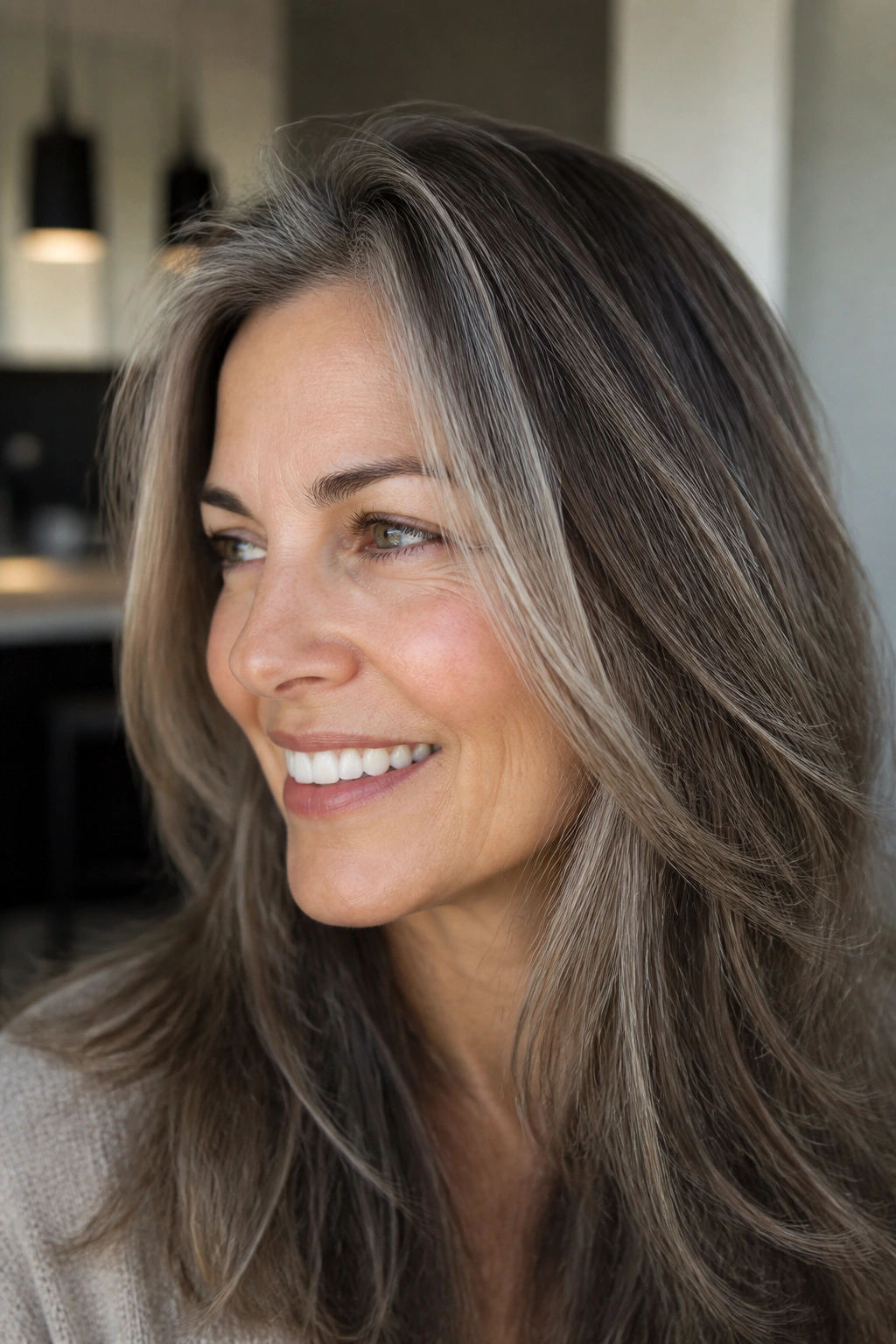
Cool ash brown is for the woman who likes her hair neat, quiet, and a little modern. The ash tone keeps orange from sneaking in, while the brown base prevents the hair from looking flat or gray all over. Silver pieces blend in instead of shouting.
The important part is restraint. Too much ash and the hair can go dull. Too little and the warmth comes back fast, especially if your base color pulls red. A good colorist will often keep the mids and ends one level lighter than the root, then finish with a cool toner so the overall look stays clean.
This shade is a strong fit if your natural silver is scattered through the temples and crown. It lets the silver live in the color instead of fighting for control. That makes the grow-out easier too.
10. Walnut Brown with Gold Threads
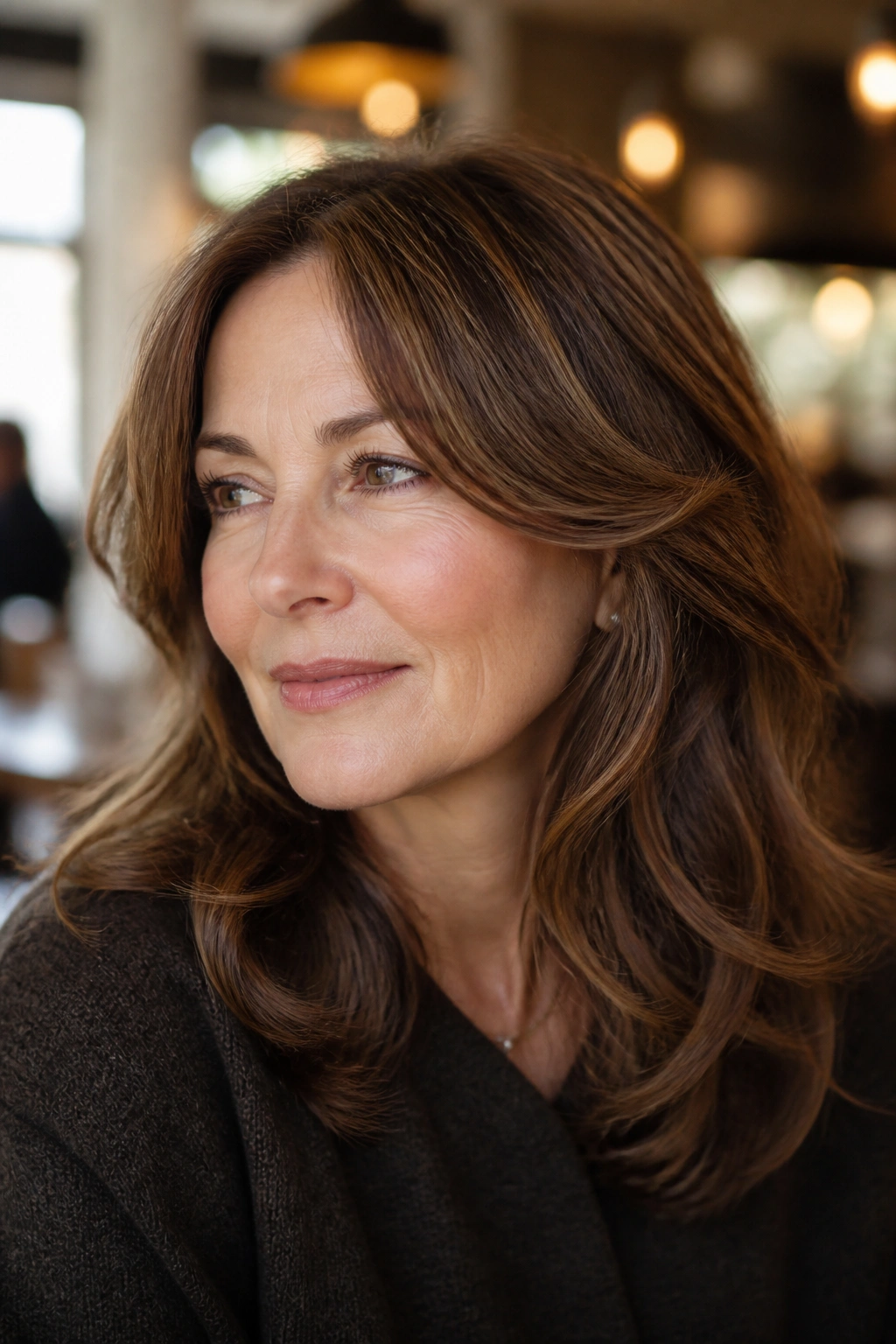
Walnut brown sits in a sweet middle space. It has enough depth to feel rich, but it isn’t so dark that it swallows the face. Add a few thin gold threads, and the shade gets a soft lift without tipping into obvious highlights.
Unlike chestnut, walnut has a drier, more earthy finish. That’s why it looks so good on mature hair with a bit of texture. It doesn’t need to be glassy to look good. A little movement, a little bend, and the color starts doing the work for you.
This is one of my favorite options for women who want warmth without caramel. Caramel can sometimes feel too bright or too sweet. Walnut is steadier. If you wear natural makeup and simple clothes, it fits that quiet, grounded look nicely.
11. Bronde with a Brown Base
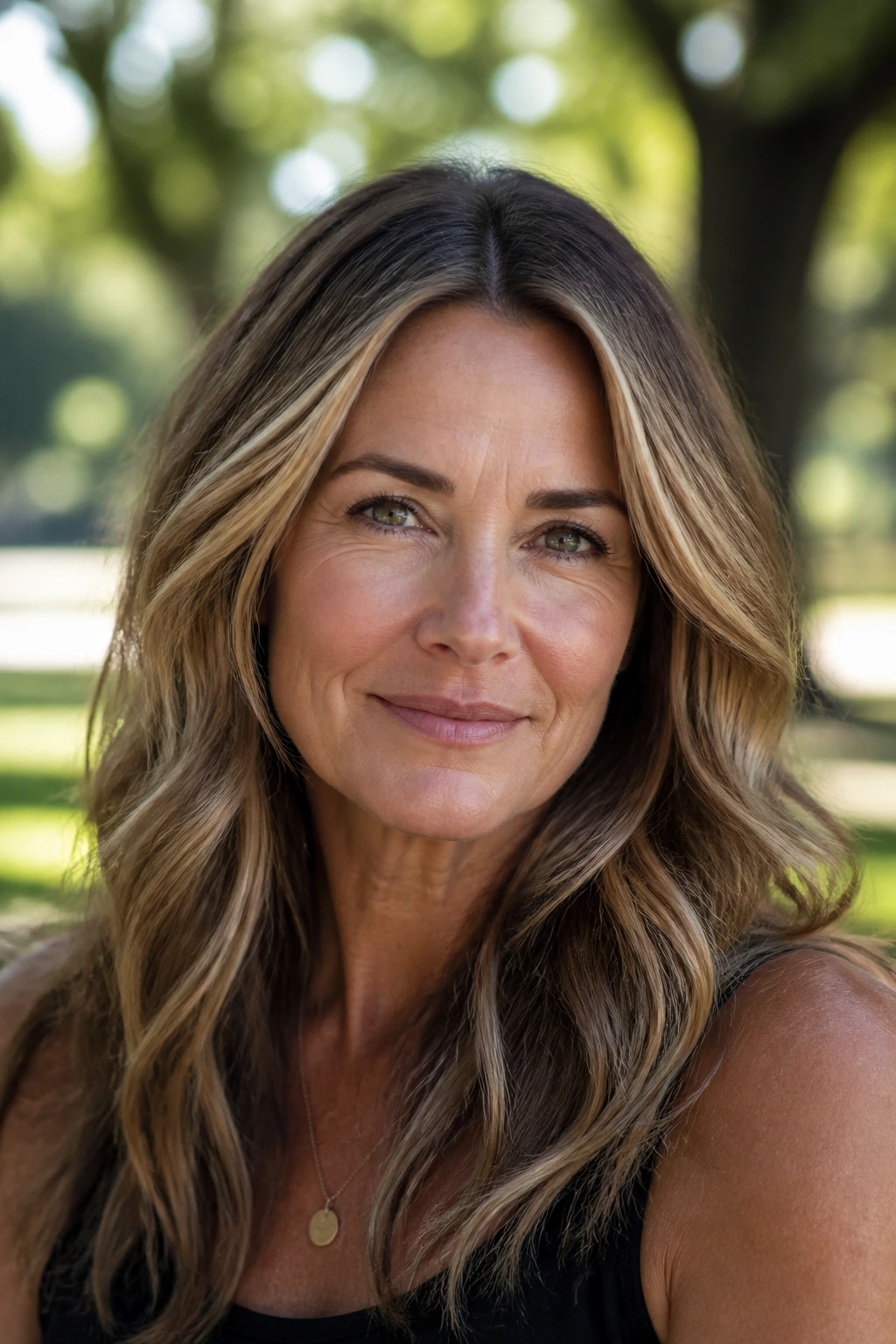
Bronde gets talked about a lot, and for good reason: it gives you lightness without asking you to leave brown behind. With a brown base, the blonde pieces stay soft and controlled, which is useful when you want dimension but don’t want to chase a full highlight schedule.
The base should stay one or two shades deeper than the lightest pieces. That contrast matters. Without it, bronde can blur into a washed-out beige that loses shape in daylight. A bit of root depth also helps the color look richer around the face and less sunny in a way that can age the skin.
If your hair is naturally dark blonde or light brown, this can be a gentle shift. If your base is deeper, it may need a stronger lift through the front and ends. Either way, the goal is movement, not brightness for its own sake.
12. Auburn-Brown Mahogany
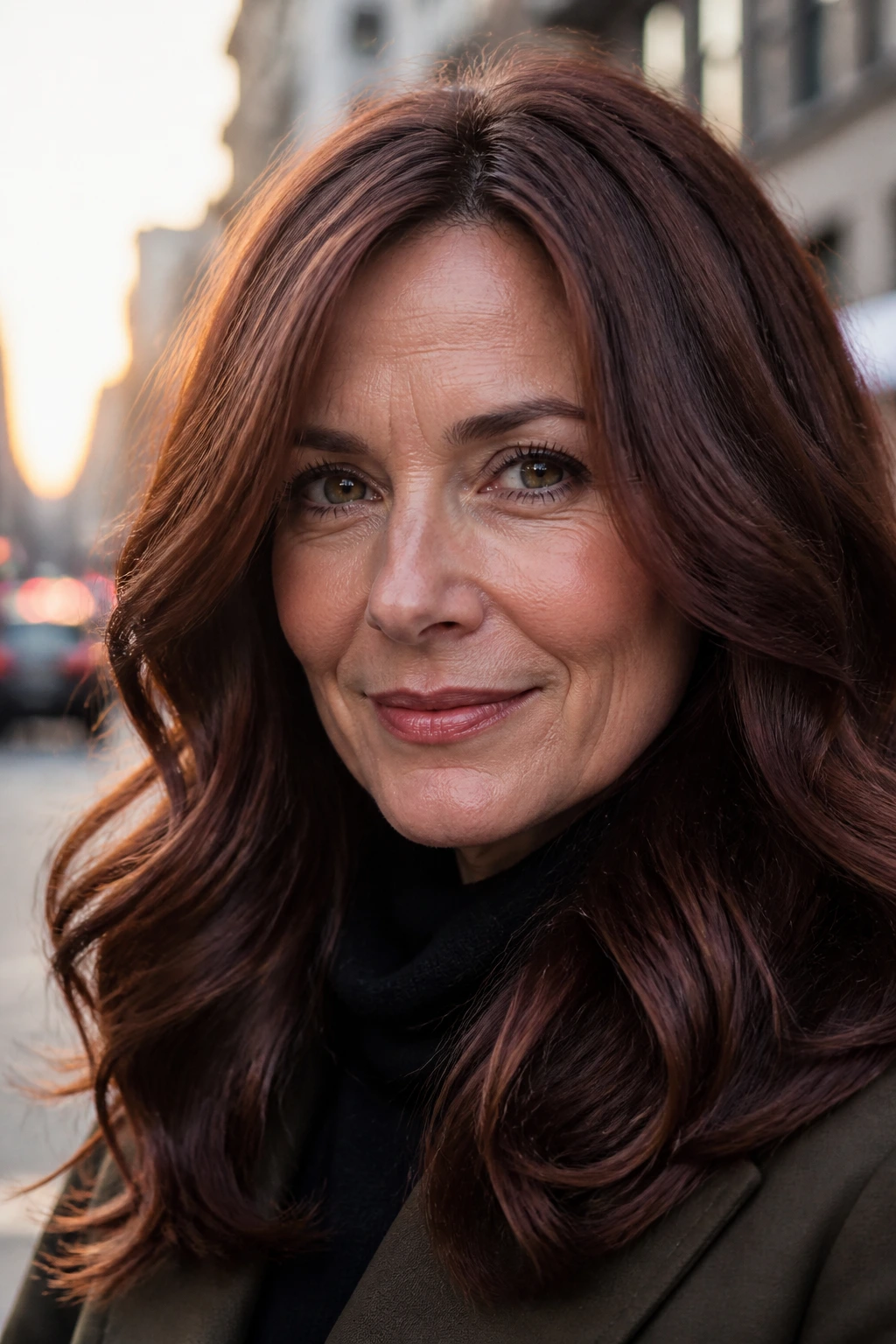
Auburn-brown mahogany has presence. It’s richer than cinnamon, deeper than auburn, and cooler than a classic red-brown, which gives it a plush feel that works well when you want color with some drama. It also looks polished on both short cuts and longer layered hair.
What to Watch For
- Keep the red tone muted, not cherry bright
- Use mahogany as the base, then soften with brown lowlights
- Add a clear gloss every few weeks to keep the finish from looking muddy
- Avoid going too dark at the root if your skin is fair, because that can harden the face
This shade loves natural waves. The movement picks up the red-brown tones and keeps them from reading flat. It’s not a timid color. That’s the point.
13. Cocoa Brown with Cream Babylights
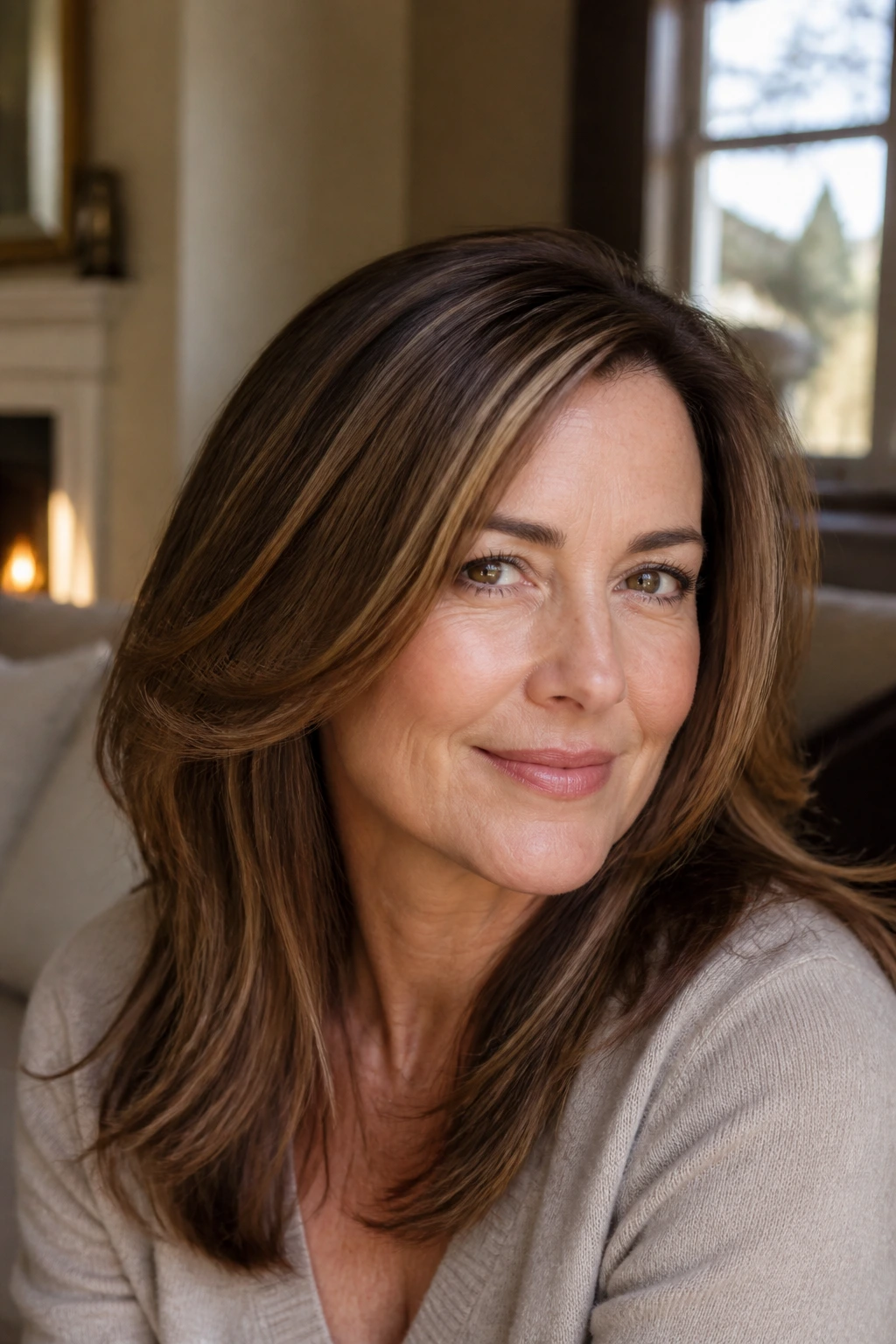
Cocoa brown is already soft and wearable. Cream babylights turn it into something more dimensional, especially when the hair is fine or straight and needs help showing texture. The light pieces are tiny, almost whisper-thin, so they don’t look streaky.
The Science Behind the Softness
Babylights work because they mimic the way hair lightens gently in the sun, with no hard break between shades. On mature hair, that matters. Strong, chunky highlights can look harsh against new gray growth. Cream-toned babylights blur the transition and keep the eye moving across the hair instead of landing on one stripe.
This idea is especially good if you like wearing the hair down and smooth. The finish should feel expensive, but not stiff. Think polished cocoa with a little cream stirred in. That’s the whole mood.
14. Latte Brown with Beige Ends
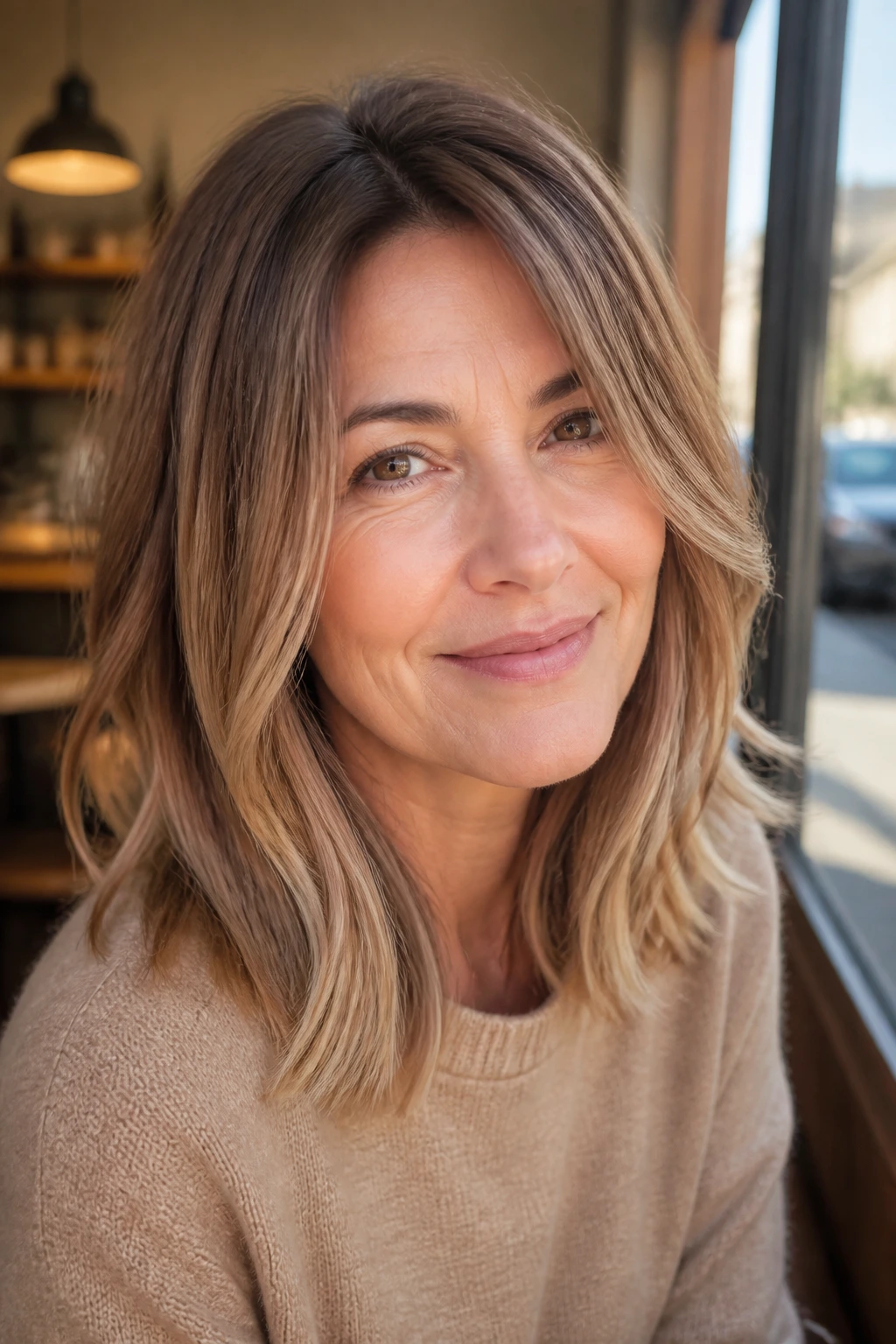
Latte brown has a gentler feel than many warm browns. It’s soft, milky, and easy on the eyes, which is why it works so well for women who want a lighter brown without obvious blonde pieces. Beige ends add just enough lift to keep the style from reading heavy.
A color like this works beautifully on shoulder-length cuts, especially if the layers are soft around the cheekbones. The lighter ends keep the silhouette open, while the latte root keeps the look grounded. If the hair is thick, this can be a nice way to remove some visual weight without cutting it all off.
One warning: beige can go flat if the toner is too cool. Ask for beige, not gray-beige. There is a difference, and it matters in daylight.
15. Smoky Brunette Gloss
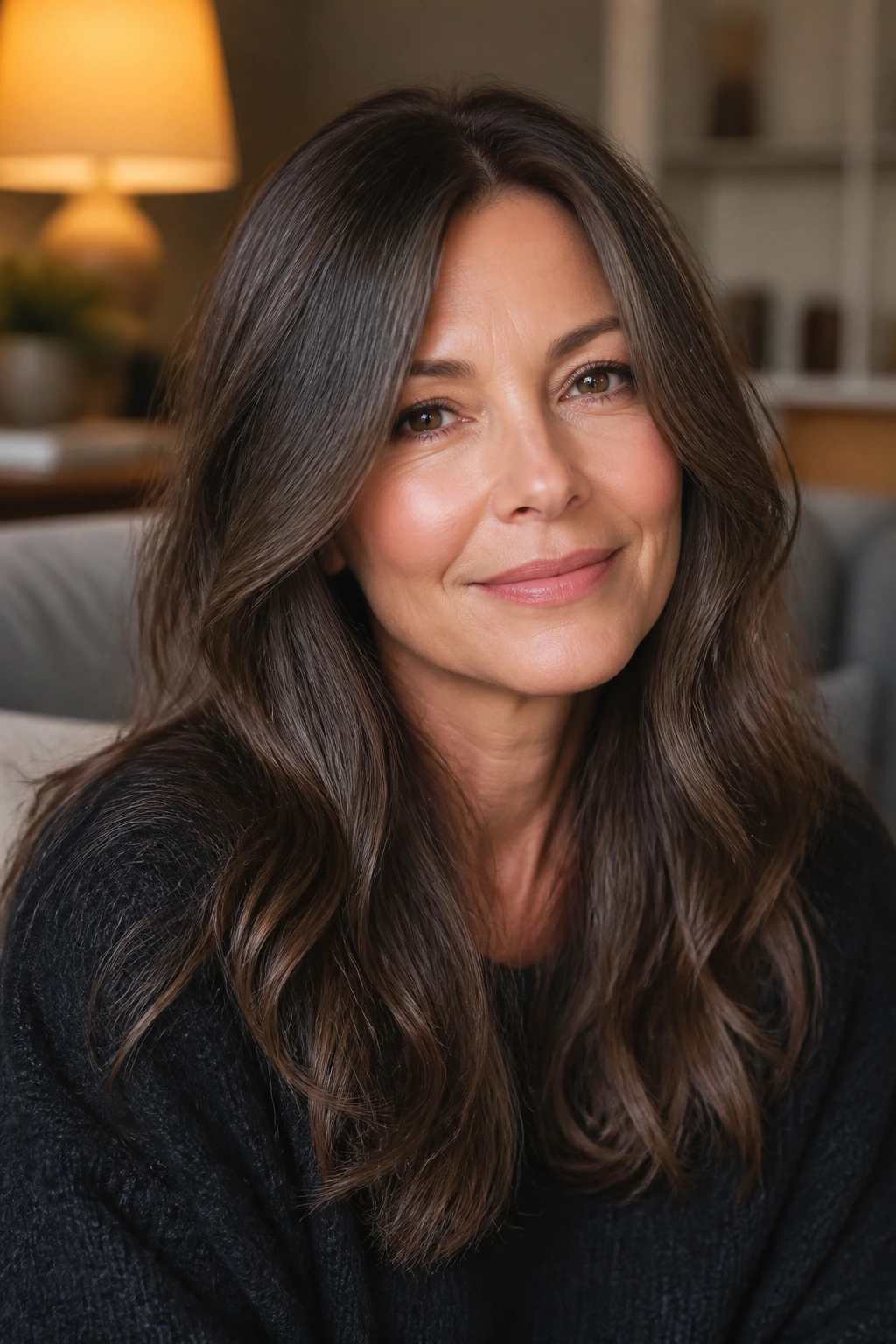
Smoky brunette gloss is less about changing the base color and more about changing the finish. That makes it a smart choice if your hair is already brown but looks a little tired, porous, or uneven in tone. A gloss can pull everything together fast.
The color itself usually sits in the neutral-to-cool range, with a soft smoky cast that cuts brass and gives the hair a clean surface. It’s especially useful after summer exposure, hard water, or a few too many color sessions that left the ends thirsty. Glosses don’t cover major gray like permanent dye does, but they do make the color feel intentional.
If you want low commitment, start here. A smoky brunette gloss can be worn alone or layered over existing highlights. Either way, it gives brown hair that fresh, sealed look people notice without quite knowing why.
16. Golden Brown with a Face Frame
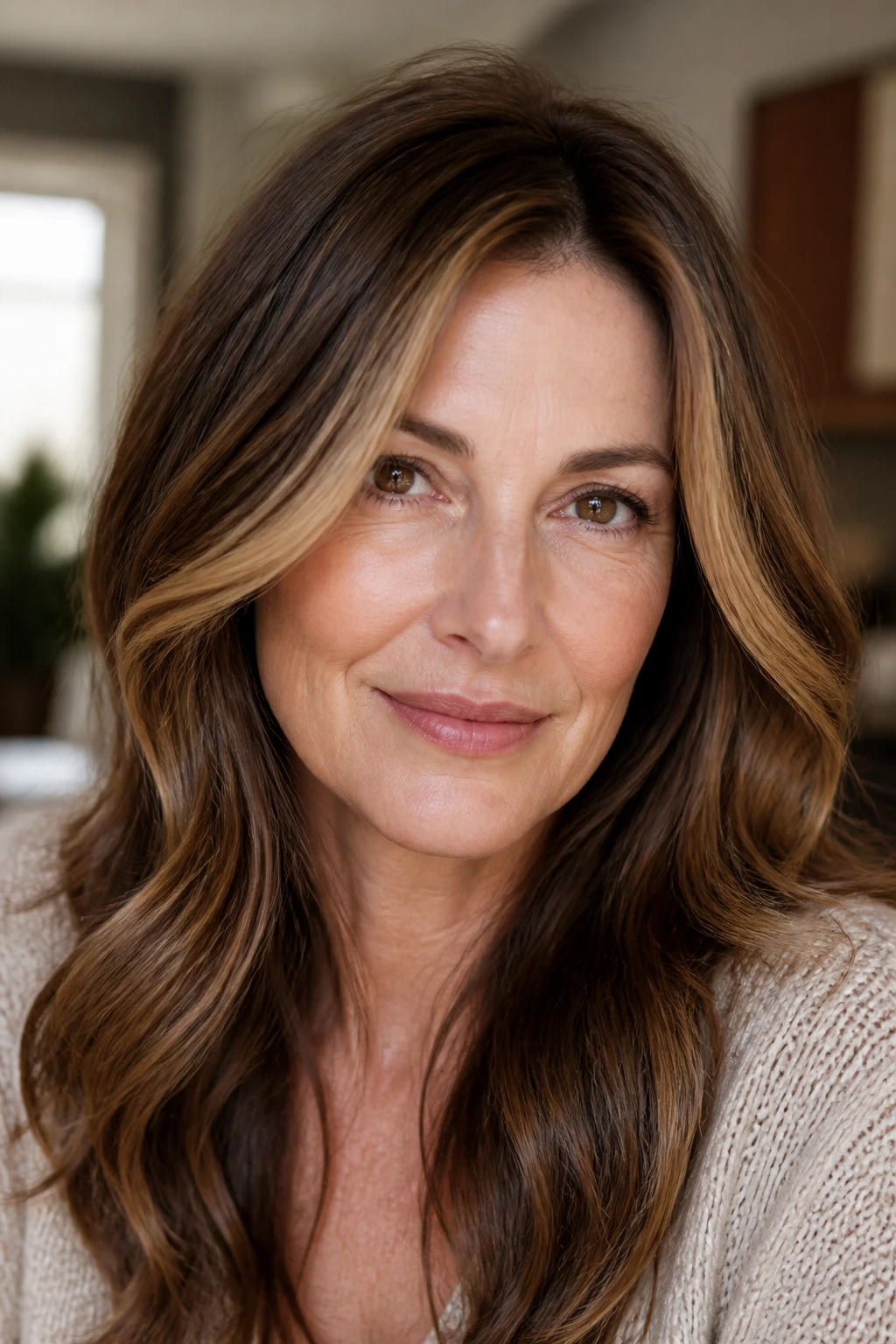
Golden brown can be lovely on mature skin, but only if it’s controlled. Too much gold across the whole head can turn brassy. A face frame solves that by keeping the brightness where it matters most—around the eyes and cheekbones—while the rest of the hair stays deeper.
This is a strong pick for women with warmer skin tones, freckles, or naturally golden undertones. It wakes up the complexion without forcing the whole head into a lighter lane. The base can stay around a medium brown, while the front pieces get lifted a little more and softened with a beige-gold toner.
Do not overdo the width of the face frame. Thin pieces look refined. Wide ones can feel dated fast. A little light near the front goes a long way.
17. Chestnut Brown with Curtain Bangs
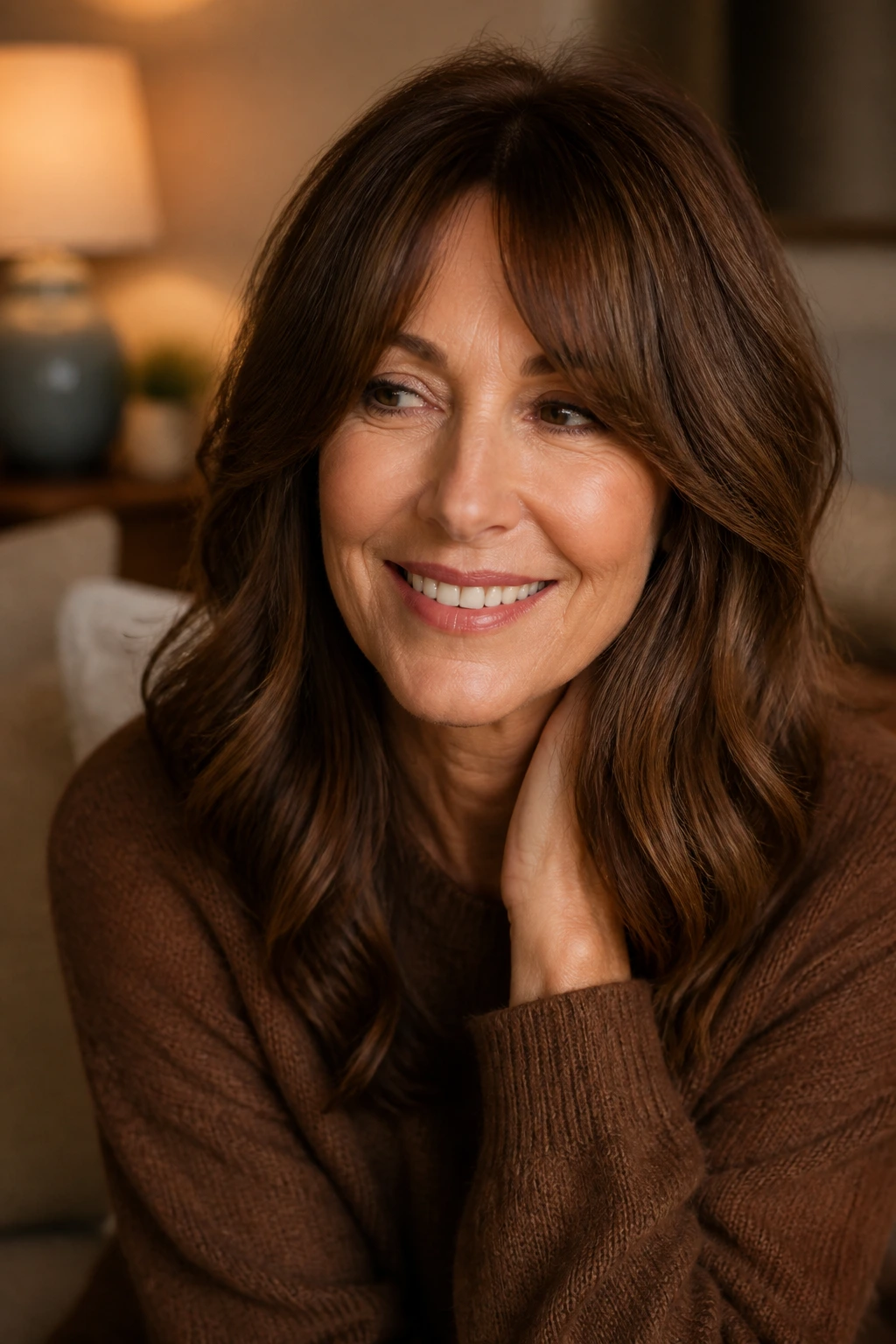
Curtain bangs and chestnut brown are a tidy little pair. The bangs break up the forehead area, while the chestnut shade keeps the overall look warm and approachable. Together, they do a nice job of softening features without making the haircut feel fussy.
Why This Combo Works
The bangs move the eye diagonally across the face, and the chestnut color gives that movement a warm backdrop. If you have some gray at the temples, the bangs also help hide the grow-out line in a natural way. That’s practical and flattering, which is a good combination.
- Ask for chestnut around level 5 or 6
- Keep the bangs a touch lighter if your face needs brightness
- Blend the side pieces into the rest of the haircut so the bang area doesn’t look like a separate section
This is one of those styles that looks better when it’s slightly imperfect. A bit of bend in the bangs helps a lot.
18. Sable Brown with Deep Lowlights
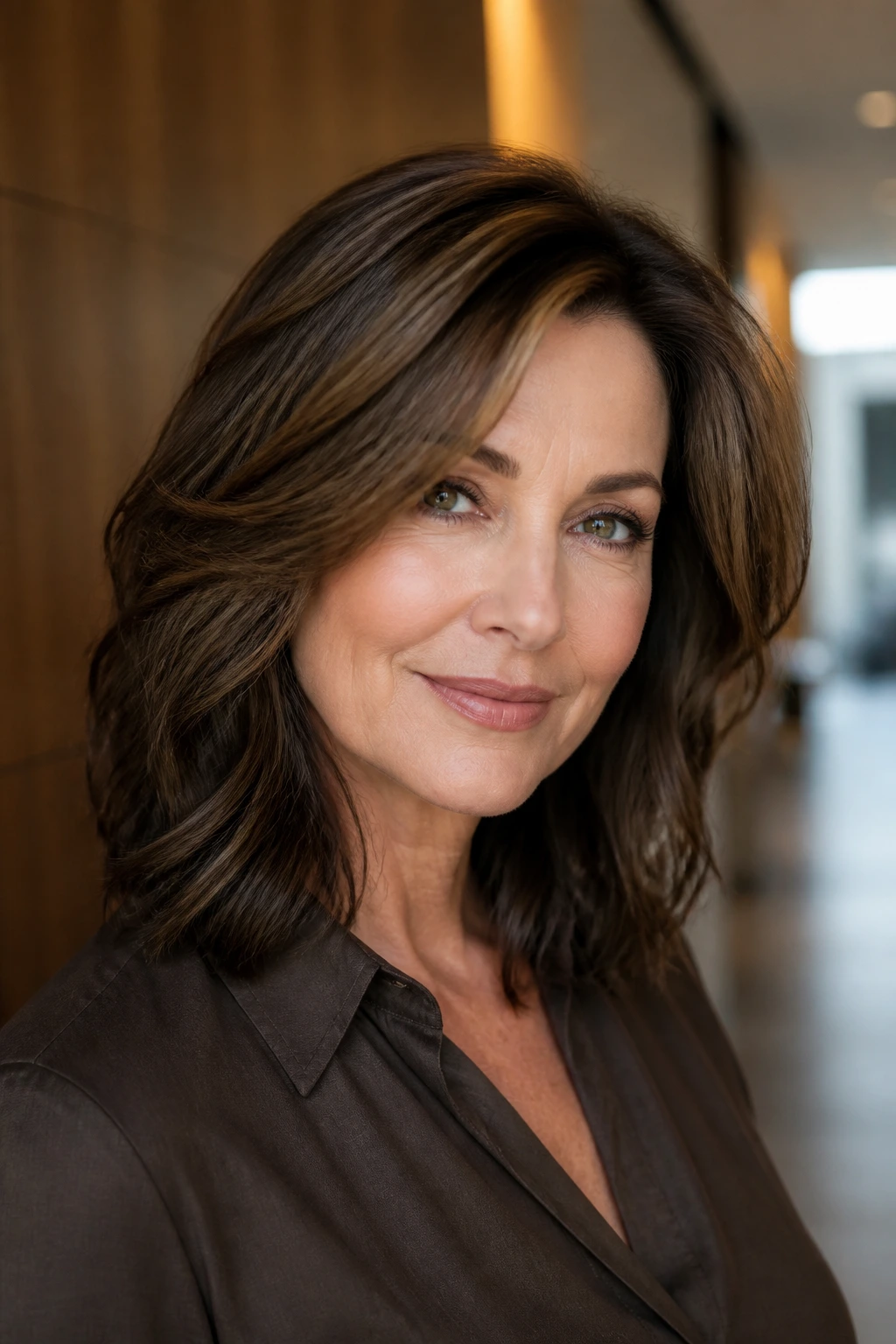
Sable brown is darker, cooler, and more serious than mocha or walnut. It’s a good choice when you want depth and shape, especially on thick hair that can look bulky in lighter browns. Deep lowlights help cut the heaviness and make the layers show up.
A sable base should still have some softness. If it veers toward black, the face can disappear into the hair. That’s not the goal. Keep a few strategically lighter strands around the front, or the color can feel dense and a little old-fashioned. The lowlights should create depth, not mud.
This shade suits blunt bobs, longer pixies, and longer cuts with clean edges. The color makes the silhouette look crisp. There’s a reason polished brunettes keep coming back into style.
19. Maple Brown
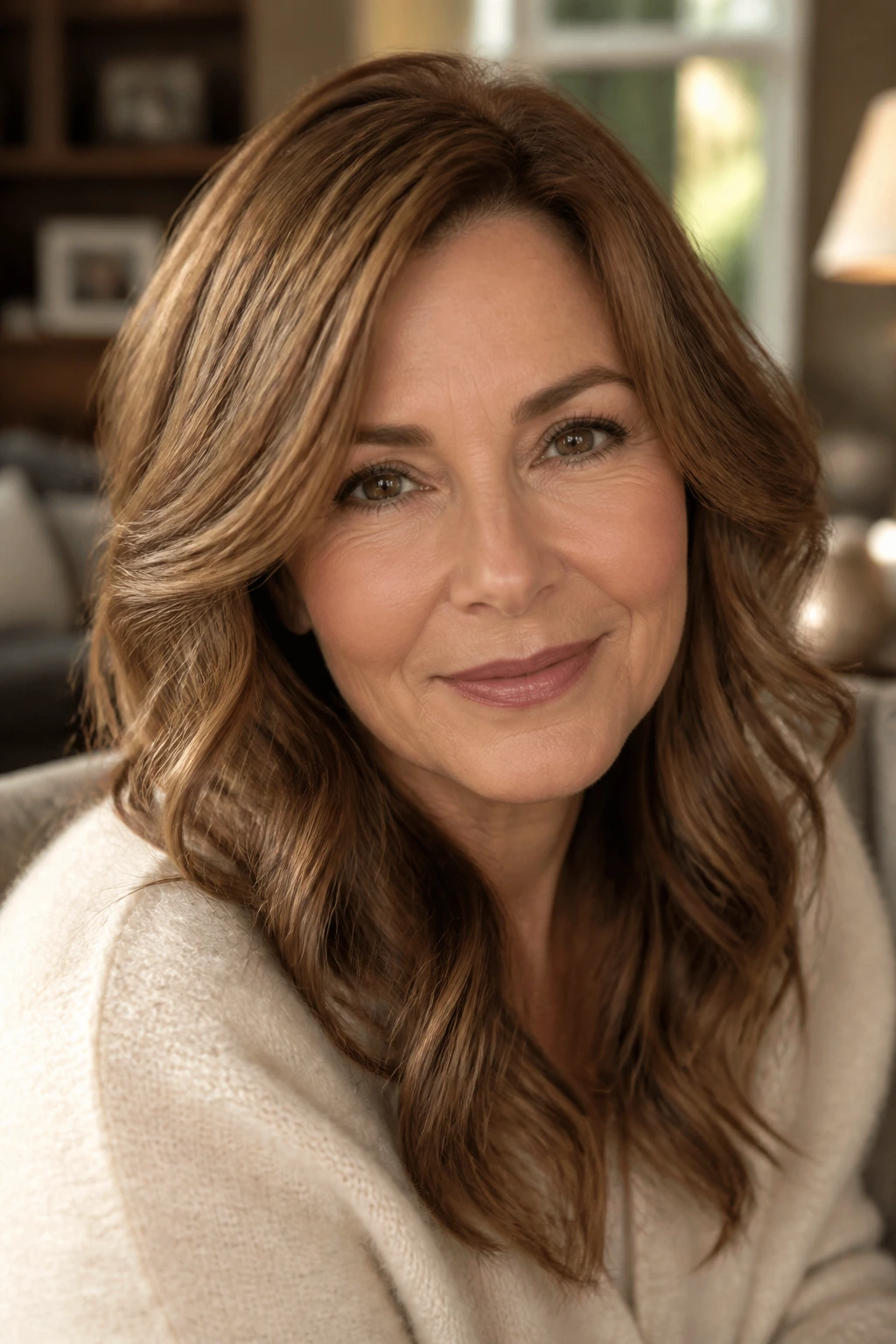
Maple brown has a gentle warmth that lands between chestnut and caramel. It feels cozy without getting orange, and that balance is why it works so well on skin that needs a little life. The tone looks especially good when the hair has a bit of wave or a soft blowout.
I like maple brown on women who want warmth but do not want the hair to look reddish in every light. It gives the impression of richness rather than brightness. If the base is too light, it can get sticky-looking. If it’s too dark, the maple note disappears. The sweet spot is usually a level 5 or 6 with warm beige-gold reflection.
It’s a pleasant color, which sounds plain but isn’t. Pleasant often means wearable for months, not minutes.
20. Chocolate Cherry Brown
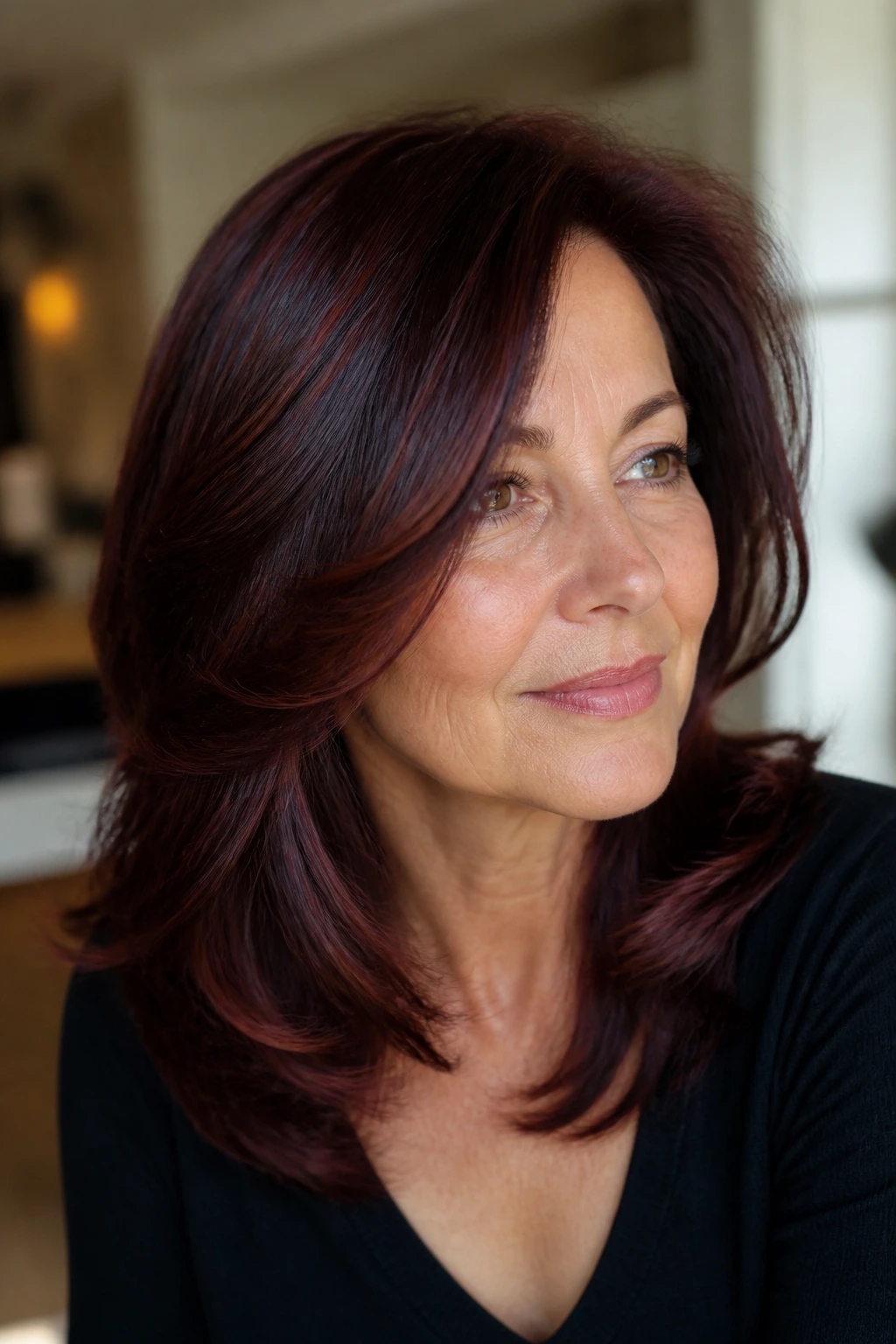
Chocolate cherry brown is for anyone who wants a little edge without going full red. It’s still brown at heart, but there’s a soft cherry cast underneath that shows up in sun and warm indoor light. That little hint changes the mood more than people expect.
This shade works best when the red is tucked inside the brown, not sitting on top of it. You want the hair to read brunette first, cherry second. A gloss can help keep the finish smooth and stop the red from turning muddy. On layered hair, the color moves around beautifully because the darker and warmer pieces keep changing with the light.
If your wardrobe leans black, navy, cream, or camel, this color slots in cleanly. It has personality, but it still behaves.
21. Brushed Walnut with Silver Pieces
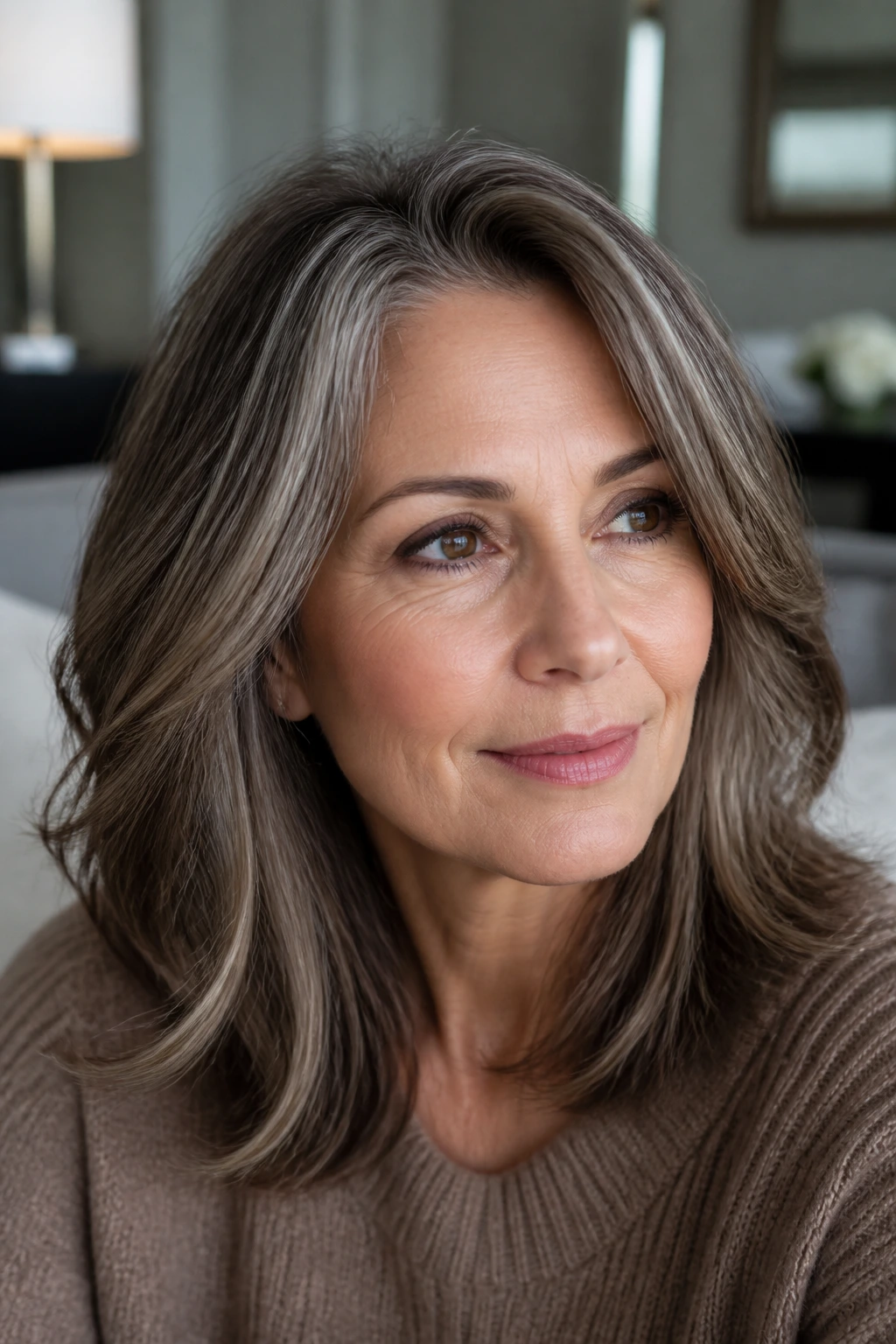
Brushed walnut is one of the nicest ways to handle mixed gray. The brown is earthy and natural, and the silver pieces are left visible enough to feel modern, not hidden. That balance matters. Hiding every silver strand is often a losing battle anyway.
What Makes It Different
Unlike a solid dark brown, brushed walnut does not force the gray to disappear. It lets the silver sit inside the color story. That makes grow-out softer and cuts down on the painted-on look some older color jobs get.
- Use walnut as the main base
- Leave a few silver streaks uncolored around the temples
- Add lowlights in the underlayer to keep the finish from looking washed out
- Finish with a gloss so the silver and brown reflect light at the same level
This is a calm, honest color. I like that. It feels polished without pretending the hair is twenty-five again.
22. Beige Brown with Micro-Lights
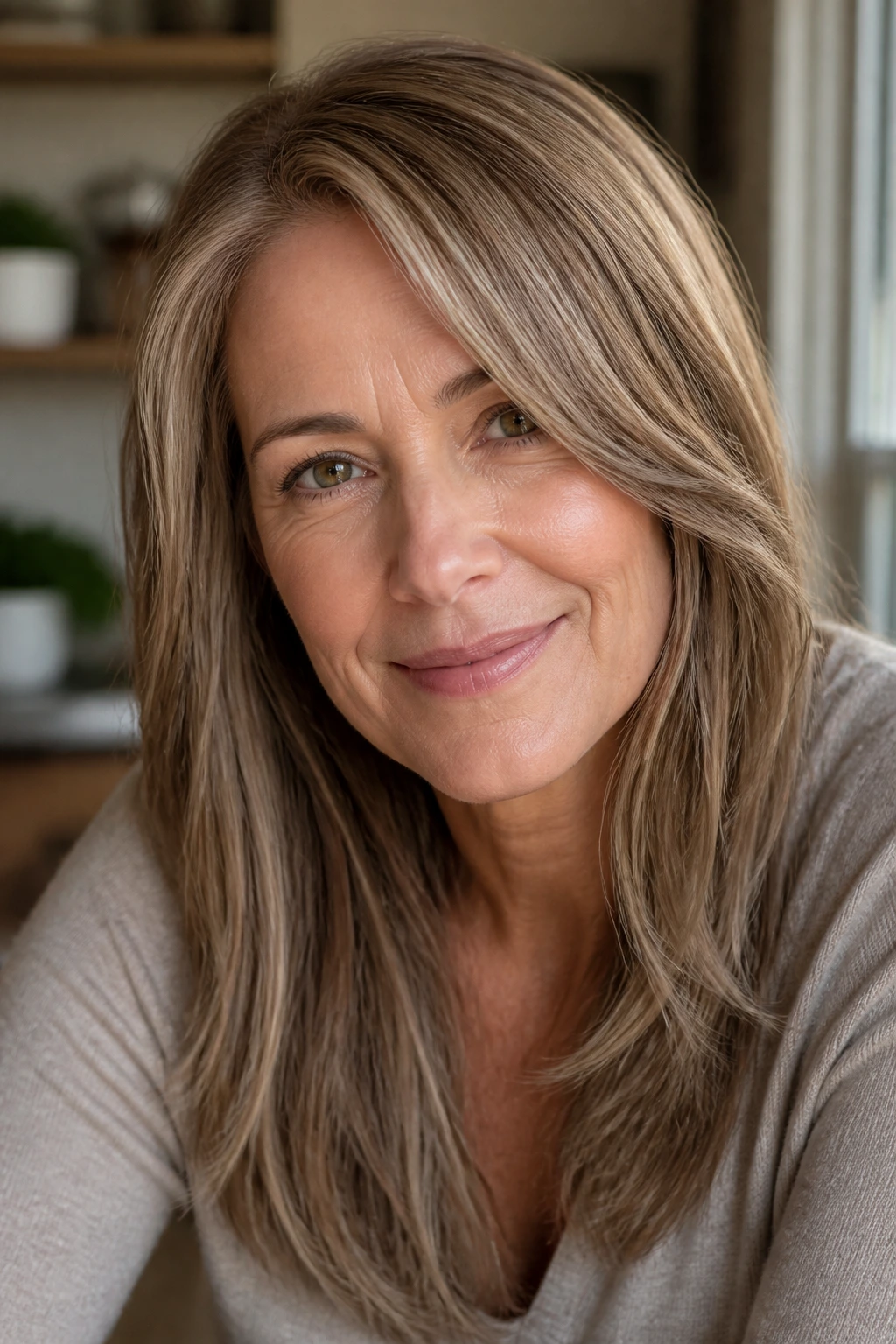
Beige brown is lighter than classic brunette, but it’s not blonde in disguise. The tone sits in that soft middle space where the hair looks airy and clean, especially when tiny micro-lights are woven through it. Those ultra-fine pieces are doing real work here.
How to Get the Most From It
Micro-lights should be thin enough that you notice movement before you notice color. That keeps the result smooth. If the pieces are too wide, the beige can go patchy. Ask for a neutral-beige toner rather than a strong gold toner if your skin runs cool or pink.
This shade is especially nice on medium-length cuts with texture. The lighter threads make the hair look fuller without making it obvious that color is doing the lifting. That subtlety is the whole point.
23. Almond Brown with a Caramel Money Piece
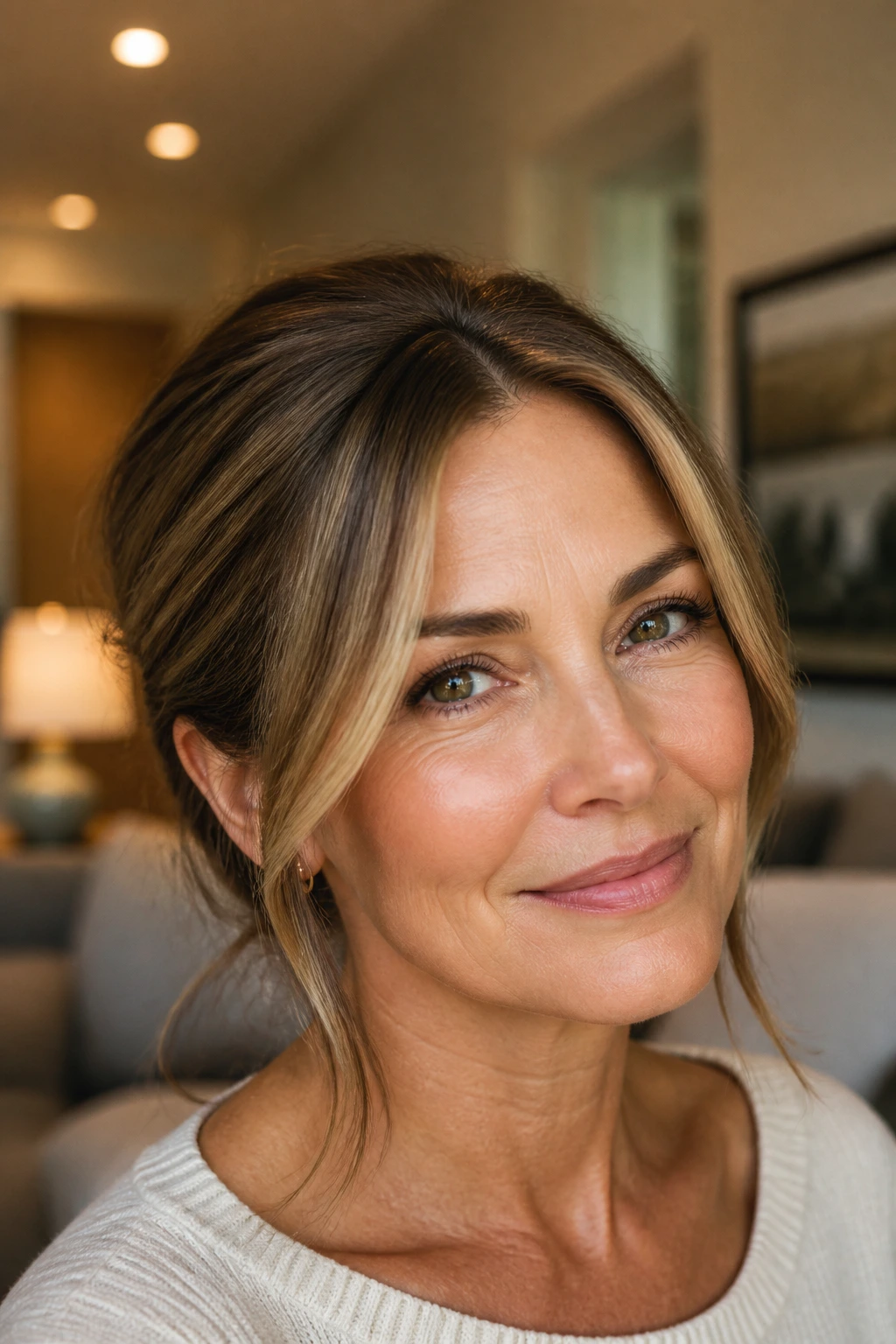
Almond brown has a soft nutty tone that feels lighter than mocha and warmer than ash. Add a caramel money piece at the front, and you get a small burst of brightness where it counts most. The rest of the hair stays calm; the front does the smiling.
That face-framing section should not be too thick. A narrow, well-placed money piece around the temples can lift the eyes and soften a jawline without turning the whole look high-contrast. If you wear the hair behind the ears often, this is even better, because the brightness peeks through without taking over.
This is a nice option if you want a noticeable change but hate the maintenance of all-over lightening. The almond base keeps it grounded. The caramel front makes it feel fresh.
24. Dark Coffee Brown with Soft Ombré
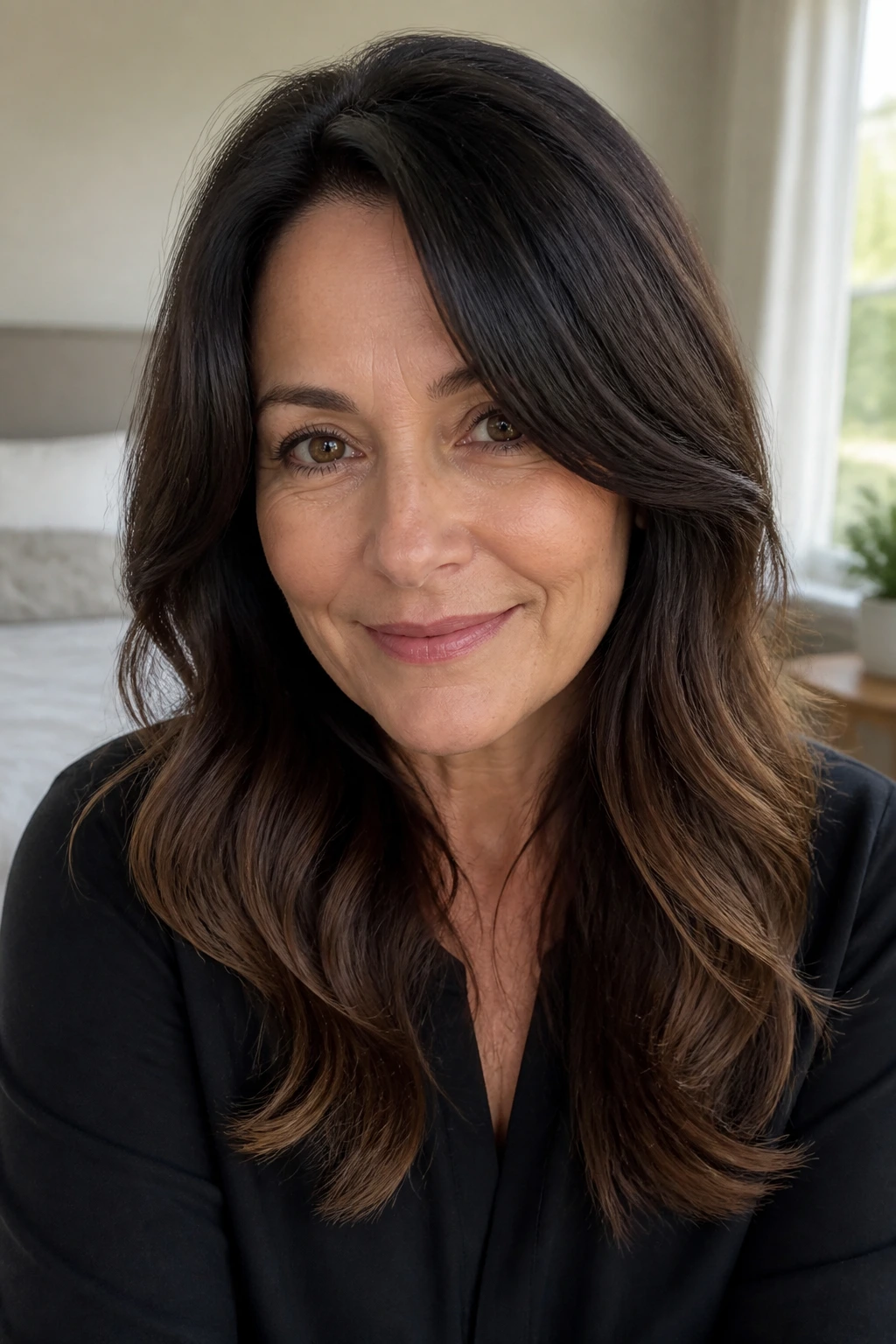
Dark coffee brown is deep and rich, but it can get heavy if it ends at the same shade all the way through. A soft ombré keeps the ends from disappearing into the same dark mass, and it gives the haircut some lift, especially from the side.
The change should be gentle. You are not trying to create a dramatic dip-dye effect. The shift from dark roots to slightly lighter ends should feel like the hair naturally lightened over time. That works especially well on longer cuts, where the gradient has room to show.
If your hair is thick, this kind of gradual lightening can make the ends look less blunt and more styled. On fine hair, keep the transition even softer. Harsh ombré and mature hair rarely get along.
25. Nutmeg Brown
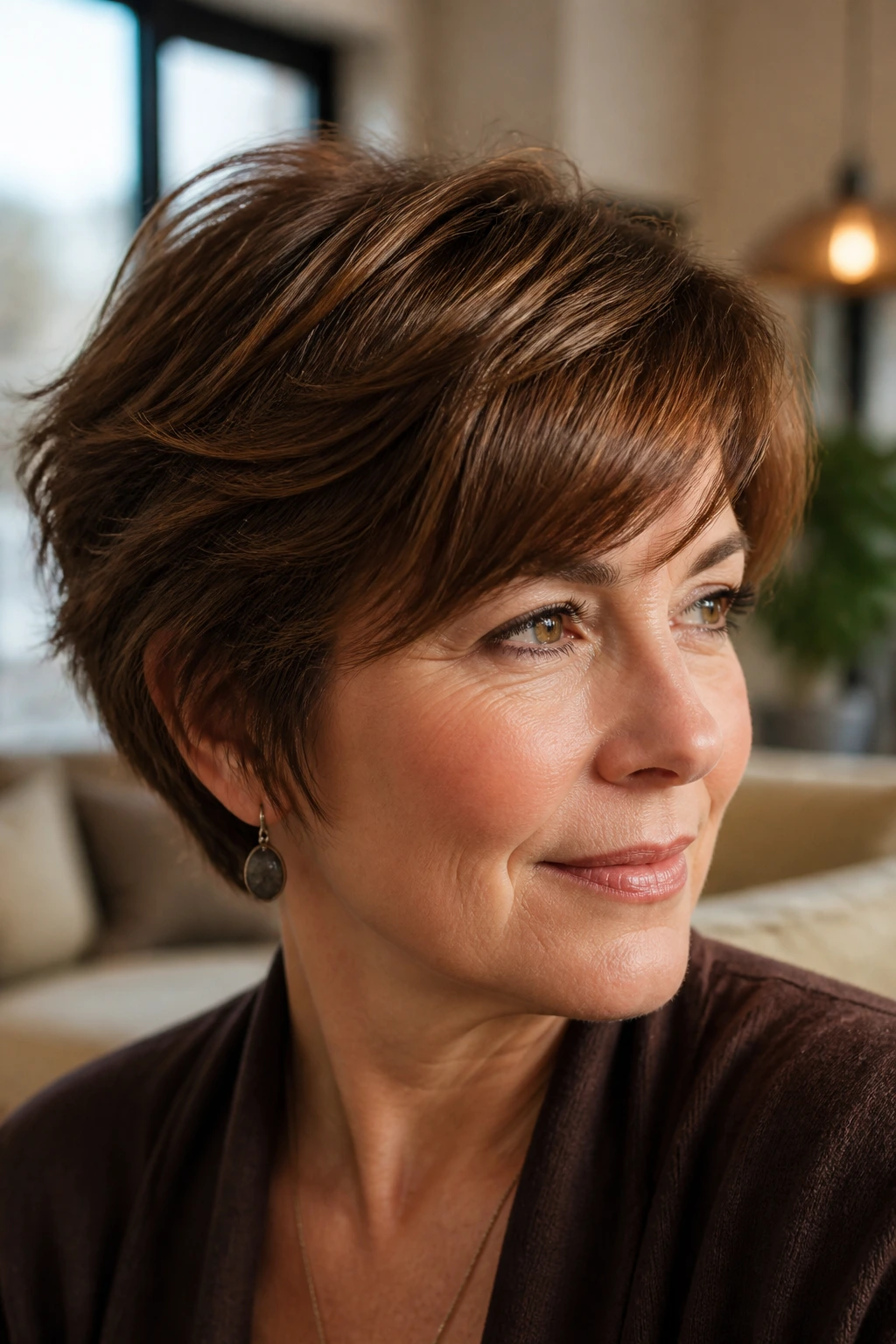
Nutmeg brown is warm, spiced, and a little rustic in the best sense. It sits between cinnamon and chestnut, which makes it useful if you want warmth but don’t want to drift into red. There’s a dry, earthy quality to it that looks good on textured hair.
This shade works especially well on shorter cuts, where the color can show from root to edge without needing a lot of movement. It also pairs nicely with side-swept fringe because the warmth near the face brings the eye upward. Keep the finish glossy, though. Nutmeg can look dusty if the hair is too matte.
If your skin tone likes gold jewelry, nutmeg is worth trying. It tends to sit comfortably beside warm complexions.
26. Mahogany Brown Bob
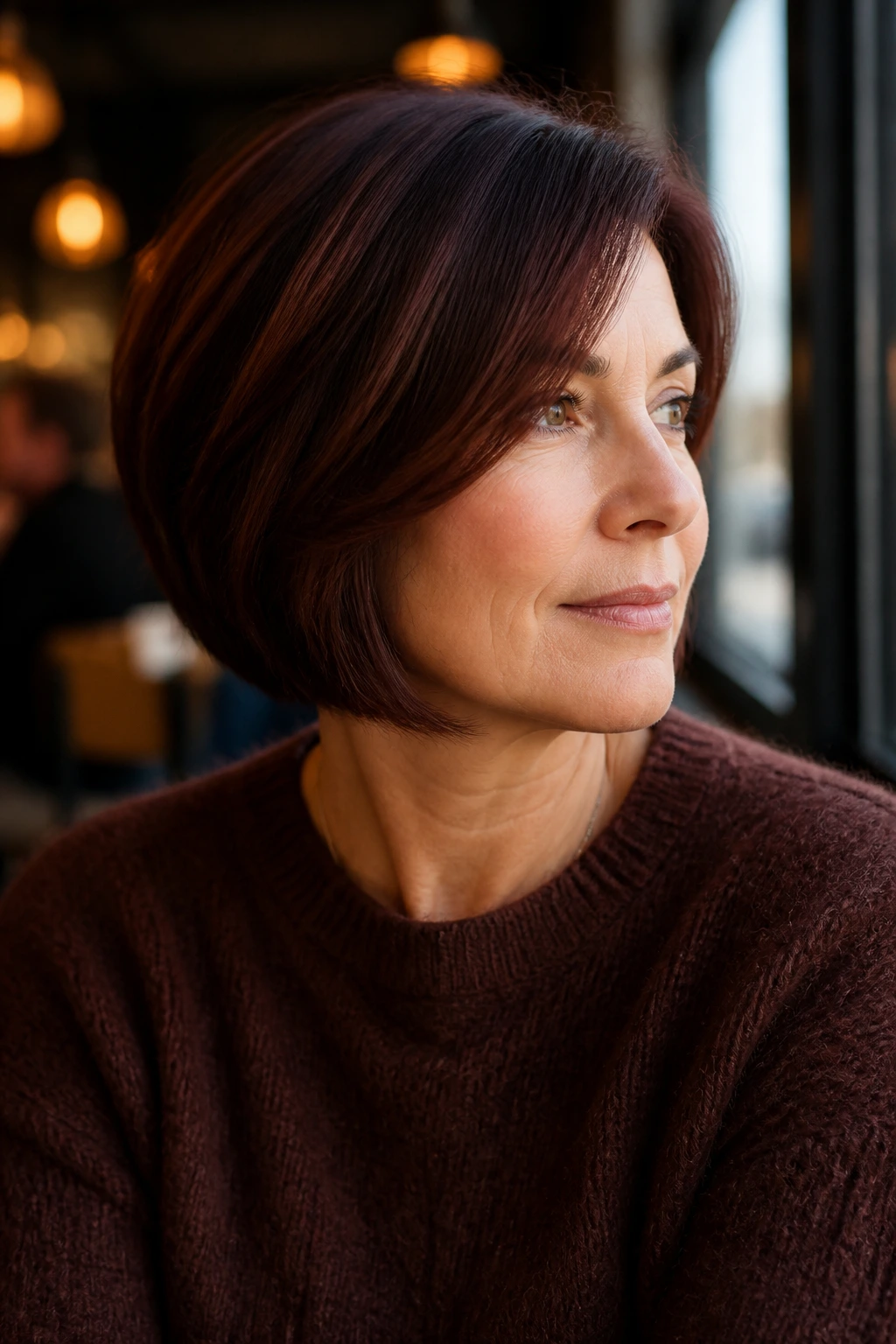
Mahogany brown can be a little dramatic, and that is exactly why it works on a bob. The clean shape of the cut gives the rich red-brown color a neat frame, so the shade looks intentional instead of heavy. Short hair can take deeper color better than long hair, which is one reason this combo feels so crisp.
Unlike a full red, mahogany stays grounded in brown. That makes it easier to wear with everyday makeup and less likely to dominate the face. If you want movement, ask for slightly lighter pieces hidden under the top layer. They won’t scream for attention, but they will keep the bob from looking like one block of color.
This is a strong choice if you like structure. A sharp bob plus mahogany makes a clean statement.
27. Mocha Melt
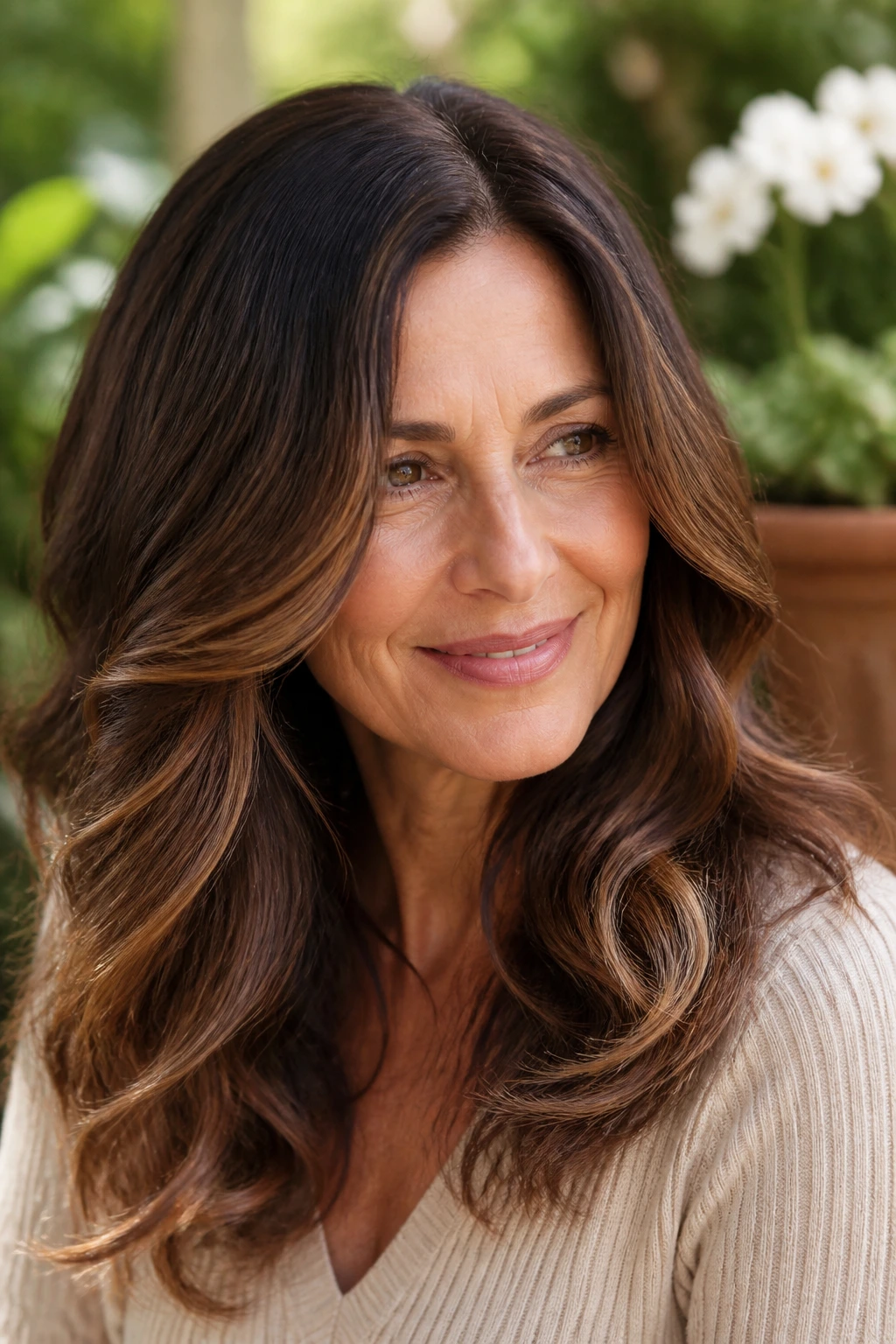
Mocha melt is one of the easiest ways to make brown hair look expensive without doing anything flashy. The color shifts from deeper roots into lighter mocha mids, then softens again near the ends. Nothing is abrupt. Everything blends.
What to Ask Your Stylist
- Keep the root area one shade deeper than the mids
- Use a mocha-brown midtone, not a golden brown
- Blend the ends with a sheer gloss so they don’t look bleached out
- Leave a little depth around the ears and nape for contrast
This style suits women who like color that moves but do not want obvious strips or chunks. It also works beautifully on waves, because the bends show the melt between shades. Straight hair can wear it too; the transition just needs to be softer.
28. Bronze-Brown Lob
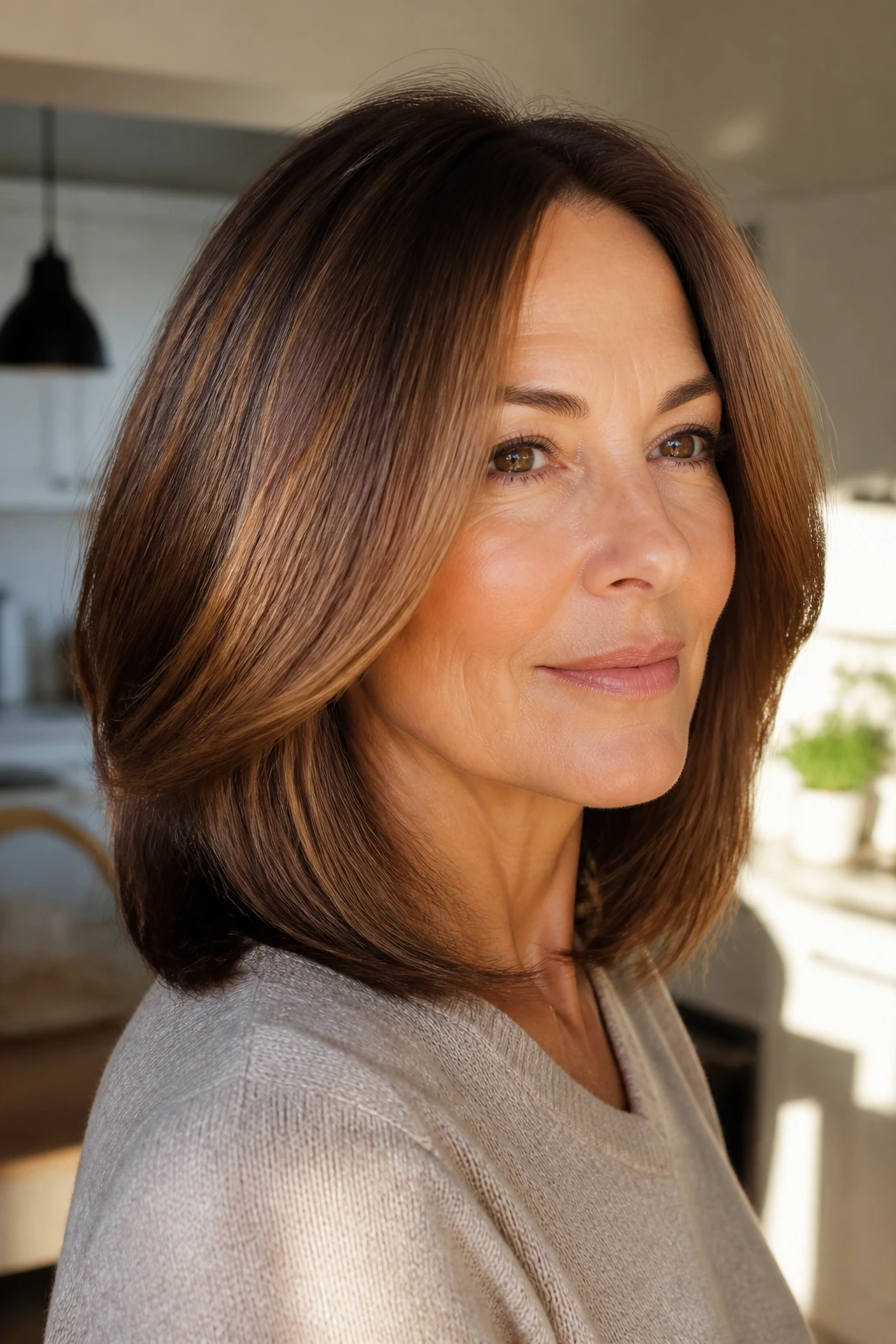
Bronze-brown is for someone who wants warmth with a bit of shine and body. On a lob, it really shines because the cut gives the color a clean shape to sit in. Bronze tones reflect light in a way that makes hair look alive, especially when the finish is smooth but not flat.
Why It Works So Well on a Lob
A long bob leaves enough length for the bronze to move, but not so much that the color gets lost. The front pieces can be slightly lighter, while the back stays a touch deeper. That keeps the cut from looking boxy.
If your hair is naturally straight, bronze-brown can prevent it from looking too plain. If it’s wavy, the color picks up each bend and gives you more texture than you actually have. That’s the kind of trick I appreciate.
29. Smoky Chestnut with Gloss Finish
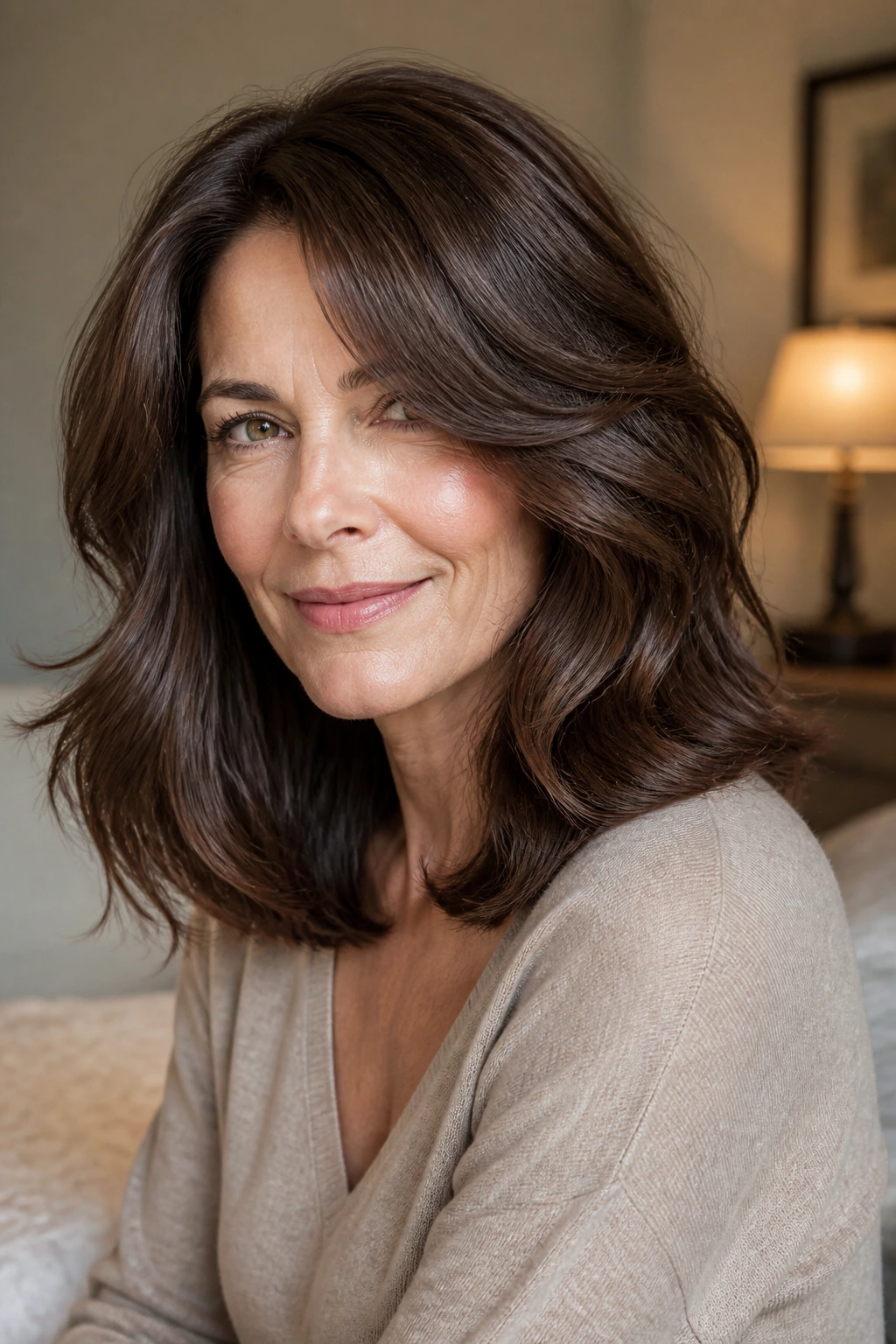
Smoky chestnut takes the warmth of chestnut and mutes it a little. The gloss finish is the important part here—it keeps the shade from looking dry or old-fashioned. Without shine, smoky browns can flatten out fast.
This color works especially well if your hair has some natural texture or if it has taken on a bit of roughness from previous coloring. The smoky tone smooths over that, and the gloss acts like a clean topcoat. You don’t need a dramatic change to see the difference. You’ll notice it in the mirror when the hair moves.
The shade sits nicely between warm and cool, which makes it forgiving on many skin tones. That middle ground is useful. Not every good brown needs to be loud.
30. Cocoa and Espresso Color Blocking
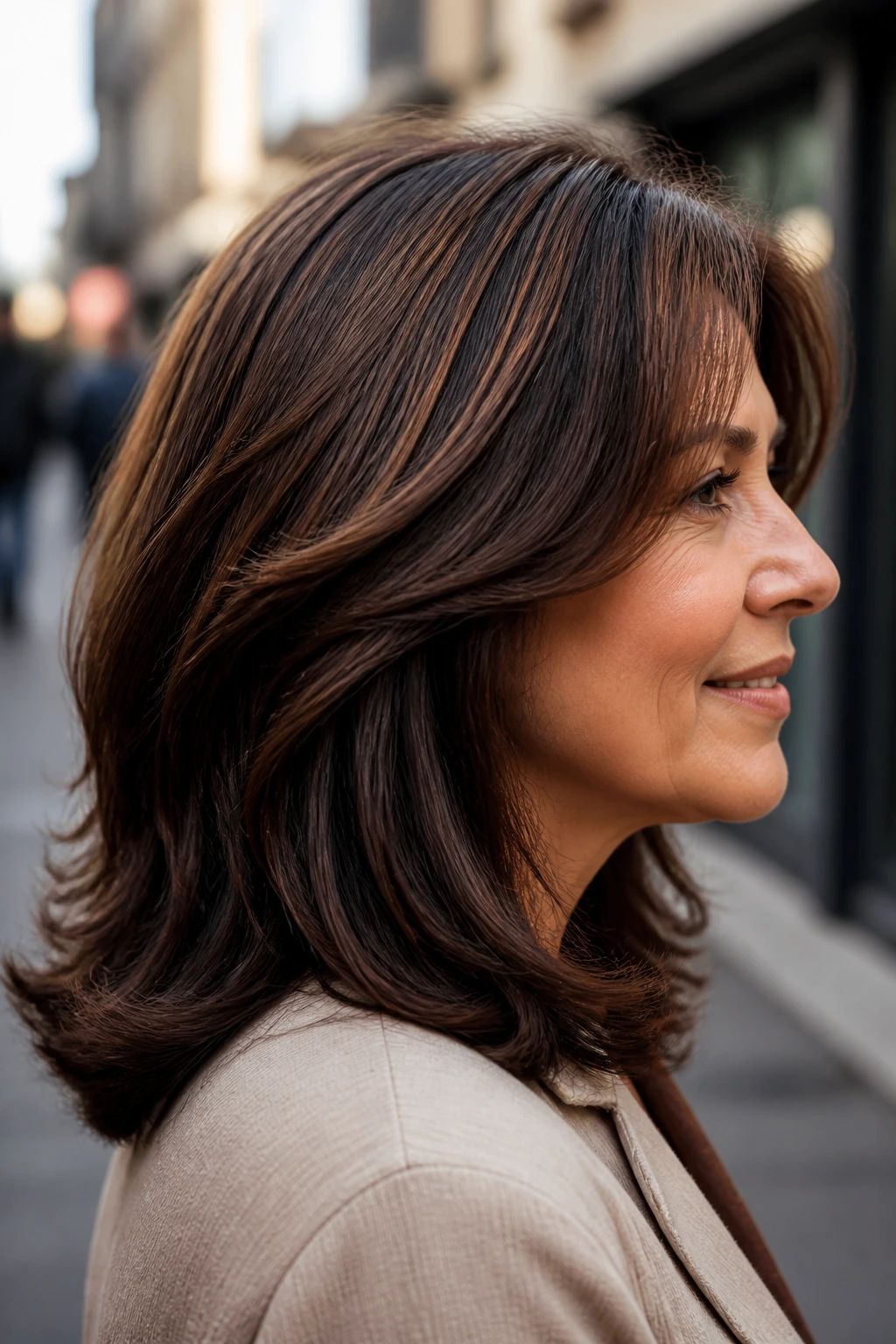
Color blocking sounds bold, but it can be tasteful when the contrast stays soft. Cocoa and espresso are close enough to feel related, yet different enough to build shape. The darker espresso can sit underneath or at the ends, while cocoa stays on top for a little lift.
This idea is useful if your hair is thick and you want to break up the mass. It also works on curly hair, where the contrast between shades can show through the curl pattern without needing much styling. Keep the divide gentle. You want depth, not a hard stripe.
If you’ve been wearing one solid brown for years, this can feel like a real change while still staying inside the brunette family. Familiar, but not boring.
31. Warm Amber Brown
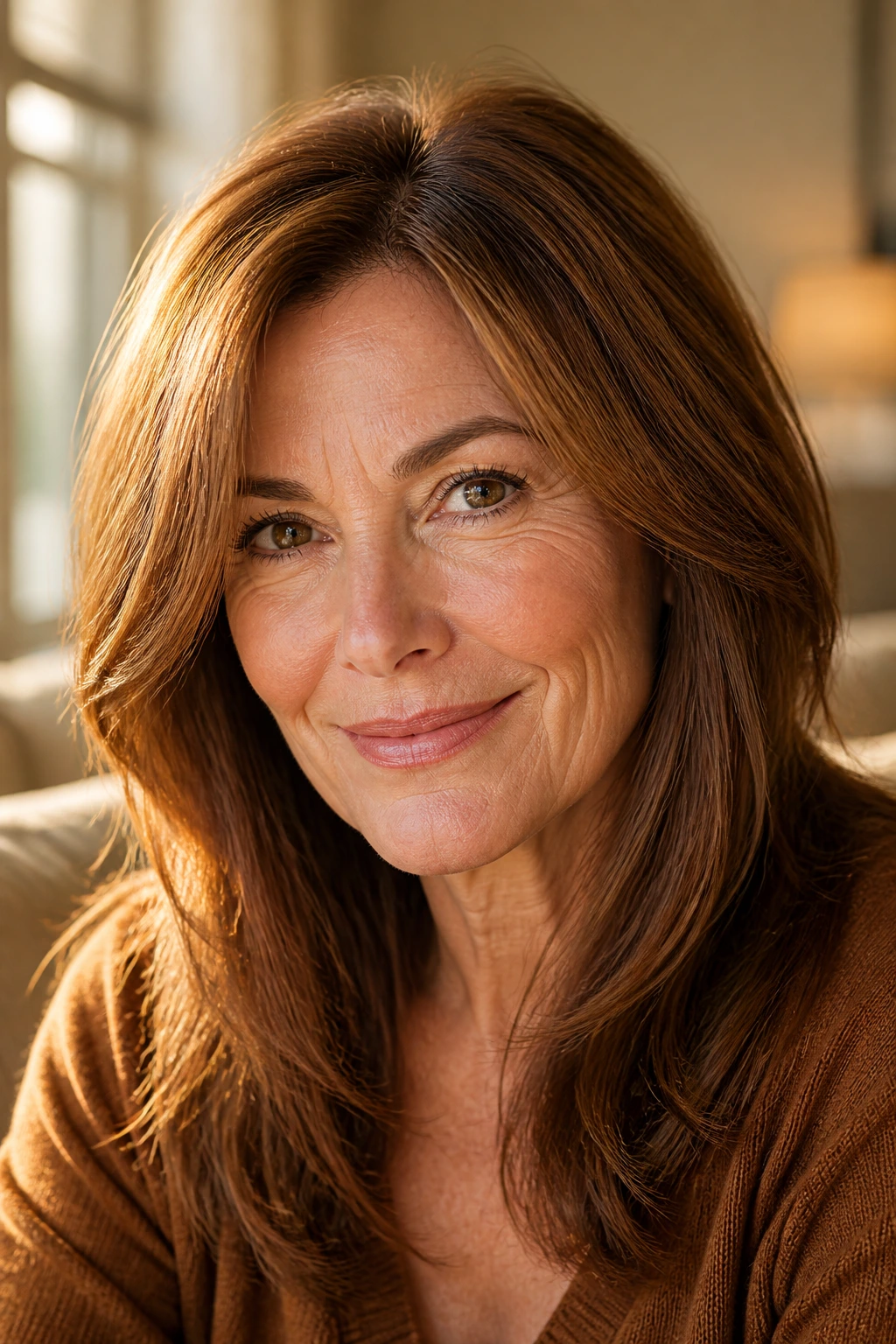
Warm amber brown brings a golden glow without sliding into orange. That balance is rare, and it’s why this shade looks so nice on skin that needs warmth but not too much red. It can make the face look fresher and the eyes look brighter in low light, which is not a small thing.
Who It Suits Best
Amber brown tends to flatter golden, peach, or olive undertones. It also works well if your natural hair already has a little warmth in it, because the color doesn’t have to fight the base. A colorist can keep the root a touch deeper and add amber through the mids and front pieces.
This is not the shade I’d choose if you fight brass every time you color. But if warm tones love your skin, amber brown is a very easy yes.
32. Cool Roast Brown
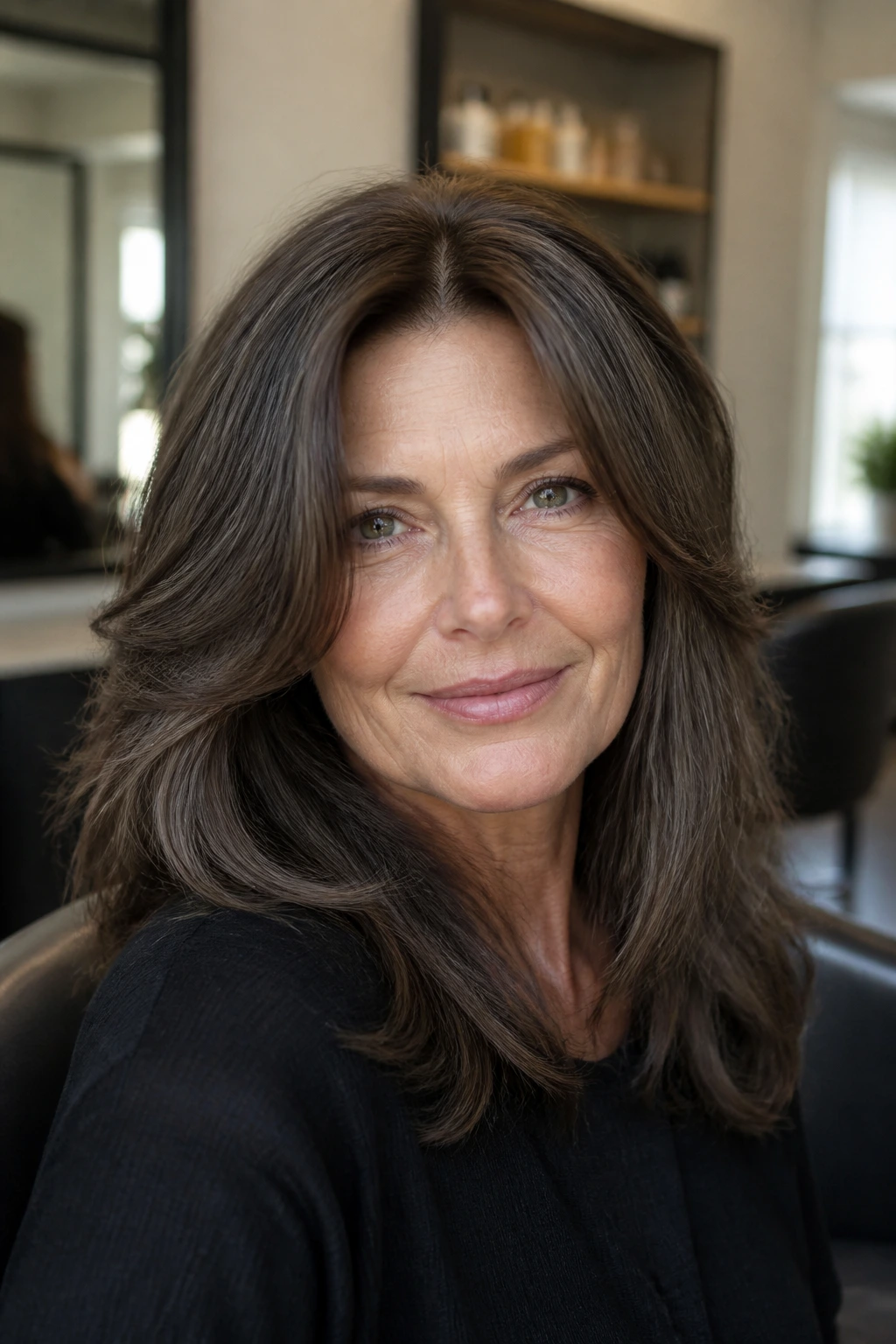
Cool roast brown is darker and quieter than mocha, with a slightly smoky finish that keeps it from feeling heavy. It’s one of those shades that looks simple until you see it in motion. Then the tone shifts a little, and the hair gets depth.
- Best on medium to thick hair
- Looks strongest with a smooth blowout or loose waves
- Can be paired with a soft root shadow for easier grow-out
- Needs a blue- or green-based shampoo only if brass starts creeping in
This shade is good for anyone who wants rich brown without golden reflection. It’s serious, in the best way. Clean lines, soft shine, no fuss.
33. Soft Auburn Mushroom Brown Hybrid
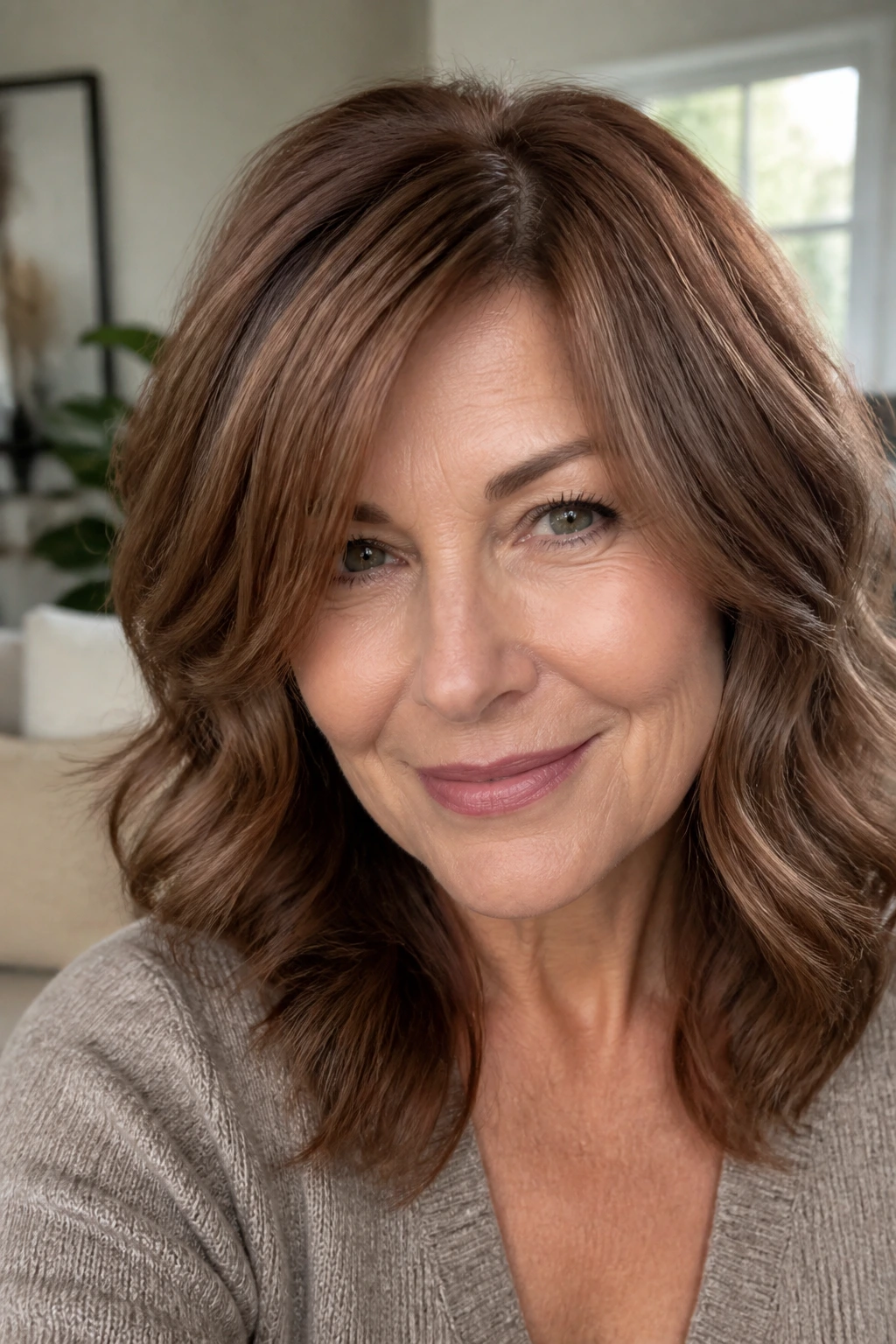
This one is for the woman who cannot decide between warm and cool because both appeal. Good. You do not have to choose one camp forever. A soft auburn mushroom brown hybrid keeps the brown base cool and smoky, then slips in just enough auburn warmth to keep the complexion from looking flat.
The key is balance. The mushroom side keeps the shade modern and grounded. The auburn side gives it life. If the red overtone is too strong, the color gets noisy. If the ash is too heavy, it turns lifeless. Somewhere in the middle is the sweet spot, and that’s where the hair starts looking interesting from every angle.
This is one of the most flattering “middle path” colors on the list.
34. Deep Brunette with Wispy Silver Blend
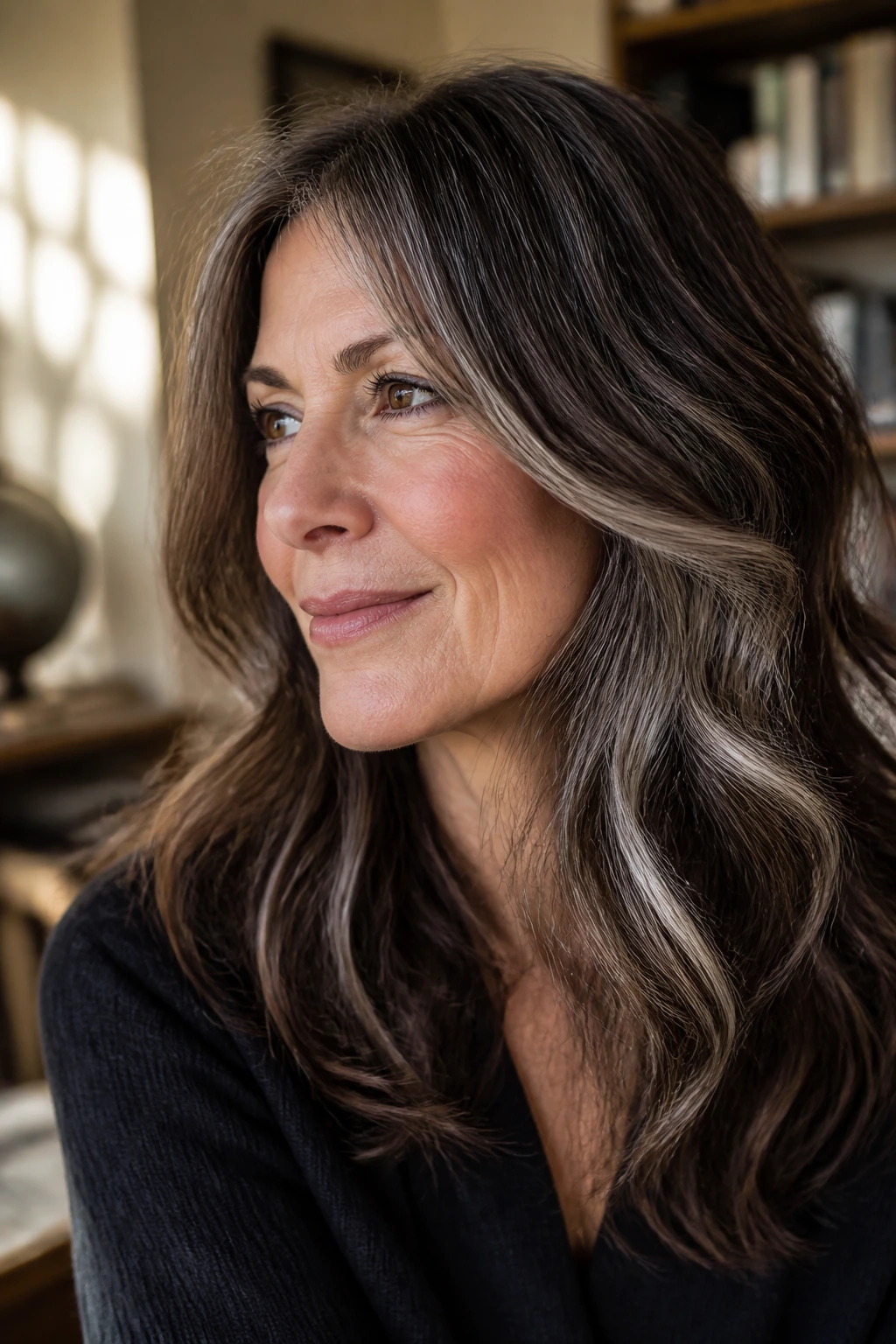
A deep brunette base with wispy silver blend is a smart move if you want to keep some of your natural silver visible but still have the richness of brown. It feels honest and polished at the same time, which is harder to pull off than people think.
The silver pieces should be thin and soft, not chunky or harsh. That keeps them from looking like an afterthought. Ask for lowlights that sit just a touch deeper than your base and a few silver-friendly highlights through the crown and temples. The result should feel layered, not striped.
This style is especially good if you don’t want constant root upkeep. The silver becomes part of the design. That’s a relief, frankly.
35. The Low-Maintenance Gray-Blend Brunette
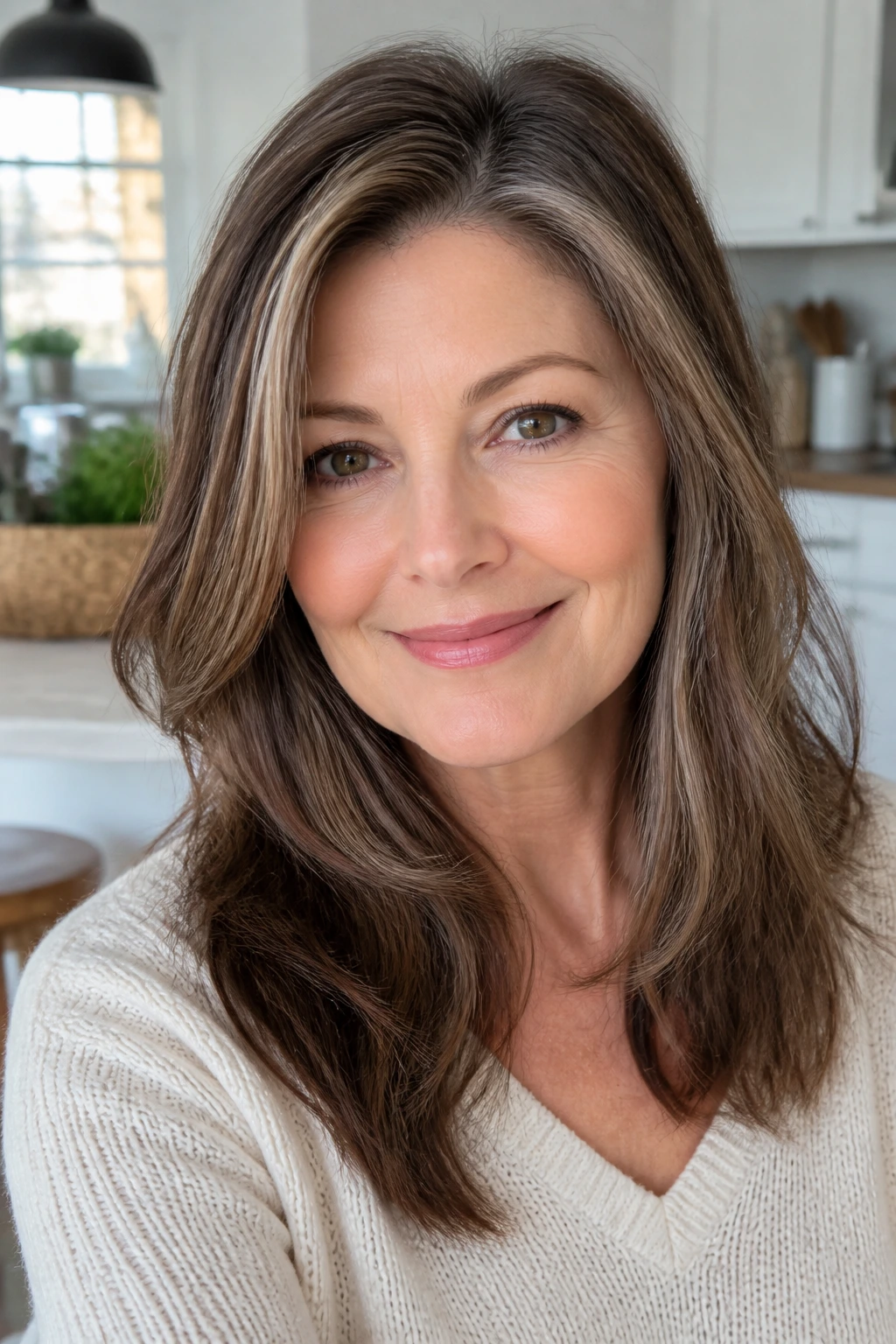
If you want one brown hair color idea that can live through a busy life, this is the one. A gray-blend brunette uses a deeper root, softer mid-lengths, and a few thin highlights or lowlights to make gray look like part of the overall color instead of a problem to cover. It is practical, and I think practical hair is underrated.
The formula can be tuned in a lot of directions. Warm brunette with beige ribbons. Cool brunette with smoky lowlights. Medium brown with a shadow root. The common thread is softness at the regrowth line and enough dimension that the hair does not look like one painted block. That is what makes it forgiving.
If you want a color that grows out without drama, this is the smartest finish on the list. It gives you room to live, which is more valuable than perfect hair on day one.
