



Blonde gets dull fast. One wash too many, one toner too warm, and a clean beige blonde turns brassy in a way that nobody asked for.
The smartest blonde hair color ideas are not always the palest ones. The shades that hold their shape have a little depth at the root, a tone that matches the base, and enough shine to keep the ends from looking thirsty.
I’ve always preferred blondes that look expensive from across the room and believable up close. Chalky blonde has its fans; I’m not one of them.
Some of the shades below are icy and bright. Others are creamy, golden, or softly smoky, and that range matters because the right blonde is partly about your starting color and partly about how much toner, gloss, and root maintenance you can live with. Start with the shade that gives you light where it counts, then keep it clean.
1. Champagne Blonde With Soft Shadow Roots
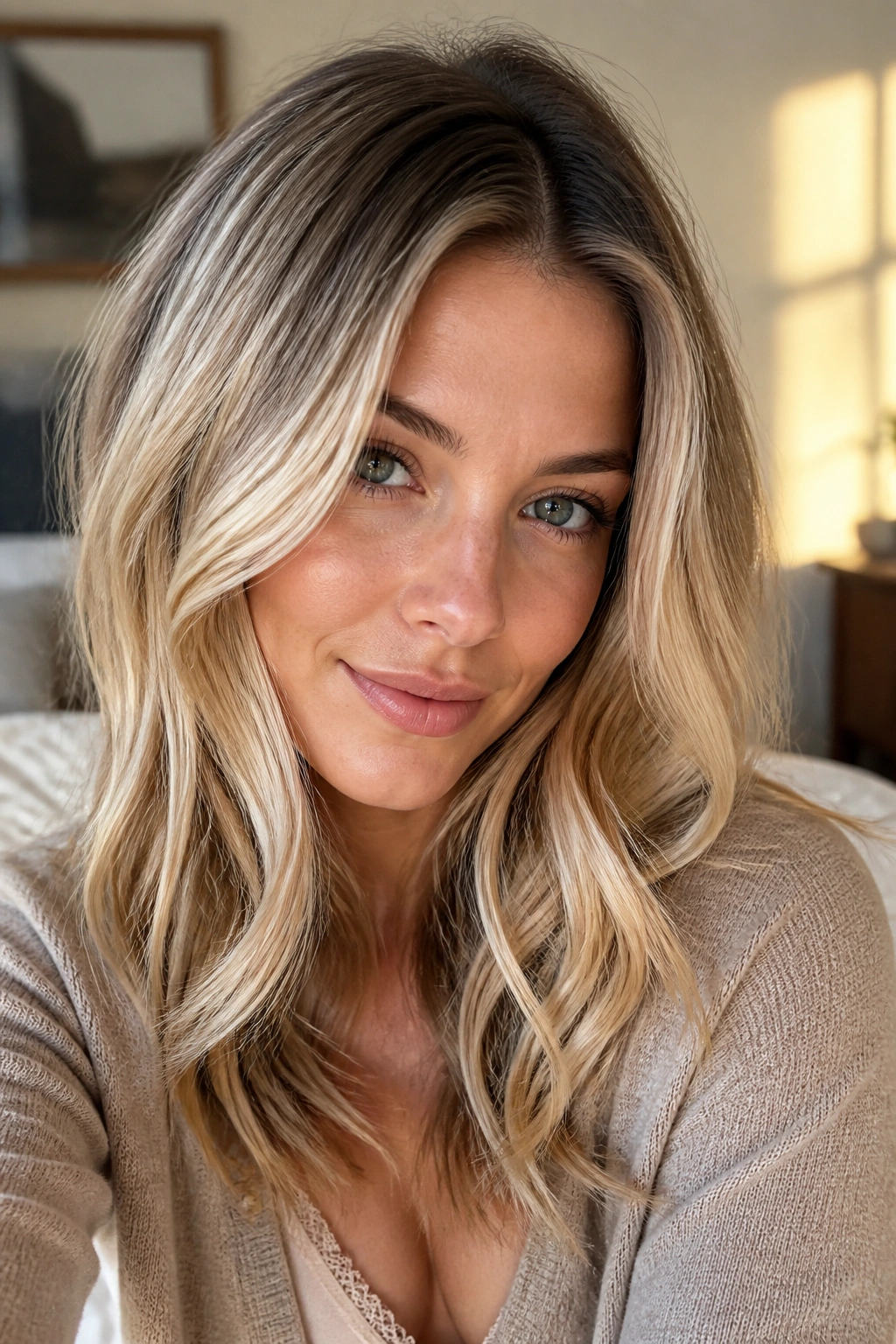
Champagne blonde is one of those shades that looks light without shouting for attention. The color sits between beige and soft gold, so it feels polished instead of flat, and the shadow root keeps the grow-out calm instead of obvious.
Why It Stays Bright
The little bit of depth at the root does a lot of work here. It gives the blonde a frame, which keeps the lighter pieces from looking washed out by contrast, and it buys you a few extra weeks before the color starts to look tired.
- Ask for a root shadow about half an inch to 1 inch deep.
- Keep the mids in the level 9 range and the ends closer to level 10.
- Use a beige gloss every 6 to 8 weeks so the tone stays soft, not yellow.
My favorite detail: champagne blonde looks best when the shine is clean and not oily. A lightweight serum on the ends is enough.
2. Arctic Pearl Blonde
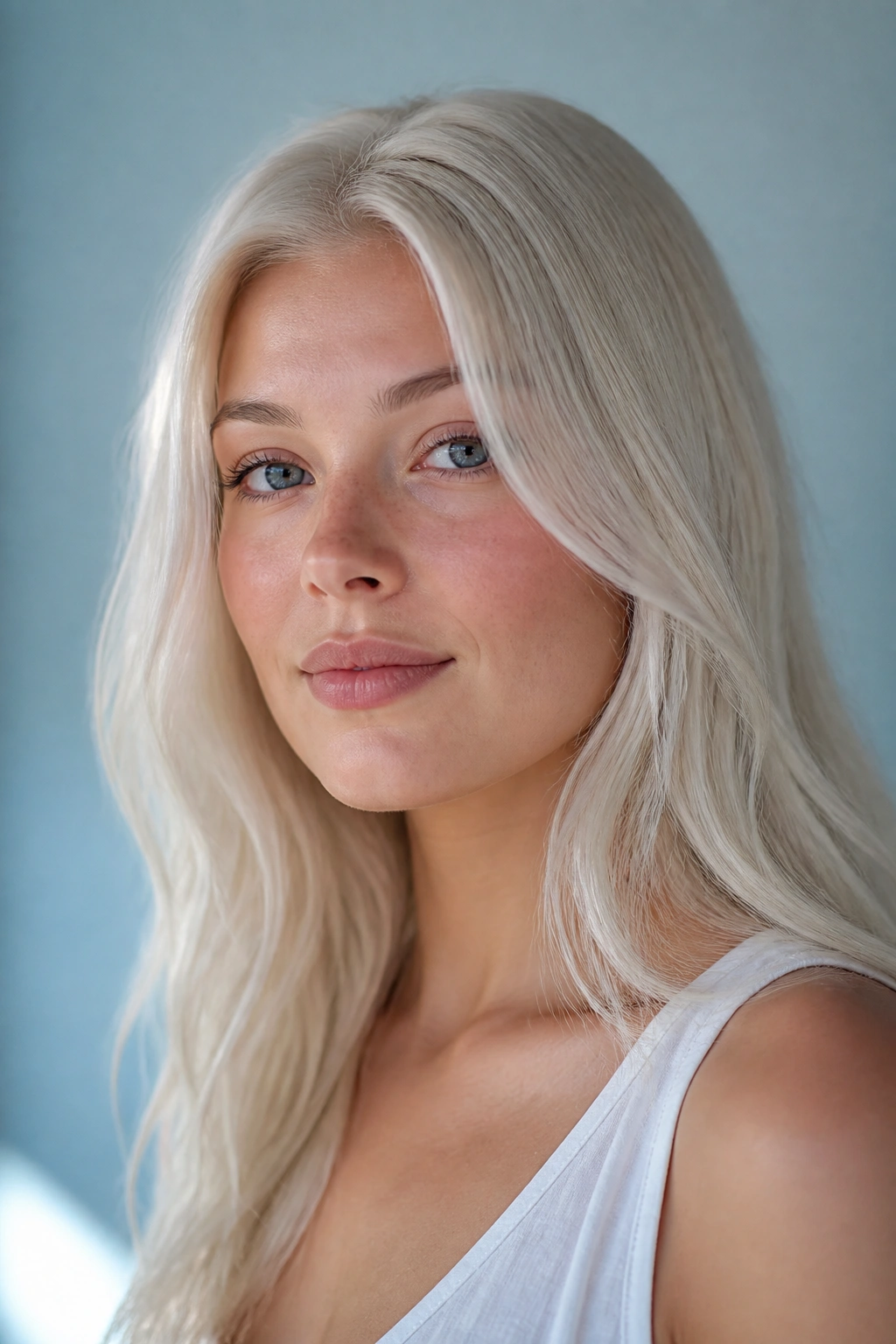
Arctic pearl blonde is for the person who wants ice, but not that harsh paper-white look that can make hair seem dry even when it’s healthy. The pearl part matters. It softens the cool tone so the blonde reads luminous instead of gray.
The trick is keeping the color clean, not over-toned. Too much purple shampoo and this shade can go dull fast, which is a shame because the whole point is that pale, glossy finish. I like it best on hair that has already been lifted evenly, because patchiness shows in a cool blonde much faster than in a warmer one.
A silver-violet gloss every few weeks usually does more than piling on toner at home. And if your water runs hard, a shower filter is not a silly extra — it can keep mineral buildup from turning the ends muddy.
3. Buttercream Blonde
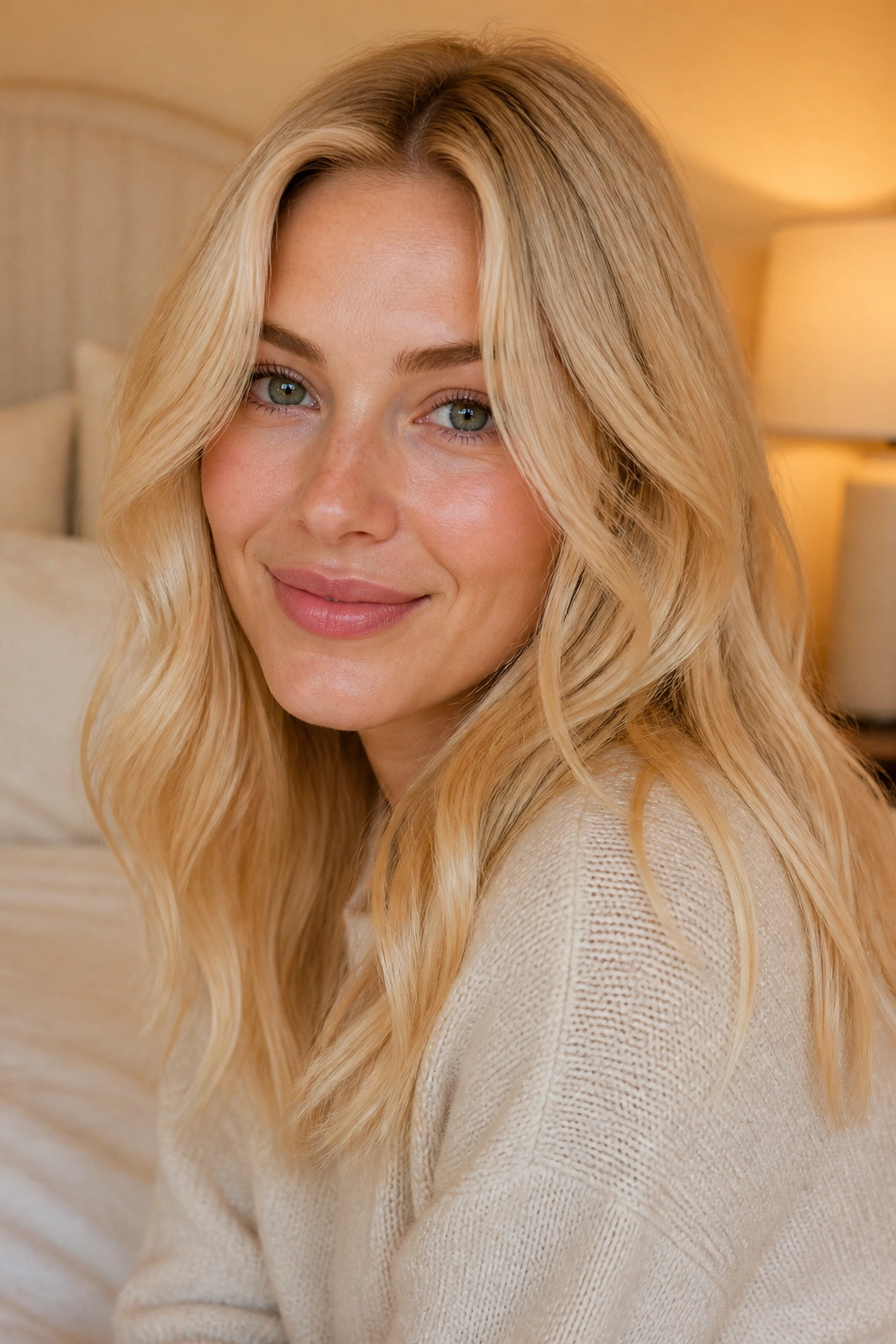
Can blonde look soft and still feel bright? Absolutely. Buttercream blonde does it by leaning creamy rather than icy, which gives the hair a rich, clean look even when the light is soft.
This shade works well when you want brightness without the starkness of platinum. It has enough gold-beige in it to flatter a lot of skin tones, but not so much warmth that it drifts into yellow. That balance is why it often looks more expensive than a flat one-tone blonde.
How to Keep It Creamy
A beige toner is the friend here, not a heavy violet mask. Overcorrecting buttercream blonde is the fastest way to make it look chalky.
- Use a color-safe shampoo 2 to 3 times a week.
- Book a gloss every 6 weeks.
- Add a leave-in conditioner with heat protection before blow-drying.
The soft, whipped look of this blonde is the whole point. Let it stay smooth.
4. Honey Glaze Blonde
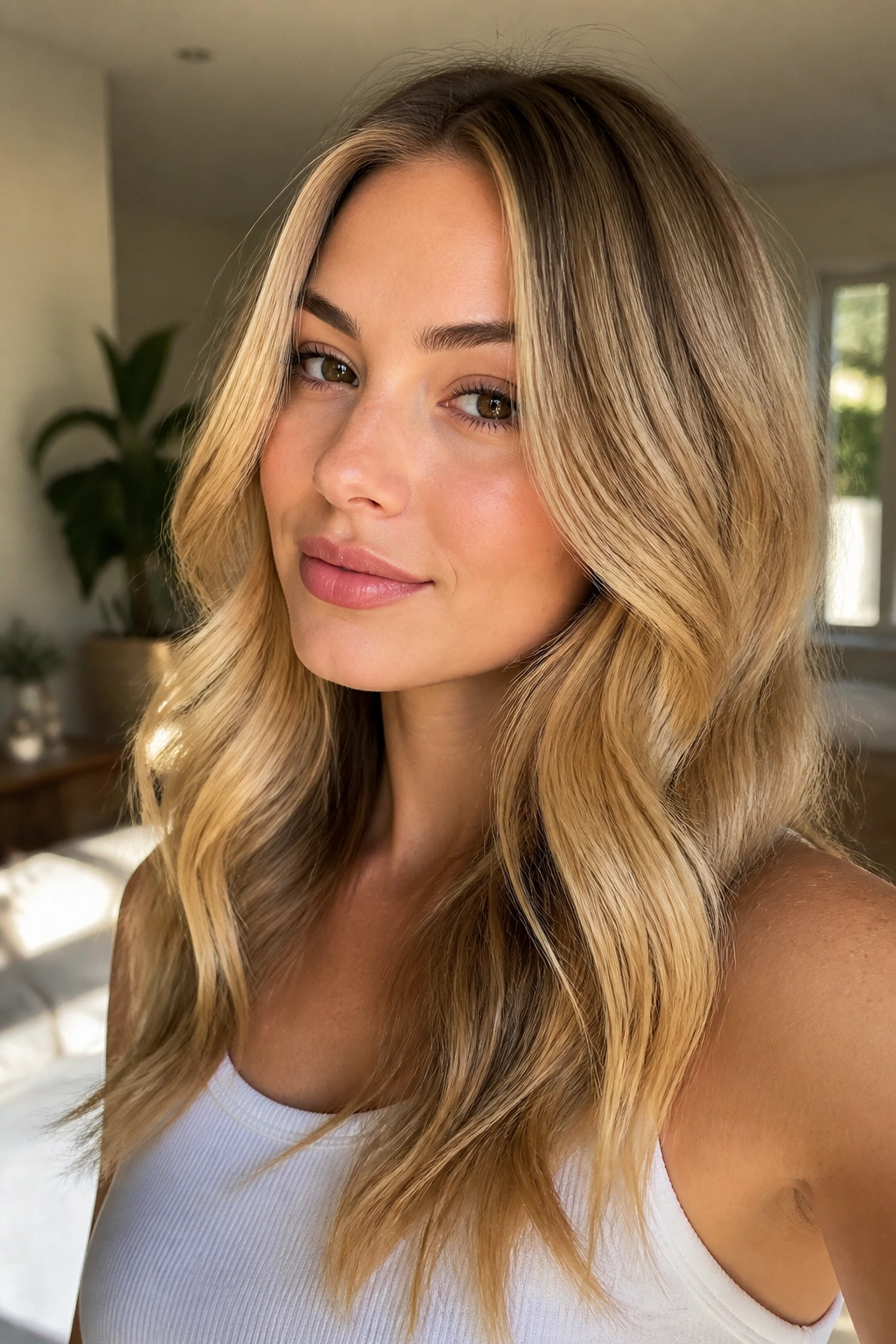
A client with dark brows and warm skin usually looks better in honey glaze blonde than in something icy and thin. That warmth gives the color more body, and it lets the blonde catch light instead of disappearing against the face.
Honey blonde can go brassy if it is pushed too far, so the good version is always a little controlled. I like it with a few lowlights underneath, because that darker base keeps the gold tone from turning flat. It also helps the color grow out in a calmer way.
- Ask for fine ribbons of gold blonde, not chunky highlights.
- Keep the root closer to your natural level.
- Refresh with a gold-beige gloss, not a strong copper toner.
Pro tip: if your hair tends to yellow at the ends, cool water rinses help more than people think.
5. Beige Bob Blonde
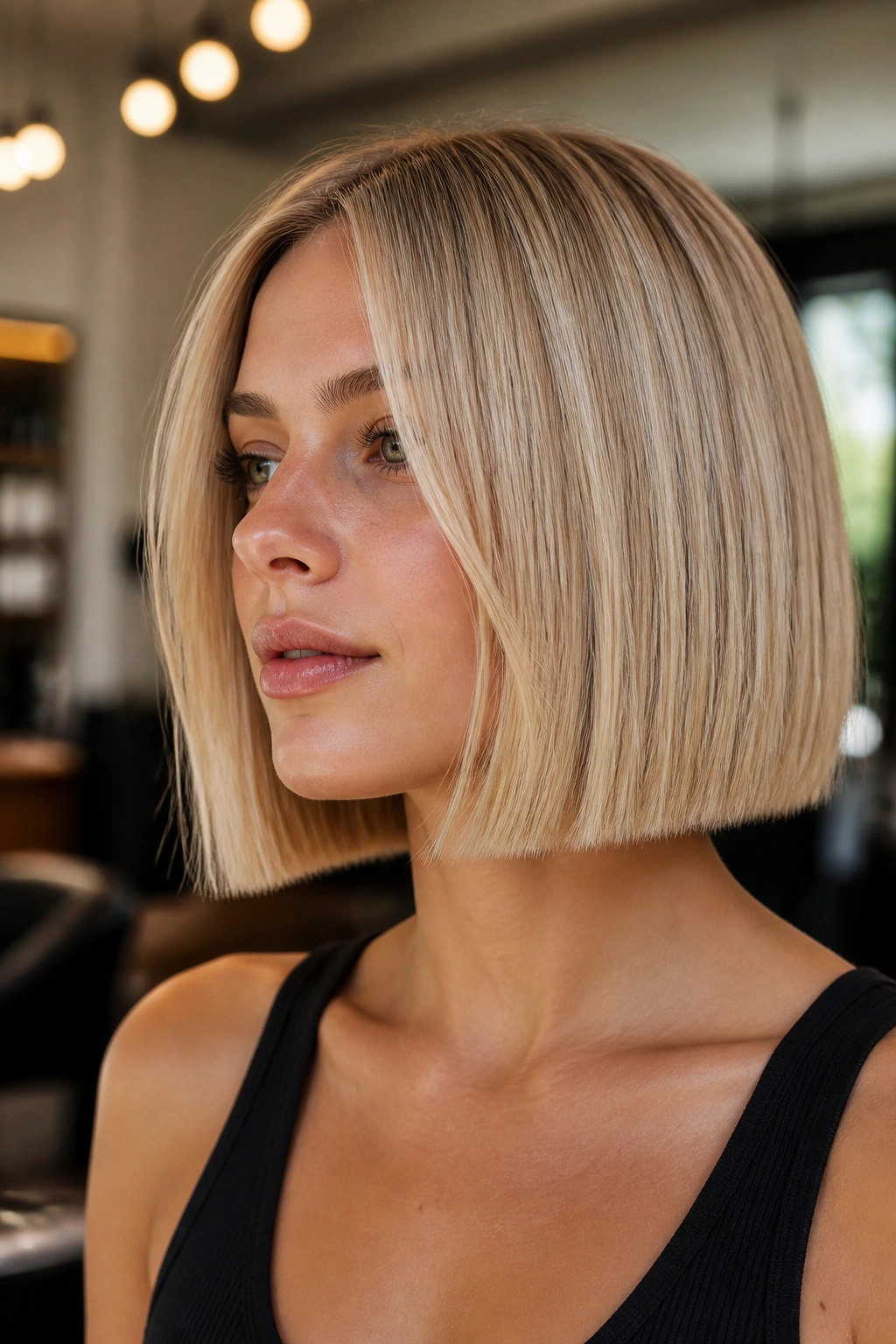
A bob cut and beige blonde get along for one simple reason: the line of the haircut makes the color look cleaner. The blunt ends catch light, and the beige tone keeps the whole thing from looking overly warm or stripped.
This is a good choice if you want a lighter look that still feels grounded. It does not have the drama of platinum, but it has more polish than a brown-blonde blend that has gone muddy. Beige is one of those shades that looks calm in daylight and smoother under indoor light, which matters more than it sounds.
The only catch is maintenance on the cut itself. A bob loses its shape fast, and when the ends start flipping out, the color can look less intentional. Keep the trim line sharp and the gloss neutral, and the shade stays crisp.
6. Scandinavian Silver Blonde
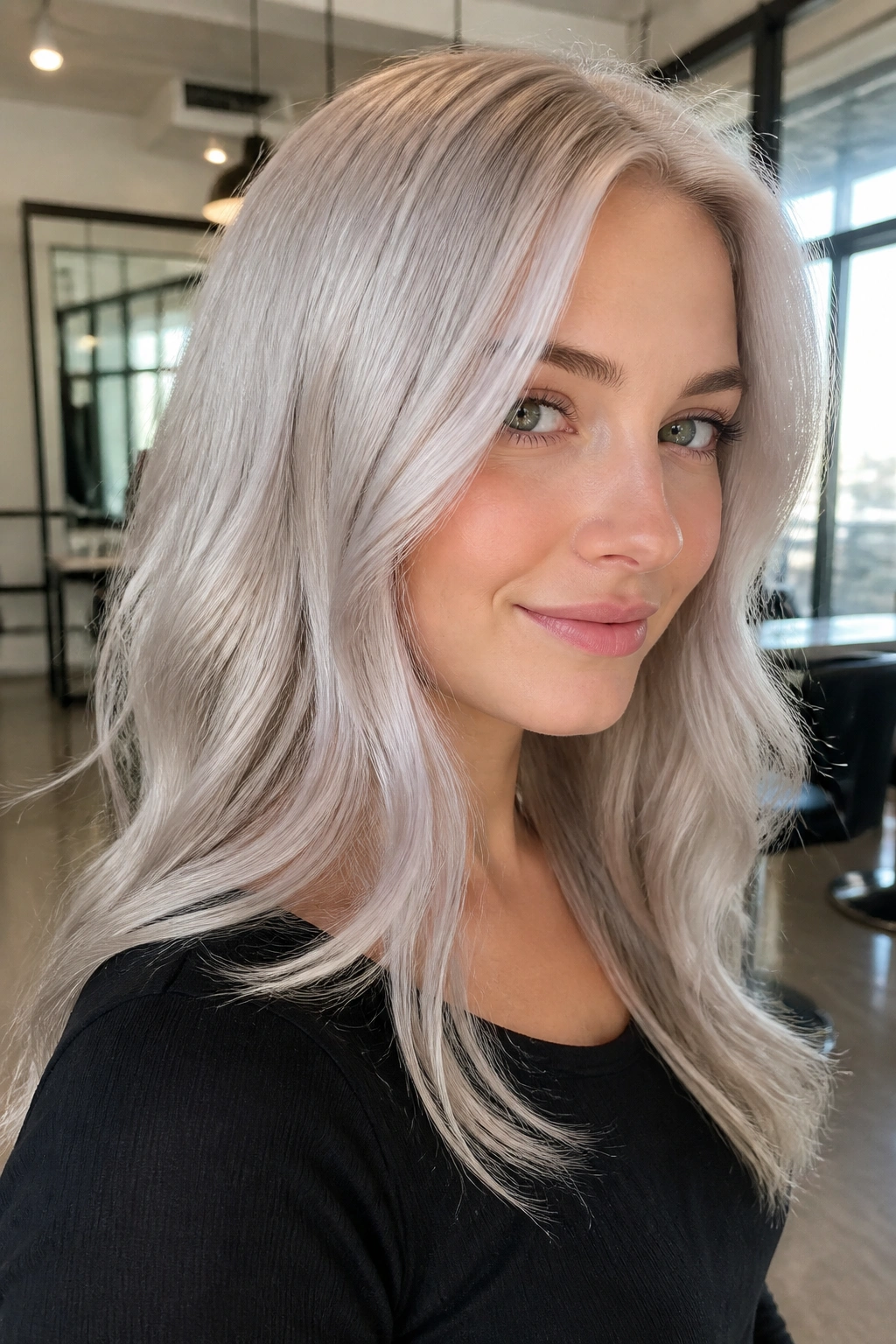
Scandinavian silver blonde is cooler and more reflective than standard ash blonde, and that extra sheen is why it keeps its edge so well. It looks almost metallic in good light, but the best version still has a soft, airy feel rather than a flat gray cast.
Compared with pearl blonde, this shade runs a touch more silver and a touch less creamy. That makes it a stronger choice if you like cooler makeup, crisp wardrobe colors, or a more graphic finish around the face. It can be gorgeous on straight hair, though a slight bend in the ends keeps it from looking severe.
Who It Suits Best
It tends to work best on hair that can take a full lift without turning blotchy. That usually means starting from a lighter base or using a careful foil method.
- Ask for a cool silver toner rather than blue-black ash.
- Use purple shampoo once a week, not every wash.
- Keep heat styling low, because silver shades show dryness fast.
A glossy finish is the whole trick here.
7. Rooted Platinum
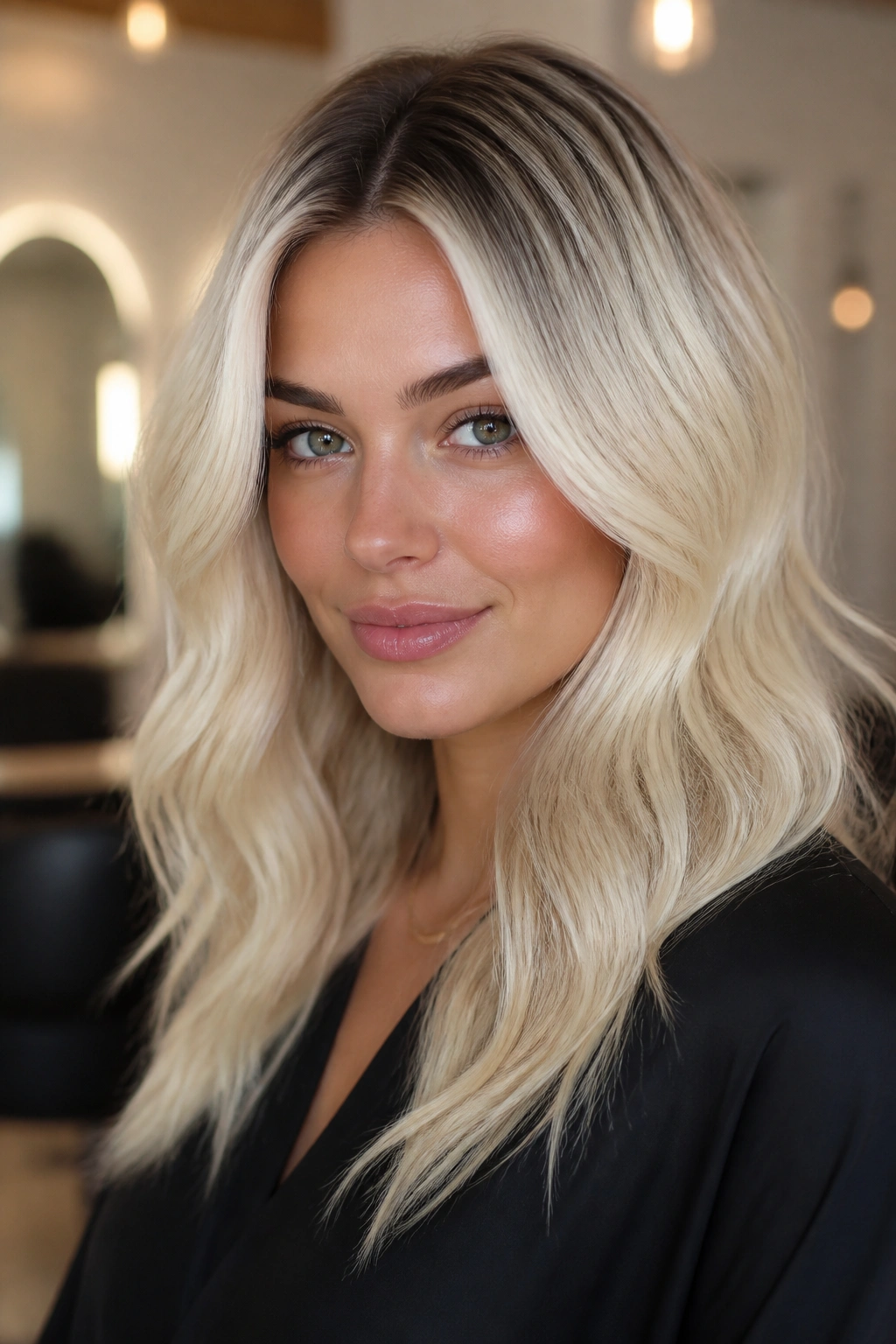
Rooted platinum is the practical cousin of full platinum, and I say that with affection. The dark root gives you breathing room, which is useful because platinum on its own can look high-maintenance before the hair even grows out.
The contrast between the root and the pale lengths also makes the blonde look brighter. That sounds backward, but it works. The root shadow acts like a frame, and the light ends seem even lighter by comparison. If you have naturally dark brows or a deeper skin tone, this version often feels more balanced than a bleach-white scalp line.
Why Salons Keep Recommending It
It buys you time between appointments and keeps the regrowth line from becoming the whole story.
- Keep the root smudge around 1 to 2 inches.
- Tone the mids and ends to a cool pearl finish.
- Add a bond-building treatment once a week if the hair feels stretched or dry.
I would choose this over flat platinum nine times out of ten.
8. Sandy Baby-Light Blonde
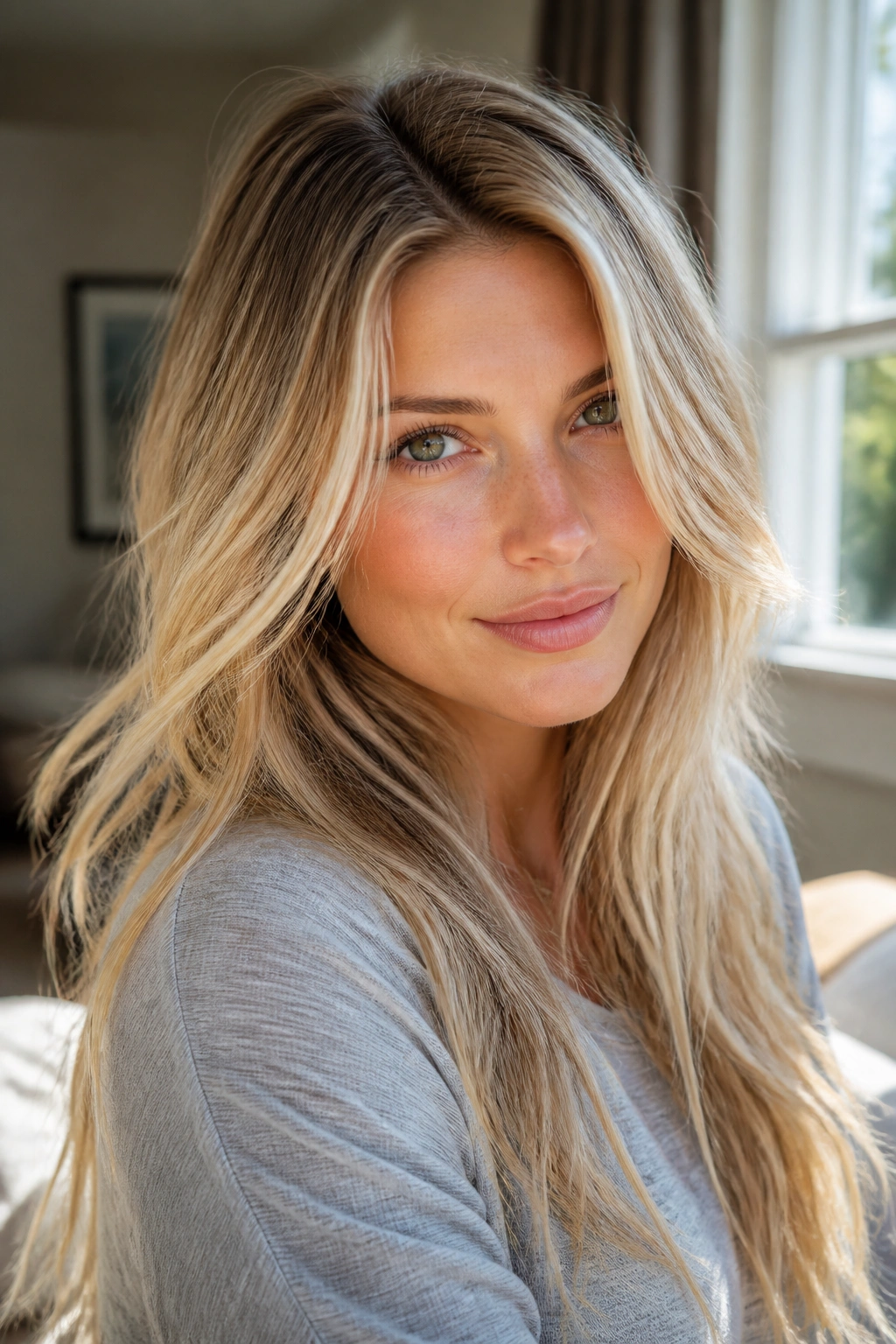
Sandy blonde has that easy, sun-faded look, but the baby lights are what keep it from going dull. Tiny highlights scattered close together create a soft glow, and because the pieces are fine, the regrowth is much less obvious.
That’s the part I like. The shade looks light without needing every strand to be pale. A sandy base with delicate baby lights holds up better than a heavy block of blonde, especially if you wear your hair down most of the time. The movement matters.
If you want this shade to stay fresh, keep the toner between beige and soft gold. Too much ash can make sandy blonde look dusty, and too much gold can push it into brass. The sweet spot is somewhere in the middle, where the hair still looks touched by sun but never fried.
9. Mushroom Blonde
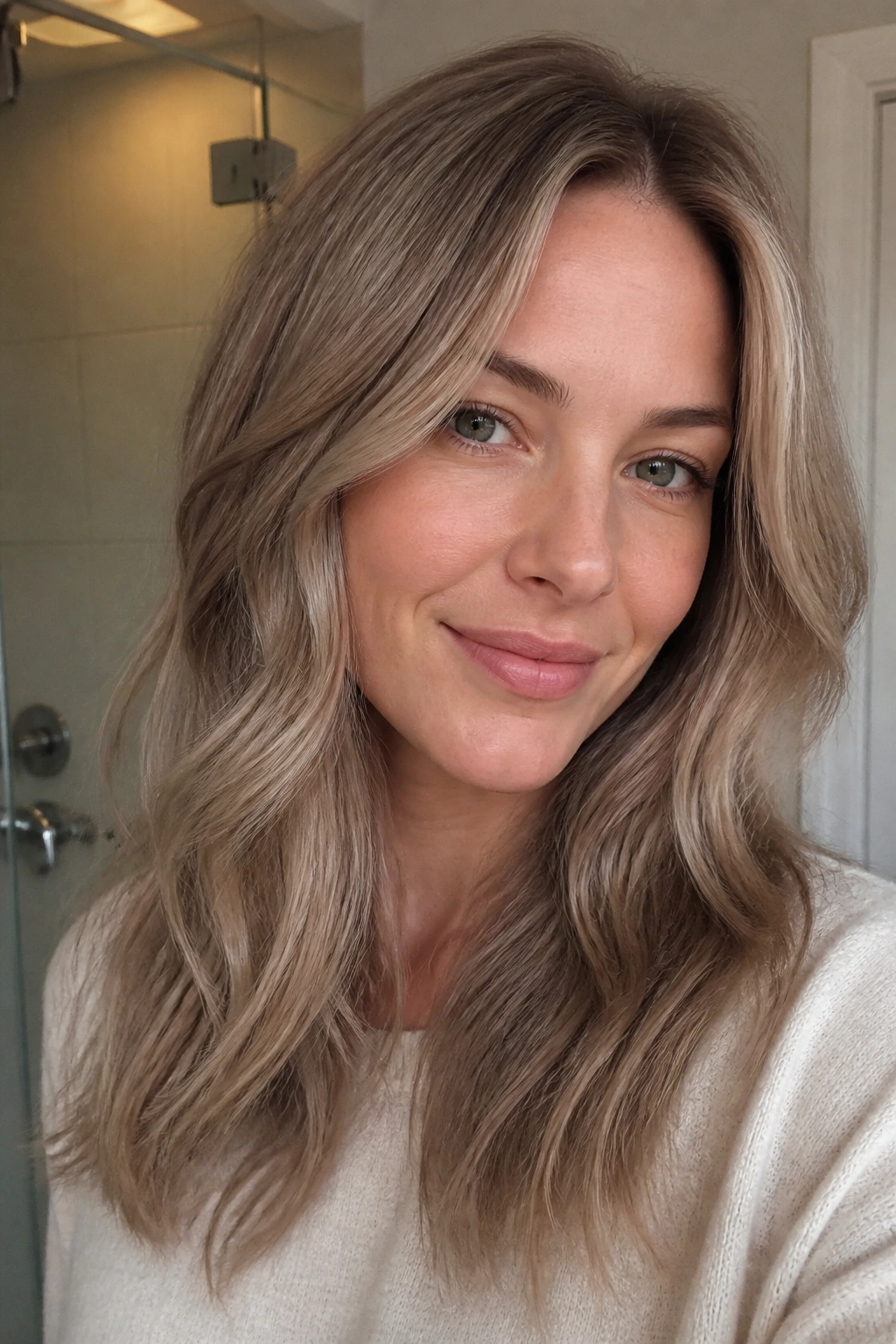
Why do some cool blondes look chic and others look muddy? Mushroom blonde is the answer I keep coming back to. The shade uses taupe, beige, and soft brown notes to keep the blonde grounded, which means it doesn’t swing yellow the minute the toner fades.
This is a smart option if you like low-key brightness rather than obvious lightness. It also works well on hair that was once darker, because the cool lowlights help blend the leftover depth. You end up with something that looks shaded in a flattering way, not patchy.
The maintenance is gentler than platinum, but not lazy. A cool gloss every 6 to 8 weeks keeps the tone from warming up too much. If your hair has porosity at the ends, a weekly mask helps the color sit evenly instead of soaking in unevenly.
10. Golden Apricot Blonde
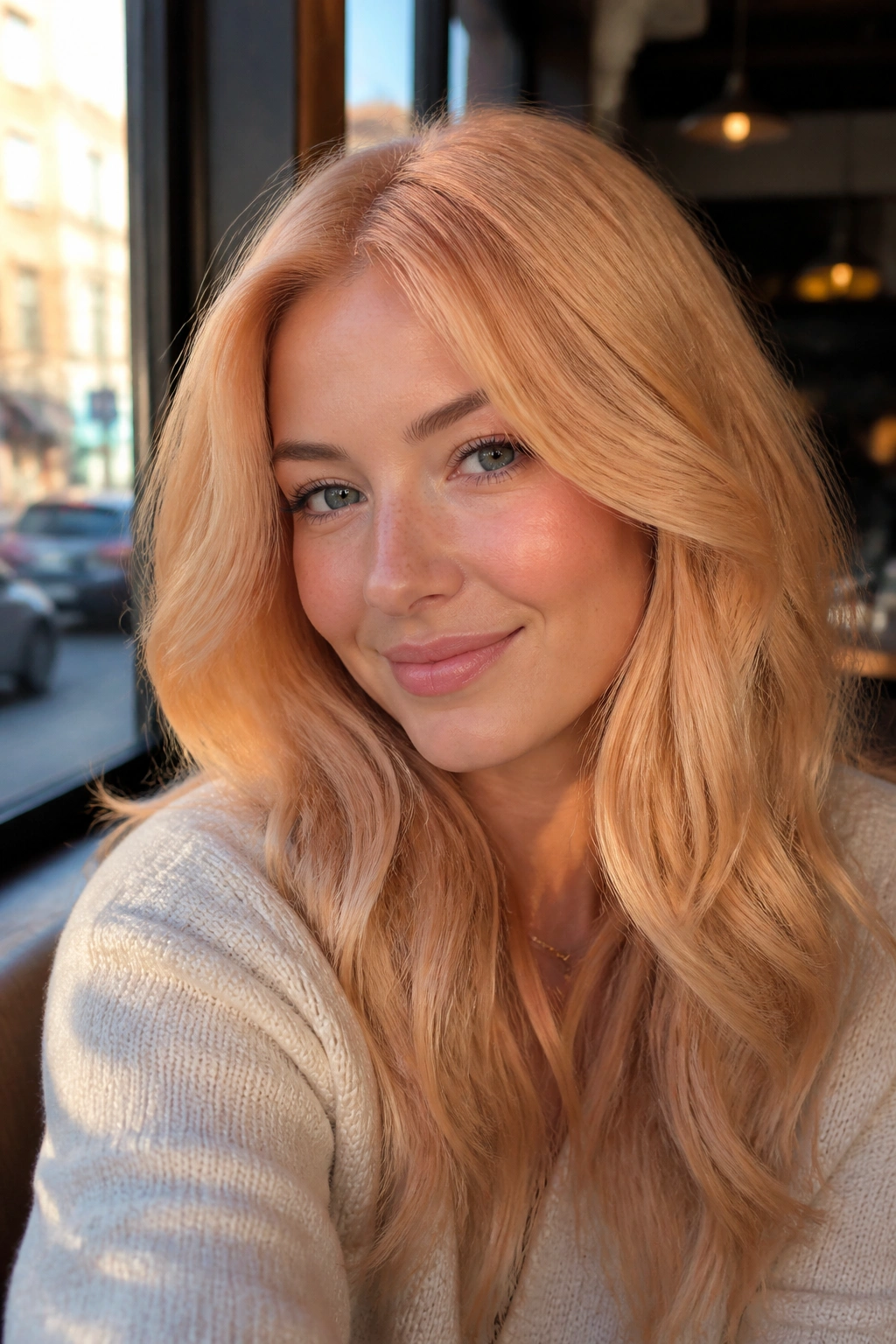
Golden apricot blonde has warmth, but it is a clean warmth, not the orange mess people fear. Think soft gold with a hint of peach. That little bit of apricot keeps the blonde from looking flat, and it gives pale skin and warm skin alike a bit of life.
I like this shade on hair that has enough lift to reflect the warmth instead of swallowing it. If the base is too dark, the apricot can disappear. If the lift is too pale, the color can read over-processed. The middle ground is where it sings.
A clear gloss helps here more than a heavy toner. You want the shine to stay visible, because that shine keeps the apricot from looking dry. And if you use a heat tool, a protectant spray is not optional. Warm blondes can go brittle fast when the cuticle gets roughed up.
11. Bronde Balayage
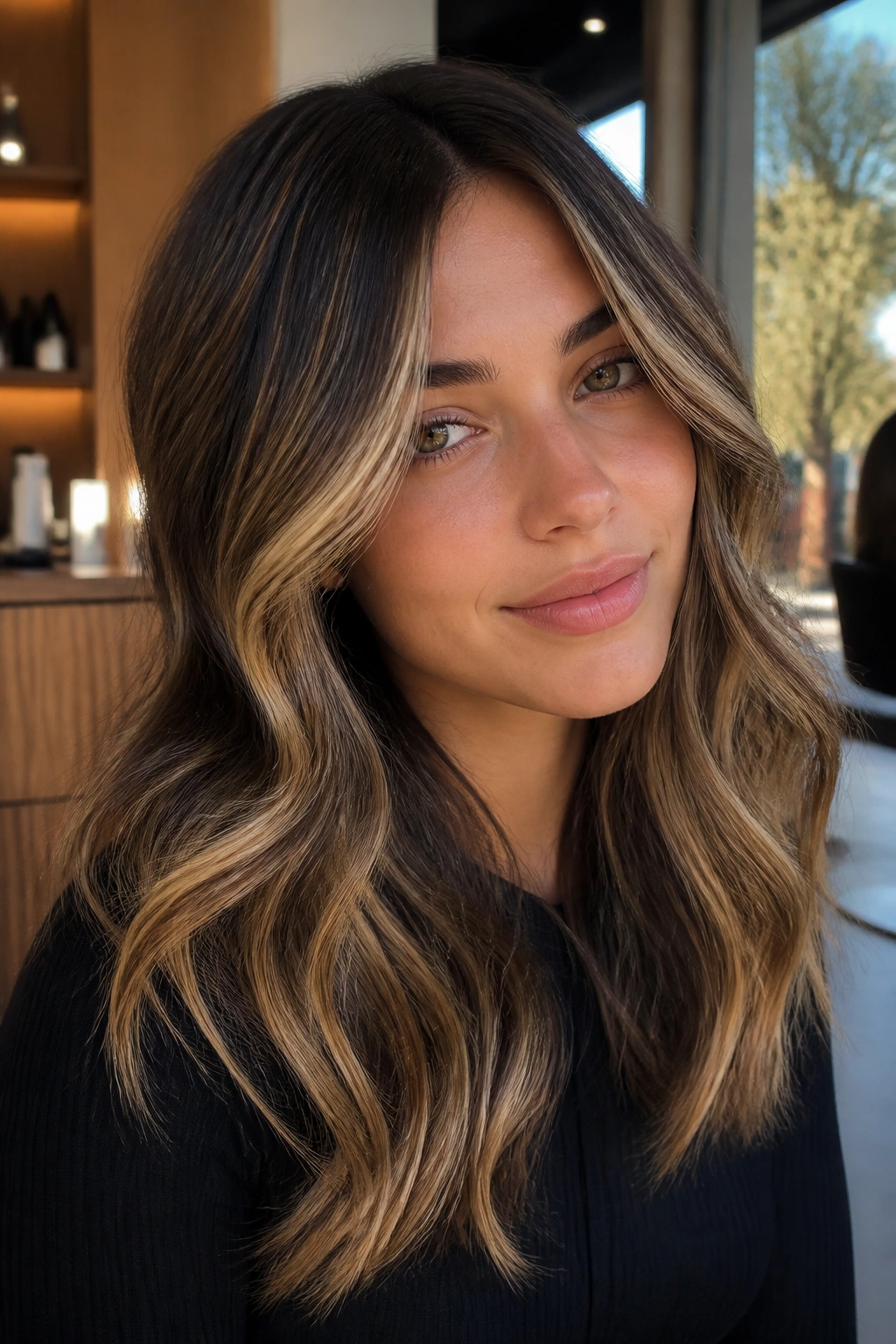
Bronde balayage is the shade I recommend when someone says they want blonde but do not want to live in the salon. The darker base keeps the grow-out soft, and the lighter balayaged pieces give the hair movement around the face and ends.
Unlike an all-over blonde, bronde has built-in contrast. That contrast helps the blonde look brighter because the eye reads the lighter ribbons against the deeper base. It’s a small visual trick, but it matters. On long hair, it can keep the color from looking too one-note. On layered cuts, it makes every bend in the hair show up a little more.
I’d ask for a brunette base that stays close to your natural color, plus blonde ribbons concentrated where the sun would hit. That way, the whole look stays bright without turning into a root-touch-up project every month.
12. Vanilla Money-Piece Blonde
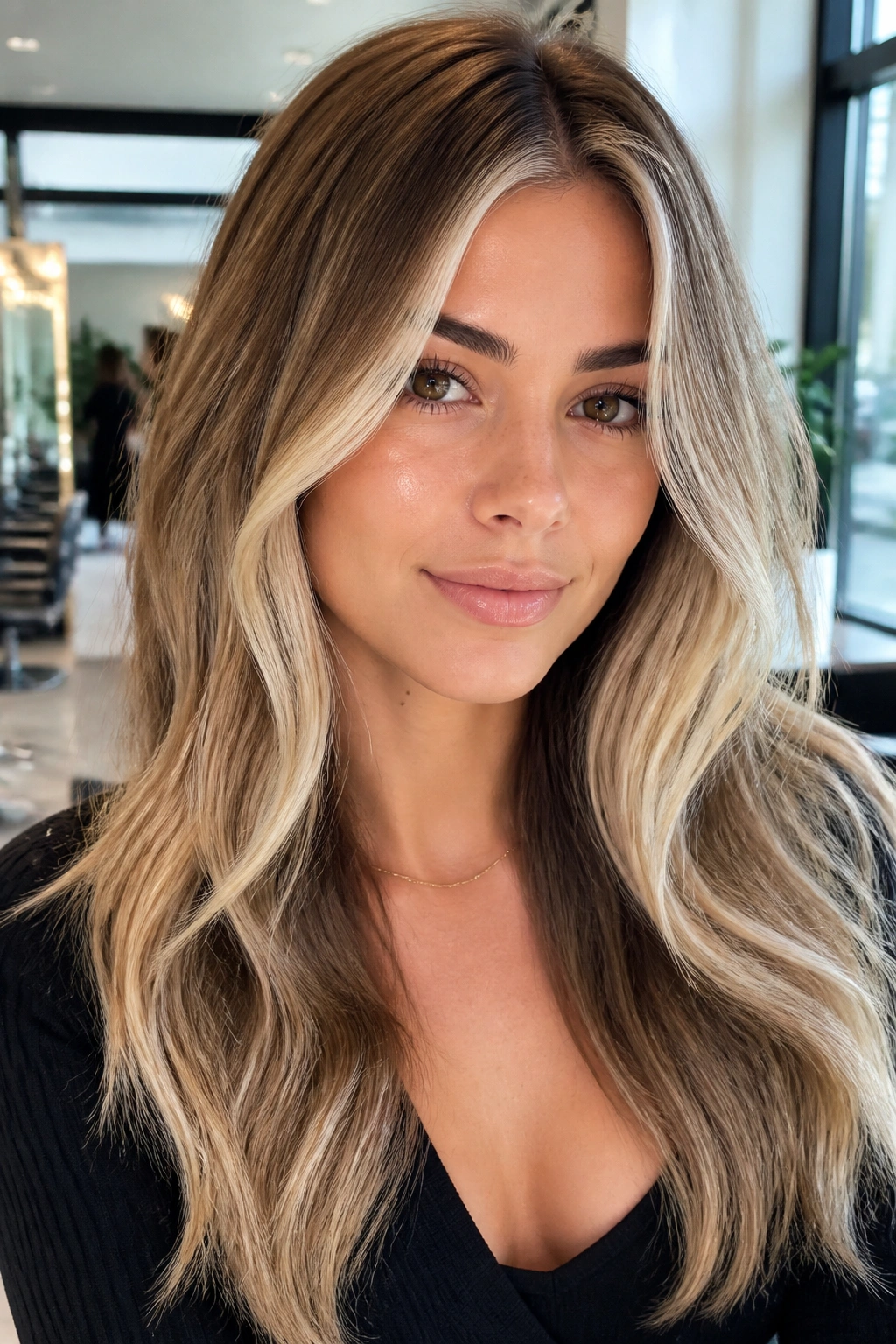
A money piece is one of the easiest ways to make blonde feel brighter without coloring the entire head lighter. Vanilla money-piece blonde keeps most of the hair soft and dimensional, then puts the lightest pieces right where they frame the face.
That placement matters more than people think. A few bright strands near the cheekbones can make the whole color look fresher, especially if the rest of the hair stays a shade or two deeper. It’s also kinder to the hair because you’re not pushing every strand to the same pale level.
Why It Feels So Fresh
The face-framing pieces catch light first, which makes the blonde register fast and clean.
- Keep the money piece around 2 to 3 inches wide.
- Ask for a vanilla-beige tone, not stark white.
- Gloss the rest of the hair slightly deeper so the contrast stays soft.
If you wear your hair pulled back a lot, this is one of the smartest blonde hair color ideas around.
13. Peach Champagne Blonde
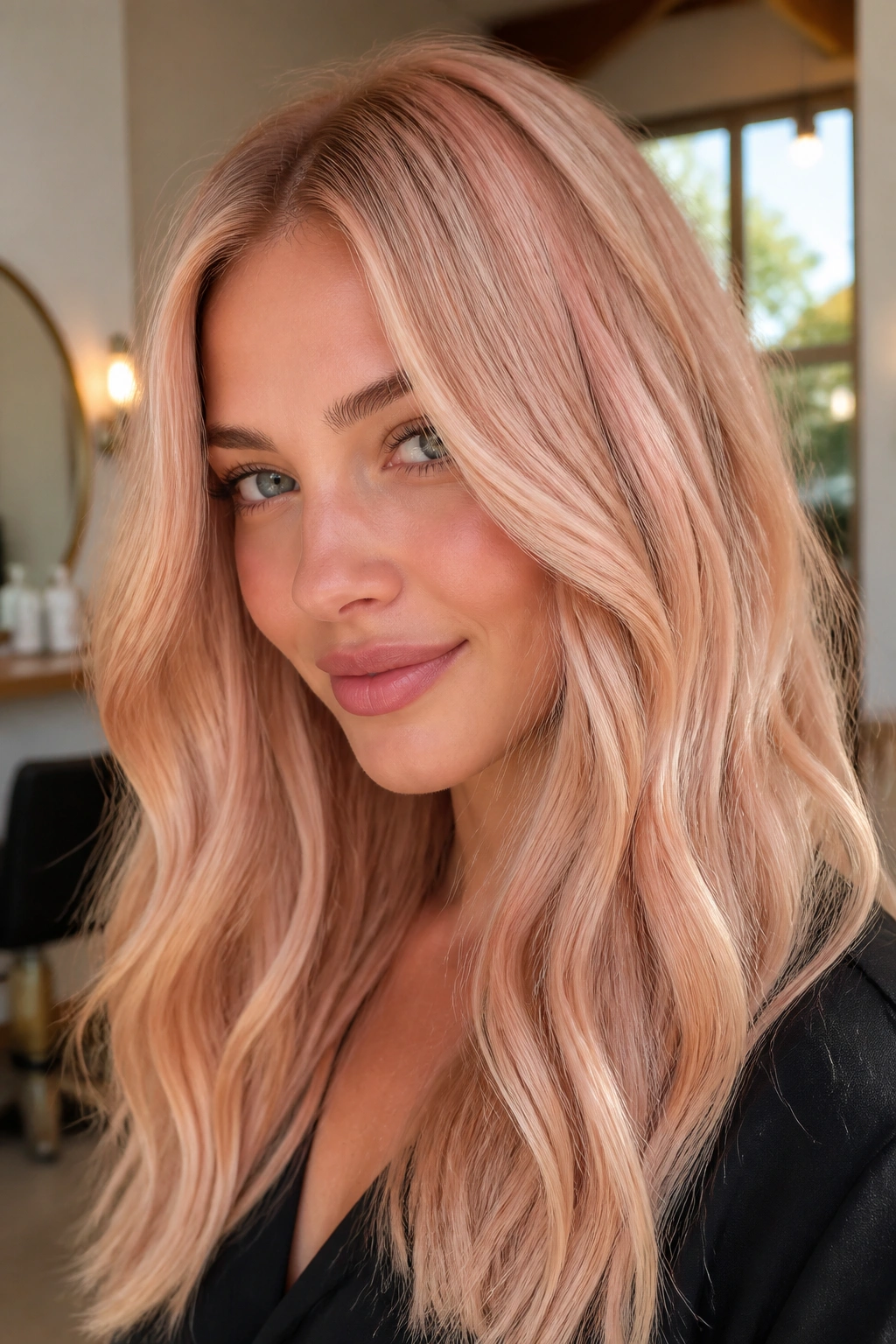
Peach champagne blonde sounds delicate, and it is, but it has more personality than plain beige. The peach note gives the blonde a soft flush, almost like a pale blush reflected in the hair, while the champagne base keeps it bright and glossy.
The Soft Trick Behind It
The color works because the warmth is filtered, not loud. You are not aiming for copper. You are aiming for a pale, rosy glow that sits on top of blonde rather than taking it over.
A stylist will usually place this shade over hair lifted to at least a light level 9, then finish with a peach-beige gloss. That gloss is the part that keeps the tone from fading too fast. At home, color-safe conditioner and cool rinses help preserve the softness.
One warning: if your hair already turns yellow quickly, peach needs a careful hand. Too much warmth and it slides into brassy territory fast.
14. Cream Soda Blonde
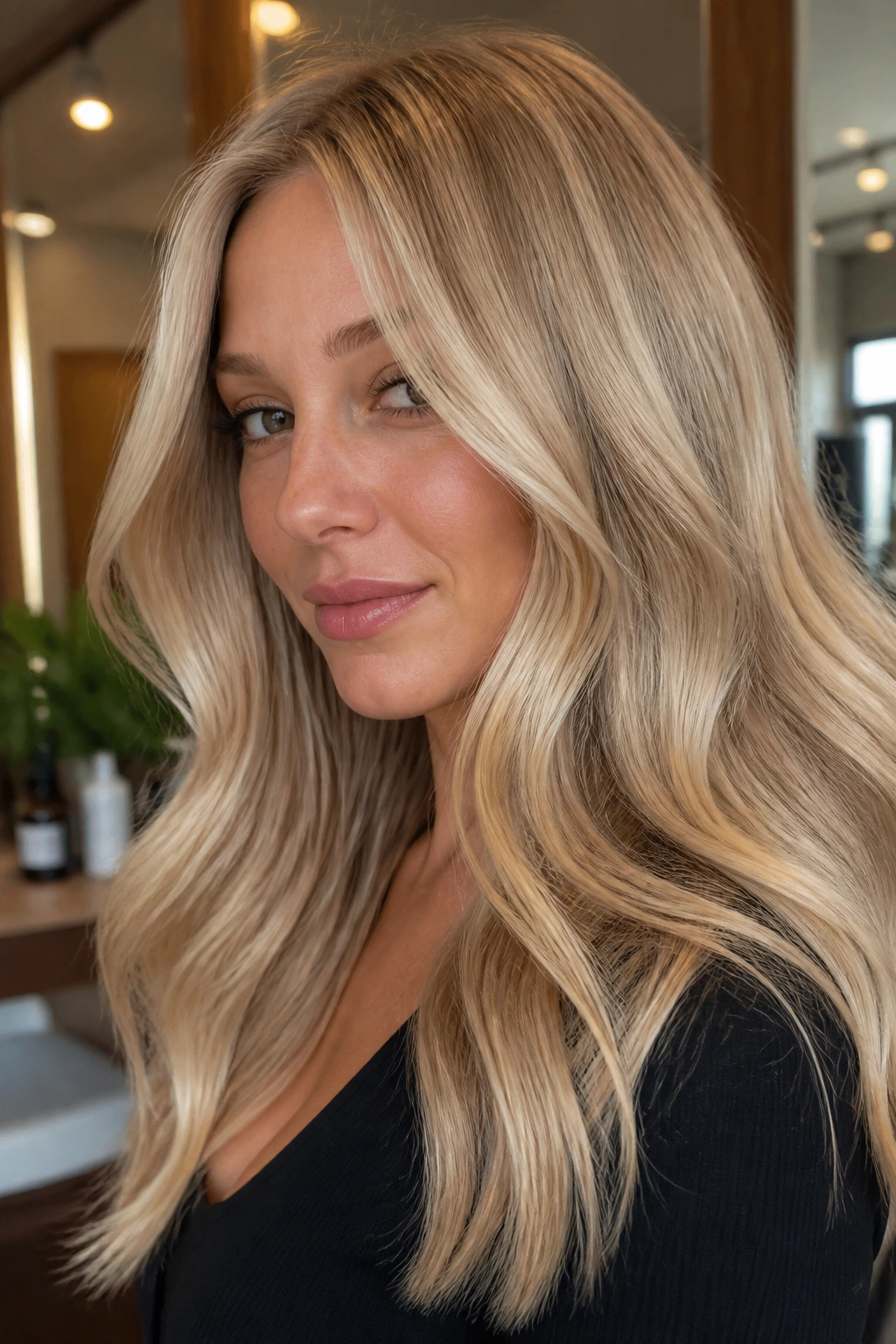
Cream soda blonde is one of those shades that makes hair look plush. It has a soft beige base with a little warmth underneath, so the blonde feels creamy rather than stark. I like it on medium brunettes who want to lighten up without looking striped.
This is not a loud blonde. That is the point. The shade stays bright because the tone is clean and the finish has depth. You do not need every strand pale to make it read as blonde; you need enough reflection and a smooth surface for the light to bounce off.
A beige-caramel gloss every six weeks keeps the color from tipping into yellow. If your hair is fine, cream soda blonde can look especially good because the shade adds the illusion of fullness. Fine hair and one-tone pale blonde can look see-through. Cream soda has more body.
15. Toasted Almond Blonde
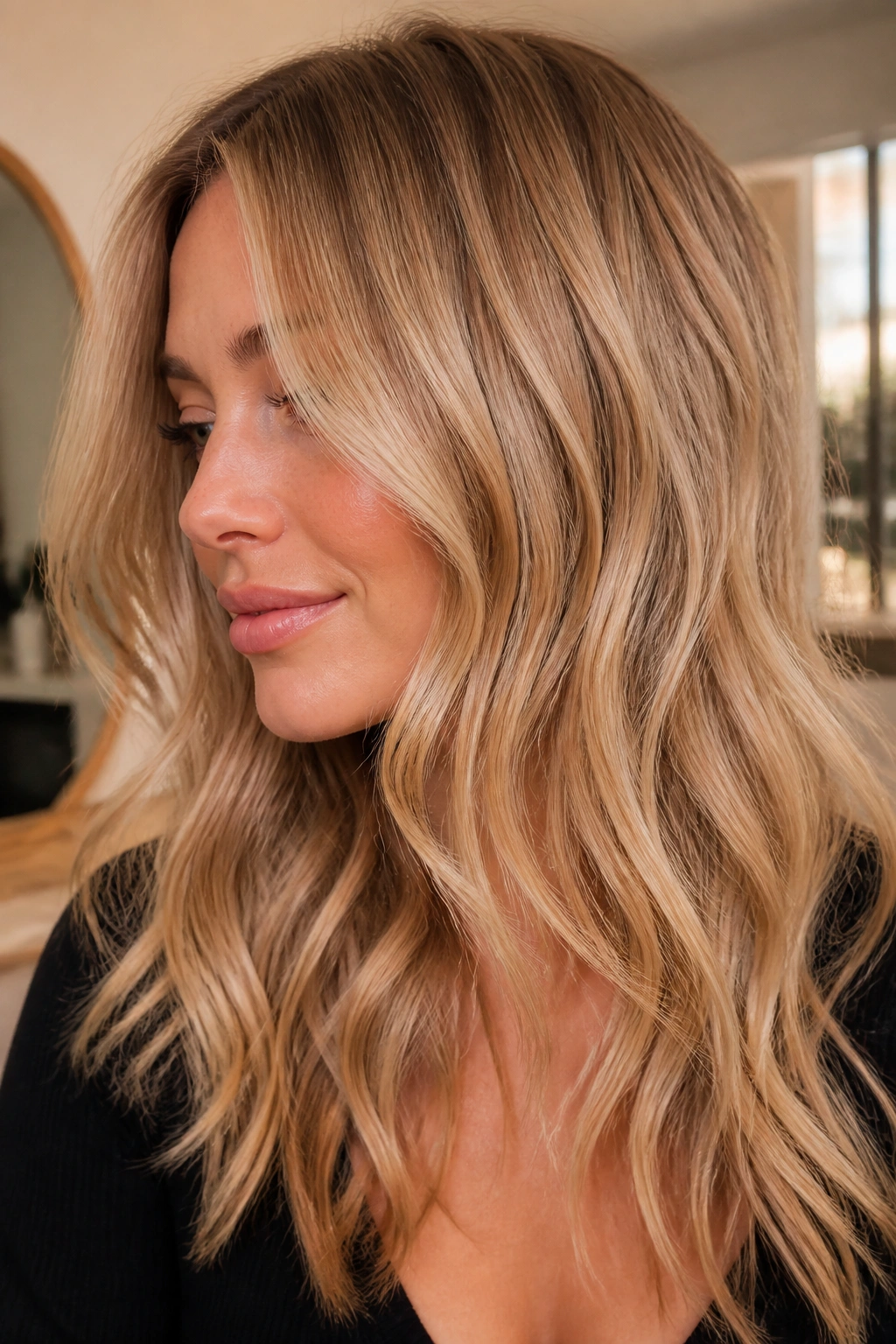
Why does toasted almond blonde work so well on dark brows? Because it sits in the warm-neutral zone, which lets the hair look lighter without fighting the face. The almond note keeps it soft, and the toasted part keeps it from feeling flat or pale in a washed-out way.
I think of this shade as the grown-up version of golden blonde. It has enough warmth to feel friendly, but not so much that it becomes brassy the minute the sun hits it. That makes it a smart pick if your hair tends to grab warmth fast.
How to Get the Most From It
Ask for a beige-gold gloss over a lifted base and avoid chunky contrast near the roots. The prettiest version has movement, not stripes.
A short trim every 8 to 10 weeks helps too, because toasted blondes look best when the ends are tidy and reflective. Scraggly ends steal the shine.
16. Milk Tea Blonde
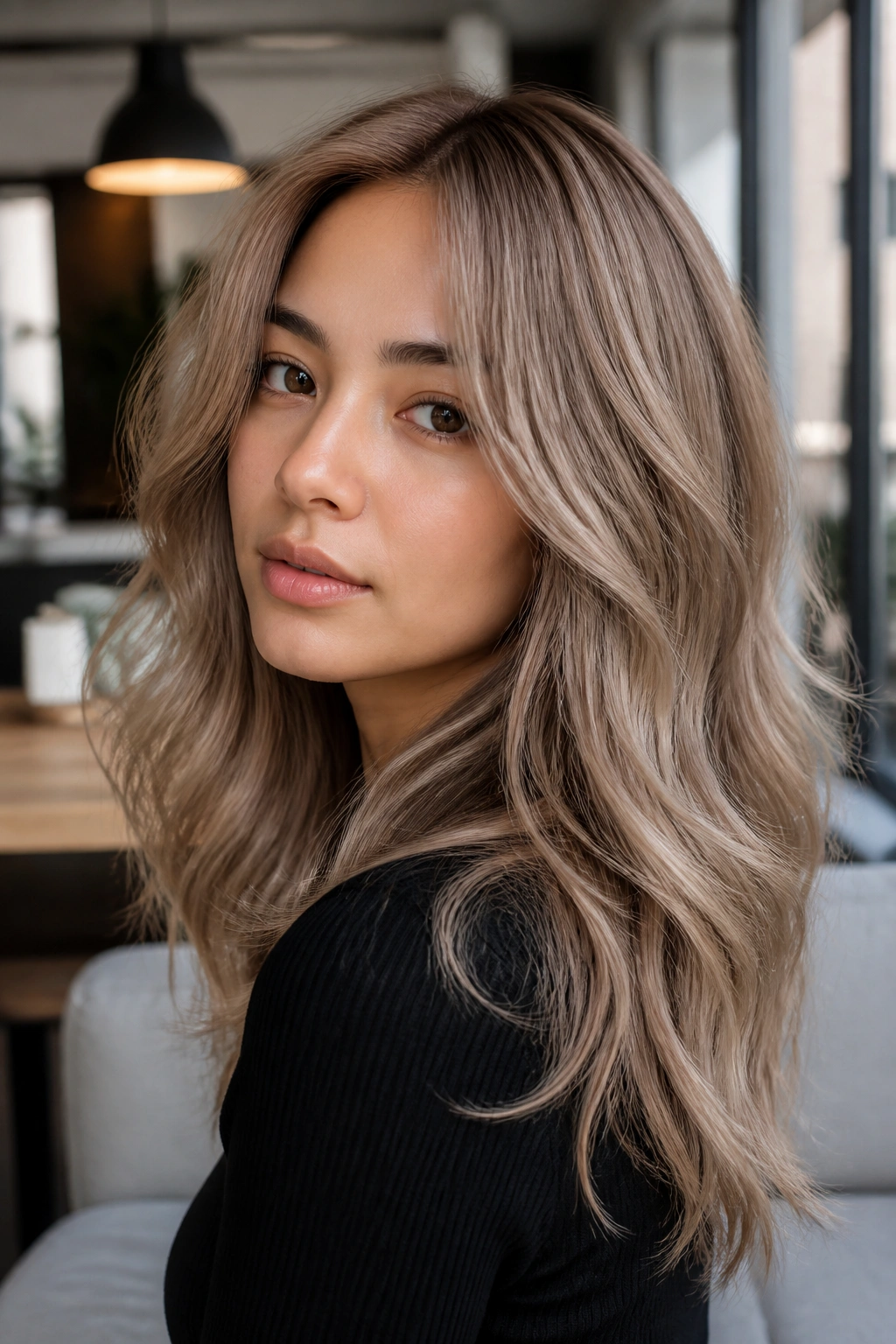
Milk tea blonde is muted in the nicest way. It blends beige, soft brown, and a little smoky warmth, so the final look feels gentle and polished rather than bright in your face. I like it for people who want something blonde-adjacent without the upkeep of full blonde.
The color holds up because it never chases extreme lightness. That means less obvious brass when the gloss fades, and less stress on the hair shaft if your starting color is naturally darker. It can be especially flattering on layered cuts, where the soft shifts in tone show up better than a flat blond panel.
A neutral-beige toner is usually enough to keep this shade clean. If you lean too ashy, it can look dull. Too gold, and it loses the milk-tea softness. That middle ground is the whole appeal.
17. Ashy Beige Blonde
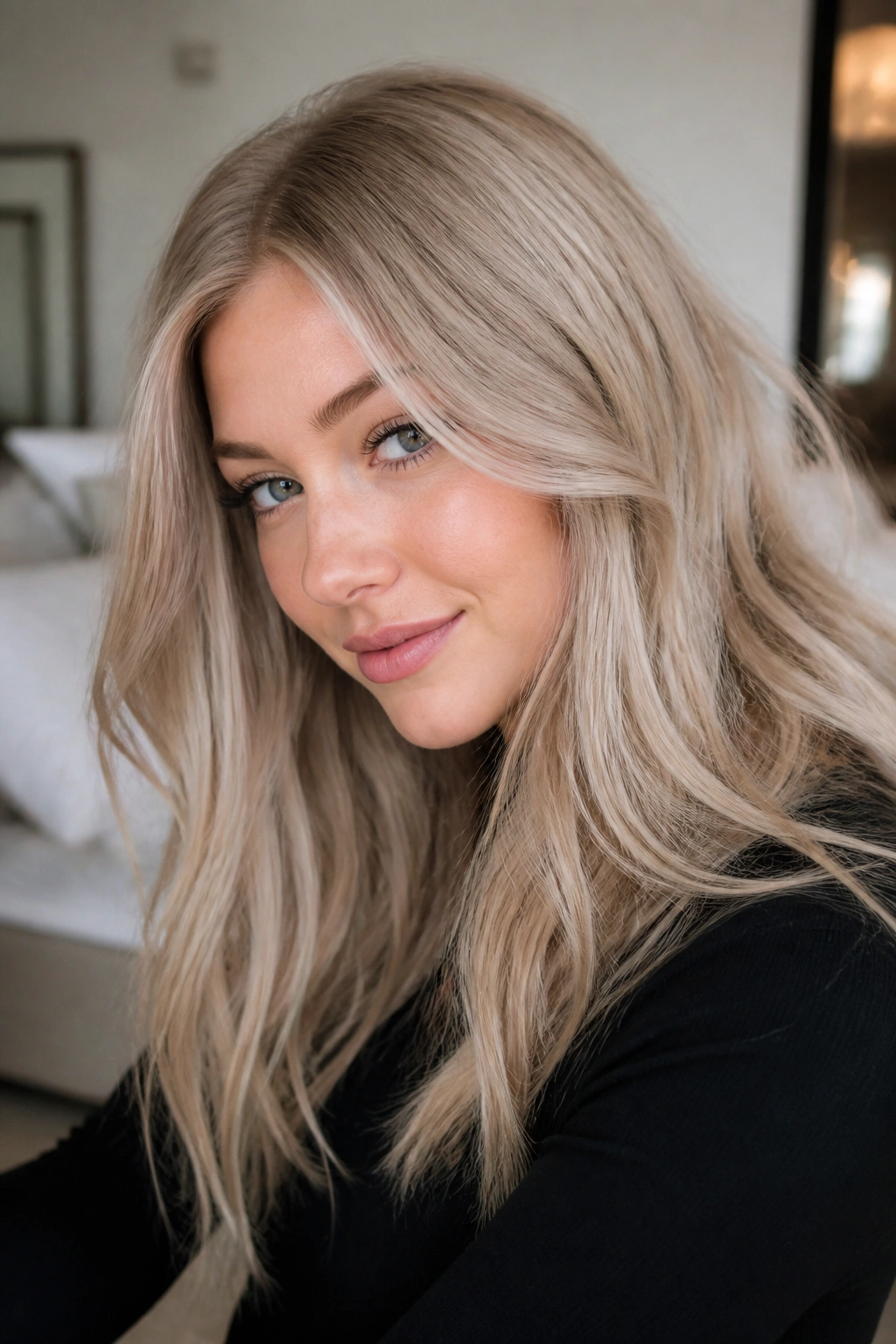
Ashy beige blonde is for people who want a cool finish without the hard edge of silver. The beige keeps it wearable; the ash keeps it from turning yellow. The mix is what makes it bright.
This shade has a habit of looking expensive when the tone is right. Not because it is flashy — it isn’t — but because it looks controlled. The pieces are light, the reflection is soft, and the color doesn’t fight your natural features. If you have naturally fair brows or cooler skin, this can be a very easy blonde to wear.
The one thing to watch is overuse of purple shampoo. Too much and the blonde can go flat and dusty. Once a week is usually enough. On the off days, use a moisture mask or a lightweight conditioner so the hair stays smooth and the cool tone has a glossy surface to sit on.
18. Dimensional Butter Blonde
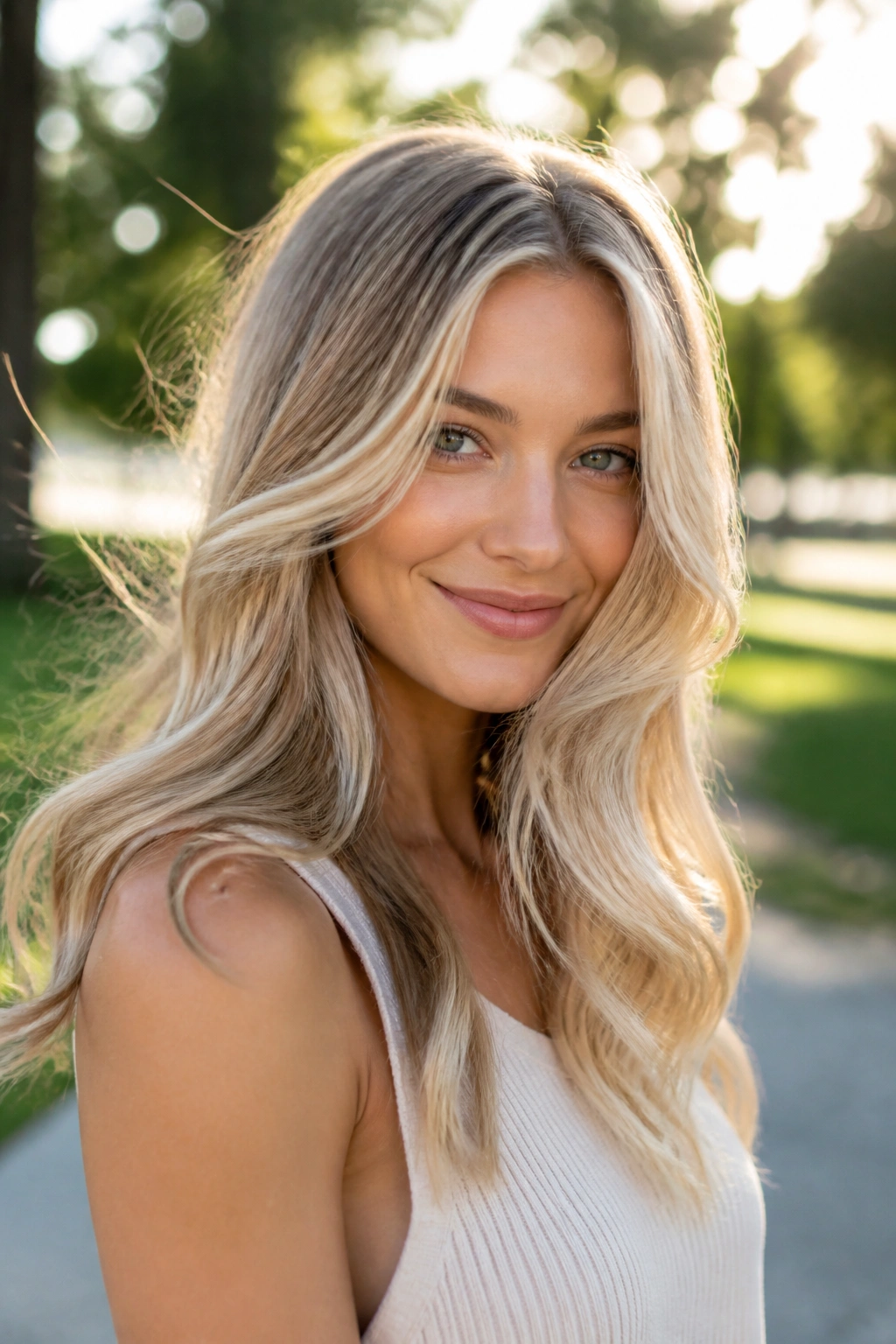
Dimensional butter blonde is what happens when you stop trying to make every strand identical. Instead, the color mixes brighter baby lights with a few softer lowlights, and the result looks fuller, shinier, and easier to live with.
Compared with a single-tone butter blonde, this version has more movement in sunlight. That movement helps the color stay bright because the eye keeps catching different shades inside the hair. Flat blonde can look light on paper and dull in person. Dimension fixes that.
What Makes It Different
It is especially good for fine hair that needs visual thickness, or for hair that gets flat near the roots.
- Ask for a mix of fine lights and lowlights, not broad sections.
- Keep the tonal family in buttery beige.
- Refresh with a sheer gloss instead of a strong toner.
I love this on shoulder-length cuts. It moves.
19. Frosted Fringe Blonde
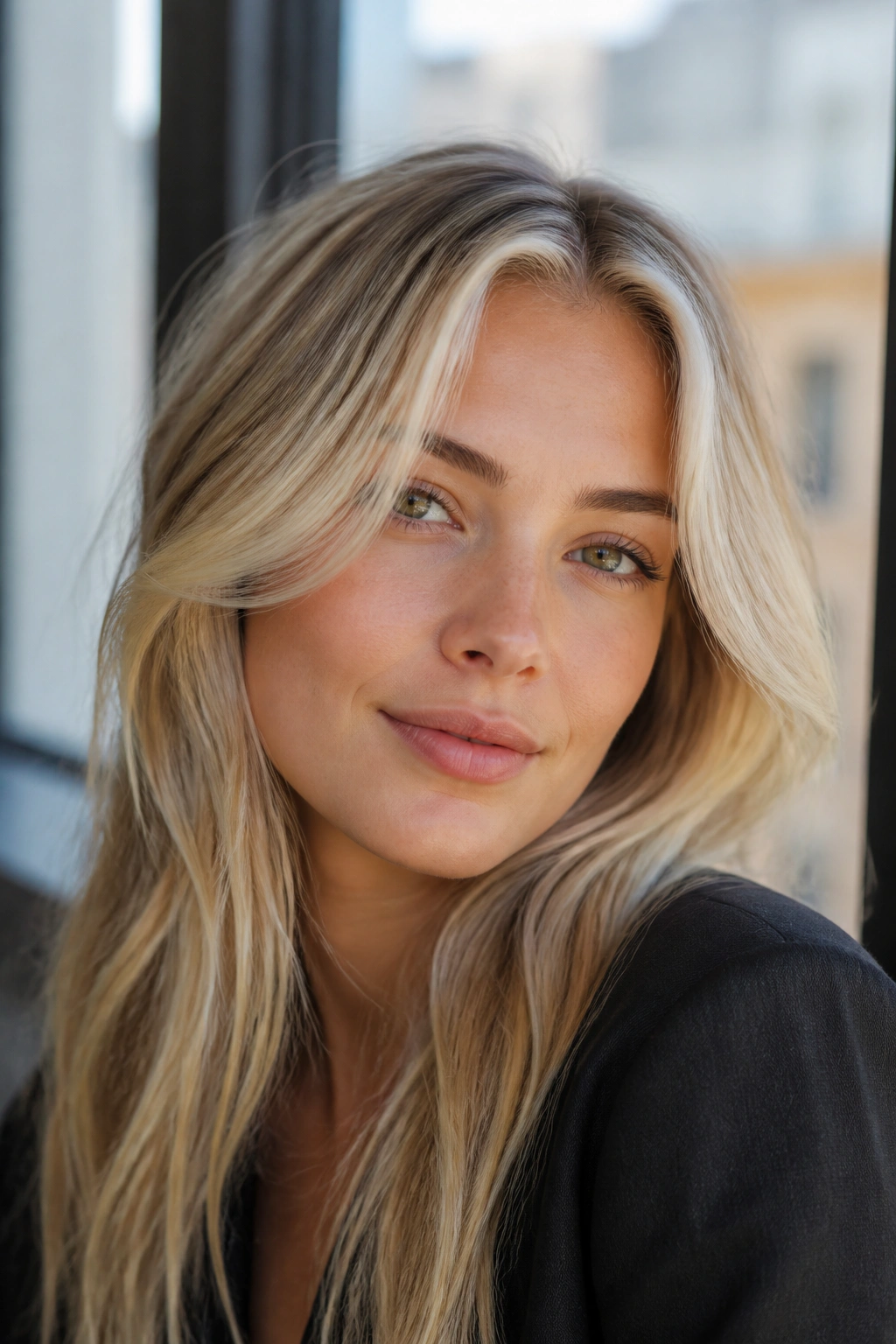
A bright fringe changes the whole face. Frosted fringe blonde puts the lightest color around the front hairline or curtain bangs, which means you get the impact of blonde where people notice it first.
This works because the eye goes straight to the face frame. The rest of the hair can stay a little softer or deeper, but those frosted front pieces make the shade feel fresh. It is a smart choice if you want brightness without committing to a full head of upkeep.
What to Watch For
The front pieces are the first to show dryness, especially if you heat-style daily.
- Keep the fringe lifted with small, precise foils.
- Use a heat protectant every time you blow-dry or flatiron.
- Refresh the front pieces sooner than the rest of the hair if they start to yellow.
It is a small section, but it carries the whole look.
20. Maple Syrup Blonde
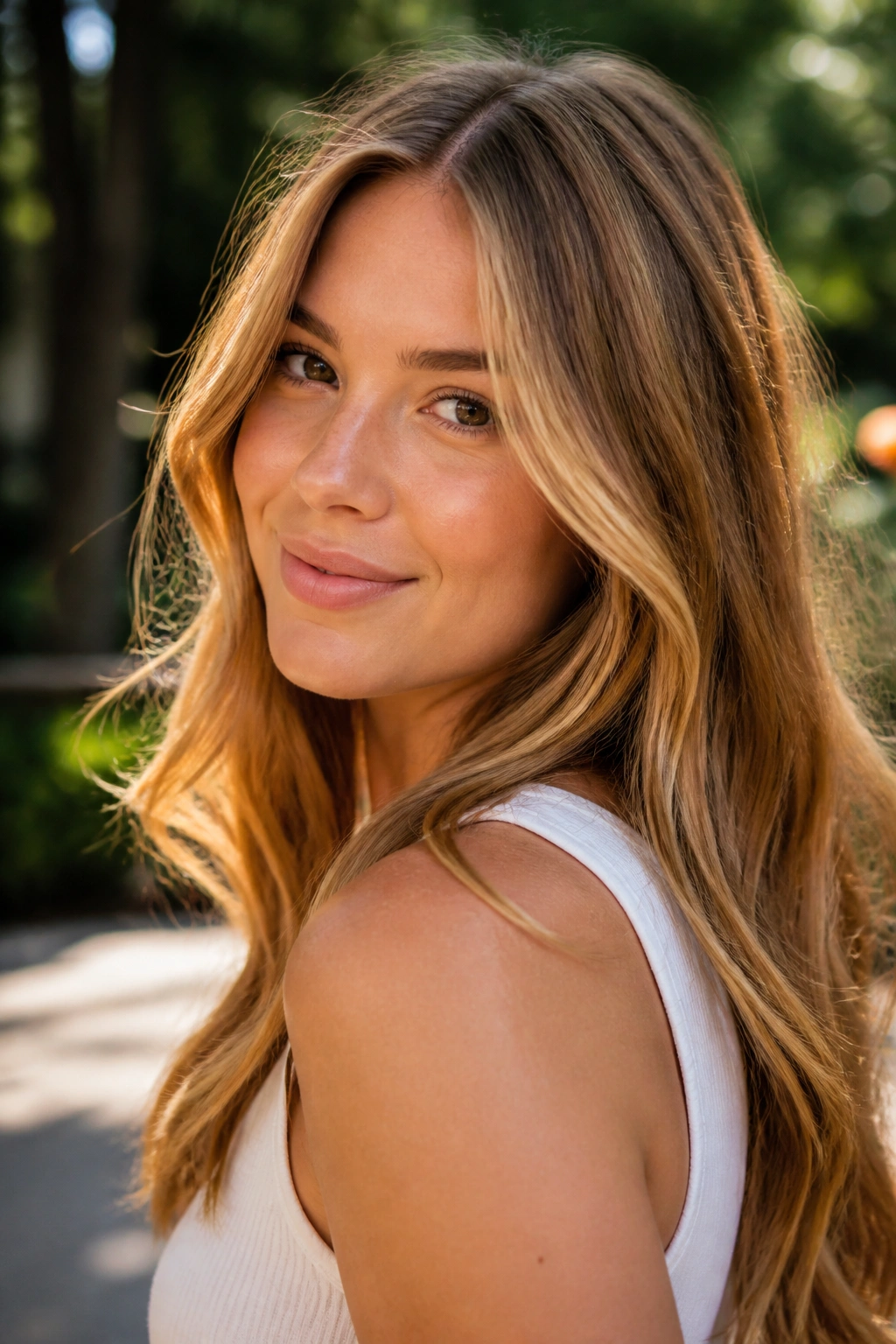
Warm blondes can stay bright when they have depth, and maple syrup blonde is a good example. The tone sits deeper than honey, with a richer gold-brown cast that keeps the hair looking glossy instead of pale and washed out.
I like this shade on thicker hair because the warmth shows up well through dense sections. It also plays nicely with darker brows and warmer makeup. The key is not to let it drift into orange. Maple should look like rich syrup under light, not like copper paint.
A caramel-beige gloss keeps the warmth clean. If you have hard water, a clarifying wash once in a while can stop mineral buildup from dulling the shine. That part matters more than people admit. Warm blondes can lose their sparkle the moment residue piles up.
21. Ribboned Sunlit Blonde
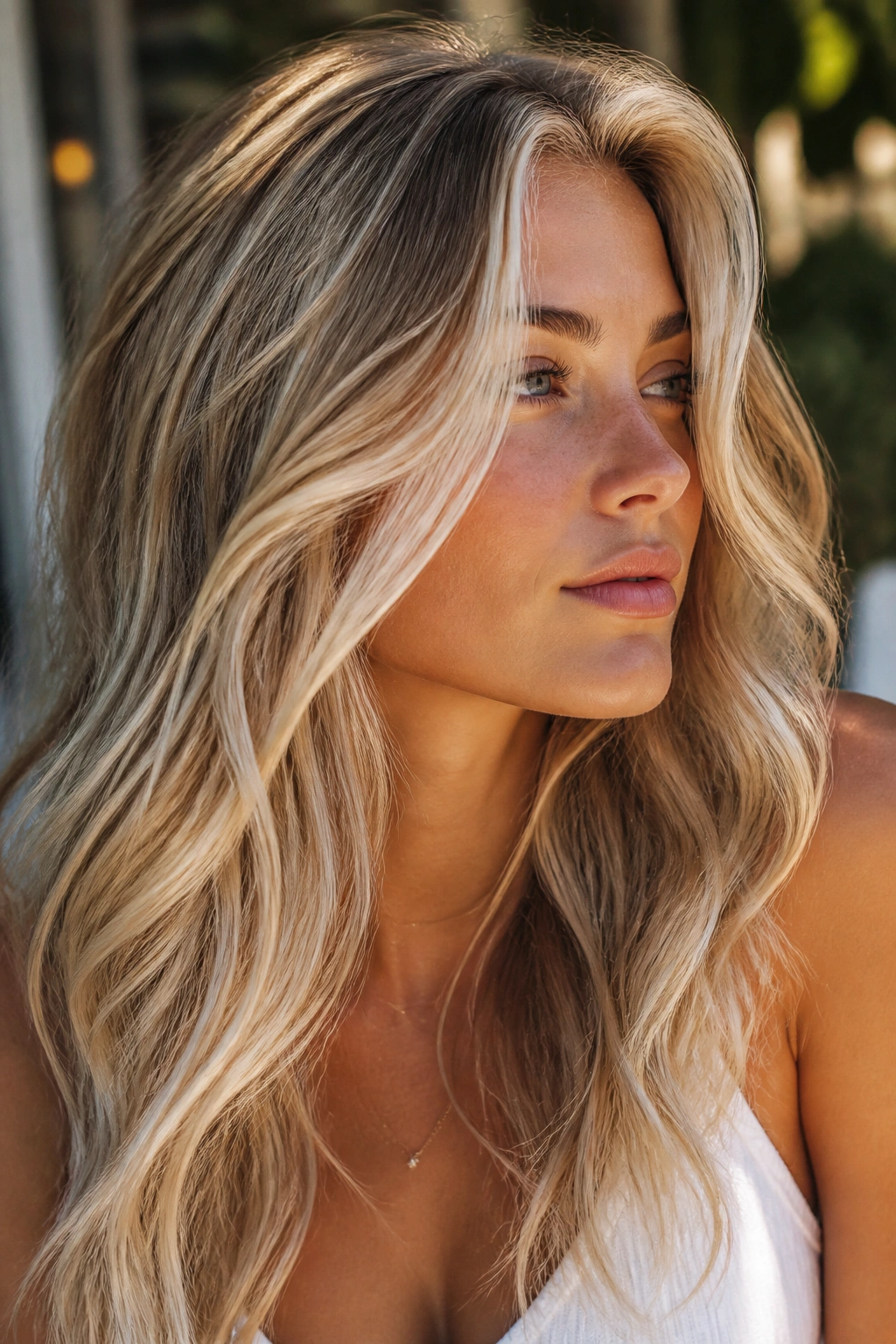
Why do ribboned blondes often look brighter than solid blonde? Because the light pieces sit like strands of sunlight over a deeper base, and that contrast gives the color movement before you even touch it.
This is a hand-painted look. The stylist places blonde ribbons where the hair naturally bends, so the finish feels airy rather than striped. It is one of the better choices if you want dimension that still reads light in photos and in real life. A solid blonde can look same-y from root to end. Ribbons keep the eye moving.
How to Use It
Ask for ribbons around the face, crown, and outer layers, then keep the underlayers a touch deeper. That way the brightness has somewhere to land.
A gloss in the beige-gold family helps the ribbons stay clean. If you want the color to look softer, skip chunky contrast near the part line.
22. Pearl-Beige Gloss Blonde
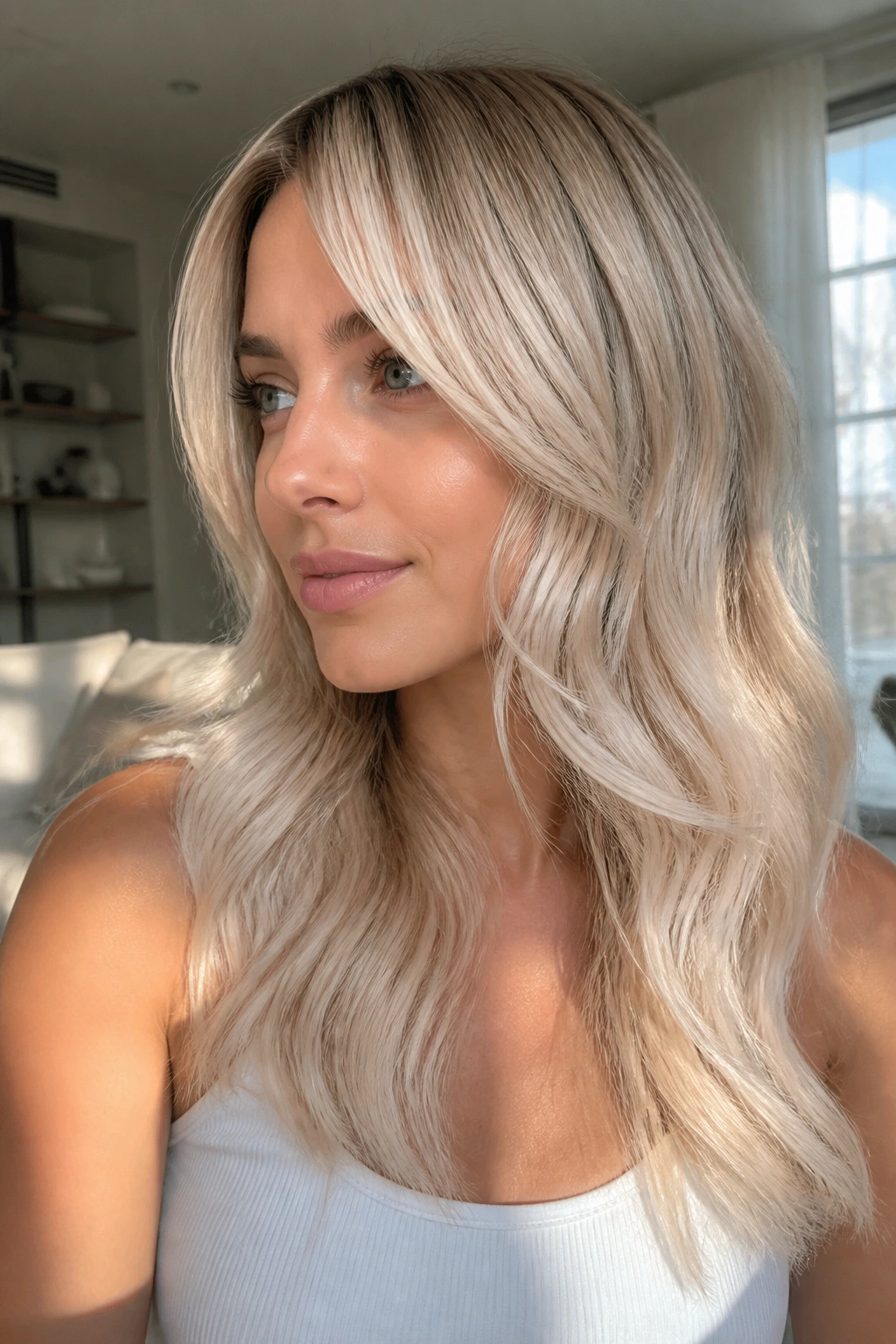
Pearl-beige gloss blonde is the shade I reach for when I want blonde to look like it has light inside it. It is not icy enough to feel severe, and it is not warm enough to drift yellow. That soft pearl finish does a lot of quiet work.
The best part is how forgiving it is. A clear or pearl gloss can refresh the hair without making the blonde look overly toned. That makes this a nice option for people who hate the hard look of heavy toner. It is polished, but not fussy.
A color-safe conditioner with a little shine boost helps between salon visits. So does reducing heat exposure. Pearl tones show rough ends faster than warmer shades, and once the ends look frayed, the whole blonde loses its clean edge. Keep the surface smooth and the shade stays luminous.
23. Dirty Blonde With Bright Ends
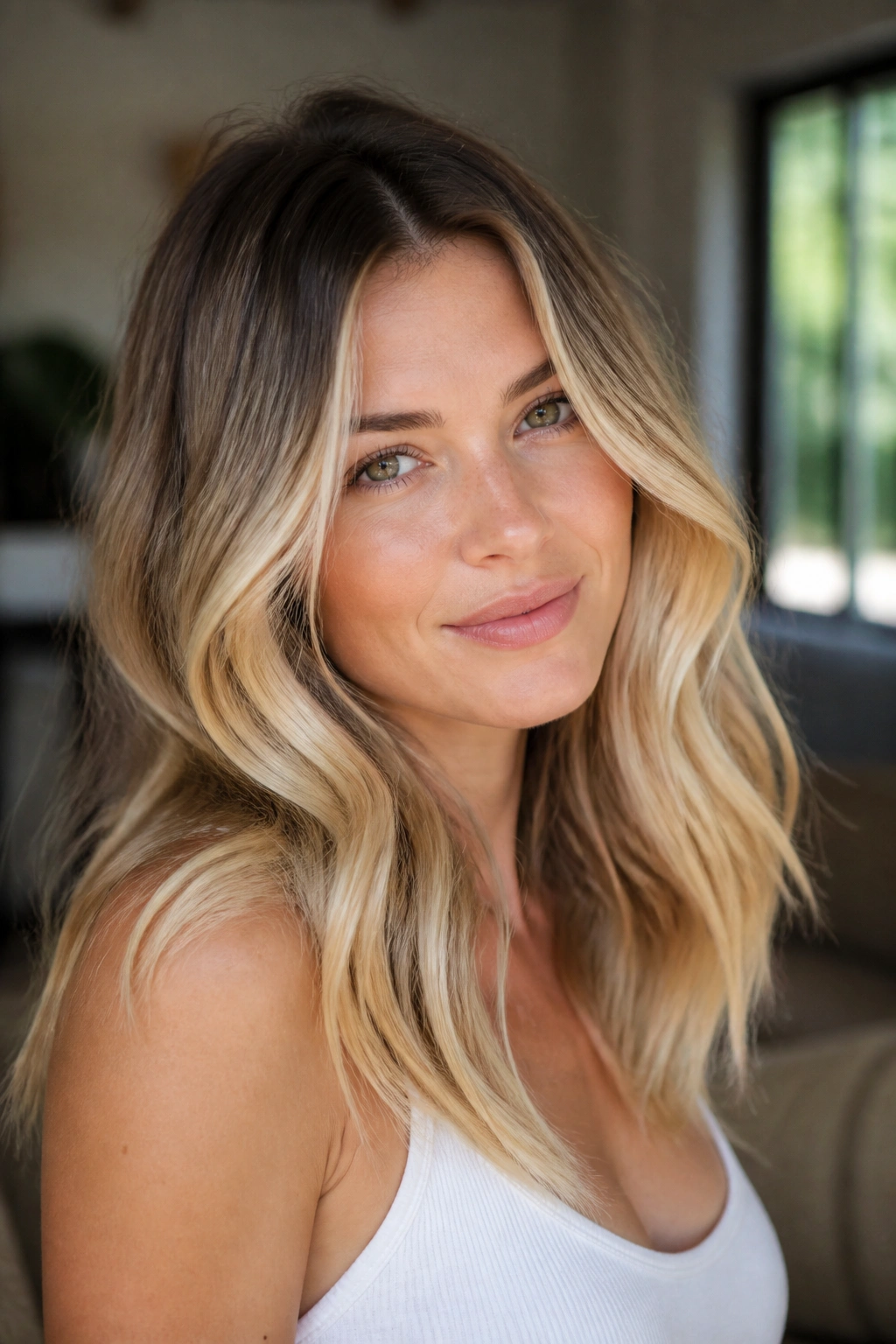
Dirty blonde gets a bad reputation, mostly because people picture it as mousy or flat. In a good version, though, the deeper root and brighter ends create a natural-looking contrast that stays easy to wear.
This shade is smart if you want low-maintenance brightness. The darker base means regrowth does not announce itself, and the lighter ends still give you the blonde effect. I like it on wavy hair because the different tones catch along the bends. Straight hair can wear it too, but the finish should be crisp so it doesn’t read muddy.
A hydrating leave-in on the ends is worth the trouble. Those lighter pieces are the first to dry out, and once they lose shine, the whole look turns dull. Keep the ends smooth, and dirty blonde looks intentional, not faded.
24. High-Lift Smoky Blonde
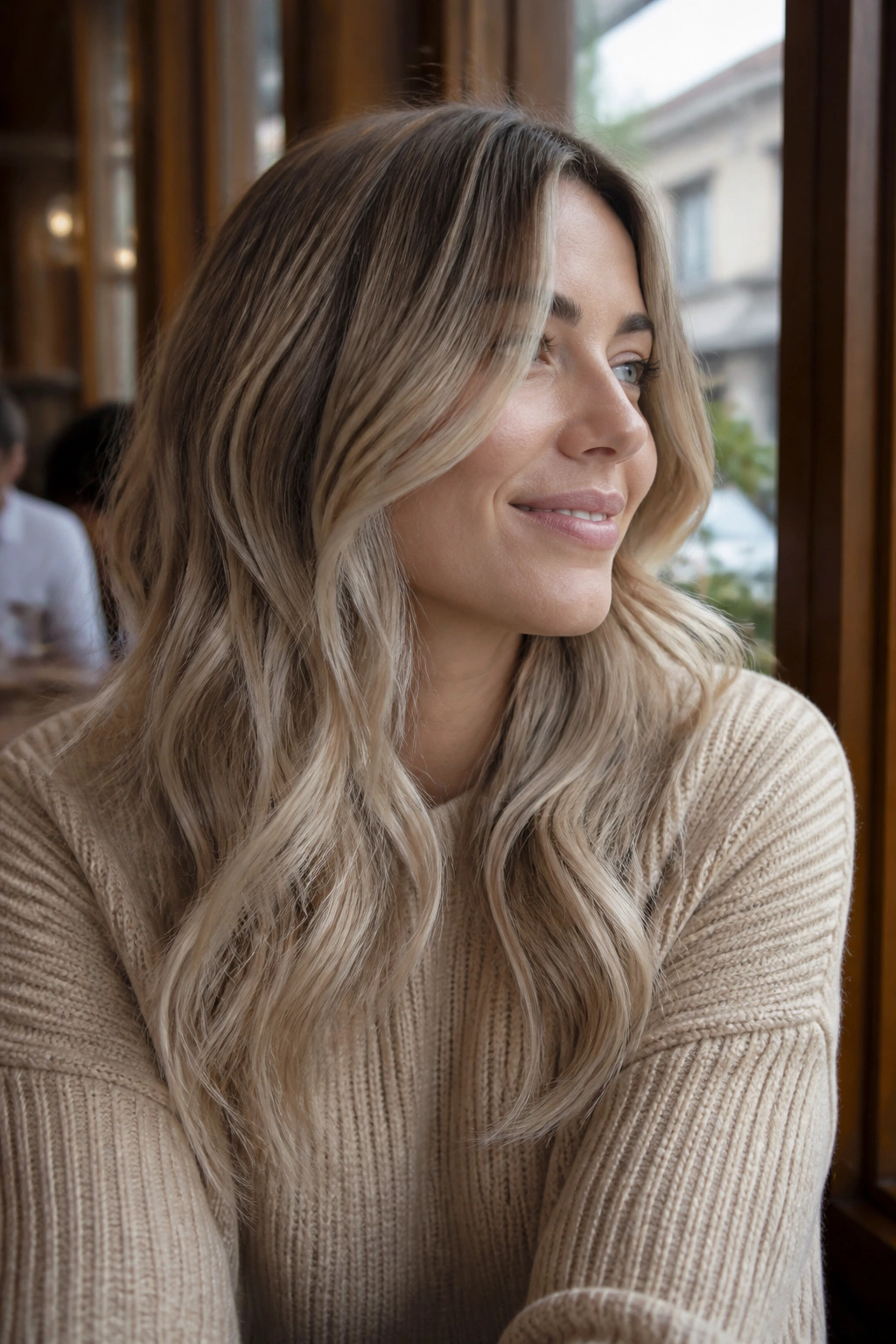
High-lift smoky blonde is a good choice for darker natural hair if you want brightness without going straight to fragile platinum. Unlike a full bleach-and-tone approach, high-lift color can create a softer, slightly smoky finish that still reads clearly blonde.
That smoke note matters. It keeps the shade from looking orange as it fades, which is a real problem on darker starting levels. The hair still needs careful processing, and it still benefits from bond support, but the end result can be gentler in feel than a brittle pale blonde.
Who Should Try It
This is for someone who wants lightness, but wants the tone to stay cool and wearable.
- Use a high-lift shade only on hair that can handle lift.
- Finish with a smoky beige toner, not a flat ash.
- Keep the routine simple: mild shampoo, moisture mask, heat protectant.
It is not the least maintenance option. It is, though, one of the cleaner ways to go lighter from a brunette base.
25. Strawberry Blonde With Pale Ribbons
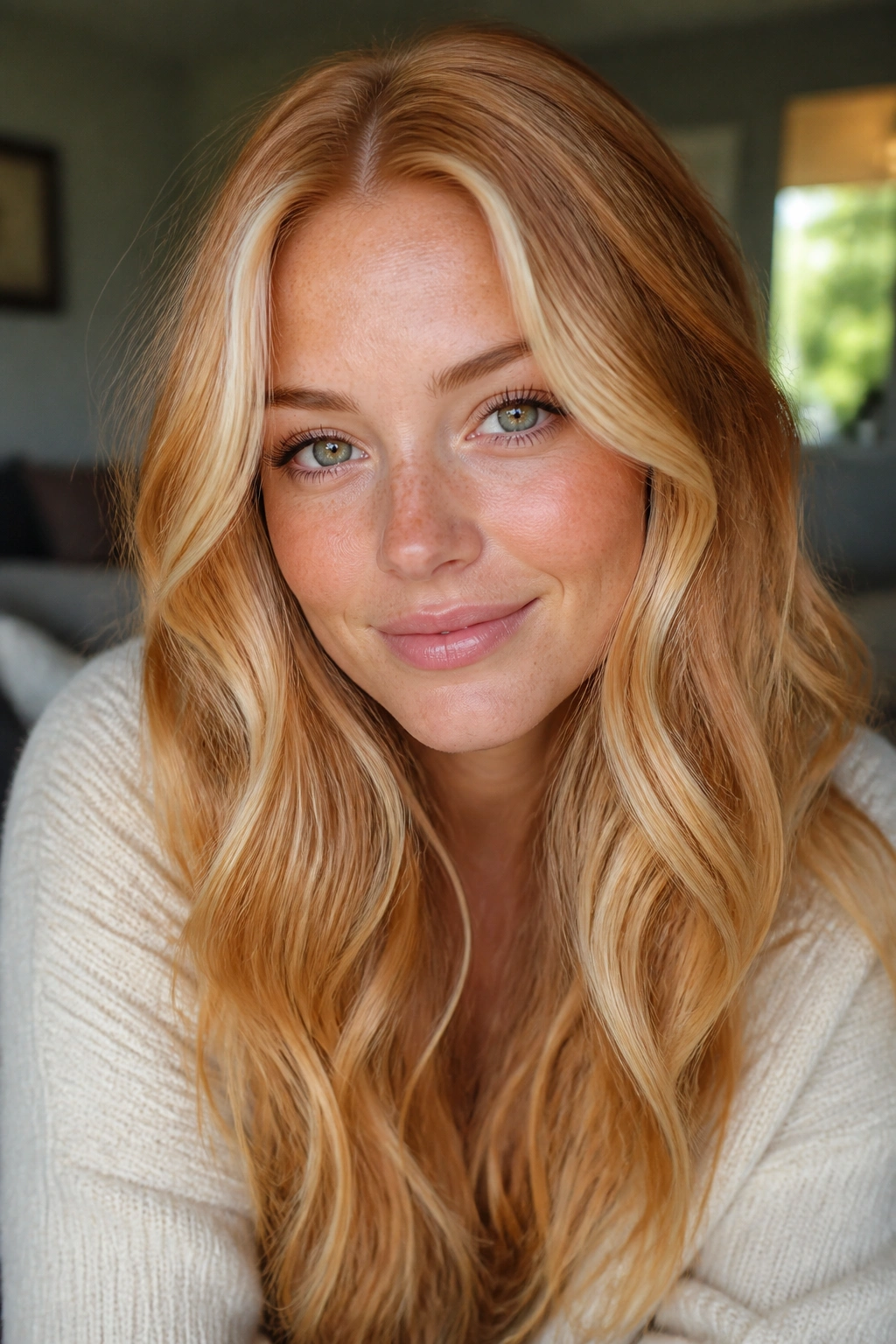
Strawberry blonde gets richer when you break it up with pale ribbons. The copper-gold base brings warmth, and the lighter pieces keep the color from sinking into one flat shade. That little contrast is what makes it stay bright.
The Brightness Rule
If the red side gets too strong, the blonde pieces disappear. If the blonde is too pale, the strawberry tone loses its character. The balance is the whole point.
- Keep the base soft copper, not true red.
- Add blonde ribbons through the top and around the face.
- Refresh the warm tone with a rose-gold gloss if it starts to fade.
This shade looks especially good in loose waves. The ribbons show up, the copper glows, and the whole thing feels alive instead of overworked.
26. Bronze-to-Blonde Melt
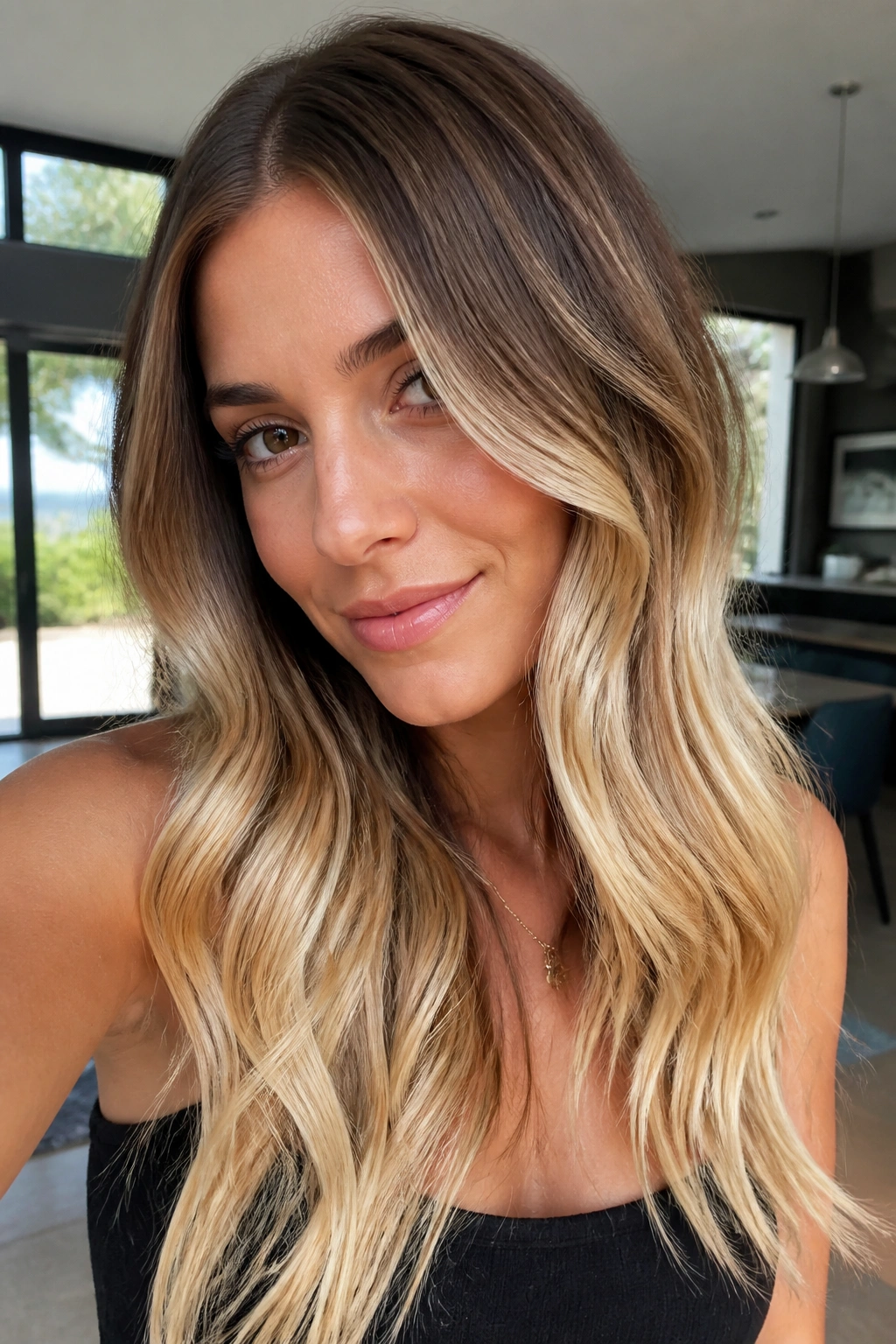
A bronze-to-blonde melt is one of the easiest ways to keep blonde looking rich as it grows out. The darker bronze at the root blends into a lighter blonde through the mids and ends, so the eye sees a smooth shift instead of a line.
I like this on people who want brightness but do not want a stark root. The melt gives the hair a polished finish and keeps the color from turning brittle-looking near the scalp. It also works when your natural base is deeper, because the bronze can sit close to your own color without fighting it.
The most important part is the transition. It should feel gradual over a few inches, not striped. If the blend is soft, the blonde looks more expensive and stays fresh longer.
27. Wheat Blonde
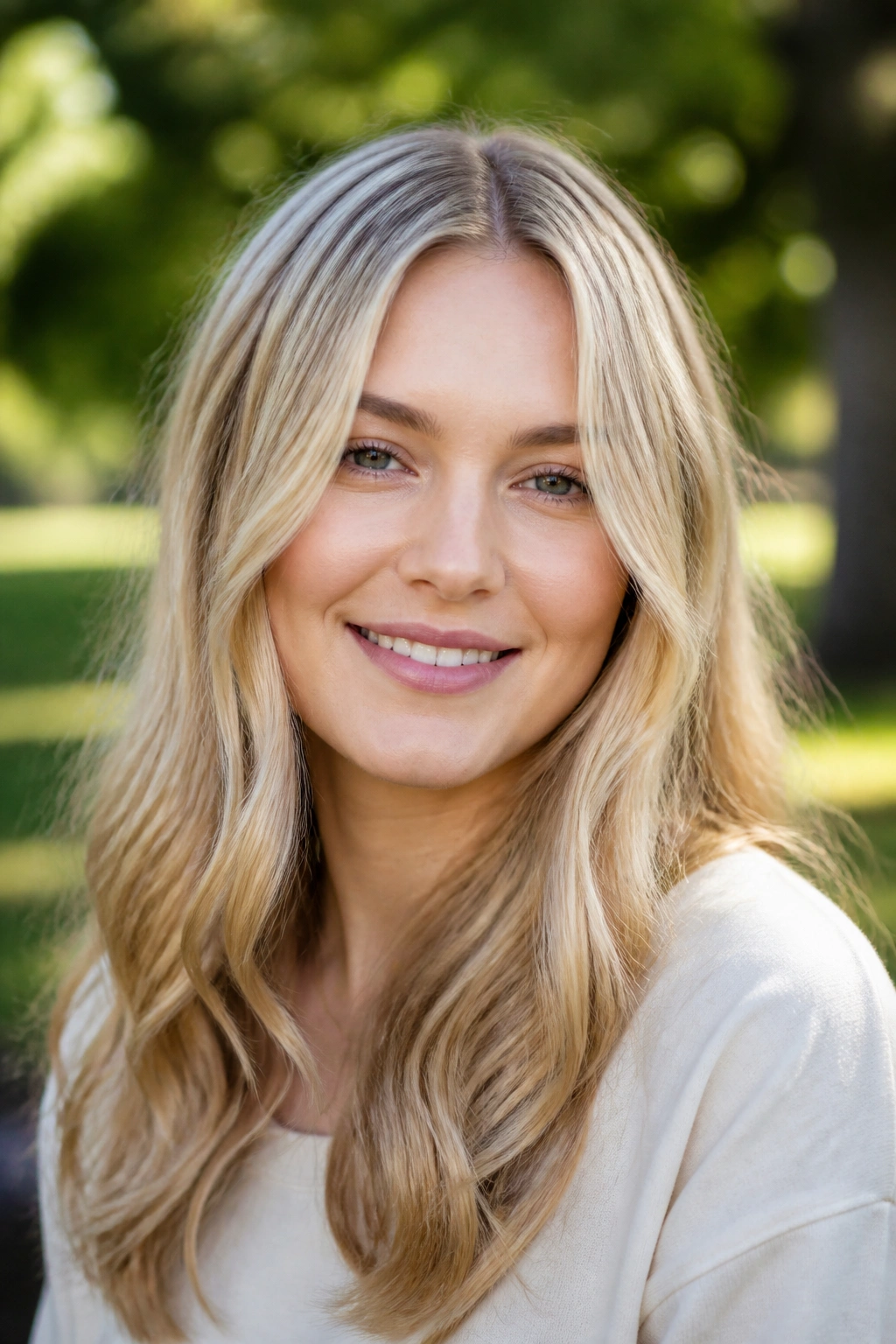
What makes wheat blonde different from beige blonde? It has a little more softness and a little less polish, which sounds small until you see it in daylight. Wheat blonde looks natural in a way that still reads bright, especially on hair that has some texture.
What It Looks Like in Real Light
The tone sits between gold and neutral beige, so it doesn’t throw a yellow cast the way warmer blondes can. It also avoids the gray cast that some ash blondes get when the toner is pushed too far.
That makes it useful if you want a blonde that can live through grow-out without looking too salon-perfect. It is easy on the eyes, and the softer tone blends well with natural roots.
A beige shampoo once a week and a light gloss every few weeks are usually enough. If the hair is porous, seal the ends with a cream leave-in so the color does not soak in unevenly. That keeps the whole shade cleaner.
28. Clear-Gloss Vanilla Blonde
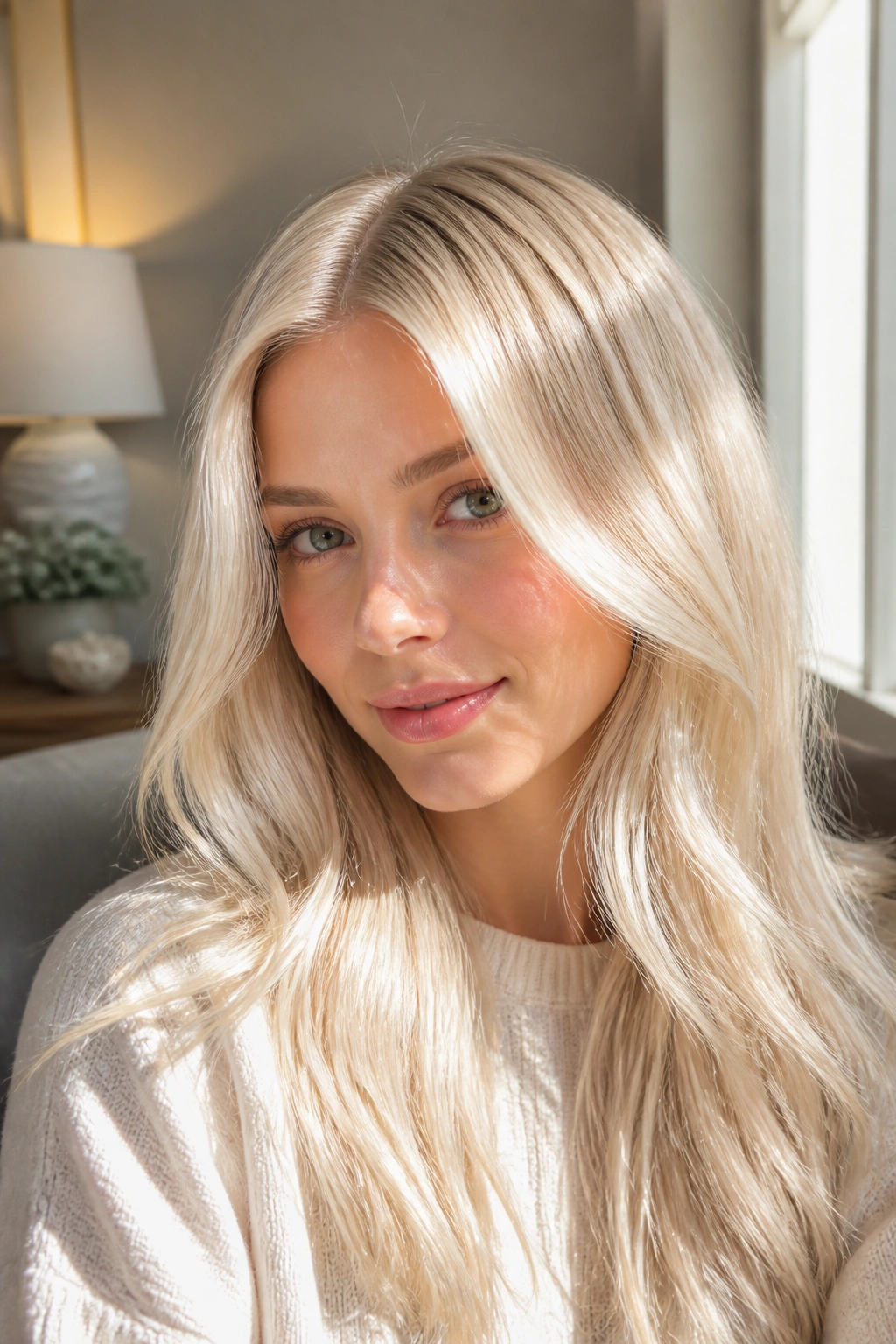
Clear-gloss vanilla blonde is for the person who wants the lightest possible look without losing the soft, creamy feel that makes blonde look healthy. The color itself is pale and clean, but the shine is what carries it. Without shine, this shade can go flat fast.
I like this one when the hair is already lifted well and doesn’t need more tone piled on top of it. A clear gloss can tighten the cuticle and make the vanilla finish look smoother, which matters more than a lot of people think. Bright blonde is not only about pigment. It is about reflection.
If I had to give one practical rule for any blonde that should stay bright, it would be this: protect the ends before you chase more lightness. Dry ends make even a beautiful tone look tired. Keep the cut fresh, the gloss clean, and the hair hydrated enough to reflect light instead of swallowing it. That is the difference between blonde that just looks light and blonde that still looks bright after the novelty wears off.
