



A good bob haircut does something a lot of longer styles can’t: it sharpens the face without looking like it’s trying too hard. Classic bob hairstyles have that neat, clean-lined feel people keep circling back to, and the reason is pretty simple. They put the focus on the jaw, the neck, and the ends of the hair itself.
The cut lives or dies by small things. Half an inch too short, and the whole shape can feel severe. Too much layering, and the bob loses that crisp outline that makes it look expensive, even when it’s air-dried and a little messy. Bob and lob haircuts work the same way: the geometry matters more than the label.
There’s also a reason bobs keep showing up on straight hair, wavy hair, fine hair, thick hair, and curls. The cut can be blunt, airy, stacked, side-parted, or softly broken up, and each version changes the mood completely. One bob looks Parisian and neat. Another looks sharper and cooler. Another feels relaxed enough to wear with a sweatshirt and still somehow look put together.
The trick is choosing the shape that suits your hair’s real behavior, not the one that looks best in a flat photo. A bob that sits right at the chin and a bob that hits just below it do not read the same. Not even close. And that small difference is where the chic part usually lives.
1. Chin-Length Blunt Bob
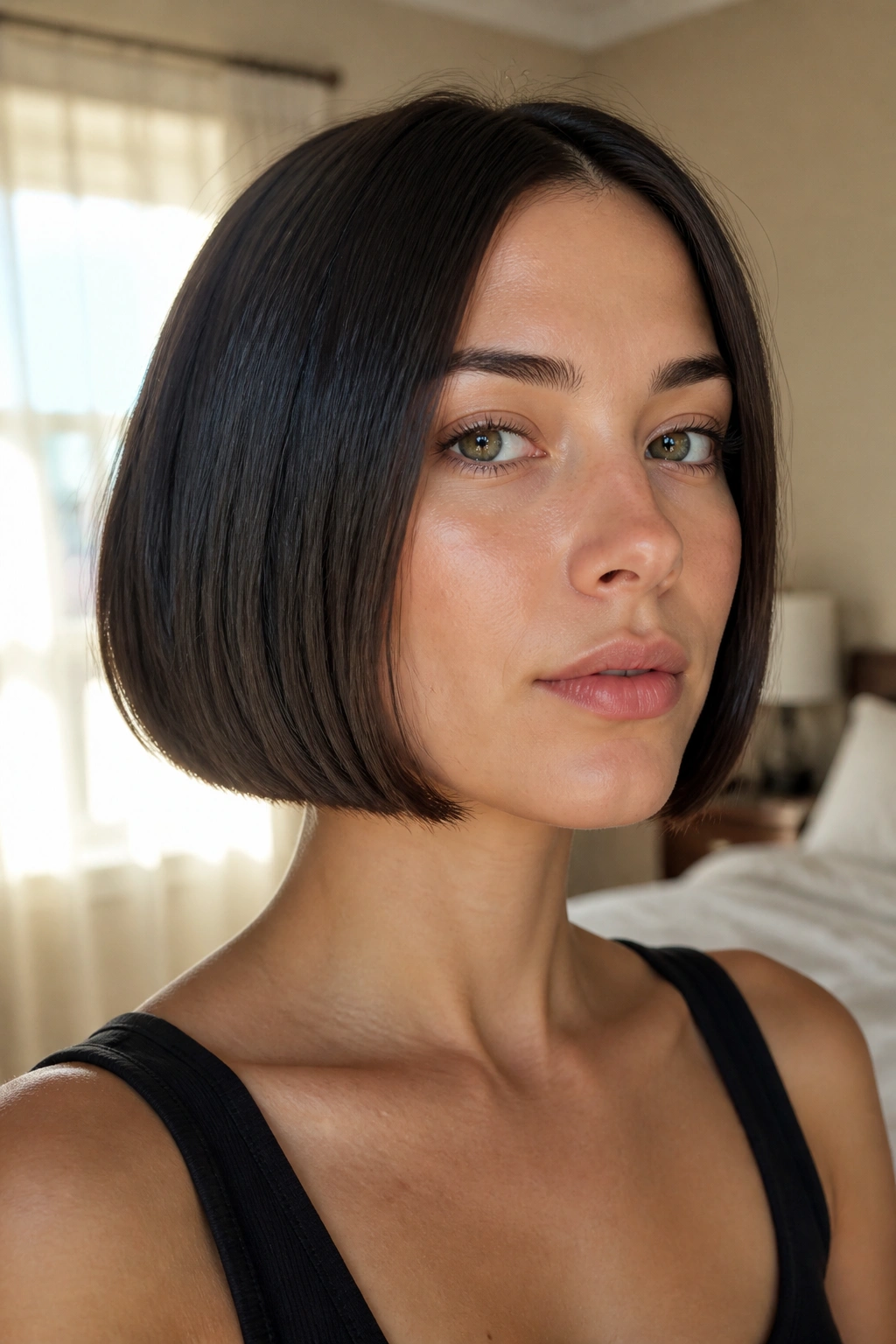
A chin-length blunt bob is the cut that makes people straighten their posture a little. The line is clean, the ends are even, and the whole style lands right where the jaw starts to matter most. If you like structure, this is the one that gives it to you without extra fuss.
Why It Works
The blunt edge creates weight at the bottom, so the hair looks denser and fuller than it really is. That’s especially useful if your hair is fine or you hate the wispy, hollow look that some layered cuts can create.
Ask for the ends to sit at the chin or a finger’s width below it. Any shorter, and the shape can turn boxy fast. A subtle underbend with a round brush is enough; you do not need a whole salon production.
- Best for fine to medium hair that needs a stronger outline
- Works with center or side parts
- Easy to style with a blow dryer and a 1.5-inch round brush
- Looks crisp with a tucked-behind-the-ear finish
Pro tip: Keep the perimeter blunt and ask for minimal internal layering. Too much texturizing makes this cut lose the whole point.
2. French Bob With Soft Bangs

If there’s one bob that can make ordinary hair look styled in under ten minutes, it’s this one. The French bob sits shorter, usually around lip to cheekbone length, and the soft bangs keep it from feeling strict. It has a little attitude. Not a lot. Just enough.
The bangs matter more than people think. When they’re wispy and slightly uneven, they soften the whole haircut and make the face look less square. I like this version on hair that has a bit of bend to it, because the movement in the bangs keeps the shape from looking flat.
Air-dry it if your hair naturally falls in waves, or rough-dry the crown and let the ends stay a touch imperfect. That’s part of the charm. A French bob looks odd when you overstyle it. It wants a little shake, a little softness, and maybe a bit of texture cream rubbed through the ends.
3. Side-Parted Bob
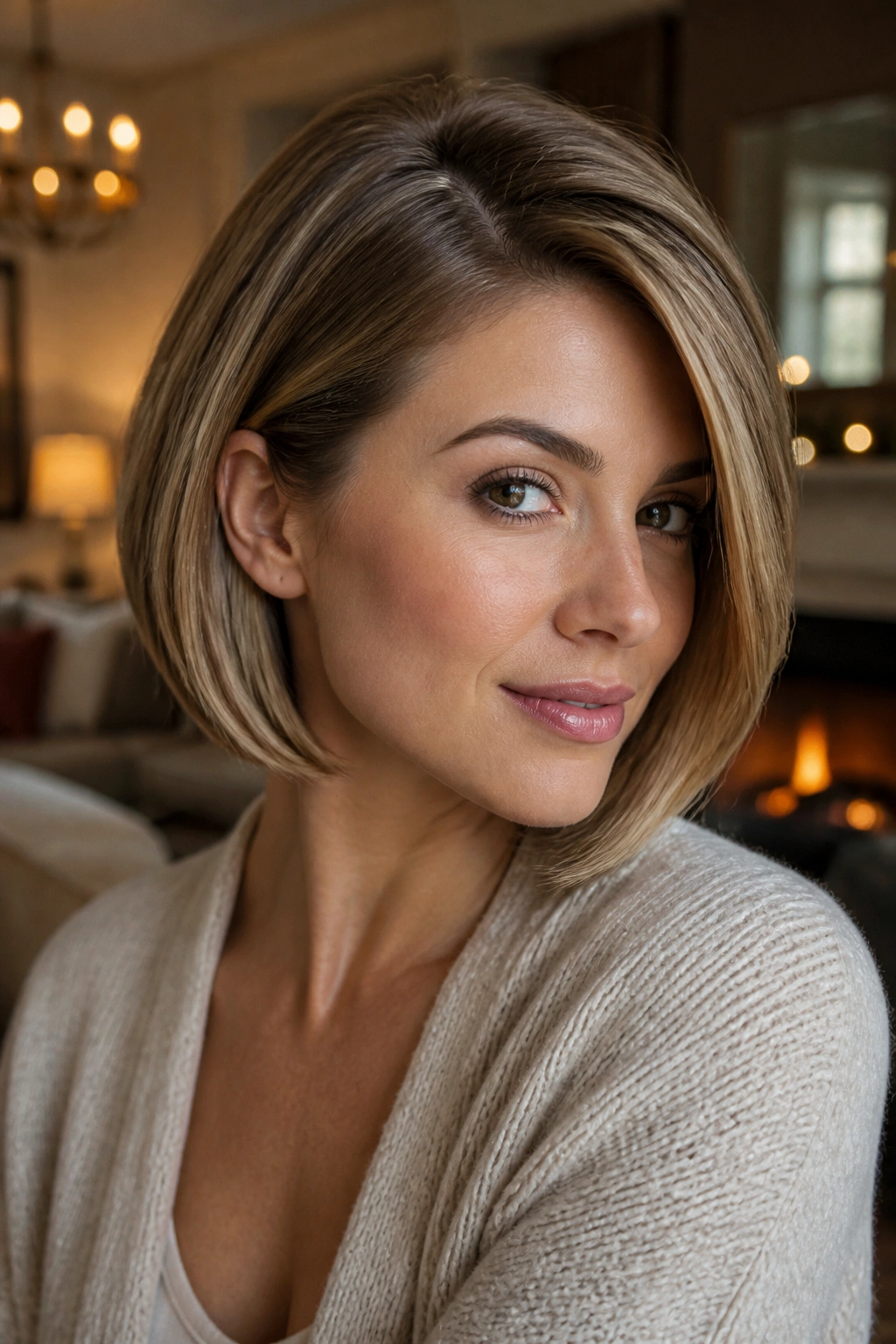
Why does a side part make a bob feel so much softer? Because it breaks the symmetry and gives the cut a diagonal line instead of a hard center split. That tiny shift changes the whole mood, especially if your face is narrow, long, or very angular.
A side-parted bob also gives lift where flat roots tend to collapse. The heavier side can skim the cheek, while the lighter side opens the face and shows off the cheekbone. On straight hair, it reads polished. On wavy hair, it looks loose without turning sloppy.
How to Style the Part
Use the arch of your eyebrow as a guide and place the part just above it. Then blow-dry the roots in the opposite direction for 10 to 15 seconds before setting the hair back into place. That one move gives more lift than most people expect.
- Great when you want volume at the crown
- Softens a strong center line
- Helps balance asymmetrical features
- Works with both blunt and lightly layered ends
A side-parted bob is one of those cuts that quietly fixes a lot of things. The face looks a little longer, the crown gets a lift, and the whole style feels less severe.
4. A-Line Bob

Picture a bob that sits a touch shorter in the back and gradually lengthens toward the front. That’s the A-line shape, and it has a built-in sense of motion even when the hair is perfectly still. It’s a neat cut, but it never looks stiff.
The front pieces usually brush the jaw or just miss it, which is why this version flatters people who want their hair to frame the face rather than stop abruptly at the cheek. It also makes the neck look longer. That matters more than people admit.
- Keep the back compact so the angle shows
- Ask for the front to fall about 1 to 2 inches longer than the nape
- Blow-dry with the ends slightly under or straight for a sharper line
- Flat iron only the front if you want the angle to read clearly
A good A-line bob should look intentional from the side. If the angle is too soft, it becomes just another short haircut. If it’s too steep, it can feel dated. The sweet spot is clean, not dramatic.
5. Inverted Bob
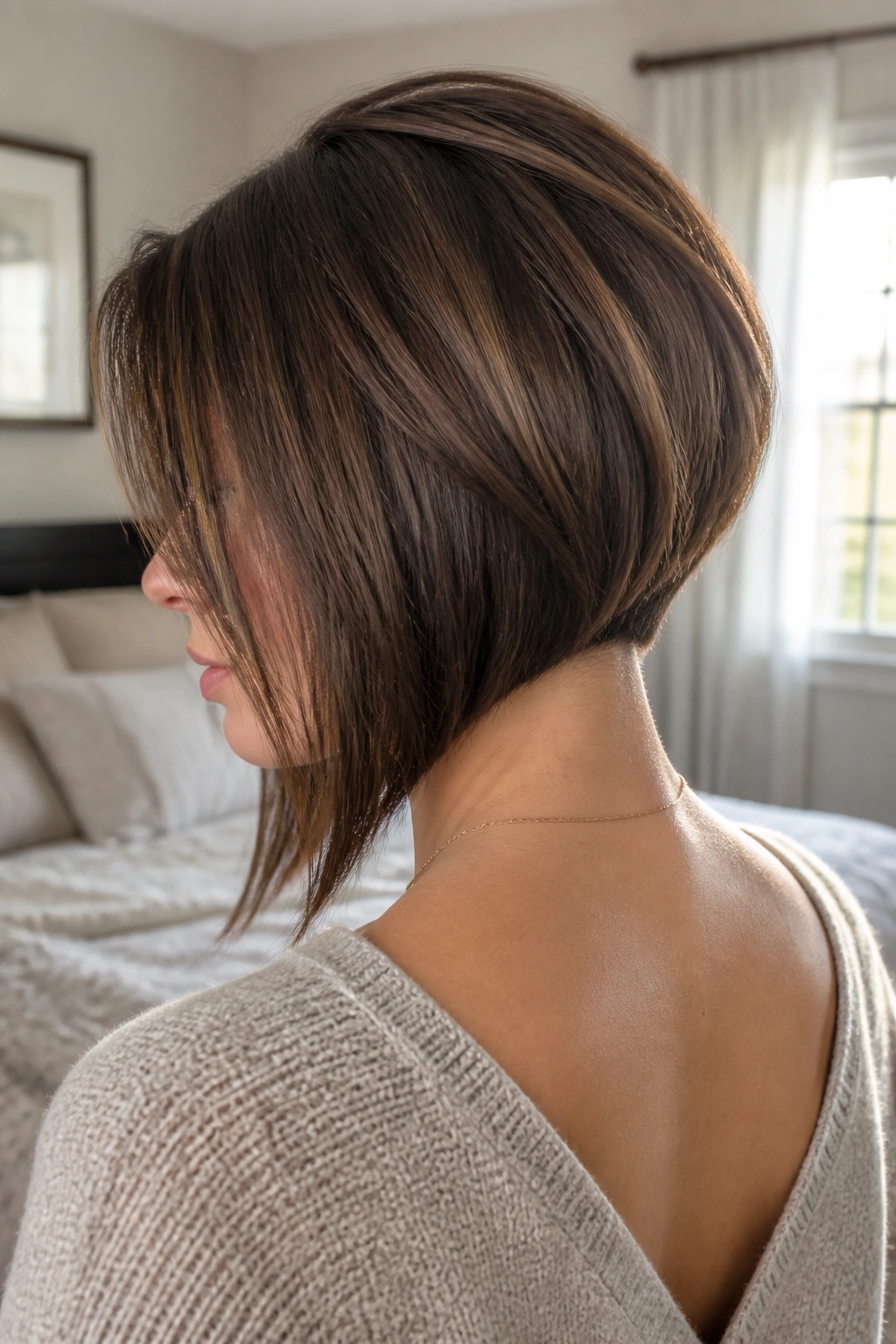
The inverted bob has a sharper rear curve than the A-line, and that’s what gives it such a polished, almost tailored feel. The back is cut to build volume, then the front drops lower and longer. It’s a stronger shape. You feel it immediately.
What I like about this cut is how much work the back does. Even when the front stays simple, the crown gets lift and the whole head of hair looks better proportioned. That makes it a smart choice for fine hair that needs body or thick hair that needs some weight removed without losing structure.
The styling needs a clean blow-dry. A paddle brush helps keep the back smooth, and a round brush at the crown gives the shape that little bend it needs. Skip heavy oils near the roots; they’ll flatten the lift you just created.
An inverted bob can look sleek and modern, but only if the graduation in the back is controlled. If the stack is too high, it starts shouting. Keep it tidy. That’s where the chic part comes from.
6. Layered Bob
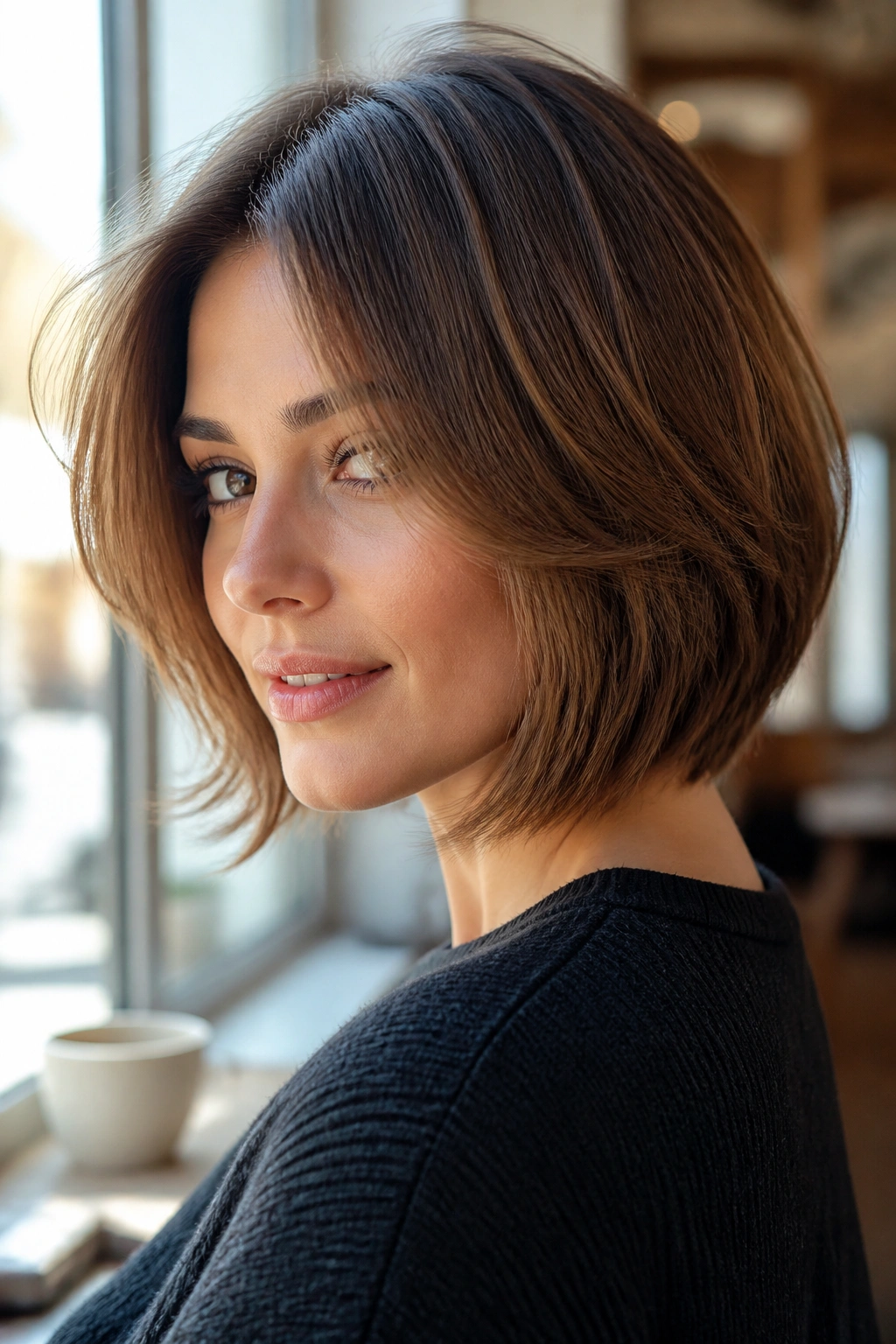
Unlike the blunt bob, the layered bob trades that solid, straight edge for movement. It’s the cut you pick when your hair feels heavy at the ends and you want it to swing instead of sit there. The difference shows most when you turn your head.
The layers should not all be the same length, and they should not start too high unless the hair is thick and stubborn. A few well-placed layers around the crown and through the mid-lengths can stop the shape from collapsing. That’s the whole game.
This version works well if you want a bob that can be tucked, flipped, or worn with a bit of wave. It also plays nicely with a side part because the layers create softness around the face instead of a hard wall of hair.
If your hair is already fine, keep the layering light. Too much and the ends can look stringy. If your hair is dense, though, a layered bob can take away that helmet feeling in one haircut.
7. Stacked Bob
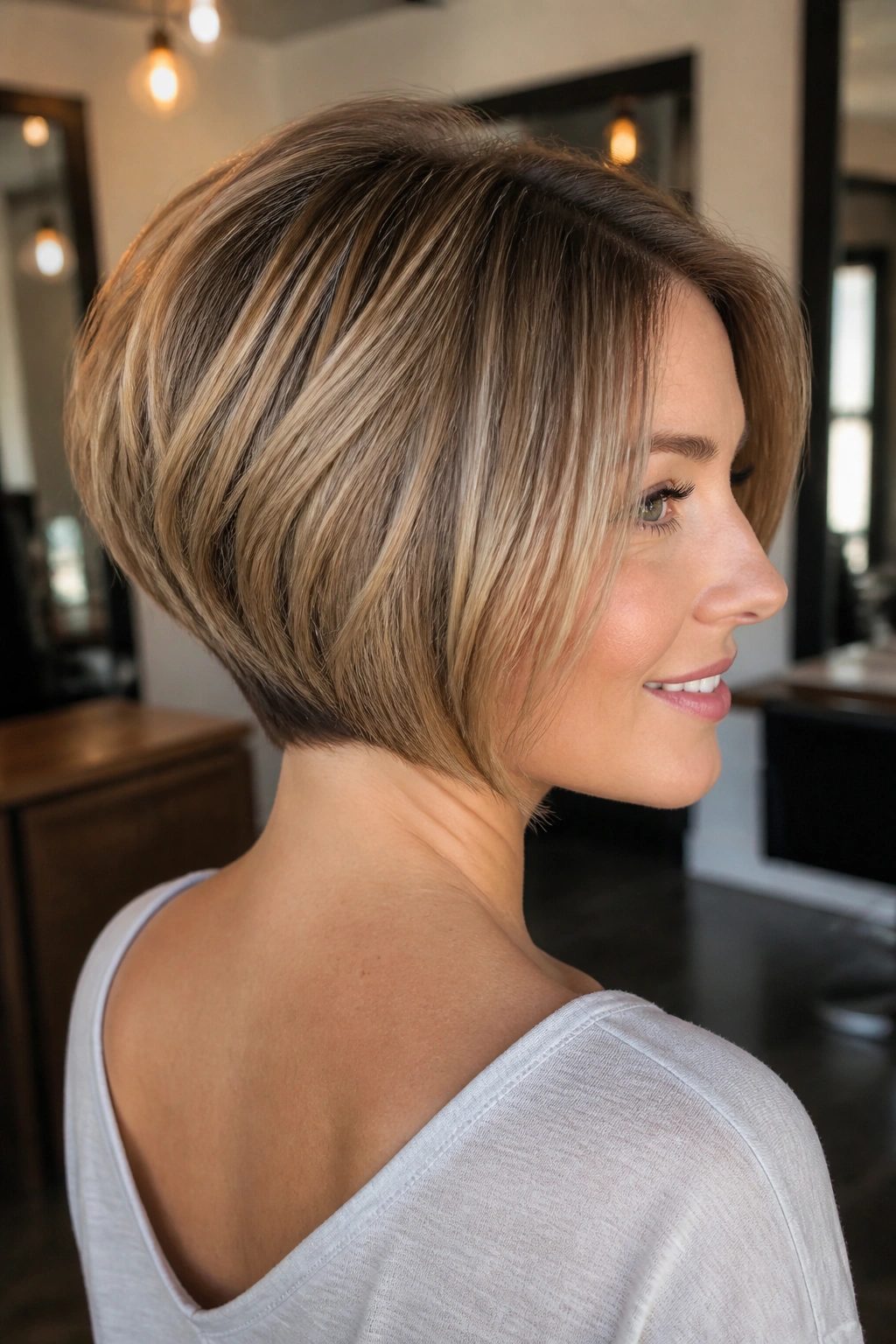
A stacked bob is all about the back. The hair is cut shorter and fuller at the nape, then stacked upward in neat layers that create shape and lift. From the side, it can look almost sculpted.
What Makes It Different
The crown gets more height without relying on teasing or a lot of product. That’s why this cut works so well on hair that falls flat by lunch. It builds body into the haircut itself.
The front can stay chin-length or just below it, which keeps the look balanced. If the front is too long, the stacked back disappears. If the back is too short, the head can look too round. The line has to be managed carefully.
How to Wear It
- Blow-dry the nape first so the shortest layers set cleanly
- Use a round brush at the crown for lift
- Keep the ends smooth, not fluffy
- Ask for stacked layers that taper gradually, not in a sudden shelf
This is one of those classic bob hairstyles that looks more expensive when the cut is precise. Cheap stacking shows. Good stacking looks effortless.
8. Sleek Center-Part Bob
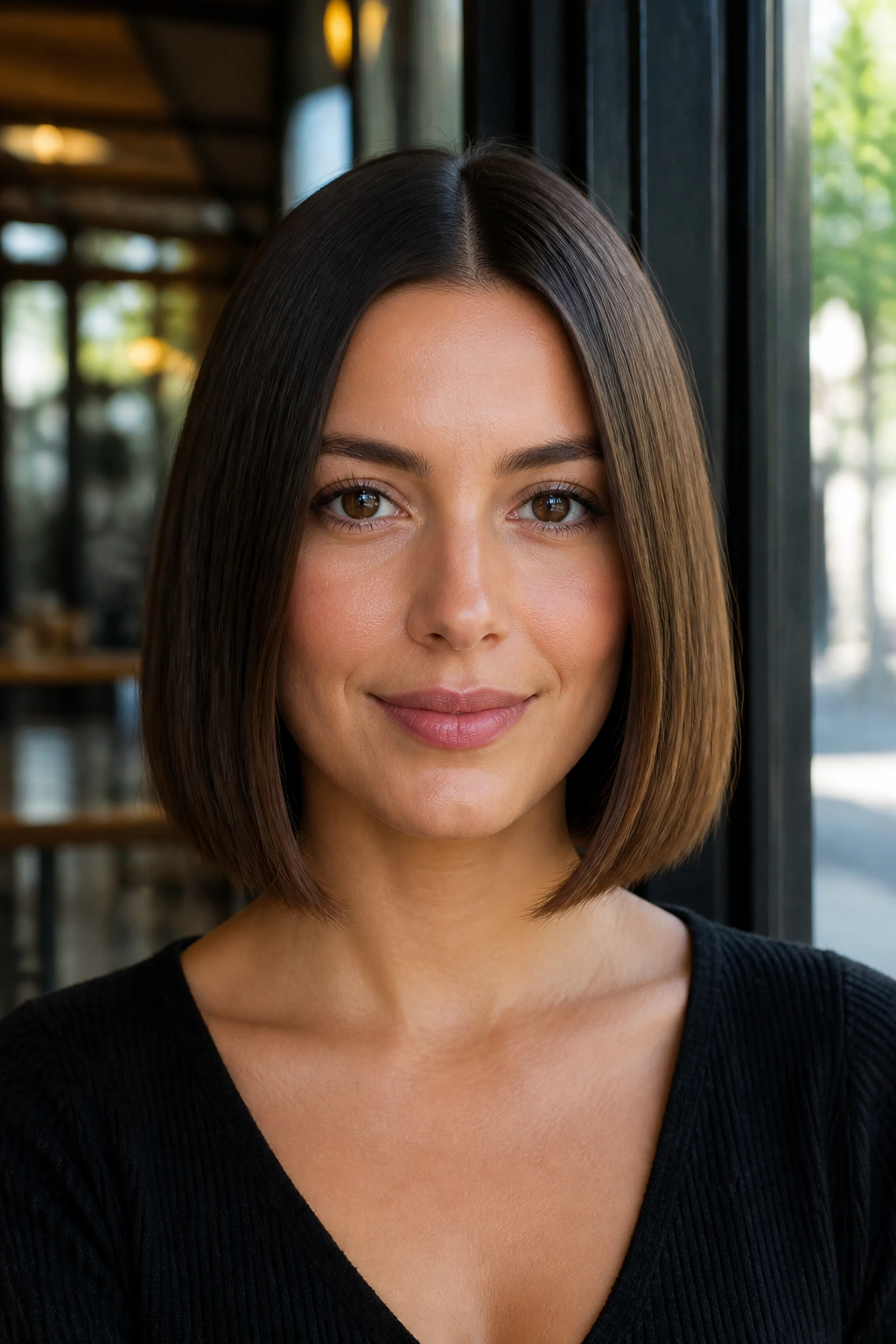
A center-part bob can look sharp in the best way, but only if the length and line are controlled. The hair falls evenly on both sides, which puts all the attention on symmetry, gloss, and clean ends. There’s nowhere to hide.
That’s why this cut works so well on straight or slightly wavy hair. The middle part draws a vertical line through the face and makes the whole style feel calm, direct, and modern without needing extra styling tricks. If the ends are blunt and the surface is smooth, the result can be striking.
Use a flat brush or paddle brush when blow-drying so the part stays precise. A small amount of smoothing cream at the mid-lengths is enough. Don’t overload the roots with product unless you want the crown to collapse halfway through the day.
This is the bob for someone who likes clean lines more than softness. It’s plain in the best way. Sharp, but not severe.
9. Wavy Textured Bob

Why do waves make a bob look so easy? Because they break up the line just enough to keep the cut from feeling stiff. A wavy bob still has shape, but it gives you movement around the cheek and jaw that a straight bob can’t always deliver.
The trick is not to turn it into a beachy mess. You want soft bends, not uniform curls. A 1-inch curling iron or a few quick passes with a flat iron can create that loose, broken wave. Leave the ends a little straighter if you want it to feel current and not too dressed up.
How to Get the Most From It
Work in 1-inch sections and alternate the direction of the wave. That keeps the texture from looking too arranged. Then rake through with your fingers, not a brush, so the pieces stay separated.
- Best when hair has a natural bend
- Looks fuller than a pin-straight bob
- Good choice if you want movement without heavy layering
- Air-dry cream or a light mousse helps the wave hold
A wavy bob can be romantic, casual, or a little messy in a good way. It depends on how neatly you finish it.
10. Curly Bob
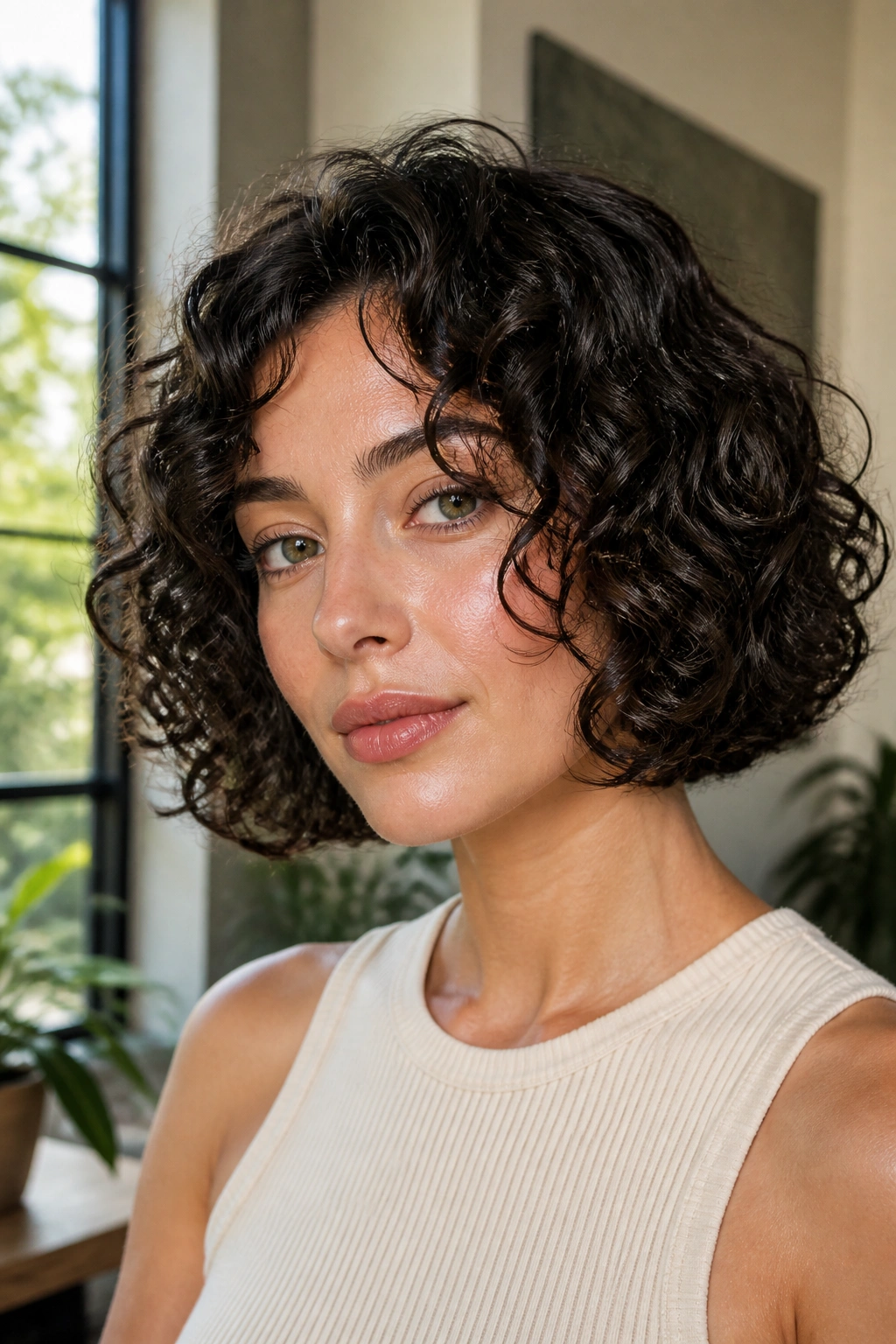
A curly bob needs enough length to let the curls spring, but not so much that the shape turns triangular. That balance is the whole cut. When it works, it’s lively and clean at the same time.
The best curly bobs tend to sit around the cheek or jaw, with the curls cut to match the pattern instead of fighting it. If the hair is dense, a dry cut can help the stylist see how the curls actually fall. If the hair is looser, a wet cut with careful shaping can still work.
Here’s the part many people skip: curly bobs need room at the bottom. Cutting them too short at the nape often makes the top puff out. A little length gives the curl weight, and weight keeps the silhouette neat.
Use a leave-in conditioner, then scrunch in a curl cream while the hair is damp. A diffuser on low heat can help, but stop before the hair gets frizzy from too much handling. Curly bobs look best when they keep some softness around the edges.
11. Rounded Bob
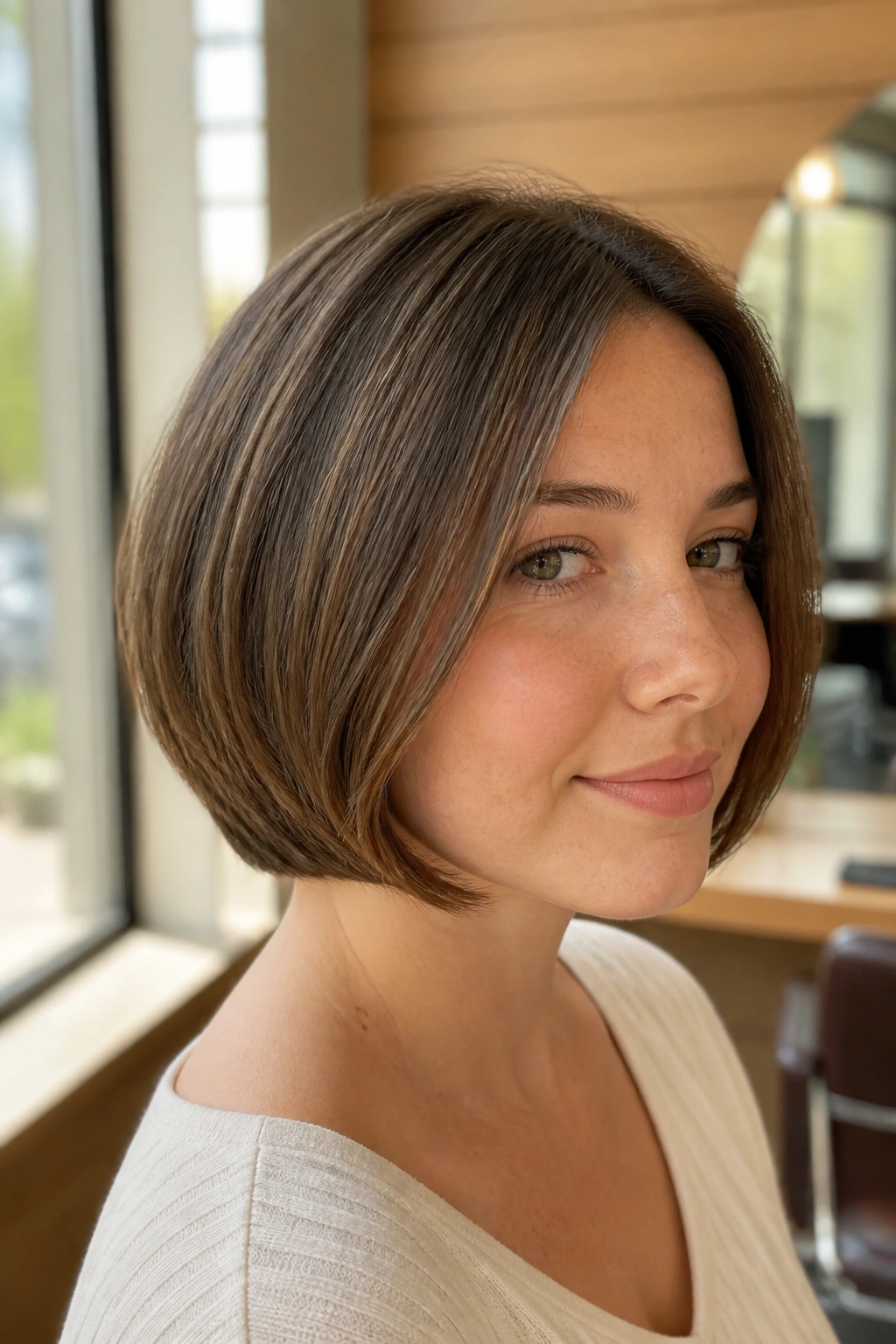
The rounded bob has a soft curve that follows the head shape, which is why it feels gentler than a blunt square bob. It’s neat, but not hard-edged. The sides sit close enough to frame the face, while the crown and back stay slightly fuller.
This cut works especially well when you want a polished shape without the graphic look of a severe line. It’s a favorite on straight hair because the curve shows clearly, but it can also tame waves that tend to puff at the sides. The outline matters more than the styling.
A rounded bob usually looks best when the ends are tucked under a touch. Not curled. Just under. That small bend keeps the shape smooth and makes the haircut feel finished, even when the rest of the styling is minimal.
If your face is narrow, this shape adds width in a flattering way. If your face is broad, ask for softer rounding rather than a full curve. Small adjustments change everything here. Tiny ones.
12. Asymmetrical Bob
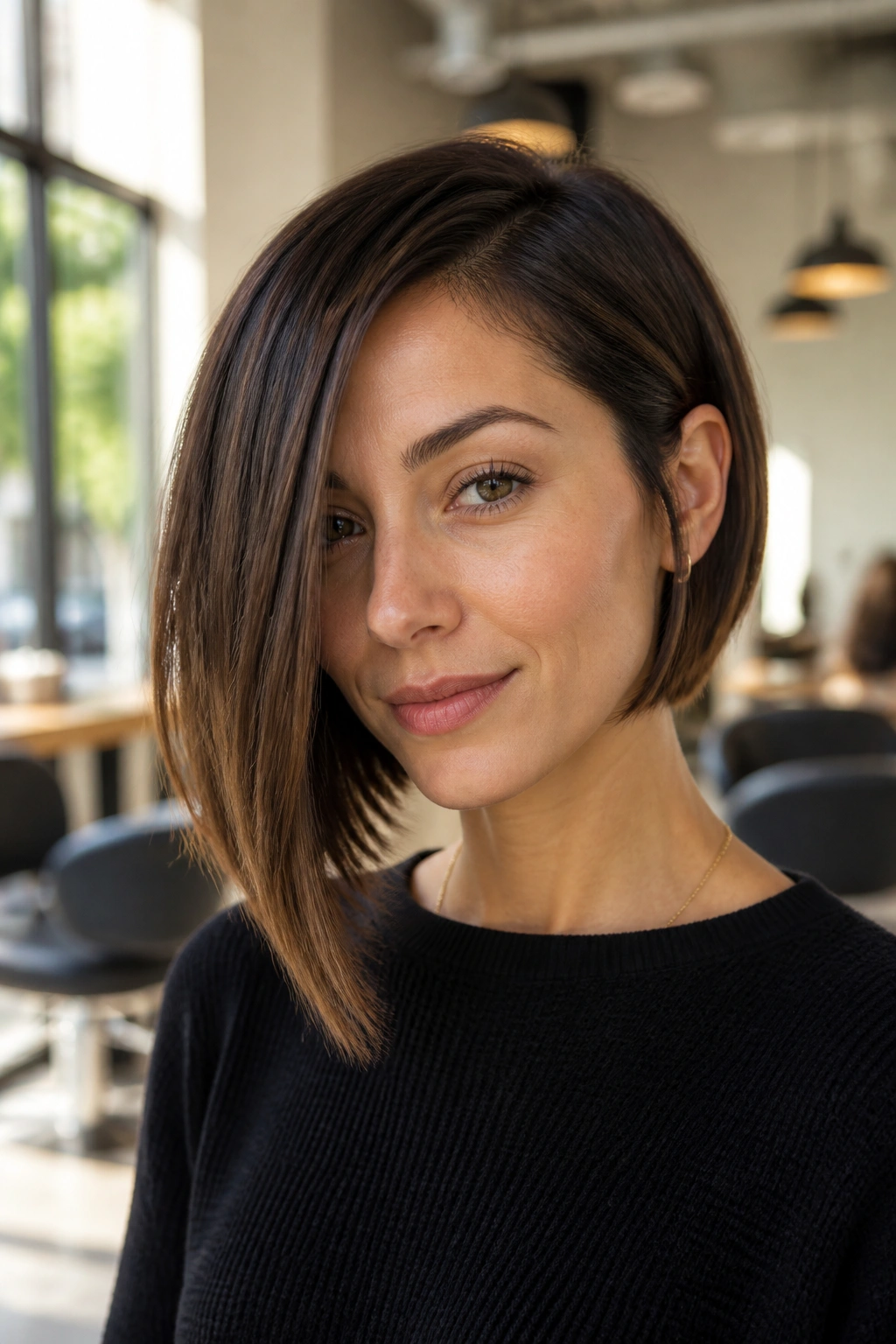
An asymmetrical bob is the one that looks slightly off-center on purpose. One side is longer than the other, and that uneven length gives the haircut energy without needing layers or waves. It’s a simple idea, but it changes the whole silhouette.
What makes it chic is restraint. If the length difference is too extreme, the cut starts feeling like a statement rather than a haircut you can wear every day. A subtle difference of 1 to 2 inches is usually enough. That creates interest without making the face look lopsided.
This style pairs well with straight styling because the angle stays visible. A side part can soften the look, while a center part makes the asymmetry even more obvious. Both work. The choice depends on how much edge you want.
An asymmetrical bob is good for anyone who likes clean lines but wants something with a little bite. It’s not loud. It just has its own opinion.
13. Shaggy Bob
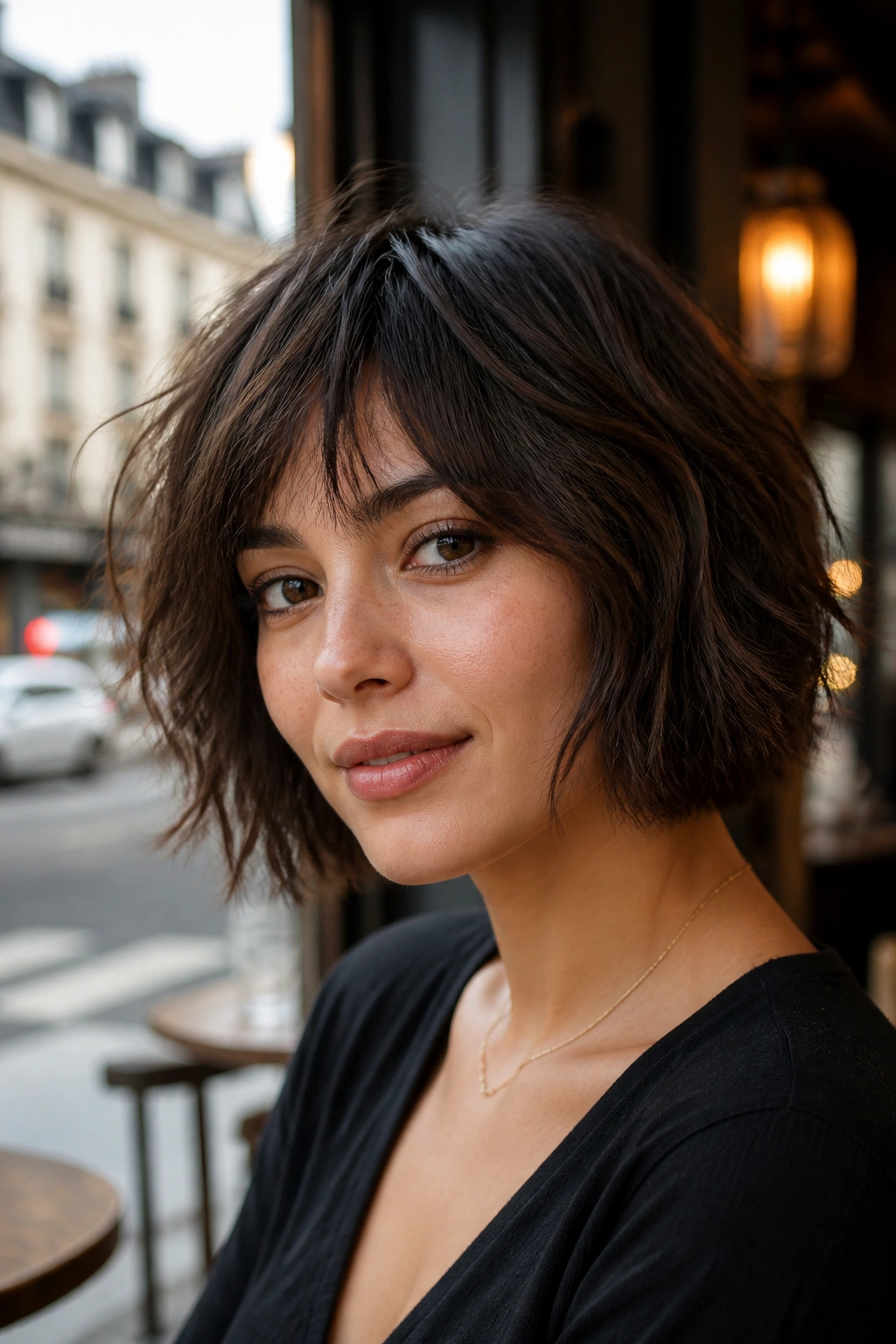
A shaggy bob is what happens when the classic bob relaxes its shoulders. The ends are choppier, the layers are more visible, and the texture gets to do some of the talking. It looks easy, but the cut still needs shape or it can veer into untidy fast.
Why It Helps Flat Hair
The broken-up ends keep the hair from sitting like one heavy block. That’s useful if your hair falls flat at the crown or tends to lose shape the second you step outside.
A shaggy bob is also forgiving on natural texture. A little bend, a little wave, even a bit of frizz can work with it instead of against it. That makes it one of the least fussy short cuts around.
- Ask for piecey layers, not random chopping
- Keep the length around the jaw or slightly below it
- Use a salt spray or lightweight texture mist
- Avoid heavy creams if you want the edges to stay airy
The best shaggy bob still has a clear outline. Loose does not mean shapeless. That distinction matters.
14. Feathered Bob

Feathering changes the whole mood of a bob. Instead of blunt weight at the ends, the hair is cut to taper softly so the layers move away from the face in light, airy pieces. The result feels softer and a little more old-school, in a good way.
Feathered bobs are especially useful if thick hair tends to feel bulky at the cheeks or around the collar. The feathering removes some of that heaviness without stripping the shape. You still get a bob; it just breathes better.
A round brush and a blow-dryer make this cut shine. Turn the ends away from the face or slightly under, depending on the look you want. If the feathering is done well, you should see movement at the edges rather than obvious choppy layers.
This is a nice choice when you want a feminine bob without hard lines. It’s softer than a blunt cut and lighter than a stacked one. Subtle. But not dull.
15. Collarbone-Length Lob
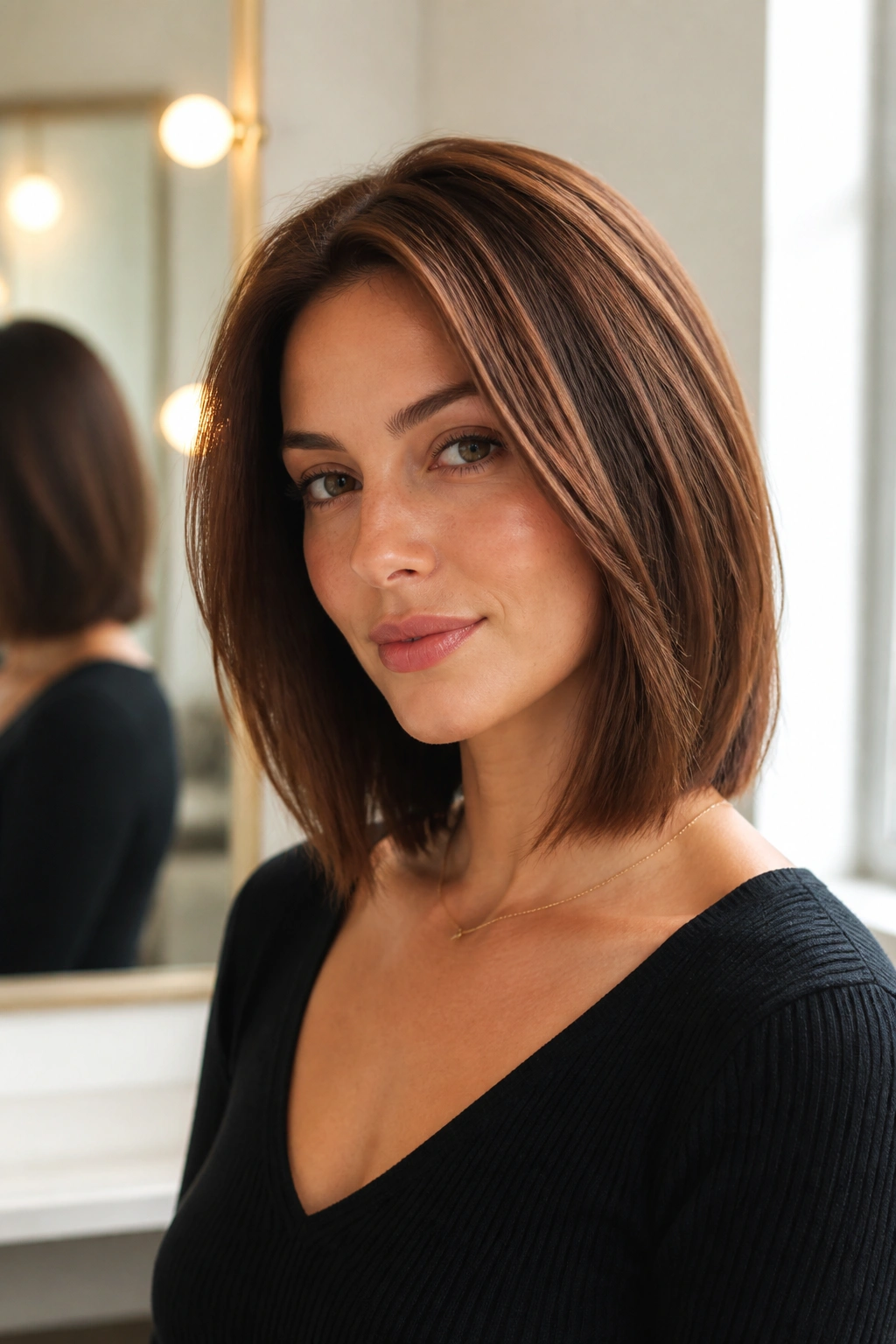
A collarbone-length lob sits in that useful middle ground where you still get bob shape, but there’s enough hair to tuck, wave, or pull back. It’s the friendliest of the classic bob hairstyles if you’re nervous about going short.
How It Reads on Different Hair Types
On fine hair, the collarbone length keeps the ends from looking thin. On thick hair, it gives weight a place to sit without piling up around the jaw. On wavy hair, the extra length helps the bends form naturally instead of springing too short.
What I like most here is the styling range. You can wear it sleek and straight, turn it into loose waves, or clip half of it back and still keep the clean line. The cut doesn’t fight you.
When to Ask for It
Ask for the ends to graze the collarbone and keep the layers long and soft. Short layers can make the lob look too fluffy at the ends. If you want movement, add a bit around the face only.
A lob like this is the one many people grow into when they want something that still looks polished on a bad hair day. That counts for a lot.
16. Bob With Curtain Bangs

A bob with curtain bangs has a relaxed, face-framing feel that can soften a sharper jaw or a wide forehead without hiding the haircut itself. The bangs split in the middle and sweep outward, which keeps the look open around the eyes.
The key is length. Curtain bangs that end too high can feel dated fast. When they hit around the cheekbone or just below it, they blend into the bob and create one continuous frame. That’s the sweet spot.
This style works especially well on hair with a slight bend. The bangs can fall with the rest of the cut instead of sitting like a separate piece. A round brush at the front and a quick bend through the mid-lengths usually do the job.
- Great if you want to soften a strong forehead
- Nice on medium-density hair that can hold the sweep
- Works with a blunt or lightly layered bob
- Needs a little morning styling, but not much
Curtain bangs add movement, but they also ask for maintenance. A trim every 4 to 6 weeks keeps them from dropping into the eyes.
17. Bob With Side-Swept Bangs

Side-swept bangs give a bob a gentler angle than blunt fringe. They fall across the forehead in a soft diagonal, which can make the whole haircut feel more fluid and less rigid. If you want polish without a hard edge, this is a smart move.
The fringe can be light and airy or a little heavier, depending on the hairline and density. Heavier side bangs can balance a long face, while lighter ones keep the look open. Either way, they help the bob feel connected to the face instead of sitting around it like a separate frame.
I like this version on people who want to tuck one side behind the ear sometimes. The bang adds interest when it falls forward, and the rest of the bob can still look neat when it’s tucked. That’s handy.
This cut does ask for a little upkeep near the brow. If the bangs grow too long, they stop sweeping and start collapsing. A trim every few weeks keeps them useful.
18. Tucked-Behind-Ears Bob
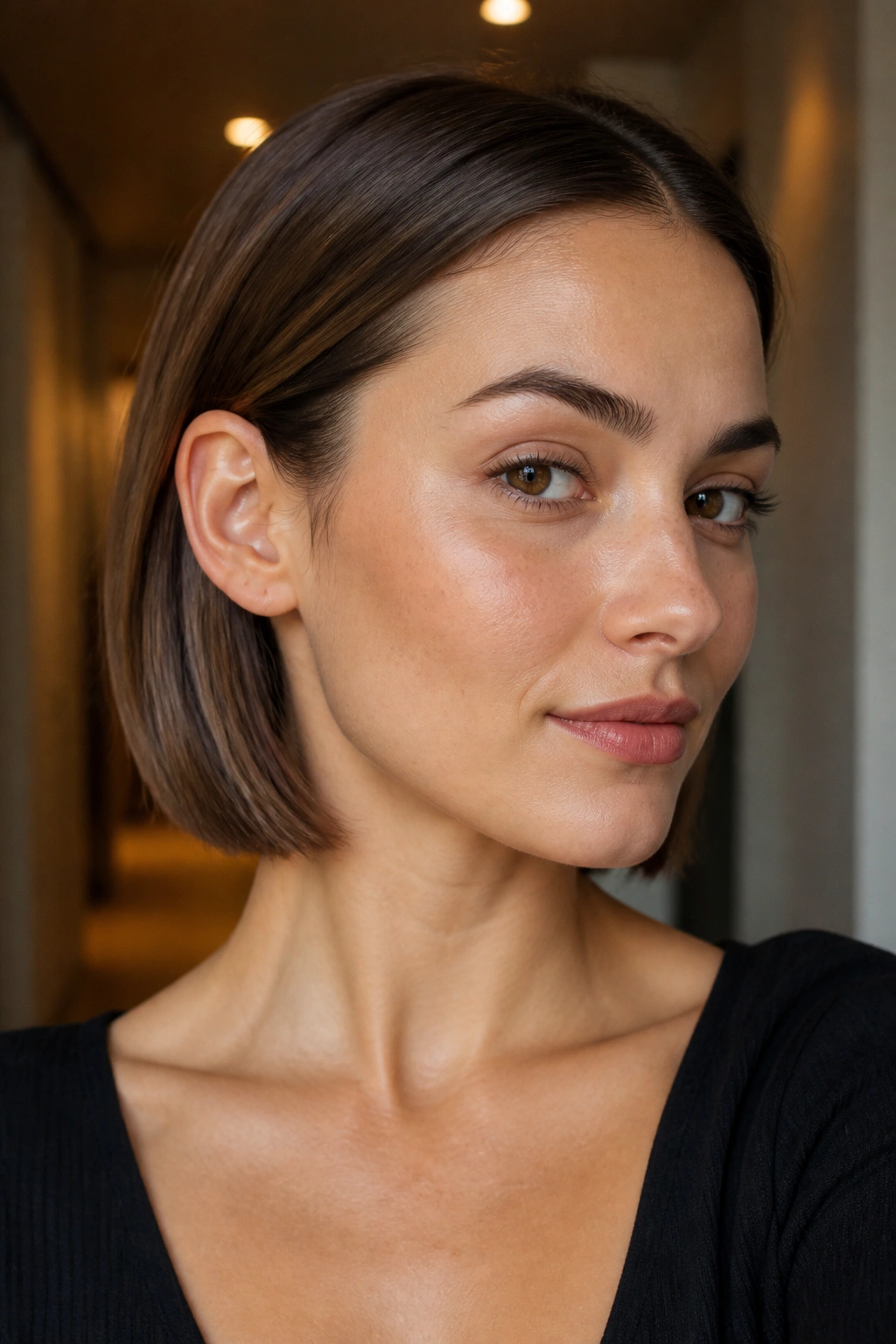
The tucked-behind-ears bob looks simple until you try it and realize how much shape it reveals. The ears open up the face, the cheekbones show more, and the ends suddenly matter a lot. It’s a clean, unfussy way to wear a bob.
What Makes It Different
Unlike styles that rely on heavy front pieces, this one depends on a good cut line and a smooth finish. If the bob is too layered, the tucked shape can turn frizzy around the ears. If the perimeter is neat, it looks deliberate in the best way.
This is a strong choice for straight or slightly wavy hair because the ends stay visible. A little bend at the front helps, but too much volume can compete with the tucked shape.
How to Get the Most From It
- Keep the sides long enough to tuck without popping out
- Use a smoothing cream at the temples
- Tuck one side only if you want a softer look
- Pin the back loosely if the hair slips out
The charm here is that the haircut changes depending on whether both sides are tucked, one side is tucked, or none of it is. Same bob. Three moods.
19. Piecey Bob
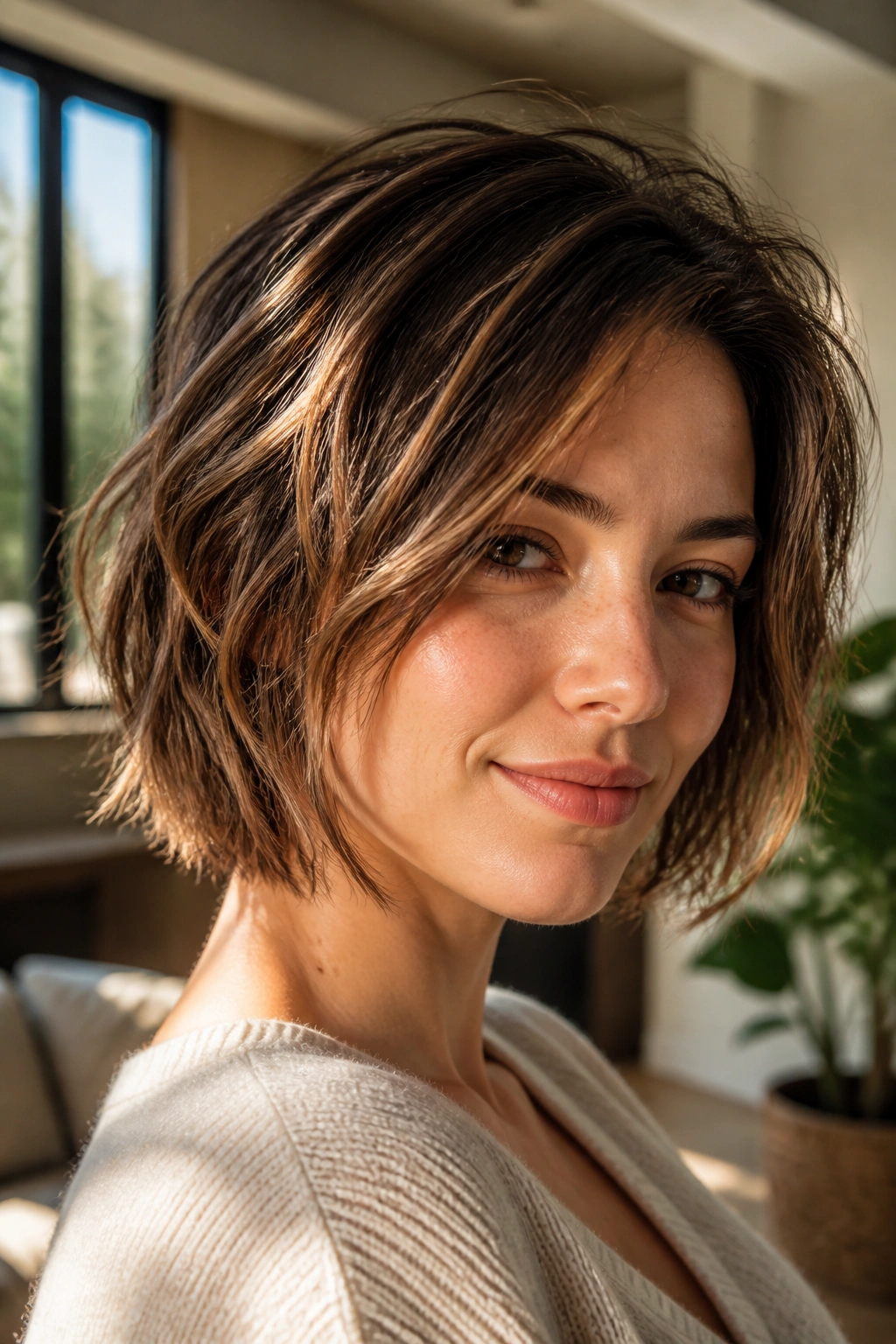
A piecey bob is all about separation. Instead of looking one-length and solid, the hair breaks into small sections that move on their own. It’s a useful look if you want texture without a full shag.
Why It Looks So Relaxed
The pieces stop the cut from feeling helmet-like. That’s the big win. You still have a bob shape, but the styling gives it a lived-in finish that can take a little humidity and a little chaos without collapsing.
This style works best when the hair has some natural bend or when you’re willing to add it with a wand or flat iron. A texturizing spray at the ends can help, but use a light hand. Too much product and the pieces clump together.
A Small Styling Note
Start with clean, dry hair, then bend random sections in different directions. Don’t curl every strand the same way. That’s how you keep the finish from looking too neat.
A piecey bob is a good compromise if you want a short cut with movement. It feels modern, but it still belongs in the classic bob family.
20. Graduated Bob
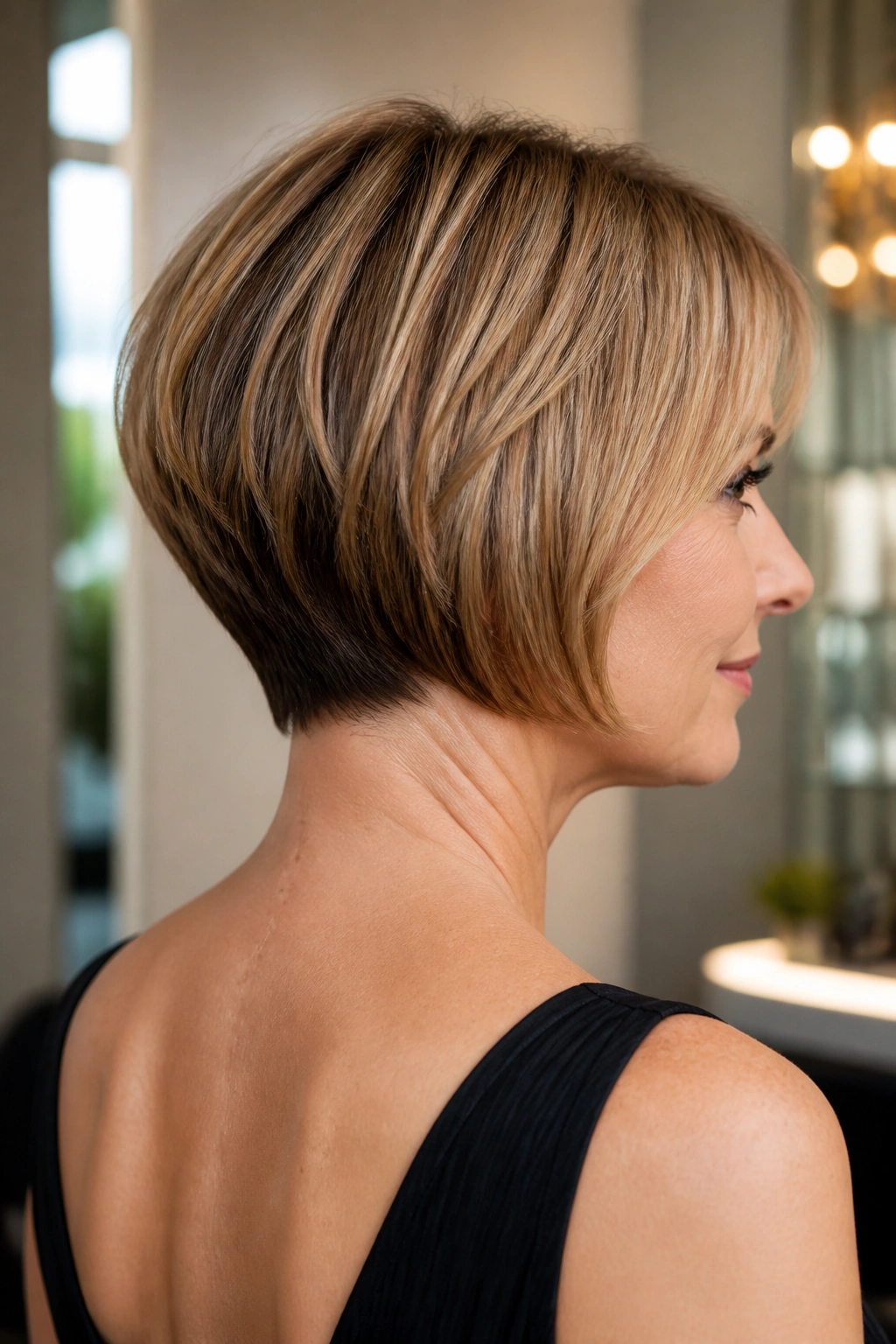
The graduated bob is similar to the stacked bob, but the graduation tends to feel more gradual and less dramatic. The back is still shorter, the shape still builds upward, but the transition is smoother. That makes it easier to wear if you want body without a sharp angle.
It’s a good haircut for hair that has trouble holding shape because the layers support the outline from the bottom up. The neck stays neat, the crown gets lift, and the front can remain soft. That combination is why this cut has lasted.
A graduated bob benefits from precise trimming. If the graduation is uneven, the back can look bulky or pinched. Good cutting makes the hair swing instead of sit. That’s the difference between a tidy bob and one that feels stiff.
This cut often looks best with a smooth blow-dry and a slight bend through the ends. It can handle texture, but the structure should still be visible. A little order goes a long way.
21. Pageboy Bob

Why does the pageboy bob keep coming back? Because the shape is simple, direct, and oddly flattering when the proportions are right. The ends curve under, the line stays clean, and the silhouette has a soft shell-like shape around the jaw.
The Shape Breakdown
The classic pageboy sits close to the head and often has a fringe or at least a heavy front section. The ends are usually rounded under rather than left blunt, which gives the cut that old-school polish people either love or avoid. I happen to like it when the styling is modern and the fringe is lighter.
It works especially well on straight hair because the curve at the ends shows clearly. On wavy hair, it needs a little more control, or the shape can blur. A smoothing cream and a round brush usually do the job.
Who Should Try It
- Anyone who likes a neat, structured look
- Hair that can hold a curved under-end
- Faces that benefit from a framing fringe
- People who don’t mind a little styling time
The pageboy is not trying to look messy. That’s the point. It’s tidy, and that can be a relief.
22. Sleek Glass Bob
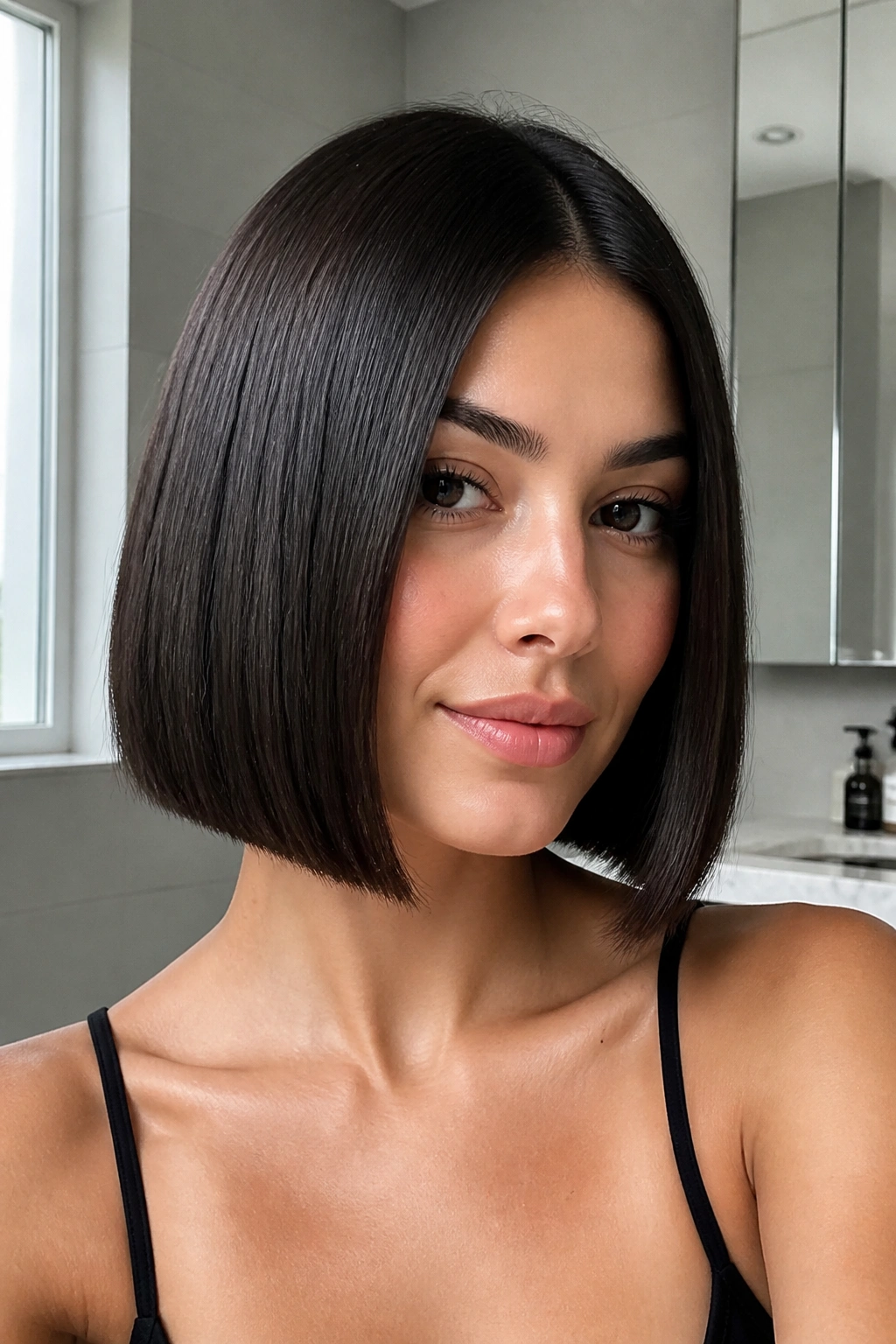
A sleek glass bob is all about shine and flatness, but not in a heavy way. The hair reflects light because the surface is smooth and the ends are crisp. It’s a polished bob that looks sharp from every angle.
This style depends on good prep. Heat protectant, a blow-dry that seals the cuticle, and a flat iron passed through in clean sections all matter. The finish should look smooth, not pressed to death. If the hair starts to flip or puff at the ends, the effect is gone.
I find this cut looks strongest at chin length or slightly above the shoulders. Longer than that, and the glass effect can start to feel less deliberate. Shorter lengths keep the shape compact and the shine more obvious.
A glass bob can be dramatic in a quiet way. It doesn’t need waves, teasing, or a lot of layers. It just needs clean edges and enough gloss to make the shape stand out.
23. Italian Bob

The Italian bob has a little more body than a pin-straight classic bob, and that’s what makes it feel so rich. The ends are often rounded, the volume sits low and full, and the overall shape looks plush rather than severe. It has presence.
What makes it different from a French bob is the weight. The Italian version usually feels fuller and a bit more glamorous, with a length that often hovers around the jaw or just below it. The styling leans smooth, but not flat.
If your hair is thick, this cut can be gorgeous because it lets the volume become part of the shape. If your hair is fine, you can still wear it, but the cut should be precise so the ends don’t thin out. That matters a lot here.
A large round brush, a soft bend at the ends, and a side or center part can change the mood fast. It’s a bob that likes a little volume and a little control. Good combination.
24. Wedge Bob

A wedge bob is the cousin of the stacked bob, but with a stronger slope and a more obvious shape at the back. The nape stays tight, the layers rise upward, and the front usually hangs a bit longer. It creates a wedge-like profile that reads clearly from the side.
Why It Still Looks Chic
The cut gives structure to hair that otherwise might spread out or fall flat. That’s part of why it works so well on thicker hair. The back can be controlled, while the front keeps enough length to soften the shape around the face.
It does ask for maintenance. The back grows out in a way you can see quickly, so trims every 5 to 7 weeks help preserve the line. If you let it go too long, the wedge loses its shape and starts to look like a grown-out layered bob.
Styling Notes
- Blow-dry the back first so the silhouette sets
- Keep the crown smooth to avoid puffiness
- Ask for the front to stay longer than the nape by a clear margin
- Use a small amount of pomade at the ends if they flip too much
The wedge bob has a strong profile. That’s what makes it memorable.
25. One-Length Bob

A one-length bob is the cleanest version of the cut, and honestly, it’s one of the chicest when the hair is healthy and the line is sharp. No dramatic angle. No obvious layering. Just a solid shape that lands exactly where you want it.
This is the bob that asks the most from the cut itself. If the perimeter is uneven, you notice. If the ends are dry, you notice that too. Everything shows. But when it’s done well, the result is calm and expensive-looking in the plainest sense of the word.
The best one-length bobs usually sit at the chin, jaw, or a touch below. That little shift changes how the face reads. Chin length gives more edge. Jaw length softens the profile. Slightly longer keeps it easy to tuck behind the ears or wave loosely for a softer finish.
If I had to pick one version that never feels fussy, it would be this one. It’s the haircut equivalent of a white button-down that fits properly: nothing extra, nothing missing, and somehow always the right answer when the rest of your look needs to settle down.
