



The trick with blonde hair color ideas for fair skin is not picking the palest shade in the room. It’s picking the shade that gives your face some shape.
Fair skin can lean cool, warm, neutral, or rosy, and that changes everything. An icy platinum that looks clean on one person can make another look drained; a creamy beige that feels soft on peachy skin can go flat on porcelain skin.
Colorists pay attention to undertone, root depth, and how the shade reads in daylight versus indoor light. Those are not small details.
The prettiest blonde on fair skin usually has something to break up the flatness: a shadow root, a pearly gloss, a ribbon of warmth near the face, or a little beige through the mids. Without that, the hair can start doing the opposite of what you want and pull color out of your skin instead of lifting it.
1. Icy Platinum Blonde for Fair Skin
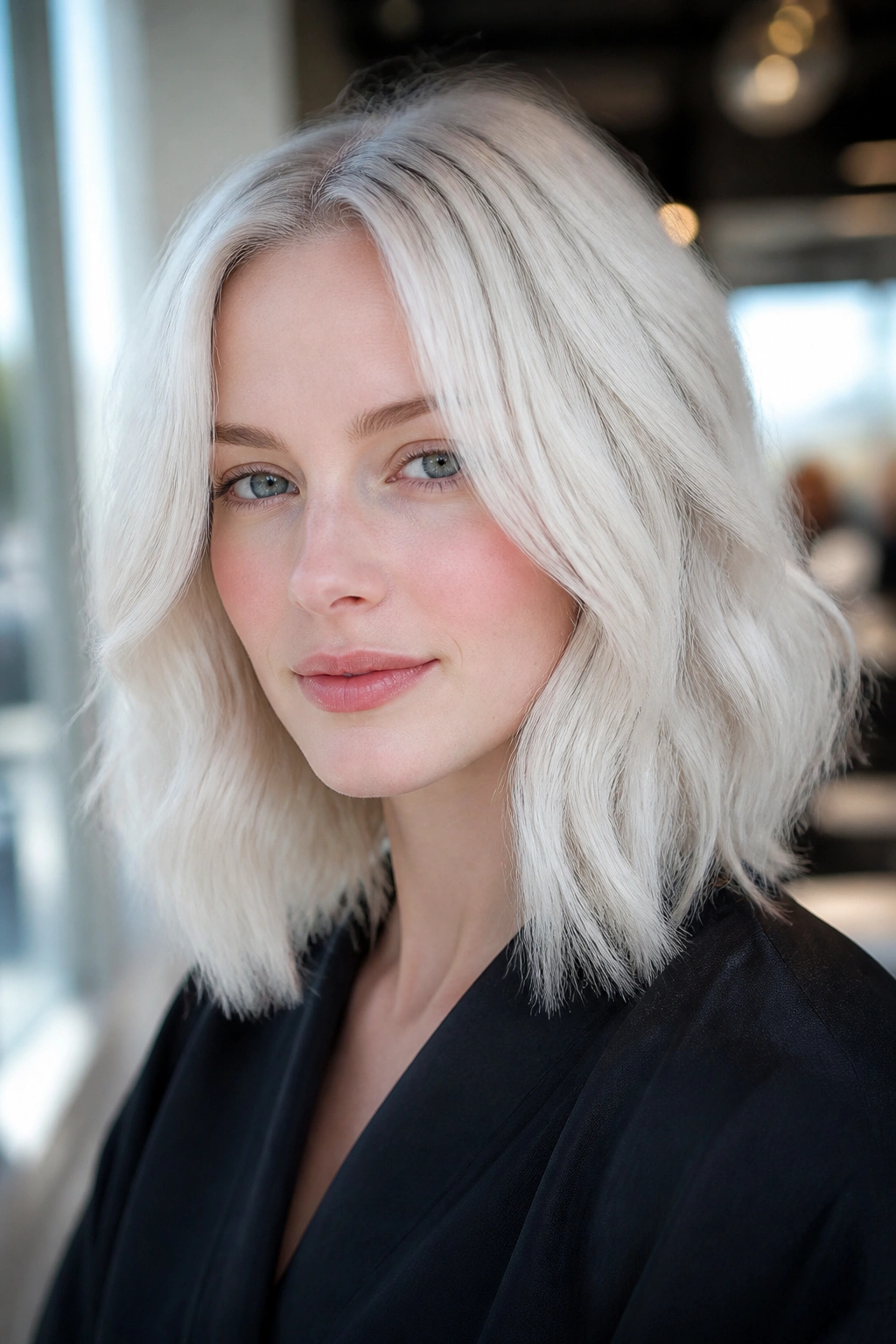
Icy platinum is the shade people picture first, and sometimes it really is the right one. On fair skin, that pale, cool finish can look sharp in a good way, almost like clean white linen on a bright day.
Why It Flatters Cool Undertones
If your skin runs pink, rosy, or blue-based, this blonde can make your complexion look clearer instead of washed out. The key is keeping the tone icy, not yellow, and not gray.
Ask for a level 10 blonde with a pearl-violet toner. That combination keeps the finish crisp.
- Best on cool or neutral fair skin
- Needs regular glossing every 3 to 4 weeks
- Purple shampoo helps, but once a week is enough
- A tiny shadow root keeps the look from turning chalky
Skip heavy warmth here. Warm gold next to very fair cool skin often looks louder than people expect, and not in a flattering way.
2. Pearl Blonde
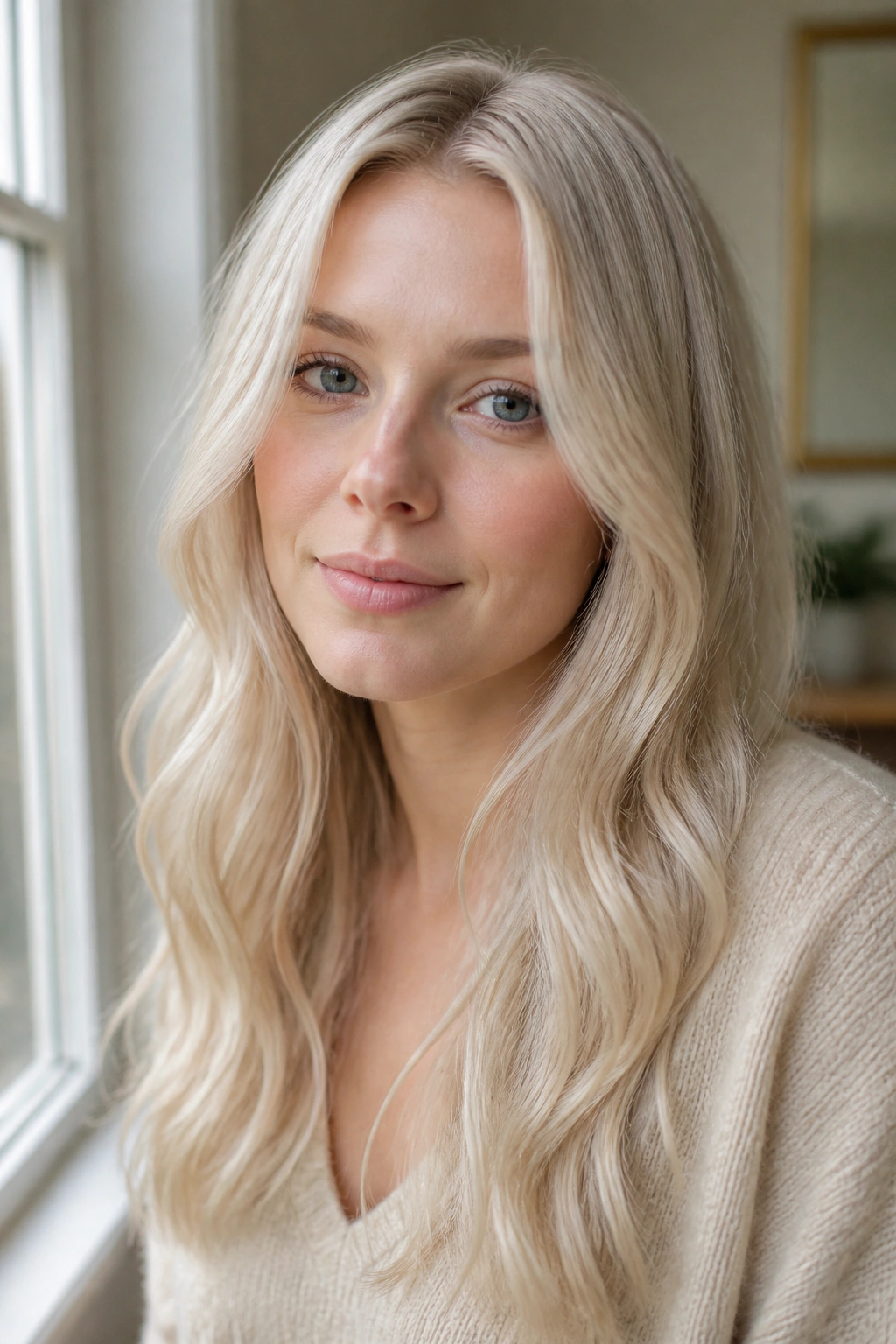
Pearl blonde sits between icy and creamy, and that middle ground is exactly why it works so well on fair skin. It has a soft, luminous cast that feels cleaner than gold and gentler than white.
Why does that matter? Because a lot of fair-skinned people want brightness, but not the harsh contrast that comes with a stark platinum. Pearl blonde gives the face light without flattening the cheeks or making the skin look extra pink.
What to Ask For
Tell your colorist you want a pale blonde with a cool-beige gloss and no heavy yellow. That usually means a lifted base with a translucent toner, not a flat single-process blonde.
Pearl also ages well between salon visits. The tone fades in a soft way, which is a relief if you hate that brassy stage where hair starts shouting at you. It’s a civilized blonde. Not boring. Just easier to live with.
3. Champagne Blonde for Fair Skin
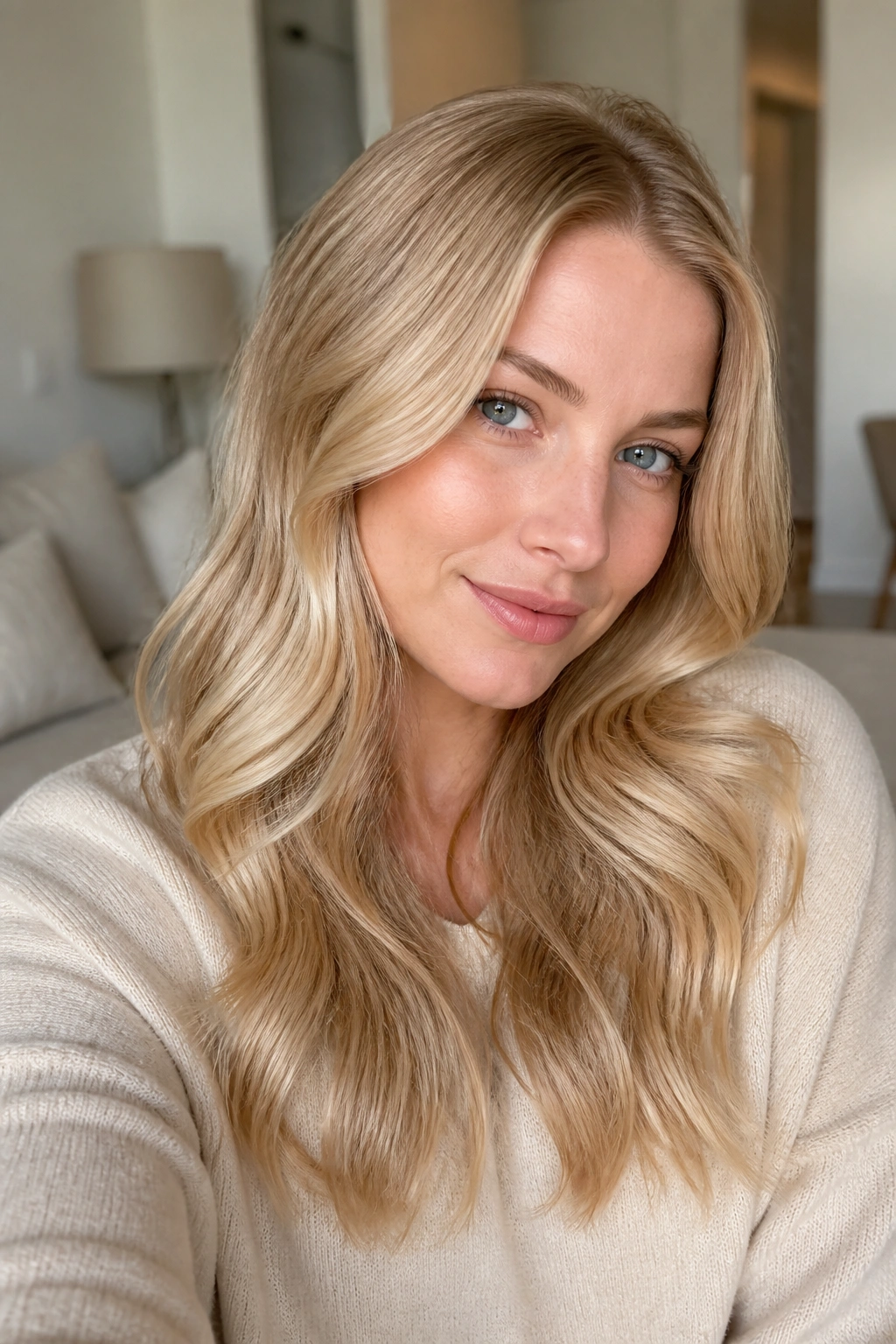
Champagne blonde is what I recommend when someone wants blonde that feels polished but not severe. It has a beige-gold shimmer that looks especially good on fair skin with neutral or slightly peachy undertones.
Picture soft bubbles, not metallic shine. That’s the finish you want.
This shade works because it brings warmth without tipping into orange. The hair still reads blonde, but it has enough depth to keep pale skin from looking too bare. A colorist will often build it with a mix of highlights and lowlights, then finish with a beige gloss so the whole thing looks expensive in the plainest sense of the word: smooth, clean, and balanced.
Best with soft waves or a blowout. The movement shows off the light-and-dark variation, which is half the charm.
4. Beige Blonde
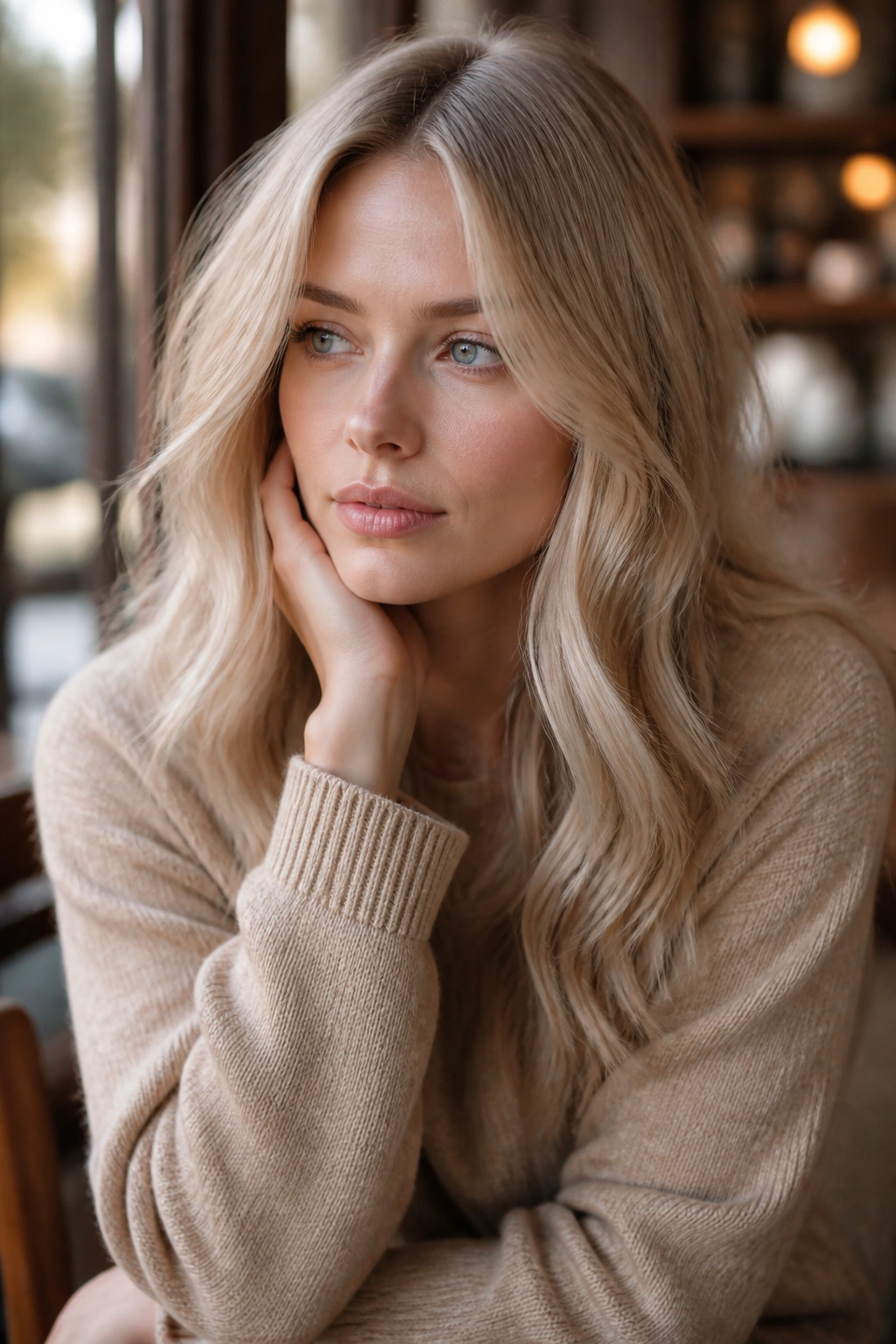
Beige blonde is the shade I send people to when they say they want blonde, but they do not want to look like they’re trying too hard. It’s calm. It’s wearable. It’s the blonde that behaves.
On fair skin, beige blonde gives enough softness to keep the complexion from looking stark, while still leaving a little contrast around the eyes and brows. That balance is what makes it such a useful everyday choice. If your skin flushes easily, beige usually plays nicer than icy tones because it doesn’t sharpen every tiny bit of pink.
The finish should feel muted, not dusty. If it looks flat under bright light, it probably needs a slightly brighter face frame or a cleaner gloss.
I also like beige blonde on straight hair. The smooth texture shows the tone clearly, and the color doesn’t get lost in curls or waves. It’s quiet, yes. But quiet can be the point.
5. Ash Blonde
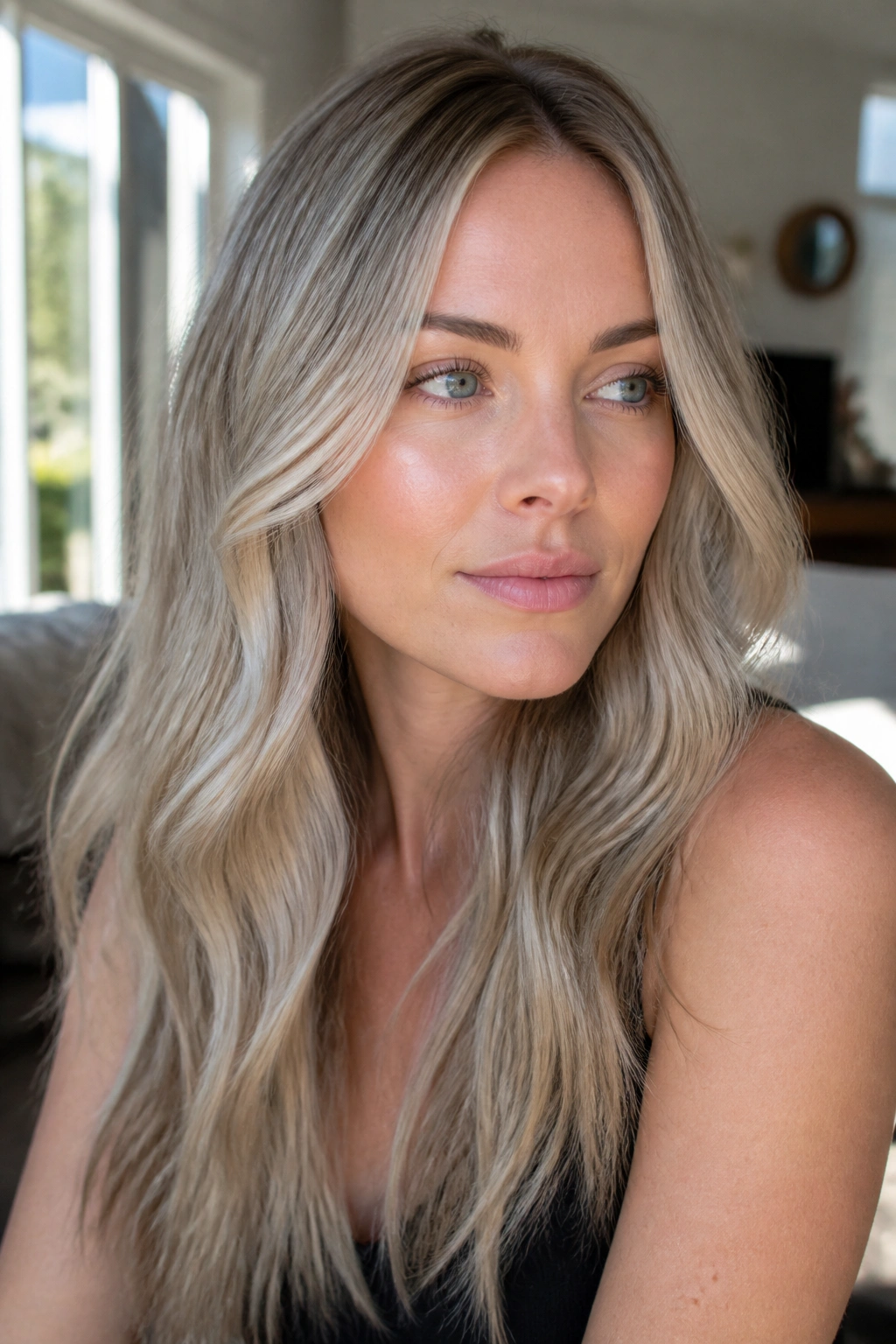
Ash blonde is the cooler, smokier cousin of beige blonde, and on the right fair skin, it looks excellent. The tone has enough muted gray in it to cut brass and keep the blonde from going yellow too fast.
What Makes It Different
Unlike warmer blondes, ash blonde gives a more structured look. It can make blue eyes look sharper and green eyes look brighter, especially when the hair is cut in blunt ends or soft layers. Fair skin with cool undertones usually handles this shade best.
The catch is flatness. Too much ash and too little lightness can make the hair look dull. That’s why I like a mix of ash ribbons with brighter pieces around the face. The result feels lived-in instead of muddy.
If your skin is very pink, ask for a softer ash-beige blend. Pure ash can sometimes make redness stand out. A little warmth mixed in fixes that fast.
6. Mushroom Blonde
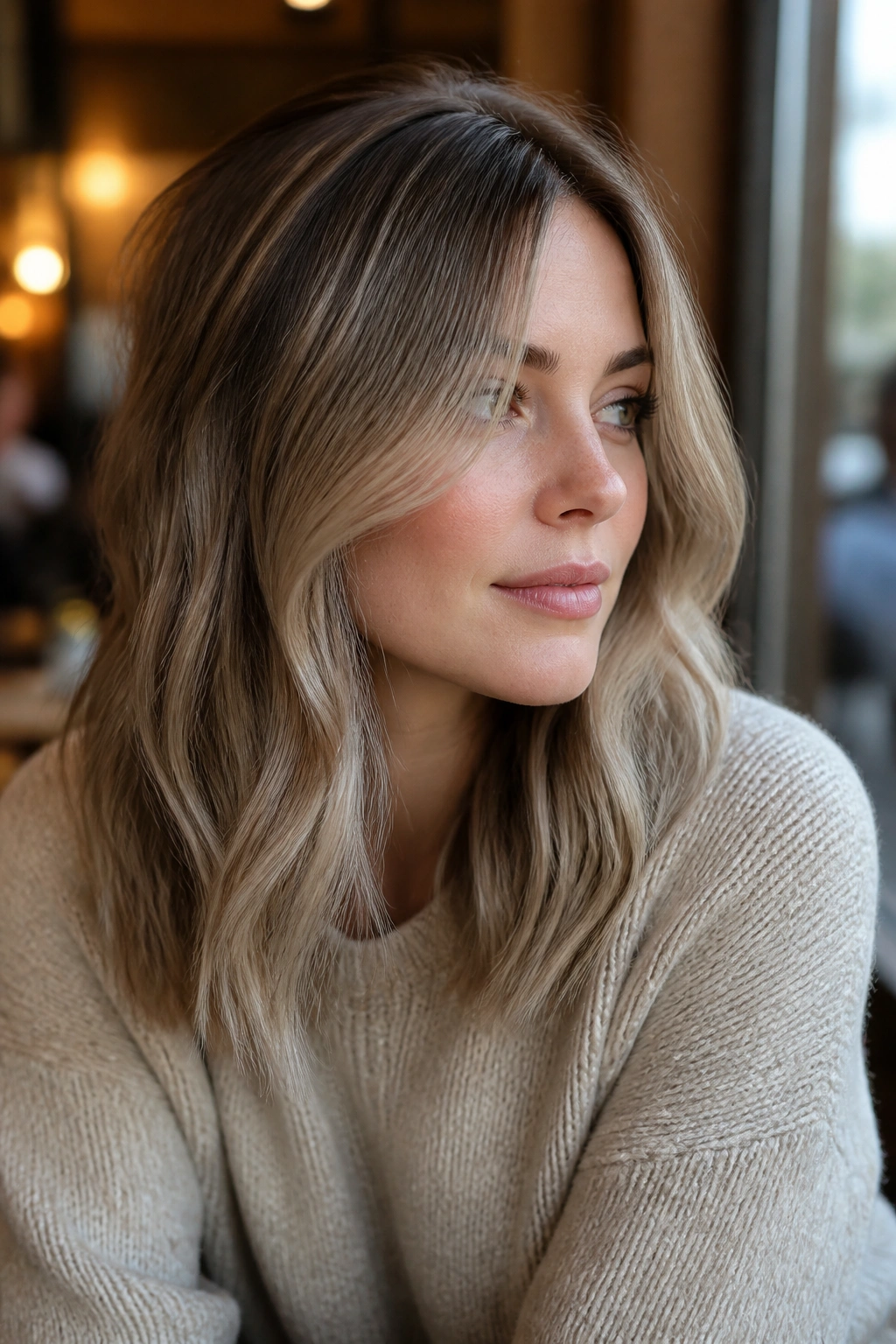
Mushroom blonde is for the person who wants depth without going dark. It mixes beige, taupe, and soft brown tones into the blonde family, which gives fair skin something to sit against instead of floating in a sea of light color.
I’ve seen this shade save a lot of people from the “too blonde, too fast” problem. The overall look is cooler and earthier than honey, but it still reads blonde because the ends stay light. That contrast matters.
Best Way to Wear It
- Ask for a shadow root 1 to 2 levels deeper than the mids
- Keep the face frame lighter so the skin does not disappear
- Choose a matte or soft-shine finish, not a bright metallic gloss
- Works well on shoulder-length cuts and long layers
Mushroom blonde has a quiet, modern feel without being severe. It’s one of the few shades that can make fair skin look softer rather than paler.
7. Butter Blonde
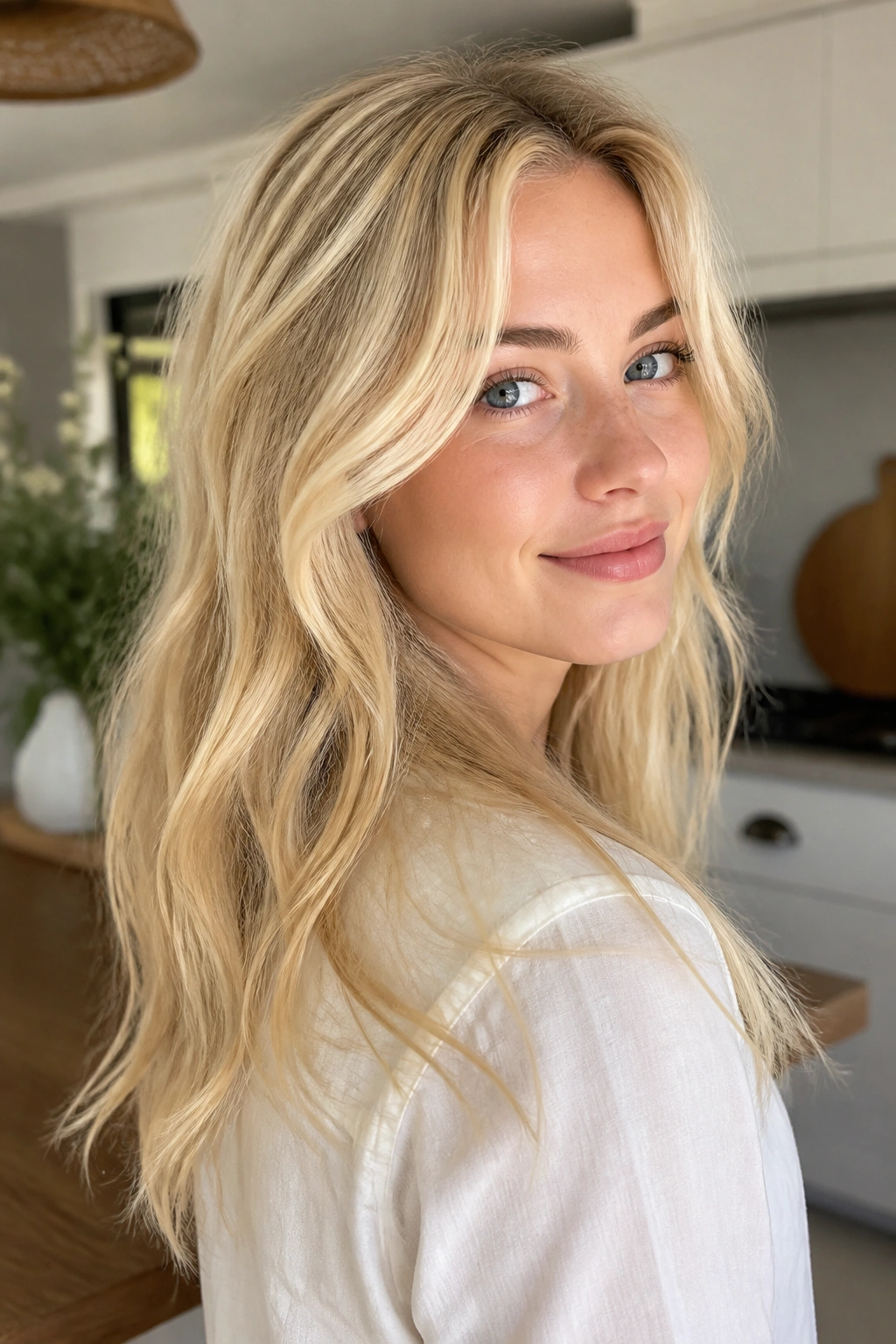
Butter blonde is the easiest warm blonde to wear on fair skin because it softens features instead of sharpening them. The tone is creamy, sunny, and a little rich around the edges, which keeps it from turning into school-bus yellow.
This shade loves fair skin with warm or neutral undertones. It also plays nicely with freckles. The warmth brings them forward in a good way, like they’re part of the look instead of something to cover up.
Where It Sits on the Color Scale
Butter blonde works best when it stays in the pale-to-medium blonde range, not deep gold. If the tone gets too orange, it loses the softness that makes it pretty in the first place.
It’s a strong choice if you like makeup with peach blush, soft brown liner, or nude lips. The whole face starts feeling connected. No harsh edges. No icy distance. Just a warm, easy blonde that looks like it belongs on the person wearing it.
8. Vanilla Blonde
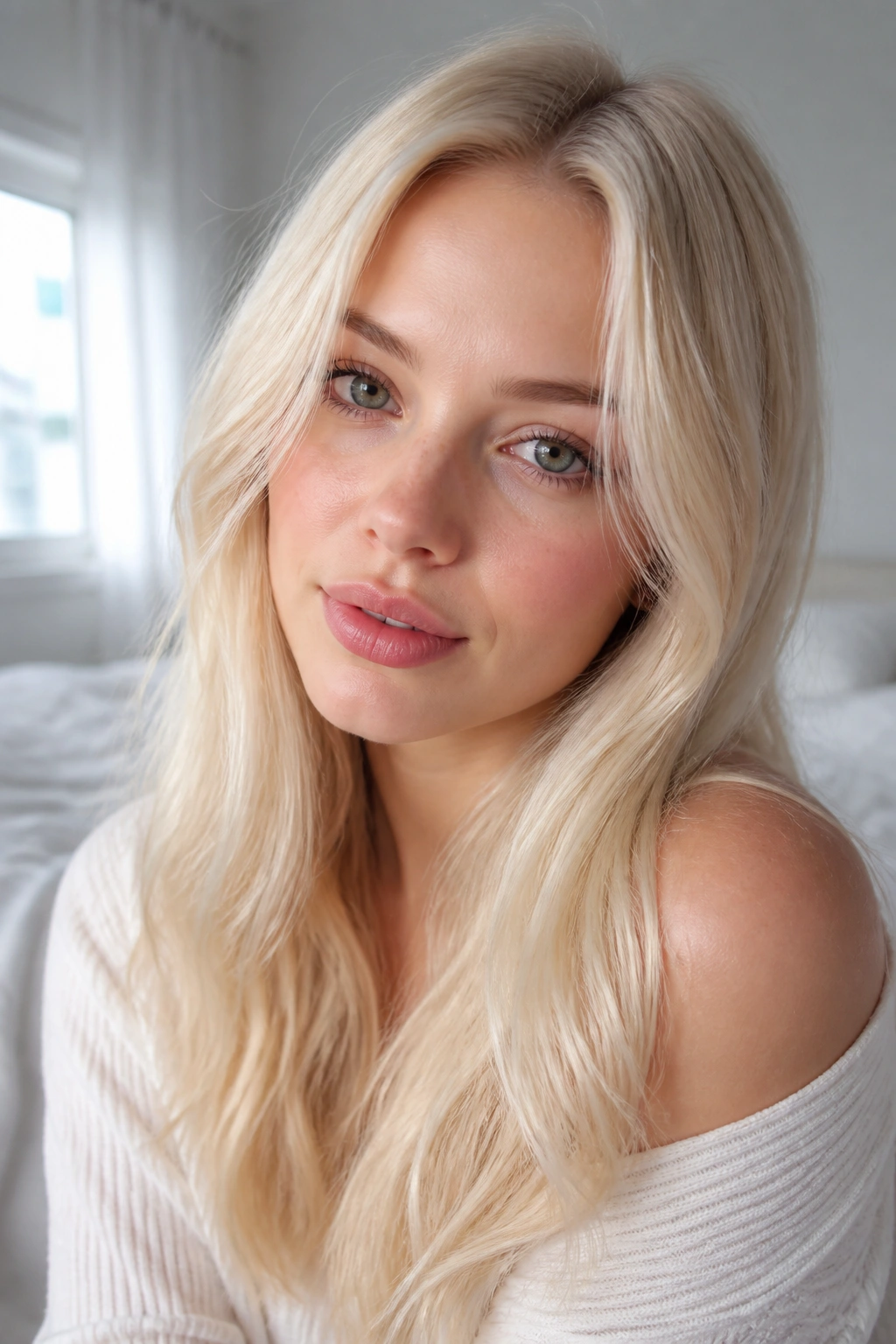
Vanilla blonde is what you ask for when you want pale hair without the hard chill of platinum. It has a creamy, almost milky base that looks especially kind on fair skin that needs softness more than drama.
Best Way to Wear It
A vanilla blonde usually works best with a very light neutral gloss and a slightly brighter money piece around the face. That little bit of brightness keeps the color from looking flat, which is the only real danger here.
Because the tone is soft, it can be worn sleek or messy. Air-dried texture looks easy. A smooth blowout looks polished. Either way, the shade stays readable and gentle.
If your skin is very porcelain or your features are delicate, this is one of the most flattering blondes on the list. It doesn’t shout. It just makes the whole face look a bit smoother.
9. Honey Blonde
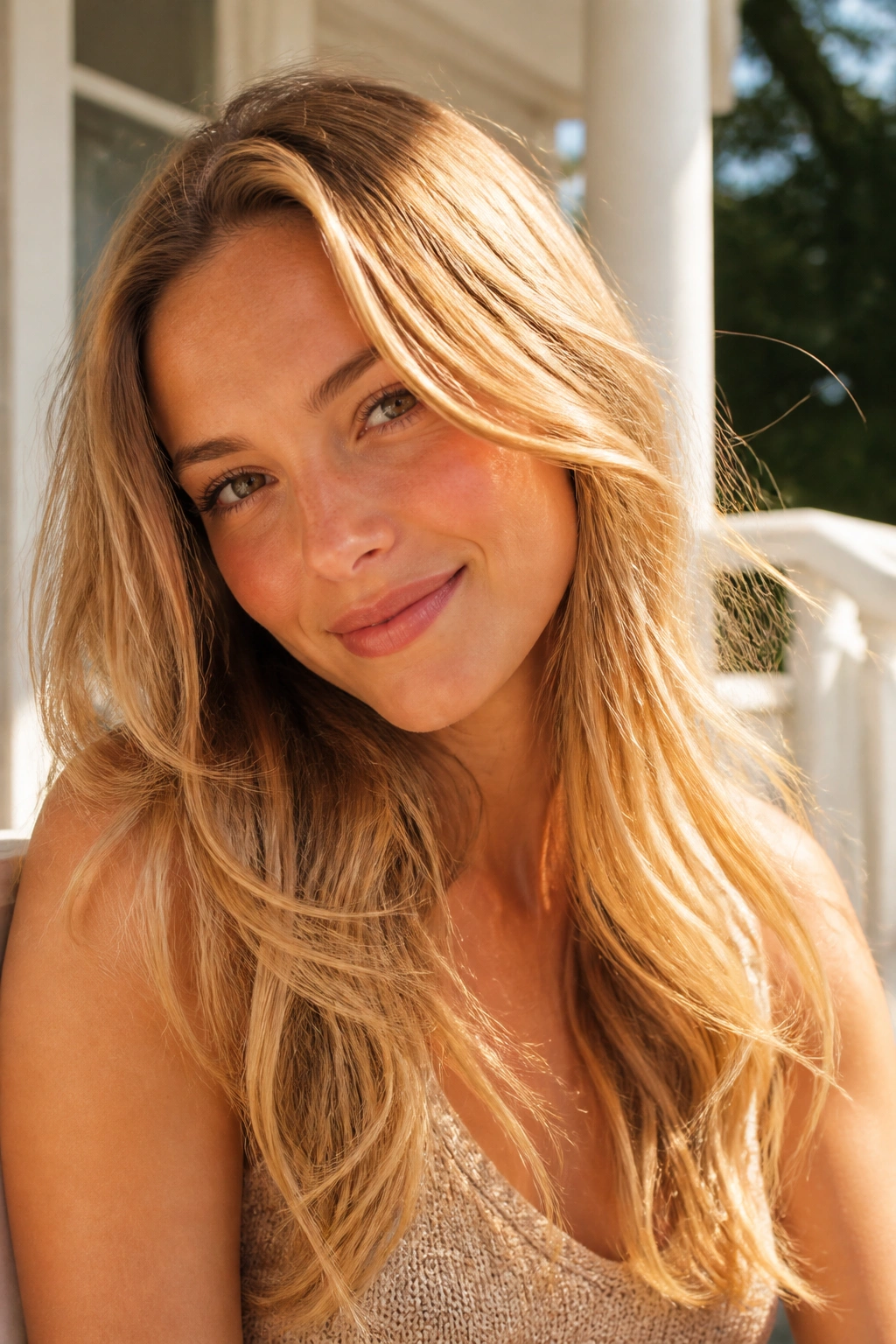
Honey blonde brings warmth, and on fair skin that can be a beautiful thing when the tone stays clear and rich. It’s deeper than butter, more golden than beige, and a little more relaxed than champagne.
This is the blonde I like for people who want their hair to look sunlit rather than bleached. It works especially well on fair skin with peach or golden undertones, where the warmth echoes what’s already in the complexion. The result can feel healthy in the best possible way.
Honey blonde also likes movement. Waves, curls, and layered cuts give it dimension, which matters because a single flat panel of gold can look heavy. Add lightness around the front, keep the mids glossy, and the shade starts to glow without turning brassy.
A small warning. If your skin is very pink, honey can pull more attention to that redness than you want.
10. Strawberry Blonde
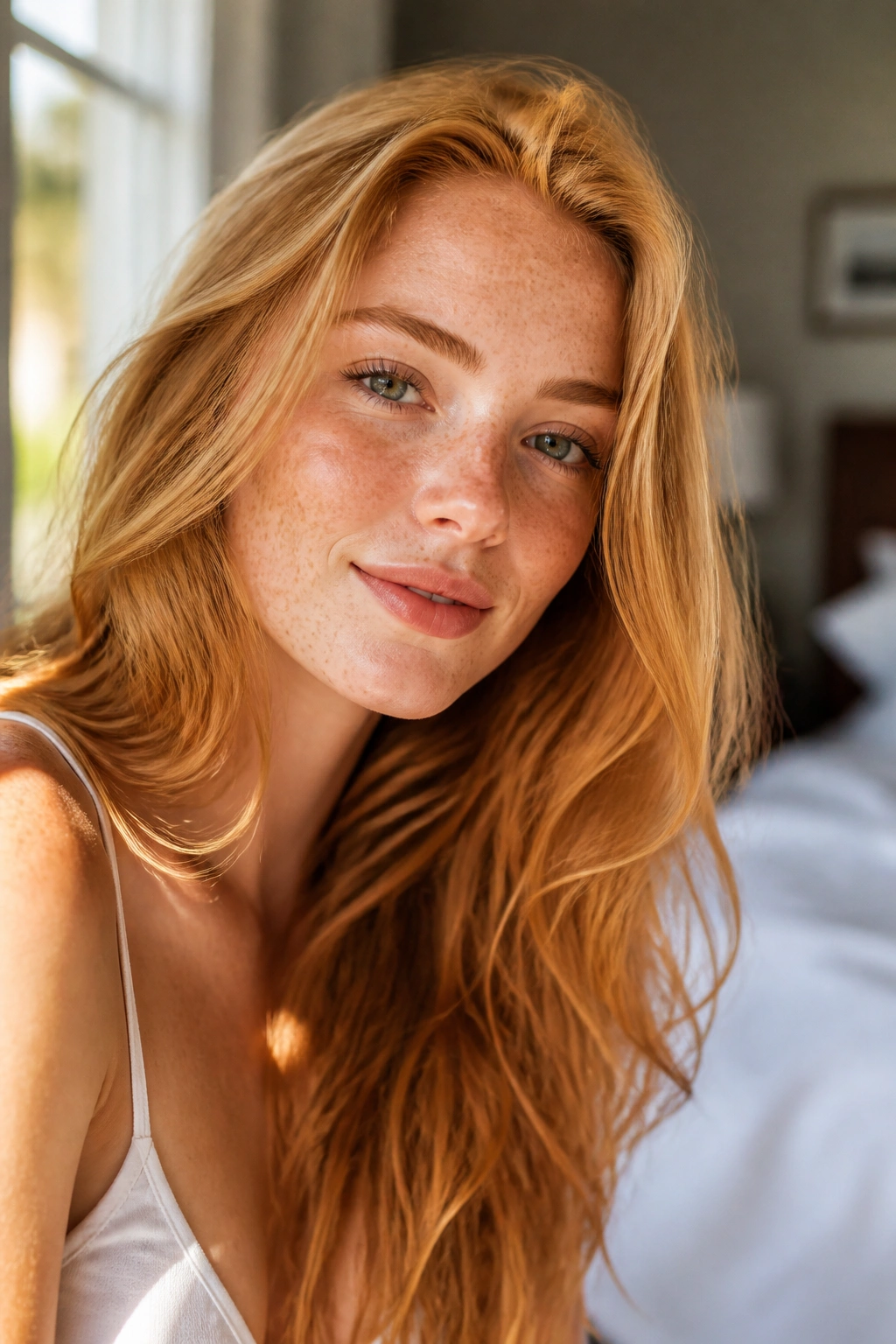
Strawberry blonde is not full copper and not plain blonde either. That in-between place is exactly why it looks so lovely on fair skin with freckles, rosy cheeks, or peach undertones.
Unlike pure red, strawberry blonde stays light enough to read blonde first. The tiny copper note gives the hair life. It also keeps the complexion from looking washed out, which can happen when fair skin and very pale blonde meet with no warmth in sight.
I like this shade when someone wants personality without going redhead all the way. It has charm, but it still feels soft. The best versions have a translucent finish, not a thick orange cast.
A copper gloss is usually enough. You do not need to haul the hair into full auburn territory. A little pigment goes a long way here.
11. Rose Blonde
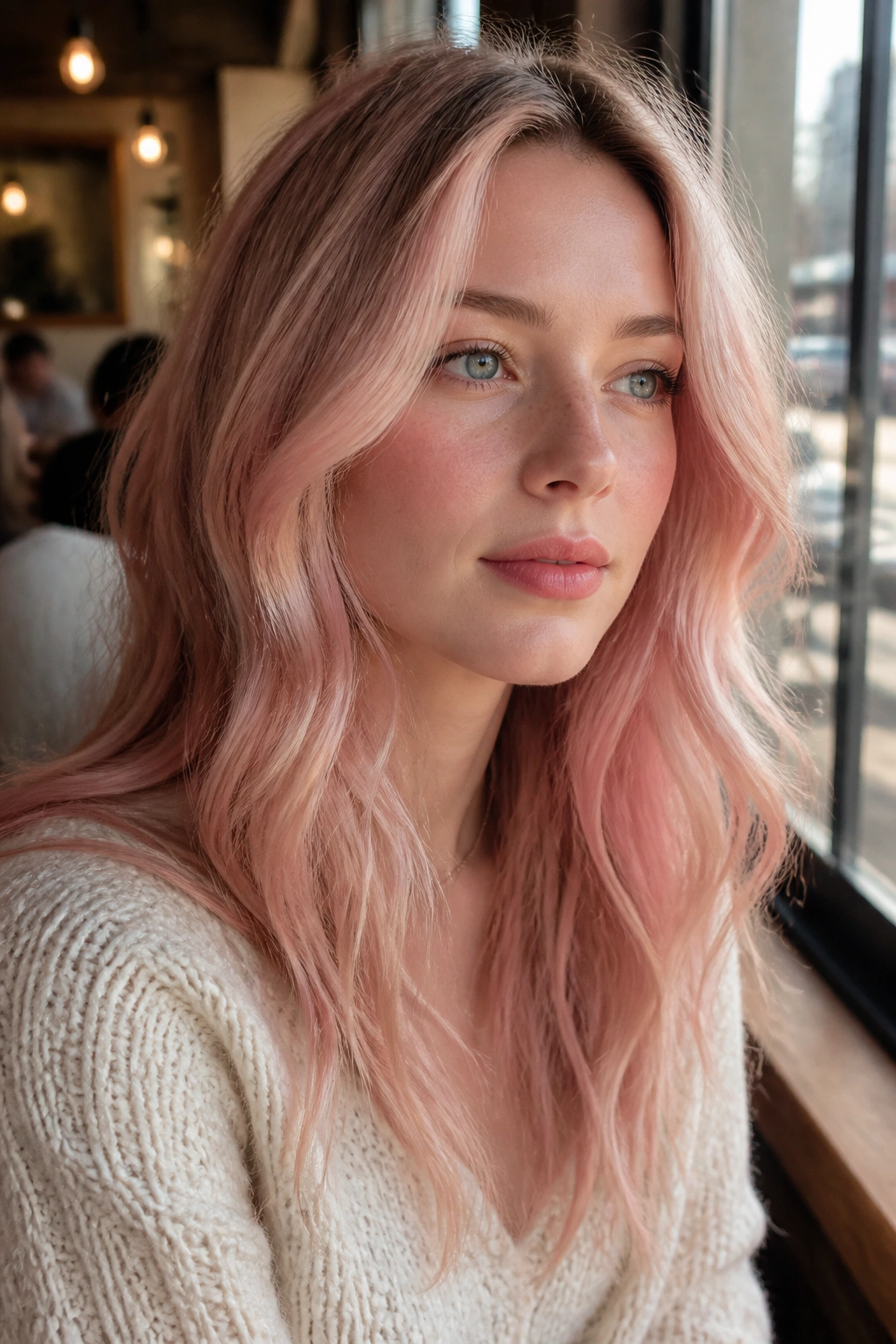
Rose blonde is for fair skin that can handle a little cheek color in the hair. The pink note should stay soft, like blush pressed lightly into the blonde, not a loud pastel stain.
The shade works because it gives pale skin a bit of color echo. If your complexion is cool or neutral, rose blonde can look delicate and expensive. If your skin leans warm, it can still work, but the pink usually needs more beige under it so the whole thing doesn’t tip too sugary.
Keep the rose tone concentrated in a gloss or toner rather than a full permanent color if you want flexibility. That way, the pink can fade gracefully instead of hanging on in weird patches.
It’s playful. A little romantic. And on the right person, it makes fair skin look intentionally bright rather than accidentally pale.
12. Sandy Blonde
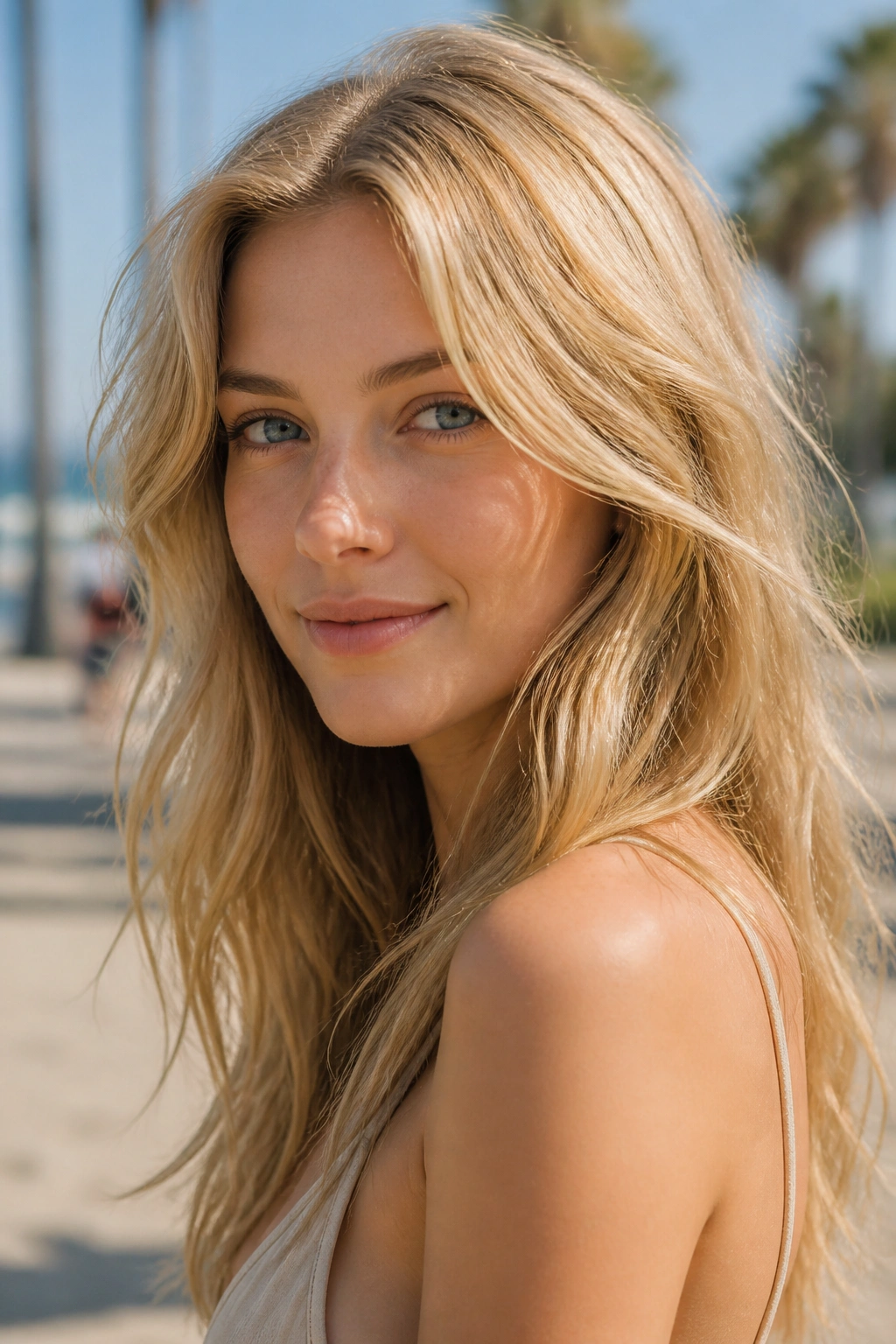
Sandy blonde is what happens when beige and gold stop arguing and settle down. It’s soft, textured, and very good at making fair skin look relaxed instead of overstyled.
Why It Works So Well
Sandy blonde usually sits in the middle of the color range, which means it doesn’t pull too icy or too warm. That middle lane is useful when your skin is fair and a little unpredictable — pink one day, pale gold the next.
It also grows out nicely. The darker sandier base keeps the roots from screaming for attention, while the lighter ends keep the hair bright enough to frame the face.
- Good for straight, wavy, or loose curly hair
- Works with matte texture sprays and dry cuts
- Better with beige highlights than bright white pieces
- Needs less tonal upkeep than platinum
The look is casual in the best sense. Beachy, yes, but not the overdone version people chase with too much salt spray.
13. Rooted Blonde for Fair Skin
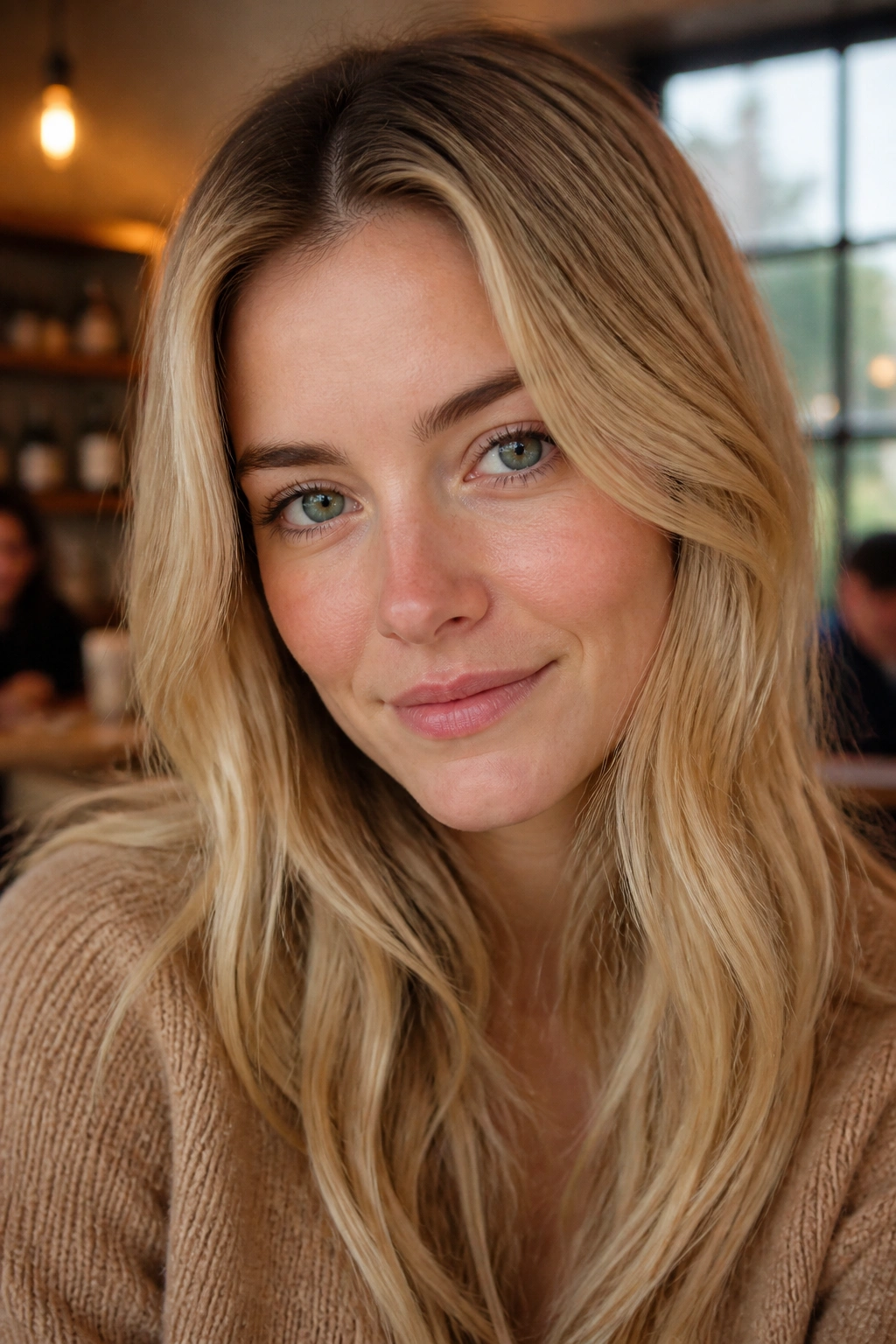
A rooted blonde is one of the smartest choices for fair skin, especially if you hate harsh grow-out lines. The darker root gives the blonde somewhere to start, and that tiny bit of shadow keeps the face from floating in all one light tone.
Why the Root Matters
A root that’s just 1 to 2 levels deeper than the mids can make fair skin look more defined. That’s especially useful if your brows are naturally light or your features are soft. The contrast brings the eye back to the face instead of letting the hair take over.
The style is also kinder to your calendar. You can stretch salon visits because the grow-out looks intentional. That’s not a small thing. Nobody enjoys staring at a bright stripe at the scalp after six weeks.
Ask for a smudged root, not a heavy block of brown. There’s a difference, and it matters. One looks soft. The other looks like a fix went wrong.
14. Babylight Blonde
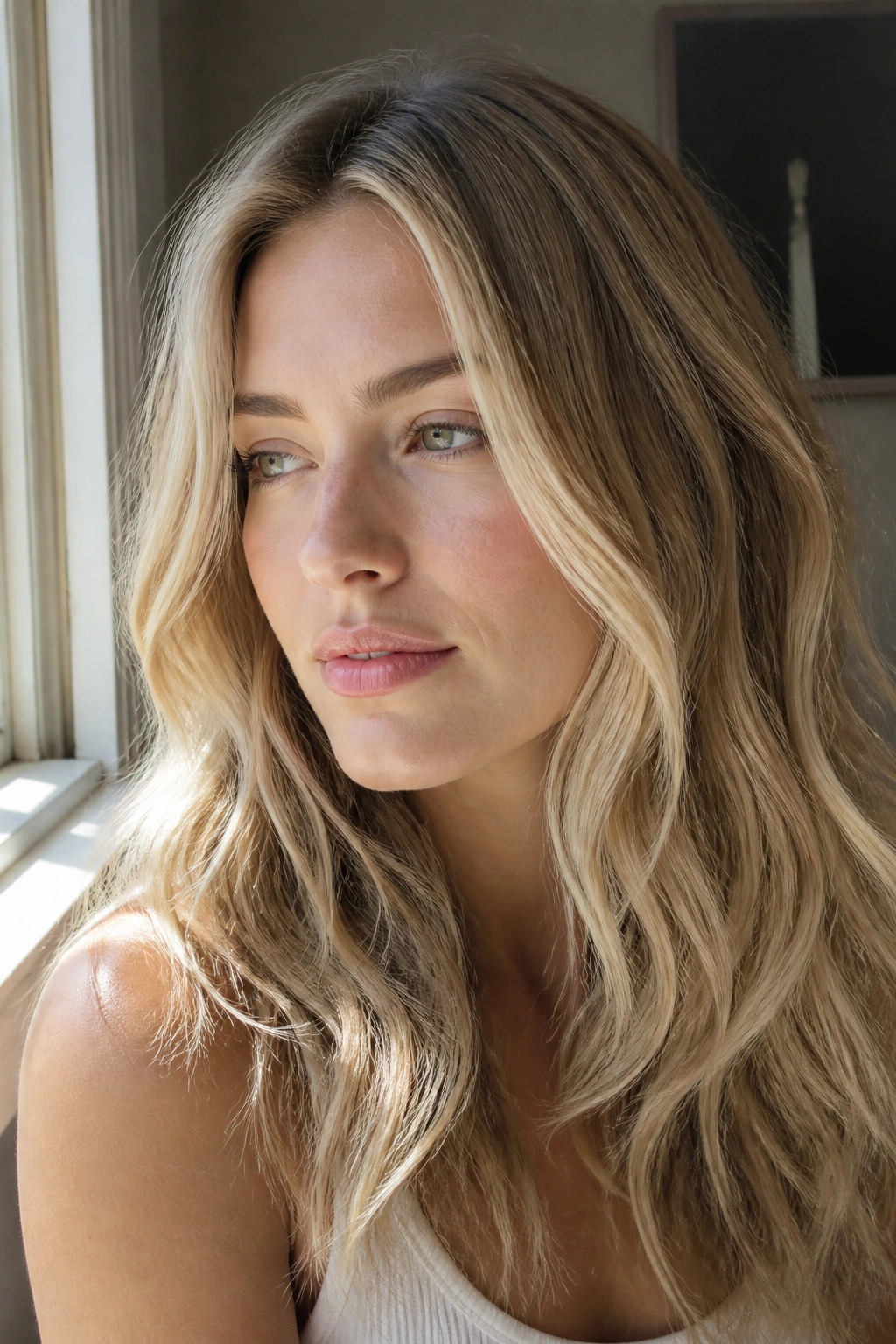
Babylights are tiny highlights, almost threadlike, and they look especially nice on fair skin because the contrast stays subtle. No chunky lines. No obvious striping. Just soft lift through the hair.
This is one of the best choices if you want your blonde to look natural in daylight. The highlights catch light in tiny pieces, which makes the color read as dimension rather than one big pale block. That matters a lot on fair skin, where too much one-note brightness can erase the shape of the face.
Babylights also work across a lot of base shades. You can put them over beige, honey, ash, or champagne and still get a believable result.
Ask for finer weaves around the hairline and part. That’s where the light lands first, and that’s where the softness shows fastest.
15. Scandinavian Blonde
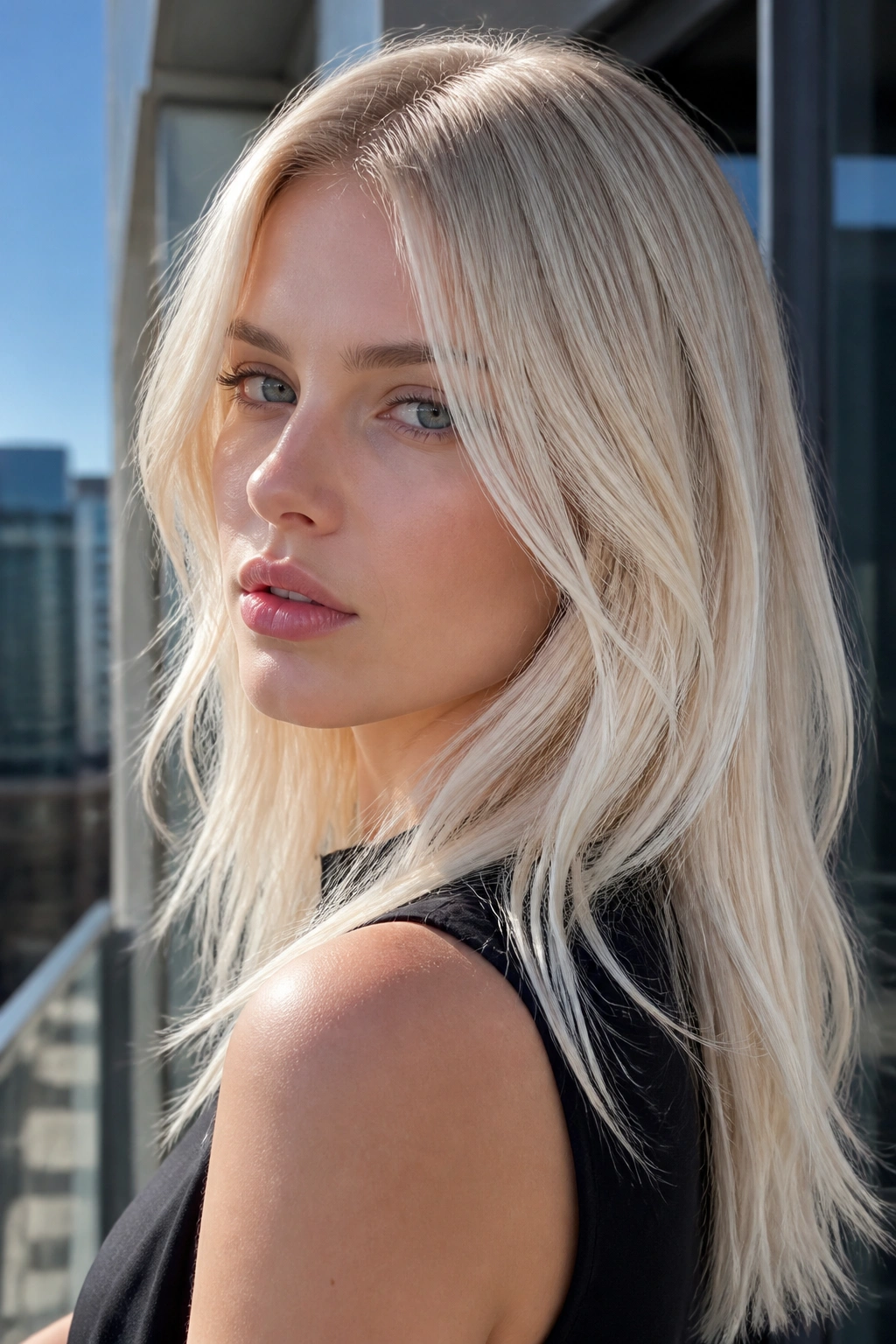
Scandinavian blonde is the starkest blonde on this list, and it can look stunning on fair skin that already has cool, clean contrast. The shade is pale, bright, and almost white at the ends, with just enough root softness to keep it from turning costume-like.
It does not forgive damage. Dry ends show up fast here. So does patchy lightening. If the hair is fragile, this is the one that needs the most care and the most honest consultation before anyone reaches for bleach.
Still, on the right person, it’s hard to beat. The color gives the skin a nearly porcelain finish, and it makes eye color stand out in a way that warmer blondes can’t match. Very sharp bone structure loves this shade.
If you want this look, think lightness first and tone second. The shape of the cut matters too. Clean edges suit it better than fluffy ones.
16. Cashmere Blonde
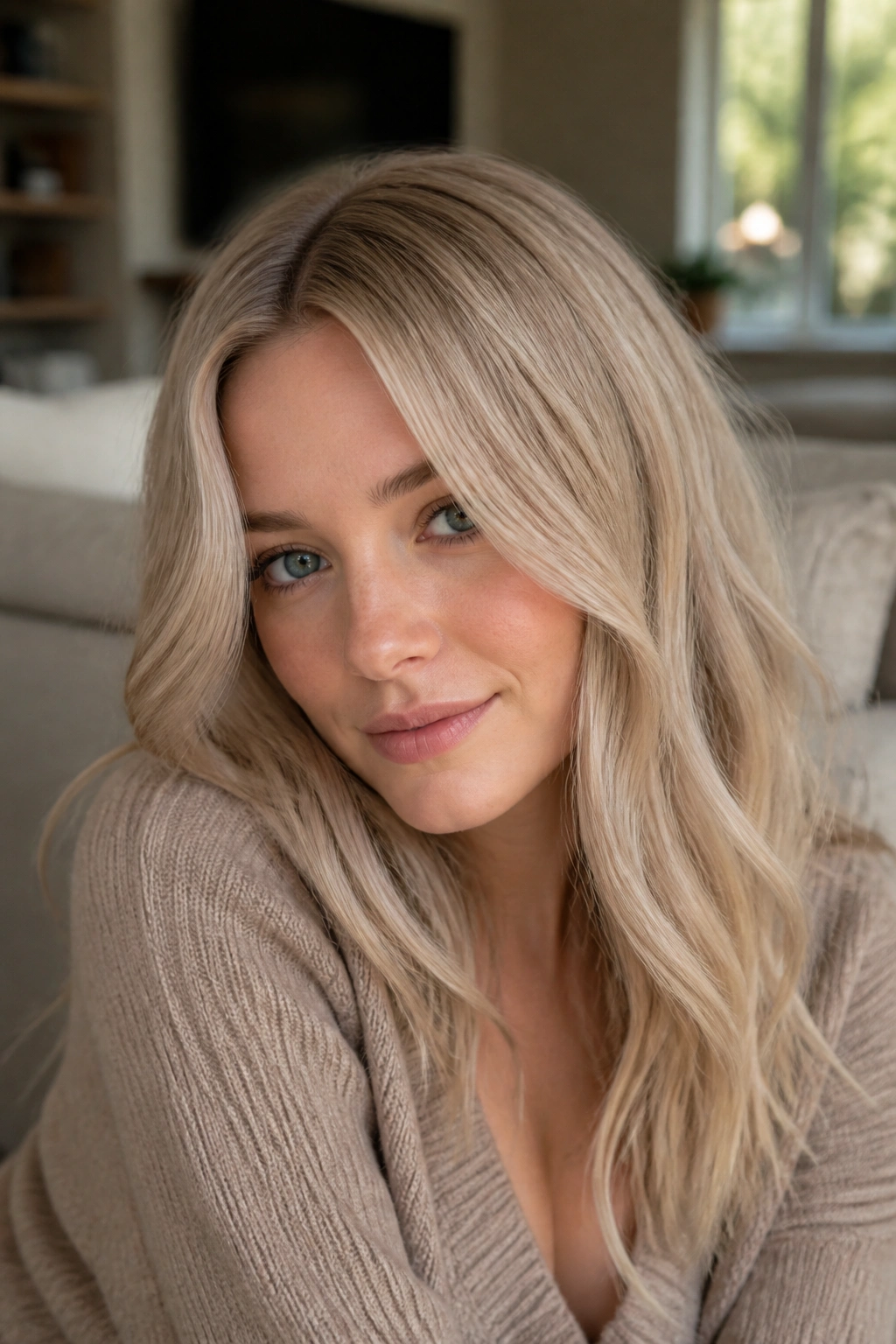
Cashmere blonde feels softer than champagne and less smoky than ash. It has a plush, almost brushed texture in the color itself, which is why it flatters fair skin that needs warmth without yellow.
Unlike brighter blondes, cashmere doesn’t rely on sparkle. It relies on softness. That makes it a strong choice for neutral fair skin, especially if your clothes lean minimal and you want your hair to sit in the same lane.
I like it because it looks expensive without trying to. That’s not a word I throw around lightly, but here it fits. The finish should have beige, pearl, and a faint warm note all working together. Nothing should scream.
If you like a lower-contrast look with easy grow-out, this is a good one to keep on your shortlist.
17. Cream Soda Blonde
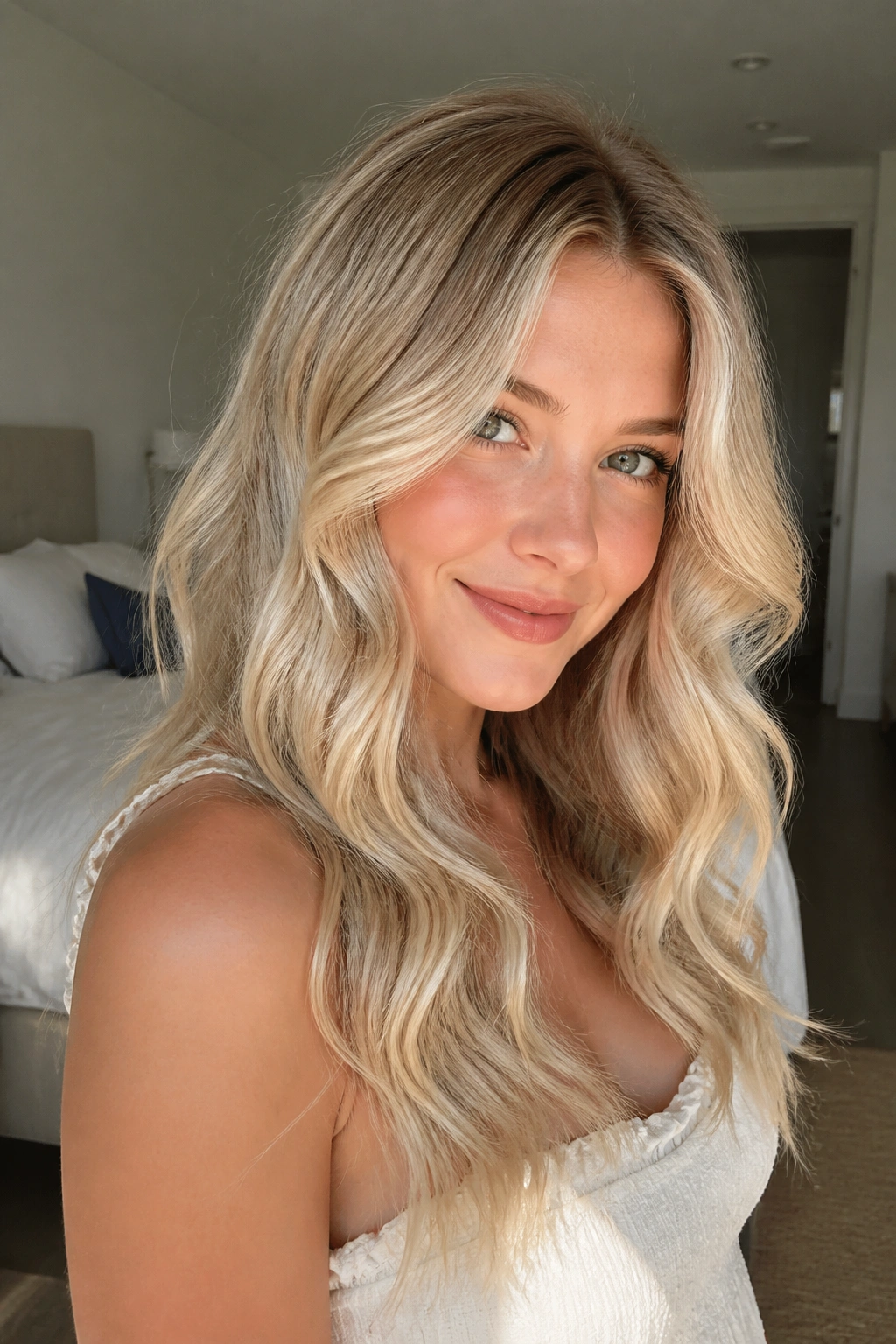
Cream soda blonde works because the root stays a shade deeper while the mids and ends look milky and bright. The contrast is gentle, and on fair skin that can be a lifesaver. You get lightness without the washed-out feeling that sometimes comes with a single pale tone.
The shade has a slightly fizzy warmth to it, almost like beige and vanilla were mixed together and then softened again. That makes it flattering on fair skin with neutral or warm undertones. It’s also one of those colors that looks better after a few washes, when the gloss has settled and the tone feels a touch softer.
The easiest way to wear it is with loose waves or a round-brush blowout. The movement keeps the pale sections from looking static.
Honestly, this is one of my favorites for people who want blonde that feels friendly. It does not act like a show-off.
18. Golden Blonde
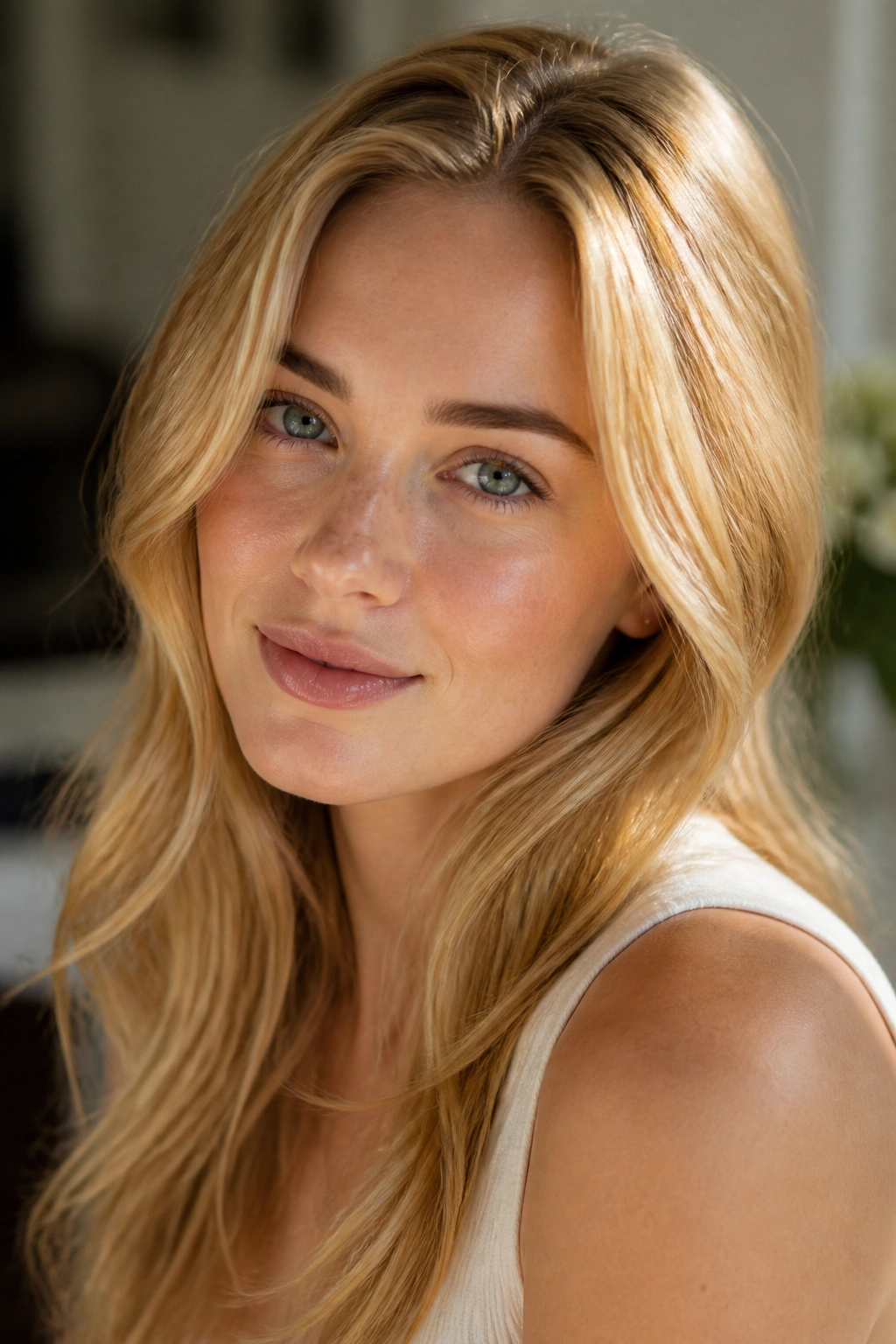
Golden blonde can be gorgeous on fair skin, but only when the gold stays clear and rich. If it gets muddy or too orange, the whole thing can turn loud fast.
When It Works Best
This tone is strongest on fair skin with warm, peach, or golden undertones. It brings heat back into the face and makes skin look less flat, which is useful if your complexion tends to go pale in winter light or under fluorescent bulbs.
Ask for gold, not brass. That distinction matters more than people think.
- Choose bright gold ribbons around the face
- Keep the base one step deeper for contrast
- Add shine with a clear gloss every 4 to 6 weeks
- Wear it with soft brows so the color stays balanced
Golden blonde is cheerful, really. Not in a childish way. In a warm, healthy, sun-on-your-hair kind of way.
19. White Blonde
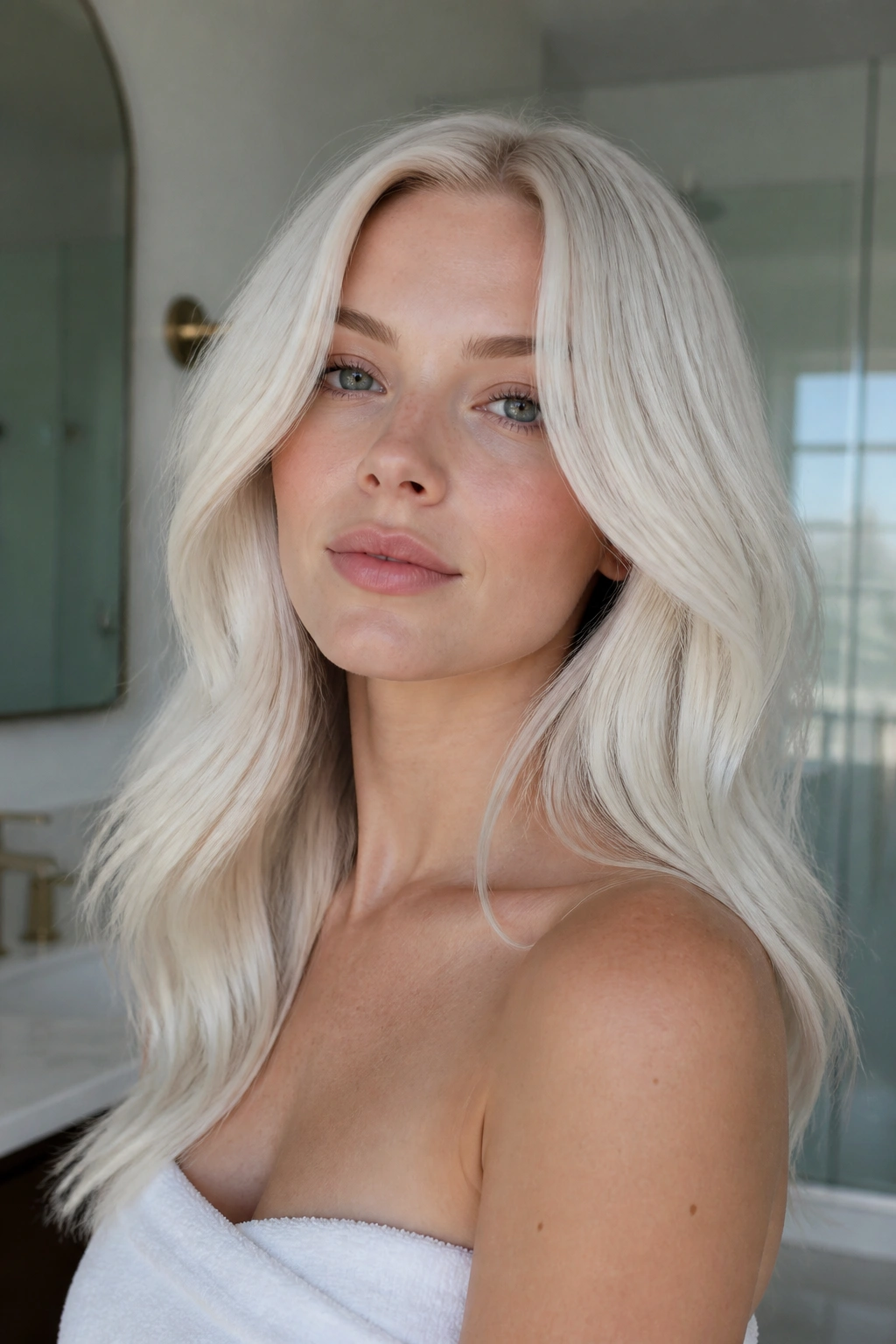
White blonde is not the same as platinum. It sits even lighter, with almost no yellow left, which gives fair skin a crisp, almost editorial finish.
The shade works best when the skin has cool or neutral undertones and the hair is in good shape. If the ends are rough, white blonde will show every bit of it. If the eyebrows are very pale too, the look can become too washed out unless there’s some shadow at the root or around the face.
That said, when it’s done well, it’s striking. Eyes look brighter. Bone structure looks cleaner. The whole face gets this sharp, bright frame that can be beautiful on very fair complexions.
One practical note: this is not a lazy color. It needs upkeep, and it needs care. If you want a low-maintenance blonde, this is not the one.
20. Peach Blonde
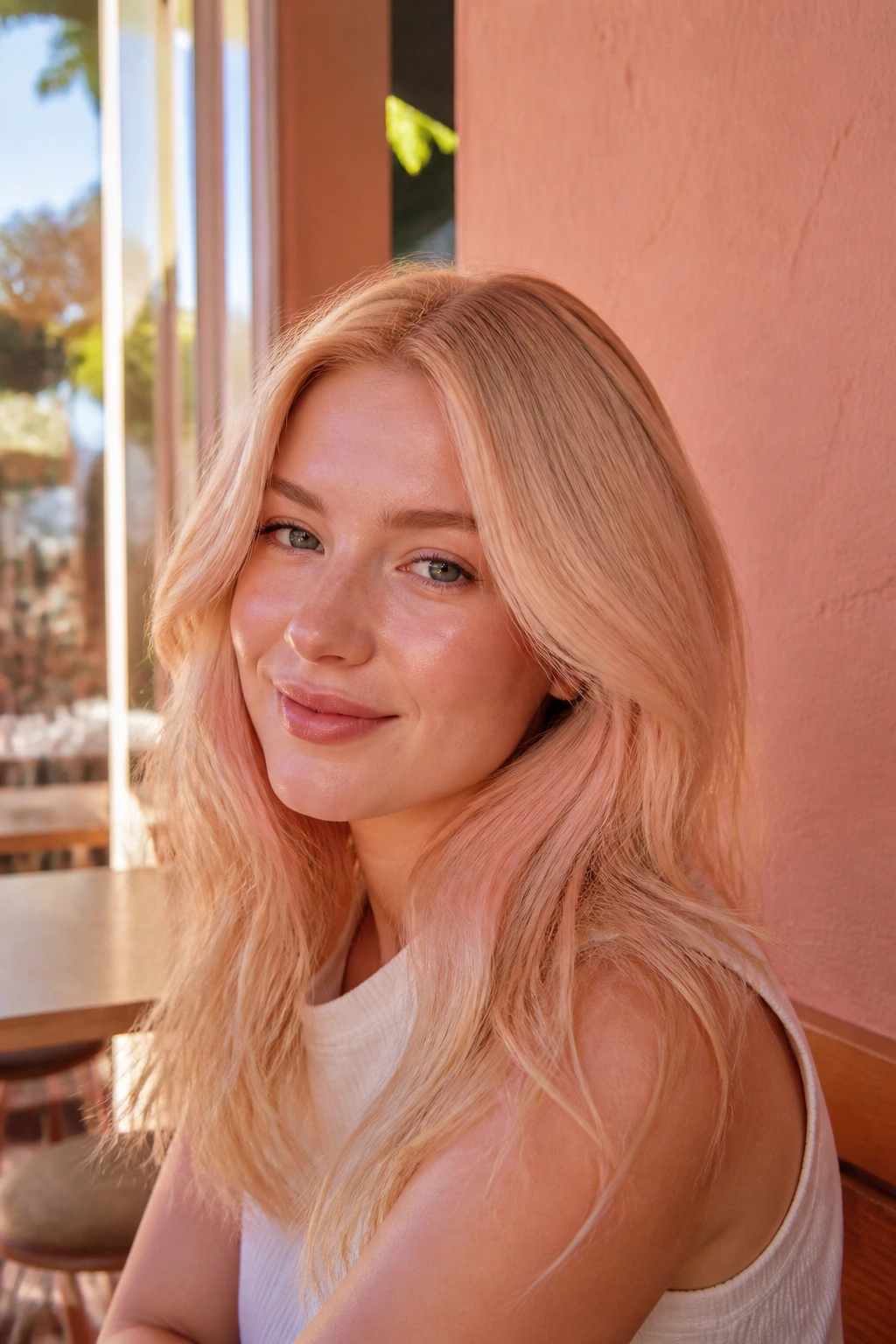
Peach blonde is soft, warm, and a little charming in a way that doesn’t feel forced. The peach tint gives fair skin a lifted look, especially if your cheeks already flush pink or your freckles lean golden.
This shade sits between strawberry blonde and beige blonde, but it’s gentler than both. The peach note should be subtle enough that the hair still reads blonde first. Too much orange and you lose the point.
I like peach blonde on shoulder-length cuts and soft layers because the color catches in the movement. It also looks nice with skin that doesn’t love harsh contrast. Instead of fighting the complexion, it blurs into it a little.
If you want something softer than red and less icy than platinum, peach blonde is an easy place to land. It’s warm, but not heavy.
21. Wheat Blonde
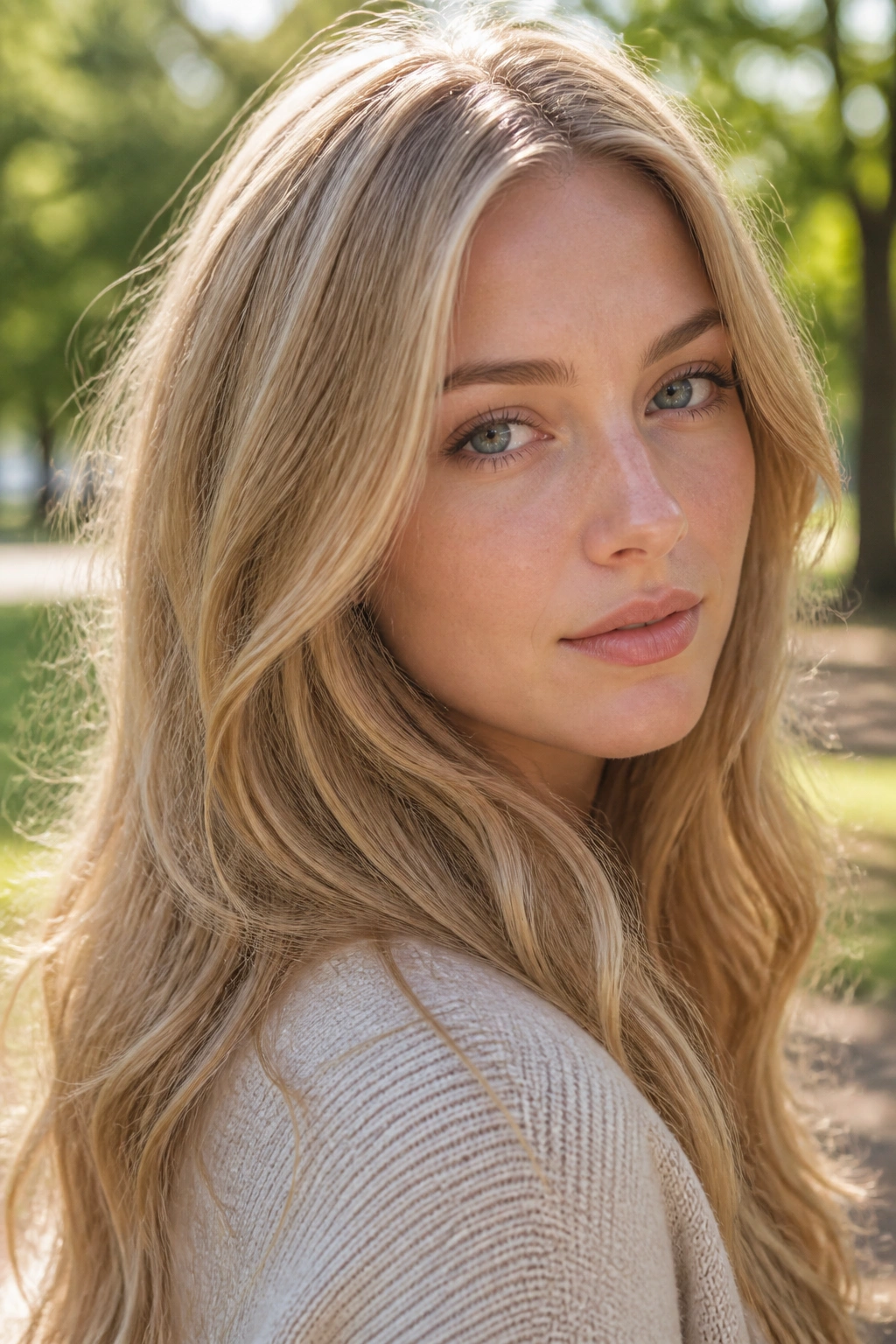
Wheat blonde is what happens when beige and gold have a calmer meeting. The color feels natural, muted, and slightly earthy, which makes it a strong match for fair skin that looks best in soft tones.
This is one of those shades that doesn’t need much styling to work. Air-dried waves, a loose braid, a low bun — all of it looks believable because the color itself isn’t trying to perform. It has enough warmth to keep the face alive and enough softness to avoid the yellow trap.
Why It Stays Pretty Over Time
A wheat blonde usually fades in a flattering way because the underlying tone is already quiet. That means you’re not dealing with a dramatic brass shift between salon visits.
- Good for neutral or slightly warm fair skin
- Pairs well with lived-in layers
- Looks best with a soft matte gloss, not mirror shine
- Easy to combine with face-framing highlights
It’s the sort of blonde that feels easy to wear on a Tuesday and still looks fine on a Saturday night.
22. Soft Bronde for Fair Skin
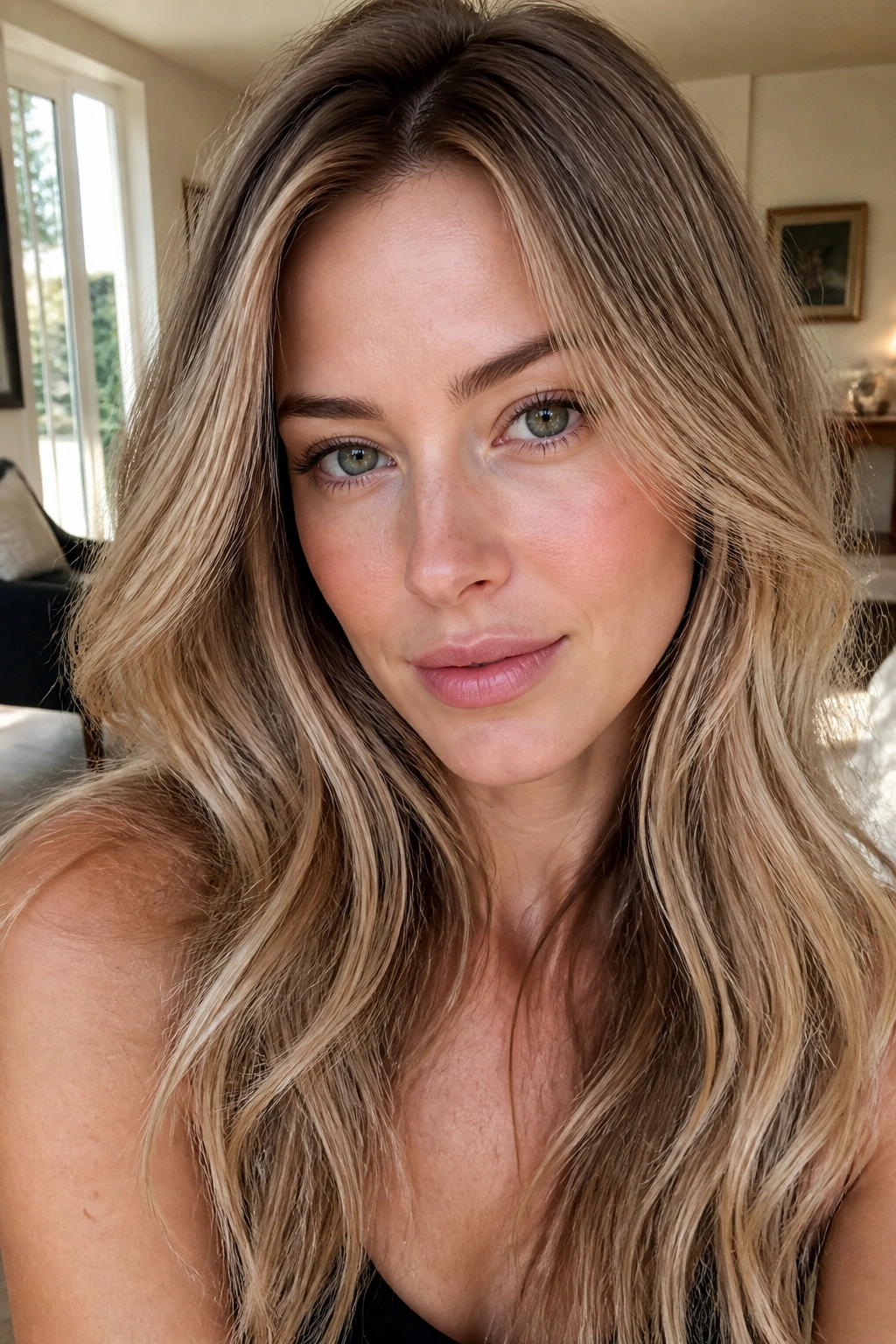
Soft bronde — that blend of blonde and light brown — is the answer for fair skin when you want contrast, but not a full leap into dark hair. The blonde pieces brighten the face, while the deeper base keeps everything grounded.
I like this choice for anyone who gets nervous about going too pale. A soft bronde gives you breathing room. It also makes brows, lashes, and skin tone feel more connected, which is one reason it looks so natural in real life. Photos tell one story. Daylight tells another. Bronde usually handles both.
Why It’s Such a Safe Landing Place
The grow-out is easier than with a solid blonde, and the colorist has more room to place brightness where it matters most — around the cheekbones, part line, and ends. That means fair skin gets lift without needing every strand lightened.
If you want one shade that can carry you through everyday wear without much fuss, this is the one I’d put near the top of the list. It’s not the flashiest blonde here. It may be the most useful.
