



Long hair is gorgeous until the waves drop out by lunch. The weight pulls the bend straight, the top goes a little sleepy, and what looked soft in the mirror can turn into “almost styled” once you get moving. That’s the whole trick with loose wave hairstyles for long hair: the shape has to work with the length, not fight it.
A lot of people go too tight with the curl. Bad move. On long hair, tighter curls often relax into frizz or a strange half-wave that looks fine from the front and unfinished everywhere else. The better approach is to place movement where it matters most — around the face, through the mid-lengths, and at the ends if you want that airy finish.
The looks below lean into that idea in different ways. Some are polished enough for an event, some are casual enough for a grocery run, and some are the kind of styles I’d file under “looks like you made an effort, but not enough effort to feel trapped by it.” That balance matters. A good wave style should move when you walk.
1. Center-Part Loose Waves with Face-Framing Pieces
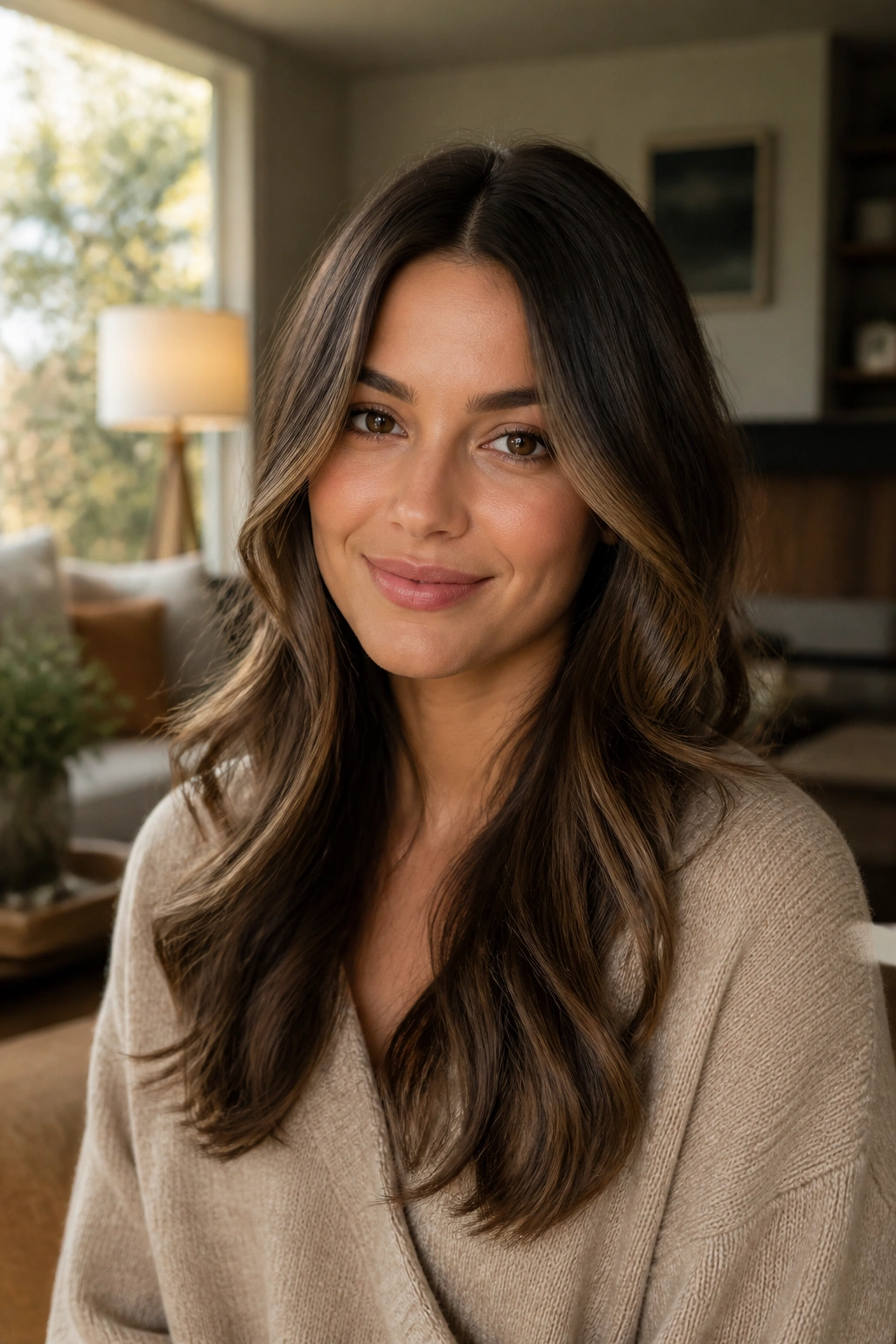
This is the cleanest place to start. A center part keeps long hair from looking lopsided, and the soft bends around the face make the length feel lighter instead of heavier. If your hair is thick, this style keeps things calm. If it’s fine, it gives you shape without loading on too much product.
Why It Works on Long Hair
The center line creates balance, which is useful when the rest of the hair has a lot of visual weight. The face-framing pieces do the heavy lifting here — they break up the curtain of length and bring the eye back up.
A 1.25-inch curling wand is a good fit. Wrap the middle sections away from the face, leave the last inch or so out, and let the ends stay a little straighter. That small detail keeps the look from turning too pageant-y.
- Best on long layers or light face-framing layers.
- Works well with a light mist of flexible-hold spray.
- Looks especially good when the front pieces land around the cheekbone or jaw.
Tip: curl the first two front sections away from your face and let the rest alternate direction. That stops the style from looking too uniform.
2. Deep Side-Part Waves with a Little Drama
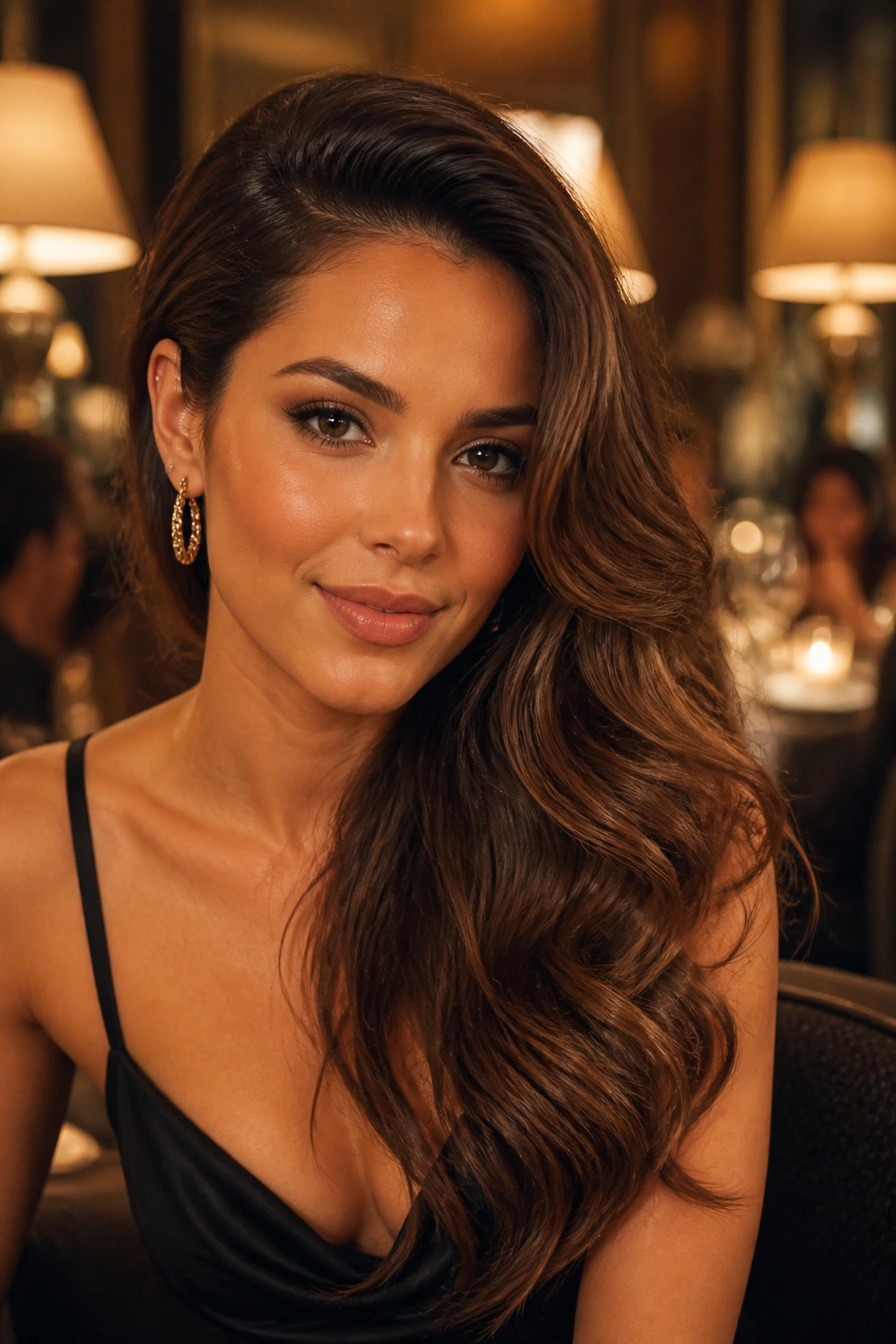
A deep side part gives loose waves more attitude than people expect. It lifts one side, softens the other, and makes even plain hair look styled in a way that feels intentional. If your roots tend to fall flat, this is one of the easiest fixes.
The nice thing about this look is that it does not need perfect curls. It needs movement. A few large bends, brushed out after cooling, make the whole style look full and relaxed. The side part does the rest. And yes, the contrast is the point.
This is especially good for nights out, formal dinners, or any day when your hair feels a bit too polite. Flip the heavier side over your ear, tuck one side back with a pin, and let the length fall forward over the shoulder.
3. Half-Up Twisted Crown Waves
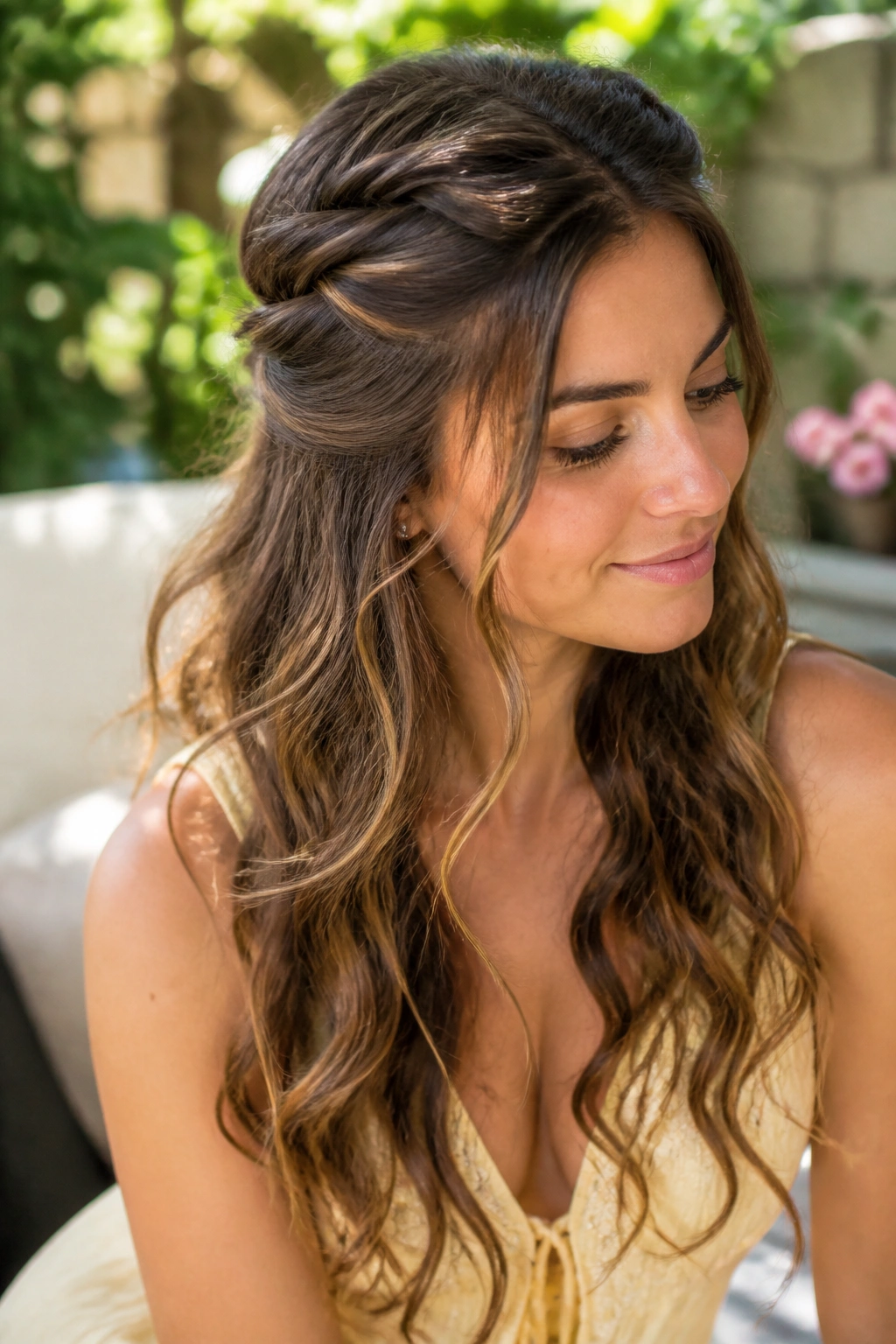
Need your hair out of your face without tying up the whole thing? This is the one. A half-up twist gives you structure at the crown and keeps the loose waves visible down the back, which is exactly why it works so well on long hair.
How to Wear It Well
Take a 1-inch section from each temple, twist them back, and pin them just behind the crown. Don’t pull the twist tight. A looser grip keeps the top from looking stiff and lets the waves underneath stay soft.
The style feels a little romantic, but not in a fussy way. It works for brunch, weddings, and those odd days when your hair is clean but you still want it to look better than “just down.” If you have layers, leave a few shorter pieces loose at the front. That stops the half-up section from swallowing the whole style.
Best detail: pin the twists from underneath so the bobby pins disappear into the wave pattern.
4. Soft Mermaid Waves with Long Layers
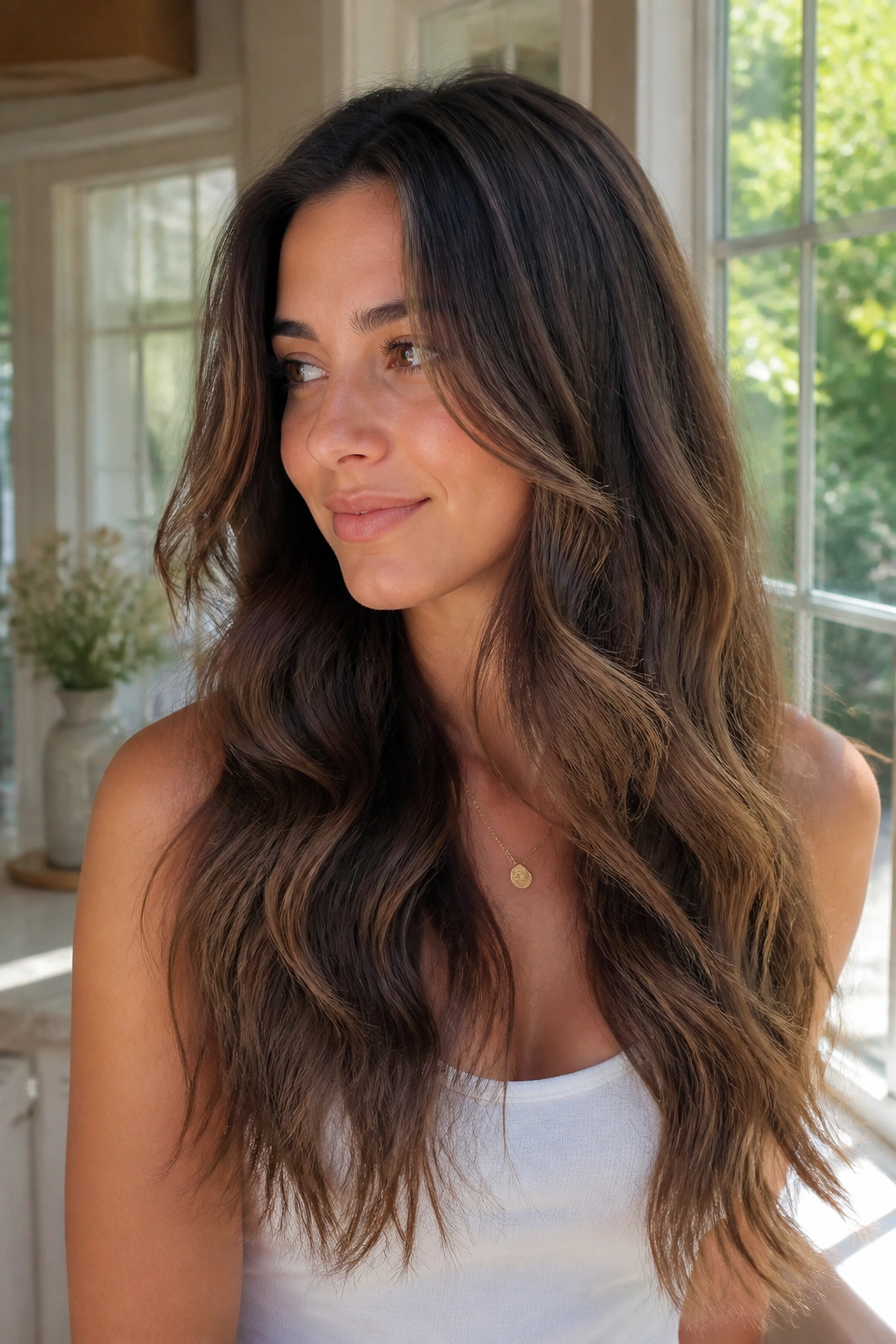
If you have ever curled long hair and watched it turn into one big bend by afternoon, you already know why mermaid waves exist. They’re looser than ringlets, bigger than plain bends, and they hold their shape better on heavy length because the pattern is wider and more relaxed.
The key is the way the wave sits in the hair. You’re not chasing tight loops. You’re building a flowing line from root to end. Long layers help, but the real trick is section size: go a little wider than you think, around 1.5 inches, and don’t overdo the heat.
- Use a large-barrel wand or a 1.5-inch iron.
- Leave the ends slightly straighter.
- Brush only after the hair cools fully.
- Finish with a dry texturizing spray, not a heavy serum.
The result looks soft and expensive without trying too hard. That’s a rare thing.
5. Loose Waves Pulled into a Low Ponytail
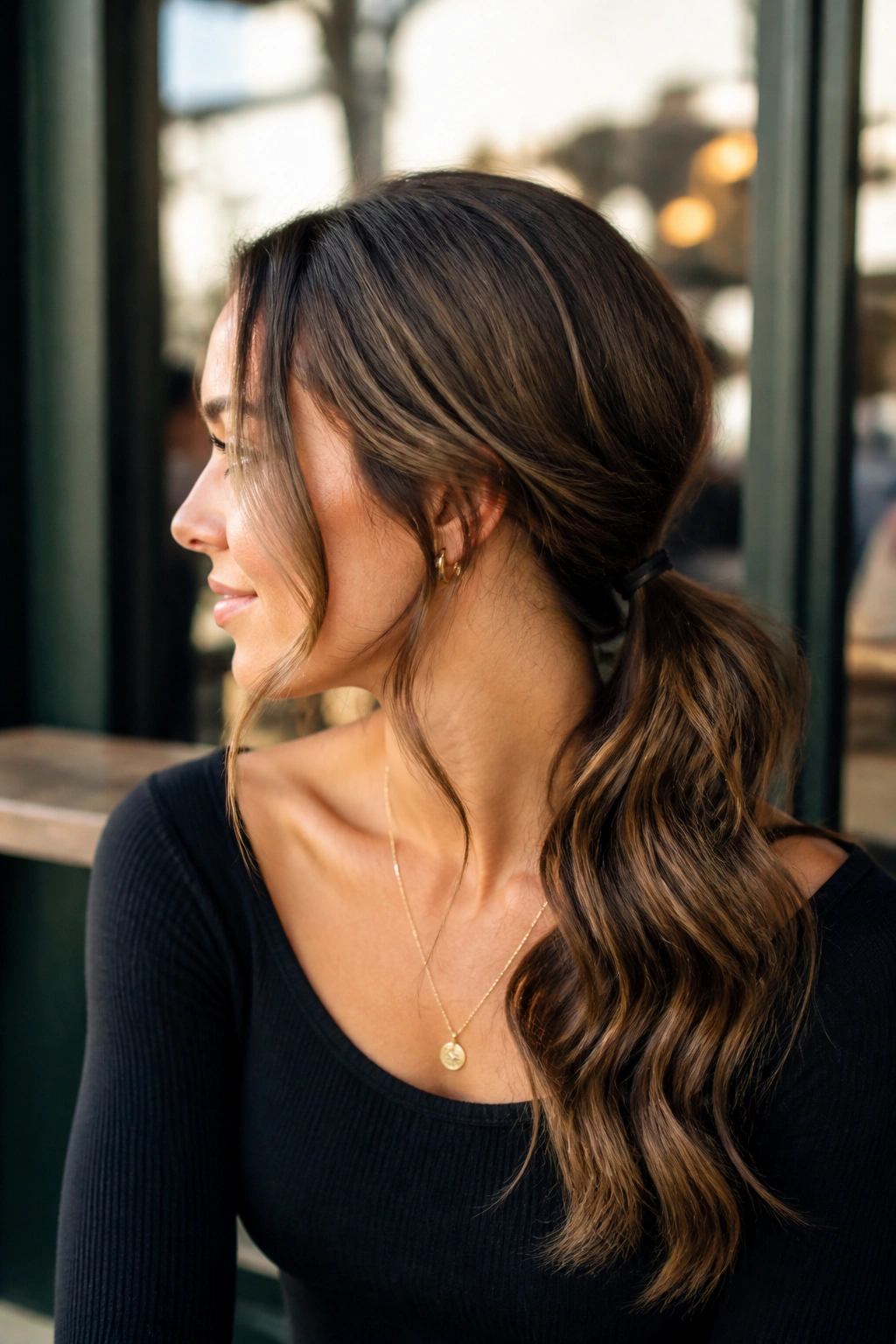
A low ponytail does not have to mean flat hair. When the length is waved first, then gathered at the nape, the style keeps its shape and looks a lot more finished than a straight pony ever will. It’s one of those quietly useful long-hair styles that works almost anywhere.
I like this one because it gives you movement even when your hair is tied back. The waves sit above and below the elastic, and if you leave a few pieces loose near the temples, the whole thing softens up fast. Wrap a small strand around the hair tie for a cleaner finish. Worth the extra ten seconds.
This is a good choice for work, travel, or a day when you need your hair to behave. It also gives a nice profile from the side, which a lot of ponytails don’t.
6. Boho Waves with a Braided Halo
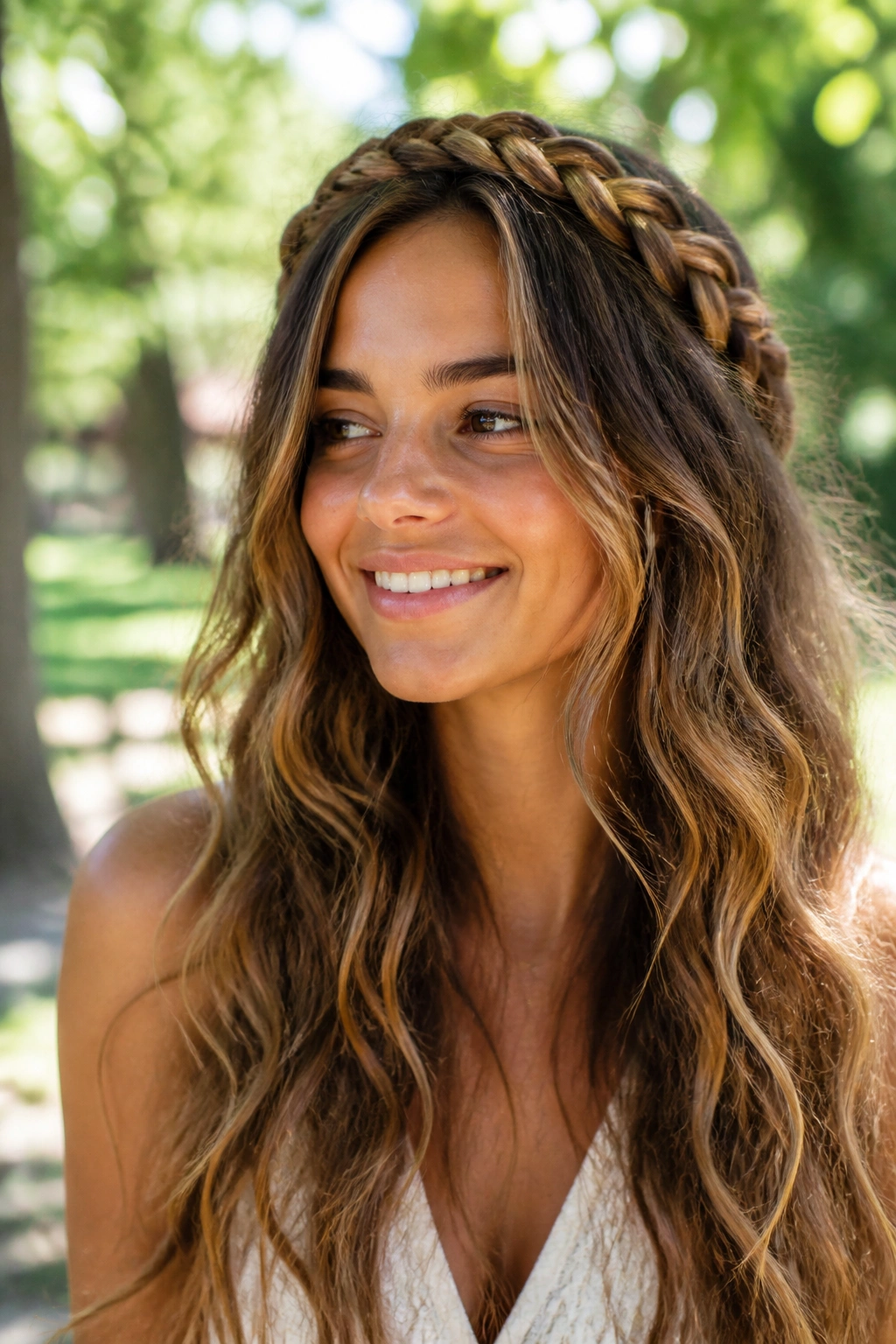
A loose braid across the crown changes the whole mood. Unlike a full braid, which can eat up the softness of the length, a braided halo keeps the waves visible and gives you a little bit of structure where you need it most.
What Makes It Different
The braid is not the star. The waves are. That’s why this style works: the braid frames the face and keeps the top interesting, while the long lengths fall freely below it.
A single braid from one side to the other is enough. Pancake it gently — meaning tug the edges wider after braiding — so it looks airy instead of tight. Leave the bottom lengths brushed out and soft. This is the look for festivals, garden events, and windy days when plain loose hair will not stay nice for long.
Good pairing: small gold pins or a narrow ribbon tucked near one ear.
7. Glossy Old-Hollywood Waves
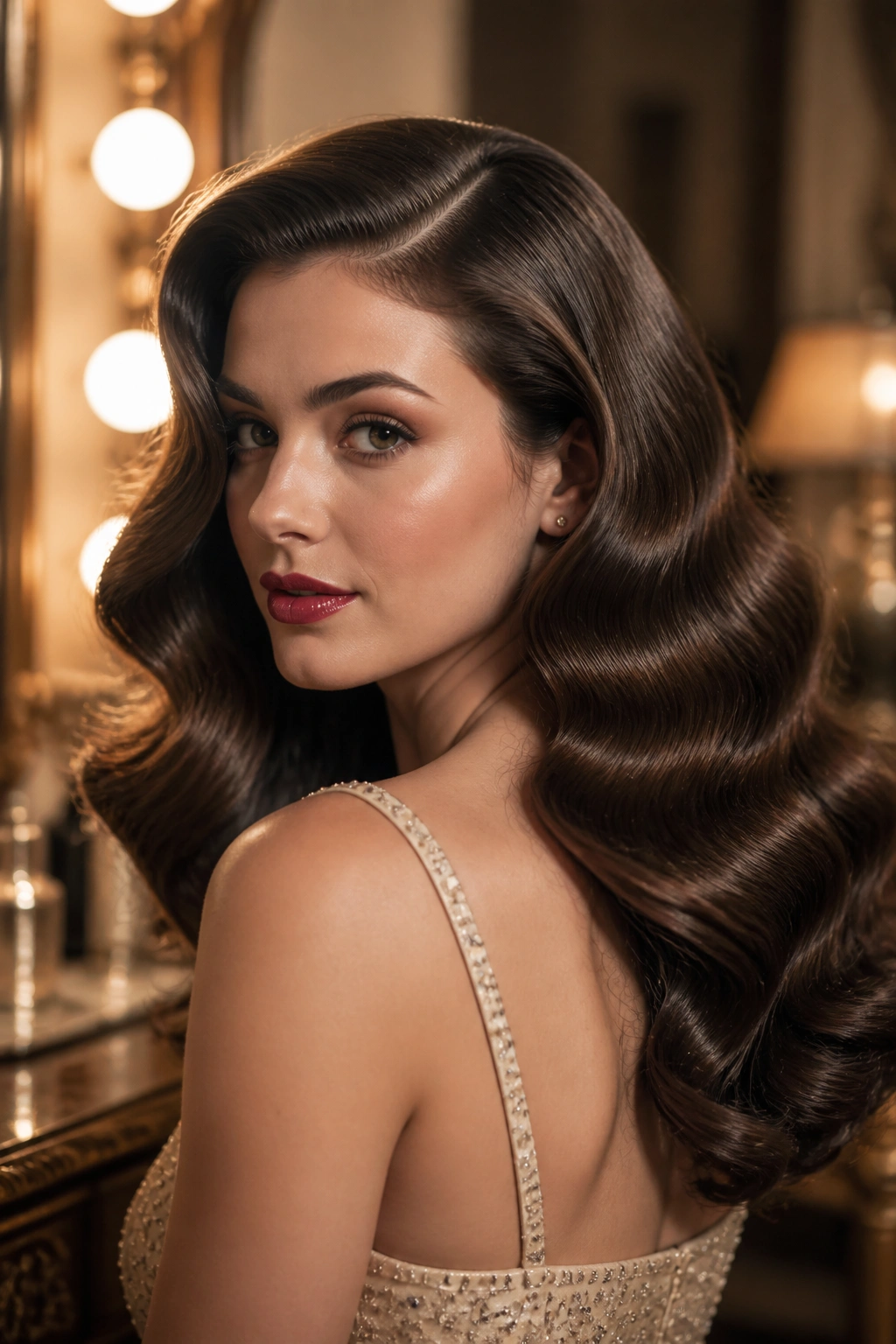
These are the polished waves people picture when they think of old movie hair, and long hair gives them room to breathe. The shape is smoother, more sculpted, and a little more dramatic than casual beach waves. If you want shine and order, this is the style.
Use a deep side part, curl everything in the same direction, and clip each wave ridge while it cools. That cooling step matters more than people think. It sets the curve and helps the wave stay smooth rather than collapsing into fluff.
This style likes a boar-bristle brush and a touch of shine serum on the ends only. Too much product near the roots will flatten the lift. Too much brushing, same problem. Keep your hand light and let the shape speak for itself.
8. Loose Waves with Curtain Bangs
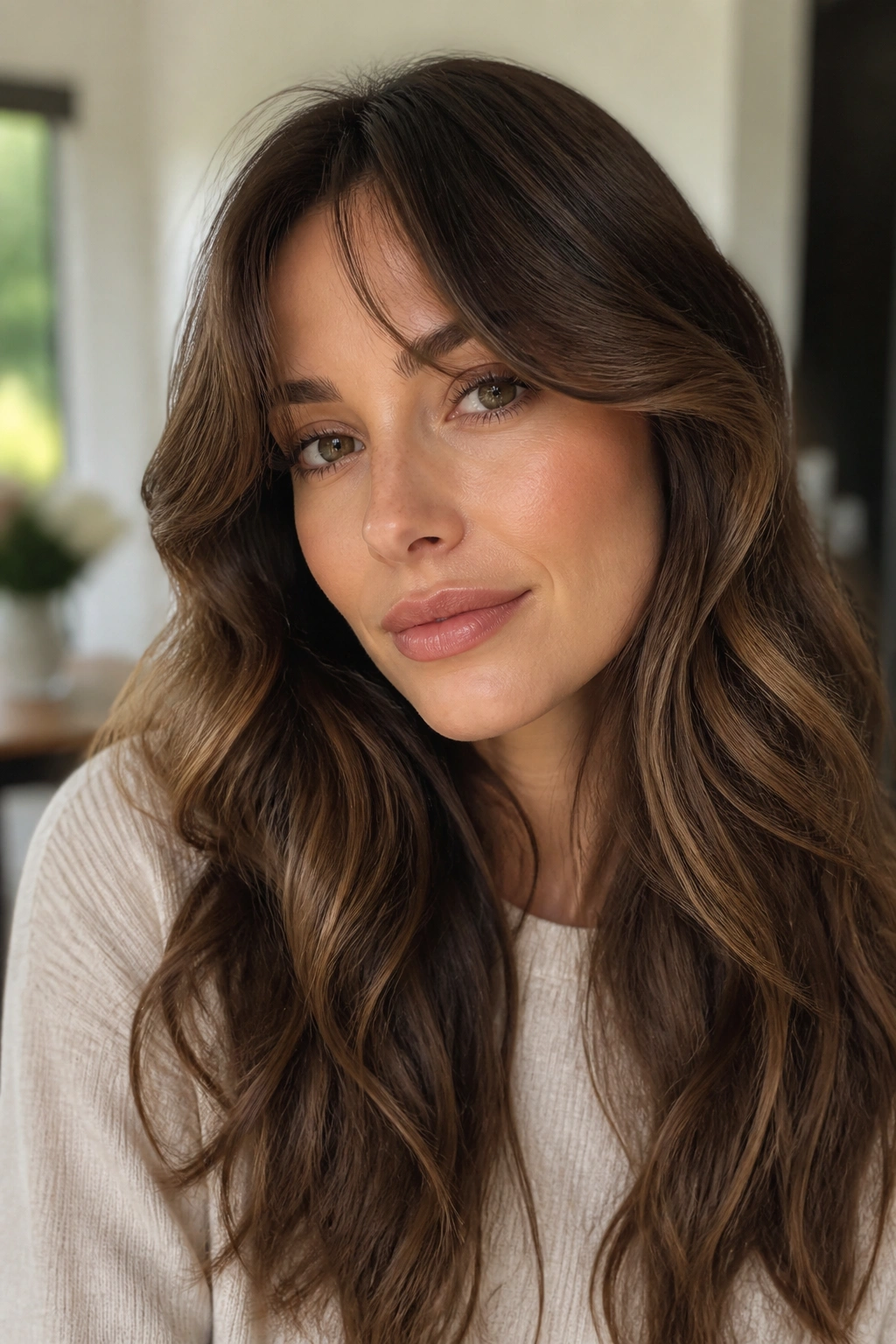
Curtain bangs and loose waves are a strong pair because they do two jobs at once. The bangs keep the front of the face open, and the waves keep the length from feeling heavy. On very long hair, that matters. Otherwise, the whole look can sink toward the chest and feel a bit all one note.
The bangs should blend into the front layers, not sit on top like a separate haircut. That blending is what makes the style look expensive rather than chopped up. A round brush at the root and a soft bend through the bang area usually does the trick. No need to over-style it.
If you wear your waves brushed out, this look gets even better. The softness around the eyes makes the hair feel lighter, and that’s the real win here.
9. Clipped-Back Front Sections
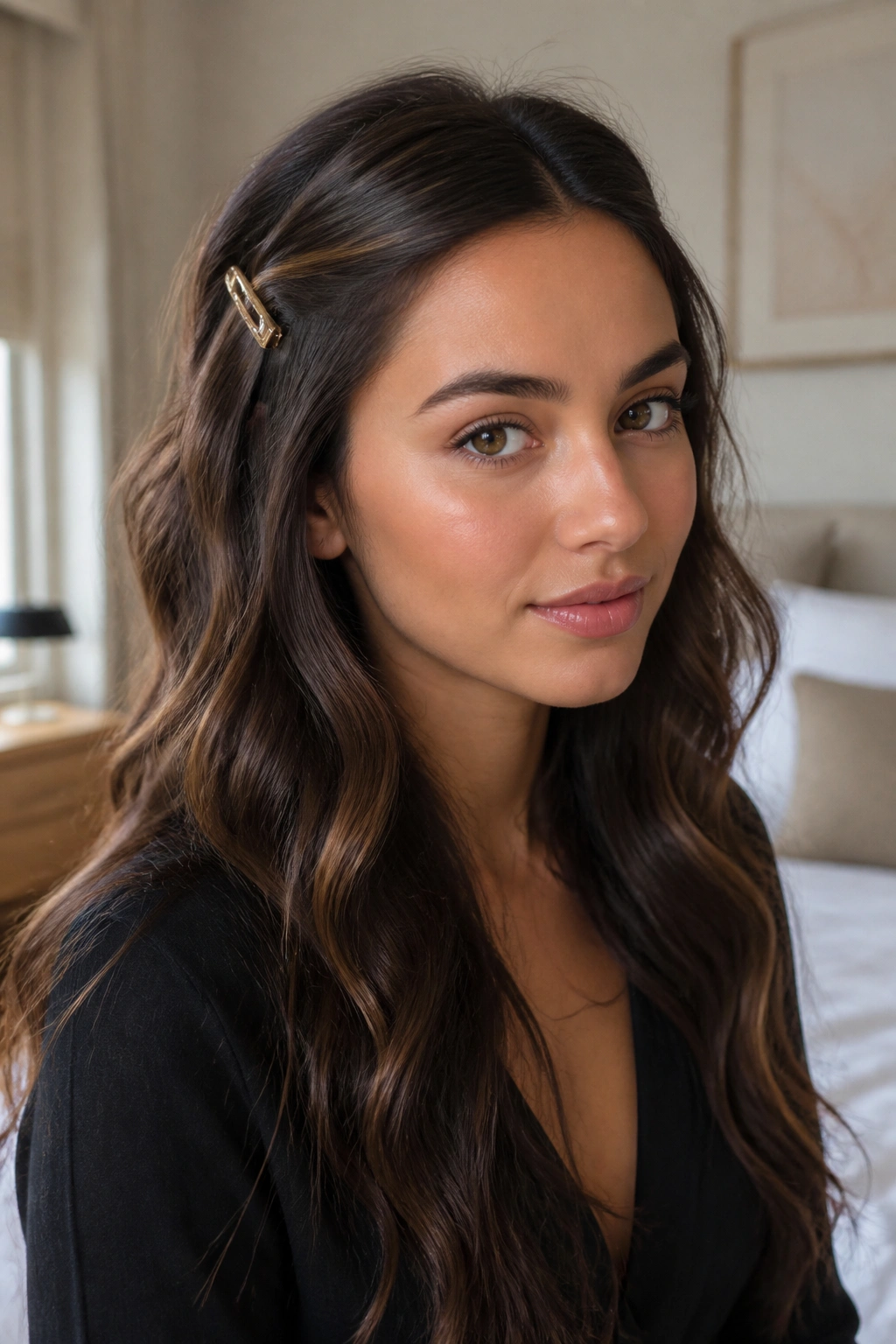
Sometimes the easiest way to make loose waves look fresh is to remove the front pieces from your face. A simple clip on each side gives the waves room to fall cleanly down the back, and it keeps the style from getting too busy near the cheeks.
This is the kind of thing I’d recommend for second-day hair. The wave pattern is already there, maybe a little softened, and the clipped-back front sections give you a fast reset. Use a metal snap clip for a sharp finish or a pearl barrette if you want it to feel softer.
You do not need symmetry here. One clip on one side can look better than matching pieces on both sides. The point is to create a neat frame, not a perfect display.
10. Loose Waves Finished with a Silk Scarf
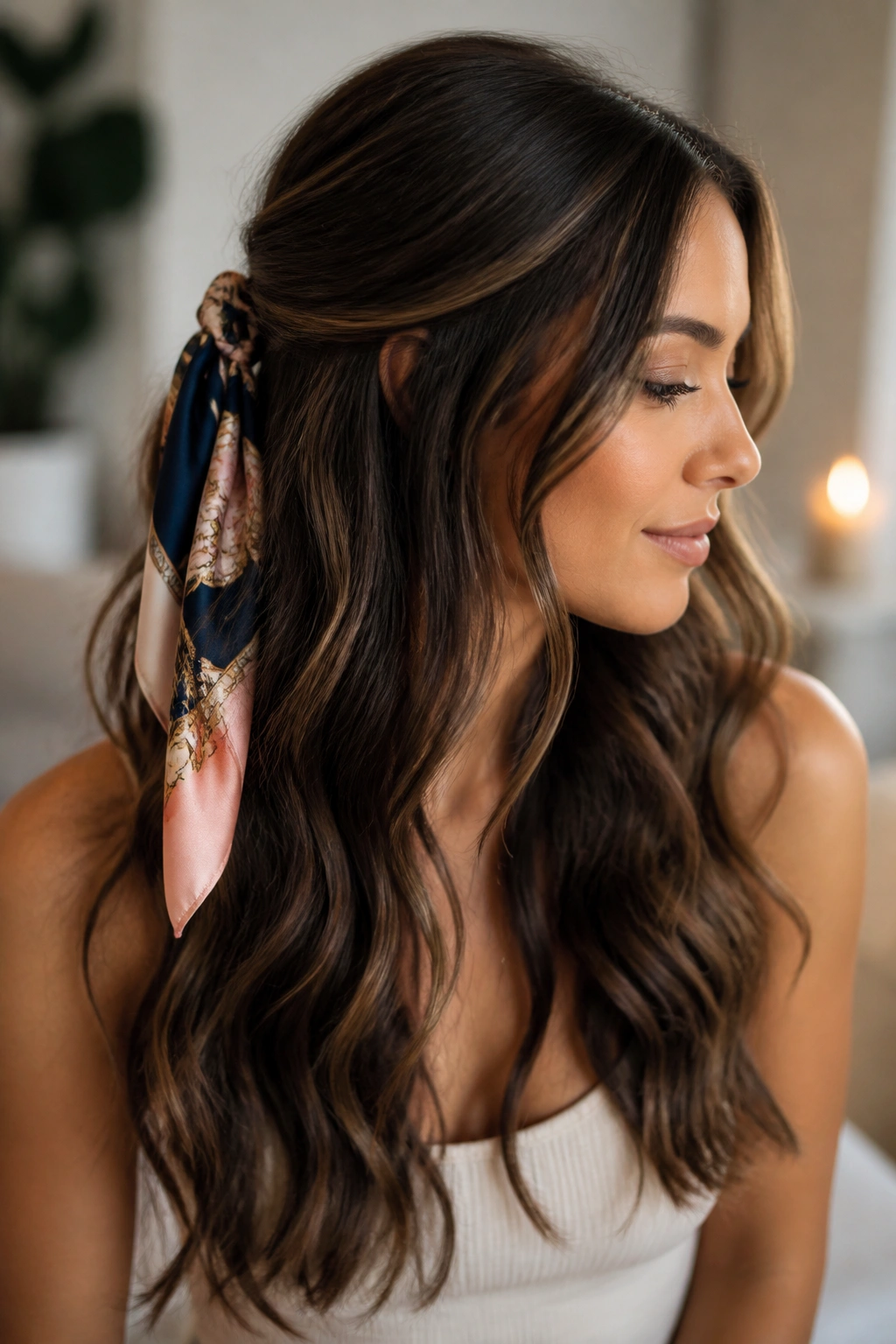
A silk scarf can change loose waves fast. Tie it around a low ponytail, knot it under a half-up section, or wrap it once around the base of the hair for a softer, more styled feel. It also helps the style read as finished even when the waves themselves are relaxed.
How to Use the Scarf
Choose a narrow scarf or ribbon, about 1 to 2 inches wide, so it doesn’t overpower the length. Wider scarves can swallow the hairstyle, especially on finer hair.
Keep the wave pattern loose and let the scarf add the color or texture detail. This one works well when your outfit needs a small point of interest and your hair needs to stay calm. It’s simple. That’s why it works.
A scarf also gives you a good excuse to avoid over-accessorizing the rest of the look.
11. Waterfall Braid into Loose Waves
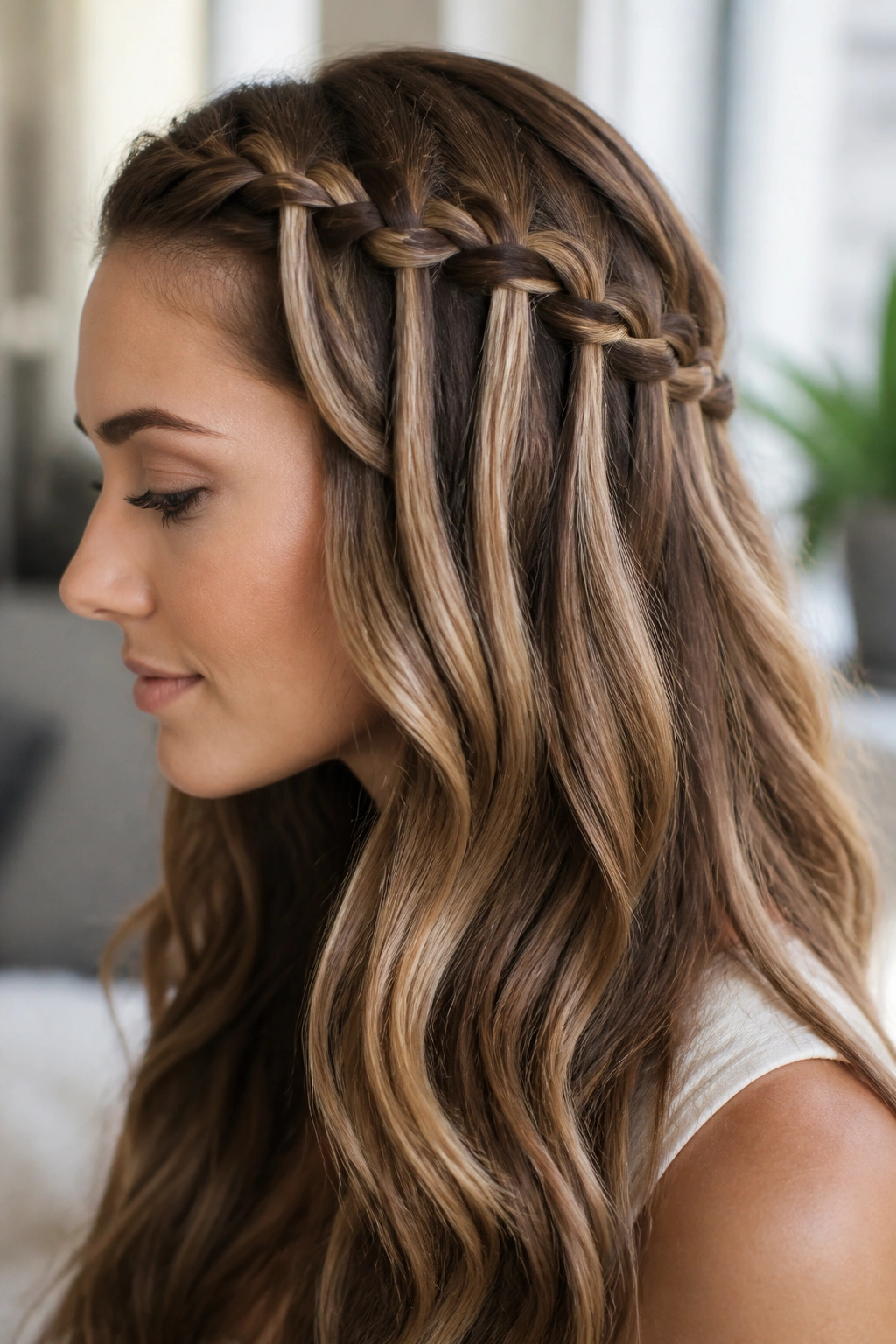
Waterfall braids look intricate, but the appeal is actually pretty simple: they keep the top half interesting while letting the rest of the hair stay soft. On long hair, that combination is hard to beat because it shows off both the braid work and the length.
The braid should sit a little loose against the head. If you pull it too tight, the style loses the easy feel that makes it pretty in the first place. Let the waves fall underneath in soft bends, not tight spirals. That contrast is what gives the look movement.
This is a smart pick for weddings, showers, and other events where you want something prettier than basic waves but not a full updo. It photographs well from the side, too, which is not a small thing when the back of the hair is part of the design.
12. Messy Chignon with Wave Length
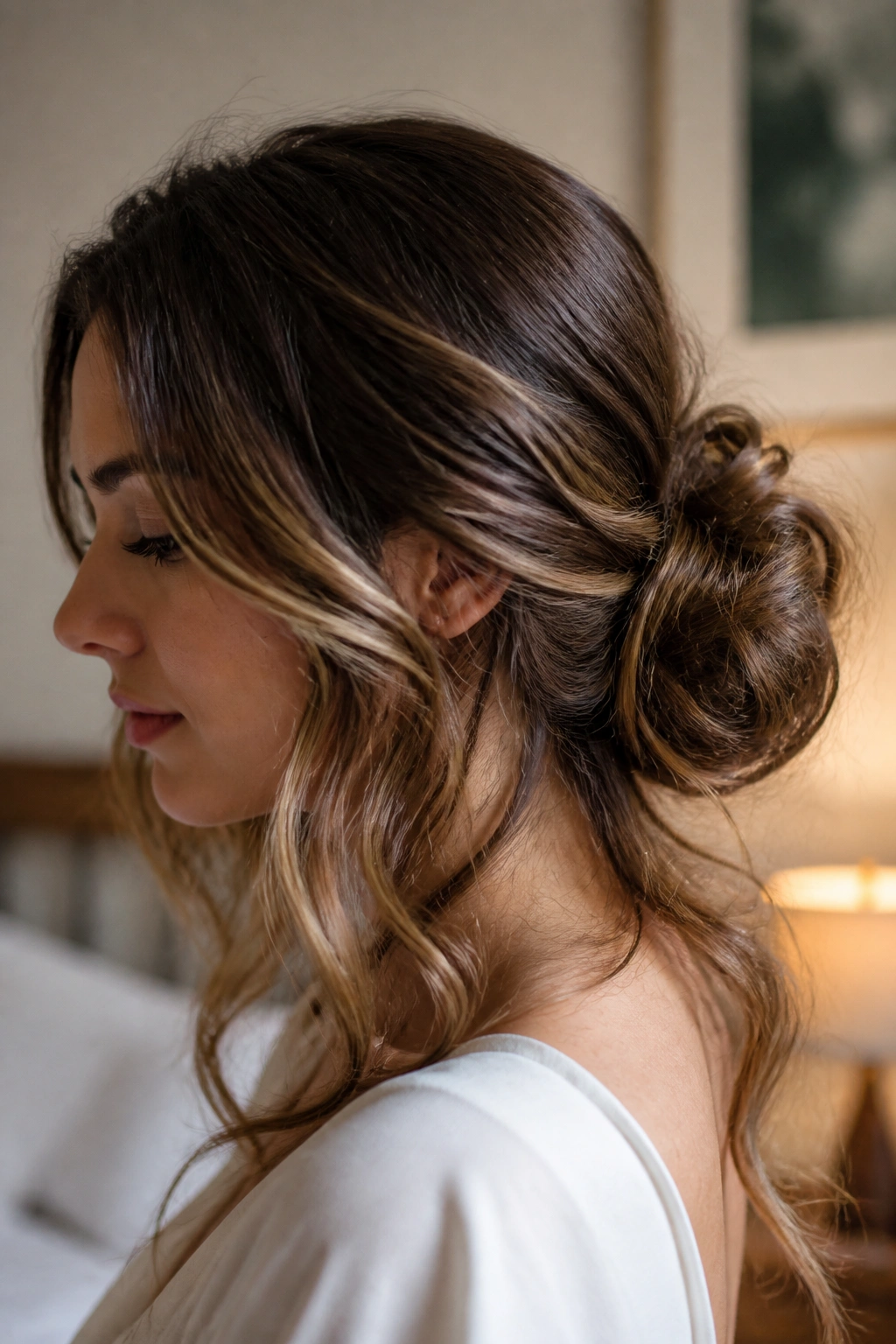
A messy chignon sounds more formal than it is. The best version leaves a lot of the long wave pattern visible, usually in the form of face-framing pieces and ends that tuck into the bun without disappearing completely. That loose finish keeps the style from feeling stiff.
Think of this as a half-tied look that learned manners. The bun sits low, the waves are left a little undone, and the overall shape still feels soft. For long hair, that matters because a tight chignon can turn heavy fast.
If you want it to look deliberate, curl the ends before pinning them in. A few loose spirals around the bun keep the texture visible and make the whole thing feel less like a rushed twist.
13. High Half-Up Ponytail with Loose Waves
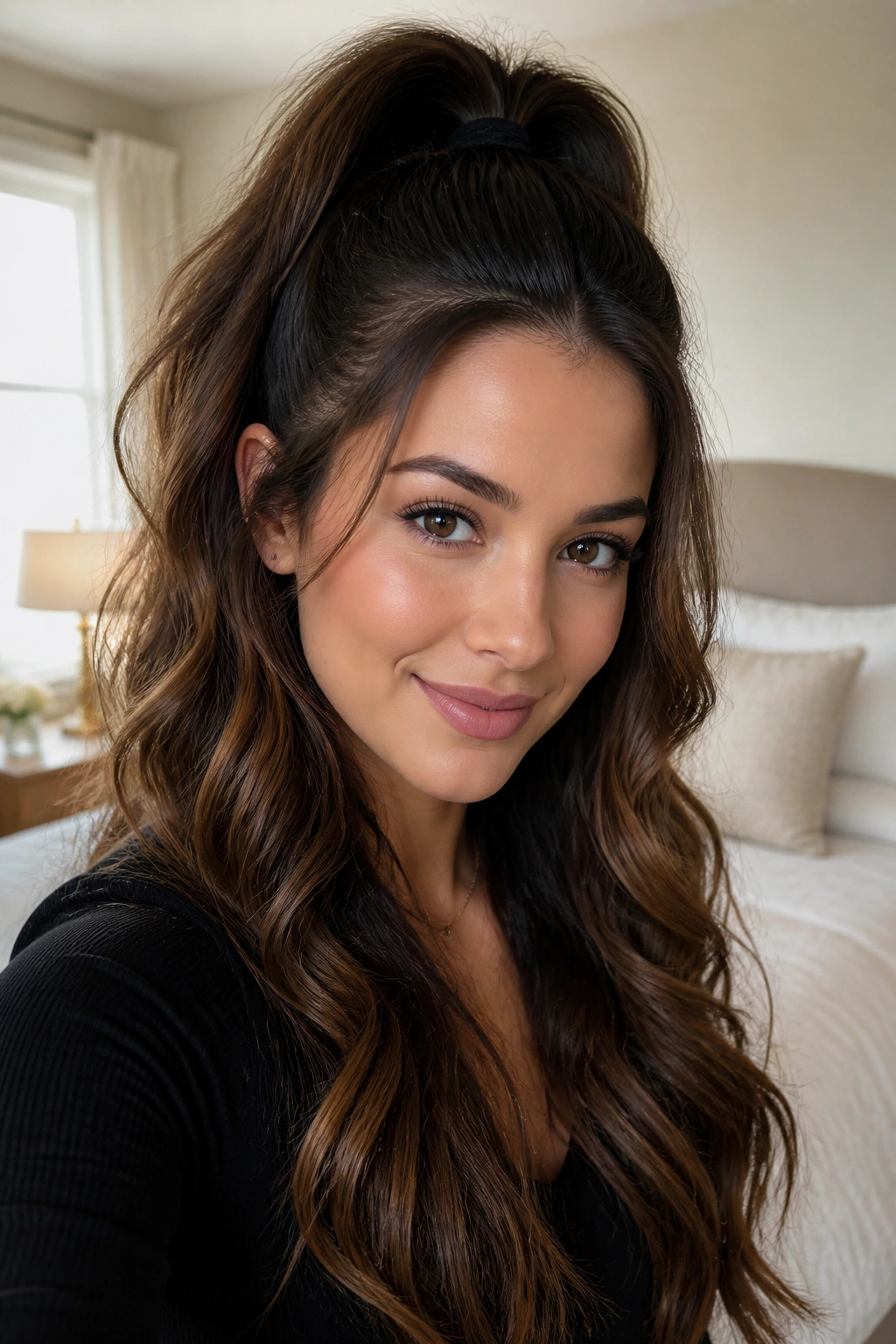
A high half-up pony gives long hair a bit of lift without taking away the length. That’s the draw. You keep the waves flowing through the bottom half, but the top lifts enough to stop the style from feeling weighed down.
How to Avoid the Bubble Look
Use a brush to smooth the top section before tying it off, then gently pull the crown a little higher once the elastic is set. That small tug gives you height without making the hair puff out.
A wrapped piece of hair around the elastic cleans the base up fast. If your hair is thick, use a strong tie first, then cover it with a strand. If it’s fine, a small claw clip underneath can help the top section stay up longer.
This style has a playful energy without looking childish. Nice balance.
14. Side Braid with Loose Wave Ends
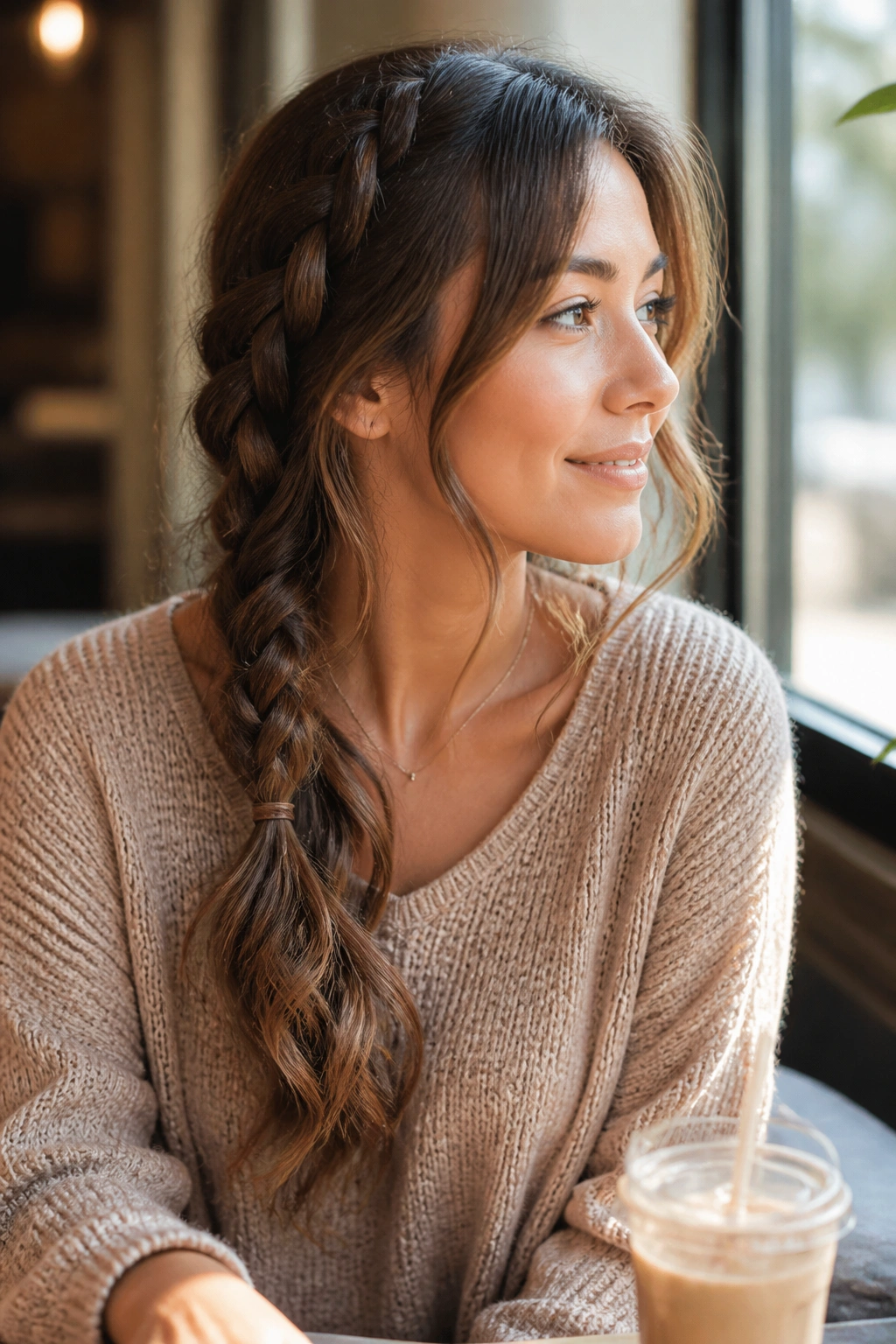
A side braid is a good choice when you want one part of the hair controlled and the rest left free. The braid keeps the top section neat, while the loose wave ends show off the length. It’s casual, but not messy in a careless way.
What sets this apart from a full braided style is the finish at the bottom. Leave the braid to stop around mid-back and let the remaining waves hang loose. That keeps the eye moving downward and makes long hair look even longer. Which, if we’re being honest, is half the appeal.
This works especially well on hair that has a bit of natural bend already. You don’t need a perfect braid. A slightly relaxed one suits the texture better.
15. Textured Waves Held Back with a Claw Clip
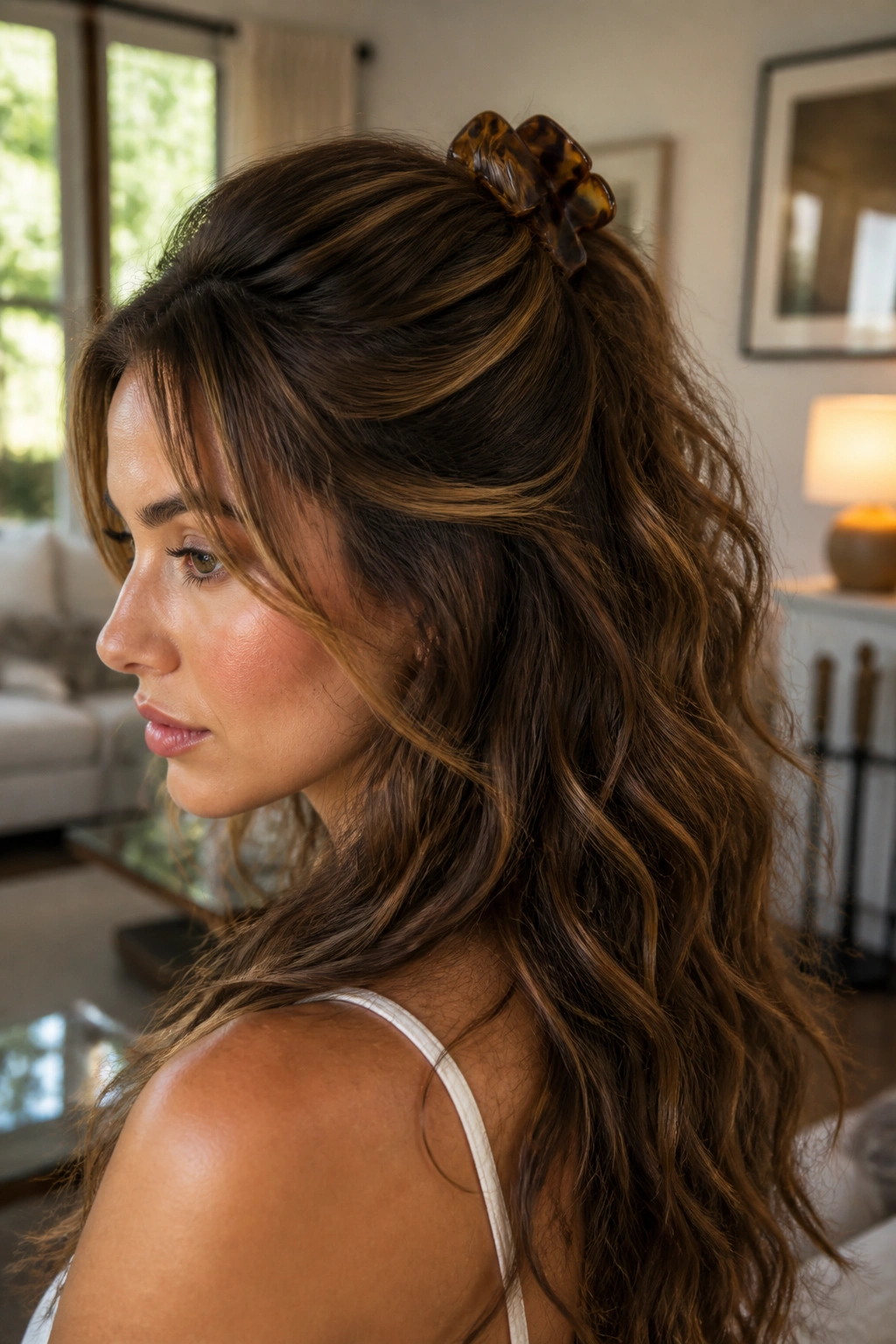
A claw clip is one of the easiest ways to make loose waves feel modern without losing the texture. Twist the hair up loosely, secure it with a clip, and let the ends fall out. The wave pattern stays visible, and the clip gives the style a quick, slightly undone shape.
Unlike a ponytail, which pulls the waves taut, the claw clip lets the hair fold in on itself. That makes it a good option for long hair that gets heavy fast. You get some lift, some movement, and none of the headache of making every piece sit perfectly.
Choose a medium or large clip with good grip. Cheap clips slide. Every time. Matte finishes tend to hold better than slick plastic, especially if your hair is fine or freshly washed.
16. Bubble Ponytail with Soft Waves
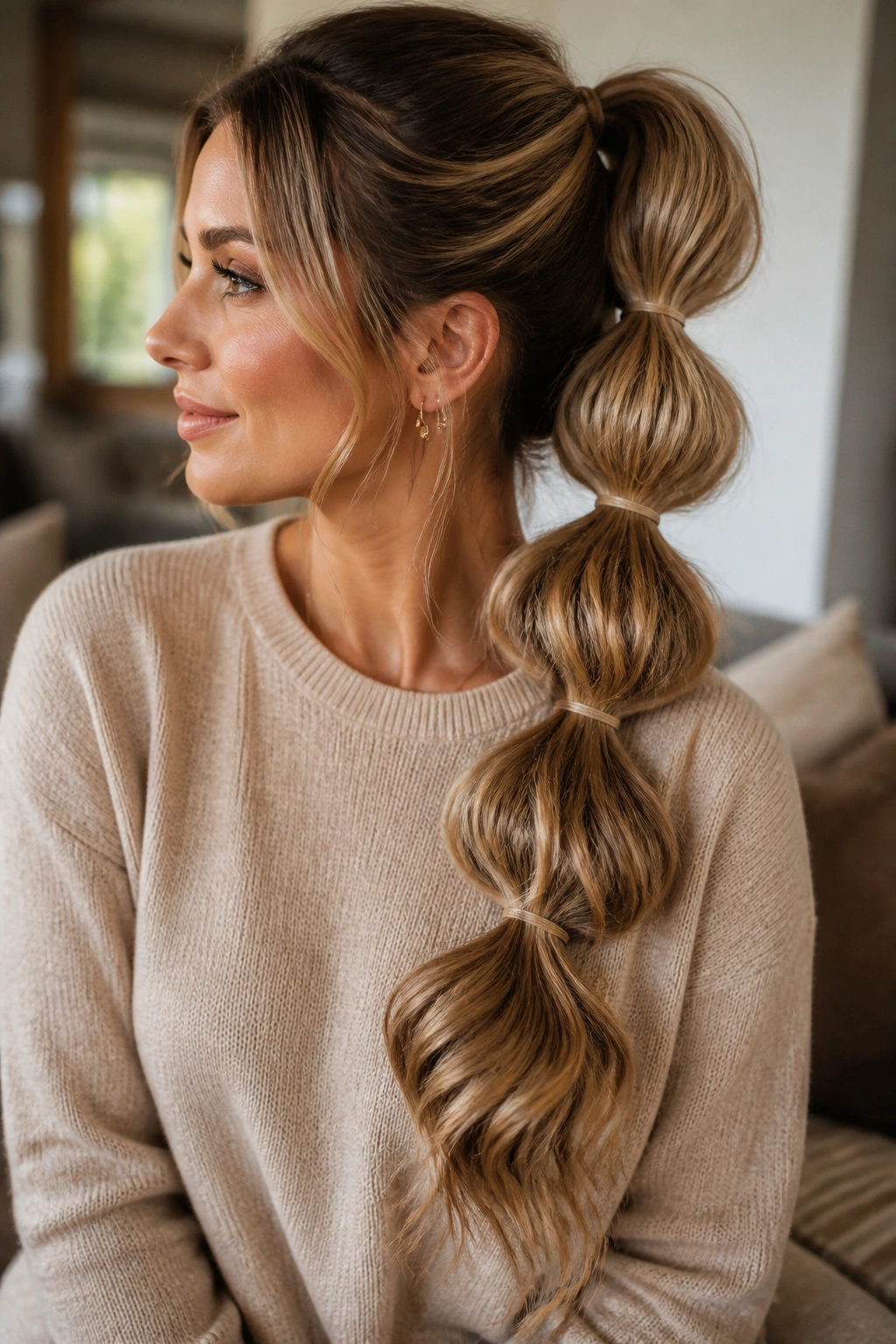
A bubble ponytail sounds playful because it is, but the soft wave texture keeps it from looking too young. The waves give each section a little body, and the bubbles make long hair look full all the way down.
Start with a low or mid-height ponytail, then add small elastics every 2 to 3 inches. Gently tug each section to puff it out. Do not pull hard. You want the bubble shape, not a frayed mess. If your hair is extra long, you can build four or five bubbles before the ends.
This style is useful when you want to show off length without leaving the hair entirely down. It also holds up well on busy days because the shape stays in place once it’s set.
17. Sleek Top Section with Loose Wave Ends
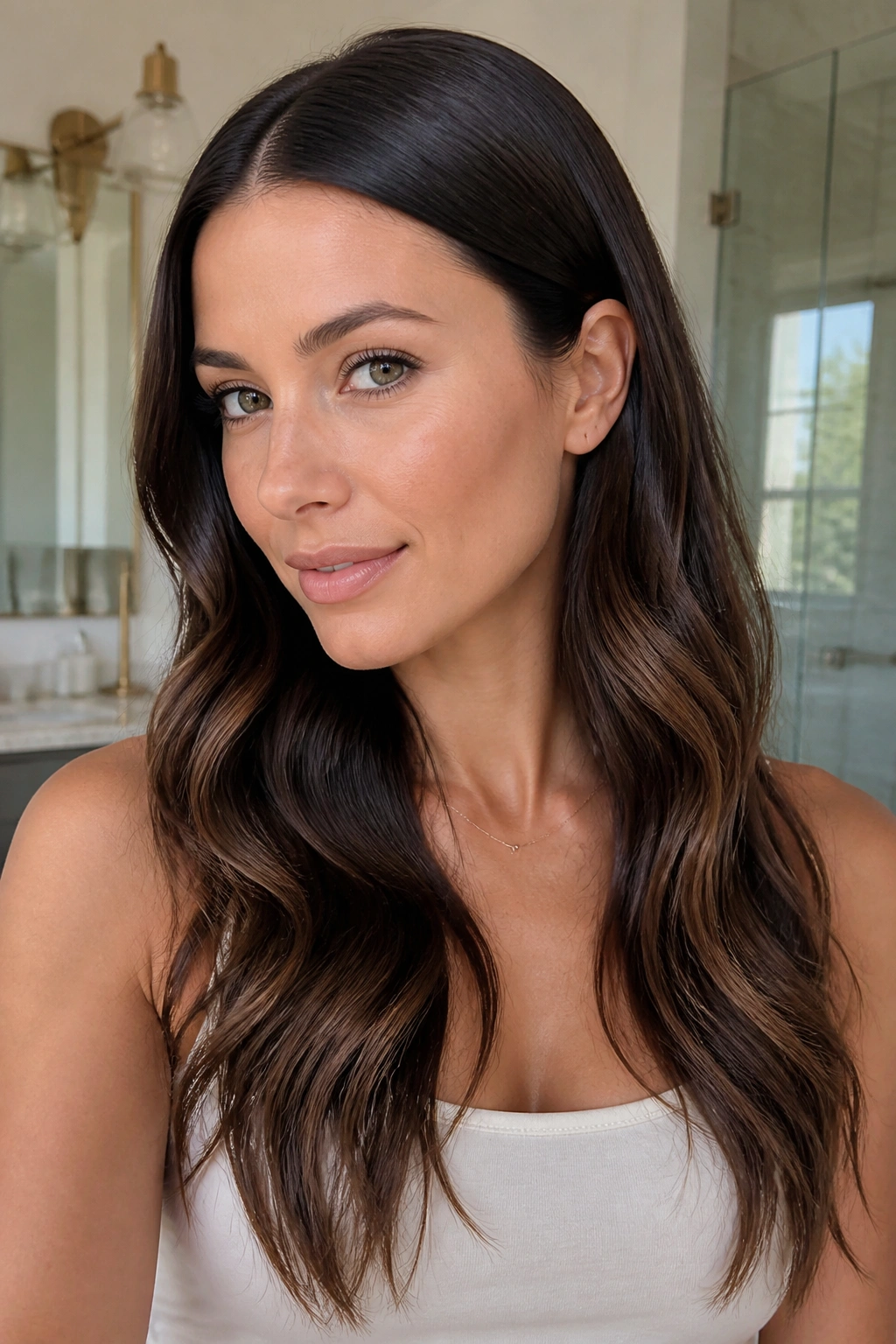
This one leans polished at the roots and relaxed through the length. The top section stays smooth, maybe even a little flat ironed if that’s your thing, while the mid-lengths and ends carry the loose wave pattern. The contrast is what makes it work.
Long hair can look bulky when everything is equally textured. A smooth top cuts through that. It gives the style a cleaner line and makes the waves look more intentional. If you wear center parts often, this version keeps the shape from getting too soft too soon.
A little shine spray on the crown helps, but keep it away from the wave sections if you want them to keep their grip. That separation matters more than people realize.
18. Heatless Overnight Waves with a Center Part
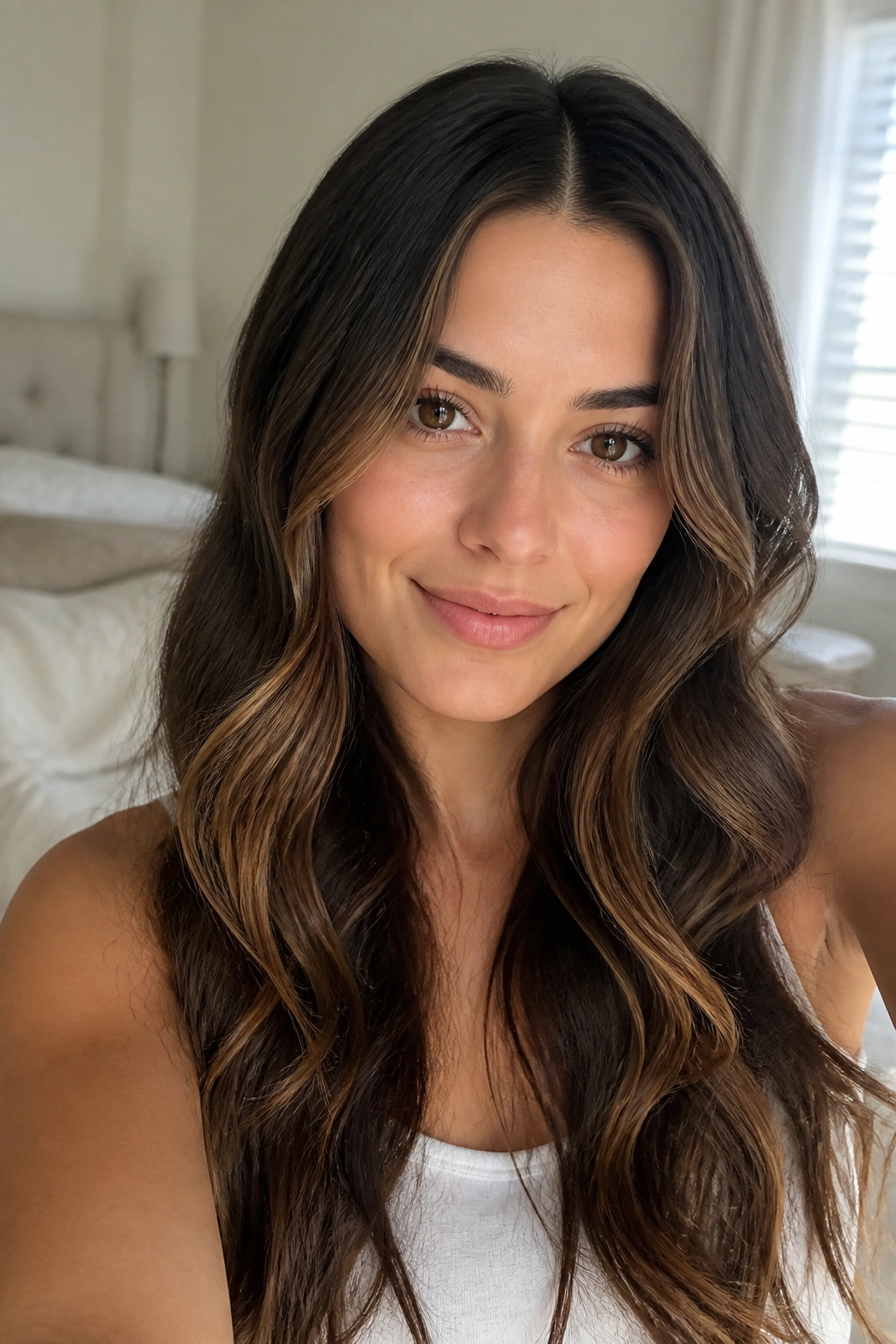
If heat is the part you dislike, this one earns its place. Heatless waves can look especially good on long hair because the length gives the wave enough room to drop into a soft pattern. Two braids, a robe tie wrap, or a set of soft foam rods all work if you want a gentle bend instead of a sharp curl.
What to Watch For
Start with hair that is damp, not soaking wet. Wet hair takes too long to dry and can leave the inside of the wave pattern soggy by morning. A little leave-in conditioner helps, but don’t overload it.
Keep the center part clean before wrapping or braiding. That part line matters, because it defines the whole face frame once the hair comes down. When you take the style out, separate the waves with your fingers first, then lightly shake them loose at the ends.
This is one of the easiest ways to get soft waves without heat damage or a long morning routine.
19. Braided Ponytail with Long Wave Length
A braided ponytail gives you the control of a braid with the softness of loose waves at the tail. The top stays neat, the pony sits secure, and the waved length still shows off. On very long hair, that combination can look full without feeling fussy.
This style is a nice middle ground between practical and styled. The braid can start at the crown or just behind the ears, depending on how much detail you want. Leave the tail waved and brushed out a bit so it doesn’t look too rigid.
I’d use this on days when you want your hair off your shoulders but don’t want a plain ponytail. It works for errands, office days, and weekends with a lot of movement.
20. Airy Everyday Waves with Soft Layers
Some looks are for events. This one is for living in. Airy everyday waves are the kind of loose wave style that long hair wears well when the layers are cut to move, not sit flat. The result feels easy, touchable, and a little imperfect in the right way.
The best version starts with light product — not a heavy curl cream that drags the hair down. A few bends through the mid-lengths, a soft brush-out, and a flexible spray are usually enough. If your hair has layers, even better. They keep the wave from forming one big curtain and let the movement stack in a nicer way.
This is the style I’d reach for when I wanted my hair to look good from the front, the side, and half an hour later after it’s been tucked behind one ear three times. It still needs a little care. Just not much.
