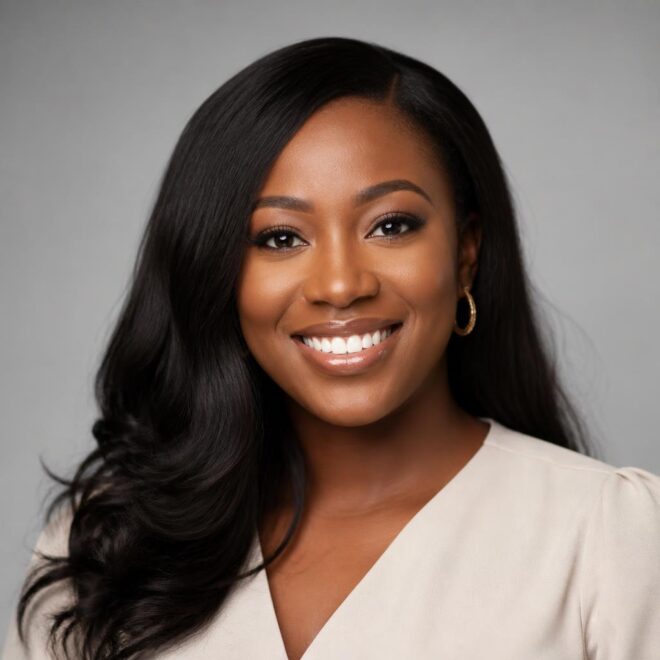


Short perms can go wrong fast. Put the curl too tight, and you get helmet hair. Put it too loose, and the whole cut can fall flat by lunchtime. The sweet spot for bouncy curls is movement with shape, not a fuzzy halo that needs constant rescuing.
A short perm is never only about the perm solution. Rod size, sectioning, the bluntness of the perimeter, and where the layers sit all change the final look. A 3/4-inch rod on a chin-length bob behaves nothing like the same rod on a pixie, and the difference shows up once the hair dries and settles.
That matters even more if your hair is fine, previously lightened, or already prone to frizz. A good stylist will look at the ends, not just the roots, and sometimes choose a softer pattern near the hairline so the curls don’t kick out like corkscrews at the temples.
What follows is a mix of polished, playful, retro, and slightly rebellious short perm ideas. Some sit close to the head. Some flare out. All of them can give you bounce without the awkward triangle shape people still worry about, which is exactly why the silhouette matters more than the curl count.
1. Classic Spiral Bob Perm for Short Hair

A chin-length spiral bob has a clean, almost graphic shape that makes each curl read clearly. The blunt perimeter gives the spirals a place to stop, so they bounce outward instead of collapsing into a fuzzy edge.
Why It Works
Short spirals need a haircut with a little backbone. Too much taper at the ends makes the curls look scattered, and that is where the style starts to lose its shape. Keep the line at the jaw or just below it, and the whole cut feels deliberate.
This is the short perm I’d hand to someone who wants the curls to be the point. Not the color. Not the bangs. The curls.
- Best for: fine to medium hair that needs visible body.
- Rod size: usually a smaller-to-medium wrap, often around 5/8 to 3/4 inch for a springy finish.
- Styling note: scrunch with a light mousse and air-dry when you can.
- Maintenance: trim every 6 to 8 weeks so the perimeter stays crisp.
My favorite tip: keep the front a touch longer than the nape. That tiny difference stops the bob from puffing out under the ears.
2. Loose Body-Wave Bob Perm
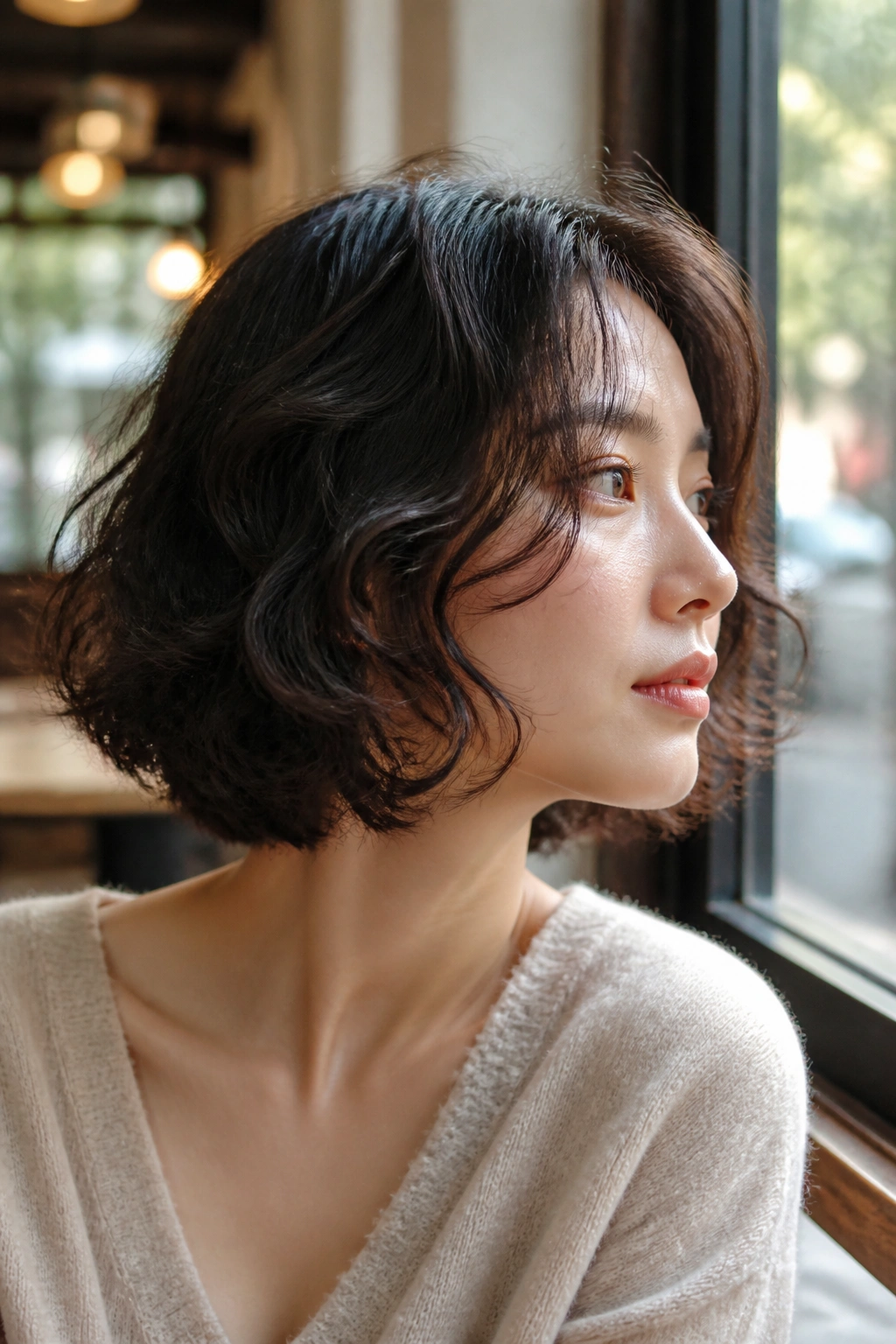
This is the easiest short perm to wear. It doesn’t shout for attention the way a tighter spiral does, and that’s exactly why it works so well on busy mornings.
Loose body waves bend instead of coil. On short hair, that softer motion keeps the cut from looking overdone, and it also makes the grow-out phase less annoying. You can tuck one side behind the ear, let it fall back, and it still looks like a thought-out haircut rather than a style that only behaves in the salon mirror.
A lot of people ask for “bouncy” and picture a tight curl. I usually steer them toward this shape if they want movement but hate styling with a diffuser every single day. Ask for larger rods through the top and slightly softer wrapping through the sides. The result should feel airy, not slack.
A pea-size curl cream is enough for most heads of hair here. More than that, and the wave can lose its swing and start looking damp in a bad way. That is one of those small details that makes a huge difference.
3. Short Perm for a Root-Lift Pixie
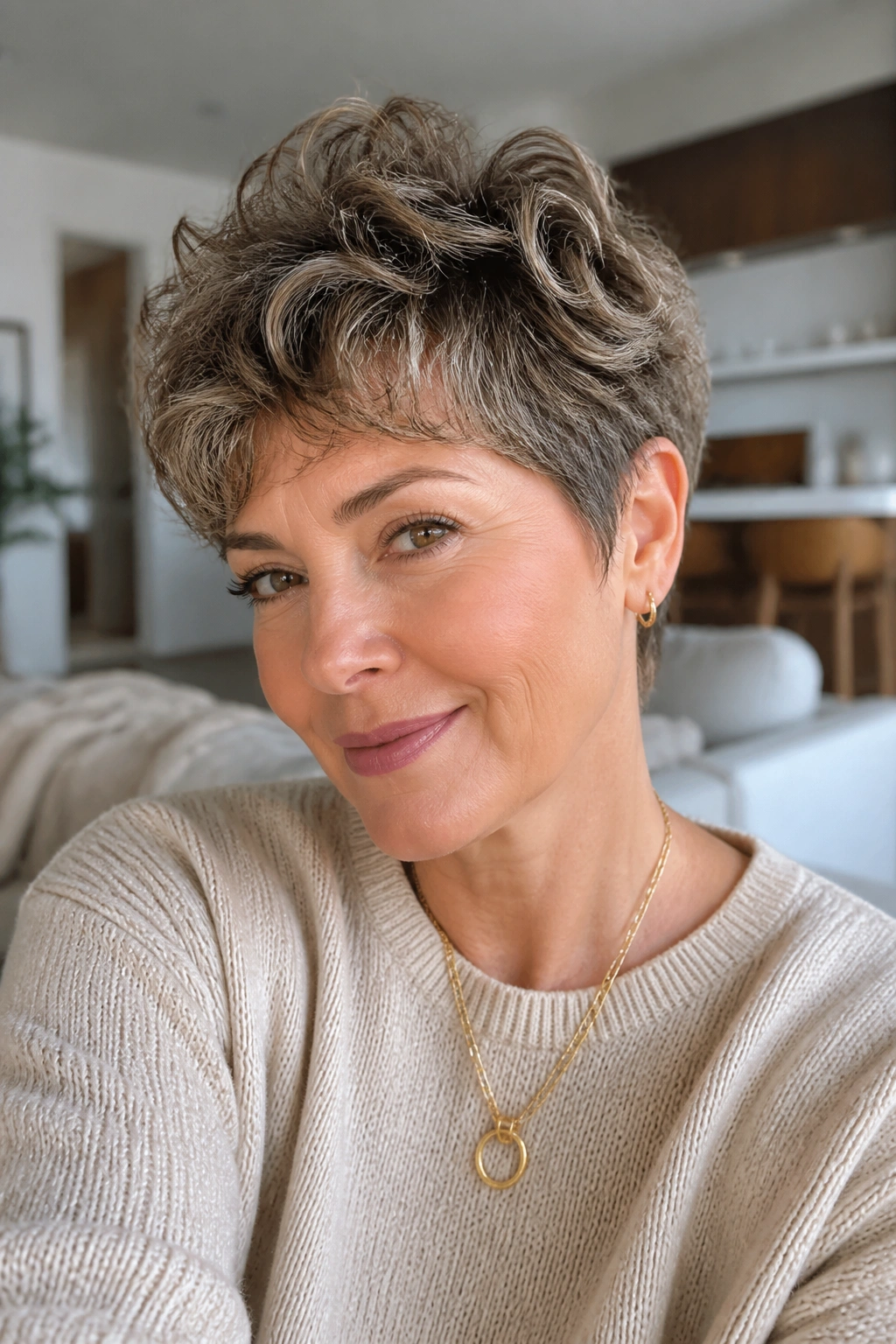
Can a pixie still look soft after a perm? Yes — if the curl pattern starts slightly away from the scalp and the top keeps some length.
A root-lift pixie is one of the smartest choices for fine hair that goes limp at noon. The point is not to make every strand curl into a tiny spring. The point is to build lift through the crown so the haircut looks fuller from every angle.
How to Ask for It
Tell your stylist you want movement at the top, softness at the fringe, and cleaner sides. That usually means leaving enough length on top for the curl to show while keeping the temples and nape neat. If the rods are too small at the crown, the style can get too tight and start looking busy.
You want the hair to sit up, not stick out.
- Best for: fine hair, flat crowns, and anyone who likes a cropped shape.
- Best rod approach: medium rods on top, slightly larger wrap near the hairline.
- Style finish: a little curl cream or foam, then finger-shaping.
- Watch for: too-short top layers, which can make the curl spring upward in a strange way.
If you want a pixie that feels soft rather than spiky, this is the one to keep in mind.
4. Stacked Curly Bob Perm

You know the look: the front is cute, the back goes flat, and the whole cut starts to feel boxy. A stacked curly bob fixes that fast.
The stacked shape uses shorter layers at the back of the head and longer pieces around the face, which gives the crown a little lift and keeps the silhouette from turning into a square. On short curls, that matters a lot because curl volume collects where the hair is shortest.
The trick is balance. Too much stack and the bob can look too round. Too little, and you get the dull shelf effect people hate.
- Great for: medium to thick hair that needs shape control.
- Ask for: a graduated back with soft interior layers.
- Styling aid: diffuse the roots first so the crown dries with lift.
- Good result: the nape sits close, while the top has a little cloud of curl.
A stacked bob is one of those cuts that looks expensive when it is done right. And when it is done wrong, you know immediately. Keep the graduation soft, not severe.
5. Curly Pixie Perm
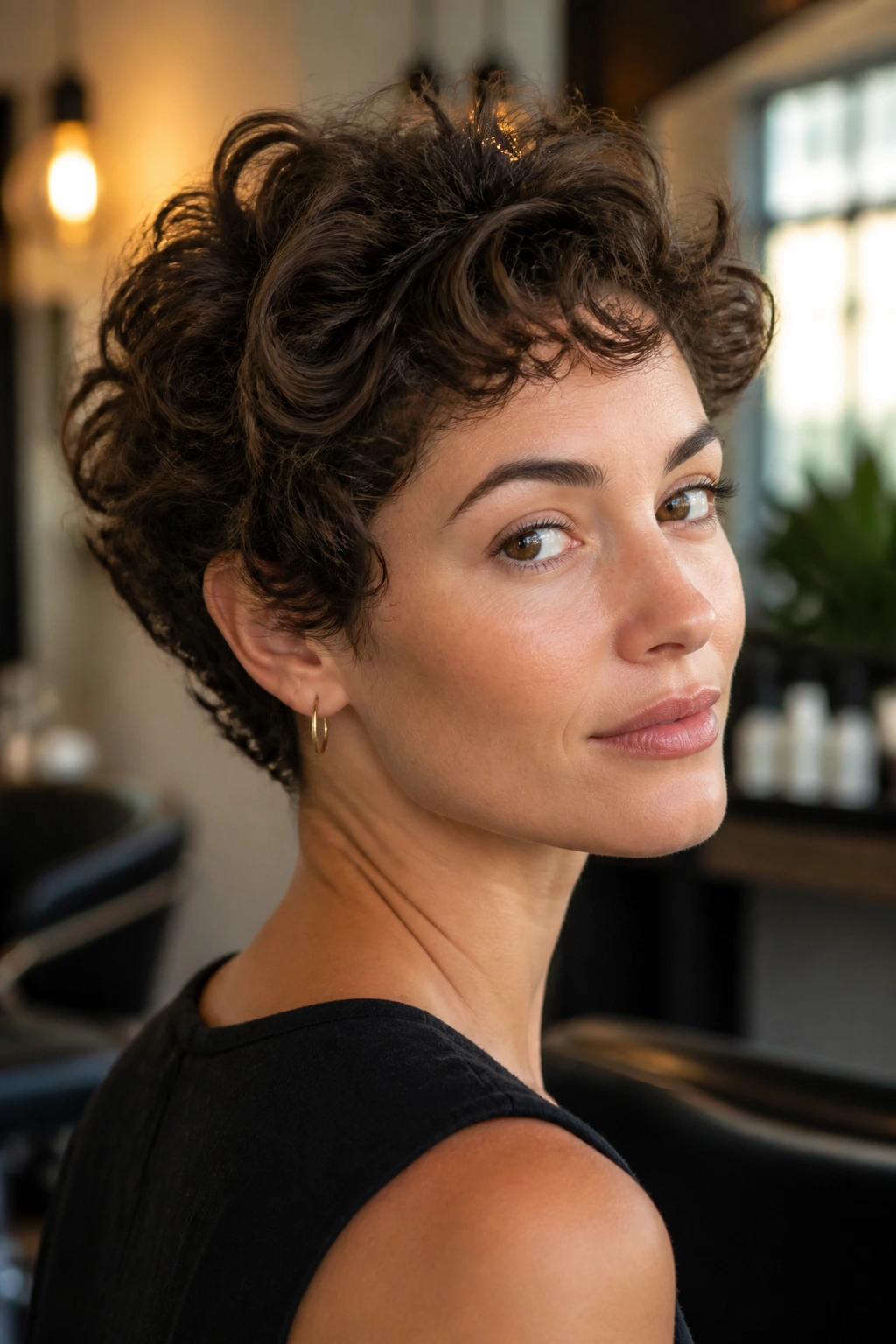
A curly pixie perm is the most bare-faced style on this list. It shows everything — the texture, the density, the line of the nape, even the way your cowlick behaves on a humid day.
That can be a good thing. If your hair is fine, the perm adds body without asking for much length. If your hair is denser, the curls make the whole shape feel lighter because the eye reads the texture before it reads the bulk. It is a very honest cut, which is part of why I like it.
This one works best when the layers are soft and the curl pattern is consistent, but not identical, through the whole head. A pixie with too much tightness at the temples can start looking stiff. A little irregularity keeps it human.
It also asks for less styling than people expect. A dab of light cream, a quick scrunch, and maybe a bit of finger-twisting around the fringe is often enough. If you are the kind of person who hates standing in front of the mirror with ten tools, this one makes a strong case.
6. Tousled Shag Crop
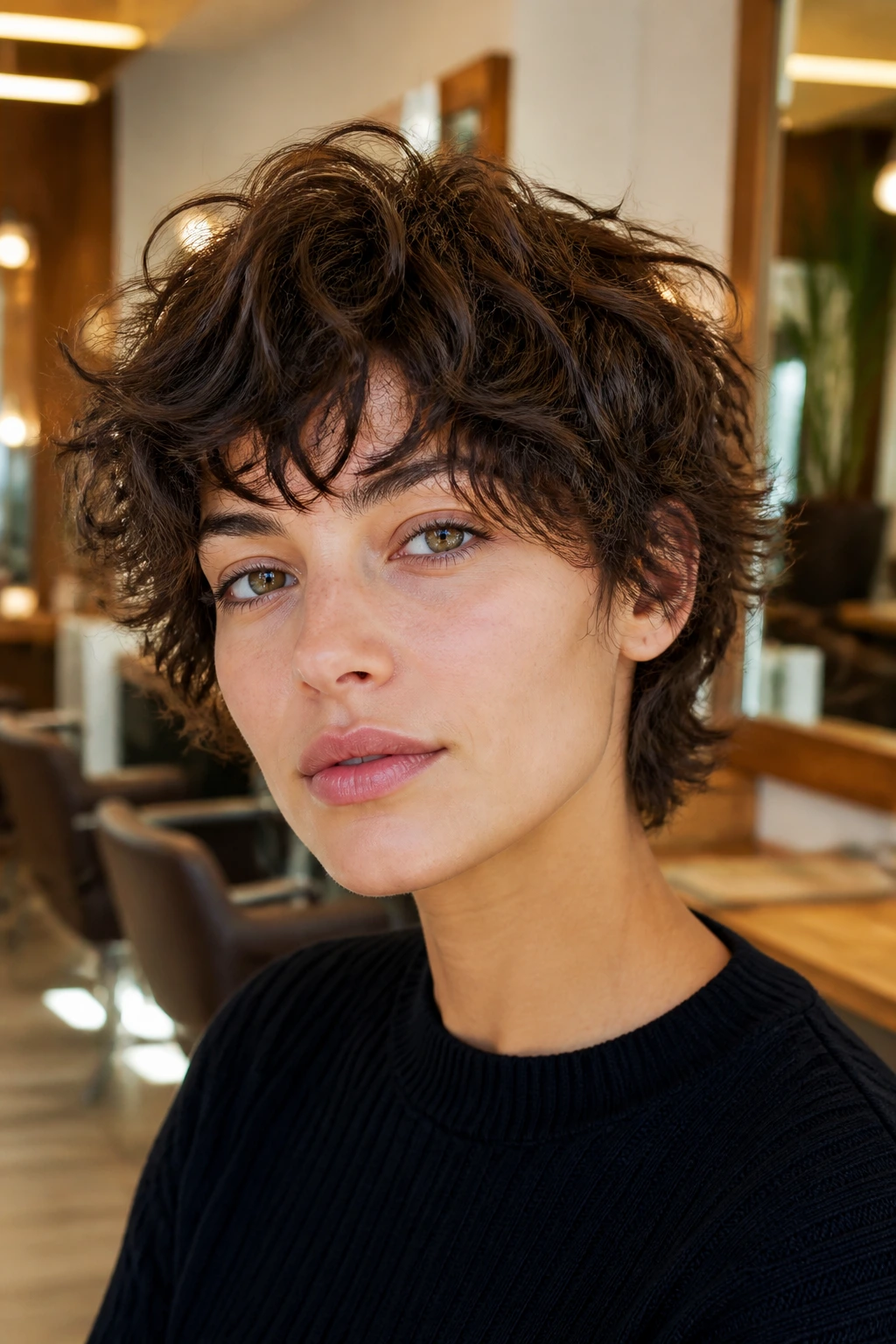
Unlike the polished bob above, the shag crop is meant to look a little broken up on purpose. That is the whole charm.
The layers fall in different lengths, which lets the curls stack and separate instead of forming one big round block. On short hair, that can be a gift if your texture is thick or if you want the style to move when you turn your head. It reads relaxed, but not sloppy.
I reach for this shape when someone says they want “texture” more than “curl.” Those are not the same thing. Texture gives you piecey movement and a little air between sections; curl gives you pattern. The shag crop sits in the middle and usually looks better for it.
It is especially good if your hair has some natural wave already. The perm just sharpens the bend and fills in the gaps, so you end up with a cut that seems to wake up on its own. Ask for choppy layers around the crown and softer ends at the sides, and avoid over-thinning the perimeter. Thin ends frizz fast.
7. French Bob Perm with Soft Fringe
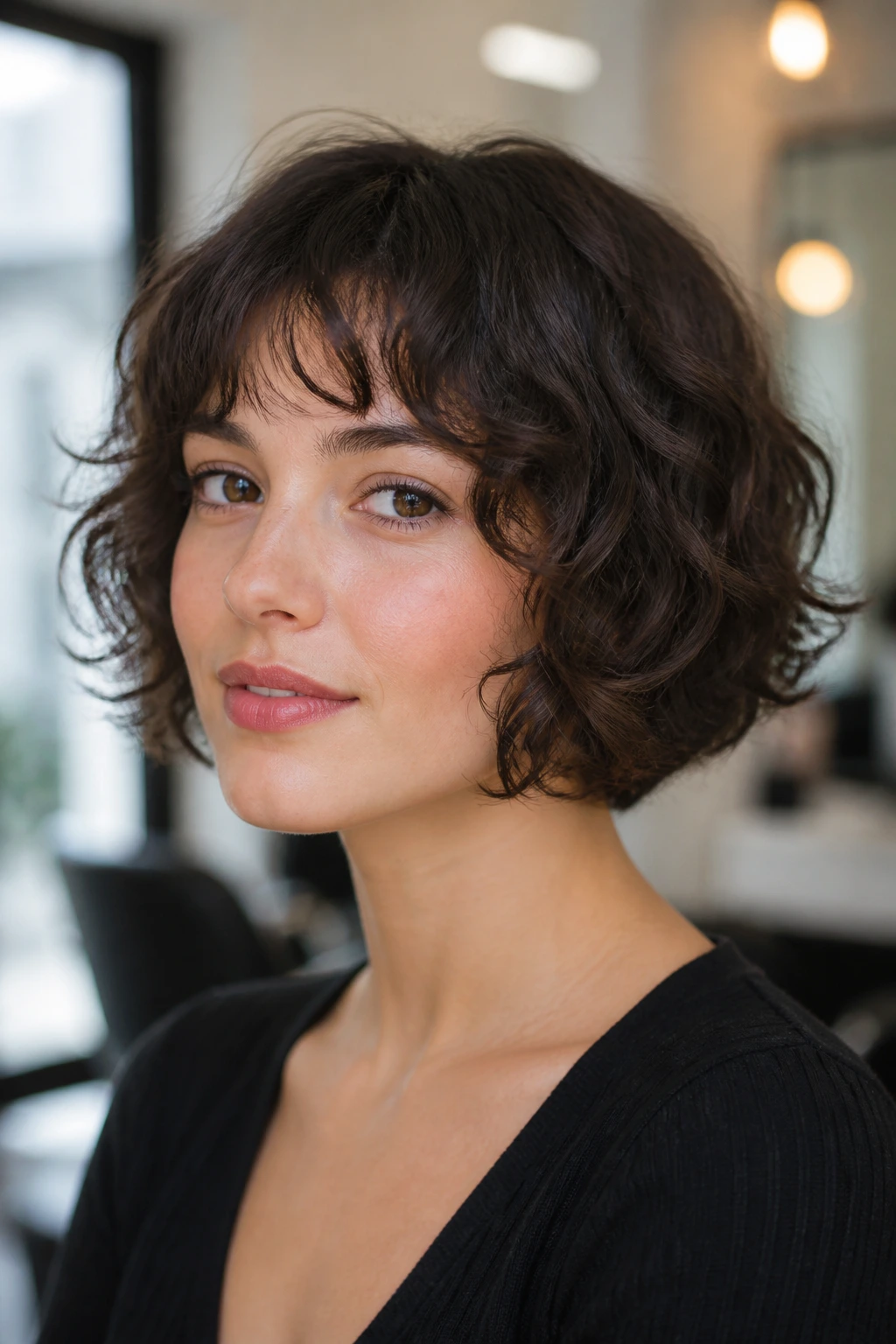
A French bob with a perm has a specific kind of charm. The shape sits around the jaw, the fringe grazes the brows, and the curls soften the whole thing so it never looks too severe.
Why It Works
The jaw-length line keeps the bob compact, while the fringe stops the style from feeling too neat. On straight hair, that combo can look almost severe. Add a perm, and the whole cut relaxes into something more playful.
The best version has a fringe that bends, not bangs that sit like a wall. You want enough curl in the front to frame the eyes, but not so much that the bangs rise away from the forehead.
- Good for: oval, heart, and narrow face shapes.
- Best texture match: hair that can hold shape without collapsing.
- Styling move: pinch the fringe while it dries so it doesn’t split awkwardly.
- Salon note: keep the back slightly shorter than the front for a true bob shape.
One useful rule: if the fringe is too short, the curl will shrink more than you expect. Leave yourself a little room.
8. Beach-Wave Short Perm

A short perm does not have to read curly at all. Sometimes the smartest move is a loose wave that looks like your hair had a good day and no one overworked it.
Beach-wave perms use larger rods and softer wrapping, so the curl opens into an S-shape instead of a full spiral. On short hair, that means more swing and less ringlet. It is a nice option if you want texture that feels casual enough for everyday wear but still polished enough for dinner.
This style is especially useful if your hair is very fine or naturally straight and you want it to move without looking overly styled. Ask for a cut that leaves some length in the top layers, because the wave needs room to show itself. If the hair is chopped too short, the bend can disappear and the style loses its easy shape.
The best finish is a light salt-free texture spray or a soft mousse, worked through damp hair. Let it dry with your fingers off it for a while. Short beach waves look best when they are not touched too much.
9. Corkscrew Crop Perm

Do you want your short perm to feel playful instead of polished? A corkscrew crop gives you exactly that kind of energy.
The tighter curl pattern makes each coil visible, so the haircut reads lively even when it is trimmed close to the head. On shorter hair, corkscrews can be a little mischievous in the best way. They spring, they separate, and they don’t pretend to be low-maintenance when they’re really not. That honesty is part of the fun.
How to Wear It
This shape usually looks best on healthy hair with enough density to support the spring. If the hair is too fragile or over-lightened, smaller curls can expose every weak spot. On strong hair, though, the result is terrific — compact, lively, and full of motion.
The curl pattern should be even through the top and sides, but not helmet-tight at the neckline. A little softness at the nape keeps the look from turning into a triangle.
- Best for: dense, resilient hair.
- Rod approach: smaller rods for visible spring, especially through the crown.
- Maintenance: use a wide-tooth comb only when the hair is wet.
- Style vibe: fun, bouncy, a touch retro.
If you like hair with personality, this one has plenty.
10. Short Perm With a Tapered Nape
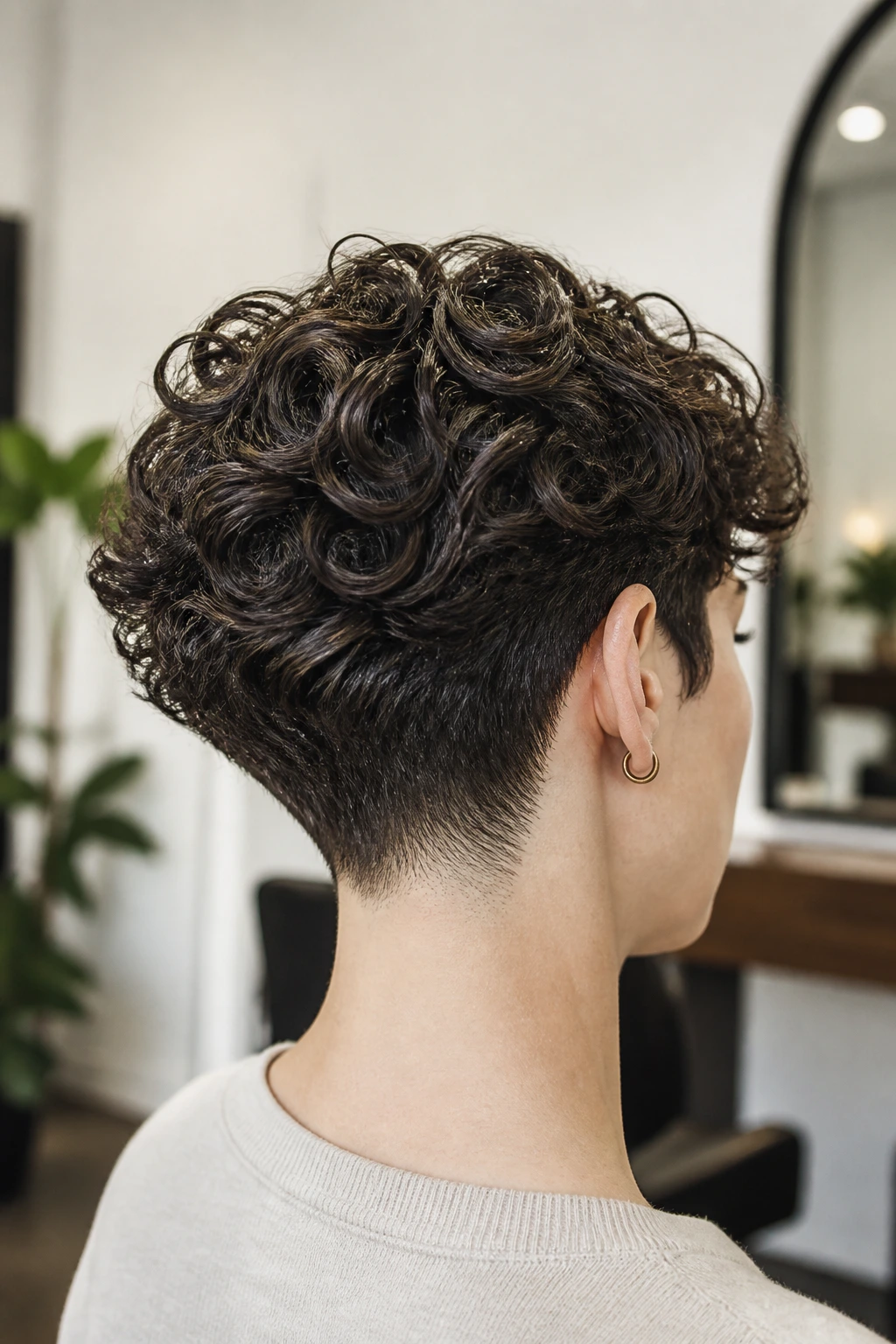
A clean neckline changes everything. Once the nape is tapered, the curls above it suddenly feel lighter and more deliberate.
This style is for people who like the idea of bounce but still want the back of the head to look tidy. The tapered nape keeps bulk under control, which is useful if your hair grows heavy around the collar. Up top, the curls can still do their thing — spring, move, and soften the profile — while the lower edge stays neat.
You see this style a lot on cuts that blend a salon perm with a slightly barbered finish. That mix can be excellent when it is handled well. The mistake is tapering too high, which can make the shape look clipped into place rather than naturally curved.
- Best for: thick hair and active people who hate collar fuzz.
- Ask for: shorter neck layers, longer crown layers.
- Helpful detail: the outline should narrow gently, not jump abruptly.
- Finish: a little shine cream on the ends keeps the shape from looking dry.
The nape is boring only until it is wrong. Then you stare at it every day.
11. Side-Part Sweep Perm

Symmetry is overrated.
A deep side part can make a short perm look softer, richer, and a little more expensive-looking without changing the curl pattern itself. One side gets more volume. The other lies flatter and frames the face in a different way. That tiny imbalance can be the whole haircut.
This works especially well if you have a strong cheekbone, glasses, or a forehead you prefer not to center. The side sweep directs the eye diagonally, which breaks up roundness and gives the curls more motion. On a short cut, that diagonal line is doing a lot of work.
The part also changes how the curls dry. Hair at the heavier side tends to make a fuller curve, while the lighter side settles close to the face. That difference makes the style feel intentional rather than uniformly puffy. If you’ve worn a middle part forever, this is an easy way to make a perm feel new without changing the cut itself.
12. Feathered Fringe Perm
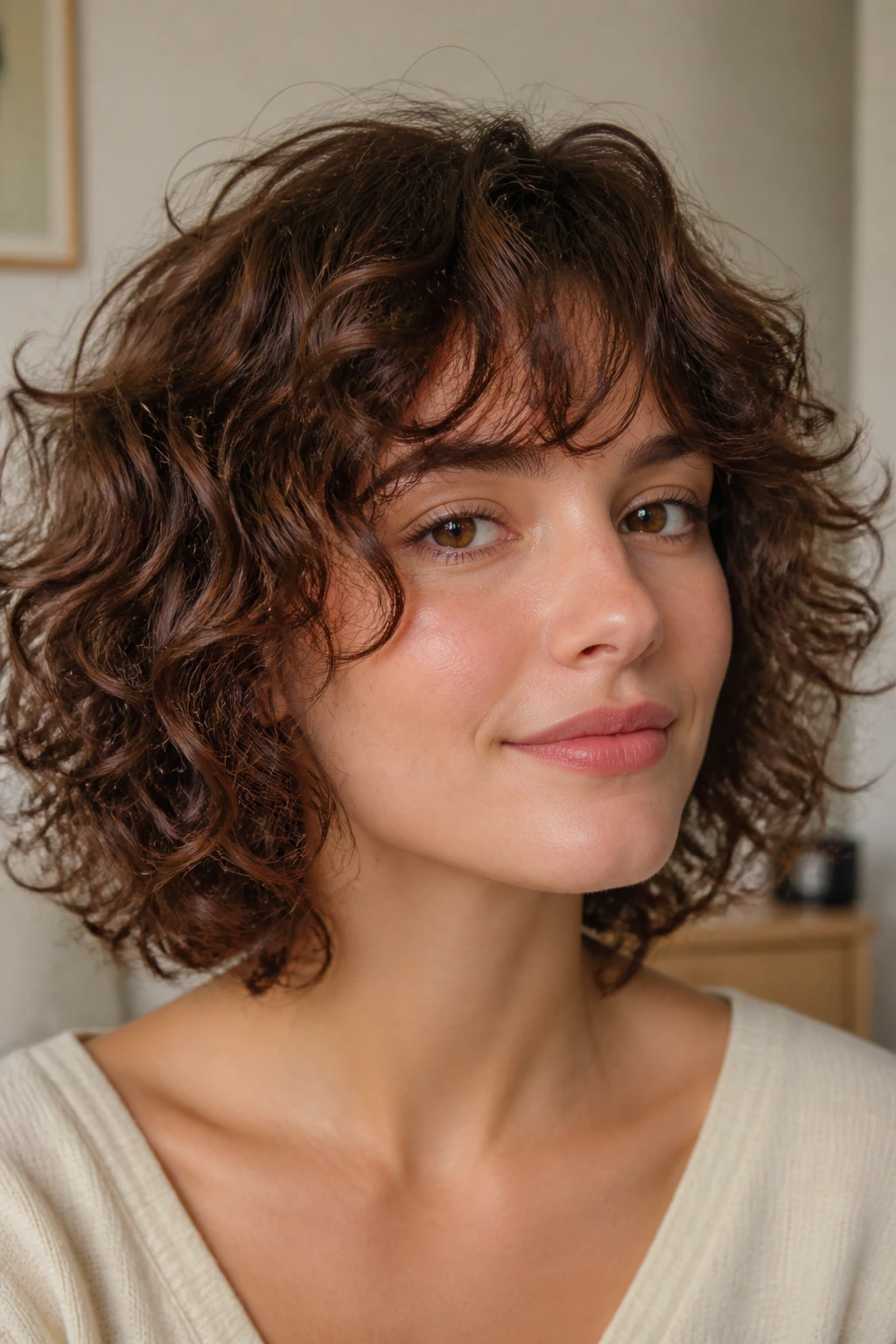
A blunt fringe with curls can look sharp in a way that’s not always flattering. A feathered fringe is softer, and far more forgiving.
The front pieces are cut to move instead of sit in one block, so the curl can separate a little and frame the face. That makes this style a good pick if you wear glasses, have a smaller forehead, or want the perm to skim your features rather than crowd them. The whole effect is lighter.
What changes the look here is the finish on the fringe. Rather than a straight line across the brow, you get little pieces that fall at slightly different points. That variation helps a short perm look airy even when the curl itself is fairly strong.
Ask for longer face-framing pieces near the temples and a fringe that stays soft at the center. If the fringe is cut too bluntly, the curl can bounce up and sit too high. That happens a lot, and it is fixable if the stylist leaves enough length to account for shrinkage.
13. Mini Mullet Perm

A mini mullet perm is not shy. It has crown lift, some softness through the sides, and a little extra length in the back so the curl can move instead of stopping dead at the neck.
Why It Works
The modern version is much softer than the old joke haircut people picture. The top stays short and lively, the sides are controlled, and the back gets just enough length to swing. That back section is what keeps the whole cut from feeling flat.
On curly or permed hair, the mini mullet can look surprisingly current because the texture keeps the silhouette from becoming too literal. The curls blur the edges a bit, which helps.
- Best for: people who like texture and a little edge.
- Great when: you want volume up top without widening the sides.
- Styling note: scrunch the crown first, then let the back fall into place.
- Salon detail: the transition from top to back should be soft, not chopped into steps.
My strong opinion: if you want a perm with personality, this is one of the most interesting options. It is not for everybody. That’s partly the point.
14. Pin-Curl Perm

This is the neatest-looking perm on the list. The curl pattern is controlled, even, and a little vintage, which gives short hair a polished spring that still feels soft.
Pin-curl perms rely on smaller, more precise sections. That means the curls tend to sit together in a tidy way instead of breaking off in random directions. On short cuts, the effect can be beautiful because the shape stays close to the head while still having visible texture.
It is a smart pick if you want your hair to look set rather than messy. Not stiff. Set. There is a difference. One looks like you slept on it badly; the other looks like the curls were placed on purpose.
The downside is obvious: tighter control can also mean less casual movement. If you want the hair to look like it was finger-combed and left alone, this may feel a bit too exact. But if you like a tidy curve and a soft retro edge, the payoff is strong.
15. Pageboy Perm with Curved Ends
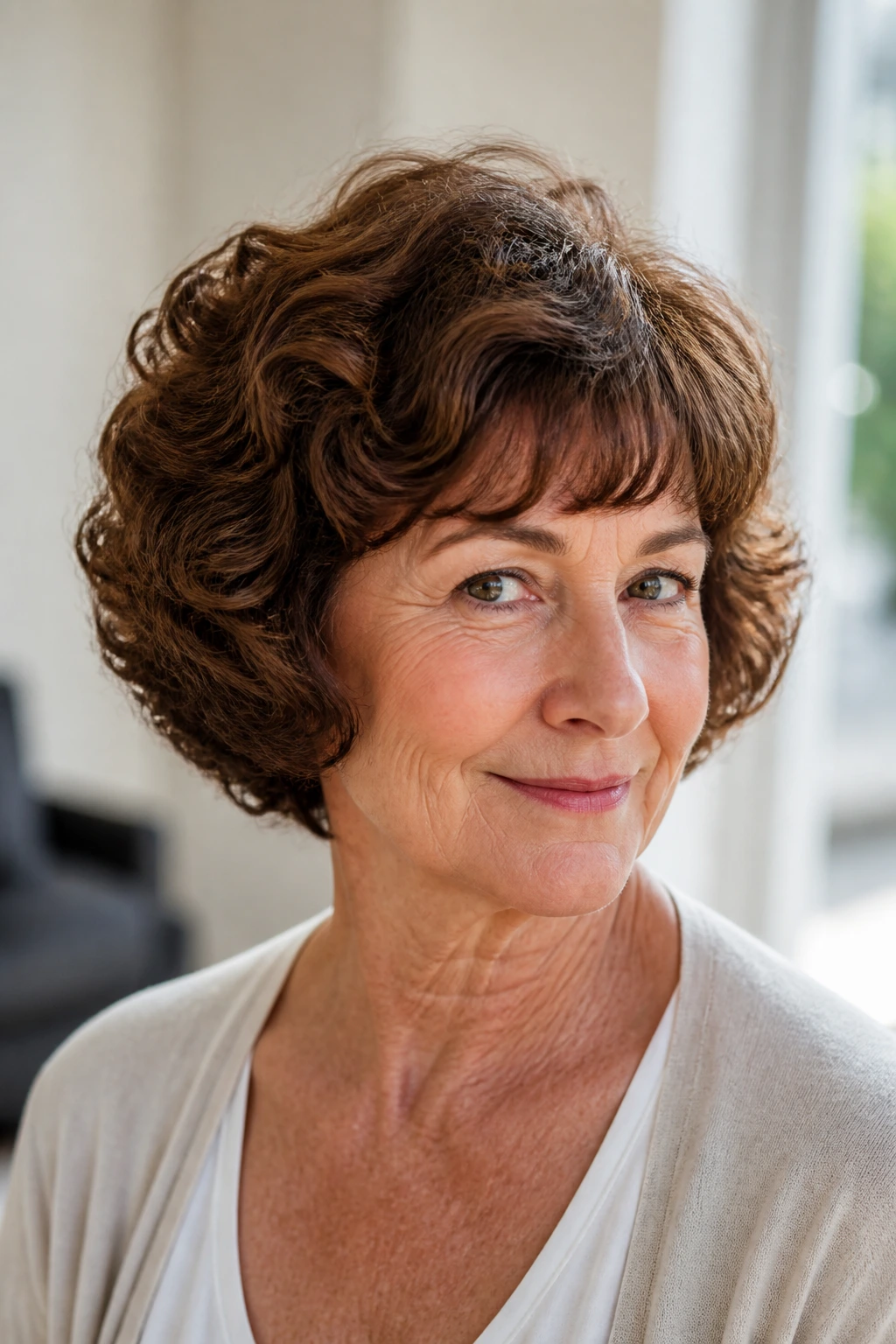
Can a pageboy feel fresh instead of dated? Absolutely — if the curl is soft and the ends curve under with a little lift at the crown.
The classic pageboy shape keeps the outline rounded and smooth, which pairs well with a perm that has medium-sized movement rather than tiny coils. On short hair, the curved ends give the style a neat frame, while the top layers stop it from looking too solid. It is a very good shape for people who want polish without slickness.
How to Ask for It
Tell your stylist you want the perimeter to stay rounded and the top to keep enough length for body. The cut should follow the head shape closely, then open a little around the face. If the layers are too choppy, the pageboy loses its line and starts reading like a different haircut entirely.
- Great for: straight to mildly wavy hair that needs form.
- Curl direction: under and around, not outward and messy.
- Best finish: smooth cream or light lotion, then a gentle diffusing pass.
- Why it helps: the shape keeps the style tidy as it grows.
A pageboy perm works because it respects the outline. That’s the whole game.
16. Short Perm With an Undercut
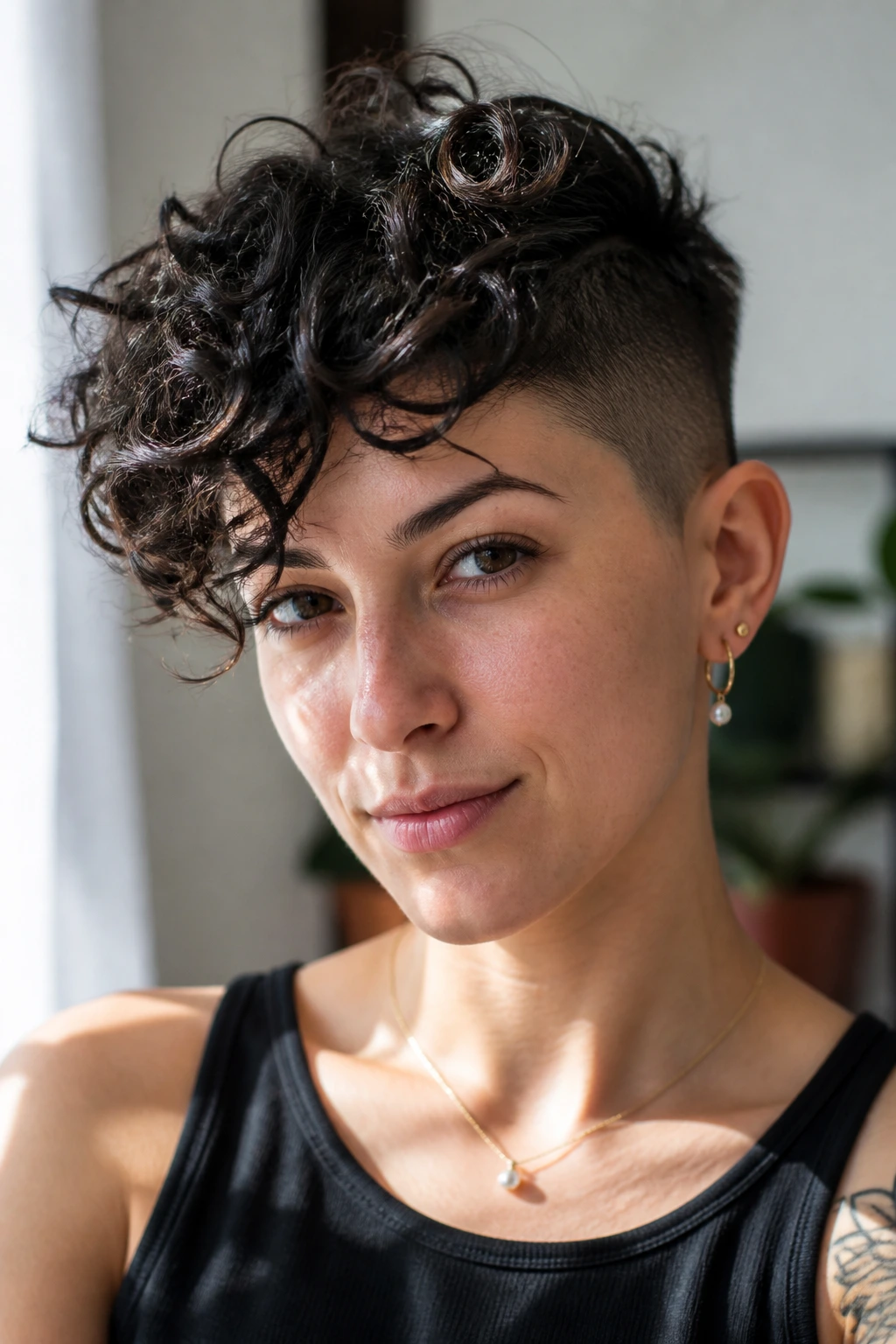
If your hair gets bulky at the sides, an undercut can save the whole look. It removes weight where you do not need it and lets the curls on top breathe.
The undercut version is especially useful for dense hair that turns puffy in warm weather or after a long day. By taking out the lower layers, you keep the silhouette slim around the head and let the perm live where it matters most: through the crown, fringe, and upper sides.
That does make the cut a little bolder. You will have more contrast between the top and the shaved or closely clipped area, so it is a style that benefits from confidence and a stylist who knows how to blend. Keep the top long enough for the curls to have shape, or the whole thing can read too severe.
- Best for: thick hair with too much side bulk.
- Ask for: a soft undercut, not a hard disconnect unless you want it.
- Maintenance: neck and side cleanup every few weeks.
- Style effect: more lift, less puff.
If you want bounce but hate the triangle silhouette, this is one of the most practical fixes.
17. Halo Perm
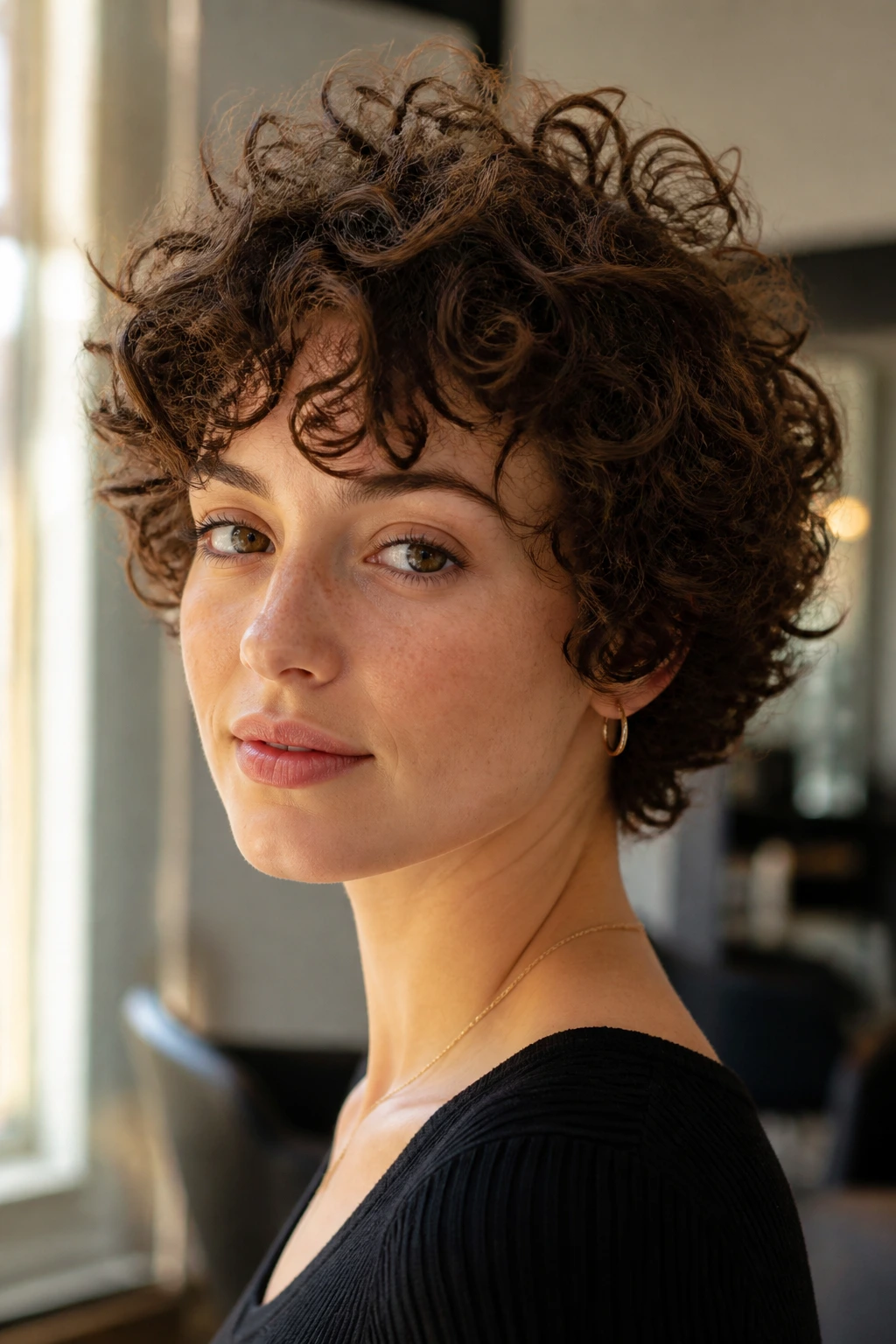
A halo perm gives you the full, rounded cloud effect — curls surrounding the head with a soft, airy outline that feels balanced from every angle.
This shape works because the volume is distributed instead of dumped in one place. The curls sit around the crown, the sides, and the back in a way that makes the whole head look fuller. On short hair, that can be lovely if you want a soft profile rather than a hard edge. It also suits people who like hair that looks alive even when they are wearing a plain shirt and no makeup. The texture does the talking.
Moisture matters a lot here. A halo shape can frizz if the ends dry rough, so the finish needs enough slip to let the curls separate without puffing out. A light leave-in and a diffuser on low heat are often enough. You do not want to press the hair flat. You want it cushioned.
I like this style on people who have natural wave and want the perm to amplify what is already there rather than replace it.
18. Soft Rounded Short Perm

Unlike the tighter styles above, this one is all about easy wear. The shape is round, the curls are loose enough to finger-comb, and the finish feels relaxed without looking unfinished.
A soft rounded short perm is the style I would point to for someone who wants the perm to disappear into daily life. No hard corners. No severe fringe. No drama around the neck. Just a neat, bouncy shape that grows out without announcing itself every two weeks. It tends to work especially well on chin-length cuts with softly tapered ends, because the perimeter can keep a clean line while the interior stays airy.
Ask for medium rods, not tiny ones, and leave enough length through the top layers for the curl to open. If the hair is cut too bluntly, the round shape can feel too dense. If it is too heavily layered, the curl loses its body. The sweet spot sits in the middle.
This is the one for people who want bounce they can live with, not bounce that runs the whole show.