



A natural-looking light hair color usually fails for one reason: the tone is wrong, not the shade. A pale blonde can look soft and believable, while the same lift with the wrong toner can read yellow, gray, or flat in the first flash of daylight.
That’s why the best light hair color ideas for a natural look almost never look “blonde” in the obvious sense. They borrow pieces from your base color, keep some depth at the roots, and use highlights that move instead of sitting there like stripes. The result is lighter hair that still feels like hair, not a costume.
Colorists think about this in layers. There’s the level of lightness, the warmth or coolness of the tone, and the amount of contrast left behind after the bleach or lightener does its job. Miss one of those pieces, and the color can feel loud. Get them all working together, and even a pretty simple formula starts looking expensive.
A lot of people ask for “blonde,” then panic when the hair comes out too bright. That’s usually a tone problem, not a lightness problem. The shades below stay soft, wearable, and believable without turning flat or brassy.
1. Honey Blonde Highlights for a Natural Look
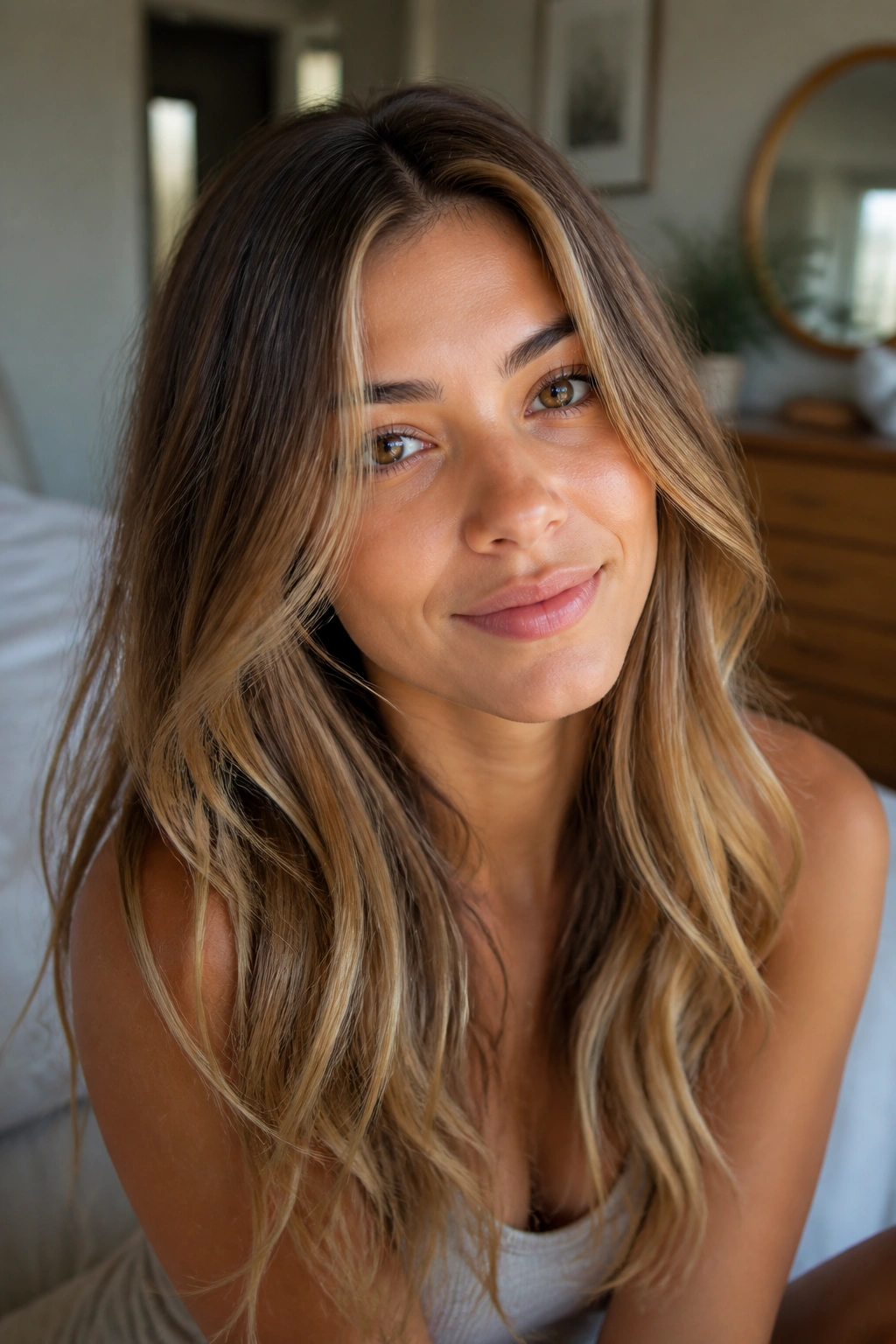
Honey blonde is one of those shades that looks easy only when it’s done well. The color sits in that sweet spot between gold and beige, which keeps it warm without sliding into neon territory.
Why it feels soft
What makes honey blonde read so naturally is the way it copies sun-lightened hair. The brighter pieces sit around the face and on the ends, while the base stays a little deeper, so your eye sees movement instead of one solid block of color. That little bit of depth matters a lot.
On medium brown or dark blonde hair, honey blonde highlights can brighten the whole head without making you look like you changed your identity overnight. They also wear nicely if your skin has peach, olive, or golden undertones. Too cool, and the color can lose its charm. Too yellow, and it starts looking processed.
Quick things to ask for
- Fine, painted ribbons instead of chunky foil stripes.
- A beige-gold toner rather than a bright yellow blonde.
- Slightly deeper roots so the grow-out stays soft.
- Brighter pieces around the face if you want more lift without a full-head change.
Pro tip: ask your colorist to keep the honey pieces a shade deeper than you think you want. The softest honey blondes are usually a little darker than salon photos make them look.
2. Beige Blonde Balayage for a Natural Look
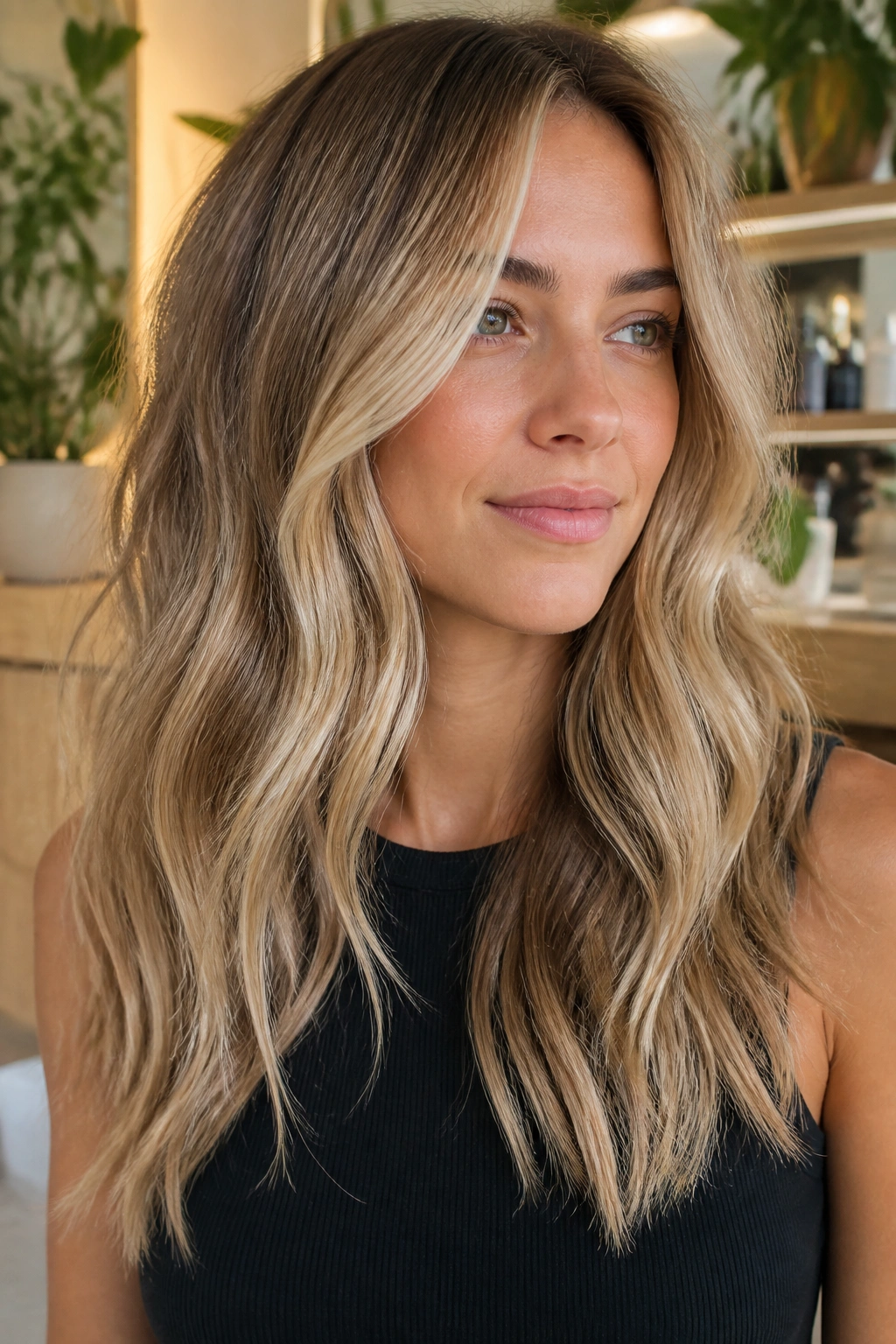
Beige blonde is the shade I reach for when someone wants light hair but can’t stand obvious gold. It’s quieter than honey, cooler than champagne, and much easier to live with than a bright platinum finish.
The reason it works is simple: beige blonde has balance. There’s enough warmth to keep the hair from looking dusty, and enough coolness to stop it from turning orange. That middle lane is exactly why it reads as believable on so many different faces. It does not shout.
A beige blonde balayage looks best when the highlights are painted in soft, uneven placements. You want a few brighter face-framing strands, a lighter top layer, and some pieces left deeper underneath. If every section is the same brightness, the color starts looking chalky. The whole point is to leave room for shadow.
I also like beige blonde on cuts with movement—long layers, a shaggy lob, even soft curls. The color bends with the shape of the haircut. Straight, blunt hair can wear it too, but the finish needs a little more contrast at the root so it does not fall flat in daylight.
3. Bronde Color That Still Reads Natural
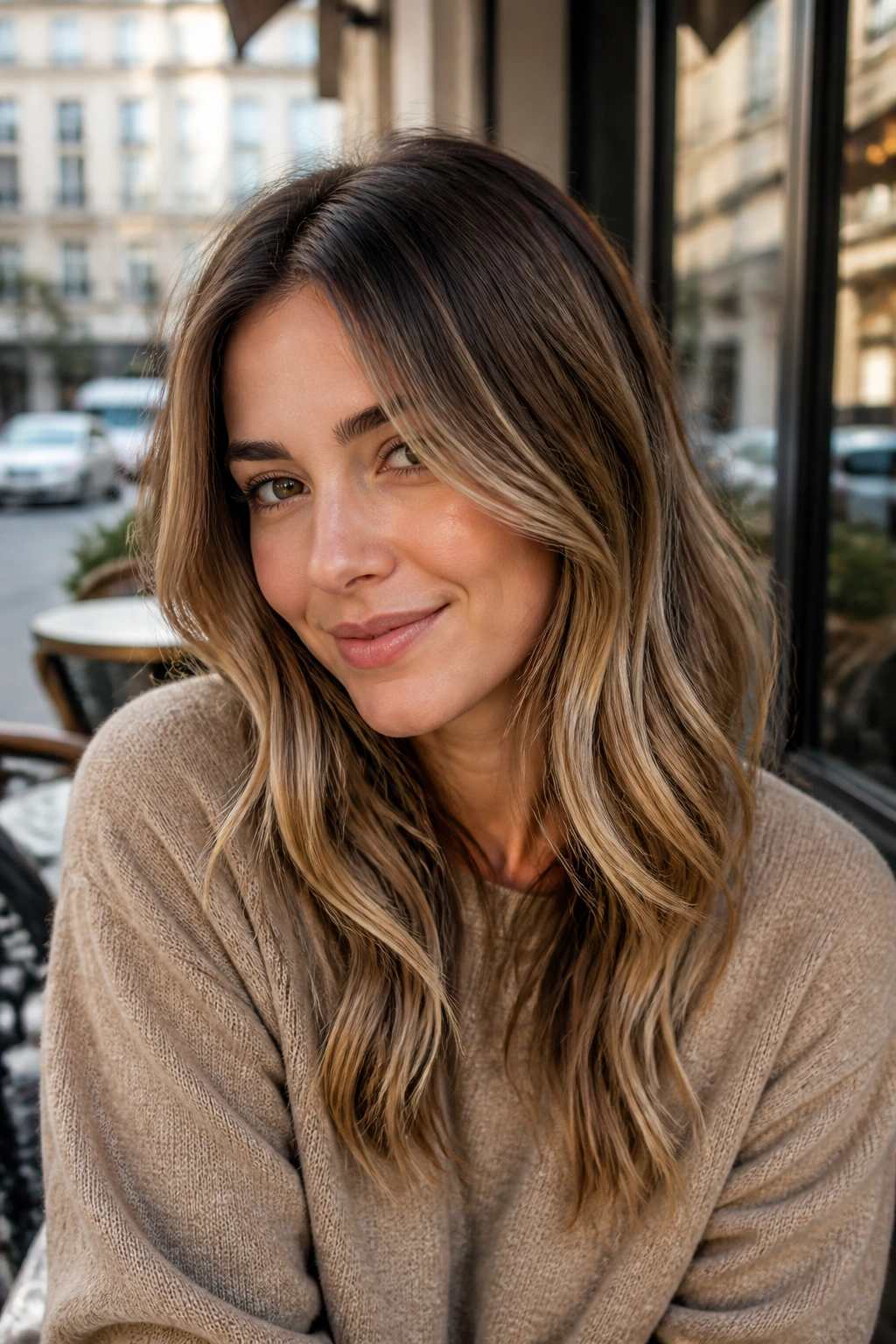
Why does bronde keep showing up on women who want lighter hair without giving up depth? Because it solves a problem most blonde shades ignore: your base color still matters.
Bronde is the blend between brunette and blonde, and the best versions keep both sides visible. The brown pieces stop the color from looking bleached-out. The lighter ribbons keep it from feeling heavy. That’s the whole game.
How to wear it
Ask for a soft shadow root with caramel-beige ribbons through the mid-lengths and ends. The pieces near your face can be a little brighter, but the crown should stay grounded. If you want a believable result, the highlight placement has to look accidental in the best way.
Bronde is especially strong on naturally dark blondes, light brunettes, and anyone growing out old highlights. It can stretch a salon visit much farther than a high-maintenance blonde, and that matters if you do not want to be back in the chair every few weeks. The grow-out is the point.
It also suits people who want a subtle change that still gets noticed. Not dramatic. Just better.
4. Mushroom Blonde for a Muted, Cool Finish
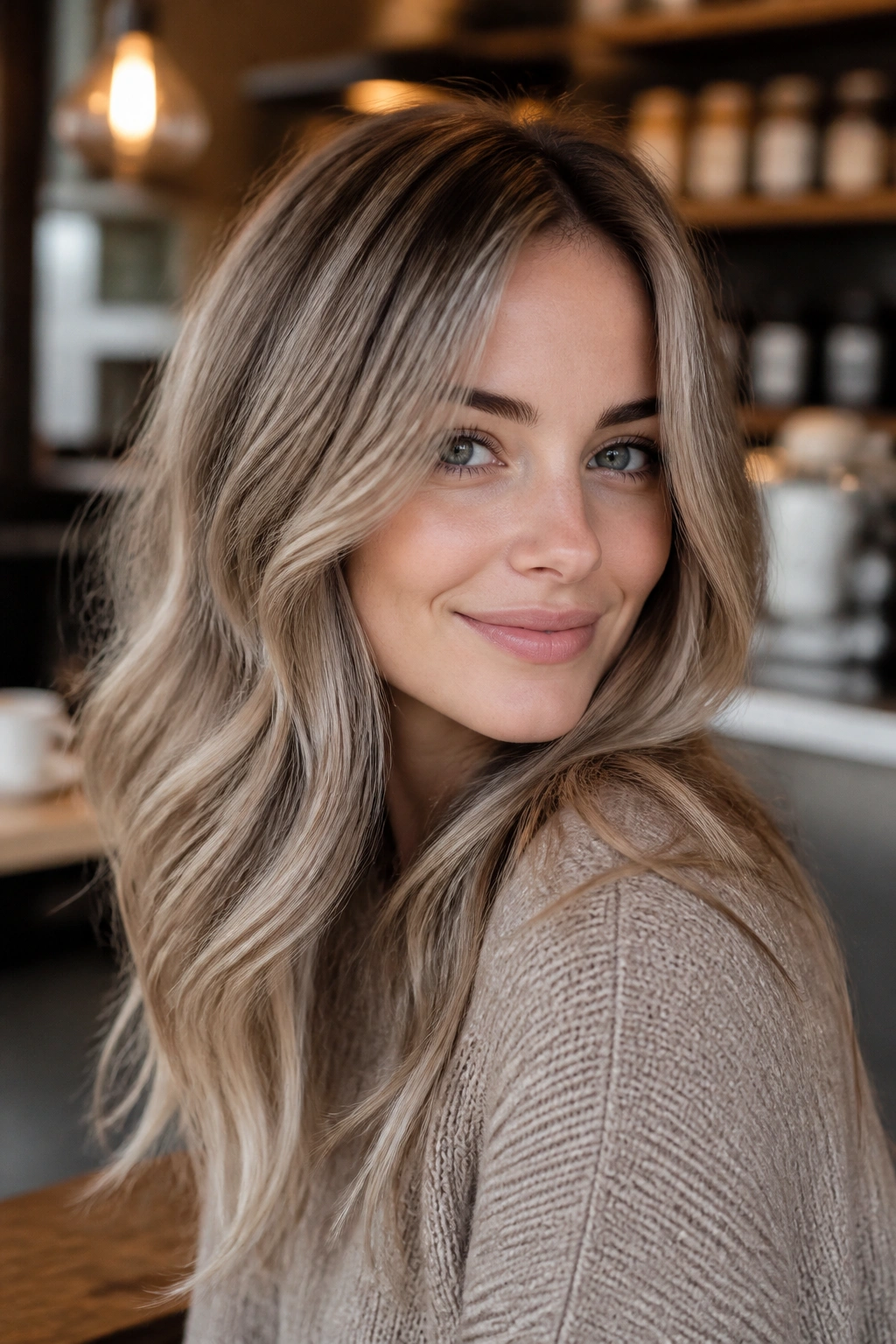
If your skin leans olive or neutral and bright gold makes you look a bit flushed, mushroom blonde can be the quiet fix. It lives in that taupe-beige zone that feels soft, smoky, and far more wearable than it sounds.
The key is restraint. Mushroom blonde is not gray hair pretending to be blonde. It’s a cool, earthy blend with just enough beige in it to keep the shade from going muddy. That balance is tricky, which is why this color can go wrong fast if the ash is pushed too far. Then you get khaki. Nobody wants khaki.
What to ask your colorist for
- A cool beige toner with a small amount of ash.
- Low-contrast highlights instead of high-contrast streaks.
- A soft root melt to keep the top from looking too light.
- No yellow-gold gloss unless your hair needs warmth to stay flattering.
Mushroom blonde works beautifully on wavy hair, because the movement breaks up the cooler pieces and keeps the color from feeling one-note. On fine hair, it can make strands look denser, since muted tones tend to blur the scalp a little instead of exposing every strand.
5. Caramel Balayage on Brown Hair
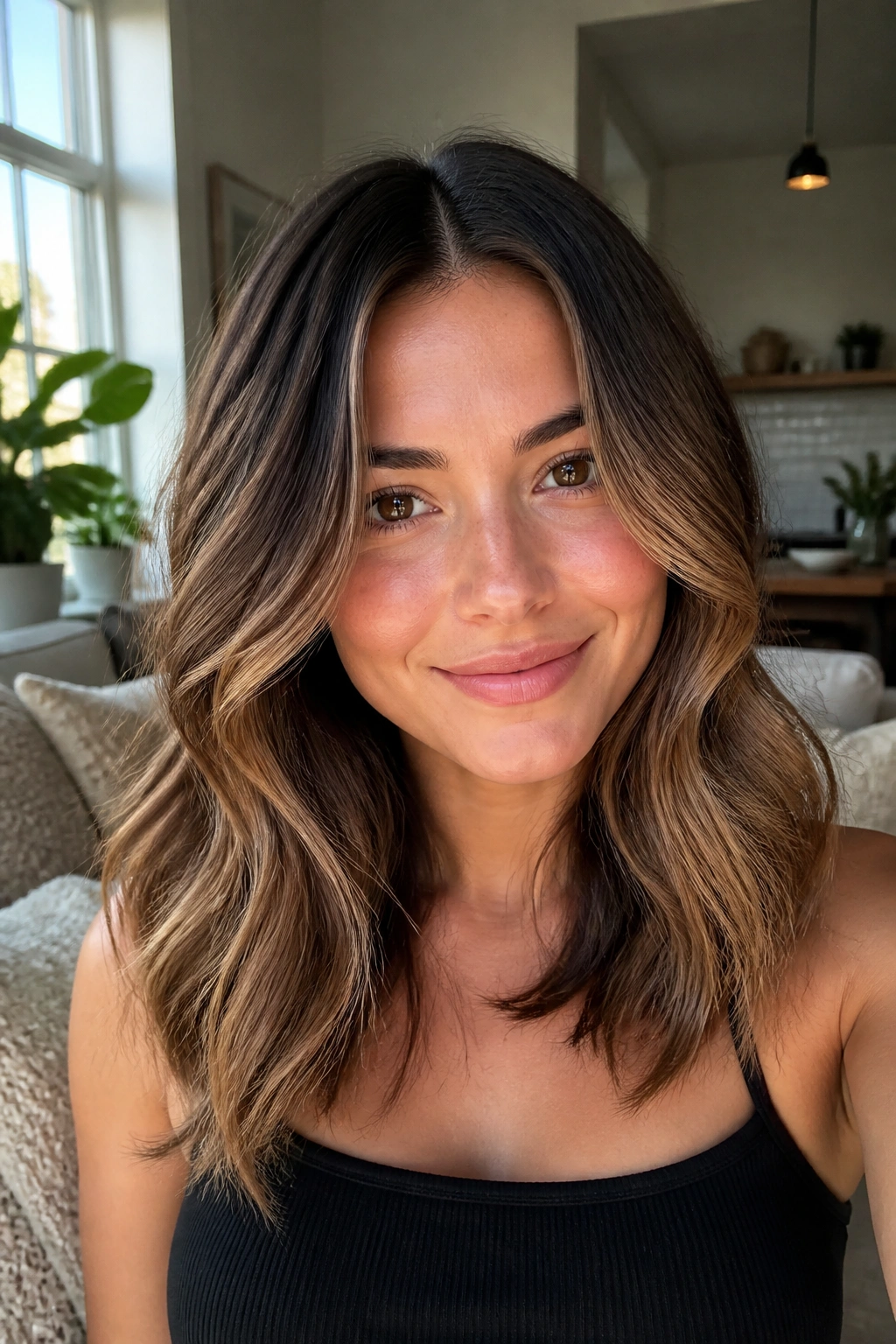
Caramel balayage is the shade I’d hand to someone who wants warmth without the upkeep of full blonde. It gives brown hair a little glow, but it leaves enough of the original color in place that the whole thing still feels grounded.
I prefer caramel balayage when the highlights are painted through the mid-lengths and ends, then softened near the root with a shadow or gloss. That blend is what keeps the result believable. If the caramel pieces start right at the scalp and stay the same width all the way down, the color loses its softness. It begins to look placed.
The nice thing about caramel is that it works on straight, wavy, and curly hair, but it behaves differently on each texture. On curls, the warm pieces pop in a way that feels natural, almost like the hair caught light in motion. On straight hair, you need a little more contrast in the placement so the color doesn’t disappear into the base.
I also like caramel because it’s forgiving. It fades softly. It plays well with root regrowth. And when you need a gloss refresh, a warm beige or gold glaze can bring it back without a full color service. That is a relief, honestly.
6. Sandy Blonde for a Beachy, Low-Drama Look
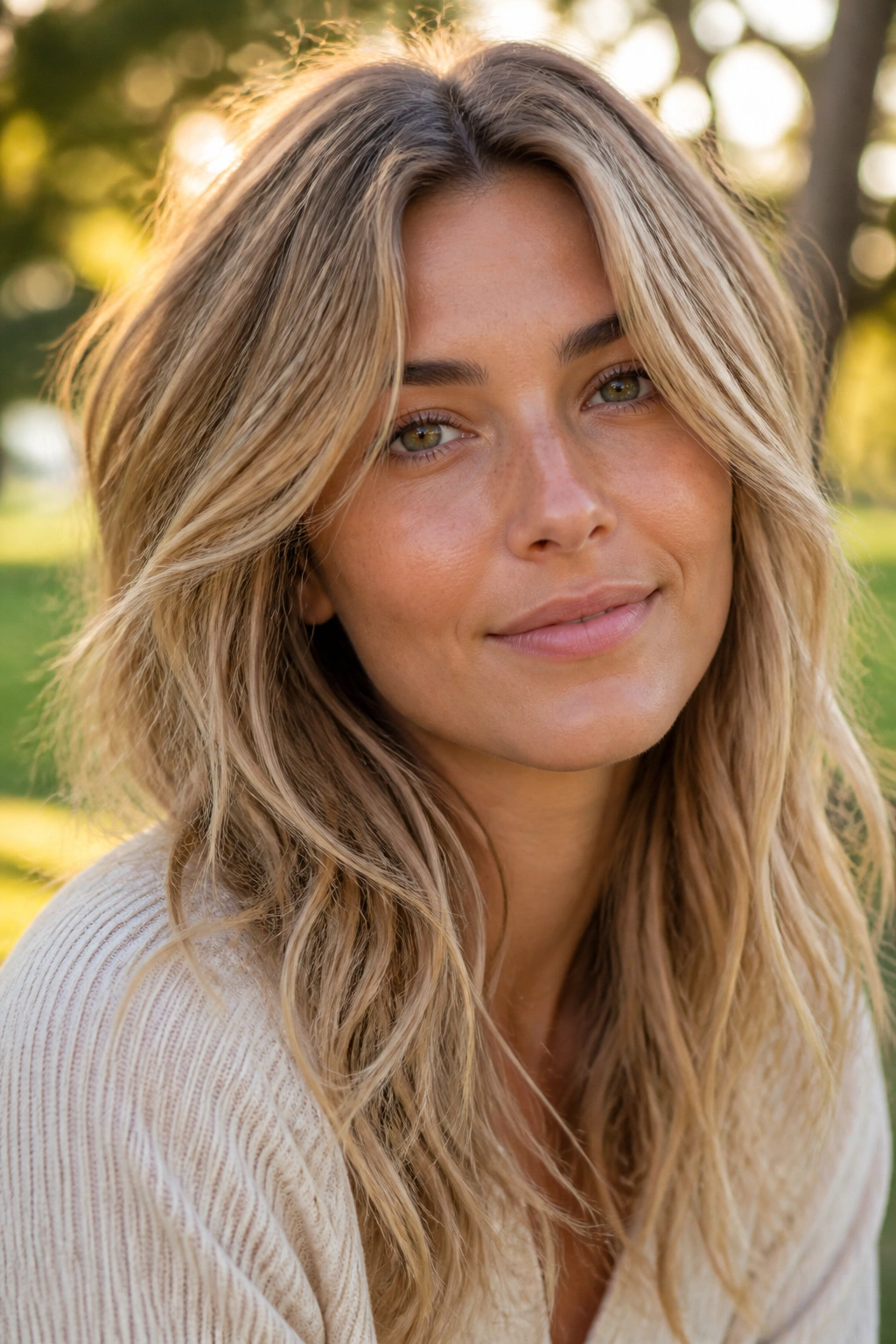
Sandy blonde sits between beige and ash, which is why it behaves better than either extreme. It has enough warmth to feel alive, and enough coolness to avoid the orange cast that ruins so many home-lightened blondes.
Why it beats a stark ash or yellow blonde
Ash blonde can look beautiful, but it often needs a very specific skin tone and a careful hand from the colorist. Sandy blonde is easier. It softens redness, keeps the hair from looking icy, and still gives that airy blonde impression people want when they say they want to go lighter.
I like sandy blonde on fair to medium skin, especially if the undertones are muted rather than strongly golden. It’s also a good fit for blue or green eyes, because the softness of the shade lets the eye color stay visible instead of competing with it. Not every blonde needs to be loud. This one knows when to stay quiet.
If you want to ask for sandy blonde, say you want a soft beige-blonde with a slightly matte finish and no strong gold. That wording helps a lot. It tells your colorist you want lightness without sparkle overload.
7. Vanilla Blonde With Creamy Softness
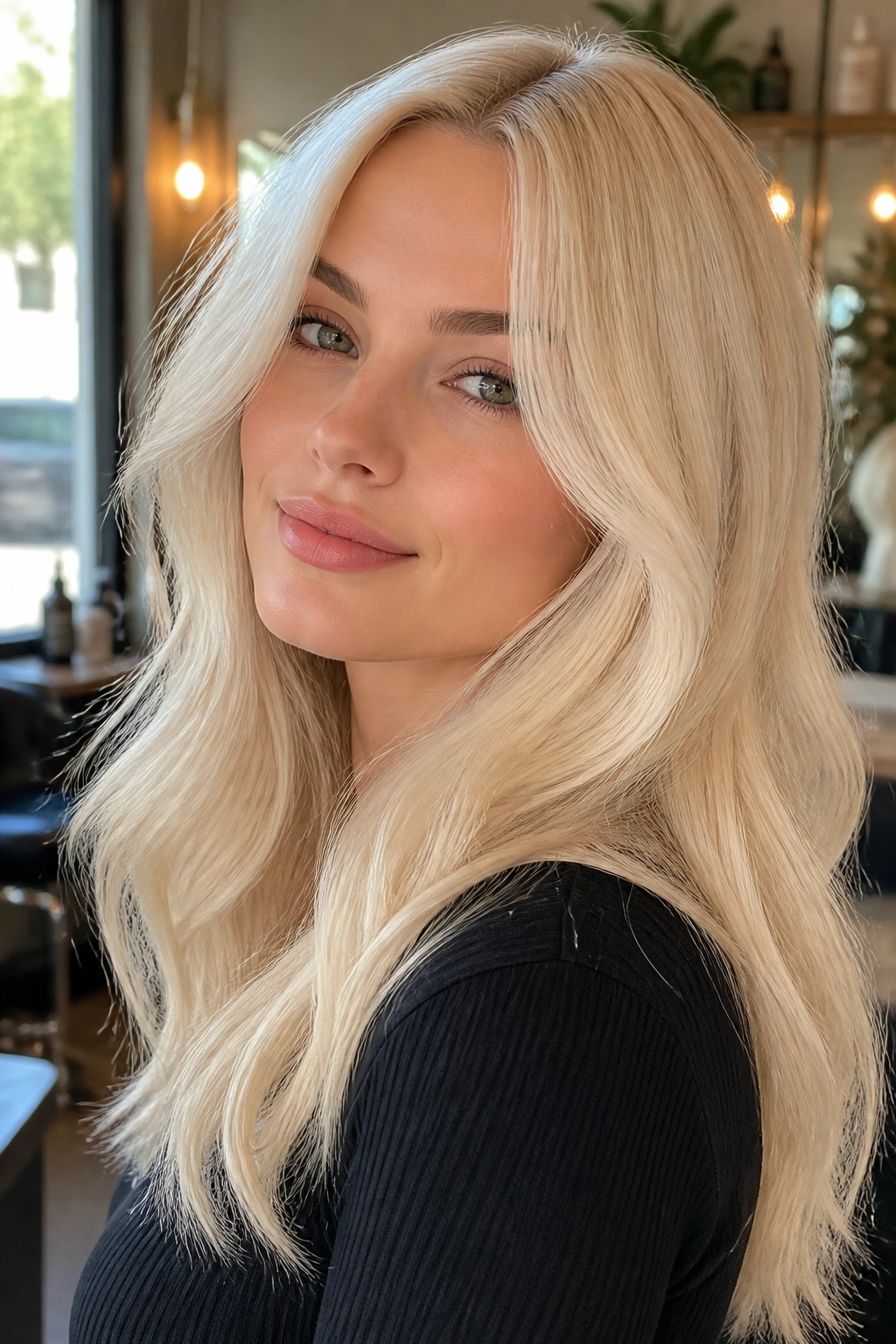
Vanilla blonde is pale, creamy, and a little warmer than platinum, which keeps it from looking chalky. It has a smooth, almost milky feel that works especially well on haircuts with clean lines.
What the salon formula should include
- Fine, high-lift highlights woven through the top and face frame.
- A beige or pearl toner to keep the blonde soft.
- A root smudge so the grow-out doesn’t scream for attention.
- A few deeper pieces underneath if you want more depth and less flatness.
This shade is a smart choice if you want light hair but do not want the sharp contrast of icy blonde. Vanilla blonde sits closer to a light neutral blonde than a white blonde, and that makes it much easier to wear with everyday makeup. You don’t need to redesign your face around it.
It does need maintenance, though. Pale creamy blondes can pick up yellow fast, especially on porous hair. A blue-violet shampoo once a week can help, but too much of it can dry the hair out and make the tone look dull. Better to use it sparingly and keep the rest of the routine hydrating.
The prettiest vanilla blonde looks clean, not brittle. There’s a difference.
8. Soft Ash Blonde for Cool Undertones
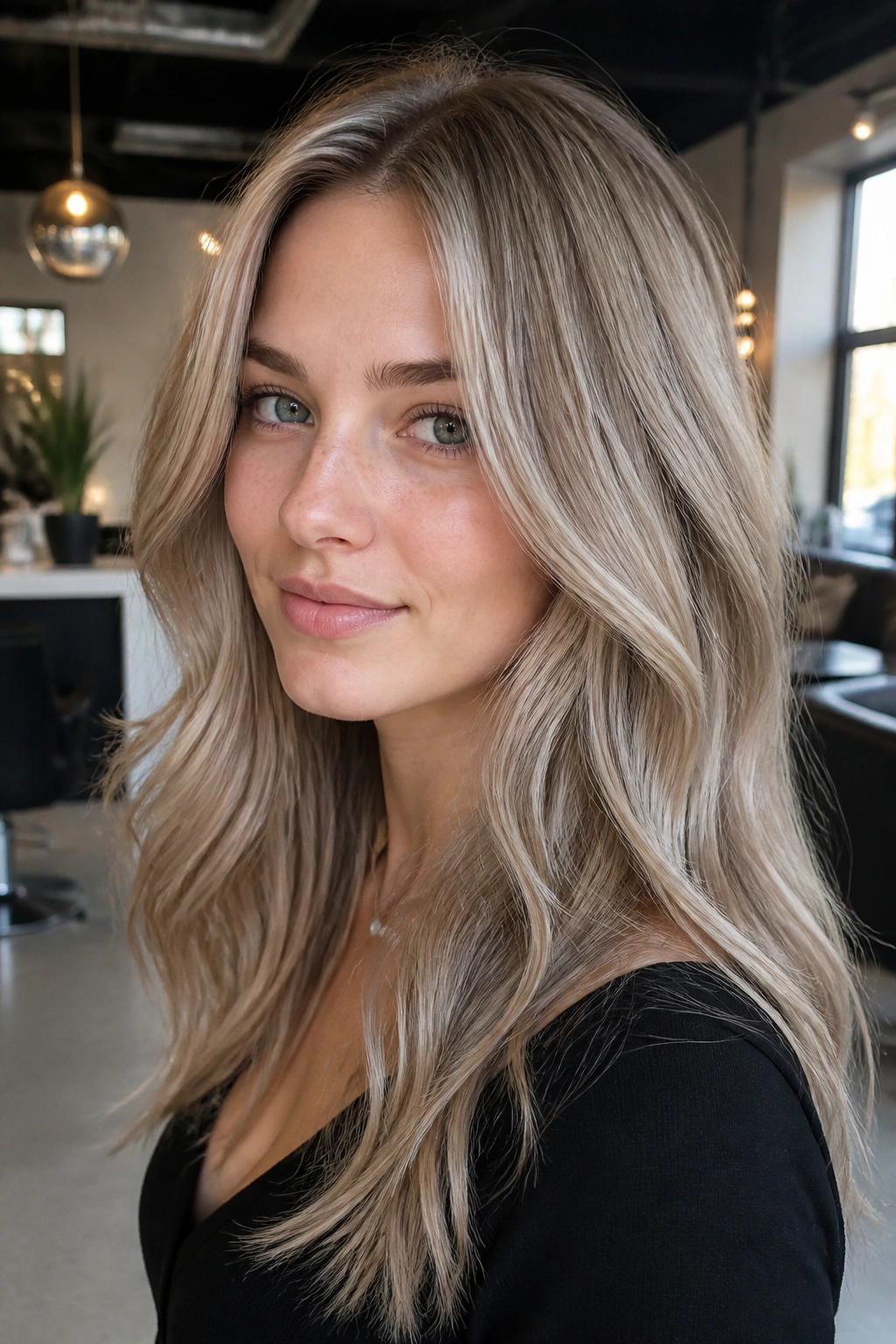
Soft ash blonde is the most misunderstood light shade on the menu. People either love it or they ask the colorist to “make it lighter” because they think the ash is what made it dark. Usually, it’s the opposite. The ash is what keeps the blonde from turning brassy.
That said, ash blonde needs a light touch. Too much ash and the hair starts looking smoky, gray, or oddly flat in daylight. The fix is not more ash. The fix is a better balance—tiny lowlights, a clear gloss, and enough beige to keep the shade from feeling dead.
More ash is not the answer.
I like this color on cool undertones, pale skin, and anyone whose natural hair already leans mousy or neutral. It can be beautiful on long layers because the movement keeps the cool tone from settling into one solid sheet. On very porous hair, though, ash toner can grab too hard and make the ends look hollow. That’s the place where a good colorist earns the fee.
If your goal is a believable light blonde that does not drift yellow after a few washes, soft ash blonde is a strong choice. If you want warmth and glow, skip it.
9. Strawberry Blonde With a Gentle Copper Wash
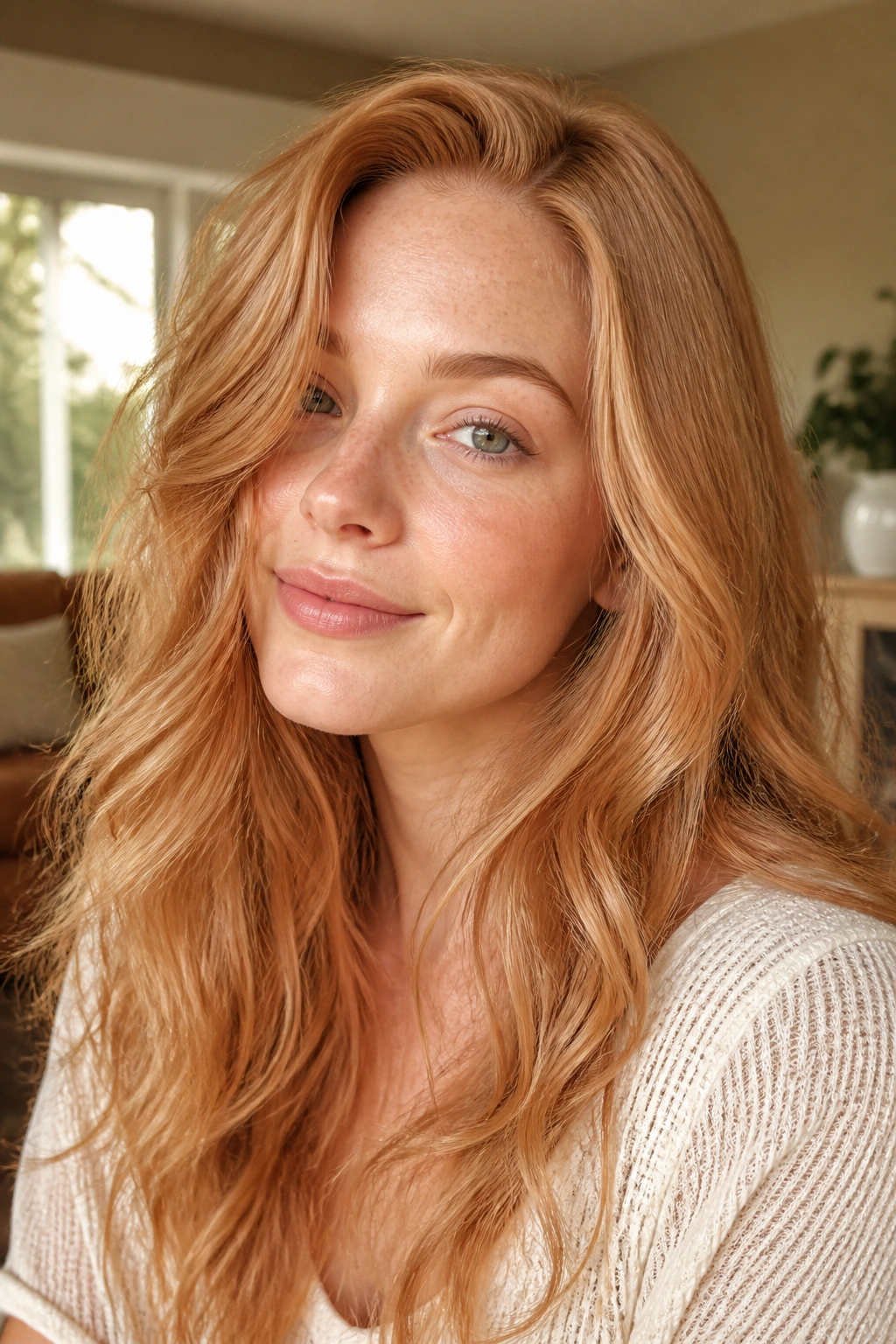
Can strawberry blonde still look natural? Absolutely—when the copper stays sheer and the gold stays soft.
The prettiest strawberry blonde shades do not look red first and blonde second. They look like light hair that picked up a warm blush. That’s a huge difference. The color should still read airy, not dense, and it should never veer into orange unless you want a much louder result.
How to keep it wearable
On a natural light brown or dark blonde base, a strawberry gloss can warm up the hair without needing a huge amount of lift. That’s useful if you want something lighter but you don’t want to spend forever pushing your hair toward platinum. On fair skin with freckles or peach undertones, it can look especially soft.
The trick is keeping the copper thin. A heavy copper tone starts to dominate fast. A sheer glaze, on the other hand, gives you that fresh, healthy warmth that feels closer to a natural redhead than a dyed blonde. It’s a nice line to walk.
If you need a simple way to describe it at the salon, ask for a light blonde with a soft strawberry finish and avoid anything bright or copper-heavy. The best version whispers.
10. Face-Framing Baby Highlights
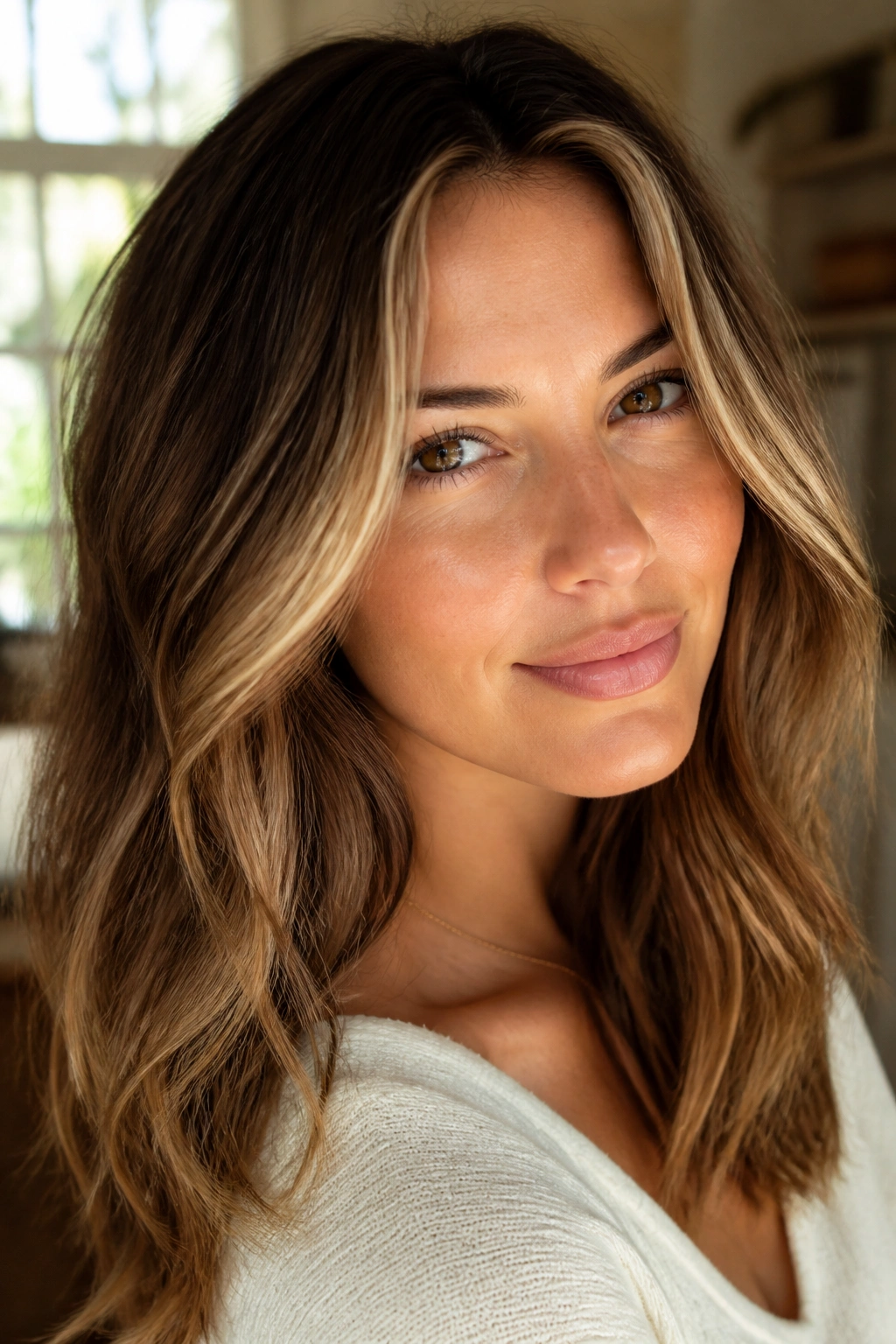
Sometimes the smartest move is not coloring the whole head. Face-framing baby highlights can brighten your look in a way that feels almost invisible until the light hits the right pieces.
This works because the brightest strands sit where people actually look first—around the forehead, temples, cheekbones, and part line. You get lift near the face, but the rest of the hair keeps its depth. That contrast makes the highlights look intentional without looking obvious.
A good face-frame should be fine enough that the individual pieces blend into each other. No chunky money piece unless you want a stronger effect. I like these tiny highlights on anyone testing the water before a bigger color change, and they’re especially smart if your hair grows quickly or you hate a sharp root line.
- Best for low-maintenance brightness.
- Easy to pair with a gloss or toner.
- Works on curly, wavy, and straight textures.
- Looks strongest with a side part or soft layers.
The nice part is how adaptable they are. You can keep them beige, warm, or slightly cool depending on the rest of your hair. Small service, big payoff.
11. Champagne Blonde With a Soft Glow
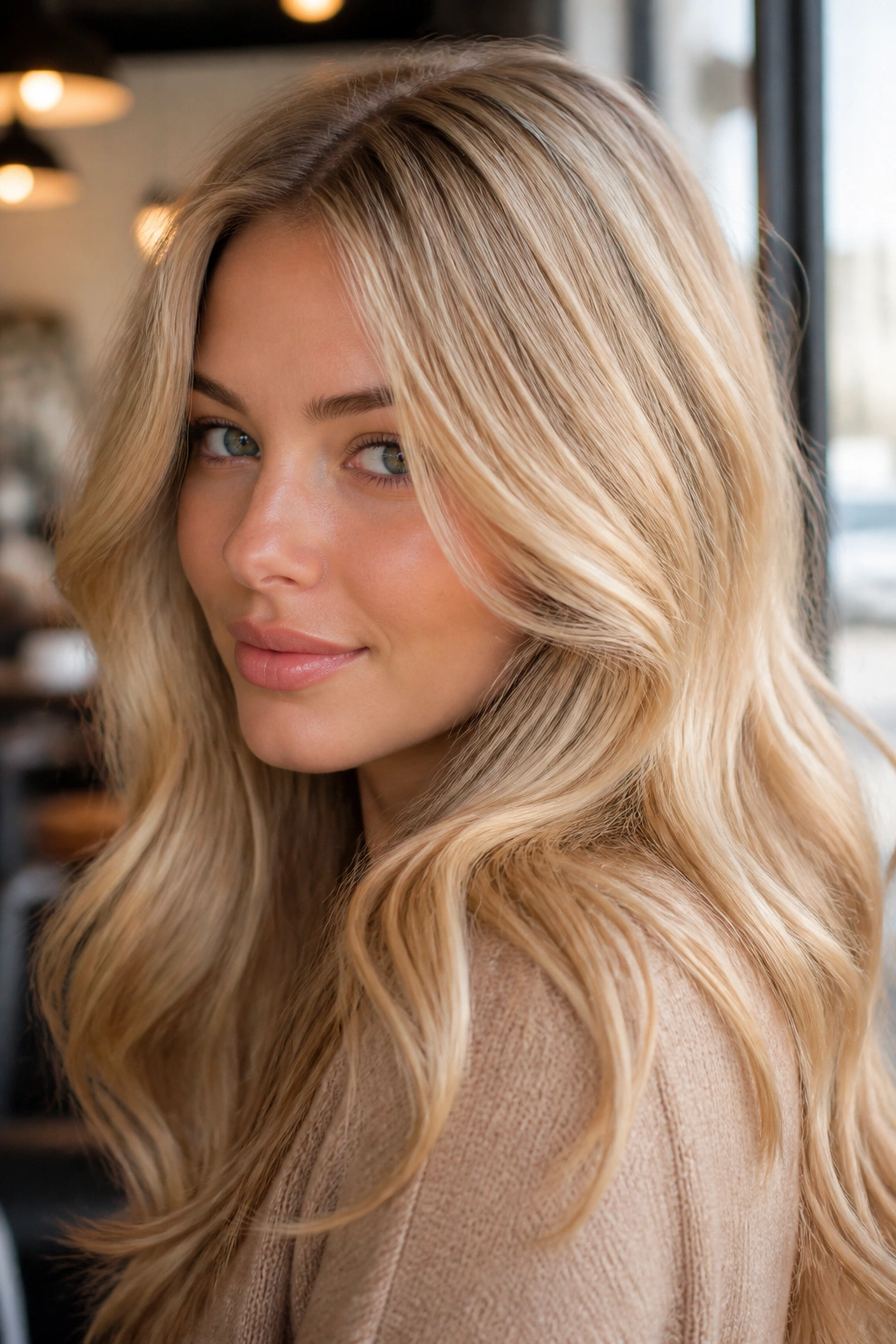
Champagne blonde sits between creamy beige and pale gold, which is why it feels lighter than a brunette blend but softer than a white blonde. It has a faint sparkle to it—more glow than shine, if that makes sense.
I like this shade on hair that already reflects light well. Medium to thick strands usually carry it better than very porous hair, because the tone needs a smooth surface to look even. Too much porosity and the champagne can break apart, leaving you with dull ends and bright roots. That is not the dream.
Champagne blonde works especially well with bobs, long layers, and face-framing cuts because the light catches the movement. The color doesn’t need to do all the work. A good haircut helps a lot here. It also flatters skin that sits in the neutral or softly warm range, since the beige-gold blend keeps the complexion from looking washed out.
I’d describe this shade as polished but still relaxed. Not icy. Not yellow. Somewhere between the two, and much easier to wear with daily makeup than people expect.
12. Oat Milk Blonde for a Creamy, Neutral Finish
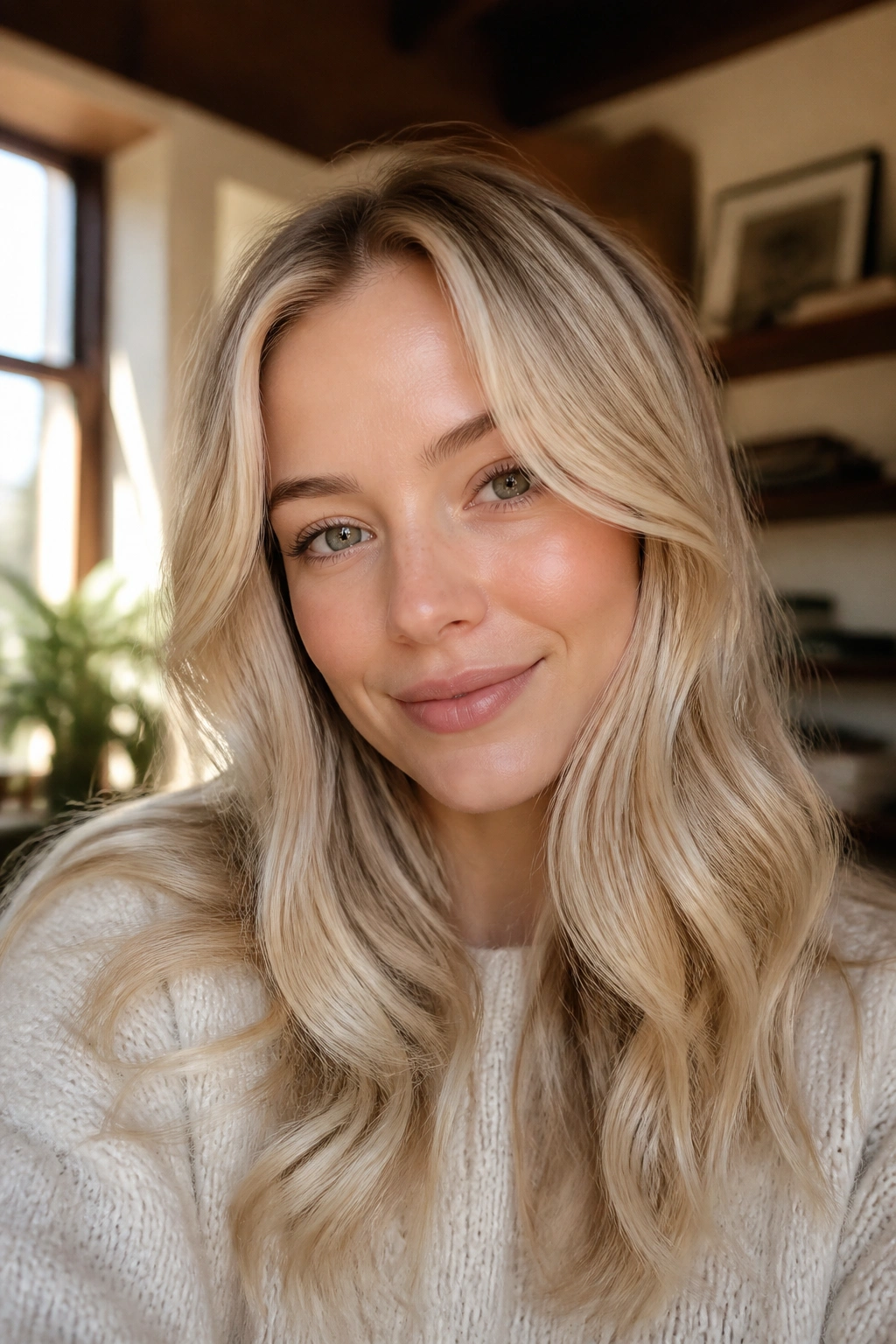
Oat milk blonde is the color version of a soft sweater. It’s muted, creamy, and calm, which is exactly why it works for people who want light hair without a loud blonding job.
The shade itself lives in a neutral zone, with enough beige to keep it soft and enough lift to make the hair look lighter overall. It’s a good option if your natural color is already light brown or dark blonde and you want to stay close to the family of your base color. The grow-out looks smoother that way, which saves you a headache later.
Who it suits best
It’s especially friendly to neutral and slightly warm undertones, though it can work on cooler skin too if the beige is kept clean. I would be careful with hair that is already very damaged or porous. Oat milk tones can go muddy if the lightener is pushed too far, and that turns the whole shade dull.
A soft root melt helps a lot. So does a gloss that keeps the finish creamy rather than smoky. If your hair has been through a few color services already, this is one of the easier light looks to maintain because it doesn’t depend on extreme brightness. It depends on balance.
13. Dusty Blonde With a Soft, Lived-In Edge
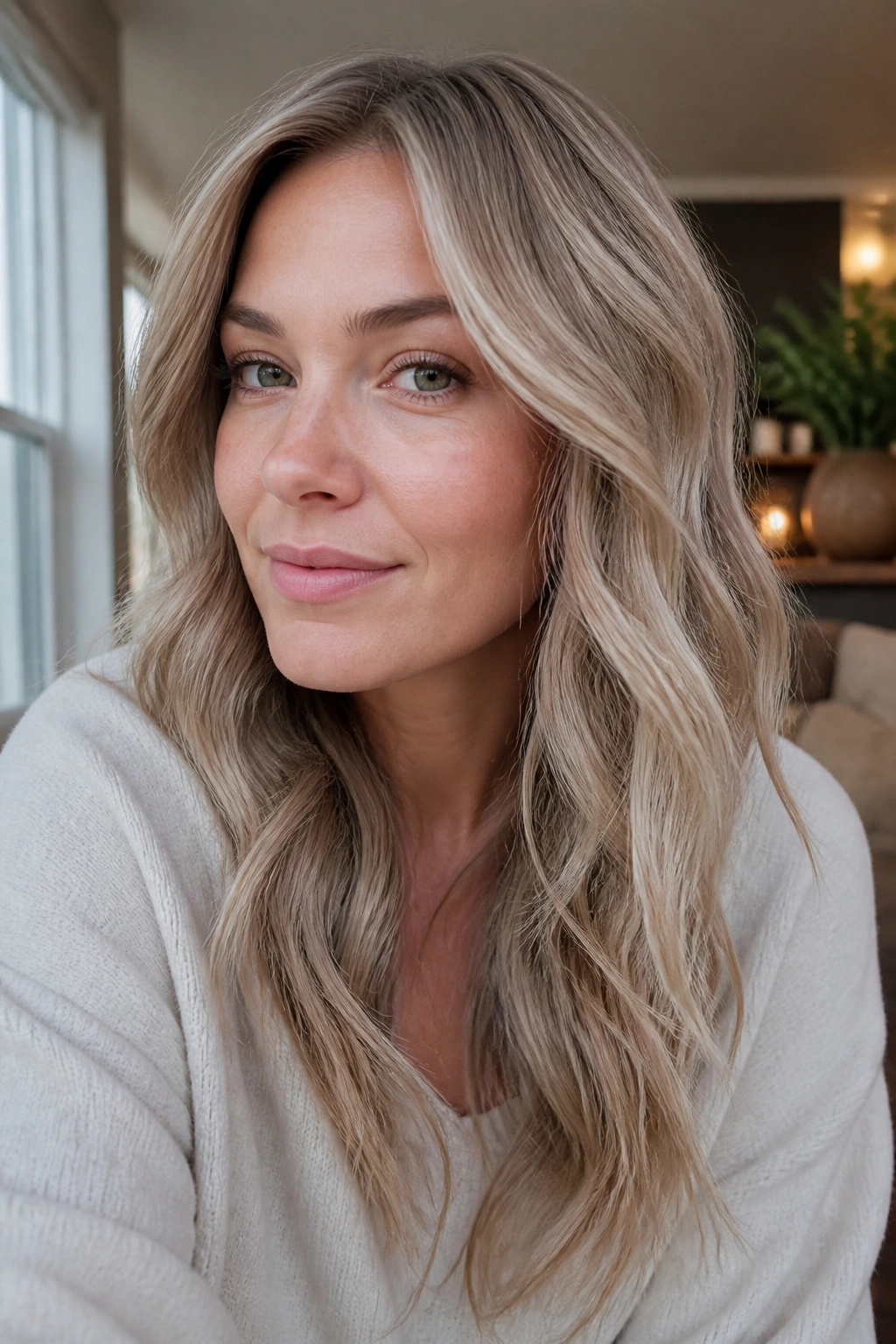
Why does dusty blonde work so well on people who hate “done” hair? Because it softens the brightness until the color feels like it belongs there.
Dusty blonde has a muted, slightly smoky cast, but unlike ash blonde, it doesn’t try to erase warmth completely. It sits closer to beige with a touch of gray-beige over it, which gives the shade a worn-in, lived-in feel. Very pretty. Very wearable.
What makes it different
- Less contrast than standard highlights
- A muted toner instead of a bright one
- A deeper root area for softness
- A finish that looks better a few washes in
This is a strong choice if your natural hair is medium blonde to light brown and you want to lighten it without losing all the depth. It also suits people who like a slightly muted wardrobe palette—linen, stone, oatmeal, charcoal—because the hair and clothes tend to sit nicely together.
Dusty blonde can look a little flat if the haircut is too blunt and the color is too uniform. A few brighter face-frame pieces help. So does texture. Give the hair movement, and the shade stops feeling sleepy.
14. Sun-Kissed Balayage That Looks Grown In
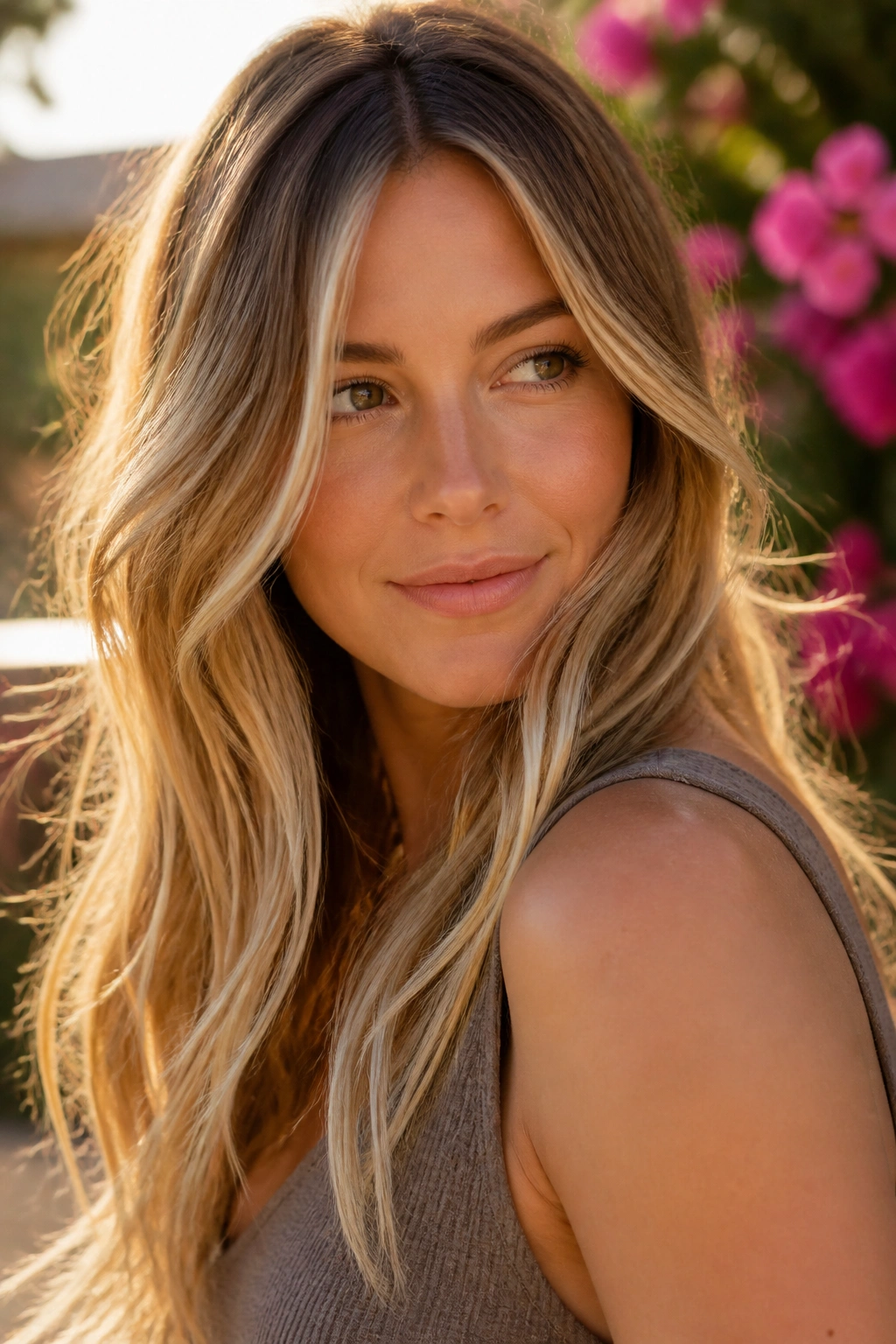
A good sun-kissed balayage does not look like a color service. It looks like you spent time outside and your hair kept the evidence.
That’s why the best versions keep the crown a little deeper and let the lighter pieces live through the top layer, around the face, and down the ends. A hand-painted balayage with a root melt and a few brighter ribbons near the cheekbones reads as sun exposure, not a salon stripe. And that matters.
I love this look on wavy hair because the bends in the hair catch the lighter pieces and break up the color in a way straight hair can’t always do on its own. That said, it works on straight hair too if the placement is thoughtful. You need enough variation in the lightness so the ends don’t all land at the same pale point. Same tone, same width, same everything—bad idea.
The upkeep is also kinder than many light looks. Since the root stays softer, you can go longer between full refreshes. A gloss every so often keeps the tone clean, and that’s usually enough to stop the blonde from drifting too warm or too dull.
15. Cream Soda Blonde With a Soft Warm Spark
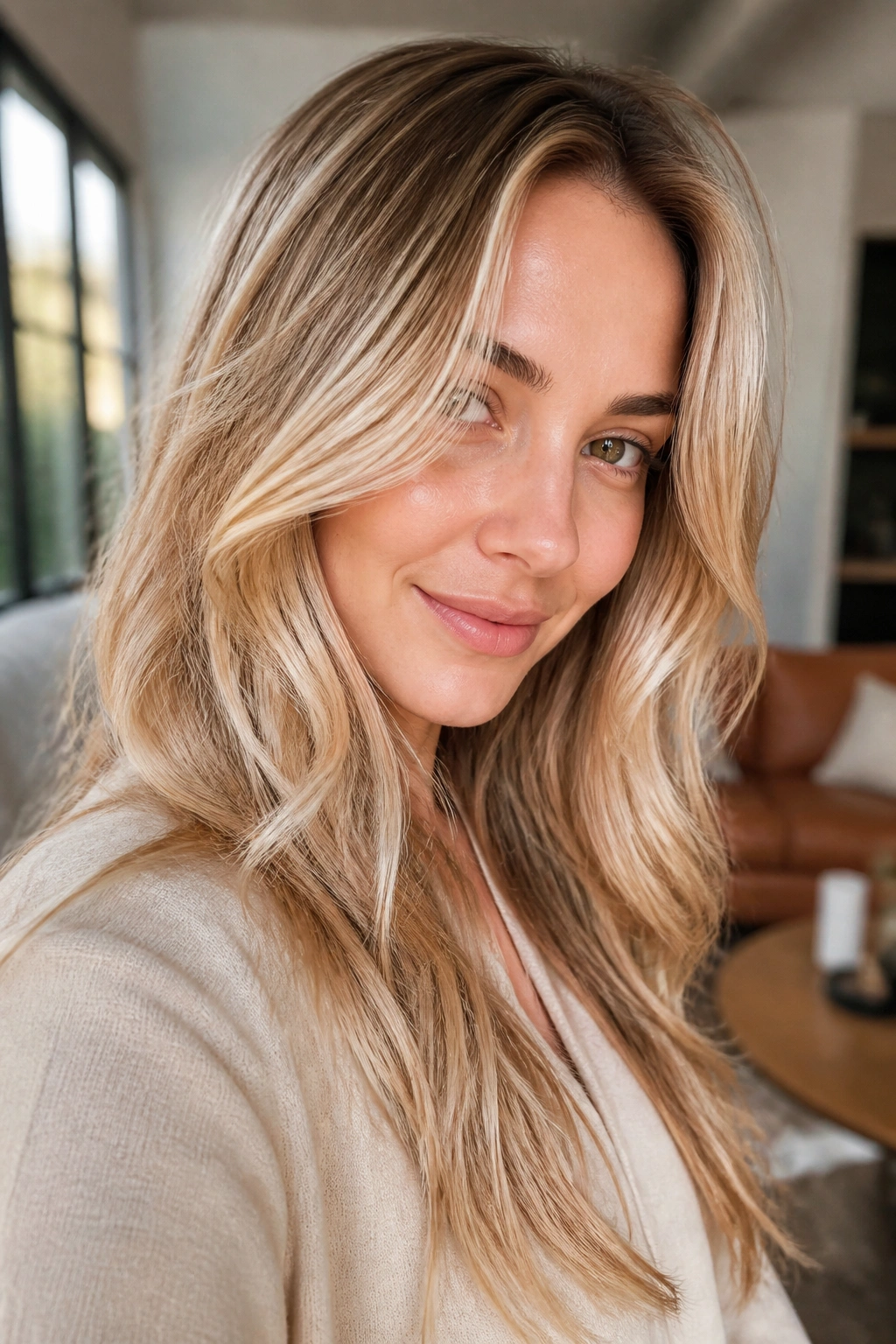
Cream soda blonde is a lovely middle ground for anyone who wants something lighter than brown but softer than a bright blonde. It has a creamy beige base with a little warm lift, which gives the color a gentle glow.
This shade feels natural because it keeps the contrast low. The roots are not stark. The ends are not bleached white. Everything blends into one another in a way that looks deliberate but not overworked. If you’ve ever seen blonde hair that looks pretty in the chair and harsh by the front door, cream soda is the fix I’d point you toward.
It’s especially good for light brunettes who want a blondish result without a huge jump. Ask for a soft lift one or two levels lighter than your base, then finish with a beige-gold glaze and a shadow root. That combination keeps the blonde soft and the grow-out manageable. The warm note keeps it from feeling flat; the beige keeps it from turning copper.
I also like cream soda blonde on medium-length cuts and layered haircuts, where the soft contrast can move around a bit. It’s friendly, flattering, and easier to wear than people expect.
Final Thoughts
The most believable light hair colors usually have one thing in common: they leave a little darkness behind. That’s not a flaw. It’s the reason the color feels real.
If you want a lighter look that still feels like you, start with your base color, your undertone, and how much upkeep you’ll actually tolerate. A soft beige gloss, a shadow root, or a few well-placed baby highlights can do more for a natural finish than a full head of brighter blonde ever will.
One last thing. Bring daylight photos to your colorist, not salon photos shot under bright lights. Those two things can look miles apart.
